

Introduction
Yoga retreats offer a unique chance to improve both your body and mind. These retreats combine physical yoga practice with restful environments to help you recharge. Many people find that stepping away from daily routines and immersing themselves in yoga practice leads to noticeable improvements in their health.
During a yoga retreat, you focus on your body’s strength, flexibility, and balance. At the same time, you calm your mind through meditation and mindfulness. This article will explore nine important benefits of yoga retreats, showing how they can help you feel better inside and out.
Physical Health Benefits


Increase Strength and Flexibility
Yoga retreats offer a unique space to deepen your practice, where the focus on postures can really build muscle over time. The routines typically blend strength-holding poses—like plank or warrior—that engage multiple muscle groups simultaneously. Holding these positions, sometimes for minutes, challenges your muscles in ways everyday activities don’t. You might notice muscles you didn’t even realize you had starting to activate.
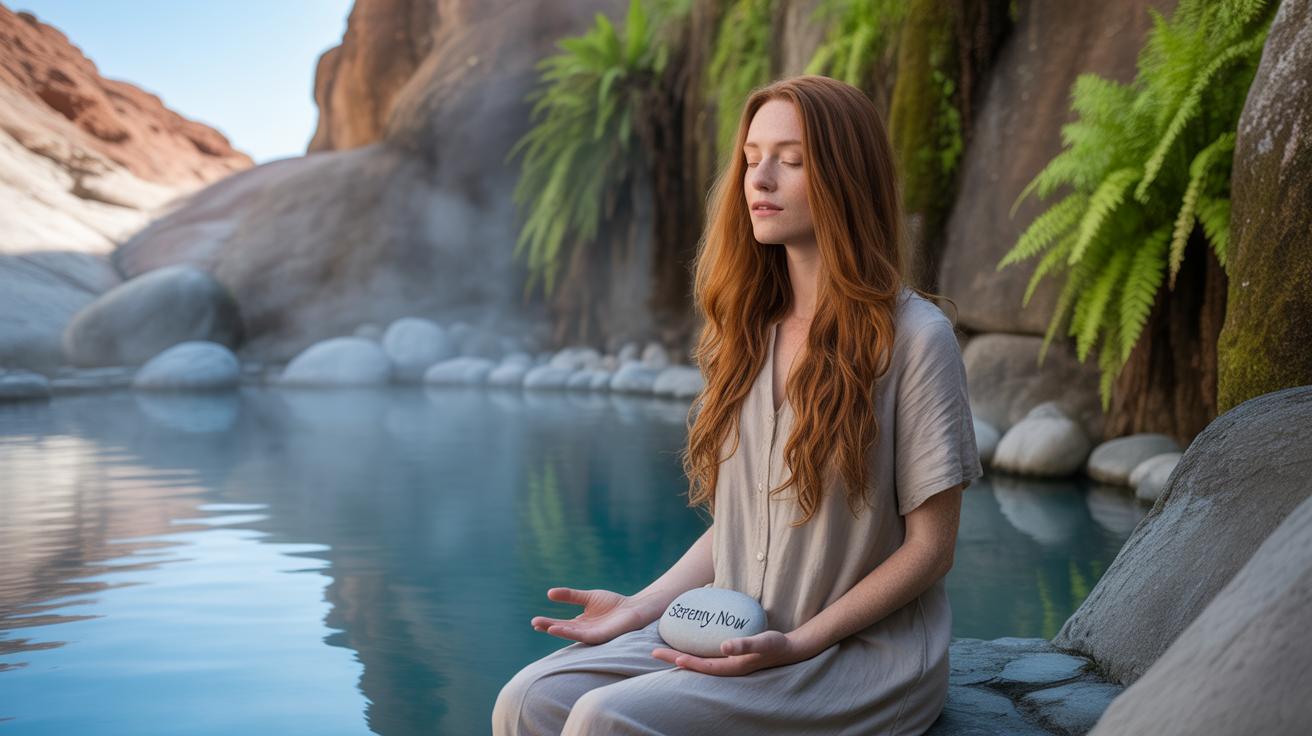
Flexibility grows too, but not just in your hamstrings or shoulders. The slow, deliberate stretches practiced at retreats loosen joints gently, which often makes everyday movements easier and less stiff. Over several days there, you might realize that previously uncomfortable motions suddenly feel natural. It’s more than just stretching; it’s about retraining your muscles and connective tissues to move with less resistance.
Improve Posture and Balance
Posture often gets overlooked until it causes pain. Yoga retreats encourage awareness of your body’s alignment through poses that emphasize spine extension and core engagement. Think of poses like Mountain or Tree, where balance and posture work hand in hand. These poses teach subtle corrections—like how to avoid a forward head or slumped shoulders—without force.
Balance improves as your body learns to stabilize in uneven or one-legged poses. The process can feel awkward at first, but slowly, you develop a sense of control that transfers off the mat. You might find walking or standing feels steadier after a few days. Oddly, it’s not just physical balance but a kind of body confidence that comes with fixing posture and moving mindfully.
Mental Clarity and Focus

Mindfulness and Meditation
You might notice that at a yoga retreat, the emphasis on mindfulness and meditation isn’t just a side activity—it’s central. These practices guide you to slow down and focus on the present moment, which can feel unusual at first if you’re used to being constantly busy. Sitting quietly and observing your thoughts without judgment often brings surprising insights. Many people say they’ve never felt their mind so clear after just a few guided meditation sessions. It’s the kind of clarity that doesn’t come from endless to-do lists, but from intentional stillness.
Mindfulness exercises gently pull your attention away from distractions and anchor it in the here and now. Even a few minutes of this can sharpen your ability to concentrate later on, whether it’s at work or in daily life. You might find your mind wandering less and your focus sticking better to the task at hand. It’s subtle, but this improvement in concentration builds up over the days you spend at the retreat.
Reducing Mental Clutter
The retreat environment itself helps cut down the noise—both literally and mentally. Without constant notifications, daily stress, or the usual rush, your thoughts can slow down. This reduced mental clutter lets you see things more clearly, without the usual chaos clouding your judgment. It’s like clearing a desk piled with papers—you suddenly know where everything is and what needs your attention.
Yoga retreats offer routines and spaces designed to minimize distractions. Early morning yoga sessions, silent walks, and digital detox periods provide mental breathing room. It’s a break from the usual overload, which can make you wonder: How much better could you think if you regularly unplugged from the noise? While it’s not a permanent fix, even a short retreat can reset your thinking patterns enough to carry some focus and calm back home.
Stress Relief Techniques

Yoga retreats often teach you ways to manage stress that go beyond just stretching or poses. One of the key tools you’ll learn is breathing exercises. These aren’t just about filling your lungs—they’re about controlling your breath in a way that calms your nervous system. You might practice slow, steady inhales followed by long exhales, which can lower your heart rate almost immediately. Some people find that this kind of breathing stays with them long after the session ends, calming moments of tension during daily life.
It’s a bit like resetting your body’s stress response—though, I admit, it takes practice to notice the effect fully. At retreats, instructors often guide you through these exercises slowly, sometimes combining them with gentle movements or meditation. That pacing helps you absorb the calm rather than rushing through it.
Breathing Exercises
Controlled breathing at yoga retreats is often simple but powerful:
- Deep belly breaths to activate relaxation.
- Alternate nostril breathing to balance your energy.
- Breath holds to deepen mindfulness.
These practices offer more than just stress relief during your session—they encourage a new awareness of your breath as a stress regulator in everyday life.
Relaxation and Rest
Part of what makes yoga retreats different from home practice is the built-in quiet time and rest. After physical activity, you might find yourself lying still, focusing on soft music or silence. These moments give your body and mind space to process and heal.
At first, it might seem like downtime or even a bit boring—but this slow, gentle pause helps reduce stress hormones and recharge mental energy. Some people come to realize they rarely allow themselves that kind of rest in normal routines. Quiet periods during the day help balance the activity, creating a rhythm that soothes frazzled nerves.
So, combining breathing techniques with intentional rest can make a big difference in how stress feels, both at the retreat and when you go back home.
Connection to Nature

Outdoor Practice Benefits
Yoga outdoors brings something different to your practice. Moving your body while feeling the ground beneath your feet, the breeze on your skin, it’s not quite the same as inside a room with walls. You might notice your breath widening, your movements loosening up just a little more. There’s space around you—literally and figuratively—that allows your mind to wander without losing focus. Getting fresh air during sun salutations or slow stretches can boost energy and help your lungs work better. Some say their balance even improves when they challenge themselves on uneven earth instead of a flat floor. It’s not magic, just a subtle nudge from nature that your body picks up.
You may also find your mood shifts more quickly outdoors. Anxiety or distracting thoughts can fade faster, replaced by a quiet appreciation of your surroundings. This might be because the brain responds differently when it’s not boxed in. Have you ever tried a deep breath next to a river or under a tree? It feels different, right? Probably, because you’re tapping directly into fresh stimuli that reset your physical and mental states.
Calming Natural Environment
There’s something about natural sounds that helps calm your nervous system. The rustle of leaves, a distant bird call, or the gentle hum of insects often lowers stress levels. These sounds don’t demand attention like a phone notification or a noisy street might; instead, they invite your mind to relax. When you practice yoga in such surroundings, your body often responds by releasing tension more easily. The slow, rhythmic patterns in nature might even encourage a steadier heart rate and deeper breathing.
And it’s not just the sounds. The scenery—the way sunlight filters through branches or how colors shift during golden hour—can help soothe your senses. You might catch yourself feeling more grounded, less restless. It’s as if your body recognizes this environment as a safe space to unwind. Of course, this doesn’t mean indoors practices aren’t valuable. But there’s a unique quiet that outdoor sessions offer, one that supports healing almost without effort.
Building Healthy Habits

Yoga retreats create an environment that nudges you toward lasting healthy habits, but not in an overly strict way. It’s more like gently encouraging you to rethink your daily choices. You spend a few days immersed in a routine that feels different from your usual life—one where wellness is the default rather than an afterthought.
The structured schedules at retreats play a big role here. Mornings often start early with meditation or yoga, setting a calm tone for the day. The regular meal times, breaks for rest or reflection, and even designated moments for journaling or breathing exercises form a rhythm that’s hard to resist. It’s interesting how this consistency can stick with you after leaving, secretly shaping your habits.
Nutrition at retreats tends to focus on simple, wholesome foods that your body actually appreciates. Meals might be vegetarian or plant-based, emphasizing fresh fruits, vegetables, and whole grains. You might realize how staying hydrated with herbal teas or plain water—not sugary drinks—makes a quiet difference in your energy levels. This focus on what you consume can quietly shift your perspectives on diet, making healthier eating feel less like a chore and more like something natural.
So, while you’re not being forced into any rigid routine, the retreat’s structure gently encourages daily habits that—maybe surprisingly—feel good enough to want to keep. Could you bring some of that structure and mindful eating back into your everyday life? It’s worth wondering.
Community and Support

Joining a yoga retreat often means becoming part of a group that shares more than just a schedule of poses and meditation. There’s a kind of social atmosphere that naturally develops—people coming together from different backgrounds, all curious and open. This sense of community can feel unexpectedly comforting, like you’ve found a small circle of people who get what you’re doing, even if only for a few days.
The energy in group practice sessions is different from practicing alone. When you’re surrounded by others moving and breathing in sync, it kind of lifts you up, pushing you to try a little harder, stay a little longer in a pose. There’s motivation in that collective effort—like a subtle, shared drive that keeps everyone focused and energized. I’ve noticed it more than once: days when I didn’t feel like pushing myself became easier just because others were right there with me.
Friendships form quickly, sometimes in unexpected ways. Conversations during meals or while walking between sessions can turn into meaningful connections. What’s interesting is how these bonds often last past the retreat itself. Some people keep in touch, check in on each other’s progress, or even meet again months later. This network can offer ongoing support, which helps maintain the lifestyle changes started at the retreat. Plus, having someone who understands the journey can make the whole process feel less lonely, don’t you think?
Emotional Healing

Releasing Emotional Tension
Yoga retreats offer a unique setting where physical movement meets deep emotional release. You might not realize it, but certain yoga poses can tap into areas of the body where emotions have settled—tight hips, a clenched jaw, even the chest. When you practice these poses with intention, they gently coax out tension that you weren’t even fully aware you were holding onto.
Breathing exercises play a crucial role here, too. Slow, mindful breathing often helps soften emotional blockages, encouraging the body to let go of stress and anxiety. You may feel a mix of relief and discomfort as stored feelings surface and flow away. That feeling is part of the process—sometimes it feels like unburdening, sometimes like facing old wounds again.
Developing Emotional Awareness
Mindfulness during a yoga retreat does more than quiet the mind; it turns your attention inward in a way few other experiences do. When you pause to notice how your emotions rise and fall throughout a practice or guided meditation, you’re building a connection to your inner world.
This increased emotional awareness can be surprising. You might catch yourself becoming more curious, less judgmental, maybe even confused about feelings you didn’t fully understand before. And that’s okay. The retreat space, often away from daily distractions, encourages you to sit with these emotions rather than push them away.
Over time, this deeper understanding helps in managing emotional ups and downs. You start to see patterns—what triggers certain reactions or which emotions fade quickly versus those that linger. It’s not always easy, and sometimes progress feels slow or uneven, but for many, it’s a step toward real emotional healing.
Improved Sleep Quality

Attending a yoga retreat often brings noticeable changes to your sleep—sometimes after just a few days. I remember feeling more rested during my stay, even if I didn’t think my sleep was poor before. The shift happens because these retreats guide you into healthier sleep rhythms, helping your body recognize when it’s really time to wind down. You might find yourself falling asleep faster or waking up less during the night. The peaceful environment, away from daily stress and screens, also plays a role. But it’s more than just the setting; the yoga practices themselves touch something deeper.
Calming the Nervous System
Yoga and meditation calm your nervous system in ways that you might not notice right away, yet the effects become clear when you try to sleep. Many styles of yoga emphasize breath control and slow movements, which lower heart rate and ease tension. Think of it as sending a signal to your brain that the day’s over and rest can begin. Sometimes, this feels a bit subtle or even inconsistent—on some nights the calm lingers, other times it fades quickly—but over time, the nervous system learns to relax more readily. It almost feels like rewiring, though not perfectly, and the process can take patience.
Evening Relaxation Practices
Yoga retreats often include gentle evening routines designed specifically to promote deep relaxation before bed. These can be slow stretches, guided meditation, or calming breathing exercises performed in dim, quiet spaces. One practice I found helpful was a body scan meditation, which invites you to slowly focus on each part of the body, releasing tension bit by bit. These routines aren’t always followed with the same intensity by everyone, but those who stick with them tend to report falling asleep faster and feeling more refreshed. Maybe you’ll try something similar at home after the retreat ends—it’s a simple yet effective tool to ease the transition from wakefulness to rest.
LongTerm WellBeing

Yoga retreats do more than just offer a break from daily life—they give you tools that can shape your health and happiness well after you’ve returned home. You might leave with a simple breathing technique that calms anxiety or a new approach to stretching that eases chronic tension. These aren’t just quick fixes; they’re practices you can carry forward, learning to handle stress or restore balance whenever life feels off.
During a retreat, the environment itself—the quiet, the guidance, the rhythm—creates motivation. It’s one thing to know what to do, but having the push to actually do it is different. You might find yourself inspired simply by witnessing others’ progress or by the focused time dedicated to self-care. This boost often lasts, helping you stick to healthier routines once you’re back in your usual surroundings.
Self-Care Skills
If there’s one takeaway from a yoga retreat, it’s usually a better handle on self-care. You learn to listen to your body—not in a vague sense, but in a practical way. Like noticing when your shoulders creep up without realizing it or when your breath becomes shallow during stress. Simple cues that, when caught early, can prevent bigger burnout.
Retreats often teach mindfulness habits beyond the mat, too. Things like gentle meditation practices, journaling prompts, or ways to set boundaries with work and social demands. These skills support continued self-care, even if you don’t feel “yoga-strong.” It’s about building a toolkit that feels manageable every day—or at least most days.
Motivation for Daily Practice
One surprising part of retreats is how they spark a kind of commitment. Maybe it’s the energy shared during group sessions or the quiet victories you experience alone on your mat. That motivation isn’t always steady afterward—there are good days and bad—but it sets something in motion.
What sticks, often, is the idea that a few minutes of practice can shift how you feel entirely. Suddenly, rolling out your mat each morning or evening doesn’t feel like a task but a choice with visible benefits. You might ask yourself, “Can I keep this up?” And somehow, the answer starts leaning more toward yes. There’s a gentle momentum that yoga retreats help create, even when life gets complicated.
Conclusions
Yoga retreats provide a valuable break from everyday stress. You gain physical strength, flexibility, and better posture through guided yoga exercises. Your mind also benefits by learning to stay present and calm in different situations.
Choosing a yoga retreat gives you tools to take care of your whole self. By dedicating time to both your body and mind, you return feeling refreshed and ready to face daily life. Consider a yoga retreat to grow healthier in simple, natural ways.