
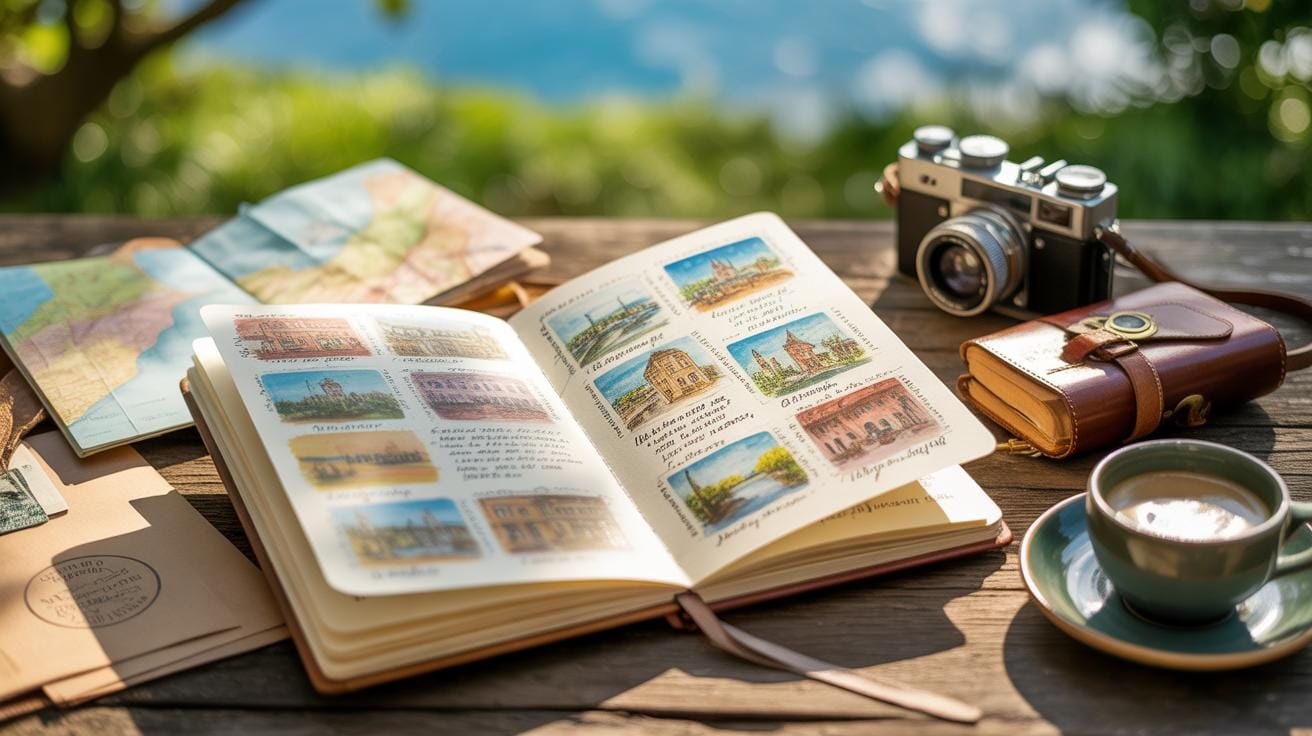
Embracing The Wordless Journal Challenge For Travelers
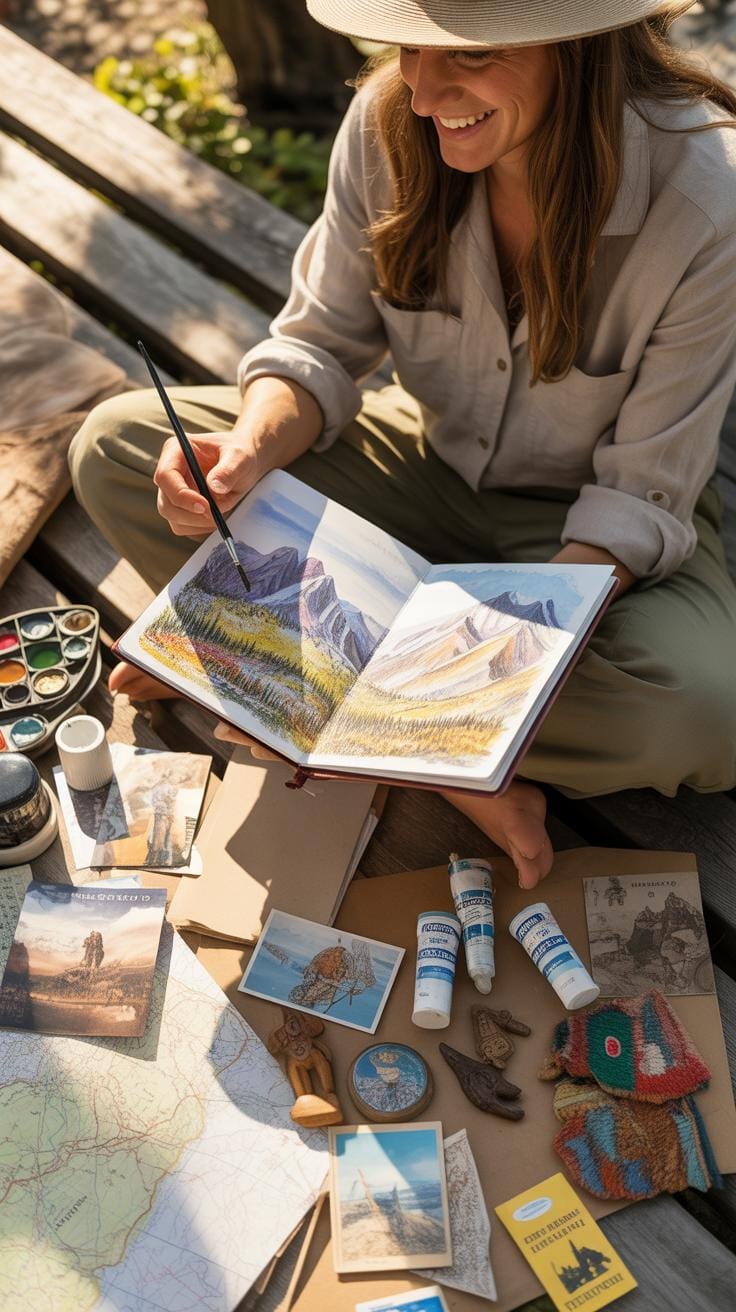
Visual Storytelling
Capturing travel memories without words requires careful attention to physical details. You can use ticket stubs, pressed flowers, or local transit maps to fill your pages. These items act as anchors for your memories during a 30 Days Journaling Challenge. Focus on the colors of a sunset or the texture of a cafe napkin. Small scraps of paper hold immense power to recreate the feeling of a specific place and time.

A 30 Day Journal Challenge Template helps you organize these fragments into a cohesive narrative. You can arrange stickers from a suitcase or sketches of local landmarks on the page. This practice serves as a unique 30 Day Challenge Journal Ideas resource for future trips. It reduces reliance on text and forces you to look closer at your surroundings. Your layout becomes a silent map of your personal growth through various lands.
Universal Language
Images allow your stories to speak to everyone regardless of their native tongue. Sketches of a mountain range or a bowl of noodles carry a clear meaning. This approach works well for a Reading Journal Challenge where you record visual summaries of books you read while on a train. People from different cultures can understand the joy in a drawing of a smiling face. Visuals bridge the gap between diverse backgrounds.
Using a No Spend Journal method encourages you to use what you already have. You can pick up free postcards or brochures to decorate your 30 Days Diary Challenge entries. This creates rich Journal Inspiration for others to see. A Bujo Challenge 30 Day layout focuses on icons and symbols instead of long sentences. Your 30 Days Journal Challenge becomes a gallery of your life that needs no translation to be beautiful.
Starting Your 30 Days Journal Challenge With Visual Cues

Daily Habits
Commitment to a 30 Days Journal Challenge requires a simple daily routine. Set aside ten minutes every morning to record your travel sightings through shapes and lines. This practice helps you stay focused on the present moment without using words. You will build a strong artistic habit by repeating these actions every day. Consistent effort turns small sketches into a meaningful 30 Day Journal Challenge Template of your life.
A 30 Days Journaling Challenge works best when you keep your tools ready. Place your notebook and pens near your bed or in your travel bag. Consistency creates a 30 Days Diary Challenge that feels natural and easy to maintain. Your drawings will show your progress over time. Use these sessions as Journal Inspiration for future projects. This Bujo Challenge 30 Day method makes recording your trips fun and stress free.
To travel is to discover that everyone is wrong about other countries. Sometimes the most profound stories are found not in words, but in the quiet observation of the world’s beauty.
Thematic Prompts
Focus on specific colors to guide your 30 Day Challenge Journal Ideas during this month. Use soft blues for rainy days or bright yellows for sunny afternoon walks. This method follows the ideas of the Bauhaus movement where form and color communicate clear meanings. A Reading Journal Challenge might use deep reds to show intense scenes or pale greens for calm chapters. These visual prompts help you organize your thoughts without writing sentences.
Texture provides another way to fill a No Spend Journal without buying expensive stickers. Rub your pencil over a rough stone or a leaf to capture a physical memory. These tactile marks create a unique 30 Days Journal Challenge for your senses. Use different materials like charcoal or ink to show varied moods. These simple techniques offer a rich way to express your travels. You will learn to see the world in a more detailed and artistic way.
Applying The Reading Journal Challenge To Travel Ephemera

Ticket Stubs
Transit tickets and paper maps act as chapters in your travel story. These items record your physical movement through space. Arrange your train passes or bus stubs in a sequence that shows your route. This method mirrors a Reading Journal Challenge by giving your journey a clear structure. Use these paper scraps to build a visual timeline of your adventure.
Layering stubs creates a 30 Days Journaling Challenge that tracks your path. You can treat these as a 30 Day Journal Challenge Template for your commute. A No Spend Journal approach helps you use what you collect for free. Your tickets tell a story without using any written sentences. This Bujo Challenge 30 Day technique makes your travel logs feel more organized and meaningful.
Cultural Narratives
Local art and buildings offer visual stories you can read like a book. Every pattern on a silk scarf or carving on a stone wall holds a message. Replicate these shapes in your book to capture the local spirit. This practice offers great Journal Inspiration for those who prefer images over speech. You can document the colors of a street or the curves of a roof.
Your 30 Days Journal Challenge turns into a 30 Day Challenge Journal Ideas gallery. Use these ideas for a Reading Journal Challenge that studies signs and symbols. This 30 Days Diary Challenge focuses on the soul of a place. It provides a way to remember city vibes during your 30 day journal challenge. You learn to interpret the world through sketches and patterns instead of complex text.
The No Spend Journal Approach To Collecting Memories
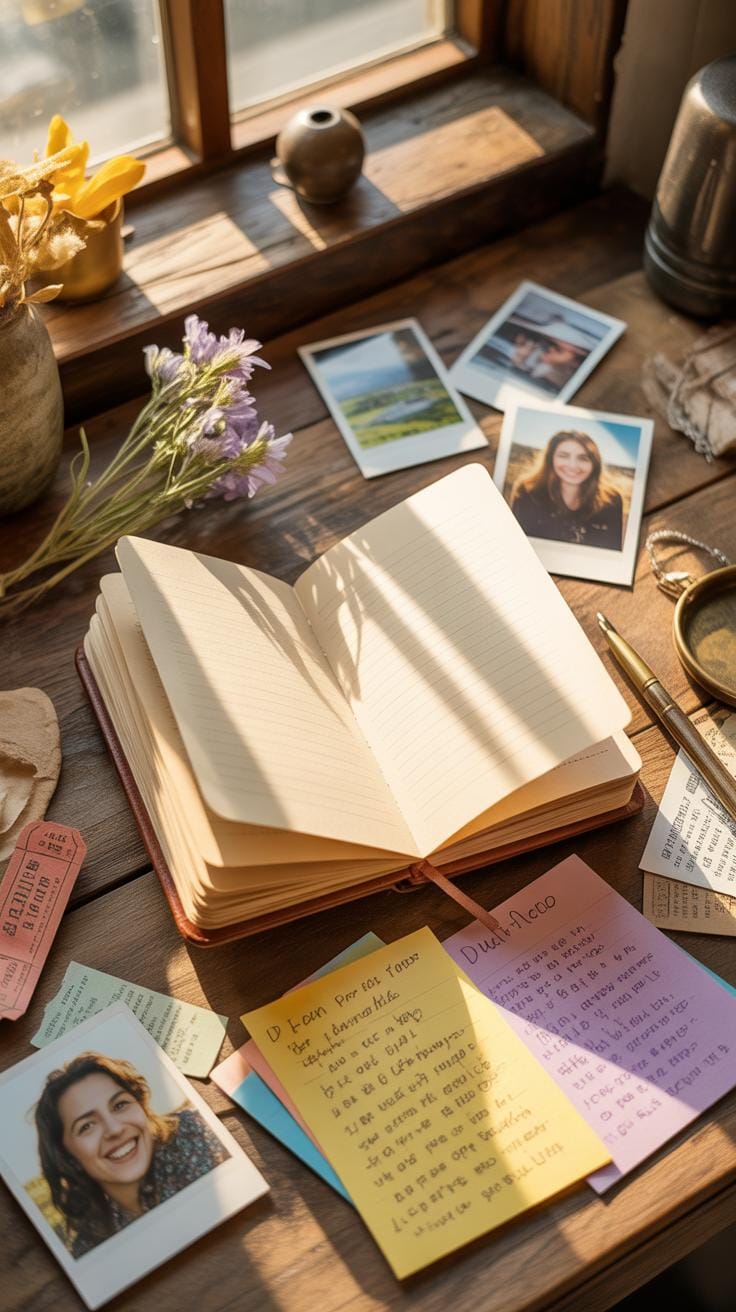
Free Materials List
Capturing travels through a wordless lens saves money and builds a tactile history. You can use a 30 Day Journal Challenge Template to track your daily finds. This method avoids expensive souvenir shops. It focuses on physical items that tell a story without using any text. Your pages grow thick with real textures from the streets you walk. These objects provide lasting 30 Day Challenge Journal Ideas for your layouts.
- Museum brochures: These glossy papers offer high-quality images of local art and history. You can cut out shapes or patterns to represent the places you visited. They serve as excellent Journal Inspiration for those who enjoy structured visual layouts.
- Dried local flora: Pressed leaves or fallen petals capture the natural colors of a specific region. These organic elements fit perfectly into a 30 Days Journaling Challenge. They provide a direct physical connection to the landscape and the current season of your trip.
- Reclaimed product packaging: Local candy wrappers or tea tags show unique regional graphic design. These small scraps act as colorful anchors for your Bujo Challenge 30 Day pages. They represent the daily habits and flavors you experienced while staying in a new city.
- Train and bus transfers: Transportation slips document the movement and pace of your journey. These tiny papers are staples for any No Spend Journal project. They show the logistical side of travel through simple grids and stamped numbers without requiring written entries.
- Napkins with local branding: Logos from small bakeries or coffee shops add a soft texture to your book. Use these to remember a specific meal or a moment of rest. They help complete a 30 Days Diary Challenge by marking specific locations through visual icons.
Gathering these items keeps your budget intact while fueling your 30 Days Journal Challenge. Every scrap of paper holds a specific memory of a time and place. This tactile approach turns trash into art. It helps you stay focused on the visual world around you. You will find that a Reading Journal Challenge can overlap with this style by documenting the visual bookmarks of your favorite travel books.
Scavenger Hunt Mindset
Turning your city walks into a search for paper scraps makes every hour exciting. This active way of seeing helps you complete a 30 Day Journal Challenge with ease. You stop looking for typical gift shops and start noticing the beauty in small details. A discarded ticket or a beautiful business card becomes a prize. This mindset keeps you tethered to the present moment throughout your entire vacation.
Your daily routine becomes a game that provides endless Bujo Challenge 30 Day content. You collect different items each morning to fill your pages by nightfall. This habit ensures your 30 Days Journaling Challenge remains fresh and diverse. You notice colors and patterns on the street that others simply walk past. These found objects tell a story of your movements through a city without using a single word.
Using A 30 Day Journal Challenge Template For Visual Layouts
Grid Frameworks Intro
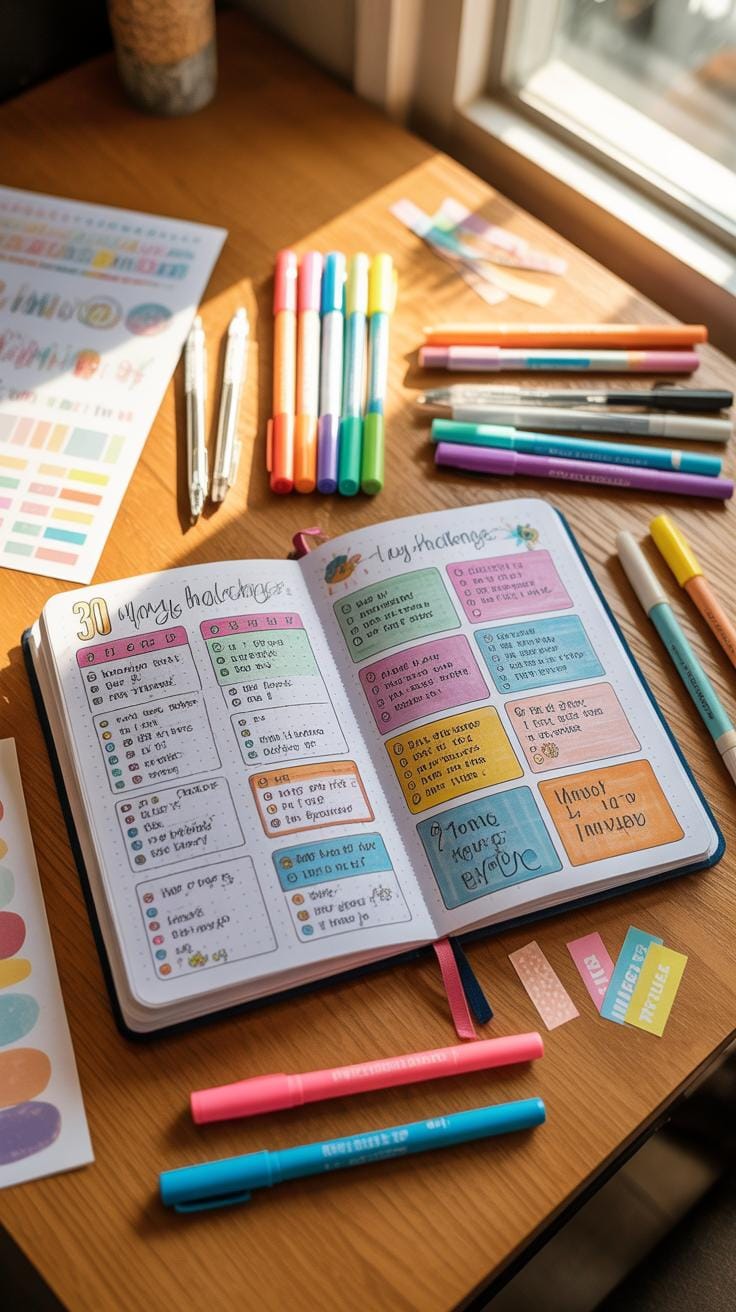
A 30 Day Journal Challenge Template provides a clear structure for your travel memories. You can use dot grid paper to align small photos with old paper scraps. This method keeps your pages neat without needing words. It works great for a Reading Journal Challenge where you track book covers visually. Grid lines help you place stickers and stamps in straight rows for a clean look.
Consistency makes your 30 Days Journaling Challenge feel like a complete collection. You can assign specific spots for tiny dried flowers or train passes. This layout style simplifies a No Spend Journal by using color blocks instead of numbers. Follow 30 Day Challenge Journal Ideas to keep every page unique yet organized. These simple shapes act as anchors for your items on the paper.
Composition Techniques
Professional graphic design uses the rule of thirds to guide the eye. Imagine two vertical and two horizontal lines across your paper. Place your most important travel photo where those lines cross. This balance provides great Journal Inspiration for any 30 Day Challenge Journal. It prevents your pages from looking messy or crowded. Your 30 Days Diary Challenge will look better with this simple trick.
Negative space gives your eyes a place to rest between busy sections. Do not feel forced to fill every empty corner with ink or tape. A Bujo Challenge 30 Day often suggests leaving white space around your focal point. This technique highlights your sketches from your 30 Days Journal Challenge. It makes each visual element stand out. Keep your layouts simple to tell a clear travel story.
Consistency In A 30 Days Journaling Challenge For Sightseers
Time Management
Capturing memories during a 30 Days Journaling Challenge requires using small gaps in your schedule. Use transit times on trains or buses to sketch quick outlines of your surroundings. These brief moments help you record feelings before they fade. Keep your 30 Day Challenge Journal Ideas simple to suit a fast pace. Small sketches work better than complex art when you are moving between famous landmarks.
Travelers often find success by carrying a 30 Day Journal Challenge Template in their pocket. This structured approach saves time during a busy 30 Days Diary Challenge. Stick to a 30 Days Journal Challenge routine by drawing even for five minutes at a cafe. Maintaining this pace ensures you complete your travel book without feeling stressed. Consistent effort makes the final collection of images feel like a complete story.
Overcoming Blocks Visual
Creative fatigue happens often during a 30 Days Journal Challenge. If you feel stuck, focus on one specific color seen throughout the day. Draw a red door or a yellow flower to restart your flow. This method offers Journal Inspiration when large landscapes feel too difficult to draw. Limiting your choices helps you keep moving forward during a Bujo Challenge 30 Day.
A Reading Journal Challenge might track books, but a visual travel log tracks sights. Use a No Spend Journal approach by using found scraps like tickets or leaves to fill space. This reduces the pressure to create perfect art every single day. Simple shapes help maintain momentum during your travel journey. Focus on the physical textures of the city to overcome any temporary loss of creative energy.
The Ultimate 30 Days Diary Challenge For Artists
Mixed Media Integration
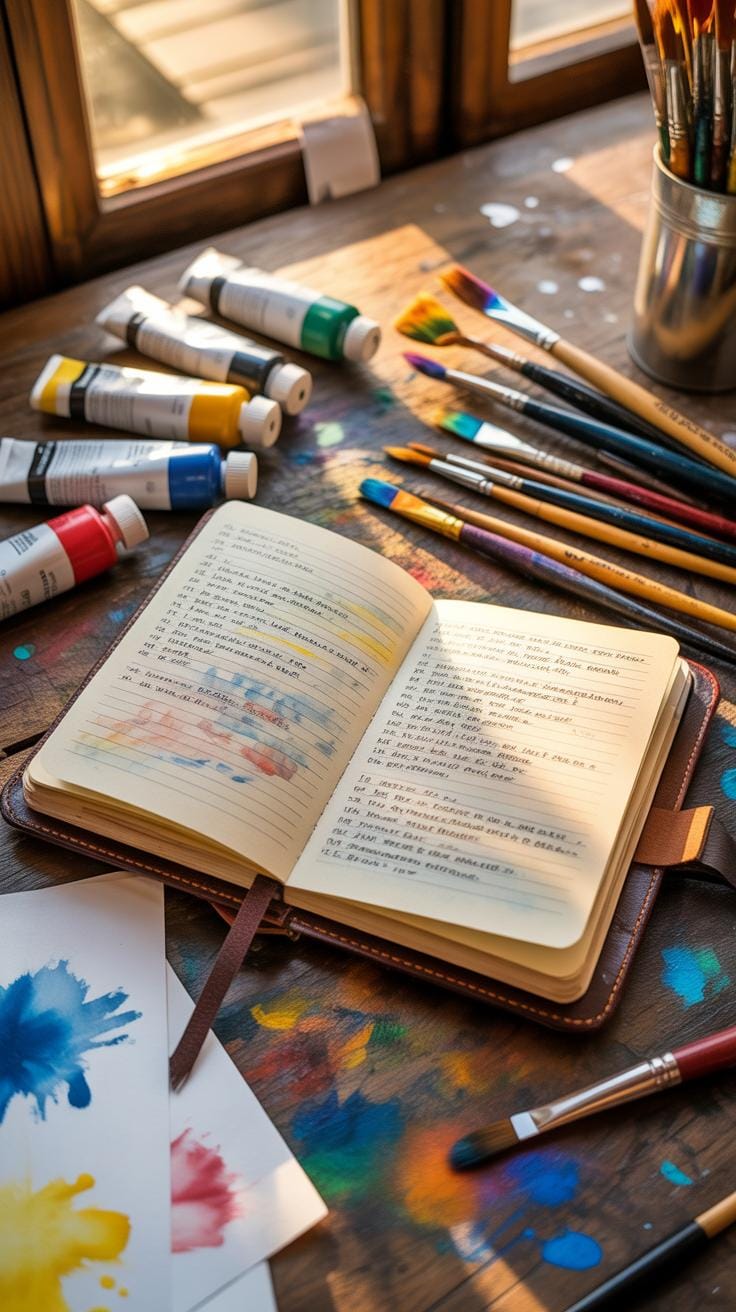
Artists can create a tactile record of their travels by blending traditional watercolors with natural elements. Pick up small amounts of dry soil or fine sand from a specific location. Mix these materials directly into your wet paint on the paper. This technique creates a physical connection to the land. You can follow a 30 Days Journal Challenge to stay consistent with these unique artistic experiments.
Using local materials provides raw Journal Inspiration for every page. A No Spend Journal approach encourages using what you find around you instead of buying new supplies. Apply a 30 Day Journal Challenge Template to organize your daily entries. This 30 Days Journaling Challenge helps you build a sensory map of your trip. The resulting textures tell a story that words often fail to capture properly.
Emotional Expression
Abstract shapes can mirror your internal state during a 30 Days Diary Challenge. Broad and sweeping brushstrokes might suggest the freedom of an open landscape. Sharp or jagged lines can represent the energy of a crowded city market. You do not need text to explain these feelings to yourself. Use a Bujo Challenge 30 Day layout to track your changing moods through colors and simple geometric forms.
A Reading Journal Challenge often focuses on plots but this visual method focuses on pure feeling. Select colors that match the atmosphere of your destination. Cool blues may reflect quiet mornings by the sea. Vibrant yellows can show the heat of a busy afternoon. Use these 30 Day Challenge Journal Ideas to keep your momentum high. Flowing movements and intentional marks make your travel memories vivid and deeply personal.
Finding Daily Journal Inspiration In Foreign Lands

Architectural Patterns
Travel provides a fresh view of ancient tile work and street layouts. Observe the geometric shapes in cobblestone paths or colorful mosaics on old walls. These repeating forms offer excellent material for your 30 day journal challenge template. Draw simple squares or triangles to build a rhythmic background. This method helps you fill pages without using words while capturing the local atmosphere of your trip.
Capture the spirit of Art Deco windows or Gothic arches through minimalist sketches. Focus on the lines and spaces between buildings to guide your layout. Use these shapes to structure your 30 day challenge journal ideas for the week. A no spend journal approach encourages you to observe these details for free. Replicating the symmetry of foreign plazas creates a sense of order on your personal travel pages.
Local Flora Fauna
Nature changes from one border to the next. Native flowers and local birds act as perfect central motifs for your 30 days diary challenge. Sketch the jagged edges of a desert cactus or the soft curve of a tropical leaf. These natural elements represent the climate and habitat of your destination. They serve as visual anchors for your 30 days journal challenge when words feel unnecessary.
Drawing animals you see in the wild or city parks adds movement to your art. A small sketch of a local street cat or a colorful parrot provides instant journal inspiration. Incorporate these figures into your 30 days journaling challenge to show where you rested each day. Use these drawings to build a reading journal challenge about nature books later. A bujo challenge 30 day project grows stronger with unique biological details.
The Bujo Challenge 30 Day Edition For Organized Travelers
Bujo Layouts List
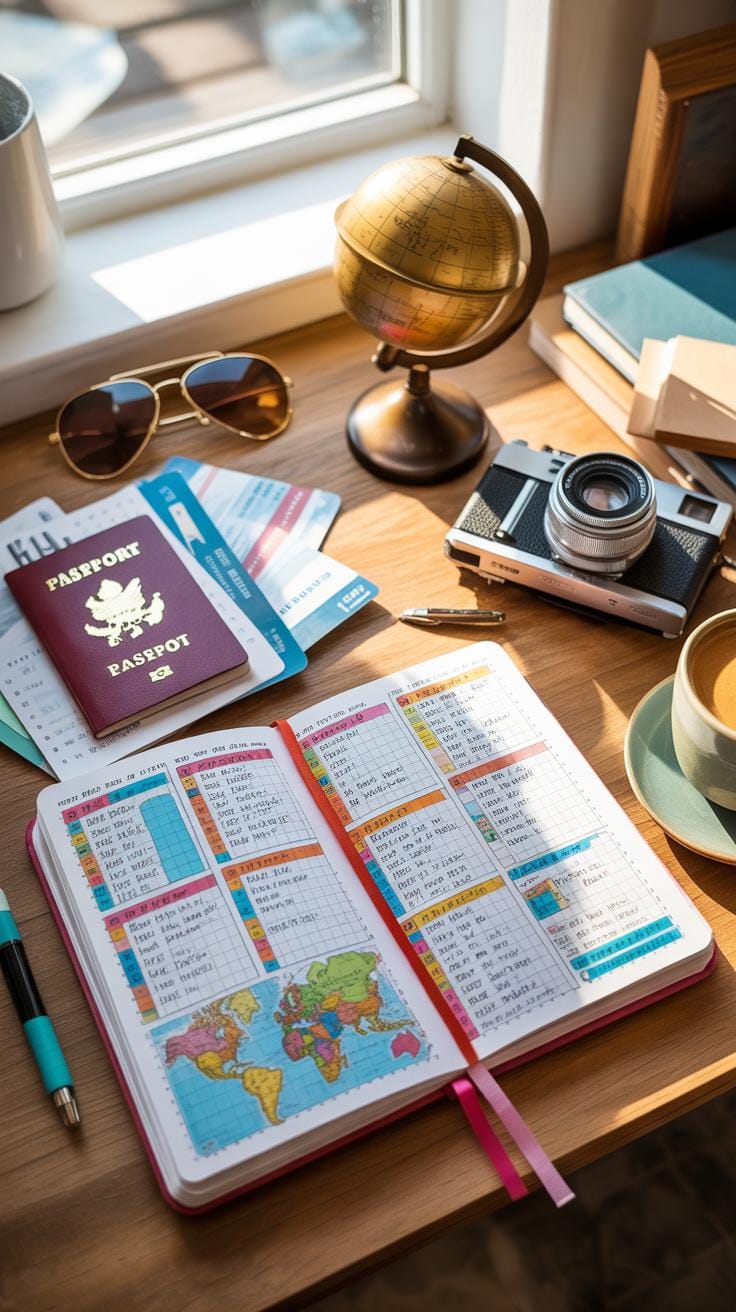
Adapting your notebook for a wordless adventure requires careful planning and creative thinking. You can use a 30 Day Journal Challenge Template to map out your upcoming trip geographically. This method focuses on shapes and shades rather than sentences. It helps you capture the essence of your movement through different cities and landscapes. Many people find this 30 Days Journaling Challenge more relaxing than writing long entries.
- Visual weather icons: Use small sunshine or cloud drawings to track the daily climate. These tiny sketches tell a story of the atmospheric conditions without using any letters. They serve as great Journal Inspiration for future trips.
- Mood color scales: Assign a specific color to your feelings each day during your journey. Fill in a small circle to represent your internal state while visiting new landmarks. This creates a vibrant map of your overall emotional experience.
- Step count bar charts: Draw vertical lines of different heights to show how much you walked. Each bar represents one full day of exploration through streets or parks. It provides a quick way to see which days were your most active.
- Cuisine rating symbols: Create a simple system of stars or forks to grade your meals. This wordless approach works perfectly for a 30 Day Challenge Journal Ideas project. You can remember which flavors stood out without writing down specific names of dishes.
- Transportation mode icons: Sketch tiny planes, buses, or trains to show how you moved between locations. These icons mark the transitions in your itinerary during your 30 Days Diary Challenge. It makes your logistics look like a beautiful map of icons.
Integrating these elements into a Bujo Challenge 30 Day format keeps your travel records neat and tidy. You can track your budget using a No Spend Journal technique by drawing empty wallets for days without extra costs. This visual style allows you to focus on the sights around you. It reduces the stress of documenting every detail while you are still enjoying the vacation.
Efficient Legend System Intro
Every successful silent traveler needs a clear key to decipher their marks later. You should define your symbols on the first page of your 30 Days Journal Challenge book. This preparation ensures you stay consistent throughout your entire vacation. Use basic geometric shapes or simple outlines to represent complex travel activities. This system allows you to record data quickly while waiting for a train or sitting in a park.
Your legends can also include tracking for a Reading Journal Challenge if you carry a book on your flight. Assign a different symbol for every fifty pages finished to visualize your progress. This method works well for any 30 Day Journaling Challenge because it removes the pressure of vocabulary. You create a personal language that only you understand. It makes your diary a private and special record of your quietest moments abroad.
Creative 30 Day Challenge Journal Ideas For Travel Pages
Collage Concepts
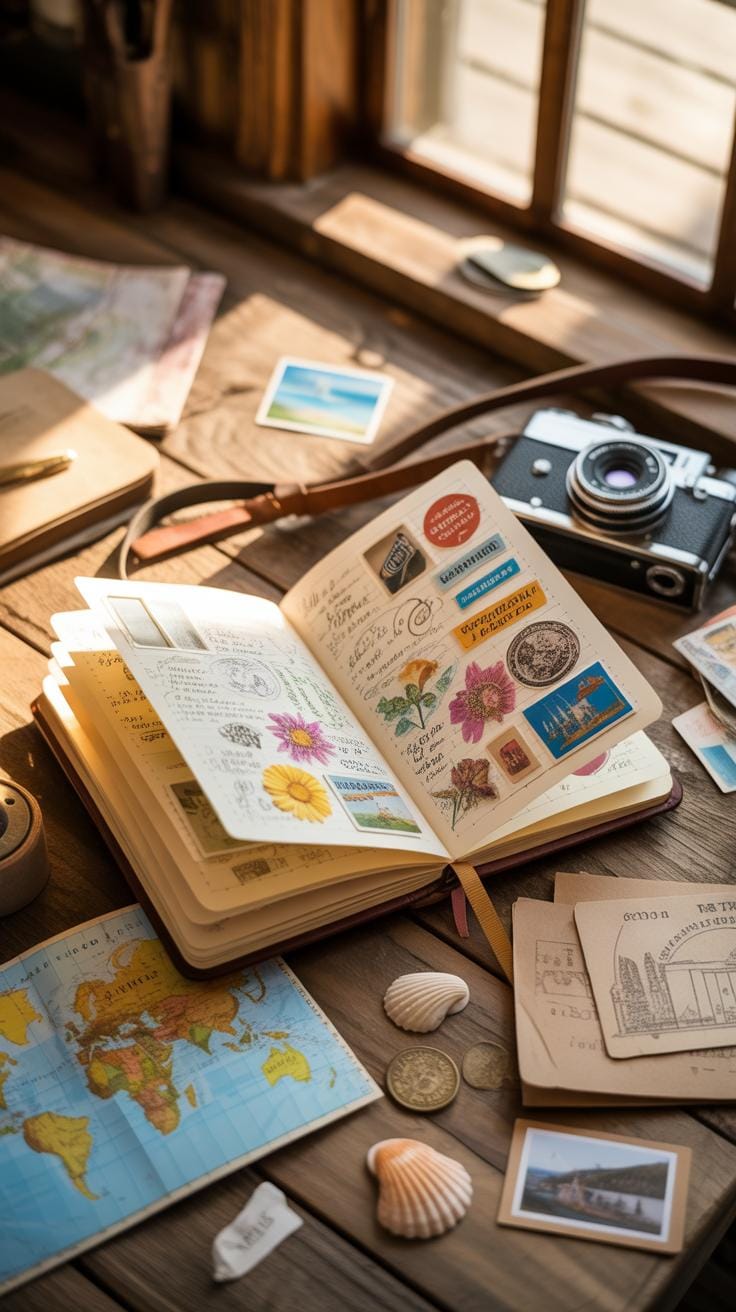
Layering different paper weights creates a physical map of your travels. Use train tickets from London or sugar packets from a Paris cafe to build your layout. This method fits perfectly into a 30 Days Journal Challenge focused on geography. You can use old maps as a base layer for your 30 Day Journal Challenge Template. These textures tell a story about where you walked and what you saw each day.
Select colors that match the mood of the city you visited recently. Bright neon scraps work for Tokyo while earthy tones suit a 30 Days Journaling Challenge about the countryside. Your Wordless Journal Challenge stays visual by letting the scraps represent specific landmarks. This style provides great Journal Inspiration for those who prefer tactile art. Authentic materials ground your memories in reality without using any written descriptions.
Interactive Elements
Small paper pockets hold items that are too fragile for glue. Use glassine envelopes to protect dried flowers or sand from a distant beach. This technique is a smart part of a No Spend Journal because you use recycled materials found for free. Your 30 Day Challenge Journal Ideas can include these hidden spots to keep the page tidy. Tucking away secrets keeps your 30 Days Diary Challenge private and very intriguing.
Flip-flaps allow you to show more scenery in a limited space. Fold a piece of heavy paper to hide a secondary image underneath the primary one. This interactive approach works well for a Bujo Challenge 30 Day or a Reading Journal Challenge focused on travel books. Moving parts make your 30 Day Journaling Challenge feel alive and fun to touch. Simple hinges made of tape keep your 30 day journal challenge layout clean and organized.
Frequently Asked Questions

What exactly is a wordless journal and why should I try this challenge?
A wordless journal is a visual diary that relies entirely on imagery, textures, and found objects rather than sentences to tell a story. Taking part in the Wordless Journal Challenge allows you to bypass language barriers and tap into your intuitive creativity. It is a refreshing way to document your travels by focusing on the colors, shapes, and feelings of a destination, helping you remember the atmosphere beyond just the facts.
How do I get started with my first travel page if I am not a trained artist?
You don’t need professional art skills to succeed with the Wordless Journal Challenge. Start by collecting ephemera like vintage stamps, pressed flowers, or local transit tickets during your trip. Use these items to create a collage that represents your day. Layering these physical mementos with simple watercolor washes or abstract sketches helps build a rich narrative. Focus on the composition and emotional impact of the page rather than technical perfection or realism.
Do I need to buy expensive art supplies to participate in this travel challenge?
Absolutely not; this challenge is highly accessible for every budget. You can complete a beautiful entry using a simple sketchbook, a glue stick, and a single black pen. Many participants find their best “supplies” for free by gathering discarded maps, patterned napkins, or sugar packets from local cafes. The beauty of this creative project lies in your ability to transform everyday scraps into a visual masterpiece without spending a fortune on tools.