
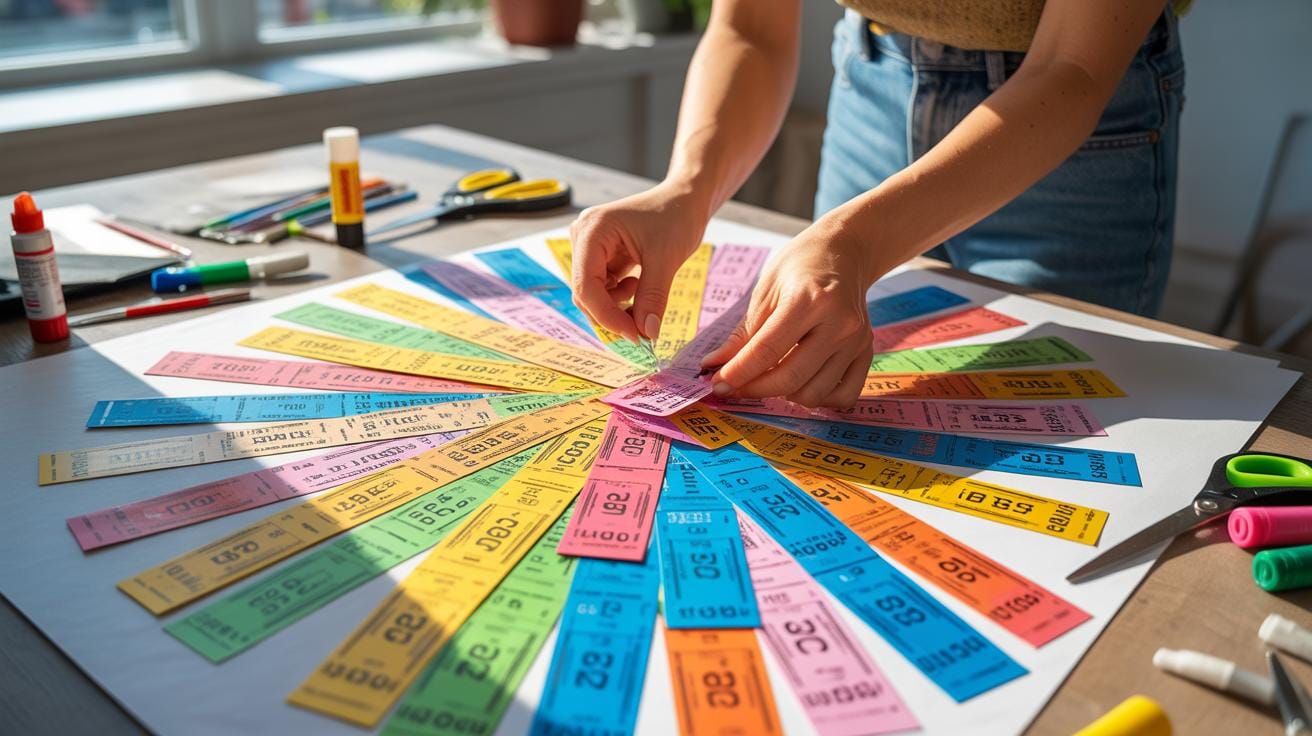
The Creative Potential Of A Modern Bus Ticket Drawing
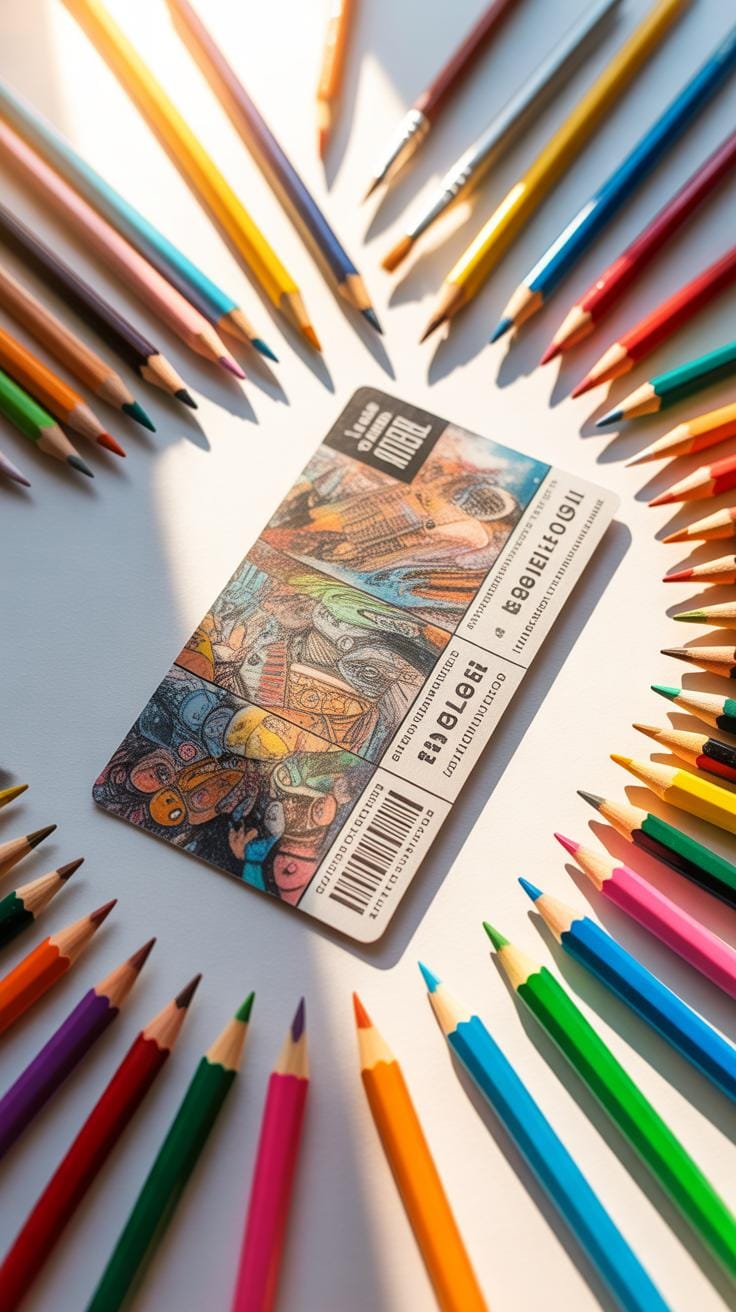
Sketching Techniques
Modern transit relies on thermal paper. This material reacts to heat and friction. High pressure from a hard pencil can leave dark marks without using lead. Use soft graphite for a dark Bus Ticket Drawing to avoid tearing the thin paper. Test your tools on a Bus Ticket Sample before starting. Alcohol markers will bleed through and ruin the chemical coating on standard thermal tickets.

Precision is necessary for small scale work. Use technical pens with archival ink for a detailed Bus Ticket Illustration. Fixatives do not work well on thermal rolls. They often turn the entire surface black. For sturdier cardstock, use light layers of gouache. This mimics the look of Colorful Vintage Bus Tickets without warping the base. Stiff cardstock supports heavier pressure and mixed media better than thin paper.
Composition Tips
Work with the existing layout of the ticket. Dates and prices provide a natural grid for your art. Use the blank spaces around the QR code to center your image. This method creates a professional Vintage Bus Ticket Design feel. Look at a high quality Bus Ticket Vector to see how text and negative space balance each other. Align your lines with the printed margins to ensure visual stability.

Frame your subject with the ticket header. This elevates a simple sketch into something unique. You can find inspiration in Train Ticket Art Ideas that use serial numbers as borders. Apply these Bus Ticket Design Ideas by letting numbers flow into your shapes. If you lack physical stubs, use a Printable Bus Ticket to practice your layout. Effective small scale work respects the original typography of the transit slip.
Finding Inspiration In Vintage Bus Ticket Design
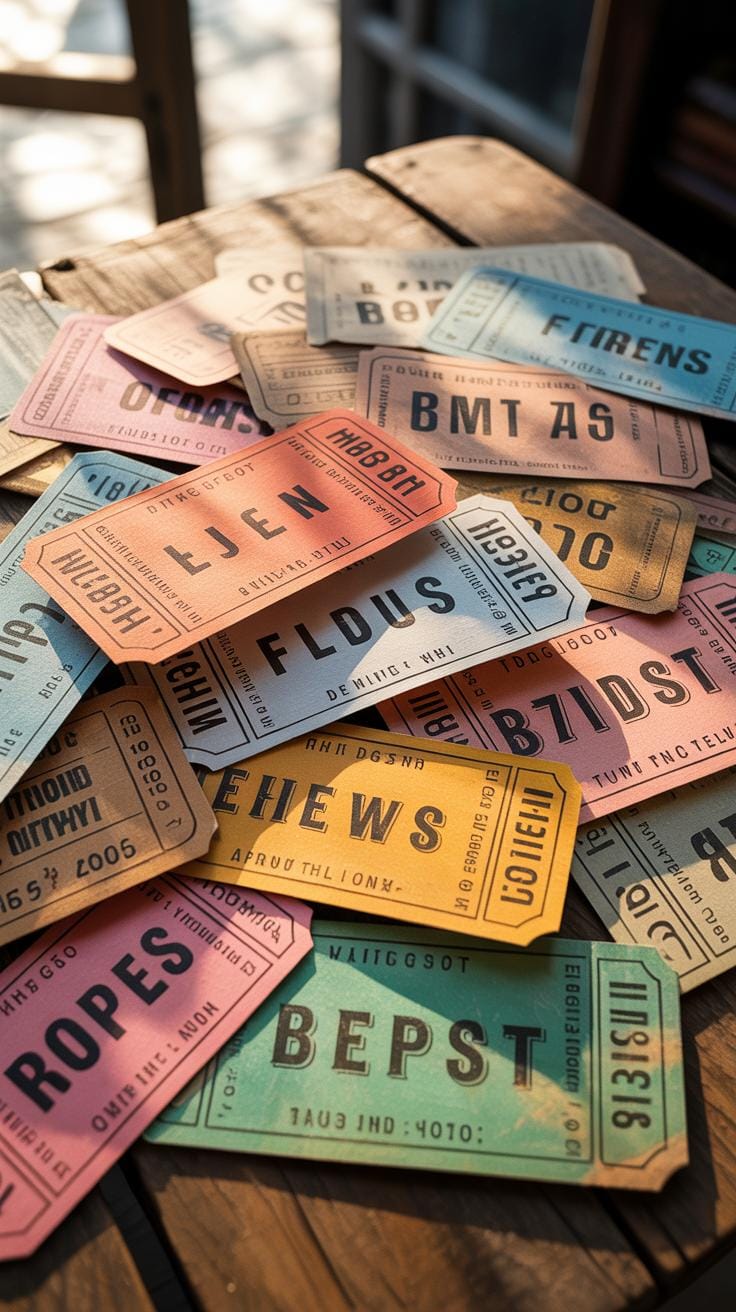
Historical Typography
Vintage bus ticket design relies on functionalist typography from the mid-twentieth century. Designers utilized condensed sans-serif fonts to fit numerical data into narrow columns. These layouts prioritize legibility under poor lighting conditions. Study a bus ticket sample to see how letter spacing and weight create visual hierarchy. This mechanical aesthetic provides a strong foundation for a modern bus ticket illustration or detailed collage project.
Artists often replicate these technical layouts through a bus ticket vector for precise scaling. Grids used in historical printing help organize a bus ticket drawing without clutter. Look for letterpress indentations on old cardstock to understand tactile depth. These geometric arrangements offer excellent bus ticket design ideas for creators. Use these structural elements to guide your placement of text and symbols in any technical art piece.
Color Palettes
Colorful vintage bus tickets used limited ink sets due to high printing costs. Common schemes include muted oranges, faded greens, and deep indigos on manila or cream paper. These palettes define the retro look in modern mixed media. Analyzing a printable bus ticket allows you to isolate these specific hex codes. Use these restricted palettes to ensure your current work maintains a cohesive and authentic historical feel.
Combine these classic tones with train ticket art ideas to expand your project scope. Weathered paper textures often shift original colors toward yellow or brown over time. These natural shifts provide a roadmap for layering pigments in your designs. Study how thin paper absorbs ink to mimic realistic bleeding in your digital or physical work. This approach ensures your creative output looks grounded in real design history and material science.
Mastering The Art Of Bus Ticket Illustration
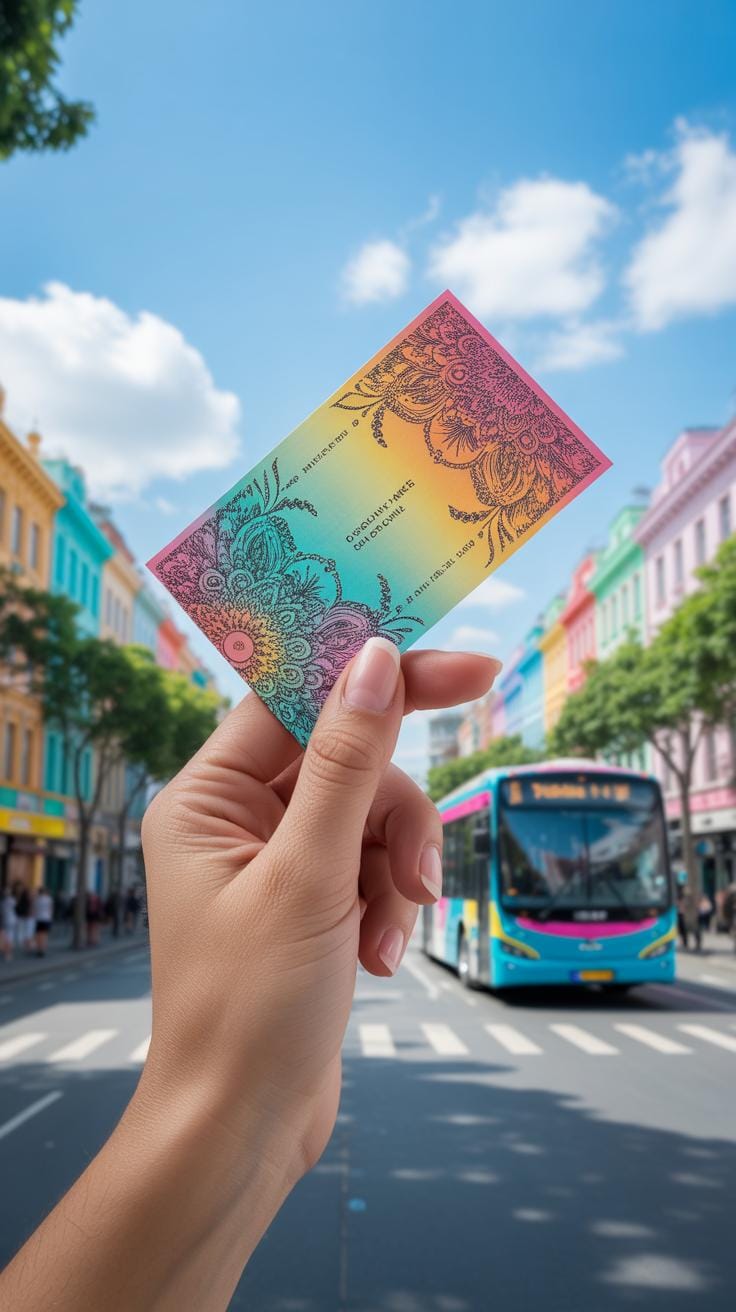
Narrative Art
Bus Ticket Drawing requires a focus on micro narratives within a confined space. You must use the existing typography and serial numbers as structural anchors for your Bus Ticket Illustration. Many artists look at a Bus Ticket Sample to find negative space for storytelling. Successful pieces often reference Train Ticket Art Ideas by incorporating the linear movement of a journey into the visual layout.
A Vintage Bus Ticket Design usually features heavy letterpress or dot matrix printing that limits your canvas. Study Colorful Vintage Bus Tickets to see how early designers used grids to organize data. You can integrate modern Bus Ticket Design Ideas by layering contemporary sketches over these historical layouts. Use the ticket’s history to drive your creative choices and maintain the integrity of the original document.
Medium Selection
Most modern tickets use thermal paper or coated cardstock that resists standard ink. You need archival pigment liners to ensure your Bus Ticket Illustration does not smudge or fade. Avoid water based markers because they will bead on the non porous surface. Many professionals use a Bus Ticket Vector layout to test their compositions before applying permanent ink to a rare Printable Bus Ticket.
High quality technical pens provide the precision needed for tiny details on Colorful Vintage Bus Tickets. Oil based paint markers work best when you want to block out sections of a Bus Ticket Sample for new designs. If you work with a Vintage Bus Ticket Design from the mid century, the paper is more absorbent and requires different handling than modern thermal variants. Select your tools based on the specific paper grain.
Working With Colorful Vintage Bus Tickets
Color Theory
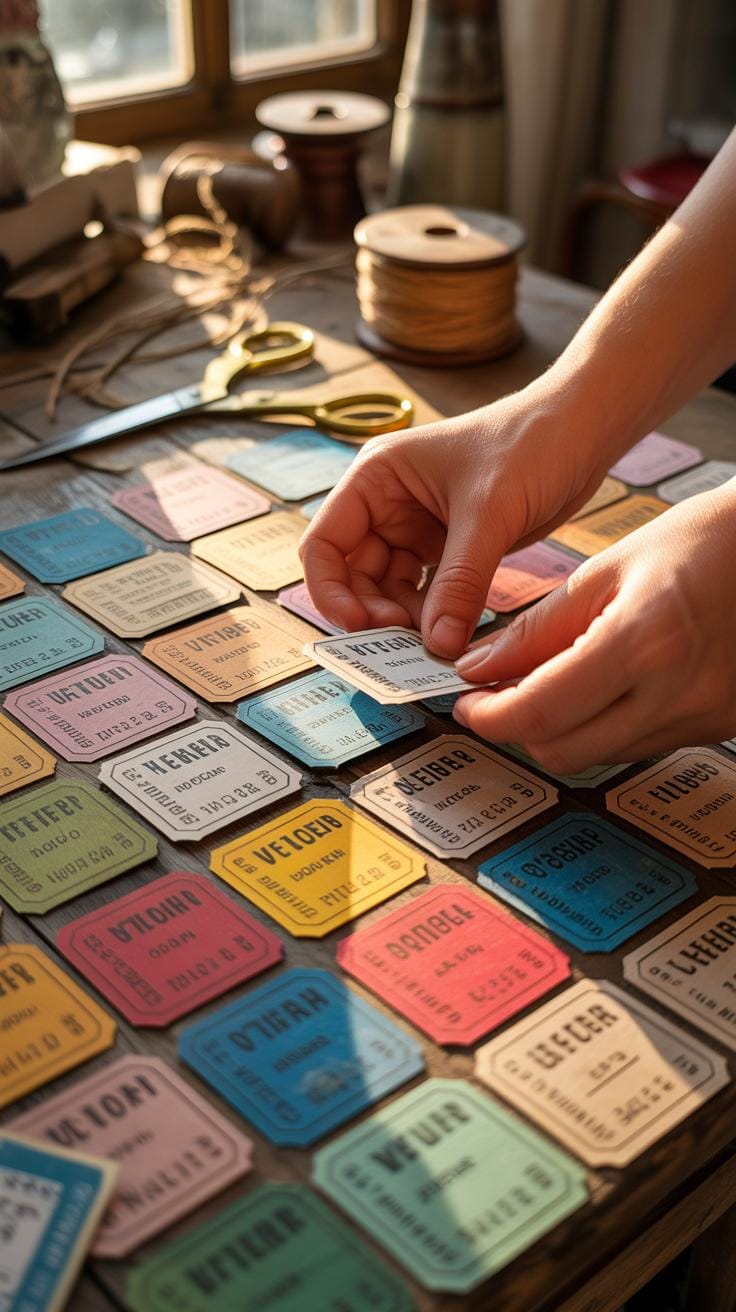
Effective collage relies on the restricted palettes found in Colorful Vintage Bus Tickets. Most mid-century transit systems used high-contrast ink on monochromatic paper to ensure driver readability. You must organize your Bus Ticket Sample collection by primary hue to avoid visual clutter. Use a Bus Ticket Design Ideas approach that groups complementary colors like orange and blue. This creates a focal point without overwhelming the viewer.
Modern artists often scan a Bus Ticket Vector or a Printable Bus Ticket to modify saturation levels digitally. If you prefer physical media, use the existing patina as a neutral bridge between clashing colors. Proper Train Ticket Art Ideas incorporate the faded yellows of aged paper to soften modern pigments. Always balance a bold Bus Ticket Drawing against muted backgrounds. This tactical contrast keeps your final composition legible and professional.
Preservation Methods
Old paper stocks contain high acid levels that accelerate decay when exposed to sunlight. You must use UV-resistant acrylic glazing to protect your Vintage Bus Ticket Design from yellowing. Apply a pH-neutral adhesive when mounting a Bus Ticket Illustration to a backing board. Standard school glue will ruin the fibers over time. Sharp light degrades ink quickly, so keep finished works away from direct window exposure.
If your project requires a specific Bus Ticket Design, consider using archival sleeves before framing. Do not laminate your tickets because the heat destroys the thin thermal paper used in later transit eras. For long-term storage of your Colorful Vintage Bus Tickets, use acid-free folders in a climate-controlled room. These steps ensure your physical media stays crisp. Proper maintenance prevents the Loss of fine detail in your intricate ticket art.
Analyzing A Bus Ticket Sample For Geometric Patterns
Grid Structures
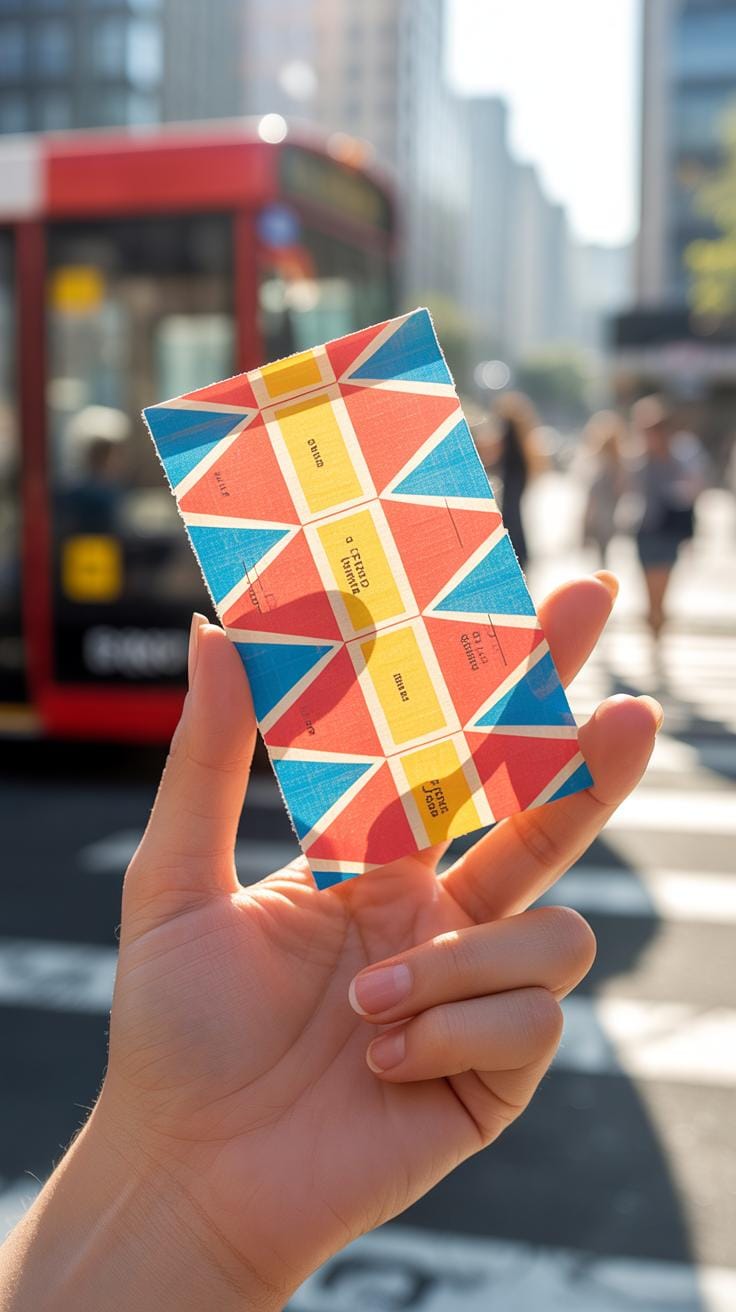
Every Bus Ticket Sample features a functional grid designed for rapid validation by conductors. These grids often contain vertical columns for dates and horizontal rows for fare stages or time slots. You can use these rigid lines as a foundation for a Bus Ticket Drawing by filling specific cells with ink or paint. This structure creates a natural canvas for geometric abstraction without requiring initial measuring tools.
A Vintage Bus Ticket Design frequently uses bold serial numbers as a focal point. These numbers represent high-contrast typography that disrupts the standard grid layout. In your Bus Ticket Illustration, treat these digits as anchors for larger shapes. Integrating these numbers into a Bus Ticket Vector or a Printable Bus Ticket allows you to bridge the gap between functional data and modern Train Ticket Art Ideas.
Symmetry Balance
Designers used symmetry in Colorful Vintage Bus Tickets to ensure readability under poor lighting conditions. Logos and watermarks usually sit centered or mirrored across the horizontal axis to provide visual stability. When you explore Bus Ticket Design Ideas, identify these central points to balance your composition. Aligning your artwork with these pre-existing marks prevents your final piece from looking cluttered or unintentionally lopsided.
Effective visual balance requires analyzing how ticket printers distributed ink weight across the paper surface. Heavy borders or double-lined frames provide a built-in boundary for any Bus Ticket Illustration. Use these borders to contain your patterns or purposely break them to create tension. Mastering this balance is essential when transforming a simple fare receipt into a professional piece of art that respects its original industrial utility.
Innovative Bus Ticket Design Ideas For Beginners
Essential Materials
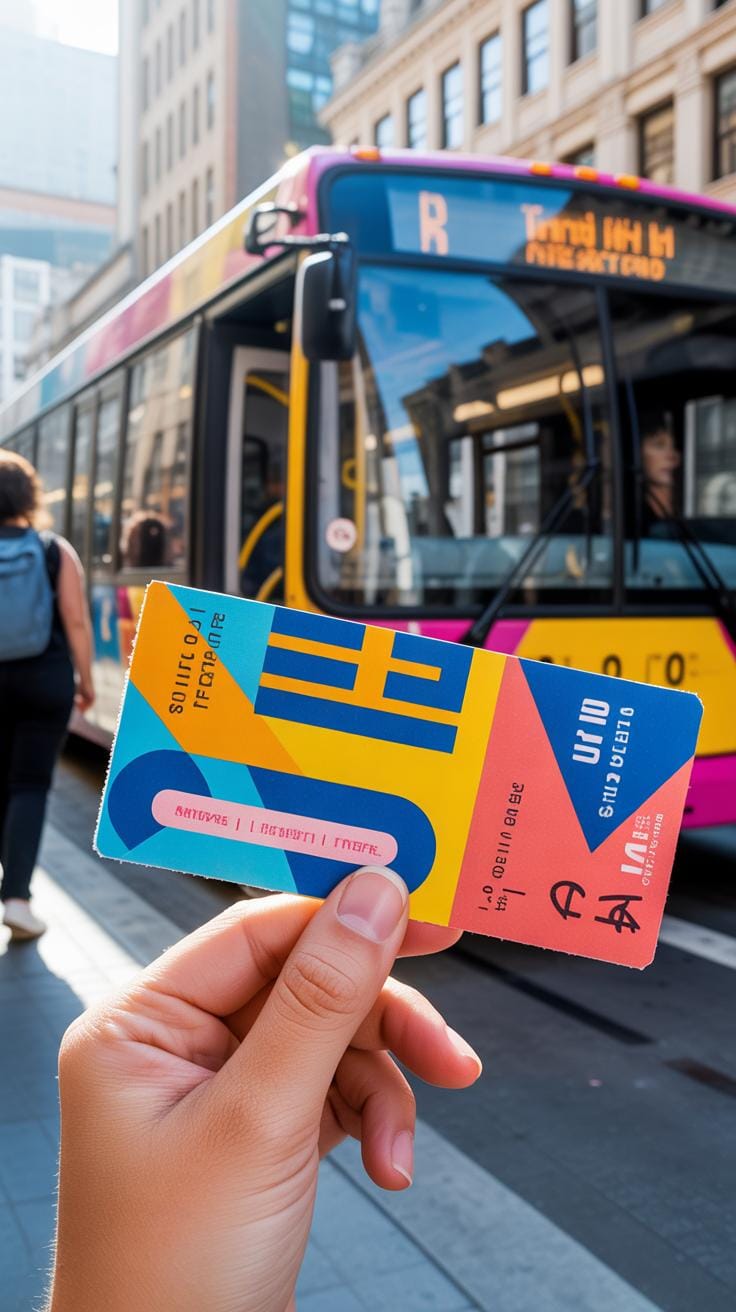
Beginners must focus on high-quality tools to work on the small surface area of a bus ticket sample. Standard paper reacts poorly to wet media. You need dry or low-moisture tools to preserve the vintage bus ticket design. Precision is the primary goal when executing a detailed bus ticket illustration. Select materials that offer fine control without bleeding through the thin paper stock.
- Fineliner Pens: Use archival ink pens with nib sizes 0.05 to 0.1 for precise line work. These allow you to execute a complex bus ticket drawing without smudging or losing detail on the narrow margins.
- Acid-Free Adhesive: Choose glue sticks or double-sided tape specifically rated for archival use. Standard liquid glues cause thin paper to buckle and ruin the aesthetic of colorful vintage bus tickets during the mounting process.
- Self-Healing Cutting Mat: A gridded mat provides a stable surface for trimming edges or removing punch marks. This tool ensures your cuts remain straight and professional when you are following specific bus ticket design ideas for collages.
- Lightweight Gesso: Apply a thin layer of clear gesso to prime the ticket surface. This preparation allows you to use markers or light washes without the ink soaking through the fibers of your printable bus ticket.
- Tweezers: Fine-tip tweezers are necessary for positioning small scraps or placing delicate train ticket art ideas. Handling small tickets with your fingers can transfer oils that degrade the paper and ink quality over time.
Digital tools also play a major role in modern workflows. You can scan physical tickets to create a bus ticket vector for digital manipulation. This allows you to experiment with layouts before committing to a permanent physical change. Scaling your designs digitally helps you see how small details will look when printed at different sizes. Use these digital assets to bridge the gap between physical and digital media.
Simple Projects
Creating bookmarks is the most efficient way to utilize the vertical layout of most tickets. This project preserves the original typography while adding new visual layers. Start by layering a bus ticket illustration over a sturdy cardstock base for durability. Clear laminating sheets protect the surface from wear and tear. This method keeps the history of the ticket visible while making it a functional tool for daily reading.
Travel journals benefit from the raw texture of vintage bus ticket design. Glue tickets directly into your logs to mark specific transitions between cities. You can use a bus ticket drawing to fill in blank spaces around the edges of the original print. These additions create a cohesive narrative of your journey. Using colorful vintage bus tickets adds immediate visual interest and authentic historical context to every page you create.
Bridging Digital And Physical With Bus Ticket Vector Assets
Digital Manipulation
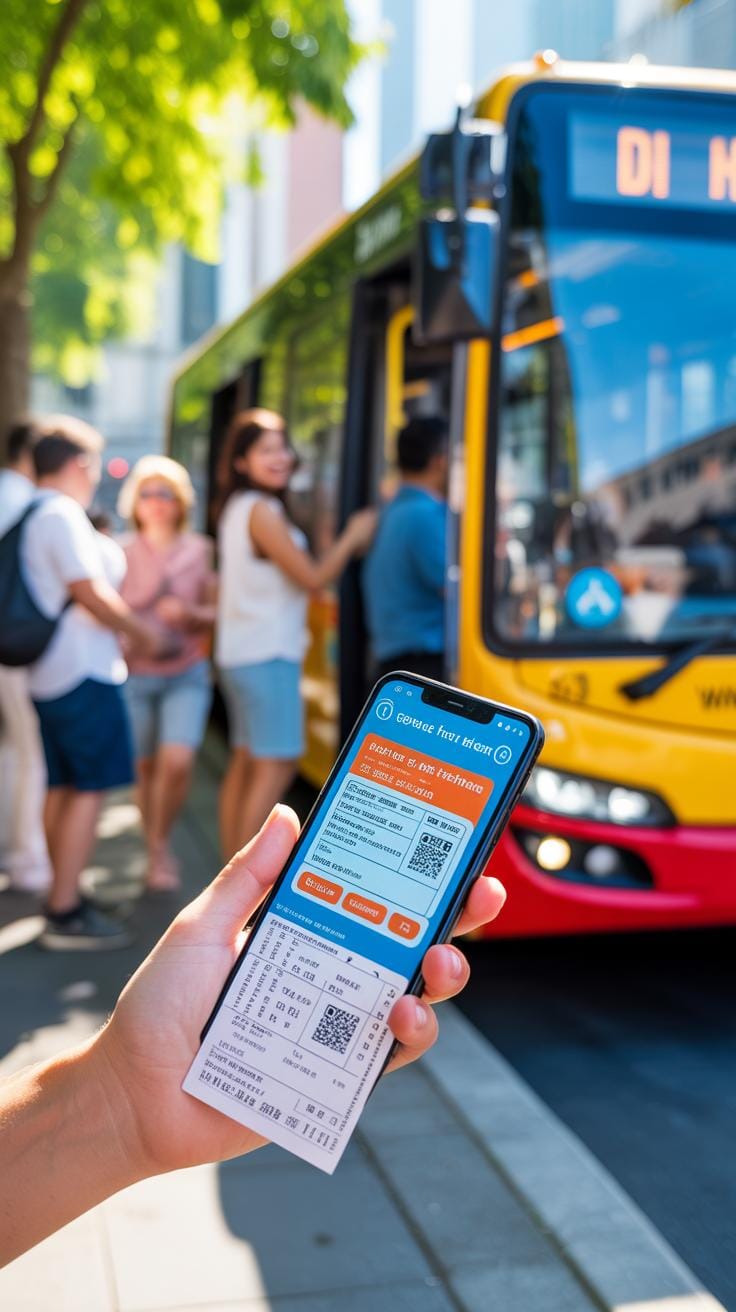
Scanning high-quality physical ephemera allows designers to preserve the authentic grit of transit history. Set your scanner to at least 600 DPI to capture fine security fibers and letterpress indentations found on a Bus Ticket Sample. This process creates a high-resolution base for a Bus Ticket Illustration. Use software to isolate the background colors from the typography. This allows you to manipulate a Bus Ticket Vector without losing the original texture.
Once digitized, you can apply modern graphic techniques to Vintage Bus Ticket Design elements. Clean up the edges for a crisp Bus Ticket Drawing or keep the rough edges for a weathered look. These digital assets serve as excellent overlays for larger projects. You can easily modify the color schemes of Colorful Vintage Bus Tickets to fit specific branding needs. This bridge between physical paper and digital files expands your creative toolkit.
Every journey leaves a footprint that can be woven into the fabric of your soul. Your old tickets are not just scraps of paper, but fragments of a life lived and stories waiting to be told.
Print Reproduction
Using a Printable Bus Ticket provides a low-risk surface for experimenting with physical media. Print these templates on various paper weights to test how different inks react to the surface. This method is perfect for perfecting a Bus Ticket Drawing before applying it to rare originals. It also allows you to scale up Bus Ticket Design Ideas for posters. Many artists use these prints for mixed media layering and collage work.
Reproducing these designs helps you explore Train Ticket Art Ideas on a larger scale. You can print multiple copies to practice complex Bus Ticket Illustration techniques without the fear of ruining a one-of-a-kind vintage piece. Use these prints to test different adhesives and varnishes. This tactical approach ensures your final piece remains durable. High-quality reproductions allow for endless repetition and experimentation across various physical formats and art styles.
Expanding Your Horizons With Train Ticket Art Ideas
Transit Mediums
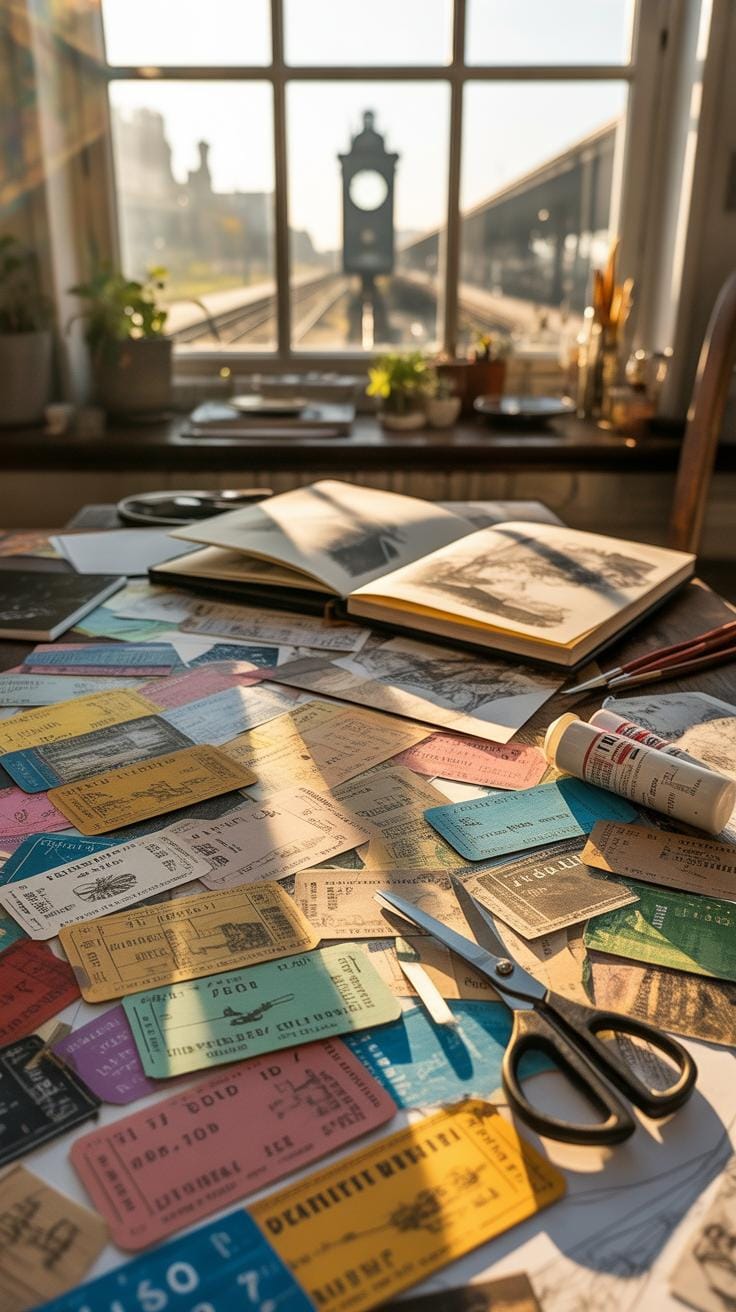
Train tickets often use heavier cardstock compared to the thin thermal paper of a standard Bus Ticket Sample. This weight handles wet media like ink or gouache without warping. Vintage Bus Ticket Design usually features letterpress numbering or screen-printed grids. These elements provide a structural base for a Bus Ticket Illustration. Mixing these textures creates depth. Use the rigid rail card as a backing for the more flexible bus papers.
Modern rail passes often include magnetic strips or holograms. These shiny surfaces resist traditional graphite used in a Bus Ticket Drawing. Use permanent markers or acrylics instead. Older Colorful Vintage Bus Tickets offer high-absorbency pulp. This material soaks up pigment and creates soft edges. Contrast these soft textures with the sharp lines of a Bus Ticket Vector layout. Layering different paper weights prevents your final composition from feeling flat or flimsy.
Popular Concepts
Rail and bus passes represent different scales of travel. Use Train Ticket Art Ideas to bridge these distances in your work. Combine local bus stubs with long-distance rail slips to show a full journey. Look for common colors or fonts to link the disparate pieces. A well-placed Printable Bus Ticket can fill gaps in your layout where original artifacts are missing or too fragile.
- Chronological Map: Arrange tickets by date to show a physical timeline. Use the chronological data printed on each stub to dictate the flow of the piece. This method turns your collection into a factual record of movement and time.
- Grid Minimal: Align tickets in a strict geometric pattern. This highlights the typography and color blocks without overlapping. A clean grid allows the viewer to study individual design elements from different eras and transit agencies without distraction or visual clutter.
- Mixed Media Collage: Layer thin bus slips over thicker rail cards. Use the varied thicknesses to create physical height on the canvas. This technique adds shadows and depth. It emphasizes the tactile nature of physical transit currency across different regional transport systems.
- Typography Focus: Cut out specific numbers or city names from each ticket. Reassemble these letters to form new words or messages. This approach centers the art on the technical fonts used by government printing offices and private transit companies during different decades.
- Negative Space Study: Glue tickets down and paint over the edges. Remove the tickets later or paint around them to leave specific shapes. This highlights the silhouette of the ticket rather than the printed data. It creates a bold, graphic look for any project.
Study various Bus Ticket Design Ideas to find a theme. Focus on the repetitive patterns found in security backgrounds. These patterns act as natural textures for your art. Incorporating a digital Bus Ticket Vector helps you plan complex layouts before gluing. This strategy ensures your final piece looks professional and clean. Use these tactics to turn scraps of paper into a cohesive and historically grounded visual narrative.
Frequently Asked Questions

What exactly is bus ticket art and how do I get started as a beginner?
Bus ticket art is a creative form of upcycling where you use fare stubs, transit passes, or transfers to create visual masterpieces. For beginners, the process is incredibly accessible. You can start by collecting uniquely colored or vintage-style tickets from your travels and arranging them into simple geometric patterns. This eco-friendly hobby transforms everyday paper waste into nostalgic home decor that tells a story of your personal journeys and urban adventures.
What is the best way to preserve and display my finished bus ticket art?
To ensure your bus ticket art lasts for years, it is essential to use acid-free adhesive or double-sided archival tape during the assembly. Since many transit stubs are printed on thermal paper, keep your artwork away from direct sunlight to prevent fading. Finishing your piece in a UV-protection glass frame provides a professional look while safeguarding the delicate paper from moisture, making it a sophisticated addition to any gallery wall.
Do I need expensive art supplies to create impressive transit-themed collages?
Not at all! One of the biggest draws of this medium is its affordability. Since the primary material is essentially free or collected during your daily commute, your main costs are basic supplies like glue, scissors, and a backing board. This makes it a perfect budget-friendly project for students or DIY enthusiasts. You can create high-end, textured wall art using nothing more than your imagination and a collection of recycled transit slips.