
Introduction
Vacation Places for Healthy Living and Delicious Food Experiences offers a chance to relax while nurturing your body and mind. Many places around the world focus on providing healthy environments where you can enjoy nourishing foods and activities that refresh you.
In this article, you will learn how to pick vacation spots that help you stay healthy. You will also explore where to find great food experiences alongside outdoor activities that improve your well-being. This approach turns your trip into a powerful way to support your lifestyle.
Pick Destinations That Support Wellness


When choosing a vacation spot with wellness in mind, it’s more than just picking a pretty place. The air quality, natural surroundings, and chances to stay active weigh heavily on how healthy your trip feels. Places with clean air can actually help you breathe easier, which might sound obvious but can be a game changer if you usually live in a city. Then there’s the matter of being in nature—forests, beaches, mountains—that encourages movement without feeling like exercise. It’s curious how just being near water or greenery nudges people to walk more or simply slow down.

Local culture plays a surprising role too. Sometimes, you find communities where fresh food markets, morning hikes, or shared outdoor meals come as second nature. These habits subtly influence your own day-to-day, making it easier to stick to healthy routines. It’s not just about finding a peaceful spot; it’s about where your lifestyle can mesh with the environment around you, without feeling forced.
What Features Define Wellness-Friendly Places?
Wellness-friendly destinations usually have certain elements that make them stand out:
- Green spaces that invite you to explore or rest, like parks, trails, or gardens.
- Options for active travel—think bike rentals, walking paths, or easy public transit encouraging you to move rather than sit.
- Wellness programs such as yoga workshops, meditation sessions, or detox retreats readily available, though you don’t always have to join to benefit.
- Quiet and calm environments where you can escape noise and stress; that peace makes a subtle but real difference.
Places ticking these boxes tend to attract people trying to improve or maintain health—sometimes for a week or two, other times longer. You wonder if the peace you find there could somehow stay with you when you return home.
Examples of Top Wellness Vacation Spots
Some well-known wellness spots almost always make the list for a reason. For instance:
- Blue Zones such as Sardinia, Italy, where people live longer, partly thanks to natural surroundings and lifestyle.
- Mountain retreats like the Swiss Alps, offering clean air, hiking, and a slower pace.
- Coastal areas in places like Bali or the Amalfi Coast, where fresh seafood and outdoor activities like surfing or walking along the shore blend nicely.
- Spa towns like Bath in England or Baden-Baden in Germany, known for thermal springs and wellness therapies that go way back.
Each offers something a bit different, yet all tend to encourage behaviors that support your well-being. Picking a spot from this mix depends on what you want—whether it’s calm, activity, or food that feels good to you.
Find Fresh Food Experiences Locally
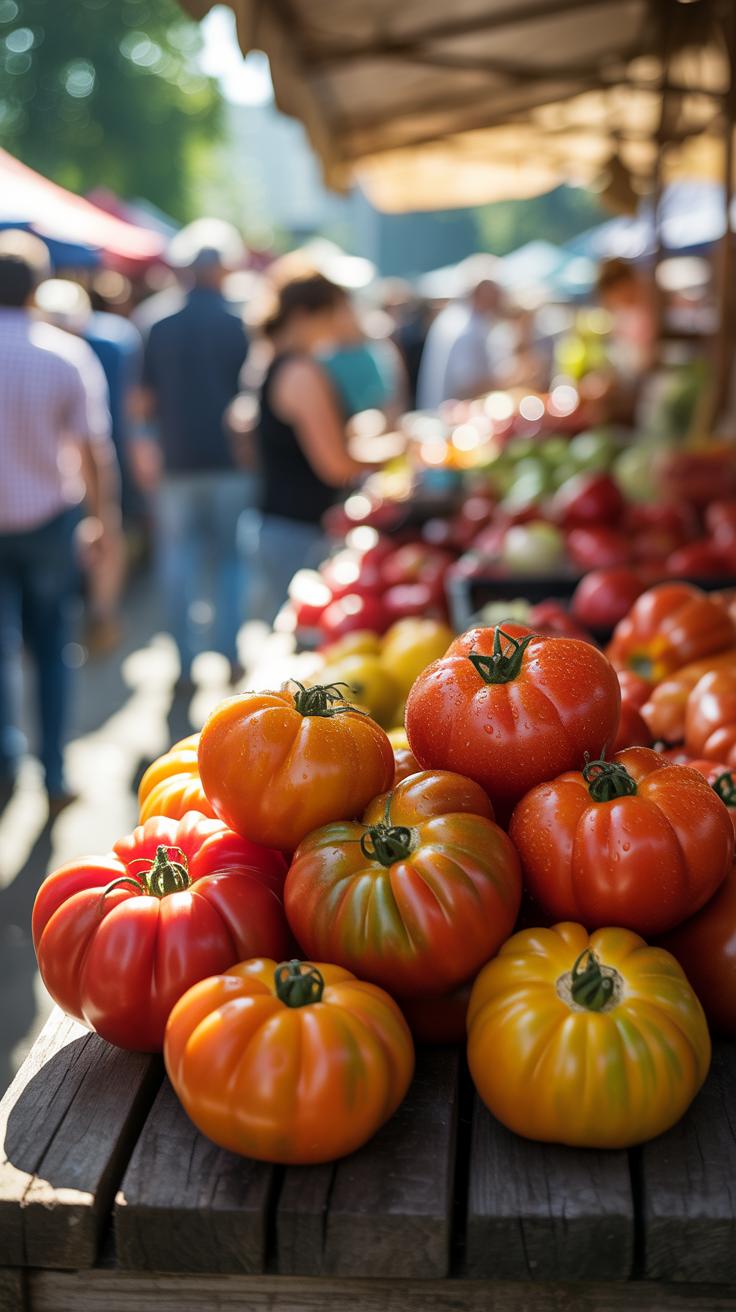
Eating fresh, local food while on vacation isn’t just about taste—it can actually support your overall health in ways you might not expect. Locally sourced produce often arrives at market or table quicker than imported options, keeping nutrients intact. This means your meals could be richer in vitamins and minerals, which is a subtle but meaningful boost to well-being. Plus, when you choose local food, you’re indirectly supporting farmers and communities, which adds a layer of connection to where your food comes from.
There’s also something to be said about discovering new food cultures. Trying unfamiliar fruits, vegetables, or cooking styles can expand your palette and even inspire healthier habits back home. For example, tasting fresh Mediterranean olives or experiencing a Japanese fish market firsthand could open doors to recipes and ingredients you hadn’t considered before.
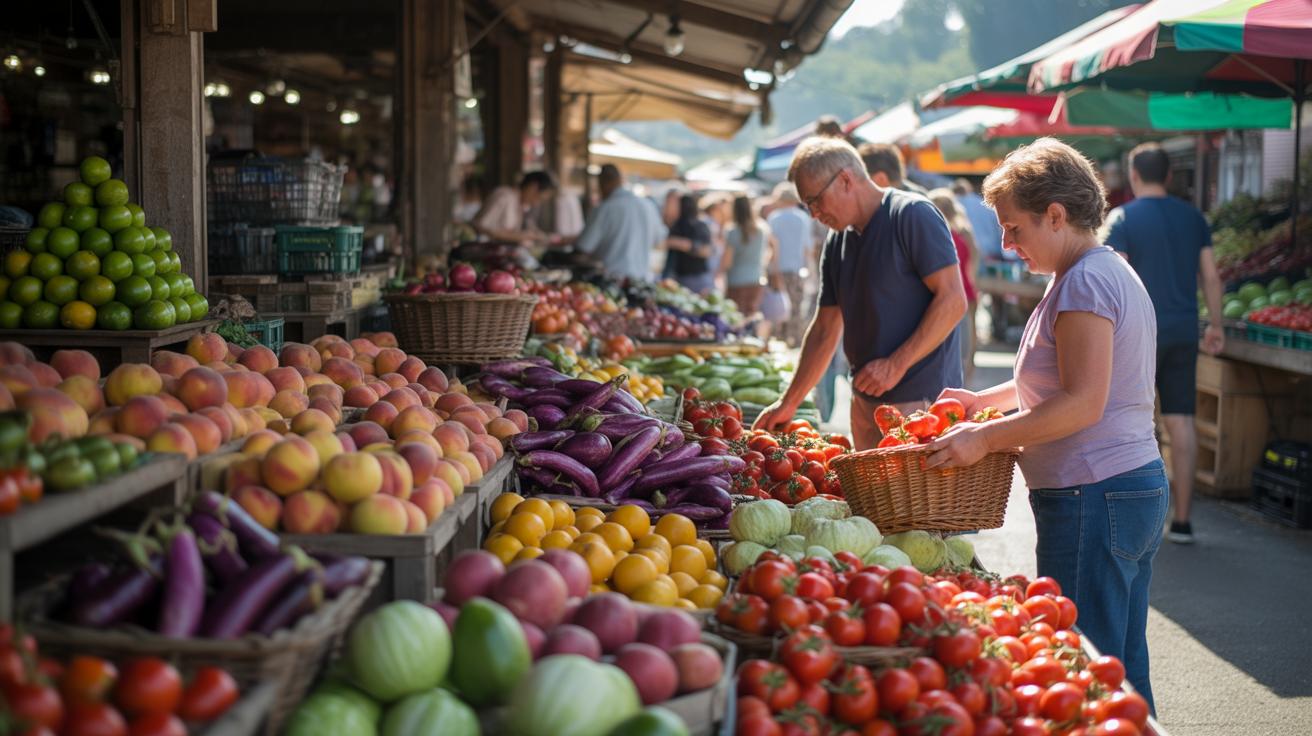
How do you find these authentic experiences? Look for food markets buzzing with locals rather than tourists—the kind where you might see a friendly farmer chatting or hear the occasional spontaneous laugh. Seek out restaurants advertising farm-to-table menus or with a focus on seasonal dishes. Food festivals, especially those celebrating harvests or regional specialties, can offer a concentrated taste of local life. Sometimes, the best sign is simply how fresh the food looks and smells. If it’s vibrant and just harvested, you’re probably in the right place.
Plan Activities for Body and Mind
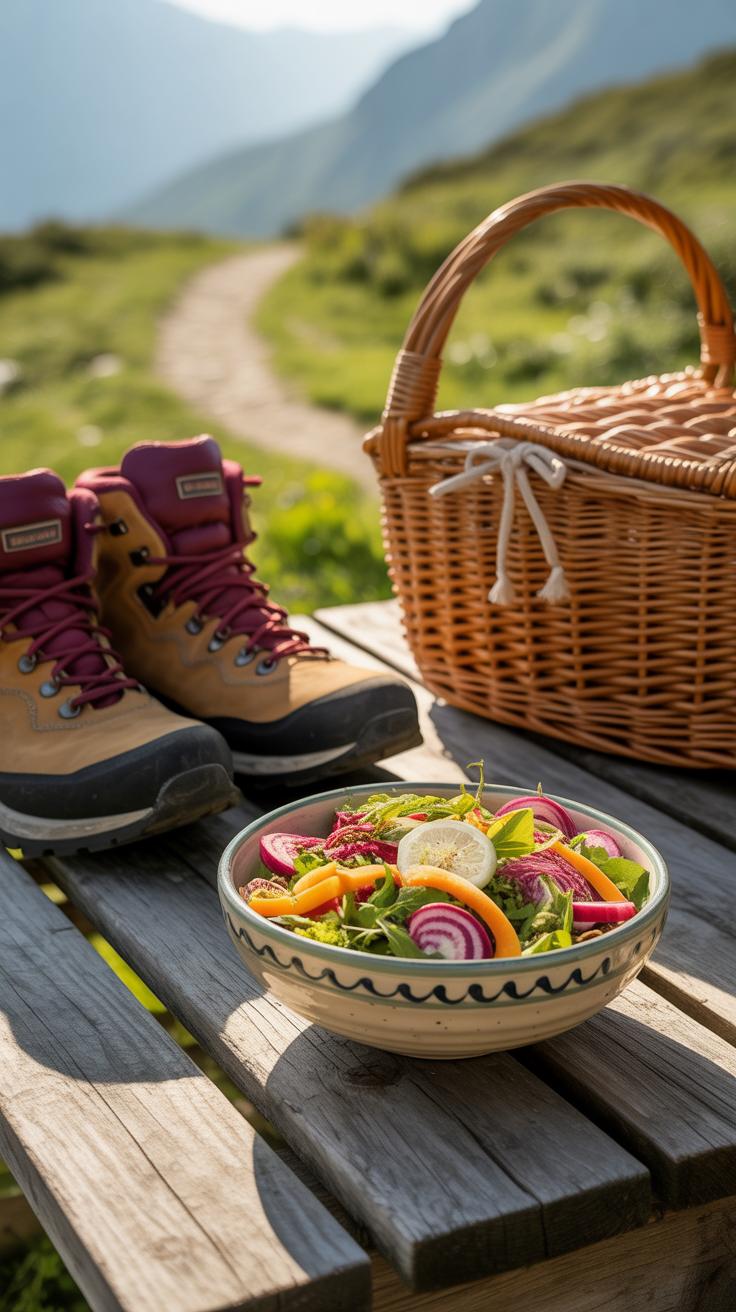
Choosing vacation activities isn’t just about keeping busy or ticking boxes. It’s about striking a balance—finding ways to move your body while giving your mind a chance to rest. Think of it as a gentle push and a soothing pause in one day. You might start with a morning hike on nearby trails, letting your legs do the work while your thoughts wander freely. Later, a yoga session can stretch out the muscles you didn’t realize were tight, calming your breath and focus.
Some activities naturally combine movement with relaxation:
- Hiking or nature walks, which get your heart rate up but also surround you with calming scenery.
- Yoga, especially styles like Hatha or Yin, blending gentle stretches with mindful breathing.
- Meditation or guided mindfulness sessions, helping ease mental clutter and reduce stress.
- Swimming or gentle water aerobics, offering resistance exercise without harsh impact.
- Light cycling on flat terrain, turning moderate exercise into an enjoyable exploration.
Balancing these activities across the day makes a big difference. Try scheduling more vigorous exercise earlier on, when your energy’s higher, then ease into restorative practices as afternoon or evening approaches. Maybe you hike in the morning, take a swim midday, then finish with meditation before dinner. Or the other way around, if you feel like it. What matters is how your body and mind respond, not a strict timetable.
Would mixing a brief walk with a quiet moment somewhere beautiful anywhere near your pace? This isn’t about pushing limits, but about creating rhythm that keeps both motion and calm in the picture. Your vacation can move with you, flexing between activity and rest in a way that suits you—no pressure, just presence.
Evaluate Costs for Healthy Vacations
When you think about healthy vacations, costs can vary widely—sometimes surprisingly so. It’s not just the destination but the kind of experience you want that shapes your budget. For example, a week at a wellness resort with organic meals and guided yoga sessions might feel pricey upfront. But that cost includes a lot more than just lodging—it often covers meals, classes, and some activities, which you would otherwise pay for separately.
Budgeting starts by breaking down expected expenses: travel, accommodation, food, and activities all add up. Flights to remote or sought-after health retreats often cost more, but you might save by booking early or choosing nearby alternatives. Accommodation can range from basic rooms to all-inclusive wellness packages, so figure out what feels necessary versus nice to have.
When it comes to food, eating organic or specialty diets on vacation can stretch your budget. But sometimes local markets or guesthouses offer fresh, wholesome food at better prices than fancy restaurants. Exploring those options could stretch your dollars further without sacrificing health goals.
Active tours and wellness experiences vary too—hiking, cycling, or meditation sessions might have separate fees. Look for package deals or group excursions, which often reduce costs. Do some research on what’s included and what you’ll pay out-of-pocket.
Ask yourself: are you paying more for convenience, or for real quality and benefits? Sometimes it’s worth spending for a program that supports your health goals and creates memorable tastes. Other times, simple stays with self-guided activity and local food can offer equal value at less cost. It’s a balance, and only you can decide where to draw the line.
Use a Checklist to Choose Your Stay
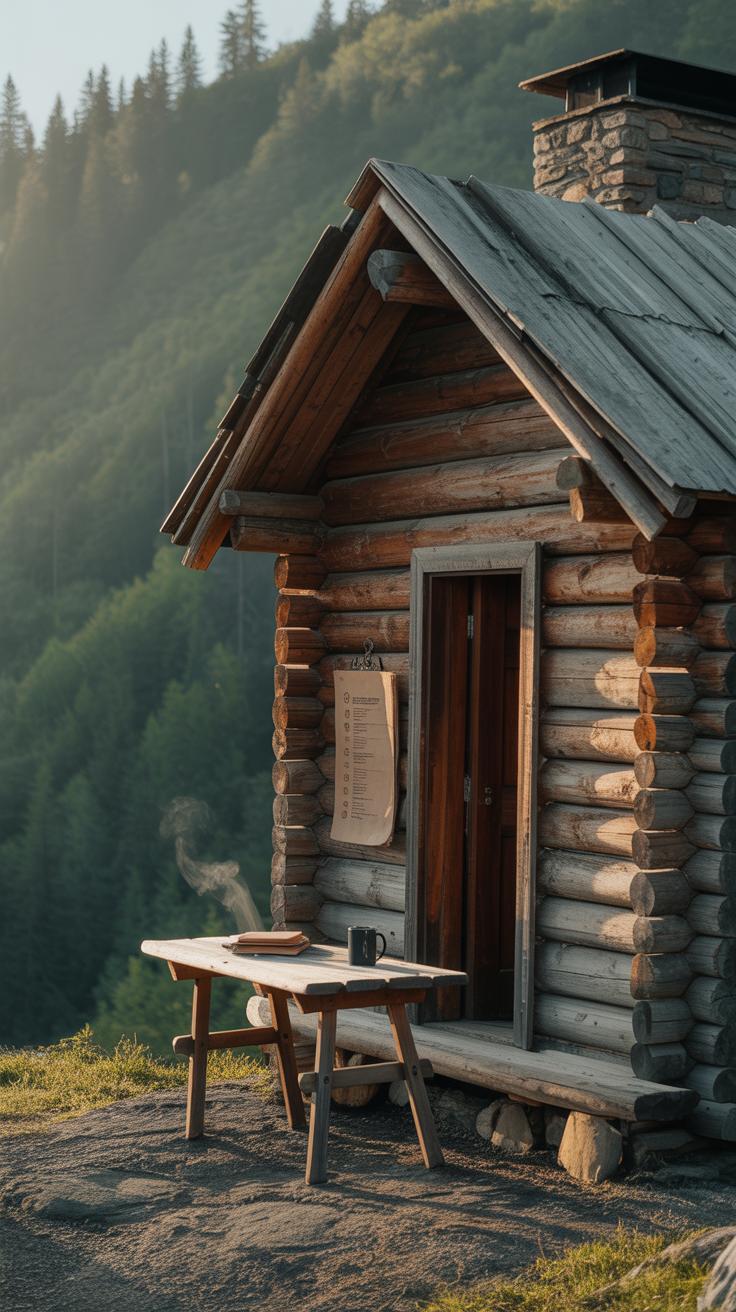
Picking the right place to stay can make or break a healthy and tasty vacation. You want a spot that feels comfortable but also supports your goals—whether that’s clean air for daily runs or nearby markets with fresh produce. It’s not always obvious what matters until you start asking specific questions.
Before you book, think about these things: Is the air quality good? Can you find healthy food easily, maybe local farmers’ markets or organic restaurants? Are there walking trails or gyms nearby? And does the accommodation itself offer features like good ventilation, natural light, or even kitchen facilities to prepare your own meals?
Here’s a checklist to help you out. You can use it online when browsing or bring it up when talking to travel agents:
- Air quality: Is the location known for clean air, low pollution? Are there green spaces around?
- Food options: Are there places offering fresh, local, or organic food within walking distance? Can you cook on-site?
- Physical activity: Are hiking, biking, swimming, or other outdoor activities easily accessible?
- Accommodation comfort: Does the lodging have good ventilation, natural lighting, and quiet surroundings?
- Wellness amenities: Are there spas, yoga studios, or wellness centers close by?
- Health services: Is there easy access to medical care if needed?
- Transport and accessibility: Are healthy food shops and activity spots reachable without long drives?
Sometimes you might find a place with excellent food options but limited activity choices. Other times, the air might be great, but lodging feels stuffy or cramped. Weighing these details feels a bit like juggling, but keeping this list handy helps you decide if the trade-offs are worth it. What’s your non-negotiable? Fresh breakfast every morning? A nice trail for evening walks?
Compare Beach and Mountain Vacations
Health and Food Differences Between Beach and Mountain
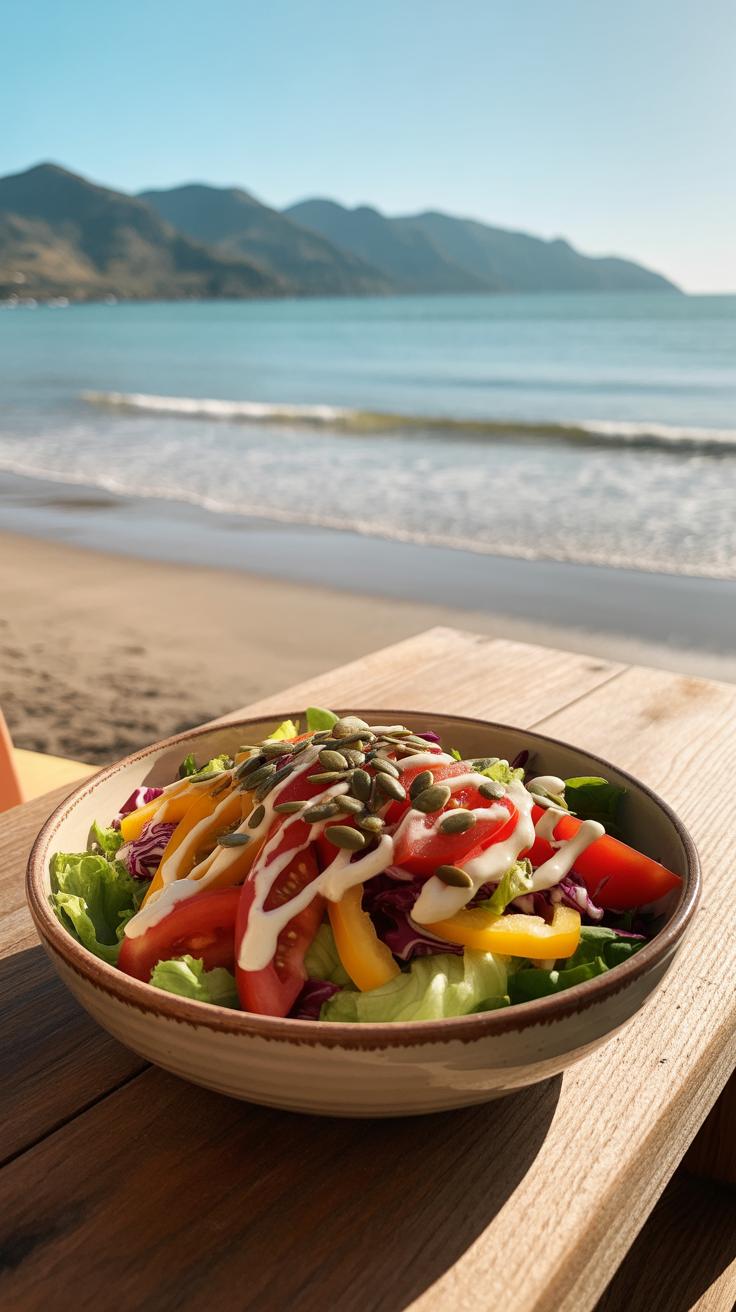
Choosing between a beach and a mountain vacation can feel like picking two very different worlds. The air at the beach is salty and humid, which some people find soothing for their lungs, especially if they deal with mild respiratory issues. Mountain air, in contrast, tends to be drier and cooler, which can encourage deeper breathing and sometimes improve circulation. If you enjoy a slower pace, a mountain retreat might feel refreshing. On the other hand, the beach invites more sun exposure, which is great for vitamin D but requires careful balance.
Food options vary too—not just in ingredients but in style. Beach destinations often offer fresh seafood, light salads, and tropical fruits. Think grilled fish, coconut water, and vibrant citrus. Mountains, especially in alpine regions, lean toward heartier meals: root vegetables, nuts, and cheeses. These foods fuel longer hikes and cooler evenings. The difference isn’t just culture; it’s what your body might actually crave once immersed in each environment.
Which Suits Your Health Goals?
Are you someone who likes to keep moving, testing your stamina with daily activity? Mountains might push you further with trail walking, climbing, or even skiing depending on the season. If low-impact activities like swimming or yoga by the shore sound better, beaches offer easier ways to stay active while relaxing. Temperature plays a role here too—warm sand can comfort aching muscles or joints, but cooler, brisk air up high can sharpen focus and endurance.
Then there’s your diet. If you prefer lighter, fresher meals, beach dining might feel more aligned with your health goals. But if you need something filling after serious exercise or just enjoy a warmer, comforting plate, the mountain sides usually deliver. Thinking about what you want out of your vacation health-wise can help you decide—do you want to recharge quietly, or challenge yourself physically? Each setting offers something different, maybe a little unexpected.
Examples of Healthy Food Tours
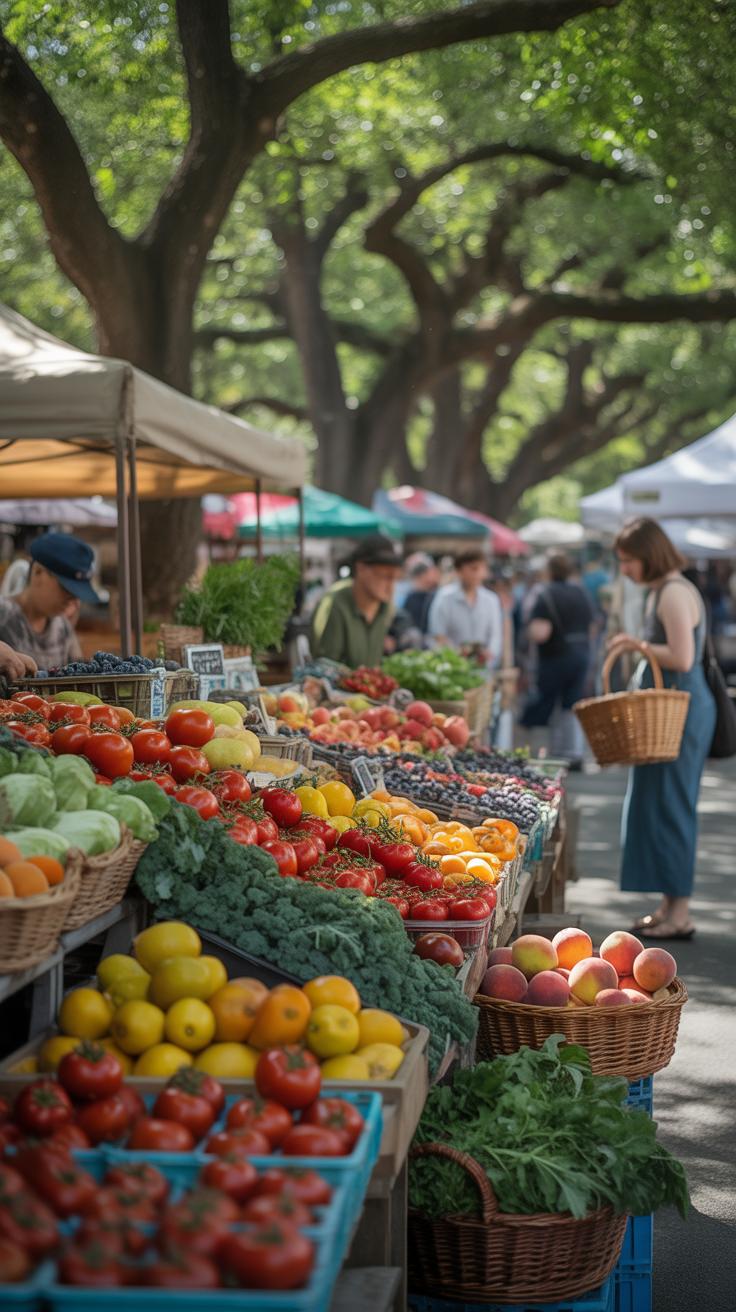
There are quite a few food tours out there focused on healthy eating—tours that really dig into how fresh, local ingredients shape a balanced diet. For instance, exploring the Mediterranean diet in coastal Italy can be eye-opening. These tours often include visits to family-run olive groves and vineyards, plus cooking classes where you’ll work with fresh vegetables, legumes, and fish. It’s not just about eating well; you come away understanding why these foods have supported health for centuries.
In Southeast Asia, places like Chiang Mai in Thailand offer tours emphasizing organic markets and herbal remedies alongside plant-based meals. You might find yourself chopping fresh lemongrass and galangal with locals one day, then savoring a vibrant green papaya salad the next. The freshness is tangible, and the spice balance encourages digestion—a real plus for your gut health.
Over in California’s wine country, some tours combine biodynamic farming tours with tasting sessions of organic produce and sustainably raised meats. These experiences highlight how food choices affect not only your body but also the environment. Plus, you often get recipes that suit a clean-eating lifestyle, which linger long after your trip.
Joining these tours can actually deepen your travel experience. Beyond tasting wonderful meals, you meet chefs who share stories and techniques, which makes the food meaningful. You might learn a simple vinaigrette or a stew that becomes part of your home cooking. More than souvenirs, these tours offer knowledge and a connection to the culture through its food. Have you thought about what it means to bring those fresh ingredients and cooking styles back to your kitchen? There’s a kind of satisfaction in turning new ideas into everyday habits.
Avoid Common Mistakes in Vacation Planning
What trips errors harm your health?
You might think booking an energetic itinerary means a healthier trip, but over-scheduling can backfire. Packing every hour with activities—especially physical ones—often leads to exhaustion. That tiredness weakens immune defenses, leaving you more vulnerable to illness than refreshed. Also, ignoring specific dietary needs is surprisingly common. Maybe you assume local cuisine will suit you, but skipping proper meal research can trigger digestive troubles or nutrient gaps.
Another frequent slip-up: skipping basic safety checks. Carrying medications is one thing, but not verifying their legality or availability abroad can cause real health mishaps. Sometimes you forget to check vaccination requirements or travel advisories for your destination, turning what should be a relaxing escape into a stressful ordeal where your health takes a hit.
Strategies to keep your trip on track
Keep your plans flexible. Rather than scheduling back-to-back activities, leave space to rest, hydrate, and digest new experiences. Your body will thank you. Don’t overlook your personal needs—plan meals ahead or confirm access to preferred foods, especially if you have allergies or follow a special diet.
Before you go, double-check health regulations and medication rules for your destination. It might seem tedious, but it avoids last-minute surprises. Also, build in simple routines to maintain wellness habits, like a morning stretch or a short walk. These small actions help stabilize both body and mind amid travel uncertainties.
Ask yourself: Are you creating space to recharge, or just moving from one thing to the next? Finding that balance often makes all the difference for a truly healthy vacation.
Track Your Health Progress on Vacation
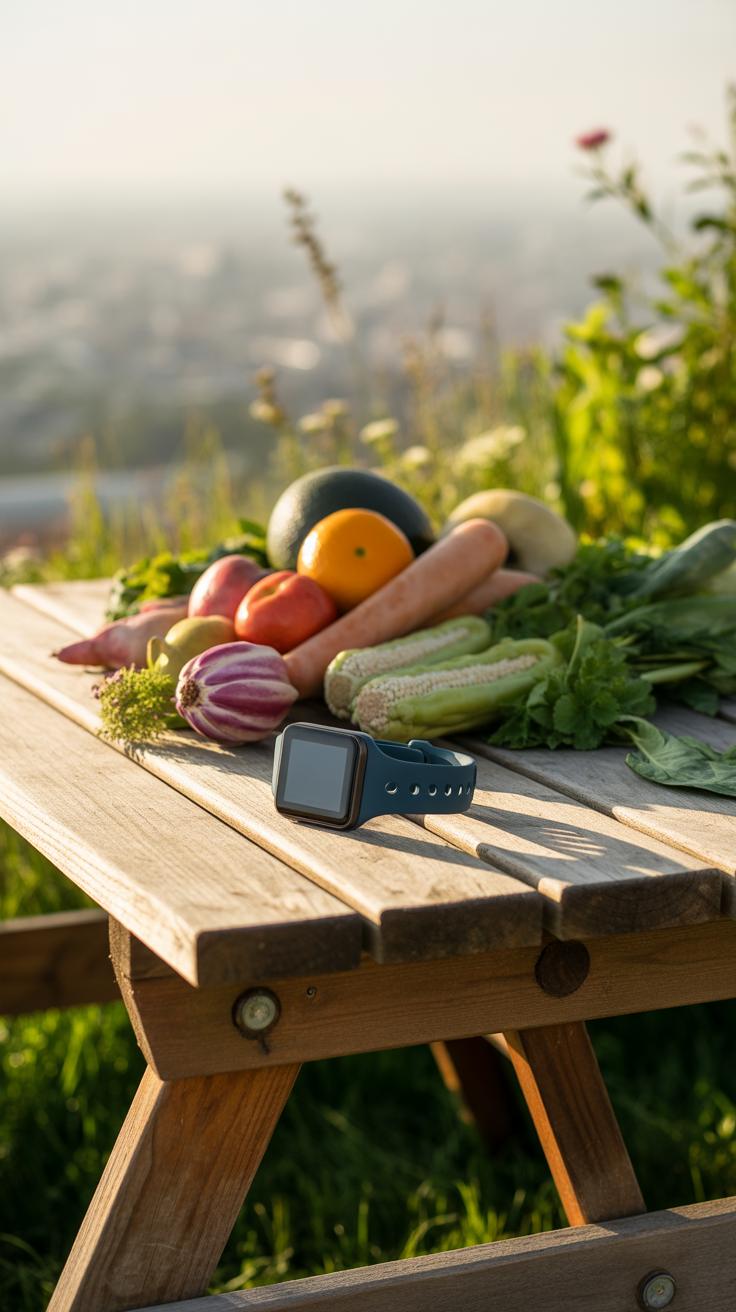
Keeping tabs on your health while traveling doesn’t have to feel like a chore. Simple tools can give you surprisingly clear snapshots of how your body and mind respond to a new environment. For example, carrying a pedometer or using your phone’s built-in step counter offers an easy way to watch your activity levels. It might be tempting to forget such details when you’re on vacation, but these little numbers provide useful clues about how much you’re moving.
Writing down what you eat can also reveal patterns you might miss otherwise. A mindful eating journal doesn’t mean logging every bite obsessively—just jotting a brief note about how certain meals make you feel, energy-wise or digestion-wise. That slight pause in your day can encourage more thoughtful food choices, even if you’re surrounded by tempting dishes.
Don’t overlook your mood, either. Keeping a simple mood log—maybe just a one- or two-word entry each evening—can uncover how your mental state shifts during travel. Are you feeling rested, anxious, excited, or drained? Recording this helps make sense of how your environment and habits fit together.
Tracking isn’t just about the moment; it’s also about what comes next. Reviewing your notes after the trip might reveal surprising insights. For example, you might spot that morning walks near the beach boosted your energy more than afternoon swims. Maybe you discovered certain foods helped you sleep better. These bits of info can shape future vacations, making each trip more tuned to what truly supports your health.
What small tracking habits could you try on your next getaway? And how might knowing this information change the way you choose destinations or plan activities? Even imperfect or spotty tracking offers clues. Maybe you won’t log every detail, but some reflection on your experiences can guide better choices, trip after trip.
Conclusions
Choosing vacation places with a focus on healthy living and tasty food can change how you feel during and after your trip. By staying active and eating well, your body thanks you. Look for destinations offering fresh food, nature experiences, and activities that encourage movement and relaxation.
Remember, small changes in where and how you spend your vacation can bring big rewards for your health and happiness. Use the tips and examples shared here to plan vacations that not only satisfy your taste buds but also boost your well-being.