

Introduction
Taking a vacation can lift your spirits and refresh your mind, especially if you plan it well. This article covers a Vacation Mood Reset Checklist for Travel Food and Fitness Enthusiasts, focusing on ways to keep your vacation mood positive before, during, and after your trip. You’ll learn practical steps to improve your mood, maintain healthy eating habits while traveling, and stay fit on the go.
The tips shared here will help you avoid post-vacation blues and keep your energy high. Whether you’re a foodie, a fitness fan, or just someone who enjoys travel, this checklist offers straightforward advice to enhance your experience and help maintain your well-being throughout your journey.
Prepare Your Mind for Vacation

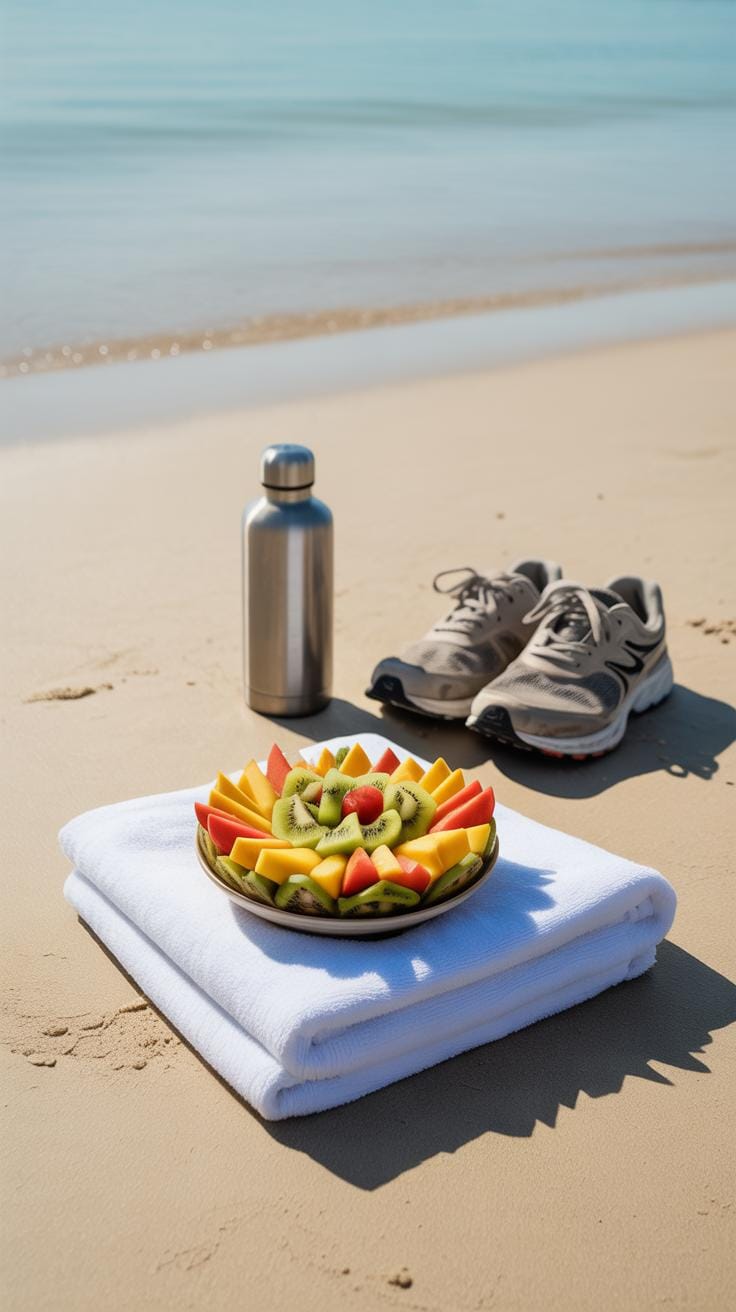
Taking a trip is not just about the place you go or the food you eat—it’s also about your state of mind. When you prepare mentally before vacation, you’re setting yourself up to feel better and stress less. Think about it: if your mind is cluttered with worries or unrealistic ideas about what the vacation should be, it’s hard to relax once you arrive. That tension rides along.

One way to clear the mental space is by setting realistic expectations. You might want the perfect weather, endless energy, or a completely packed itinerary—but that’s often not how things go. Instead, focus on a few activities you genuinely enjoy, and allow room for unexpected moments. This small mindset shift can make a big difference. You get to savor experiences without constantly measuring them against some ‘ideal’ vacation version.
Mentally detaching from daily stress is tricky. It almost feels like a muscle you need to work on before you leave. Some people find that jotting down their worries or tasks to deal with later eases their headspace. Others try visualization—imagining themselves letting go of the usual pressure. It may feel a bit strange if you’re not used to it, but it often helps create that mental pause.
Setting Realistic Vacation Goals
Goals on vacation don’t have to be grand. They can be as simple as walking without checking your phone or trying a new local dish without rushing. Having clear, achievable goals prevents disappointment. If you plan even a tiny success—say, getting up early for a sunrise walk—you’ll carry that moment of accomplishment with you. It’s something real to look back on instead of vague notions that never quite fit.
You might wonder what “achievable” really means here. It’s personal and depends on your mood, energy, or company. The trick is to keep goals flexible. Maybe today you walk, and tomorrow you just lounge with a good book. The balance between movement and rest often makes people feel more satisfied.
Techniques to Relax Before Departure
Before you even head to the airport, calming your mind makes the whole trip easier. Simple breathing exercises can work wonders—you don’t need fancy instructions, just a moment to breathe slowly in and out. Somehow, focusing on breathing tells your brain “okay, time to relax.”
Meditation might sound intimidating if you haven’t tried it, yet even five minutes of quiet sitting can ease tension. You don’t need to ‘empty’ your mind completely—just let thoughts come and go like passing clouds. Some find a few pages of light reading soothing. A non-demanding story can help distract restless thoughts without exhausting attention.
Some people also pack or organize their bags in a calm way, making the last hours before traveling feel controlled rather than rushed. That kind of physical preparation sometimes resonates with mental calm. They say travel can be unpredictable—yet how you start often shapes how you experience everything after.
Pack Smart for Fitness On the Go
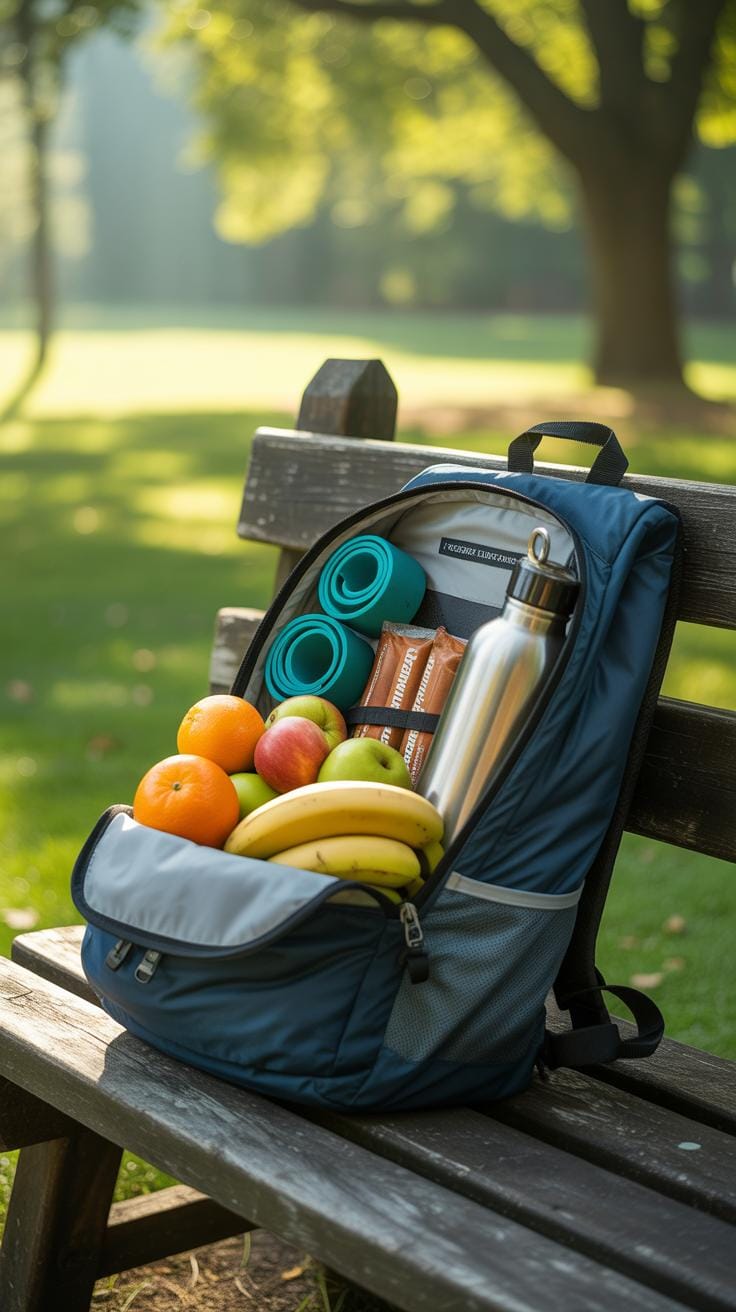
When you’re traveling and want to keep up with your fitness, packing smart can make all the difference. It’s not just about bringing workout clothes—though yes, those are key—but also about choosing gear you’ll actually use. Bulky items often just add weight and guilt to your trip.
Think about compact, versatile tools like resistance bands, which fit in almost any bag and offer a range of exercise options. Or a jump rope—light and simple, perfect for a quick burst of cardio. I once forgot my bands and felt stuck doing less efficient workouts, so I try never to leave them behind.
Comfort counts too. Pack moisture-wicking clothes that dry quickly and can double as casual wear. Your space is limited, so versatile items save room and effort.
Don’t forget your digital side. Fitness apps and video workouts mean you can follow routines anywhere: hotel rooms, parks, even beaches. Some apps offer tailored workouts for limited time and space, which makes keeping consistent a bit easier. What’s your go-to app when the gym’s closed or too far away?
Packing smart isn’t just about fitting fitness into your bag. It’s about making your routines feel possible and inviting, even in the middle of your vacation chaos.
Maintain Nutrition with Local Options

Spotting Healthy Foods Locally
When you’re in a new place, spotting fresh and healthy meals can feel a bit overwhelming. I often find myself scanning menus or wandering markets, trying to figure out what’s really fresh versus just marketed as “healthy.” Look for dishes centered around fresh vegetables, grilled proteins, or legumes. Places serving soups or stews can also be goldmines for nutrient-dense food, especially when they’re homemade.
Farmers’ markets tend to have the freshest picks—vibrant fruits, leafy greens, or nuts. Not everything there will be a perfect choice, though. Some local specialties might be richer or heavier than you’re used to, so it’s okay to be picky. Asking locals about their everyday meals often gives clues about what’s seasonal and wholesome.
Snack Ideas for Busy Trips
Travel days can drag on, and hunger catches you off guard more than once. Having simple, nutritious snacks at hand helps keep your energy steady. Nuts and seeds pack protein and healthy fats in a small, easy-to-carry form. Dried fruits work, but I usually opt for those with minimal added sugar.
Granola or protein bars can fill gaps, but checking ingredients is key—too much sugar or fillers can backfire. Fresh fruit like apples or bananas, if you can find and carry them without bruising, work well too. Sometimes, even a small container of hummus and some sliced veggies can save you from poor vending machine choices. Planning these little moments makes keeping a good mood easier while you’re on the move.
Keep Active Without a Gym

Travel often limits your usual fitness routine. Gyms might not be around, or maybe you just don’t feel like squeezing into one while on vacation. But staying active doesn’t have to be complicated or require special equipment. Sometimes you just need to move and keep the body engaged.
Exploring Through Walking and Hiking
Walking tours are one of the simplest ways to blend exercise with sightseeing. You get to explore neighborhoods, parks, or historical sites at your own pace. It’s not just about ticking off tourist spots; it’s about feeling the environment under your feet. I remember wandering through my last trip’s old town district, clocking several miles without really noticing because the charm kept me distracted. Hiking ups the challenge, especially if you can find nearby trails. It offers fresh air and a chance to disconnect. Walking or hiking can, surprisingly, be as taxing or easy as you want, letting you decide how much effort to put in each day.
Simple Exercises in Small Spaces
When you’re confined to a hotel room or a small apartment, getting a workout might feel tricky. But stretching, yoga, and bodyweight workouts can slip into tight corners. Try some planks, squats, or push-ups every morning. A little sun salutation series can wake your body without needing much room. I’ve often found that even a brief 10-minute stretch session can change how you feel. The key is consistency—do these quick workouts regularly, and they’ll help keep your energy levels balanced and your mood lifted. You’d be surprised how small movements add up over your stay.
Would you try exploring your destination in a way that doubles as a workout? Or are short, focused exercises more your speed when space is tight? Either approach can keep the physical side of your vacation mood steady without a gym membership.
Handling Jet Lag and Mood Shifts

Jet lag can really mess with your vacation vibe. When you cross multiple time zones, your body’s internal clock gets out of sync with the new environment. This misalignment often causes fatigue, irritability, and difficulty concentrating, which can dull the excitement of your trip. Maybe you’ve noticed feeling more sluggish or less interested in activities you usually enjoy. That’s jet lag tipping the scales.
Some simple changes can make a difference. Try to expose yourself to natural light soon after arriving—that helps reset your circadian rhythm. Staying hydrated is key, since dehydration worsens tiredness. Taking short naps, but not too long, can offer quick energy without interfering with nighttime sleep. Also, avoid heavy meals and caffeine close to bedtime—it might seem tempting to rely on them, but they often backfire.
Managing Sleep Schedules Across Time Zones
Adjusting your sleep before and after travel can ease jet lag more than you might expect. If possible, shift your bedtime an hour or two toward your destination’s time zone a few days before leaving. It’s not always easy, and skipping this step won’t ruin your trip, but it can help.
After you arrive, try to stay awake until a local bedtime—even if your body protests. When that’s tough, a brief, 20-minute nap can revive you without making it harder to fall asleep at night. Consistency matters here, even if it feels forced at first. Your body will adapt, just maybe slower than you want.
Boosting Mood During Jet Lag
Feeling grumpy or low energy when jet lag hits is normal. There are ways to lift your mood, though, without relying on sugar or endless coffee. Physical activity—even light walking or stretching—can boost endorphins, giving you a natural lift. Also, try breathing exercises or mindfulness for calming restless thoughts.
Engage with your surroundings, even if tired—sometimes a change in scenery sparks curiosity and shifts mood unexpectedly. Remember, you don’t have to be at your best 24/7. Allow yourself some slack, and gently encourage positive habits. It’s a slow climb back to your usual self but worth the effort for a better vacation experience.
Use Photos and Memories to Sustain Joy
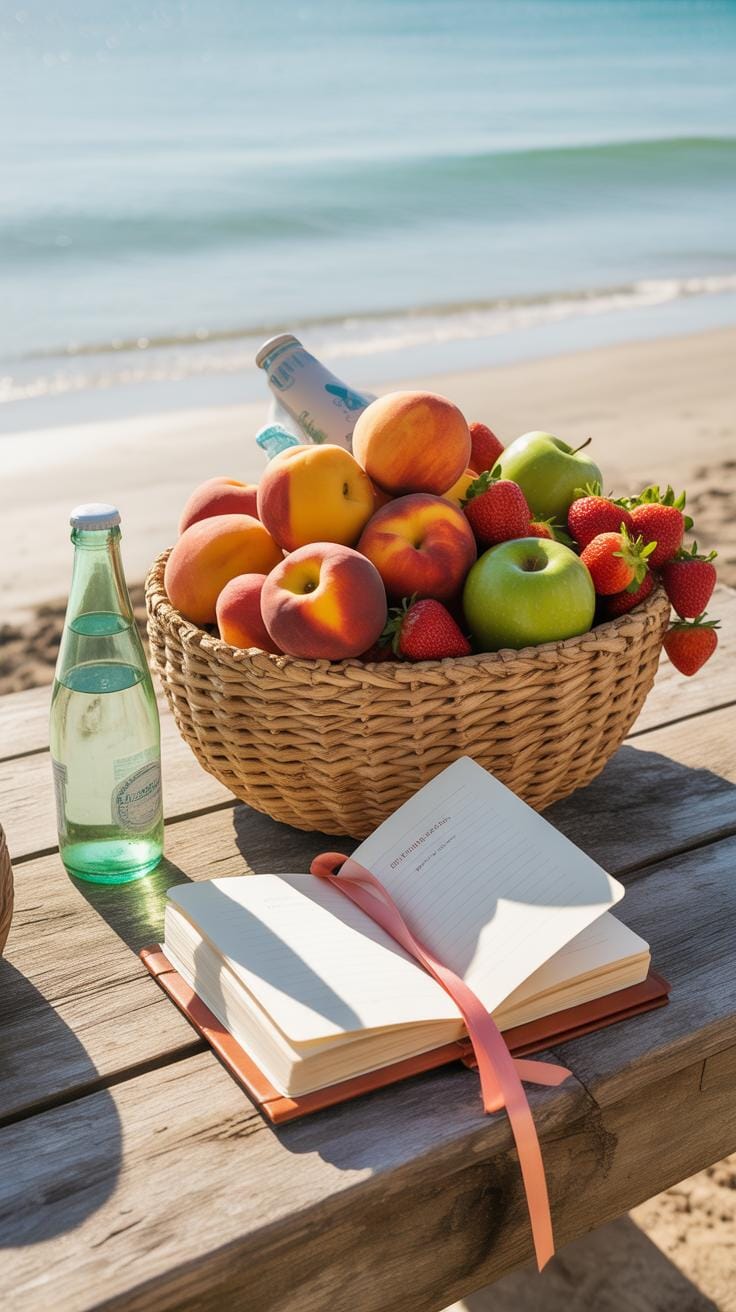
Vacations often leave us with a mix of excitement and a touch of sadness once they end. Capturing moments through photos can be more than just preserving memories — it’s a way to hold onto that vacation mood. When you scroll through your pictures, you’re not just seeing places; you’re reliving feelings. It’s surprising how a single snapshot can spark a smile or even lift your spirits on a tough day.
Creating a photo journal doesn’t have to be complicated. You might start with sorting your images by day or theme, then add quick notes or little stories that explain why those moments mattered. Keeping it simple helps you return to those memories without frustration. You could even mix in small keepsakes like tickets or postcards for a personal touch.
Sharing those stories with friends or family, whether in person or online, extends the joy far beyond the trip itself. Sometimes, when you talk about your travel adventures, new details or feelings surface that you hadn’t thought about before. It also invites others to join in your happiness, which, I think, helps the mood last longer. Have you noticed how a good conversation about your travels can brighten your whole week?
Transition Smoothly Back Into Routine
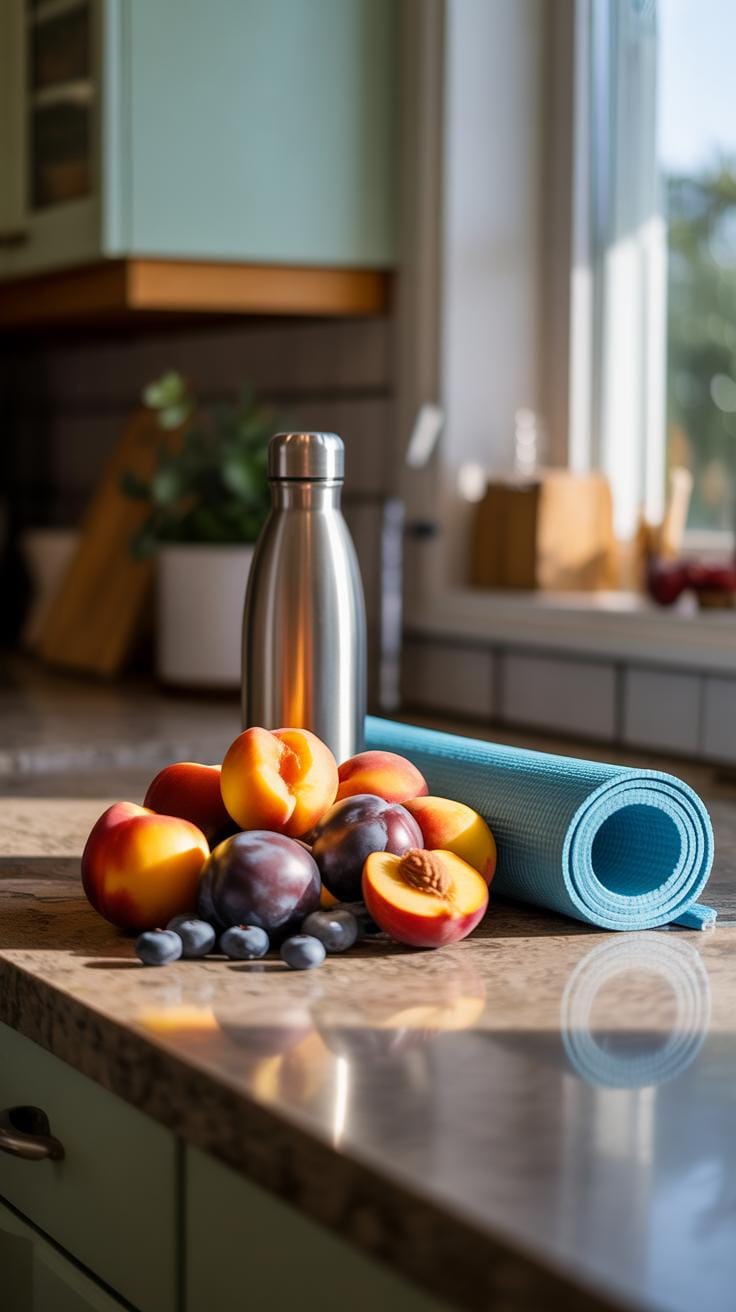
Coming home after a vacation often feels like stepping off a cloud and right into a pile of laundry. That sudden shift can be jarring, especially when you’ve just experienced a break from your usual grind. The goal isn’t to lose all the benefits of your vacation mood reset but to carry pieces of it with you as you get back to daily life. It’s about blending the old with something new, rather than trying to recreate the whole trip in your kitchen or living room.
One way I found helpful is to hold on to simple habits from vacation. Say, if you practiced yoga by the beach or walked miles through city streets, try to keep some movement each day. Don’t aim for an intense workout right away, but those 10-15 minute sessions can remind you of that relaxed vibe without overwhelming your schedule.
Cooking plays a surprisingly big role too. Maybe you discovered a new recipe or a fresh way to prepare vegetables. Keeping that alive means you don’t just revert to the usual dinner routine. A small culinary adventure now and then keeps the excitement alive without the need for a full getaway.
Also, planning relaxing activities ahead can make coming back less of a bummer. Think about book clubs, leisurely weekend hikes, or even a casual coffee date. Something to look forward to beyond the usual tasks can ease that creeping sense of post-travel blues. It’s not about scheduling every hour but about having a few low-key moments penciled in that mimic the slower, enjoyable rhythm of your break.
Have you noticed how sometimes the smallest changes make the biggest difference? Maybe it’s as simple as waking up 20 minutes earlier to enjoy your coffee in peace like you did abroad. Small, consistent habits can really help hold onto that refreshed mood. What’s one habit from your last trip you think you could keep at home?
Compare PreVacation and PostVacation Mood
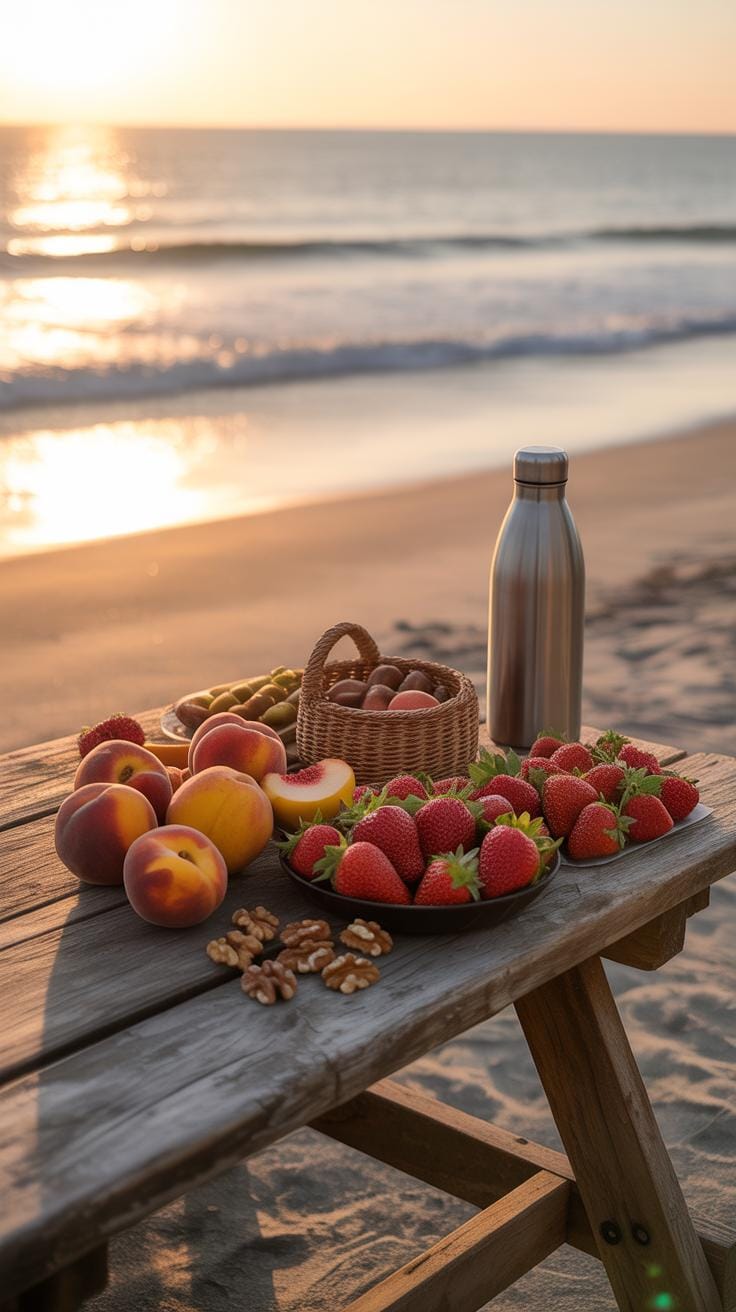
Before a trip, your mood is often a swirl of excitement mixed with a touch of stress. Planning meals, workouts, or where to explore can boost your anticipation, but those last-minute details sometimes weigh on you. Once the vacation hits, things generally shift. You might feel lighter, more carefree, and energized by new experiences. The change in environment fuels curiosity and a fresh take on your daily routine.
Then comes the return. The mood doesn’t always bounce back to pre-trip levels right away—in fact, it often dips. This drop isn’t just disappointment; it can feel like a loss of purpose or routine. Your body and mind have adjusted to something different, and now they need to recalibrate. Addressing this mood swing matters because it can influence how you reintegrate into daily life, affecting everything from motivation to mental health.
Why Mood Drops After Vacation
Post-vacation blues occur for a few reasons. First, reality sets back in. Bills, work, fitness goals—all those responsibilities wait. You might feel overwhelmed, or your daily life seems dull compared to recent adventures. There’s also a physical aspect: disrupted sleep schedules, changes in diet, and less movement while traveling can impact your energy levels and mood.
Another factor is expectation. Sometimes, you expect to feel refreshed after a trip, only to find that the stress or fatigue quietly built up instead. Missing the novelty of new places or meals adds to the feeling of letdown. I’ve noticed that even a week after returning, that shift can linger, making it hard to settle back in fully.
Steps to Prevent Mood Decline
To keep your mood balanced, try some of these before and after travel:
- Plan a gentle return: schedule light activities to ease back into routine rather than diving into full work mode immediately.
- Maintain some vacation habits, like a daily walk or preparing fresh meals inspired by your trip, which can prolong that feeling of discovery.
- Manage expectations by reminding yourself that it’s normal to experience mood shifts, giving yourself space to adjust.
- Keep a travel journal or photo collection to revisit positive memories without fixating on the past.
- Reconnect with your fitness routine gradually, allowing flexibility instead of strict rules right away.
Taking small, deliberate steps helps bridge the gap between vacation and regular life. It’s not about forcing happiness but about sustaining a thread of the vacation spirit while you move forward. Have you tried any particular strategies that helped you stay upbeat once back home?
Conclusions
Your vacation mood can make a big difference in how you enjoy your travel. Following a reset checklist that focuses on mental preparation, nutritious food choices, and keeping physically active supports both your happiness and health. Remember, simple routines like preparing ahead, choosing fresh foods, and fitting workouts into your day create a lasting positive effect.
Use these ideas to help you transition smoothly back to your daily life without losing the freshness and joy from your trip. Keeping elements of your vacation lifestyle at home can sustain your mood and motivate you until the next adventure.