
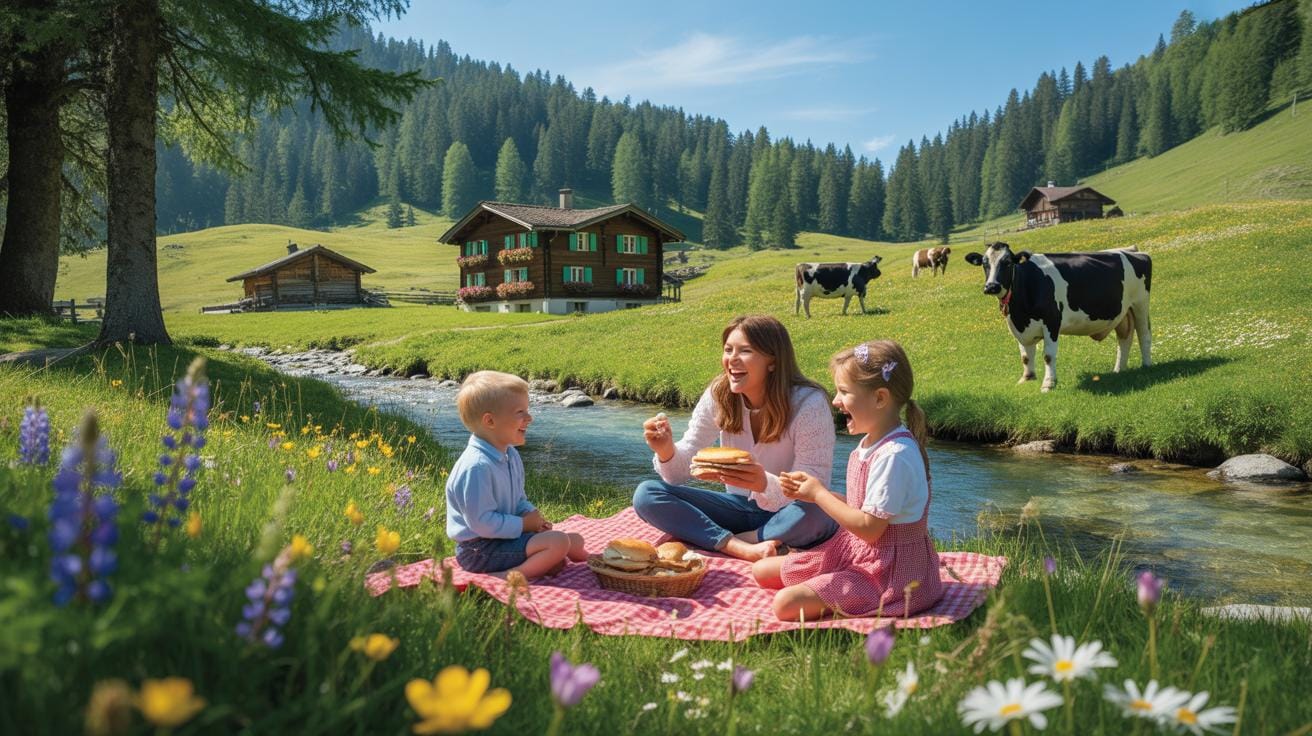
The Allure Of The Swiss Alps Aesthetic And Park Life
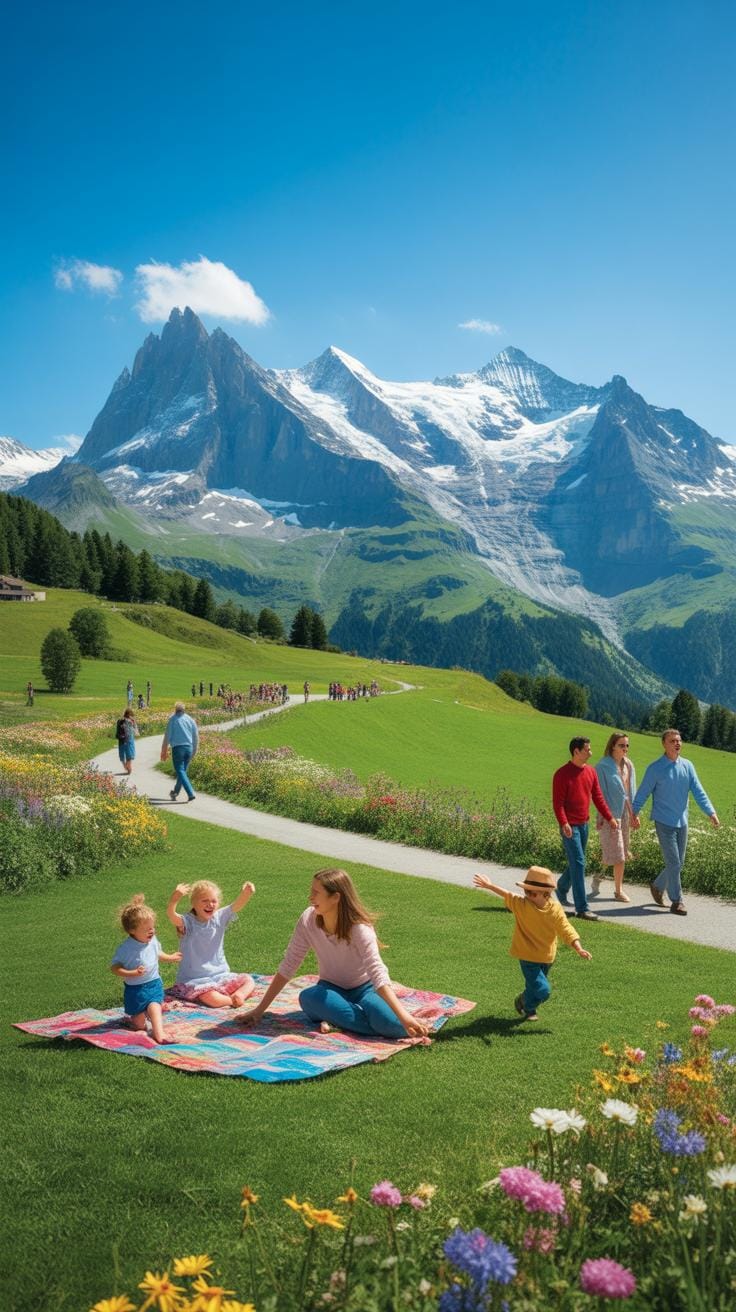
Harmonizing Architecture With Nature
Living within a Swiss nature park requires strict obedience to regional planning laws. Authorities enforce specific building codes to protect the Switzerland Aesthetic from modern degradation. You cannot use cheap synthetic materials here. Most parks mandate local timber and stone construction. These rules ensure new structures mirror the historical wood-carving traditions found in the Swiss Mountains for centuries. Efficiency and fire safety remain top priorities.

Local zoning laws prevent urban sprawl and keep Pretty Places intact for future generations. If you build here, your design must integrate into the Switzerland Landscape without disrupting the skyline. You will likely use traditional pitched roofs to manage heavy snow loads. This tactical approach to architecture preserves the Swiss Alps Aesthetic while meeting modern insulation standards. Respecting these constraints is the price for living in protected territory.
The Daily Visual Reward
Residents in these zones live inside a living museum of Switzerland Nature. The Swiss National Park and surrounding regional parks offer immediate access to primary forests and alpine meadows. You do not just look at Pretty Landscapes from a distance. You exist inside them. This proximity provides constant exposure to high-altitude flora and native wildlife. The visual layout follows natural contours rather than human convenience.
This environment defines the Switzerland experience through rugged terrain and clear light. Daily life centers on the changing seasons of the Swiss Mountains. You witness the transition from snow-covered peaks to green summer pastures firsthand. Managing a property in this area requires constant maintenance due to the harsh climate. However, the direct connection to the authentic Switzerland Landscape provides a unique lifestyle that few other global locations can match.
Navigating Life Within The Swiss National Park Boundaries
Strict Protection Zones
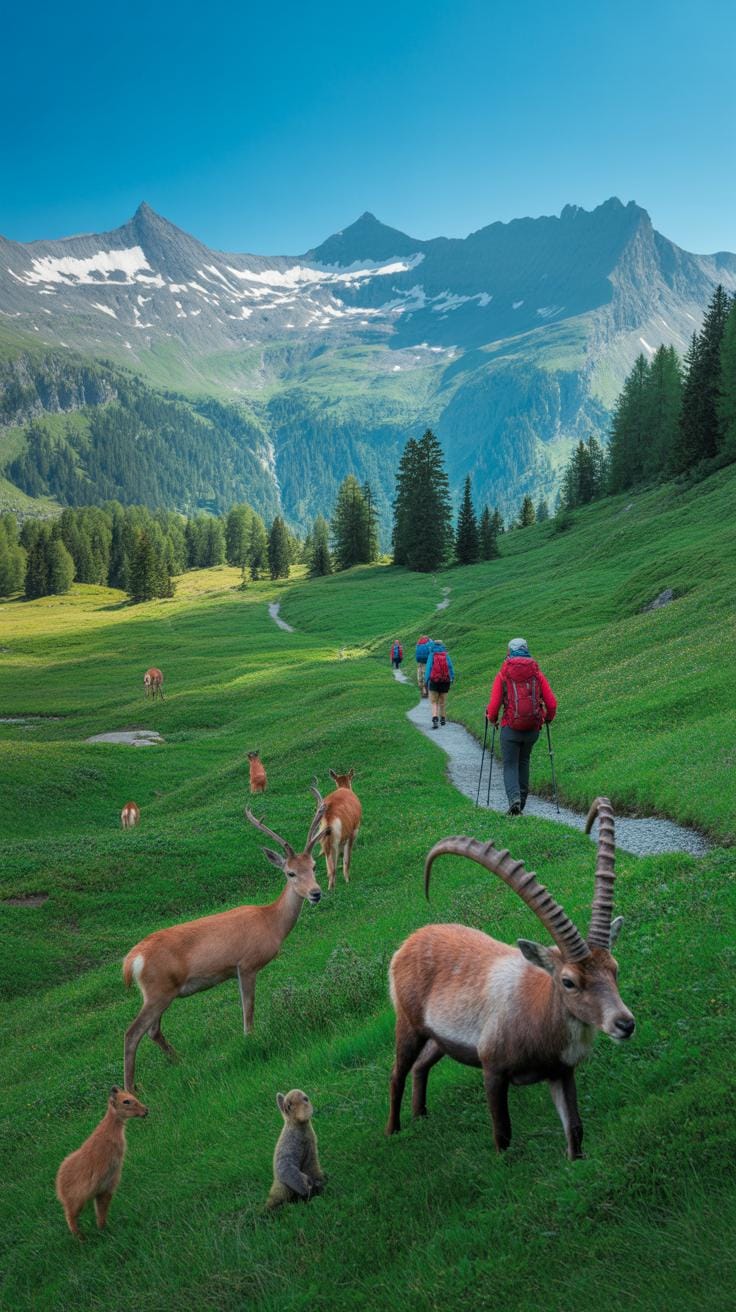
The Swiss National Park in Engadin maintains the highest level of conservation as a category 1a wilderness area. People living near these borders must follow rigid rules that forbid any human impact on the land. You cannot leave marked paths or disturb any animals. This creates a specific Switzerland Aesthetic where nature remains entirely untouched by modern development or local residential gardening practices.
Residents must understand that this Switzerland Nature zone bans hunting and fishing completely. Federal law protects every plant and stone within the perimeter. While many seek the Swiss Alps Aesthetic for tourism, the reality here is total restriction. You cannot gather wood or berries in this specific Switzerland Landscape. These rules preserve the Pretty Landscapes by ensuring no human footprints alter the ecosystem at all.
Science And Research Focus
Unlike a regional Swiss nature park, this area prioritizes long term ecological data over human recreation. Management limits intervention to almost zero to study how Swiss Mountains evolve without people. Scientists use this space as a living laboratory to monitor climate and wildlife changes. This data helps experts understand the true health of the Switzerland Landscape by comparing it to more developed alpine regions.
Living near these Pretty Places means accepting that research takes precedence over local convenience or expansion. You will find no new infrastructure or decorative landscaping inside the park. The goal is to maintain the Swiss National Park as a baseline for environmental health. This strategic focus ensures that the local Switzerland Aesthetic remains authentic. It provides a raw view of nature that differs from typical tourist spots.
Sustainability And The Switzerland Aesthetic In Rural Areas
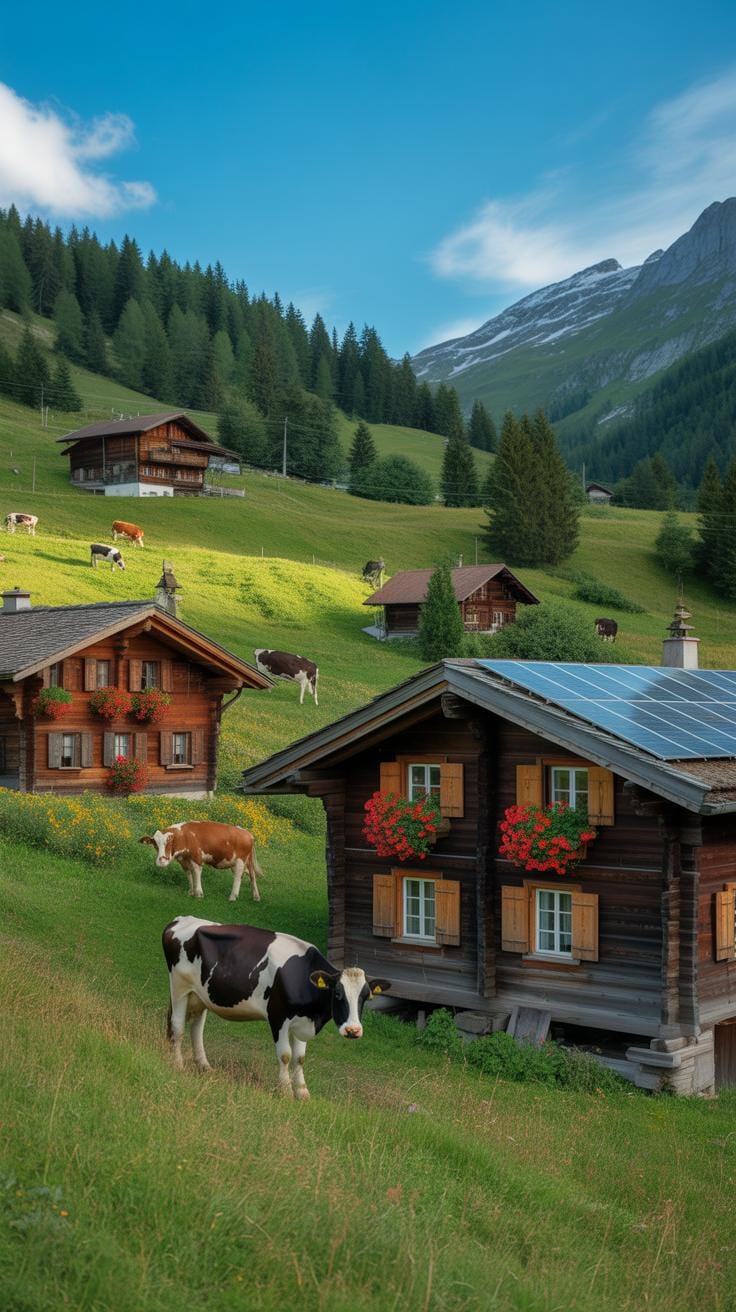
Zero Waste Initiatives
Living in a Swiss nature park requires strict waste management. Local governments enforce pay-per-bag systems to reduce trash volume. Residents separate paper, glass, and biowaste at central collection points. These efforts protect the Switzerland landscape from pollution. Maintaining the Switzerland aesthetic depends on high compliance rates. Clean surroundings increase property values and tourism revenue. People follow these rules to keep the country tidy.
The Swiss National Park and surrounding regions prioritize circular economies. Villages ban specific single-use items to protect the Swiss mountains. Local shops offer bulk goods to minimize plastic packaging. This tactical approach ensures that pretty places remain free of litter. Residents view waste reduction as a civic duty. They preserve the Swiss Alps Aesthetic by keeping public spaces spotless. These habits maintain the natural health of Switzerland nature.
Renewable Energy Integration
Swiss park zones rely on local energy sources to stay functional. Most homes use geothermal heat pumps or small hydroelectric plants. These systems use the water from Swiss mountains to generate power. This tech stays hidden to preserve the Switzerland aesthetic. Modern engineering blends with traditional wood and stone buildings. It allows residents to live comfortably without harming the mountain environment.
Building codes in a Swiss nature park are very strict. New solar panels must match the roof color of old farmhouses. This keeps the Swiss Alps Aesthetic consistent across villages. Engineers focus on silent systems to protect the quiet of Switzerland nature. Using green energy makes these pretty landscapes sustainable for future years. Tactical energy planning prevents the destruction of the Switzerland landscape while providing reliable heat.
Embracing Pretty Landscapes Through Seasonal Changes
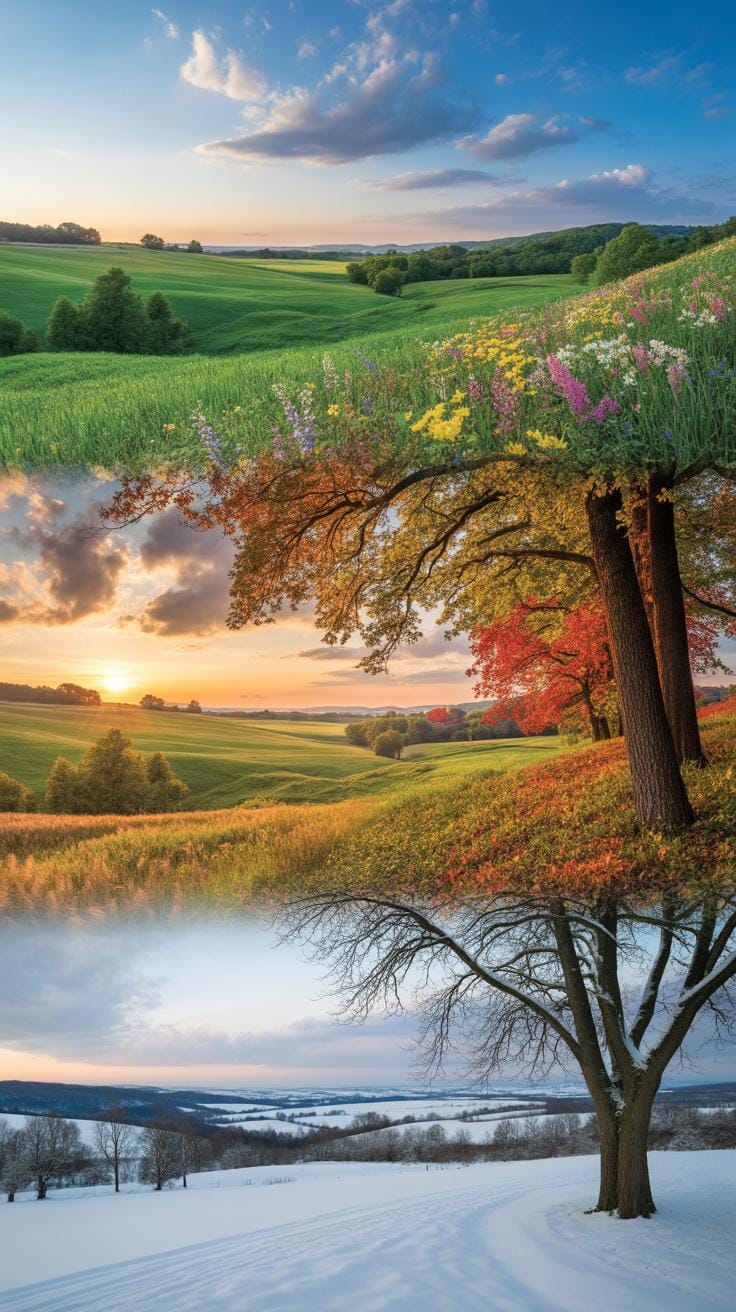
Winter Isolation Realities
Living within a Swiss nature park during winter requires strict logistical planning. Heavy snowfall frequently blocks secondary roads and halts local transit. Residents must stock food, fuel, and medical supplies for several weeks. This period defines the Swiss Alps Aesthetic through harsh utility rather than just visual appeal. Reliable four wheel drive vehicles and snow removal equipment are mandatory tools for survival in these remote high altitude zones.
Infrastructure in the Swiss Mountains often faces significant stress from avalanches and freezing temperatures. Local authorities prioritize clearing main arteries, leaving smaller hamlets in the Switzerland Landscape isolated for days. You must understand building physics to prevent roof collapse from snow load. This seasonal reality dictates a lifestyle of self-sufficiency. Preparation is the only way to manage the physical demands of this Environment in Switzerland safely.
The Vibrant Alpine Summer
Summer shift brings active land management to the Switzerland Nature regions. Alpine farmers move cattle to high altitude pastures to utilize nutrient rich grass. This seasonal migration creates the Switzerland Aesthetic characterized by functional grazing lands and wildflower growth. The movement of livestock is a tactical agricultural necessity, not just a tradition. It maintains the ecosystem and prevents forest overgrowth in many Pretty Places across the country.
The Swiss National Park and surrounding zones see a surge in biodiversity during these warmer months. Meltwater feeds the soil, supporting rare plant species and essential pollinators. Residents must manage land borders as the Pretty Landscapes become high traffic areas for both animals and hikers. Proper trail maintenance and water management are critical. Effective land use during this window ensures the health of the entire Switzerland Landscape for the following year.
Modern Connectivity In Remote Switzerland Locations
The PostBus Network
The PostBus system provides the primary logistical backbone for every Swiss nature park. These yellow buses operate on strict schedules even in the most rugged terrain. They connect small villages to larger rail hubs with total precision. You do not need a private vehicle to live in these areas. This accessibility supports the Switzerland Aesthetic without sacrificing the utility required for daily mountain life.
Reliability remains the core advantage of this transit network. Drivers navigate sharp switchbacks to reach the Swiss National Park and other protected zones. This service ensures that residents can access essential services and employment centers easily. Living among Swiss Mountains does not mean isolation. The synchronized timing between buses and trains makes regional travel efficient and predictable for everyone living in the Switzerland Nature.
High Speed Digital Infrastructure
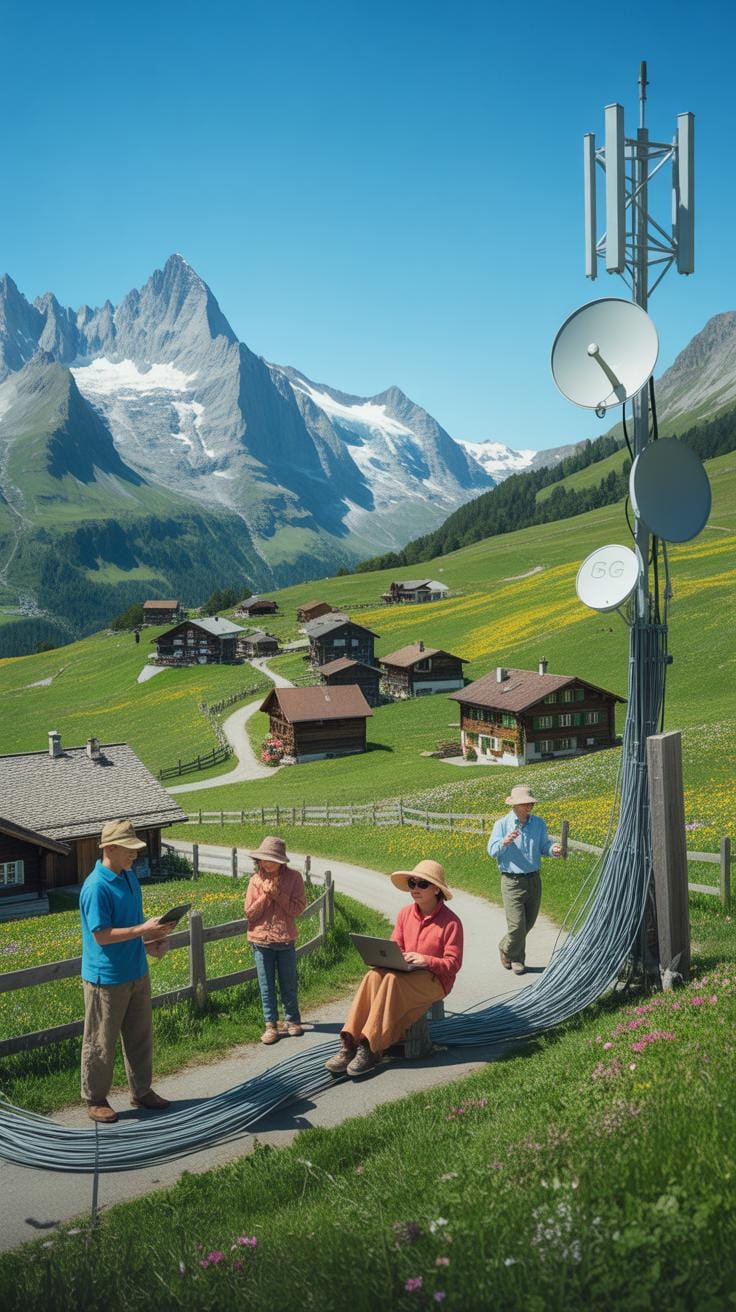
Fiber optic technology now spans most deep valleys within the Switzerland Landscape. The government treats high-speed internet as a basic utility rather than a luxury. Service providers run durable cables alongside existing hiking paths and tunnels. This allows remote workers to maintain corporate roles while living in Pretty Places. You get urban data speeds in high-altitude environments without any significant lag.
Modern infrastructure supports the Swiss Alps Aesthetic by hiding technical hardware from view. Engineers use existing pipelines to protect the visual integrity of Pretty Landscapes. This digital access transforms old farmhouses into functional workspaces. It bridges the gap between traditional mountain living and the global economy. Professionals can now live in Switzerland and participate in international markets while surrounded by nothing but the quiet scenery.
Preserving The Iconic Swiss Mountains Heritage
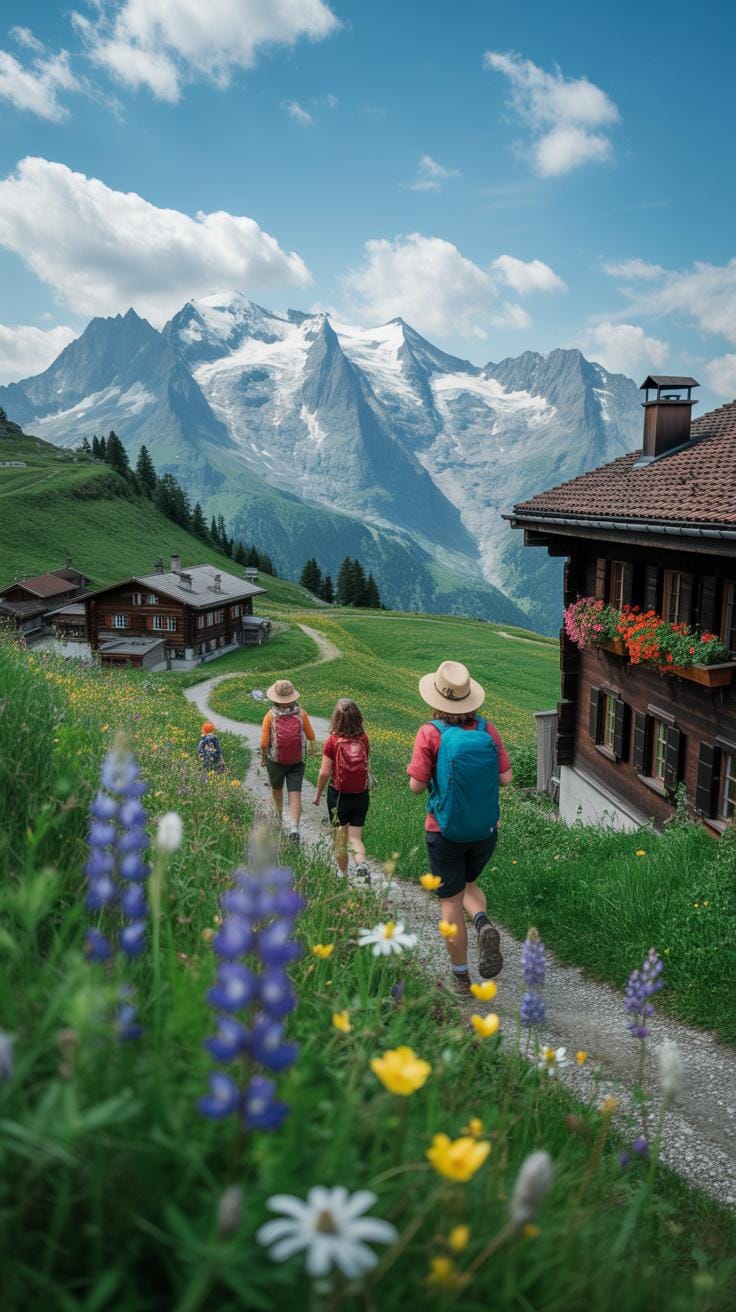
Traditional Alpine Crafts And Skills
Residents in a Swiss nature park maintain ancient skills to protect the local economy. These practices create the Switzerland aesthetic that visitors expect. Crafting goods by hand is not a hobby. It is a survival strategy for remote villages. Workers use local wood and stone to build structures. This labor preserves the history of the Swiss Mountains for the next generation of residents.
- Dry Stone Walling: Technicians stack rocks without mortar to create field boundaries and stabilize slopes. This method allows water drainage while preventing soil transition. It is a core feature of the Switzerland landscape in high altitude zones.
- Wood Shingle Roofing: Alpine builders split larch or spruce wood to create weather-resistant tiles. These shingles protect homes from heavy snow and rain. This technique maintains the visual identity of Swiss Alps aesthetic in traditional mountain architecture.
- Heritage Wood Carving: Artisans carve functional tools and decorative motifs into structural beams. This skill preserves specific regional symbols and history. It ensures that new buildings match the historic style found near the Swiss National Park and surrounding areas.
- Traditional Cheesemaking: Farmers use copper vats and wood fires to process raw milk in alpine huts. This seasonal work keeps the mountain pastures active and productive. It is why tourism and agriculture remain linked across all pretty places in the country.
- Wool Processing: Locals harvest wool from mountain sheep to create durable clothing and insulation. They use natural dyes sourced from Switzerland nature to color the fabric. This industry supports local farmers while keeping traditional textile knowledge alive and functional.
Maintaining these crafts ensures that Switzerland remains a leader in cultural preservation. Accurate restoration of old barns requires specific tools and knowledge. Locals pass these techniques down through apprenticeships. This effort keeps the pretty landscapes looking authentic rather than manufactured. It proves that living in a park requires active participation in history. Without these skills, the unique regional identity would vanish quickly.
Custodians Of The Land
Living in Switzerland requires a strict commitment to land management. Residents act as the first line of defense against natural disasters. They monitor the forest floor and manage timber growth. This work stops snow from sliding and prevents massive avalanches. Constant care of the soil keeps the Swiss Alps aesthetic intact. Healthy forests act as a natural barrier for all mountain villages.
People residing here manage the water and the grass with precision. They rotate cattle to ensure that pastures do not erode. This movement creates the Switzerland nature that observers admire from afar. Managed grazing protects biodiversity and keeps the soil strong. Every resident understands that the Switzerland landscape needs human intervention to stay safe. Their duty ensures that these pretty places remain habitable for everyone involved.
Understanding Local Laws For Switzerland Nature Preservation
Zoning And Land Use
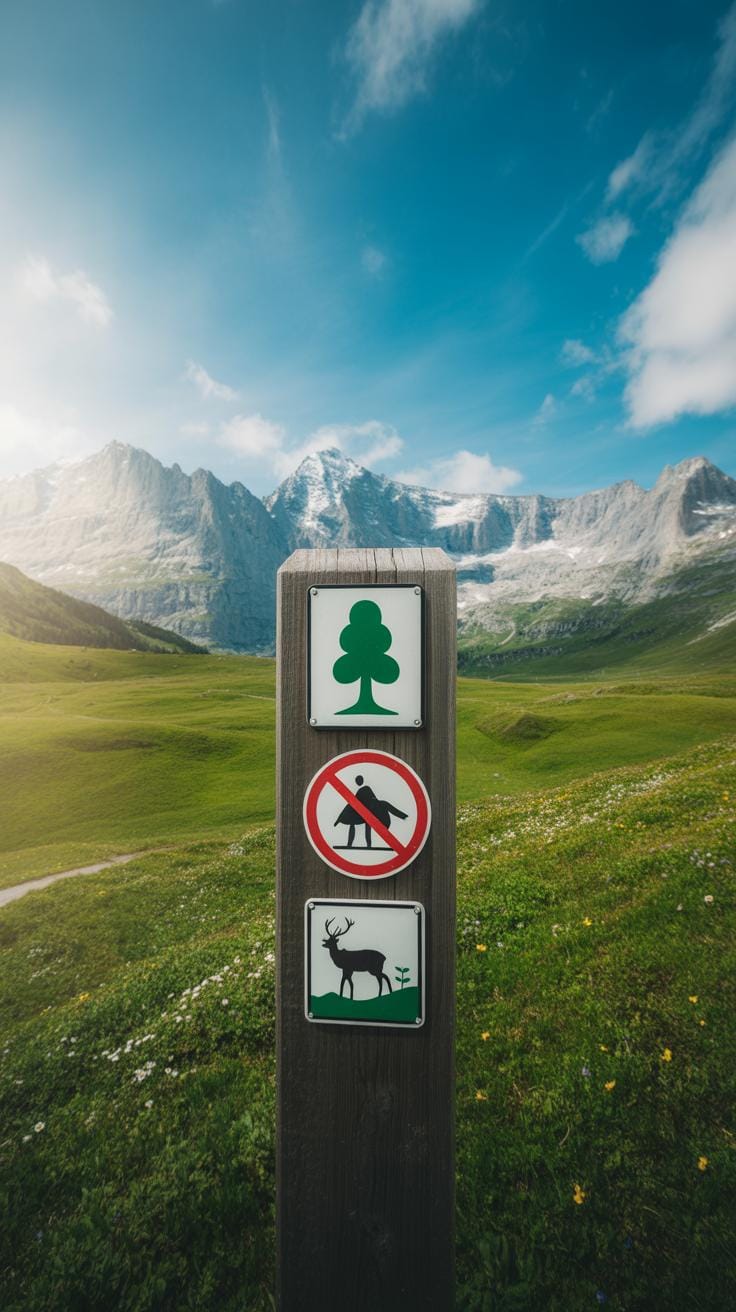
Switzerland uses strict federal laws to control how people build on land. The Spatial Planning Act ensures that Switzerland nature remains divided into clear zones. You cannot build houses on agricultural land. This prevents urban sprawl and keeps the Swiss Alps aesthetic intact. The government protects these areas to ensure the Switzerland landscape stays open for farming and public recreation.
Local authorities enforce these rules to maintain the Switzerland aesthetic that visitors expect. Building permits in a Swiss nature park are hard to get. Owners must prove their project serves the public interest or farming needs. These regulations protect pretty landscapes from being ruined by private development. By keeping the Swiss mountains free of scattered buildings, the law preserves the natural heritage of the region.
Here in the mountains, time is not measured by clocks, but by the evening glow on the peaks and the deep peace of the meadows. In the silence of nature, one finds the path back to the soul.
Essential Park Resident Guidelines
Living within a Swiss nature park requires following strict environmental protocols. Residents must manage waste, noise, and light to protect Switzerland nature and native species. Federal law dictates how you interact with the environment to maintain the Swiss National Park standards of conservation. These rules ensure that human activity does not disrupt the delicate balance of the pretty places found throughout the high altitude regions.
- Waste Management: All residents must use official bags for trash disposal. This system funds recycling programs and prevents litter from polluting the Switzerland landscape. Proper disposal keeps the soil and water clean for wildlife.
- Noise Abatement: Laws strictly limit loud activities during evenings and Sundays. This practice protects the tranquility of the Swiss mountains. Quiet hours ensure that both humans and animals can rest without the stress of mechanical noise.
- Lighting Restrictions: Outdoor lights must point downward to reduce light pollution. This helps nocturnal animals navigate and preserves the dark sky for the Switzerland aesthetic. It prevents artificial light from washing out the natural beauty of the night.
- Water Protection: You cannot use harmful chemicals in gardens or near streams. The law protects the purity of alpine water sources. Keeping the water clean is vital for the health of the entire ecosystem and local residents.
- Pet Control: Dogs must remain on leashes in protected areas to prevent them from chasing wildlife. This rule protects ground-nesting birds and mammals. It is a critical part of maintaining biodiversity in any Swiss nature park.
Following these guidelines supports the long-term health of the ecosystem. Residents act as stewards of the land to keep the Swiss Alps aesthetic authentic. If you ignore these rules, you face heavy fines from the local canton. Constant vigilance helps preserve the pretty landscapes for future generations. Living here is a privilege that requires a commitment to protecting every part of the Switzerland landscape.
Exploring The Diversity Of The Switzerland Landscape
From Glaciers To Palm Trees
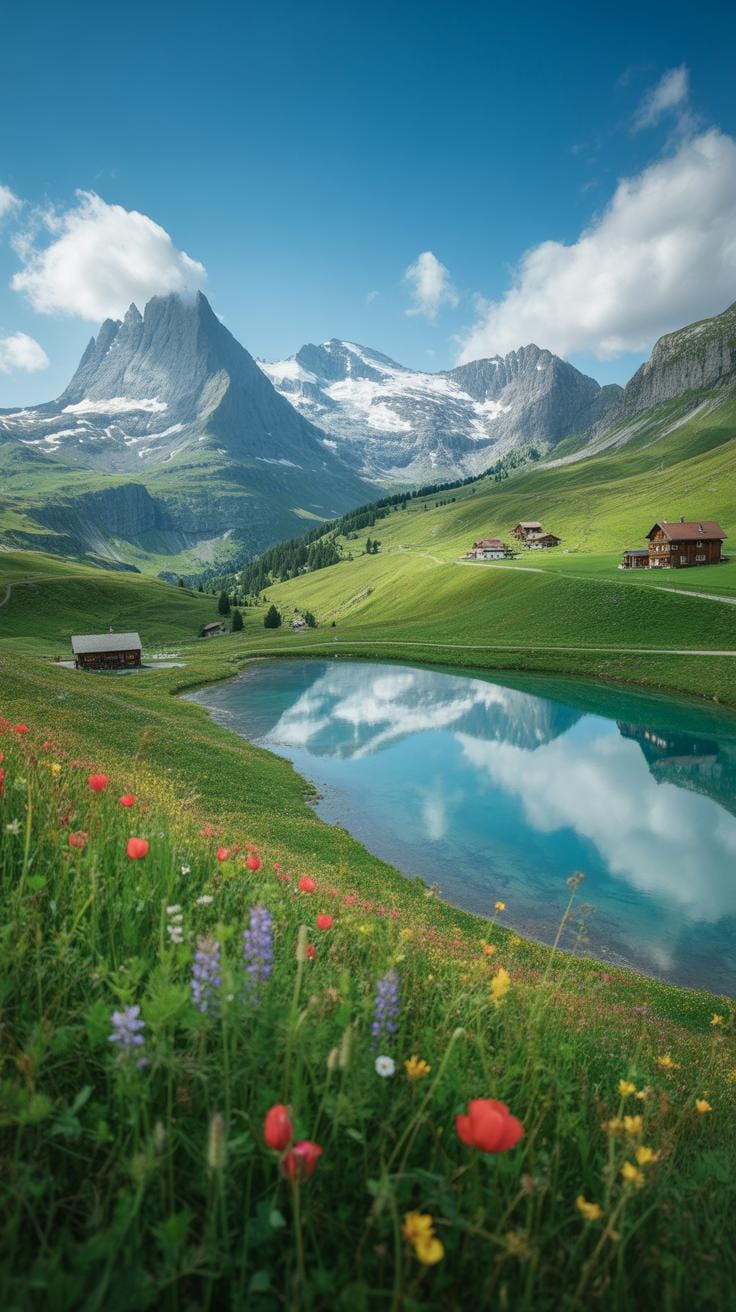
A Swiss nature park covers varied elevations that dictate local climate and vegetation. High altitudes feature the Swiss Alps Aesthetic with permanent ice and rock. These zones mimic arctic conditions where only hardy mosses survive. As you descend, the Switzerland Landscape transitions into dense coniferous forests. This elevation change happens rapidly over short distances. The steep terrain forces a quick shift in biological zones.
Southern parks like those near Ticino offer a different Switzerland Aesthetic compared to the north. These areas feature Mediterranean plants and palm trees due to low elevation and heavy sun. This contrast defines the Switzerland Nature experience for residents. You can move from frozen Swiss Mountains to temperate valleys in one afternoon. Modern land management protects these distinct zones to maintain the integrity of the Swiss National Park system.
The Role Of Water Features
Water management is the core of the Switzerland Landscape and its local economy. Crystalline lakes collect glacial runoff to provide drinking water and power. These bodies of water create the Pretty Landscapes tourists expect, but they serve a functional purpose first. Managed drainage prevents erosion in steep alpine sectors. Engineers use natural materials to reinforce banks while preserving the look of these Pretty Places.
Rivers and waterfalls distribute nutrients throughout the park ecosystem. This movement supports diverse plant life across the Switzerland Nature network. Constant water flow allows for lush alpine meadows that define the local Switzerland Aesthetic. Protective laws ensure these water sources remain uncontaminated and accessible. Maintaining these features is essential for the health of the Swiss Mountains. High water quality remains a non-negotiable standard for any established Swiss nature park.
Finding Peace In Private And Pretty Places
Mitigating Over Tourism
Tourism surges create friction in popular spots like the Swiss National Park or Lauterbrunnen. Residents avoid these bottlenecks by moving into peripheral zones of a Swiss nature park. Locating your home in a regional park rather than a main peak zone ensures a quiet life. Knowledge of local topography allows you to find pretty landscapes that remain invisible to the average day-tripper and social media influencer.
Strategic living requires choosing locations with limited parking and no rail access. These areas maintain the Switzerland aesthetic without the noise of tour buses. You gain access to Switzerland nature by utilizing secondary military roads or old alpine trails. This approach grants you private views of Swiss mountains while the crowds congregate at branded viewpoints. Avoiding designated photo spots keeps your daily environment functional and calm.
Community Spirit In Small Hamlets
Living in a small village within Switzerland requires active participation in local cooperatives. These hamlets maintain a specific Swiss Alps Aesthetic through strict building codes and communal labor. Residents share responsibilities for snow clearance and water management. This mutual support builds a resilient social structure. You integrate by respecting traditional land rights and contributing to the maintenance of Switzerland landscape features like stone walls.
Social bonds in these pretty places rely on functional interactions rather than superficial networking. Neighbors trade local produce and help with seasonal harvests in the high pastures. This lifestyle centers on the reality of living in Switzerland where geography dictates your social circle. Strong community ties provide security when weather cycles impact the Swiss mountains. Authentic belonging comes from shared work and consistent presence in the local alpine economy.
Frequently Asked Questions

What exactly does it mean to live inside a Swiss nature park?
Living in a Swiss nature park is a unique experience where residents reside in protected landscapes committed to sustainability and cultural preservation. Unlike national parks that strictly limit human activity, these regions thrive on a balance of modern life and ecological stewardship. You will enjoy breathtaking scenery and a slower pace of life, while actively participating in a community dedicated to maintaining the region’s authentic heritage and natural beauty.
How can someone find a home or relocate to a Swiss nature park?
Relocating to a Swiss nature park requires researching specific municipalities within the park’s boundaries, as these areas are divided into residential zones. You should consult local real estate listings in cantons like Graubünden or Valais and contact the park’s administrative office for guidance on building regulations. It is essential to understand that strict zoning laws often prioritize traditional architecture to ensure new homes blend seamlessly with the environment.
Is living in these protected regions significantly more expensive than urban areas?
While some assume a Swiss nature park is exclusively for the wealthy, costs vary depending on the location. Properties in famous tourist-heavy parks can be pricey, but lesser-known regions offer more affordable housing compared to city centers like Zurich. Residents often save on lifestyle costs by embracing local produce and outdoor recreation. However, you should budget for higher transportation costs, as these secluded locations often require a vehicle or mountain-specific commuting.