

Introduction
Summer road trips offer a great way to explore new places and make memories. They bring a mix of adventure and relaxation that many travelers look forward to all year. This article will guide you through crafting a summer road trip vibe that suits your style and helps you stay healthy while traveling.
We’ll cover practical bucket list ideas and essential health tips during your journey. Whether you are planning routes, packing smart, or looking for activities that add joy without stress, these insights will prepare you for a fun and safe summer drive.
Plan Your Summer Road Trip Budget


Estimating a budget for your summer road trip starts with breaking down key expenses, even if it feels a bit tedious. Fuel costs often take the biggest chunk, so calculate your vehicle’s mileage and average gas price along the way. Don’t forget to factor in meals; dining out can quickly add up, so consider packing snacks or picnics to keep costs down. Lodging varies widely, depending on whether you prefer motels, camping, or Airbnb stays—sometimes mixing options can save money and add adventure.

Activities should be on your radar too. Museums, attractions, tours, or even park entries may have fees. Planning ahead can help avoid surprises. Try setting a daily spending limit that covers fuel, food, and small extras. It might feel a bit restrictive, but it also keeps you mindful.
Compare Costs Of Different Travel Routes
Choosing your route matters more than you might assume. Highways might seem quicker but aren’t always cheaper, especially in toll-heavy areas. Occasionally, scenic or less traveled byways can lower costs—not just in tolls but in fuel if traffic is lighter. One time, I saved nearly $20 taking a slightly longer back road, avoiding a busy toll route. Beyond money, these routes often offer nicer views or unexpected stops worth the wait.
Still, it’s a balance. Taking too many detours or longer paths can hike your expenses if you’re not watching. It’s worth mapping options ahead and considering fuel prices en route. Is the experience worth the extra cost? You’ll have to decide what fits your mood and budget.
Checklist For Budgeting Travel Expenses
Planning an effective budget means including these basics:
- Fuel and toll fees
- Meals and snacks
- Accommodation costs
- Entrance or activity fees
- Unexpected expenses like car repairs
- Souvenirs or extras
Tracking expenses during your trip helps stay on course. Use a simple app or even a notebook. Review it each evening to adjust your spending plans if needed. This way, you avoid those awkward last-minute scrambles feeling short on cash. Keeping it flexible but attentive makes the journey less stressful—you get to enjoy the ride without the constant worry about running out of money.
Tips For Staying Healthy On The Road

Staying healthy during a summer road trip takes a bit of effort, though it’s not as complicated as it might seem. Hydration really needs to be at the top of your list. You might think grabbing a soda or coffee will keep you going, but water is what your body truly craves, especially in warm weather.
Nutrition also plays a crucial role. Instead of relying on fast food at every stop, try to plan ahead with balanced meals and snacks. It’s kind of tempting to indulge in chips or candy, but simple wholesome choices make a big difference for your energy and mood.
Exercise and stretching can be overlooked but should be part of your routine. Even short walks during breaks get your blood flowing and help prevent stiffness. Plus, don’t forget rest—not just sleeping at night, but also taking breaks to relax your mind and avoid fatigue.
Healthy Snack Options To Pack
Picking the right snacks can be a game-changer on the road. Think of nuts, like almonds or walnuts—they provide good fats and protein to keep hunger at bay. Dried fruits like raisins or apricots offer quick energy and some sweetness without processed sugars.
Trail mix is a classic for a reason—combining nuts, dried fruits, and a bit of granola or seeds makes for a lightweight, non-perishable snack that fuels you well. If you want something fresher, raw veggies like carrot sticks or cucumber slices are refreshing and hydrating.
Hard-boiled eggs or small cheese portions can be great too, but they require a cooler. The key is convenience and nutrition; you want snacks that don’t just fill you up but actually support your energy and focus.
Simple Exercises You Can Do Stops
When you stop for a break, try some stretches that target common areas of tension like the neck, shoulders, and lower back. Gentle neck rolls or shoulder shrugs are quick and effective. A few standing hamstring stretches can help loosen tight legs from sitting so long.
Walking briskly for five to ten minutes can refresh your circulation and clear your mind. Even simple movements like torso twists or calf raises at the rest area keep the blood moving. You might feel a bit silly, but it really helps reduce fatigue and stiffness.
Try to take at least a couple of these brief activity breaks each day to maintain your physical comfort and mental sharpness on the road. It’s surprising how a few stretches or a short walk can change your whole travel mood.
Creating Your Summer Bucket List

When planning your summer road trip, crafting a bucket list can transform the journey. Think about what activities and destinations fit your idea of healthy travel. You might want to focus on outdoor pursuits that keep you moving and truly connected with nature.
Start by listing places along your route encouraging physical activity—hiking trails at national parks, beaches for swimming, or bike paths winding through scenic towns. Include stops at farmers’ markets to enjoy fresh, local foods or community festivals for cultural experiences that don’t involve sitting in a car.
Consider mixing in some less common stops, like botanical gardens or historical sites with walking tours. These enrich your trip without overwhelming your schedule. Creating this list isn’t about cramming your days, but about building in opportunities to stay active and engaged.
Examples of Must-See Attractions
Say your route takes you through California. Places like Yosemite National Park offer breathtaking hikes that get your heart rate up while immersing you in stunning scenery. The health benefits touch on both fitness and mental well-being, thanks to fresh air and beautiful surroundings.
Alternatively, the Great Smoky Mountains National Park combines gentle walks with more challenging climbs, catering to varied fitness levels. On the other hand, coastal drives along the Pacific Coast Highway invite refreshing beach stops where you can swim or simply walk barefoot on the sand.
These stops give variety–some more physically demanding, others restful yet still active. What matters is balancing these to suit your stamina and interests.
Setting Realistic Activity Goals
It’s tempting to want to do everything, but pacing is key. Set goals that push you just enough without leading to burnout. For example, plan shorter hikes some days paired with leisure walks or cultural sightseeing on others.
Listen to your body. If a trail seems too steep or the day’s heat too intense, it’s okay to scale back. You want to enjoy the entire trip, not end it exhausted or injured. Some simple strategies include breaking activities into chunks, spacing active and rest days, and staying hydrated.
Remember, the point is consistent movement that supports health, not extreme exertion. How you feel after the trip matters more than any checklist you try to complete.
Organize Your Travel Essentials
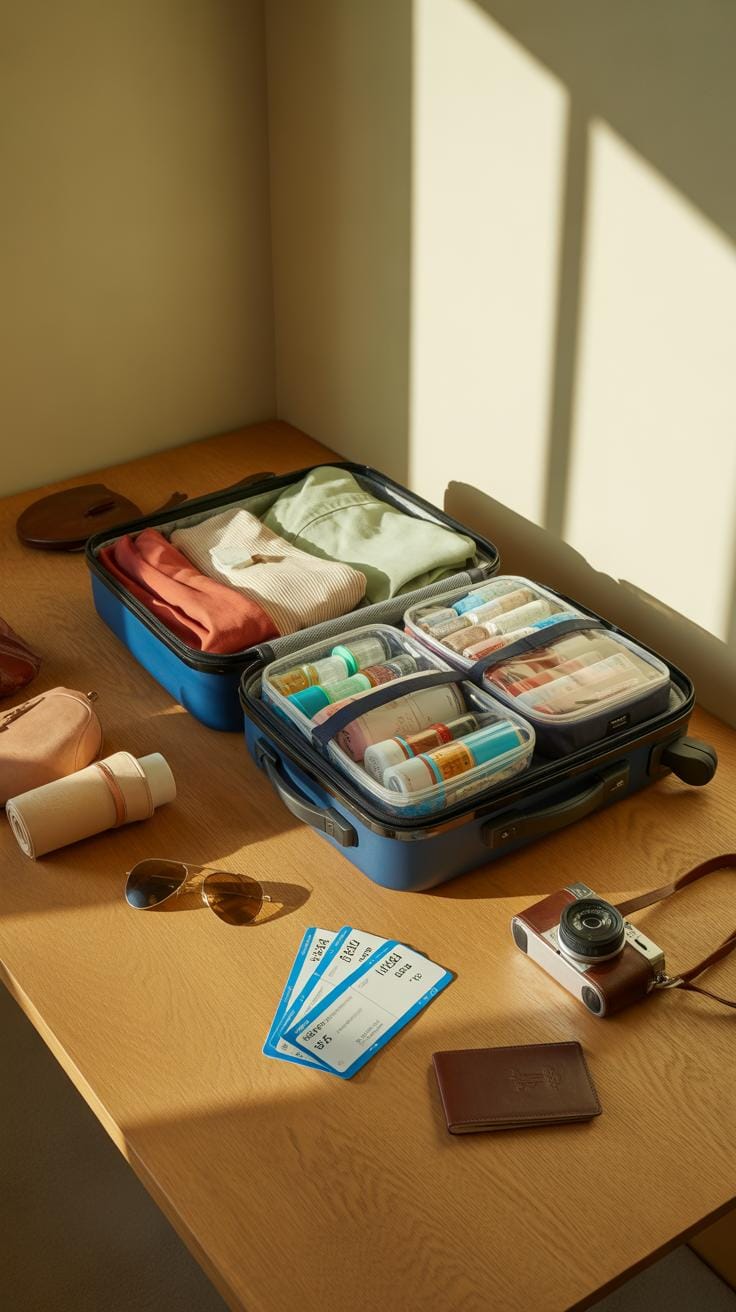
Organizing for a road trip takes more than just throwing bags in the car. Think about what supports your health first. It’s about balance—packing smart but not overdoing it. Consider packing a dedicated travel bag or organizer where all your essentials for healthy habits live. This way, you can easily reach for what you need without a mess.
Separate items by type: hydration tools in one pouch, hygiene products in another. Maybe pack some lightweight reusable containers for snacks that keep well without extra sugar or salt. These little containers can really save you during times when only fast food seems available, but you want to stay on track. Also, don’t forget sun protection. Sunscreen and hats should be part of your essentials, especially for those long outdoor stops.
Packing List For Health And Comfort
Comfort and hygiene make a big difference on the road. Pack a small first-aid kit with basics like band-aids, antiseptic wipes, and some pain relievers. Include wet wipes and hand sanitizer to stay clean on the go—rest stops aren’t always pristine. A lightweight blanket or neck pillow can help with rest during breaks or for passengers who want to snooze. Breathable, layered clothing can keep you comfy whether the car heats up or cools down.
Don’t overlook hydration: bring refillable bottles and electrolyte powders if you expect long stretches of driving. Healthy snacks such as nuts, fruit, or granola bars help maintain steady energy without sugar crashes. It’s the small comforts and preparation that prevent rash decisions when hunger or discomfort strike unexpectedly.
Tools To Track Travel Health
Technology can really help keep your road trip on track health-wise. Apps that remind you to drink water or take breaks enhance your wellbeing during long drives. For example, hydration apps can track your daily water intake easily. Fitness trackers and smartwatches monitor your activity and sleep patterns, encouraging you to stretch or walk when you’ve been sitting too long.
Other gadgets you might consider include portable pulse oximeters or heart rate monitors—these might feel a bit extra, but they offer peace of mind if you have specific health concerns. Sleep tracking apps can provide insights into how restful your roadside naps really are. Sometimes just knowing your health metrics can motivate better habits even when away from home for days.
Choosing Accommodations Wisely

Picking the right place to rest after hours of driving is more critical than you might think. Your body needs real recovery so you’re ready to explore anew the next day. I tend to look for spots that offer a quiet environment, good mattresses (because a firm, supportive bed really helps), and amenities like blackout curtains or a small fan for white noise. Sometimes, even just fresh air makes a huge difference. It’s tempting to pick the cheapest place, but if it compromises your sleep, that’s a cost you pay on the road.
Think about how you’ll feel waking up. Is the accommodation near a noisy highway? Is it clean and comfortable? Will you have space to stretch or unwind? Being practical goes hand in hand with comfort. If the idea of a cramped, noisy motel room sounds like trouble after a long day, maybe try a cozy Airbnb or a guesthouse with a calm vibe. Often, booking somewhere that feels more personal and less generic can help morale and rest.
Compare Hotels Versus Camping
Hotels offer a clear advantage in comfort; beds, climate control, and easy access to bathrooms are tough to beat. But I do wonder if staying in hotels every night might disconnect you from nature, which some say helps mental health by reducing stress. Also, hotel rooms indoors might limit exposure to fresh air and natural light, both beneficial for your sleep cycles.
Camping, on the other hand, immerses you in nature. That can be refreshing and ground you after the buzz of the road. Fresh air, sounds of nature, sleeping under the stars—there’s a clear appeal. But it’s not always practical or comfortable for everyone, especially if you’re not used to uneven ground or unpredictable weather. Plus, setting up camp takes energy, which can be a downside on long travel days.
From a cost perspective, camping usually wins hands down, especially for long trips. However, think about what sort of trade-off you’re comfortable making between savings and the quality of your rest. Maybe mix it up: camp when the weather’s great, opt for hotels when you need a real recharge.
Checklists For Clean And Safe Stays
Before locking in your booking, ask yourself:
- Does the accommodation have visible, recent reviews mentioning cleanliness?
- Is it in a safe neighborhood, with easy access to emergency services if needed?
- Are there clear policies on sanitation and hygiene, especially given the uptick in health concerns?
- Do they provide regular disinfecting of high-touch areas?
- Are basic safety features in place like smoke detectors and secure locks?
- If camping, is the campground maintained, with clean facilities and safe drinking water?
Checking these points might seem like common sense, but rushing past them can lead to uncomfortable surprises. I’ve learned the hard way that a clean, safe place for the night sets the tone for the next day’s adventure. You don’t want to waste your energy worrying instead of relaxing.
Plan Your Driving Schedule
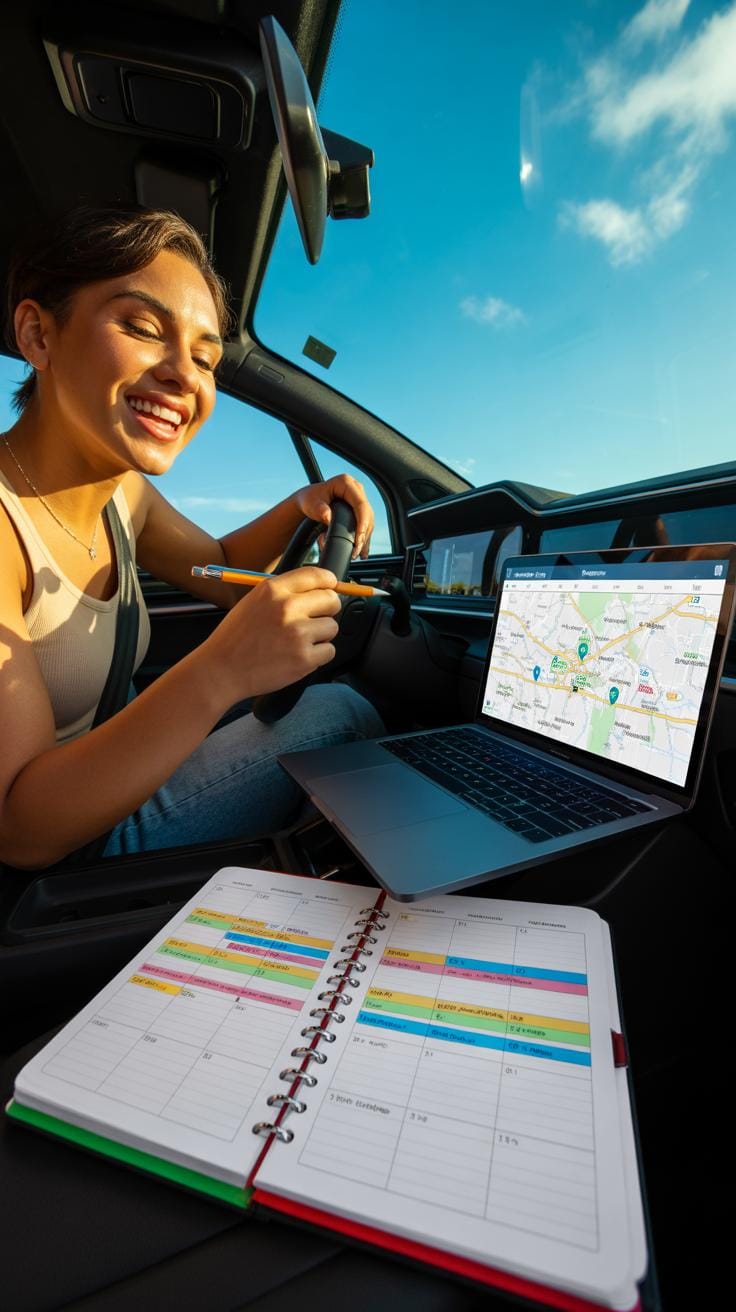
When you aim to enjoy a summer road trip, how you arrange your driving times and breaks plays a crucial role in your overall experience. Long stretches behind the wheel can wear you down quickly, so planning is key. For example, it’s often suggested to drive no more than two to three hours at a time before stopping. But maybe your body feels differently—some people might handle longer hours, some less. The point is to listen to yourself.
During breaks, fine-tune your routine. Moving around can help—stretch your legs, take a short walk, or maybe do some light exercises that don’t feel like a workout but get the blood flowing. Eating and hydrating should be part of it, too, because dehydration or hunger can sneakily sap your energy. These moments off the road aren’t just rests; they’re resets.
Hours Behind The Wheel Vs Breaks
Experts often recommend breaks every two hours or after driving 100 miles, but these aren’t hard rules etched in stone. Some days, two hours might feel like enough; other days, you might push longer. During breaks, avoid sitting back in the car scrolling through your phone—that’s not very renewing. Instead, try:
- Walking near the stop to freshen the mind;
- Do simple stretches to loosen up stiff muscles;
- Chat or engage with travel companions to stay alert;
- Drink water or have a light snack to maintain energy;
- Take a few deep breaths outside to stimulate alertness.
It’s small things like these that distinguish a rough slog from an enjoyable drive.
Tips For Managing Driver Alertness
Staying alert on the road isn’t just about caffeine or loud music—though they can help. Try to recognize when fatigue starts to creep in. That moment might be subtle: your eyes could blink more slowly, your mind wandering, or the car drifting slightly out of the lane without realizing it. Once you notice these signs, it’s time for a break.
Some strategies to keep alert include:
- Switching drivers if possible—sharing the wheel can reduce fatigue;
- Opening windows occasionally to get fresh air;
- Listening to varied audio—changing playlists or podcasts to keep your brain engaged;
- Scheduling driving during times you feel most awake, not just because “it’s convenient.”
It’s a bit of a balancing act—push too hard and risk safety; stop too often and lose momentum. Finding your sweet spot might take a few tries, but it’s worth it for a trip that’s safe and genuinely fun.
Engage With Local Culture Safely

Exploring local culture while on a summer road trip is tempting—its allure often makes the journey memorable. You might find yourself drawn to small-town festivals or historic landmarks that promise a glimpse into the community’s soul. But, with health concerns still relevant, it’s wise to balance curiosity with caution. How can you savor authentic experiences without compromising safety?
One approach is to prioritize open-air cultural sites and events. Outdoor museums, artisan markets, or folk music gatherings let you enjoy culture with fresh air and space for distancing. For instance, visiting a historical village or a sculpture trail can enrich your trip without crowding you in tight quarters.
When engaging with locals or attending events, be mindful of cues like mask-wearing and physical distance. Avoid touching artifacts or shaking hands unless you’re certain it’s welcome and safe. Perhaps carry hand sanitizer and use it often; a simple step that’s easy to forget in excitement.
Remember, cultural immersion doesn’t always mean close contact. Listening to local stories, admiring art, or sampling traditional food through takeout or spaced outdoor seating can still feel meaningful. It might not be the deep dive you envisioned but could offer a respectful, enjoyable way to connect.
Are you open to adapting your plans? Sometimes, a quieter moment in a local park or a casual conversation from a respectful distance reveals more than a crowded event. Embracing this flexibility might actually enrich your road trip story more than you expect.
Document Your Summer Road Trip

Keeping track of your summer road trip memories can be surprisingly rewarding, even if it feels like a chore at times. You might want to jot down moments as they happen—quick notes about a funny conversation, the smell of a roadside diner, or the sunlight on a quiet lake. A travel journal doesn’t have to be a fancy, weighty book; even a small notebook or voice memos on your phone work fine. The key is to capture genuine moments, those little details that photos alone might miss.
When it comes to photos, try to mix candid shots with scenic views. Don’t just point and shoot—pause for a moment and think about what made that scene or moment special. Maybe it’s the expression on a friend’s face after tasting local food or the way light shifts during sunset. Photos are your visual diary, but you might find pairing them with a few brief captions or journal entries helps keep the story clear later on.
Sharing your trip updates is something most travelers like to do, but there’s a balance to strike. Posting live locations online sounds tempting but could expose you to privacy risks. Instead, consider sharing highlights after the day’s end or use private groups where only close friends or family can see updates. If you prefer offline, printed postcards or photo albums can be charming alternatives, and they give your memories a unique, tangible aspect that digital often misses.
Evaluate Your Trip Experience

When your summer road trip wraps up, it’s natural to reflect on how things went—did it meet your hopes for health and travel? Maybe you felt energized by the fresh air or, on the flip side, found the long drives a bit draining. Take a moment to ask yourself: Did you stick to your physical activity goals while on the road? Was the food you chose supporting your wellbeing or tempting you off track? Think also about your mental state—did the journey bring you joy and relaxation, or did unexpected stress pop up more than you expected?
Checklist For Health And Fun
Here are some useful questions to guide you:
- Did you feel physically active enough throughout the trip?
- Were your meals balanced, or did convenience override health?
- How well did you manage sleep and rest during your travels?
- Did moments of fun and spontaneity balance out structured plans?
- Were there any health issues that arose and how did you handle them?
- What parts of the trip brought the most enjoyment and why?
Answering these honestly can reveal patterns or surprises that you might not notice otherwise.
Planning Improvements For Next Time
Use your reflections to shape your future trips. If you found certain stretches exhausting, could shorter drives or more breaks help? Maybe your meal prep needs tweaking to fit the travel pace better, or adding more variety in activities could lift your spirits more. Even small adjustments like prioritizing rest days or packing favorite healthy snacks might make a big difference. Don’t shy from experimenting—each trip offers lessons that lead to smoother and healthier adventures ahead.
Conclusions
Road trips can refresh your mind and body when planned with care. By managing your budget well, selecting healthy habits for travel, and checking off items from your customized summer bucket list, you set yourself up for an enjoyable and fulfilling experience.
Keep these ideas close as you hit the road. Embrace the vibe of summer with safety and fun in balance. Making choices that respect your health and interests will help your trip meet your expectations and perhaps inspire new adventures ahead.