

Introduction
Your honeymoon is a special time to relax and enjoy each other’s company. Choosing a destination that fits your budget and supports a healthy lifestyle can make your trip even better.
This article presents affordable honeymoon destinations that provide healthy dining and fitness options. It will help you find places where you can enjoy nutritious meals and stay active while creating lasting memories.
Best budget beach honeymoon spots


If you’re looking for beach honeymoon spots that don’t burn a hole in your wallet but still offer good food and wellness vibes, a few places come to mind. Think Mexico’s Riviera Maya—here, beachfront resorts are often affordable outside peak seasons, and local eateries serve plenty of fresh seafood, tropical fruits, and dishes with veggies you’d feel good about. Plus, many menus highlight grilled fish and plant-based options rather than heavy fried foods.

Then there’s Portugal’s Algarve coast. It’s not just about the stunning beaches; many small family-run restaurants use local, seasonal produce with simple, fresh salads and seafood stews. Prices tend to be lower compared to other Western European beach areas, partly because tourism there still feels a bit more low-key.
In Southeast Asia, places like Bali or the southern beaches of Thailand offer tons of affordable stays with restaurants focusing on rice bowls, fresh coconut water, and a variety of tropical fruits. Their approach to food – light, fresh, often plant-forward – naturally leans into healthy dining without the price tag of more touristy spots.
How to find healthy meals on the beach
When you’re dining at beach resorts or local spots, finding genuinely healthy options can take a little effort. Don’t hesitate to ask for grilled or steamed preparations instead of fried. Most places can swap out heavy sauces for olive oil or lemon. You might need to be specific — something like “no mayo” or “extra veggies” helps clarify what you want.
Look for restaurants with a simple menu emphasizing fresh catches or produce, and check if they have juice bars or smoothie options made with real fruit. Sometimes, the healthiest meals aren’t on the main menu but in specials or from local vendors along the beach.
Top fitness activities at beach locations
There’s no shortage of ways to stay active by the sea. Swimming is the obvious one—great cardio with low impact on joints. Many resorts offer morning or sunset yoga sessions right on the sand. That mix of stretching and breathing in fresh ocean air can feel surprisingly restorative, even if you don’t usually do yoga.
Jogging or power walking along the shore gives you varying terrain and good views, though it can get tough if the sand is very soft. Paddleboarding is another option at calmer beaches: it works your core muscles and feels a bit like play rather than exercise, which is nice on vacation. Whatever you choose, moving by the water creates a good balance with relaxation, and maybe even starts new habits you’ll carry home.
Affordable mountain honeymoon retreats

Finding a mountain retreat that fits a honeymoon budget can feel tricky, but places like the Smoky Mountains, Blue Ridge, and the Rockies offer surprisingly affordable options. These spots aren’t just about the views; they often come with lodges or cabins that cater to guests looking for healthier food choices. You might be surprised by how many of these retreats source fresh, local produce—think wild berries, fresh trout, and organic greens.
Many mountain lodges now offer menus that go beyond typical comfort food. You’ll find plant-based dishes, gluten-free options, and seasonal specials that highlight nutritious, whole foods. Some even craft meals tailored to guests who want to watch their calorie intake or who prefer low-sugar, high-protein plates. It’s not a fancy health spa menu, but it’s honest food that feels good after all that hiking.
If you’re into staying active, these destinations often have a lot to offer beyond just walking trails. You can rent bikes or join guided hikes—sometimes even yoga classes on the lodge deck at sunrise. These experiences are usually affordable or included with your stay. And the variety matters; one day you could be trekking up a ridge, the next, trying a stretch class or a short mountain run.
Sometimes I wonder if the fresh air and effort just make you eat better naturally, but having these options sure removes the excuse for skipping a workout or grabbing less-than-healthy food. So when planning a mountain honeymoon, think about what kind of fitness you’d like to try and don’t hesitate to ask lodges about diet-friendly meals—they’re more open than you might expect. Have you thought about how much a few days of fresh mountain air might reset your body and mind? It’s something to consider when choosing your destination.
Checklist for planning healthy honeymoon meals
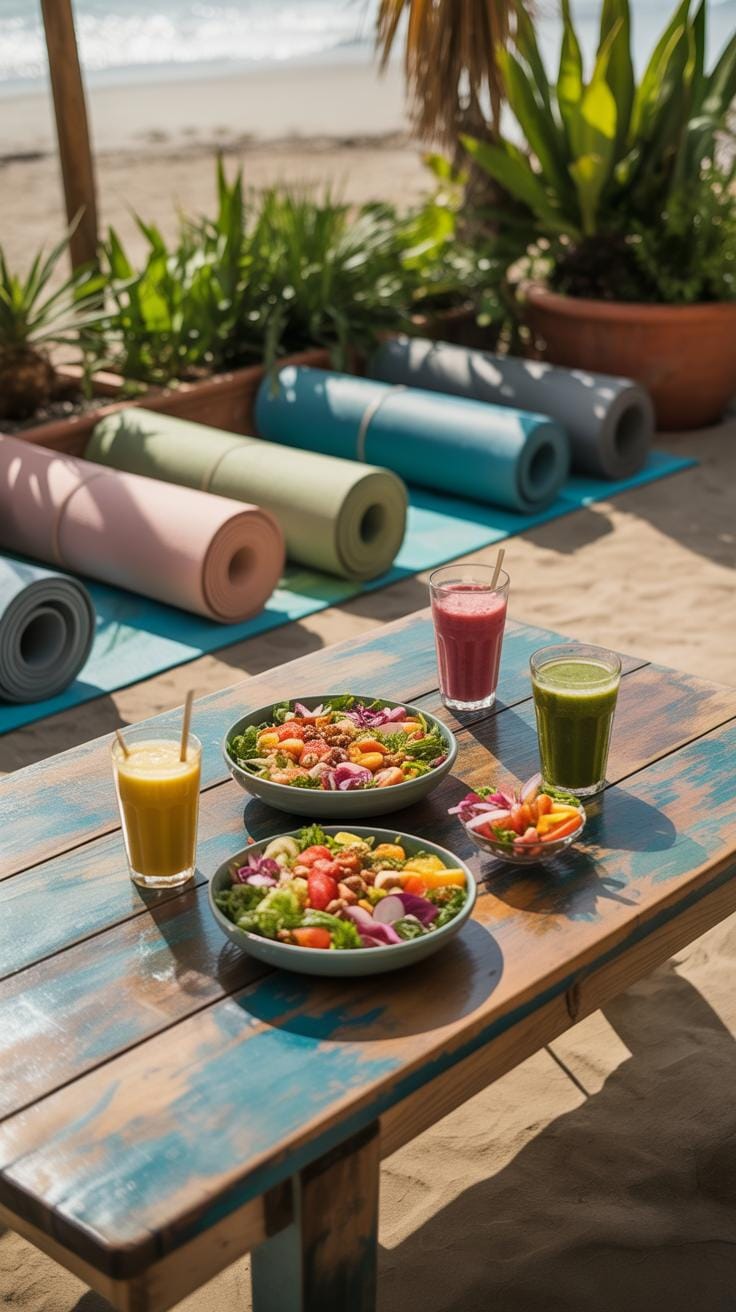
When you’re looking over menus or visiting local markets during your honeymoon, knowing what to watch for takes some thought. Think of it as a little checklist to help you stay on track without feeling deprived. First, ask yourself: Does the menu have fresh vegetables or salads? Are there lean proteins like grilled fish or chicken instead of fried options? Check if whole grains, such as brown rice or quinoa, are on offer rather than white bread or refined pasta.
Look for dishes that are steamed, baked, or grilled instead of fried or drenched in heavy sauces. Watch portion sizes too—sometimes splitting an entrée makes sense. At local markets, see if you can find fresh fruit, nuts, and simple snack options. Avoid foods with a long list of unfamiliar ingredients. It may make you pause, but trust your instincts.
Communicating your needs clearly can feel tricky abroad. Practice saying things like “no added salt,” “vegetables without butter,” or “gluten-free” in the local language or have it written down. Don’t hesitate to ask staff how dishes are prepared or if substitutions are possible. Most often, servers want to help but might wait for you to lead the conversation. A little patience goes a long way, especially with dietary restrictions that aren’t common in every culture.
Comparing hotel gyms and local fitness options
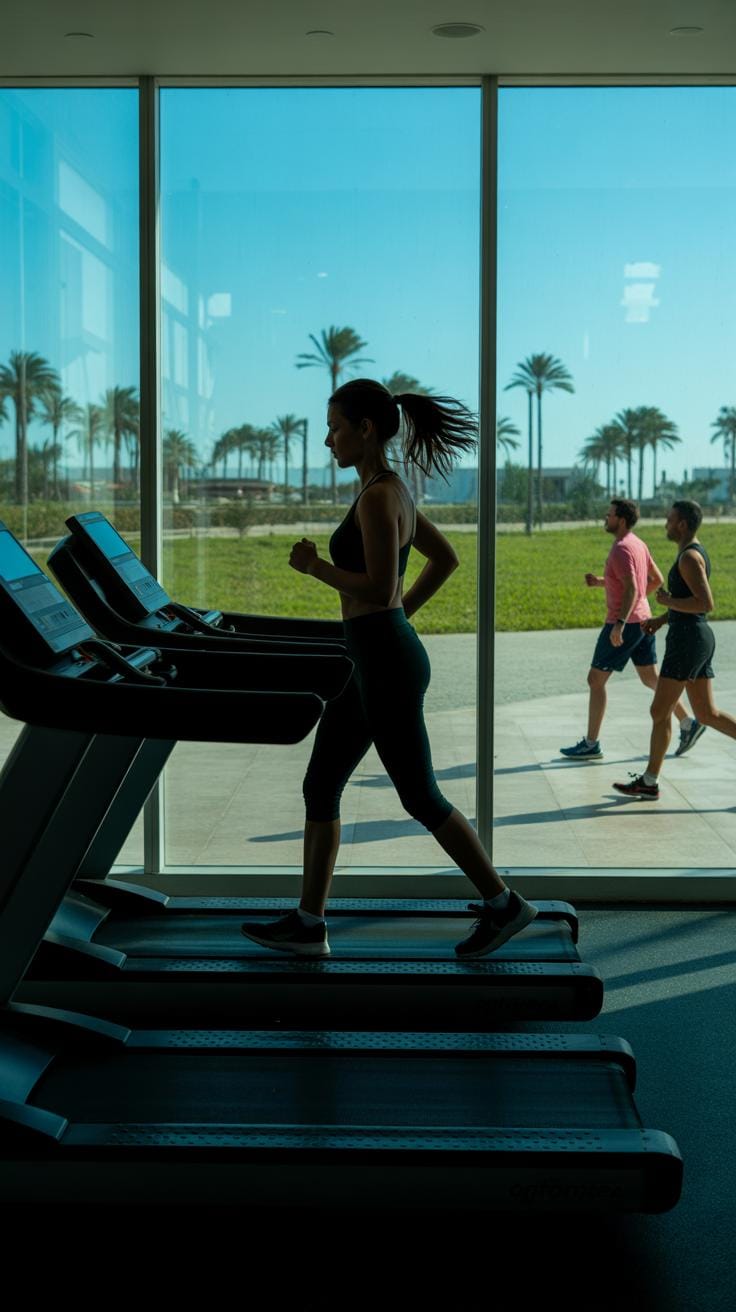
Hotel gyms often offer convenience that’s hard to beat—right there, sometimes open 24/7, with basic machines and weights. It’s easy to pop by for a quick workout before breakfast or after a beach day. But, these gyms can feel a bit uninspired, cramped, or lacking variety. Sometimes, the equipment is outdated or overcrowded, especially in popular honeymoon spots where many guests want to stick to their routines. Plus, being in the same space where you’re sleeping and relaxing—well, it might make it harder to truly switch off.
There are definitely benefits to hotel gyms:
- Immediate access without planning or extra cost
- Privacy if you prefer working out alone
- Consistent equipment that matches what you’re used to
At the same time, hotel gyms miss out on the local flavor. Joining a local yoga class on the beach or a guided morning run through town can give you a richer experience. You get to move your body while soaking up the destination’s vibe, sometimes with instructors who share interesting stories or cultural insights. Outdoor trails, parks, and swimming spots often make exercise feel less like a chore and more like an adventure.
Exploring local options also nudges you off the beaten path. You might meet locals or other travelers who share their favorite wellness spots. That interaction alone can make your honeymoon feel more authentic, maybe even inspiring new habits or interests heading home. Fitness and wellness don’t always need a machine or mirrored walls to be effective—or memorable.
Still, some might find stepping out of their comfort zone for fitness on vacation a bit daunting. It needs some flexibility—what works best for you depends on how active you want to be and if you want to blend exercise with cultural exploration or just stick to familiar routines. Would you rather sweat it out in a hotel room or try a sunrise hike with locals? Each has its place, I think, depending on your honeymoon goals.
How to budget for healthy honeymoon choices

Planning a honeymoon that includes healthy dining and fitness activities might feel tricky when you’re watching your budget. Still, it’s doable if you set aside money specifically for those choices rather than treating them as an afterthought. Try breaking down your budget into clear categories—accommodation, travel, meals, and activities—with a separate portion just for wholesome food and exercise. You might allocate 25 to 30 percent of your daily spending to this. That way, your healthy habits aren’t squeezed out by last-minute splurges or unexpected costs.
Look for packages or deals that bundle meals and fitness classes together—local gyms, wellness retreats, or even resorts sometimes offer discounts if you book in advance. Don’t hesitate to explore websites or apps focusing on health and wellness discounts; they can have surprising offers, especially during off-peak seasons. Some couples have found that joining hotel wellness programs or using loyalty points can pay off in unexpected ways, like complementary yoga sessions or nutritious meal upgrades.
It might feel overwhelming to keep track, so I find making a simple spreadsheet or using budgeting apps helps. Even jotting notes about where you want to spend, and where you’re happy to save a little, brings a sense of control and clarity. What if you choose to limit expensive dinners to just a couple of nights and cook simple healthy breakfasts in your room? Small shifts like that keep your budget intact without sacrificing the wellness experience.
When to book for best prices and options

Timing can really change the way your honeymoon unfolds, especially if you’re aiming to enjoy healthy dining and fitness options. Booking too last-minute often means fewer choices for restaurants catering to special diets or fitness classes with limited spots. But booking too far ahead might lock you into certain schedules or places that later feel less appealing. So, when exactly should you take the plunge?
Many travelers find that securing flights and accommodations around three to six months before the honeymoon hits a good balance. It’s enough time to snag better rates without rushing meal plans or workout sessions. Some hotels and resorts begin releasing their wellness programs or menus by then, which lets you preview and reserve those health-conscious experiences.
Peak vs off-peak booking benefits
Booking during peak season obviously means more crowds and often higher prices, which can make it harder to snag spots in popular wellness classes or restaurants focused on clean eating. Still, peak times often bring specialized fitness events or seasonal healthy food festivals that are hard to catch otherwise.
Off-peak, in contrast, offers quieter environments and cheaper rates. You might find it easier to get a last-minute table at a farm-to-table restaurant or join a yoga class with just a few people. But some resorts scale back their wellness offerings then, so there’s a trade-off. You might get peace and savings but miss out on variety.
How far in advance to plan meals and workouts
When it comes to dining and fitness, the earlier you plan, the better. Places with limited seating or small class sizes—think boutique gyms or exclusive nutrition consultations—fill up fast. If you wait too long, you might end up settling for less healthy options or generic workouts.
On the other hand, locking in every meal and session months ahead may feel restrictive. Sometimes spontaneity helps you discover local gems or unexpected experiences. Maybe you’ll stumble on a pop-up vegan café or a fresh outdoor boot camp – opportunities unlikely to appear on your itinerary far in advance.
Finding the right balance between planning and flexibility is key to making the most of your honeymoon’s healthy lifestyle offerings.
Example honeymoon with healthy focus

Imagine a week in Costa Rica’s Nicoya Peninsula, a budget-friendly spot known for natural beauty and wellness culture. Your days might start with a simple breakfast of fresh tropical fruit, whole-grain toast, and locally sourced honey at a small guesthouse—nothing fancy, but nutritious and energizing.
Morning hikes along nearby trails offer a great way to burn calories while soaking in ocean views. Afterward, light lunches could be homemade wraps with grilled chicken or tofu, mixed greens, and avocado. Afternoons might include yoga sessions on the beach or casual swimming, balancing effort and relaxation.
Dinners focus on wholesome, affordable meals—think bean and vegetable stews or fresh seafood from local markets, prepared without heavy sauces. Dairy or gluten intolerance? Options abound, thanks to the area’s fresh ingredients and simple cooking.
A typical day’s fitness plan looks like this:
- Sunrise yoga or stretching (20-30 minutes)
- Morning hike or run on coastal trails (45-60 minutes)
- Light swimming or paddleboarding post-lunch (30 minutes)
- Evening walk or gentle yoga session before dinner (20 minutes)
Breaking down costs, return flights might run around $400 per person. Budget lodgings like eco-hostels or small inns average $50 per night. Food purchasing and occasional restaurant meals tally about $25 daily. Local rentals or classes for activity access—yoga, paddleboards—could be $10–15 each day.
All told, expect a seven-day trip near $1,200 to $1,500 per person. It’s manageable, even if not every moment is perfectly synced. This mix of affordable travel, healthy food, and regular activity feels doable. Plus, you get some space to breathe, explore, and perhaps rethink what wellness means to you—beyond the usual clichés.
Steps to maintain fitness on honeymoon

Keeping up your fitness routine while on honeymoon doesn’t have to feel like a chore. One way to stay on track is to set realistic, simple goals that suit your trip’s pace. Maybe commit to a 20-minute walk each morning before breakfast or use the hotel gym once or twice a day. Don’t push too hard—it’s okay to adjust based on how you’re feeling. You might want to try mixing in some local activities that get you moving, like hiking or swimming, instead of sticking strictly to your usual routine.
Pairing fitness with fun could make it less stressful and more natural. Consider exploring the area by bike or joining a yoga class offered nearby. If your partner’s not as into fitness, find ways to do things together that aren’t competitive but still active. The key is to make fitness a natural part of your daily rhythm, not a task on your to-do list.
Simple exercises to do anywhere
There’s no need for fancy equipment when you can rely on your own body weight. Some exercises you could easily do in your room or outside include:
- Squats and lunges – simple, they wake up your legs and glutes.
- Push-ups – don’t worry if you need to start on your knees.
- Plank holds – a great way to involve your core, even just a minute at a time.
- Jumping jacks or high knees – quick cardio bursts.
- Stretching or gentle yoga poses – perfect for winding down after a busy day.
Try doing these as a circuit, repeating a few rounds without much rest, or split them through the day. It’s surprising how even five-minute bursts here and there can add up. Plus, these moves don’t require a gym or special space, so you can squeeze them in wherever you happen to be.
Using technology for fitness tracking
Technology can make staying on track easier, but it might also feel a bit like added pressure if you’re not careful. Apps that track steps, calories, or workouts can help you stay motivated—sometimes knowing the numbers nudges you forward. Devices like smartwatches can gently remind you to move if you’ve been sitting too long.
Some couples find it fun to compete in light-hearted challenges using fitness apps, though it depends on your vibe. You might just check in on your progress each evening, keeping things low-key but consistent. The key is to use tech as a helpful tool, not a strict boss. When it feels like an aid, it often works better than when it becomes a stress source.
Common pitfalls and how to avoid them
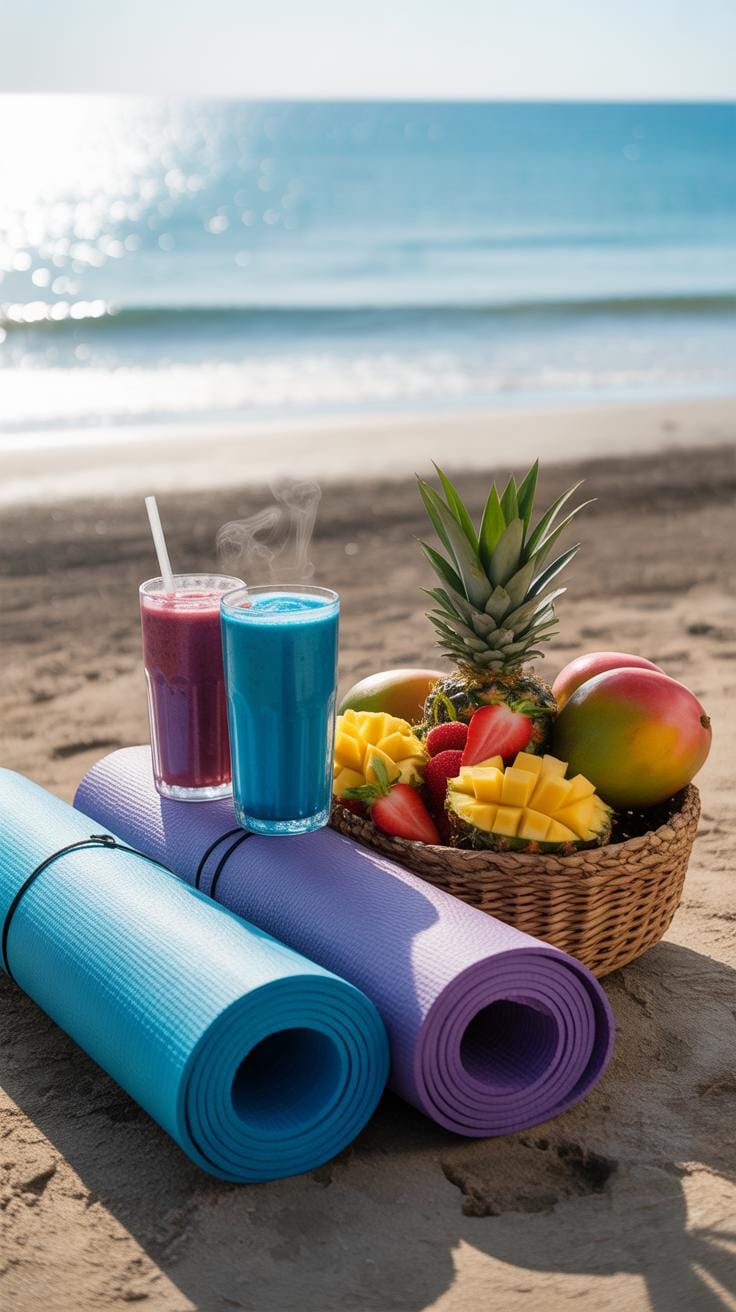
Unplanned spending on food and activities
Couples often underestimate how quickly expenses pile up when they don’t set a clear budget. Maybe it starts with one extra meal out or a spontaneous excursion, and before you know it, the honeymoon fund is nearly drained. It’s easy to lose track, especially when everything feels new and tempting.
To keep costs in check, try this: outline your daily spend limit for dining and activities before you go. You don’t have to be rigid but having a number in mind helps stop those accidental splurges. Also, consider mixing in meals from local markets or small cafes instead of relying only on hotel restaurants. These choices tend to be lighter on the wallet and healthier, too.
Another idea is to pre-book some experiences or meals. It might seem less spontaneous, but locked-in prices can protect you from sudden price hikes. And don’t be shy about asking locals for affordable recommendations—that’s often where you discover hidden gems that won’t break the bank.
Ignoring fitness leads to feeling sluggish
Skipping exercise during your honeymoon can feel tempting—you’re on vacation after all. But staying inactive often leads to low energy and foggy moods. I remember feeling surprisingly lethargic after a few days of doing nothing but lounging. It was… a letdown, honestly.
To avoid that, think about how you can gently fit movement into your days, even if it’s just a walk on the beach or morning stretches in your room. Many affordable destinations offer free or low-cost outdoor activities that don’t feel like workouts but get you moving. Yoga sessions at sunrise, bike rentals, or even exploring on foot keep your body and mind sharper.
Most importantly, don’t pressure yourself into intense routines. The goal isn’t a full workout but to maintain some momentum. You might find that staying active, even a little, actually makes those indulgent meals feel better rather than weighing you down.
Tools to enhance your healthy honeymoon

Finding healthy food while traveling can be tricky at times. Luckily, apps like Yelp and HappyCow let you search specifically for restaurants offering vegan, vegetarian, or gluten-free options right where you are. I’ve found that using these apps before heading out helps avoid last-minute decisions that end in fast food. It’s worth trying out MenuMatter, too, which breaks down restaurant menus to show nutrition details, so you’re not guessing what’s actually healthy.
When it comes to keeping active on honeymoon, packing bulky gym gear isn’t exactly practical. That’s where portable fitness tools come in. Resistance bands are small and versatile—they can work almost any muscle group and fit in your suitcase easily. Or, if you want something even lighter, apps like Aaptiv offer guided workouts you can do in a hotel room with no equipment at all.
There are also gadgets like fitness trackers and smartwatches, which not only monitor steps but can encourage you to stay motivated by setting shared challenges with your partner. I found that syncing workouts and sharing progress added a fun little competitive edge—though sometimes it felt like I was more focused on the numbers than the moment.
What if you’re somewhere with limited Wi-Fi? Downloading maps or workout videos in advance might save some frustration. Overall, mixing a few apps with simple gear could make your honeymoon healthier and maybe even more memorable. Have you thought about which tools might suit your travel style best?
Conclusions
Choosing an affordable honeymoon destination with healthy dining and fitness options gives you a great start to married life. You can enjoy beautiful locations, tasty nutritious food, and activities that keep you fit.
Think about what matters most to you as a couple. Use this guide to plan a honeymoon that fits your style and budget while supporting your health and well-being.