

Introduction
Creating a dream lifestyle combining travel, good food, and fitness does not have to drain your savings. Many people think living a fulfilling life with these luxuries is expensive, but with smart planning and budgeting, you can enjoy these pleasures without overspending. This article guides you through practical tips to achieve that.
From finding affordable travel deals to preparing nutritious meals on a budget and fitting fitness into your daily routine without costly gym memberships, you will learn simple actions to make your dream lifestyle a reality. Let’s look into each aspect in detail to help you get started today.
Find Cheap Flights and Accommodation

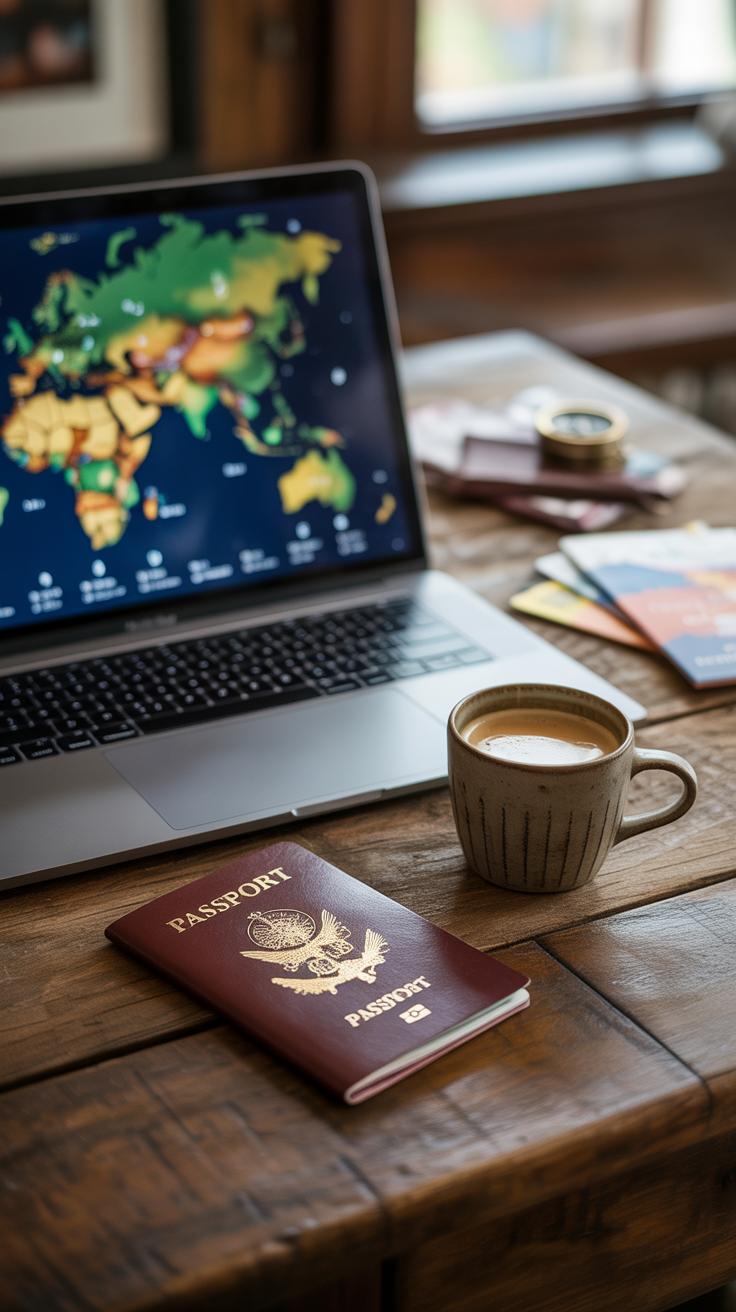
Finding affordable flights can feel like trying to catch a moving target. But there are ways to get ahead of the game. Using flight deal websites like Secret Flying is one approach that many people overlook or underestimate. These sites scan for discounted airfares and sometimes error fares, which can save you hundreds. Signing up for their alerts allows you to act fast—flights can disappear in a blink. You don’t have to spend hours searching every day; these services do the heavy lifting. It’s a bit like waiting for the right deal to fall into your lap, though it requires a bit of flexibility too.

Booking ahead generally lowers costs but isn’t always foolproof. Sometimes last-minute deals pop up, especially for less popular routes. Speaking of which—choosing destinations that aren’t typical tourist hotspots often leads to cheaper tickets. Travel where fewer people are going, and you’ll often find better prices on flights and lodging. It might mean stepping outside your comfort zone, which is never a bad thing, right?
When it comes to accommodation, you don’t need to break the bank to stay safe and comfortable. Hostels remain a classic option, especially if you don’t mind sharing a room. Airbnb offers more privacy, and you can often negotiate longer stays for discounts. House swapping presents a chance to live like a local, though it’s a bit more complicated to arrange. Staying with friends or family is another way, if you’re lucky to have those connections. Whichever you choose, reading reviews carefully and communicating clearly is crucial to avoid surprises. Trust your gut on this one.
Plan Nutritious Meals on a Budget

Planning meals doesn’t have to feel like a chore or a set of strict rules. It’s more like sketching a rough map—enough to steer you clear of last-minute trips for pricey takeout.
Try setting aside a moment each week to write down what you’ll eat for each day. Focus on simple, filling meals. Think oats, beans, seasonal veggies—they stretch well and don’t break the bank. When you know what you need, your shopping list becomes straightforward, cutting down on impulse buys. You might even spot ingredients that work across several meals, which means less waste.
Buying staples in bulk is a classic move for a reason. Grains like rice or quinoa, dried beans, and frozen vegetables keep for ages and cost less per serving. Sure, it takes a bit of storage room, but if you organize your pantry right, it pays off fast. I once bought a huge bag of lentils that lasted me months and saved quite a bit compared to buying small packets.
Cooking at home also stretches your budget more than you might think. It gives you control over portions and ingredients—you know exactly what goes into your food. Maybe it feels like extra work sometimes, but a little prep on weekends can make weeknights smoother. Plus, leftovers often turn into quick lunches or even new meals with a twist. So, meal planning, smart shopping, and bulk buying together help you eat better and spend less. What small adjustment could you try this week?
Maintain Fitness Without Gym Fees

Staying fit doesn’t need to come with a hefty price tag. You can build strength and endurance with just your bodyweight, no equipment required. Think push-ups, squats, planks—classic moves that work several muscles at once. For example, try doing three sets of 10 push-ups, 15 squats, and holding a plank for 30 seconds. Repeat this routine three or four times a week and you’ll be surprised how much progress you can make.
If routines feel a bit dull, mixing in free outdoor activities adds variety and fresh air. Walking, hiking, or biking are accessible ways to move without spending a dime. There’s also team sports at local parks or informal group runs you might join. Outdoor exercise offers more than physical benefits—it lifts your mood and breaks the monotony of indoor spaces. Sometimes, just stepping outside makes all the difference.
Don’t forget the many low-cost fitness classes online. They often cost less than a single gym visit, with everything from yoga to HIIT workouts. You can pause and repeat as needed, fitting sessions around your lifestyle. Have you ever noticed how much easier it is to stick with something when you control the pace? It’s worth trying—sometimes the best workout isn’t the most expensive one.
Compare Travel Packages vs DIY Trips
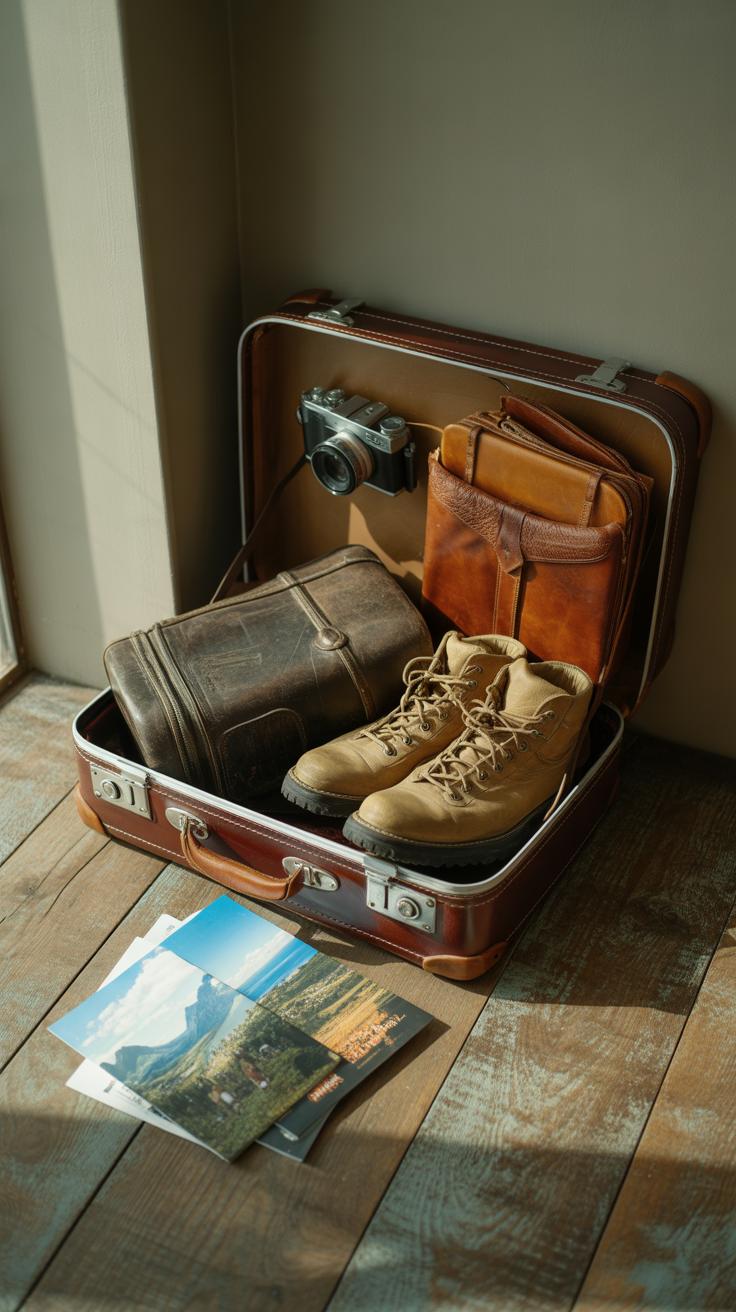
When planning a trip, you’ll often face the choice between booking a travel package or organizing everything yourself. Each path has its quirks and benefits, and figuring out what suits you best can be tricky.
Travel packages bundle flights, lodging, and sometimes activities into one purchase. This can simplify things—a one-stop-shop approach. But it might limit your ability to customize. You may find yourself stuck with certain hotels or tours that don’t fully excite you. Cost-wise, packages can offer good deals, especially if booked early or during promotions, but sometimes you might pay a bit more for that convenience.
DIY travel puts control in your hands. You can hunt for cheaper flights by mixing airlines, stay in unique lodgings like guesthouses or hostels, and pick activities tailored exactly to your interests. The savings can be noticeable, though it often means more time spent researching, booking, and troubleshooting.
Here’s a rough rundown:
- Packages Pros: Convenience, less planning stress, potentially better for complex itineraries, useful for last-minute trips.
- Packages Cons: Less flexibility, might pay premium, limited personalization.
- DIY Pros: Customization, possibility to save money, discover offbeat spots, flexible schedules.
- DIY Cons: More effort required, risk of missteps or hidden costs, can get overwhelming.
In some cases, like a weeklong city trip with lots of transport and tours, a package might make sense. But if you’re into quirky choices or slow travel, DIY usually wins. I once booked my own flights and an Airbnb in Portugal and saved a couple of hundred dollars compared to a package with a tour company. Still, it was time-consuming to piece together. That trade-off may or may not suit your style.
What’s your balance between effort and ease? Sometimes the extra digging feels worth it. Other times, a neat package is just what you need.
Checklist for Affordable Packing

Packing for a trip on a budget means thinking ahead—sometimes way ahead—to avoid paying for things you don’t really need. Start by making a list of essentials you can’t find easily or cheaply at your destination. For example, bring a universal travel adaptor rather than buying one abroad, since these can be pricey and not always compatible. Toiletries like shampoo, toothpaste, and sunscreen are often more expensive outside familiar stores, so pack travel-sized versions to keep weight down.
When it comes to clothing, fewer pieces but more mix-and-match options work better. Pick versatile items that can serve multiple purposes. A pair of comfortable walking shoes, neutral colors, and layers help you adapt to changing climates without overload. Resist the urge to pack “just in case” outfits—you might think you need three pairs of pants, but really two is usually enough. It’s a bit of a gamble, but lighter bags save baggage fees and headaches at airports.
Think twice before buying basics like phone chargers or reusable water bottles abroad. These have better deals back home, and it’s not always easy or cheap to find replacements when you’re somewhere unfamiliar. On the other hand, some souvenirs or local snacks are worth the extra weight, but try keeping those to a minimum if you want to stay on track financially. Remember, spending a little extra thought on packing can save you a surprising amount later.
Process for Budget Friendly Grocery Shopping

Shopping for groceries on a budget while keeping a healthy diet isn’t always straightforward. It takes some planning and a few habits that might feel a bit awkward at first, but stick with me here. Start by making a list—yes, the classic tip—but really focus on whole foods like fruits, vegetables, grains, and lean proteins. These often give you more nutrition per dollar than processed options. Then, before you even step into the store, check flyers or apps for weekly deals. Sometimes you’ll find surprising discounts that can shift your meal plans for the week.
Once you’re in the store, take a moment to check the unit price—often displayed as price per ounce or pound. It’s a handy way to compare brands and sizes that might otherwise confuse you. Store brands typically offer the same quality at a lower cost, and they can be a smart choice when you’re trying to stretch your budget without cutting corners on health.
Don’t forget about coupons and cash-back apps. I’m not saying you need to clip every single coupon in sight, but a quick moment to scan your phone or glance at shelf labels can reveal instant savings. Some apps even pay you back after your purchase. These little savings add up, especially when you combine them with store sales.
One tricky part? Balancing what’s on sale with what you actually need or enjoy. It’s tempting to buy something just because it’s cheap, but if it goes to waste, you’re not saving money at all. So, maybe keep a list of staples you often use and try to match deals to those. This way, you’re efficient without losing flexibility.
Example Budget Travel Itinerary
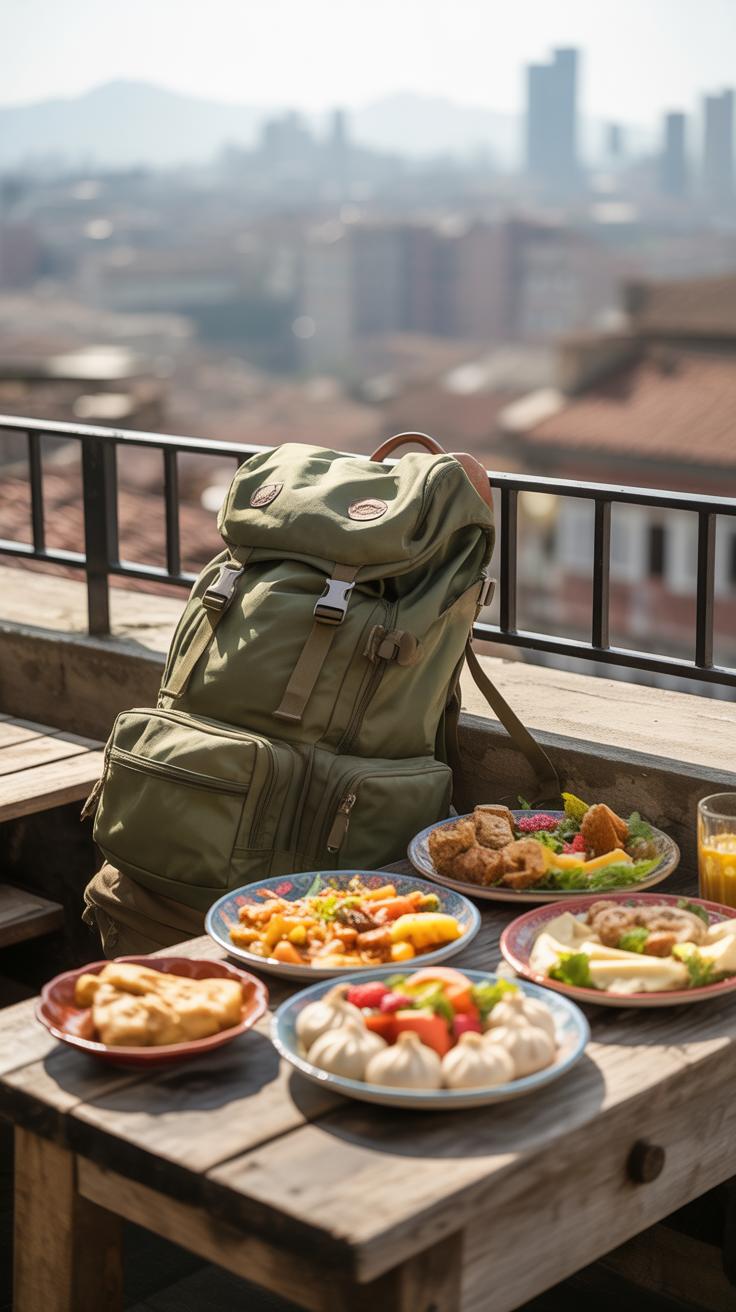
Planning a short trip without overspending can feel tricky, but it’s definitely doable. Here’s an example itinerary for a three-day getaway that tries to balance fun with costs.
Day 1: Arrive by bus or train ($25), check into a budget hostel or guesthouse ($40 per night). Grab street food or a local café meal (~$10). Spend the afternoon wandering a public park or walking a city’s historic district—both free. Dinner at a casual spot, maybe a small eatery serving local dishes for about $12.
Day 2: Breakfast can be simple—like a bakery, maybe $5. Use public transport ($6 daily pass) to get around and visit a free museum or open-air market. Lunch at market stalls can be quite affordable, say $8. Evening could include a cooking class or yoga session around $20 if it fits the budget.
Day 3: For your last day, walk or rent a bike for a small fee ($10). Pick up affordable food ingredients from a local market ($7) for a DIY picnic in a park before catching your ride home.
This kind of trip usually totals around $150 to $170, depending on transport and activities selected. It’s a mix of low-cost lodging, some planned paid experiences, and free or very cheap sights.
What’s nice here is the chance to taste local culture without breaking the bank. It’s not about luxury, but more about meaningful moments—like that unexpected street performance or the friendly chat with vendors at the market. Could this setup work for you?
Sample 3 Day Trip Budget
Day 1:
- Transport (bus/train): $25
- Lodging (hostel): $40
- Food (street eats + dinner): $22
- Activities (free walking tour): $0
- Total: $87
Day 2:
- Breakfast (bakery): $5
- Transport (public transport pass): $6
- Lunch (market food): $8
- Activity (yoga or class): $20
- Dinner (casual local spot): $15
- Total: $54
Day 3:
- Bike rental: $10
- Food (market picnic supplies): $7
- Transport back (included in day 1 or separate): N/A
- Total: $17
Activities That Save Money
Some of the best experiences are free or cheap, less obvious perhaps but rewarding. Consider these:
- Public parks or botanical gardens: great for downtime and often free
- Self-guided walking tours: download apps or maps to explore neighborhoods
- Local markets: wandering is free, and food options are budget-friendly
- Community events or festivals: look for free entry days or open-air concerts
- Beach visits or hiking trails: plenty of natural escapes require no fee
Balancing budget doesn’t mean missing out—it can mean noticing details you’d overlook otherwise. What small little detour might you enjoy without paying a cent?
Tools to Track Budget and Progress

Keeping an eye on where your money goes can sometimes feel like chasing shadows, especially when travel, food, and fitness all compete for your budget. But there are tools that make this less of a guessing game. Apps like Mint or YNAB let you separate expenses into categories—travel, groceries, gym memberships—and even alert you when you’re getting close to your set limits. It’s kind of satisfying, actually, to see those numbers visualized, though sometimes it can feel a bit restrictive.
For fitness and meal planning, apps like MyFitnessPal or Mealime help you map out workouts and meals that won’t blow your budget. These apps can be surprisingly flexible, helping you swap ingredients or workouts based on what fits your current week’s spending or energy. I’ve tried this myself—when a week got tight, adjusting my meal plans through the app kept me on track without sacrificing variety or nutrition, even if I had to make some compromises.
Do you ever wonder if tracking every penny and calorie could take away some of the joy? Maybe. But the right tools can keep you honest without feeling like a strict taskmaster. It’s worth experimenting to find a method that fits your style, and you might find it easier than you thought to balance living the dream and staying within budget.
Avoid Common Budget Lifestyle Mistakes
Failing to Track Expenses
It’s surprisingly easy to lose track of what you spend, especially when you’re caught up in the excitement of pursuing a dream lifestyle. Maybe you think, “I’ll just check next week,” or “It’s too much hassle to log every coffee.” But those small slips add up—fast. Without a clear picture, overspending sneaks in quietly, creating stress that doesn’t exactly fit with your idea of freedom. Tracking expenses isn’t glamorous, but it’s a kind of anchor. It keeps you aware, lets you catch leaks before they flood your budget, and honestly, can calm that nagging worry about where your money disappears.
Try this: jot down everything for a week. You might be surprised how often little things stack up. That extra snack, an unplanned Uber, or a gym class you forgot you paid for—all matter more than you think.
Sacrificing Quality for Cost
Choosing cheaper options feels smart when money’s tight, but cheap isn’t always a bargain. Low-quality gear breaks sooner, forcing you to replace it. Cheap food might mean eating more later because it’s not satisfying or nutritious. I once bought a pair of budget running shoes to save a few bucks—ended up with blisters that ruined my training, and I had to get better shoes anyway.
Think about durability and health as investments. Spending a bit more on reliable equipment or wholesome food can save money and time down the line. It might seem like you’re cutting costs, but it’s easy for that approach to backfire, leading to bigger expenses or frustration that drags your spirit down when you just want to enjoy your lifestyle. So, aim for balance: quality where it counts, without stretching your wallet unnecessarily.
Conclusions
Balancing travel, food, and fitness within a budget requires planning and disciplined choices. You can explore new places by using deal websites, flexibility in dates, and low-cost accommodations. Eating healthy on a budget needs smart grocery shopping and home cooking. Fitness can be incorporated through bodyweight exercises and outdoor activities.
By applying the strategies outlined, you create a lifestyle aligned with your dreams without unnecessary expenses. Keep your goals clear, track your spending, and adapt as you go. Your dream lifestyle is achievable with consistent effort and smart money management.