Introduction
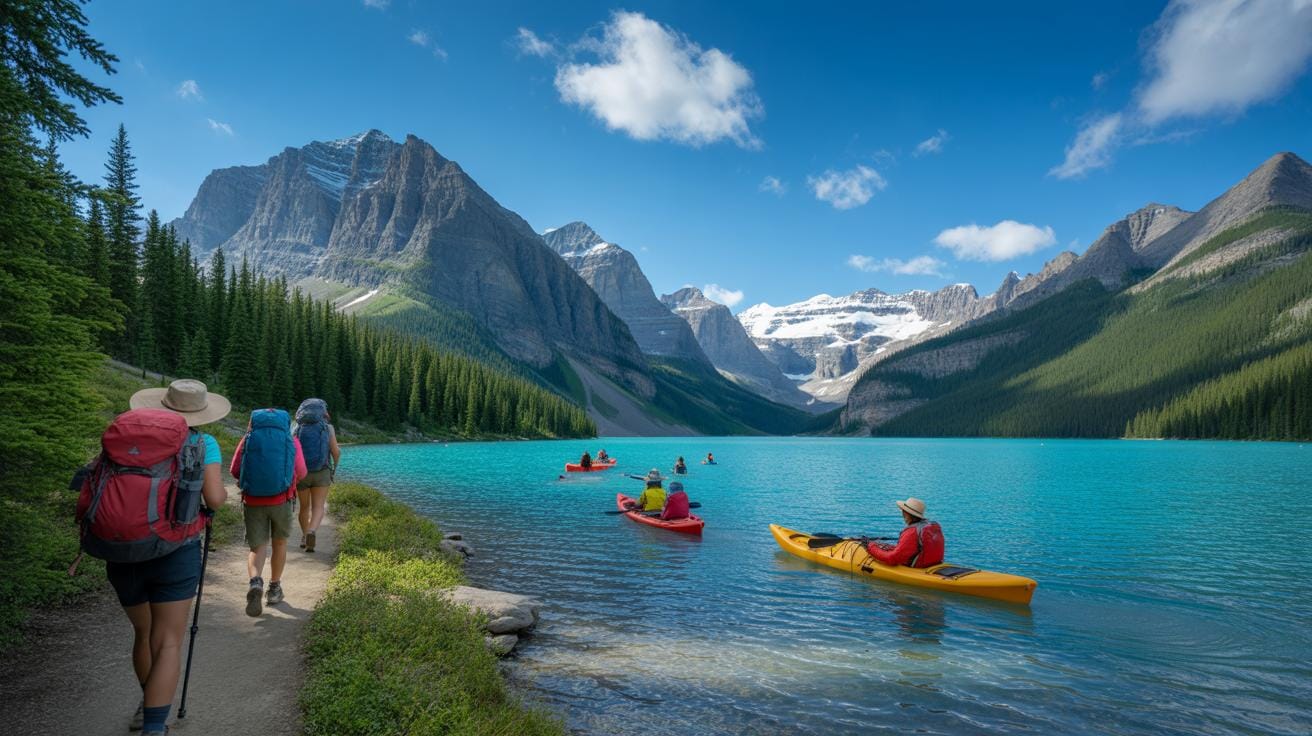
Banff National Park stands as Canada’s first national park, nestled in Alberta’s Rocky Mountains. Known for its vast mountainous terrain, glaciers, dense forests, and alpine landscapes, Banff offers an unmatched natural setting for travelers seeking adventure. This article focuses on Banff National Park Canada travel costs and adventure tips to help you prepare effectively for your visit.
Understanding the expenses associated with travel and gaining insights into exciting activities can maximize your experience in this stunning park. Whether you’re contemplating a budget or planning your daily adventures, this article equips you with practical information on costs and exciting pursuits available within Banff.
Calculating Travel Expenses
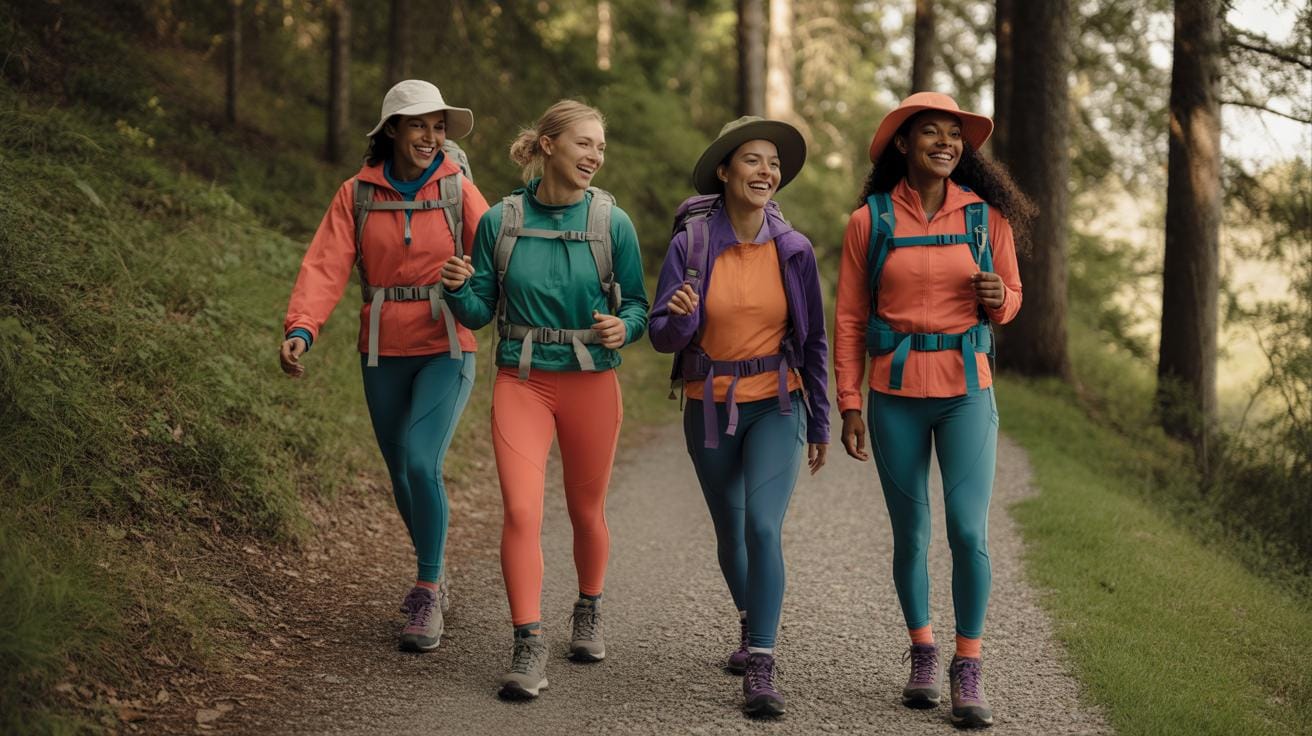

Planning a trip to Banff National Park means expecting a variety of travel-related costs. Transportation is often the biggest chunk—flights to Calgary typically range from $300 to $600 round trip, depending on where you’re coming from and the season. From Calgary, bus rides to Banff can be affordable, around $50 one-way, though renting a car lets you explore with more freedom but adds fuel expenses and rental fees of $50–$100 per day.
When it comes to accommodation, options are broad but prices vary widely. A campsite might cost $20 to $40 per night, whereas hostels might start at $30, hotels and lodges anywhere from $100 to $300 or more per night. Trying to stay inside the park often means higher rates but easier access. Booking early or considering nearby towns can save some bucks.
Entry to Banff National Park itself requires a daily fee — about $10 per adult. For longer stays, a weekly or annual pass could be more cost-effective if you plan multiple visits. Food expenses will largely depend on your dining preferences; groceries and cooking your own meals can keep costs low, while restaurants in and around Banff can push your budget higher.
Transportation Costs Breakdown
Getting to Banff often starts with a flight to Calgary International Airport. From there, options split—bus services to Banff cost roughly $50, but schedules might not fit everyone’s plans. Car rentals offer flexibility and cost roughly $50-$100 daily, with fuel expenses around $70 for a round trip. Driving yourself might add parking fees once in the park.
To save on transportation:
- Consider sharing rental costs if traveling in a group.
- Book flights weeks ahead to grab deals.
- Use shuttle services or look for ride shares to cut down on individual transport costs.
Choosing Accommodation Wisely
Banff National Park offers lodging from rustic campgrounds to luxury hotels. Campgrounds are the cheapest, prices about $20–$40 per night but fill up fast in peak season. Hostels provide dorm-style rooms starting near $30 per night, a good option for budget travelers.
Hotels and lodges inside the park range widely in price — budget options start at around $100 per night, while upscale places can soar past $300. To find affordable lodging:
- Book months in advance, especially for summer visits.
- Look at towns just outside the park – Canmore and Dead Man’s Flats tend to be cheaper.
- Consider weekday stays rather than weekends to snag lower rates.
Time Your Visit Smartly

When planning your trip to Banff National Park, timing can really shape your experience and budget. The park’s weather, crowd levels, and prices all ebb and flow with the seasons, so picking the best window can make a difference. Summer, from late June to early September, is peak season. The weather is warmer, trails are widely accessible, but it gets crowded and prices for lodging and activities spike accordingly. It’s the time when everyone seems to want to relish the alpine views, but you’ll have to navigate busy trails and book well in advance.
Fall brings fewer visitors and a crisp, colorful atmosphere. Prices dip a bit, yet some services might have reduced hours. Winter transforms Banff into a snowy playground, great for skiing and snowshoeing, but be prepared for colder conditions. Winter also sees fewer tourists than summer but can still get busy around holidays. Spring is quieter, with budding nature and fewer crowds, but some higher elevation trails remain snow-covered. Off-peak months like late fall and early spring can offer better rates and a more serene environment, though not without some trade-offs in activity options.
Seasonal Cost Variations
You’ll notice lodging costs are highest in summer, sometimes doubling what you might pay in early spring or late fall. Campgrounds and hotels reduce their prices in these off-peak times. Activities like guided hikes, canoe rentals, or sightseeing tours may either shut down or offer discounts outside of peak season. Park access fees remain steady year-round, but fewer crowds mean less vehicle congestion and easier parking.
Visiting when most tourists are elsewhere not only saves money but gives you a better shot at spotting wildlife or simply enjoying scenes in peace. But consider that some roads or attractions may be closed off in the shoulder seasons due to snow or maintenance, so always check current conditions when planning.
Weather Impact On Adventures
Banff’s varied weather creates a natural schedule for what you can do. Summer’s warmth is perfect for hiking, canoeing, and mountain biking. At this time, be ready for sun protection and plenty of water. Winters invite skiers and snowboarders to hit the famous slopes, but cold temps call for layers and specialized gear.
Spring and fall can be unpredictable. You might find a sudden snowstorm or a warm sunny day. Trails may be muddy or snow-covered, influencing your choice of footwear and plans. Wildlife viewing varies too—bears hibernate in winter but become active in spring, while elk rut in the fall. Your adventure choices depend a lot on the weather, so staying flexible and prepared helps you make the most of your visit.
Top Banff Adventure Activities
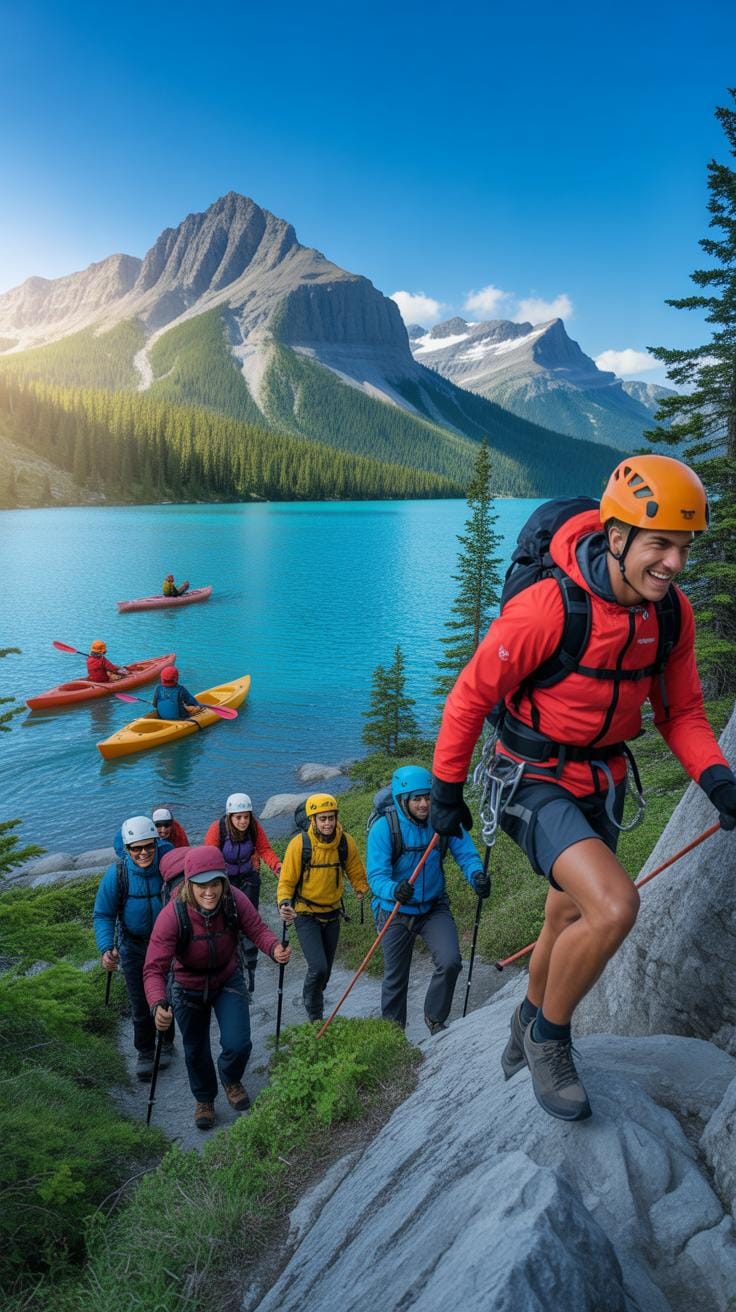
Banff National Park offers a variety of outdoor activities that attract visitors year-round. From gentle hikes amid nature to adrenaline-pumping winter sports, there’s something for everyone. While many activities are free with park admission, some require permits or rentals, so planning ahead helps.
Hiking Trails And Wildlife Viewing
If you enjoy hiking, Banff has trails for all levels. For beginners, Tunnel Mountain is short but rewarding. Intermediate hikers might try Johnston Canyon, which includes waterfalls and catwalks. More experienced adventurers can tackle the challenging Cascade Amphitheatre. Along your walks, keep an eye out for elk, deer, and perhaps even a bear, but keep a safe distance and don’t feed them. Binoculars help for spotting wildlife. Permits aren’t needed for most trails, but staying on designated paths helps protect the ecosystem.
Winter Sports Options
In winter, skiing and snowboarding take center stage. Banff Sunshine, Lake Louise, and Mt. Norquay offer slopes suited to different skill levels. Lift tickets usually cost between $70 to $100 per day, with rentals adding around $40 to $60. Beginners can find lessons easily, but it’s wise to book in advance. Snowshoeing and ice skating are other options, often at lower cost or included with park access. Winter gear rental shops abound, making it simpler if you don’t bring your own.
Cost Comparison Banff Vs Other Parks
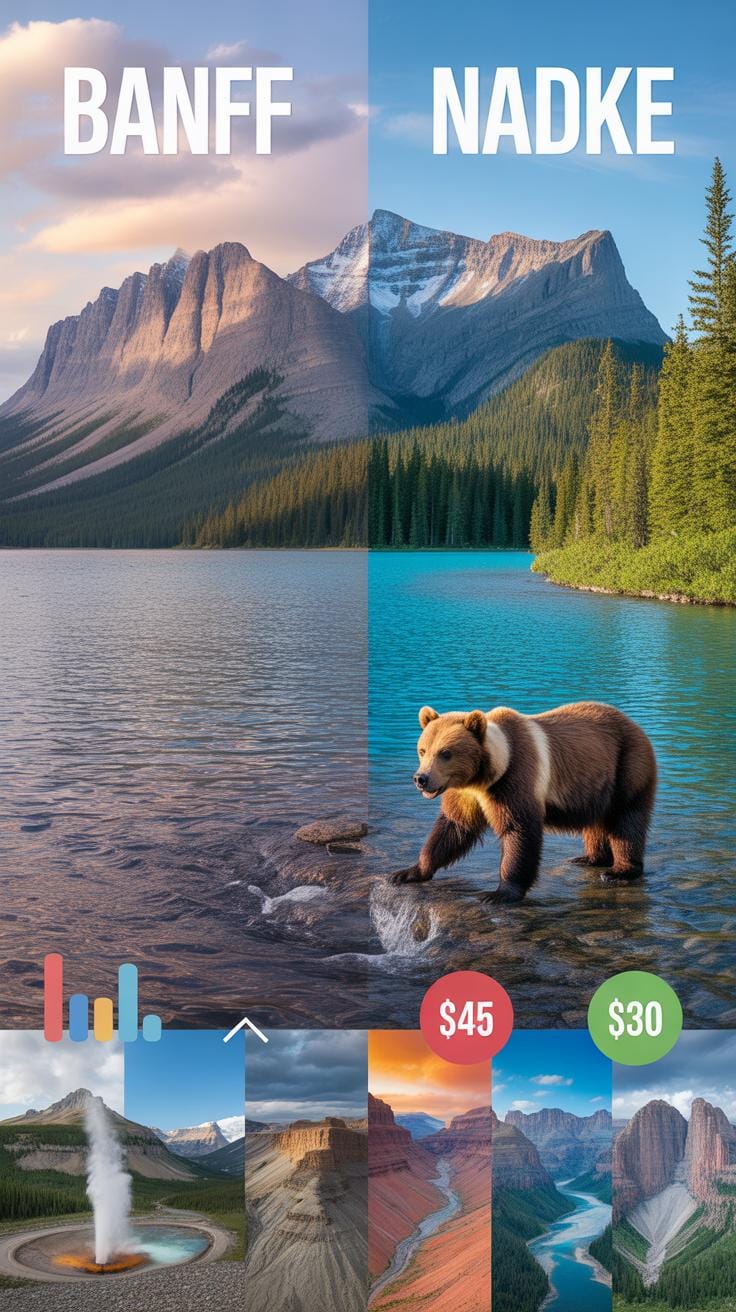
When planning your trip, it’s helpful to weigh the costs of Banff National Park against those of nearby options like Jasper National Park. Banff tends to be pricier for accommodation, largely because it’s more developed and attracts more visitors. You’ll often find hotels and lodges in Banff costing upwards of 20 to 30 percent more compared to Jasper’s more modest offerings.
Park entry fees are generally similar between the two but some activities, like guided tours or specialized adventures, can have noticeable price gaps. For example, a glacier tour in Banff might be costlier than a comparable experience in Jasper. That said, Banff’s wide range of shops and eateries means you might spend more on meals and extras too.
Banff Versus Jasper Pricing
Here’s a rough side-by-side to consider:
- Accommodation: Banff typically $150–$350/night; Jasper $100–$250/night
- Park Pass: Both about $10–$20 CAD per day per adult
- Activities: Skiing, gondola rides, and tours usually 10–30% more expensive in Banff
Banff often offers more luxury and convenience, while Jasper feels quieter and more budget-friendly.
Deciding Which Park To Visit
Aside from cost, think about what you want out of your trip. Banff dazzles with iconic views, busy towns, and a wide mix of outdoor activities — from hiking to hot springs. Jasper offers a more laid-back vibe and better chances to spot wildlife in a less crowded space.
If budget is tight but you want a strong natural experience, Jasper might be the way to go. But if you’re after convenience and don’t mind the extra expense, Banff won’t disappoint. Either way, both parks showcase stunning parts of Canada’s Rockies, just in different flavors.
Essential Packing Checklist For Banff
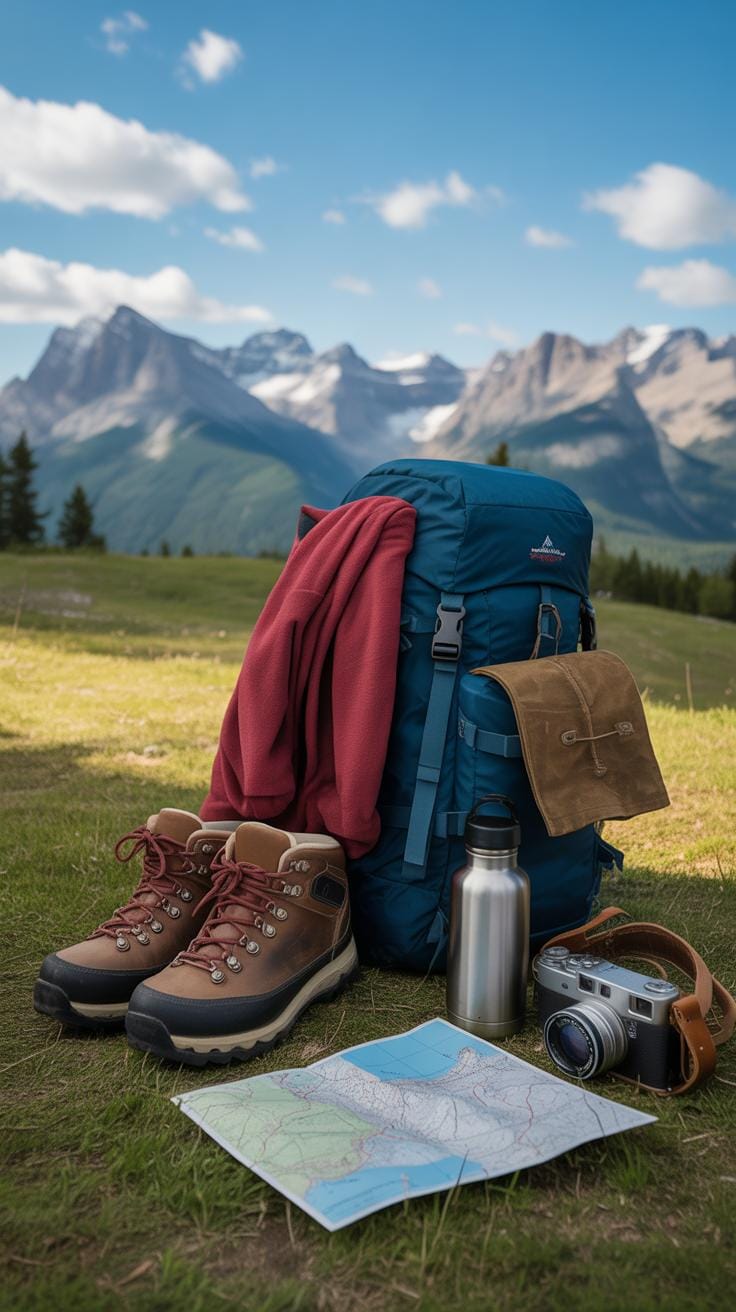
When packing for Banff National Park, your list really depends on the season and what you want to do. It’s not just tossing random stuff into bags. Think about the activities planned. Hiking, kayaking, skiing – each has its own needs.
For summer visits, you’ll want reliable hiking boots that already feel a bit broken in. Blisters are no fun, trust me. Also, pack sunscreen, a wide-brimmed hat, and polarized sunglasses. The sun in the Rockies can surprise you with its intensity. Hydration packs or sturdy water bottles matter too, especially if you’re hitting trails where refill options might be scarce. Layers? Yes, even summer evenings get chilly in the mountains, so a light fleece or windbreaker is wise.
Winter is a different game altogether. Bulky but warm – that often means layering thermal underwear under fleece and a waterproof outer shell. Gloves, hats, and scarves aren’t just accessories here; they’re lifesavers against the cold. If you plan to ski or snowshoe, don’t forget sturdy boots and perhaps gaiters. And maybe a small first aid kit because injuries in the cold can be tricky.
In both seasons, having a durable daypack makes a lot of sense. You might start early with sunshine and end in unexpected rain or snow, so preparedness beats regret. Ever forget something essential and wished you could turn back? Yeah, me too. So, double-check the list before you leave.
How To Save Money On Adventures
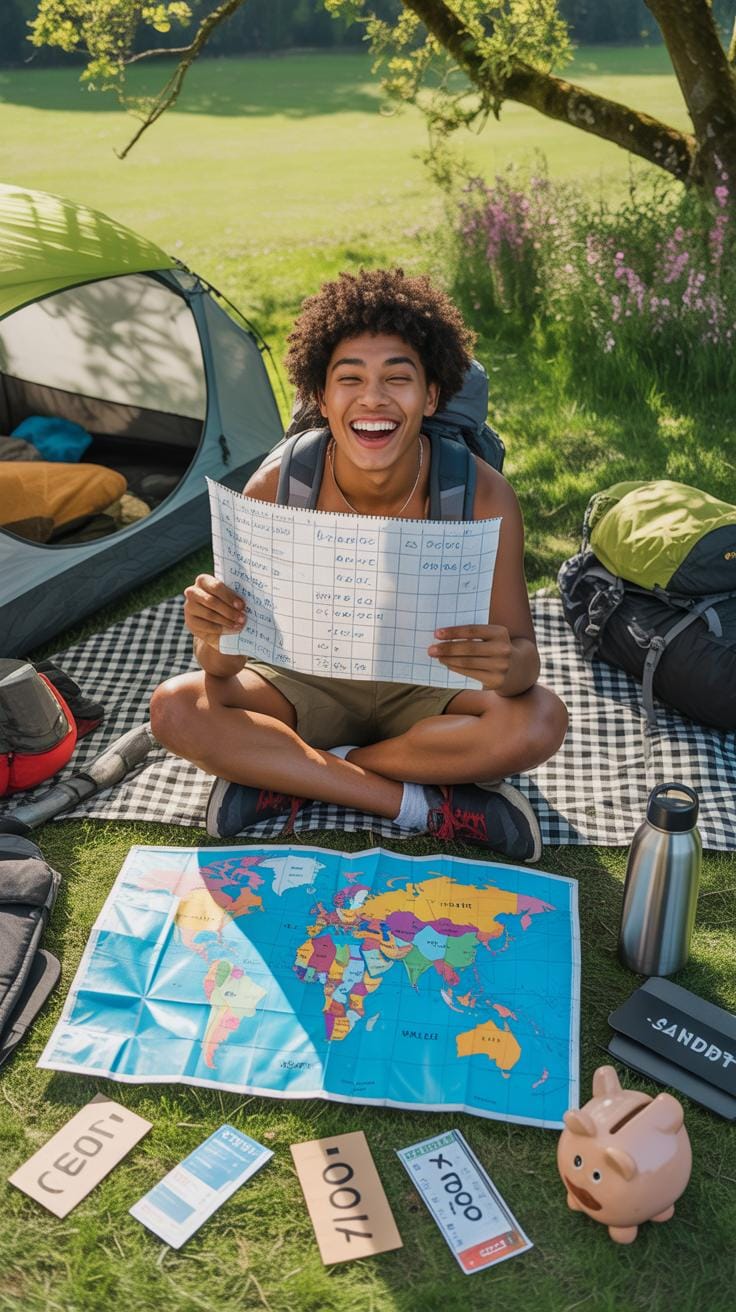
You might think that exploring Banff National Park requires a big budget, but actually, there are plenty of ways to keep costs down without missing out on the experience. One way is to take advantage of free or low-cost activities like hiking. Banff’s extensive trail system offers routes for all levels, so whether you’re up for a short stroll or a challenging day hike, you’ll find something suitable without paying a dime.
Scenic spots such as Bow Falls or the stunning views at Vermilion Lakes don’t cost anything and can make for memorable stops. Sometimes just packing a picnic and enjoying the surroundings adds a lot to the visit, without extra expenses. Enhancing your experience this way often feels more authentic—less about costly tours, more about connecting with the landscape.
Finding Discounts And Packages
When you do want to try paid activities, it helps to hunt for deals. Checking the official Banff National Park website can alert you to discounted park passes or seasonal promotions. Local businesses often offer combo packages, bundling lodging with tours or rentals. Don’t hesitate to ask around once you’re there — some deals aren’t heavily advertised but can be found by talking to hotel or visitor center staff.
Also, consider staying just outside the park boundaries, where prices tend to be lower, and use public transportation or shuttles into Banff itself. This could save you money on both accommodation and parking fees within the park. Budget-friendly tour operators do exist, especially if you book in advance or outside peak months.
Practical Safety Tips For Visitors

When you visit Banff National Park, safety should be on your mind—it’s easy to get swept up in the beauty and forget the risks. The park’s vast wilderness offers plenty of adventure, but it also demands respect and preparation. For example, wildlife encounters can be thrilling but challenging. It’s best to keep at least 100 meters away from bears and wolves, and 30 meters from other animals. Close proximity isn’t just dangerous; it can stress the animals unexpectedly. Never feed wildlife, no matter how tempting it may seem. Animals familiar with people can become aggressive or lose their natural fear.
Weather here can change fast. You might start a hike under sunshine and end in a sudden, fierce snowstorm even in summer. Layering is crucial: bring waterproof and insulating gear. Watch for slippery or unstable trails—rocks can get loose, and streams may swell quickly after rain. If you’re hiking alone, leave your plan with someone and carry a whistle or bear spray for emergencies. It’s a good idea to recognize your limits; sometimes, turning back early is the safest choice.
These points might feel basic, yet they’re often overlooked. A little caution goes a long way toward keeping your Banff experience both memorable and safe.
Planning Your Daily Itinerary
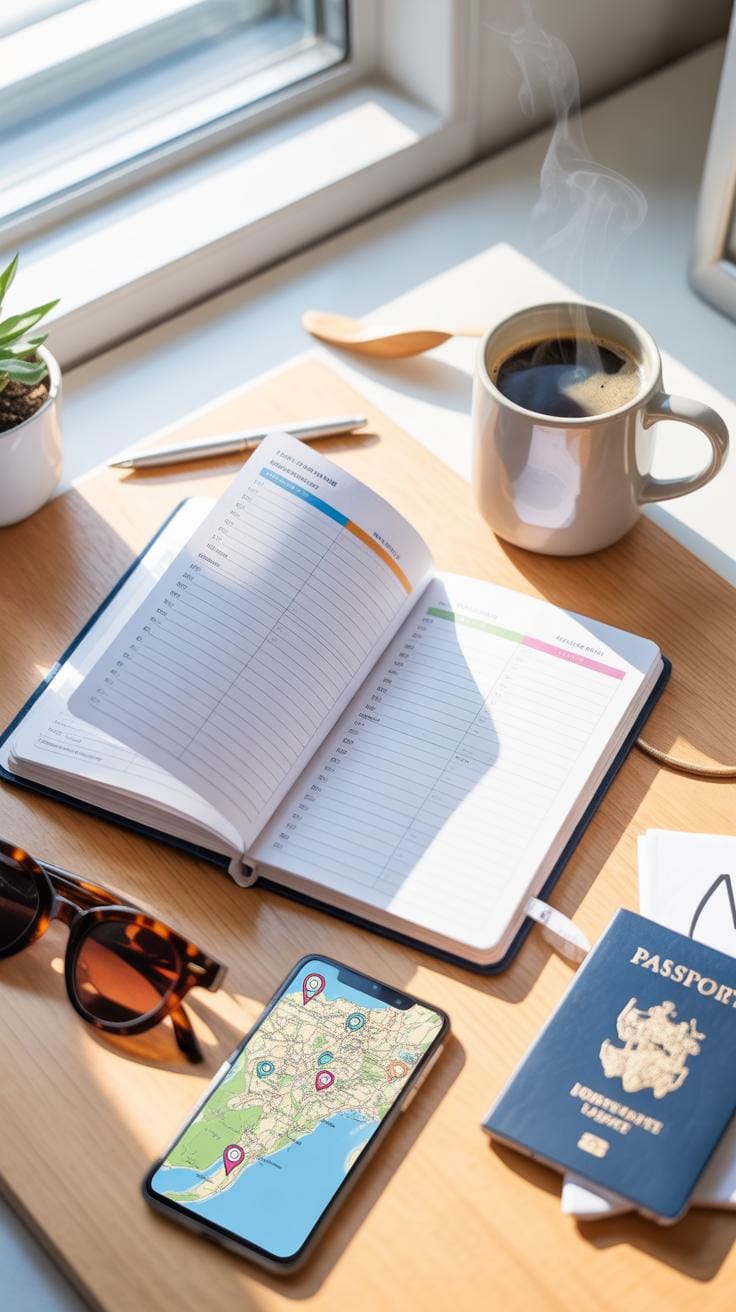
Banff National Park covers a huge area with so much to see and do. When planning your day, think about travel distances — some must-see spots like Lake Louise and Moraine Lake are not exactly next door. So, it makes sense to group nearby attractions together rather than zigzag across the park. Opening hours can differ too; some visitor centers or shuttle services run limited hours, especially in shoulder seasons, so double-check timings before setting off.
What should you definitely include each day? Well, that depends on your interests, but I’d say prioritize iconic sites like the Banff Gondola, Johnston Canyon hikes, or a drive along the Icefields Parkway. You can also sprinkle in easier activities such as visiting Bow Falls or exploring the Banff townsite for a meal break. Speaking of breaks, pacing yourself is key. Getting out early helps avoid crowds and leaves afternoons open for slower-paced rests or short explorations.
Remember, energy management matters more than packing your schedule to the brim. Schedule meals and rest stops thoughtfully to recharge. Perhaps a picnic by a lake or a leisurely café pause in Banff town can work wonders. Trying to do everything in one nonstop rush can wear you down fast, and then the adventure loses its charm. What’s the point if you’re too tired to enjoy it?
Conclusions
Banff National Park offers a remarkable destination filled with diverse landscapes and wildlife. By planning your budget carefully and selecting from the wide range of activities available, you can create a memorable and enjoyable experience without unnecessary expenses. Being mindful of costs related to accommodation, transportation, and park fees will help you stay within budget.
Your adventure in Banff can include hiking, wildlife spotting, scenic drives, and cultural visits. Prioritize your interests and prepare accordingly for the climate and terrain. With the right planning and tips shared in this article, you can make your trip to Banff National Park both fun and affordable.