
The Evolution Of Travel Memories Beyond Photos
Sensory Travel
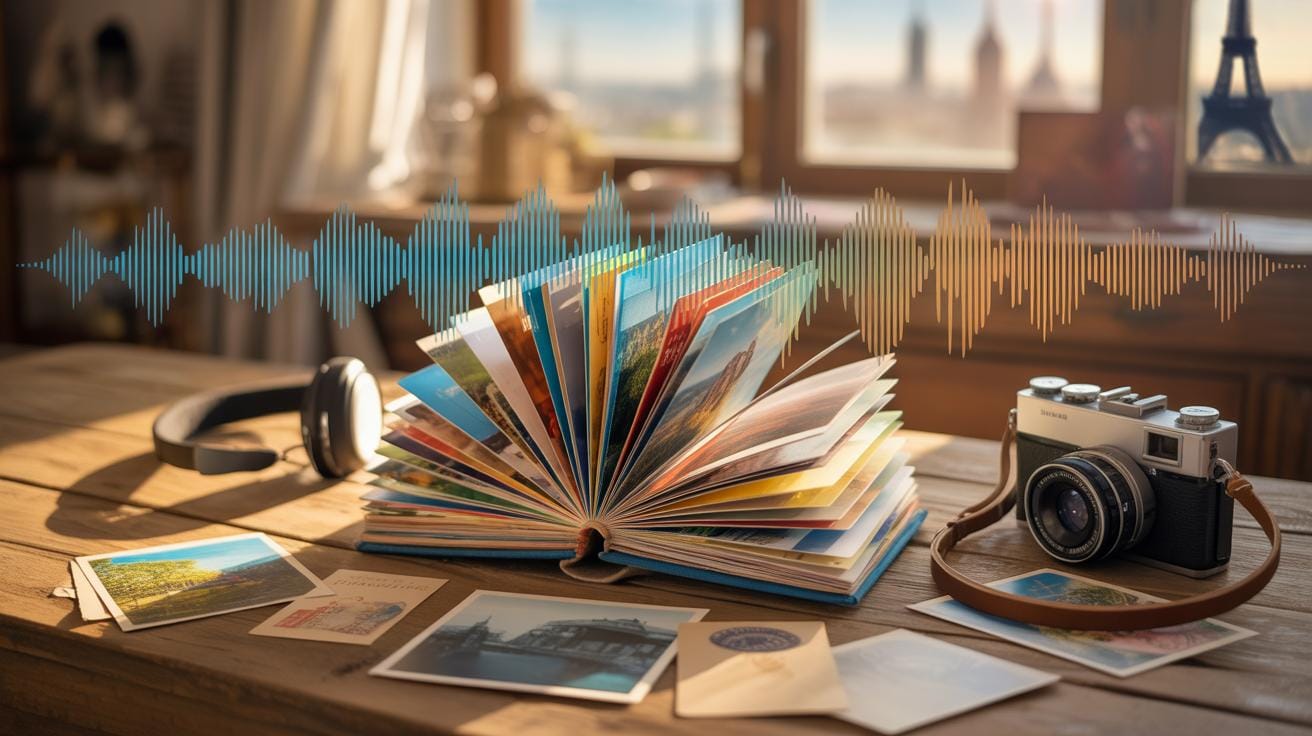
Traditional travel photography captures moments frozen in time, yet it often misses the essence of a destination. Sound holds remarkable power to transport us back to specific moments—the call to prayer echoing across Moroccan medinas, street musicians in Parisian squares, or monsoon rainfall in Southeast Asian villages. When we engage multiple senses during travel documentation, our memories become richer and more authentic. A Travel Soundscapes Blog recognizes that auditory elements create neurological pathways that strengthen recall far beyond what visual memories alone can achieve.

The science of memory demonstrates that multisensory experiences create stronger neural connections than single-sensory inputs. When traveling, capturing ambient sounds alongside photos creates a more holistic narrative of your journey. The ambient soundscape of a Tokyo train station or Venetian canal resonates differently with each listener, evoking personal emotional responses. By documenting these auditory landscapes, travelers preserve not just what they saw, but the atmosphere that made their experiences transformative. This layered approach to memory-keeping honors the complete sensory reality of exploration.
The Rise Of Audio Journals
Audio journaling represents a natural evolution from traditional travel diaries and photograph albums. Rather than writing lengthy descriptions or organizing countless photos, travelers now record reflective commentary, ambient recordings, and personal observations during their adventures. This method proves particularly valuable for capturing spontaneous moments and genuine emotional reactions in real time. Many travel enthusiasts find that speaking into a device feels more natural than writing, allowing authentic voice and emotion to permeate their travel documentation. A Travel Soundscapes Blog showcases how audio journals preserve personality and immediacy that other formats cannot replicate.
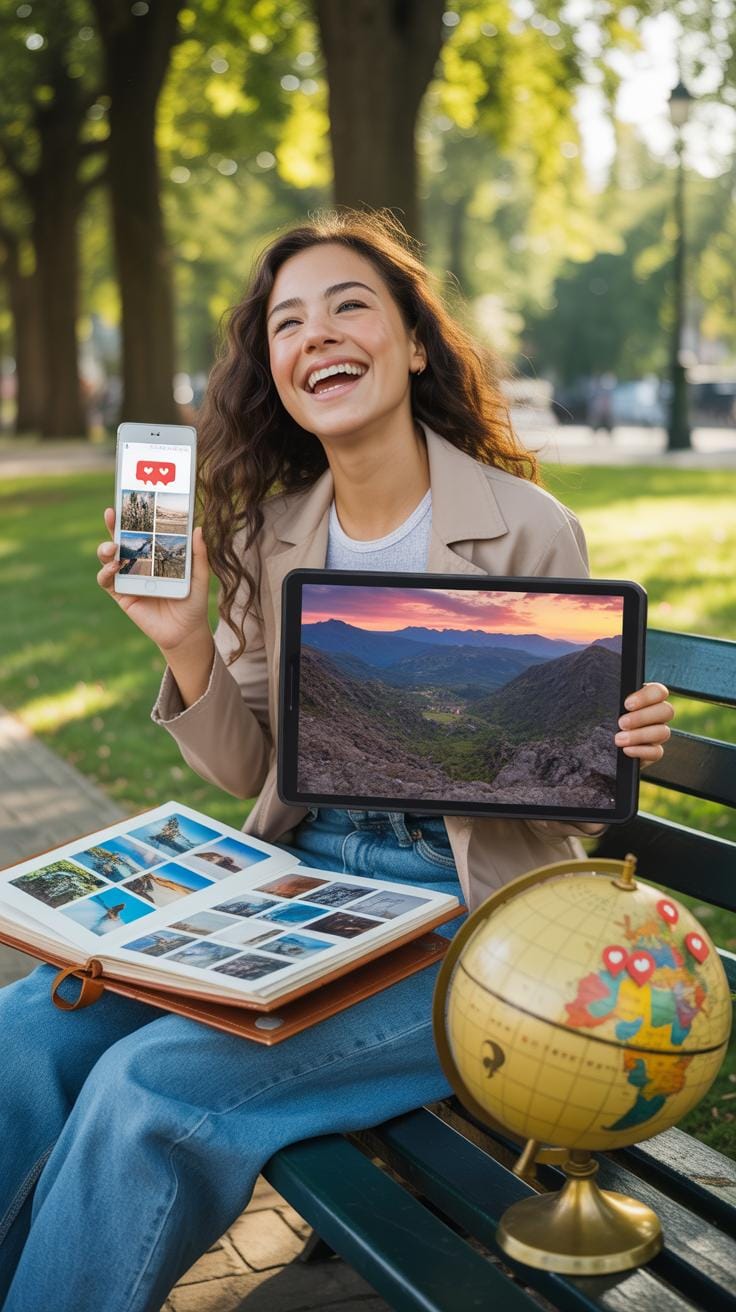
The transition from visual to sound-based documentation reflects broader changes in how modern travelers process and share experiences. Digital recording technology has democratized audio capture, making high-quality sound documentation accessible to everyone with a smartphone. This shift acknowledges that travel memories extend beyond Instagram-worthy visuals into the textural, auditory dimensions that define destination character. Audio journals complement and enhance photographic records, creating comprehensive travel archives that future listeners can immerse themselves within. As travelers seek deeper, more meaningful ways to preserve wanderlust, sound-based methods continue gaining prominence alongside traditional visual scrapbooking techniques.
Defining The Travel Soundscape Biophony And Geophony
Nature’S Orchestra
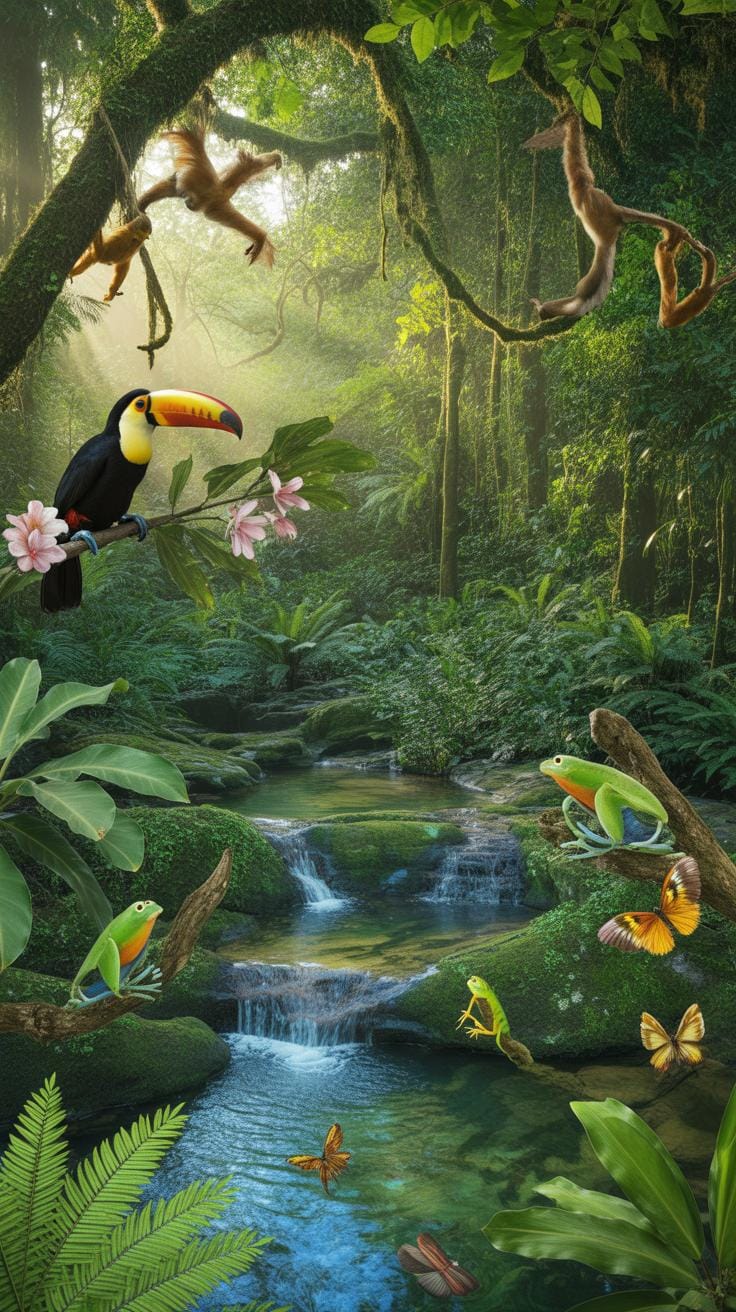
Canadian soundscape composer and researcher R. Murray Schafer revolutionized how we understand environmental audio by categorizing natural sounds into distinct layers. Biophony encompasses all sounds produced by living organisms—birdsong at dawn, insect choruses at dusk, whale calls across ocean depths. Geophony refers to Earth’s own voice: wind through canyons, rainfall on leaves, thunder rumbling across distant mountains. These elements create nature’s intricate symphony, layers upon layers of acoustic richness that shape our sensory experience of wild places.
When exploring destinations featured on Travel Soundscapes Blog, recognizing these natural sound categories transforms your listening experience profoundly. A rainforest visit becomes revelatory when you consciously separate bird vocalizations from the geophonic rush of flowing streams. Mountain landscapes reveal hidden acoustic complexity—the wind’s frequency changes across elevation, while geological features create natural amphitheaters amplifying earth sounds. Understanding Schafer’s framework helps travelers become active listeners rather than passive observers, deepening their emotional connection to wilderness environments and creating lasting auditory memories worth preserving.
The Anthropophony Of Cities
Anthropophony—the sounds humans and our technologies create—dominates urban soundscapes and represents the acoustic inverse of pristine nature. City streets pulse with layered human activity: street vendors calling out wares, conversations flowing in multiple languages, rhythmic footsteps on pavement, the mechanical symphony of traffic and construction. These sounds tell stories of culture, commerce, and community that whisper centuries of human habitation and contemporary life.
Travel Soundscapes Blog captures the distinctive acoustic character of global cities, revealing how Istanbul’s call to prayer blends with ferry horns differently than Bangkok’s tuk-tuk symphony or Barcelona’s plaza conversations. Markets present remarkable audio diversity—spice vendors in Marrakech create distinct soundscapes from fish markets in Tokyo, each reflecting local traditions and rhythms. Urban soundscaping requires patience and intentional attention; finding quiet corners within bustling centers, recording layered conversations, capturing the mechanical poetry of metro stations. These anthropophonic recordings preserve the authentic voice of destinations, transforming temporary travels into permanent soundwave scrapbooks.
The Psychology Of Sound In Travel Memories
Acoustic Ecology Insights
Acoustic ecology examines how humans interact with their sonic environments, fundamentally shaping how we perceive and remember travel experiences. Every destination possesses a unique soundscape—the ambient bells of a Venetian canal, monsoon rain on Southeast Asian rooftops, or bustling Marrakech medina voices. These auditory layers become embedded in our sensory memory, often more powerfully than visual elements. The Travel Soundscapes Blog extensively explores how recognizing these acoustic environments deepens our connection to places visited, transforming passive listening into active geographical awareness that enriches travel narratives.
The relationship between sound and place creates what researchers call “sonic identity.” When travelers consciously attune to their acoustic surroundings, they engage more fully with destinations, noticing subtleties that casual observers miss. Mountain villages possess distinctly different soundscapes than coastal towns—from Alpine cowbell rhythms to Mediterranean seabird calls. This heightened awareness transforms how travelers document and remember journeys, making soundscape documentation as valuable as photographs. Understanding acoustic ecology helps travelers recognize that every location’s sonic character tells profound stories about culture, geography, and human activity within that space.
We leave something of ourselves behind when we leave a place, we stay there, even though we go away. And there are things in us that we can find again only by going back there.[1]
Auditory Triggering
Auditory triggering describes the neurological phenomenon where specific sounds instantly transport people back to particular moments and places with remarkable vividness. A single musical note, accent, or ambient sound can activate memories more potently than photographs or written descriptions. Research demonstrates that the auditory cortex maintains strong connections to emotional and episodic memory centers, creating what neuroscientists call “sound-evoked nostalgia.” The Travel Soundscapes Blog showcases how travelers intentionally capture ambient recordings from destinations, recognizing that these audio archives become powerful temporal portals for revisiting experiences years after journeys conclude.
When travelers listen to recorded soundscapes from previous destinations, they experience multisensory memory reconstruction—mentally returning to that location with remarkable detail and emotional resonance. Street musicians in Barcelona, temple gongs in Kyoto, or rain on Thai jungle canopies become acoustic anchors for entire travel chapters. This auditory time-travel phenomenon explains why many experienced travelers prioritize recording ambient sounds alongside traditional photographs. The emotional weight of sound-triggered memories often exceeds visual recall, making audio documentation essential for comprehensive travel memoir creation and personal reflection on wandering experiences.
Essential Gear For A Travel Soundscapes Blog
Field Recording Tools
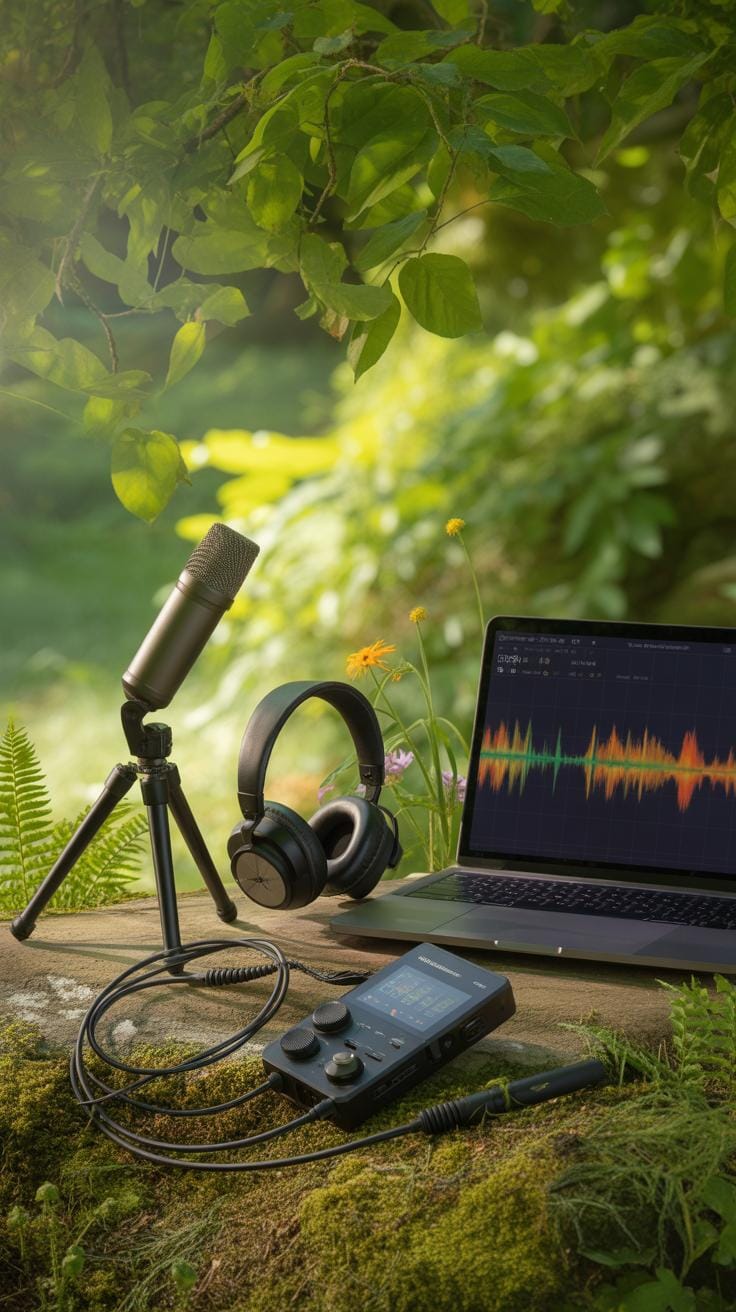
Capturing the authentic voice of distant places requires thoughtful equipment selection. Binaural microphones represent the gold standard for immersive audio collection, utilizing two microphones positioned to mimic human ear placement and create three-dimensional soundscapes. Portable digital recorders with robust build quality and extended battery life become indispensable companions, allowing travel soundscapes blog creators to document everything from bustling marketplaces to serene natural environments with professional clarity and minimal distortion during extended recording sessions.
When selecting field recording equipment, prioritize tools that balance audio fidelity with practical portability:
- Binaural microphone pairs designed specifically for stereo spatial recording
- Portable recorders with manual gain control and XLR connectivity options
- Shock mounts and windscreens to minimize unwanted environmental noise
- Durable carrying cases offering weather protection for electronics
- Extended capacity batteries or solar charging capabilities for remote locations
Quality audio preservation demands attention to technical specifications and real-world durability. Experienced sound documentarians emphasize investing in equipment capable of handling humidity, temperature fluctuations, and accidental impacts encountered during active travel. Your travel soundscapes blog archive becomes only as valuable as the equipment reliability enabling consistent, distortion-free recordings across varying climates and challenging acoustic environments.
Mobile Audio Apps Performance
Smartphone technology has democratized spontaneous audio capture, enabling travel enthusiasts to document unexpected acoustic moments without carrying extensive equipment. Modern mobile recording applications offer sophisticated features including adjustable bit rates, real-time waveform monitoring, and metadata tagging capabilities. These tools transform your pocket device into a capable documentation instrument, perfect for capturing impromptu street performances, ambient conversations, and environmental sounds that bring authenticity to your travel soundscapes blog narrative.
The convenience of smartphone recording shouldn’t compromise your commitment to audio excellence and ethical documentation. Select applications offering lossless or high-quality compression formats, allowing flexibility during post-production editing while maintaining the acoustic integrity of original recordings. Many travel sound enthusiasts maintain both dedicated field recorders and smartphone backup systems, recognizing that spontaneous moments often define the most compelling contributions to emerging travel soundscapes blog communities worldwide.
Techniques For Capturing High Quality Audioscapes
Microphone Placement Strategies
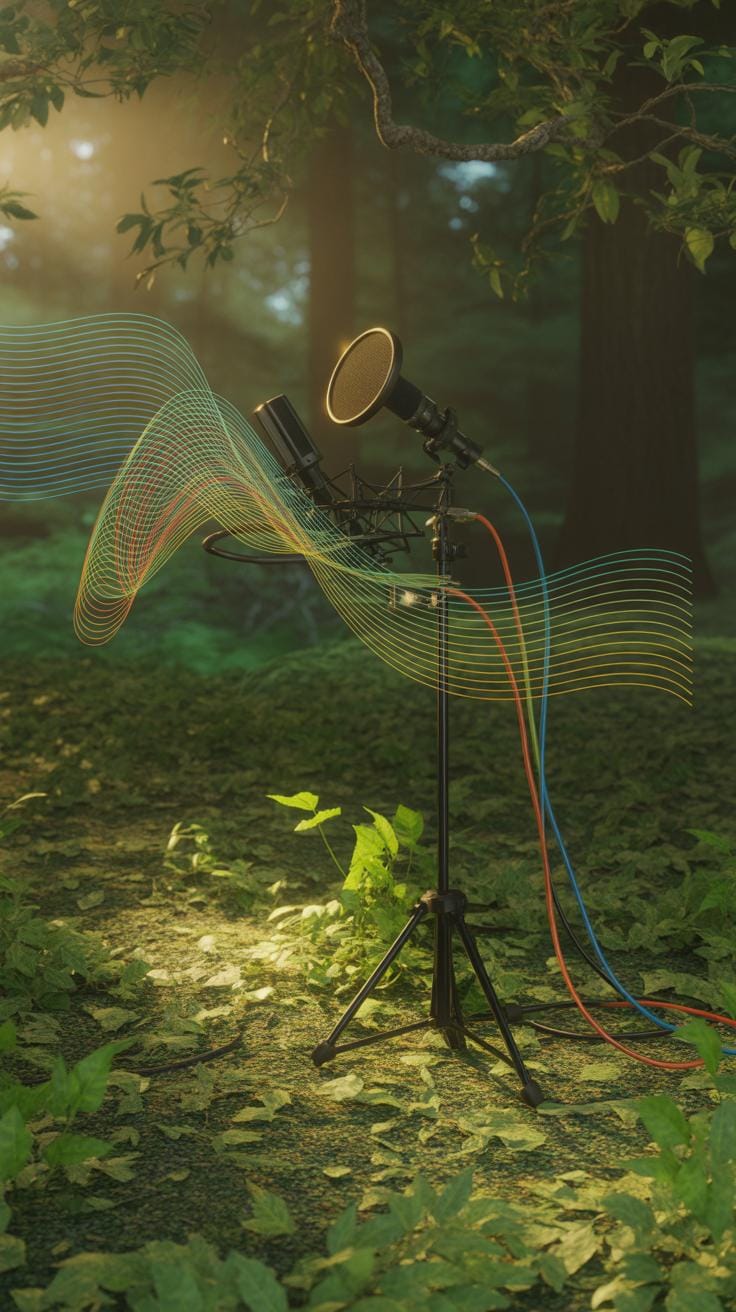
The art of positioning your microphone transforms ordinary recordings into immersive sonic landscapes that transport listeners directly to your destination. Rather than pointing equipment straight ahead, experienced recordists angle microphones to capture dimensional depth, allowing ambient sounds to envelope the listener completely. Placing mics at varying heights captures both intimate ground-level rustlings and distant environmental layers. This layered approach, celebrated across the Travel Soundscapes Blog community, reveals how geography shapes sound itself.
Consider your recording environment’s natural acoustics when determining placement. In open spaces like beaches or valleys, positioning mics further apart creates stereo separation that mimics human hearing. Near architectural features such as canyons or city streets, reflect sound intentionally by angling equipment toward surfaces. Test different positions before committing to final recordings, as even slight adjustments dramatically alter perceived spatial depth and authenticity.
Dealing With Noise Pollution
Urban environments and popular travel destinations often present challenges from mechanical sounds that obscure authentic local character. Strategic microphone placement helps minimize traffic noise, aircraft, and construction interference without sacrificing environmental ambiance. Recording during quieter hours yields clearer results, though experienced sound designers demonstrate how Post-production techniques can selectively reduce specific frequency ranges belonging to unwanted noise while preserving genuine ambient texture.
- Record during early morning or late evening hours when mechanical noise diminishes
- Position equipment away from major traffic routes and industrial zones
- Use directional microphones to focus on desired sounds while rejecting background interference
- Layer multiple recording sessions to isolate and enhance authentic local audio
- Consider windscreens and shock mounts to eliminate handling and weather-related noise
Contributors to Travel Soundscapes Blog often emphasize patience and location scouting as essential practices. Returning to promising locations during different times reveals acoustic variations that enrichen your scrapbook of captured moments. This thoughtful approach ensures your travel audio collection represents genuine destination character rather than universal urban soundscapes.
Creating Your Soundwave Scrapbook Post Production Tips
Editing For Narrative Flow
The art of assembling travel audio recordings mirrors traditional storytelling techniques, where each sound becomes a narrative thread weaving through your journey. Begin by organizing recordings chronologically or thematically, establishing a clear arc from departure through discovery to reflection. Modern digital audio workstations make this process intuitive, allowing you to arrange clips on multiple tracks while maintaining spatial awareness of your soundscape composition. Travel Soundscapes Blog enthusiasts find that this intentional curation transforms raw recordings into compelling audio narratives that capture destination essence authentically.
Transitions between audio segments deserve thoughtful consideration, much like page turns in a physical scrapbook. Crossfading techniques create seamless bridges between different locations or times, while strategic silences provide breathing room for listener reflection. Consider layering ambient sounds beneath spoken reflections or journal entries to establish contextual depth. The editing process becomes meditative, allowing you to relive moments while sculpting them into polished audio memories that resonate with the emotional truth of your travels.
Visualizing Soundwaves
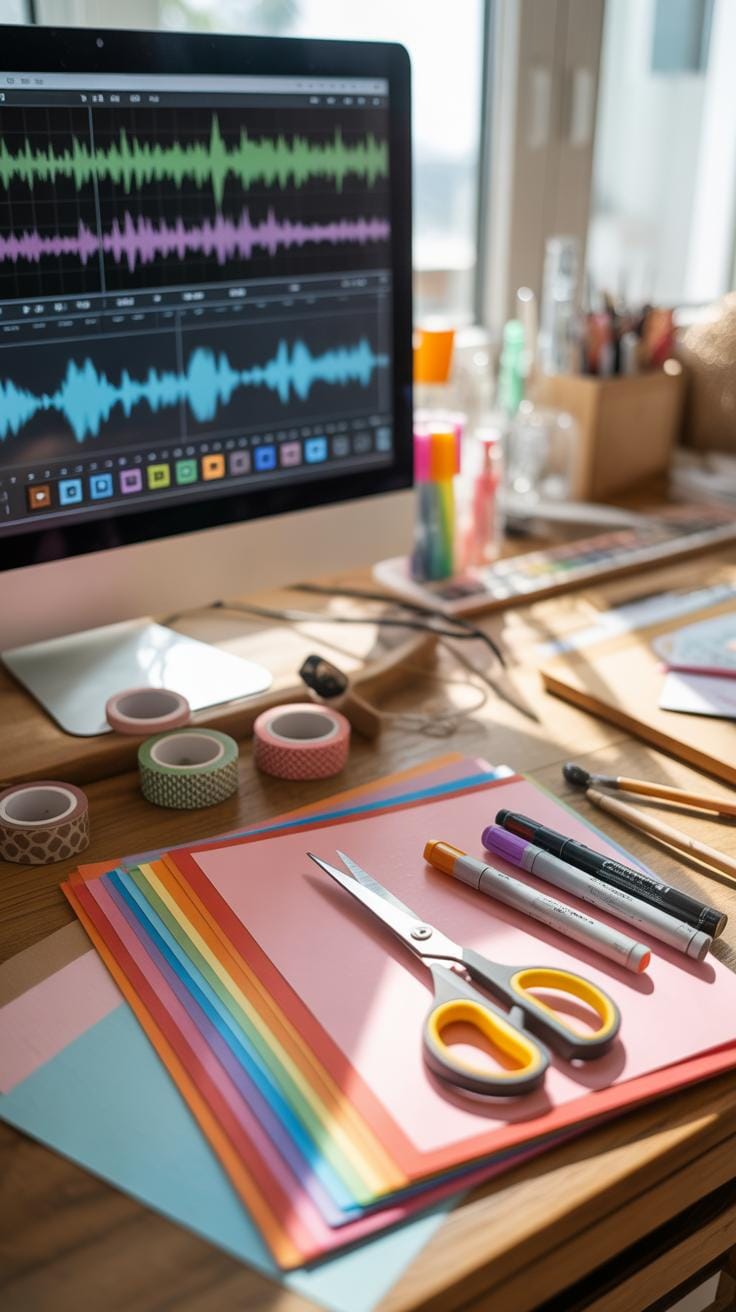
Waveform imagery transforms abstract audio into tangible visual art, creating stunning focal points for both digital and physical scrapbooks. Modern audio software generates detailed waveform representations showing amplitude, frequency, and temporal characteristics of your recordings. These visual abstractions possess inherent aesthetic beauty, with their organic patterns reflecting the unique acoustic signature of each location. Printing waveforms as artwork or incorporating them digitally adds a contemporary element to travel documentation, bridging the sensory gap between what listeners hear and what creators experienced.
Integrating soundwave visualizations into scrapbook layouts creates multisensory storytelling experiences that engage viewers beyond traditional photography. You might arrange printed waveforms alongside destination maps, creating visual geography of sonic memories. Digital scrapbooks benefit from interactive elements where waveform images link to actual audio playback, allowing viewers to explore both visual and auditory dimensions simultaneously. This integration reflects emerging design trends where data visualization becomes decorative art, transforming your Travel Soundscapes Blog contributions into gallery-worthy presentations celebrating the forgotten poetry of travel soundscapes.
Social Sharing And The Global Community Of Listeners
Platforms For Sound Seekers
The digital landscape offers numerous hosting sites perfectly suited for sharing high-fidelity travel audioscapes with discerning listeners worldwide. Dedicated audio platforms like Soundcloud and Bandcamp provide excellent infrastructure for uploading and organizing your travel soundscape collections while maintaining superior audio quality. These platforms allow creators to build followings, receive feedback, and establish themselves within the audio community. Many Travel Soundscapes Blog enthusiasts leverage these spaces to archive their sonic journeys, from bustling marketplace ambiance to serene nature recordings captured across continents.
Beyond specialized audio platforms, integrated services like YouTube and Spotify accommodate growing audiences seeking immersive travel soundscapes. Podcasting platforms such as Anchor and Podbean enable serialized presentation of your audio narratives, perfect for building subscriber bases eager for regular travel sound content. Each platform offers unique algorithmic discovery features and listener demographics, allowing you to strategically distribute your work across multiple channels simultaneously. The choice of platform significantly influences how your travel soundscape content reaches and resonates with your intended audience.
Engaging Your Audience Through Audio
Building community around travel soundscape blogging requires authentic engagement and consistent content creation that resonates emotionally with listeners. Encourage audience participation by inviting submissions of personal travel sounds, creating collaborative playlists, or hosting listening sessions where community members share their favorite recordings. Respond thoughtfully to comments, acknowledge listener contributions, and create exclusive content for engaged followers. This reciprocal relationship transforms passive listeners into invested community members who actively promote your Travel Soundscapes Blog within their own networks.
The unique niche of travel soundscape blogging attracts thoughtful, adventurous listeners seeking authentic sonic documentation of global destinations. Foster this community by creating thematic collections, offering behind-the-scenes recording stories, and sharing the emotional landscapes behind each capture. Host virtual events, masterclasses on audio recording techniques, or themed listening parties that celebrate specific regions or seasons. These initiatives deepen listener loyalty while positioning your travel soundscape content as a meaningful connection point for people who cherish authentic global experiences through sound.
The Future Of Sonic Exploration Immersive Travel Audio
Spatial Audio And VR
Spatial audio technology is transforming how travel enthusiasts experience distant destinations without leaving home. Three-dimensional sound design creates an enveloping acoustic environment that captures the precise directional qualities of location-based audio. The Travel Soundscapes Blog documents how binaural recording techniques and ambisonic formats enable listeners to perceive sounds moving around them in authentic space, mimicking natural hearing patterns that make virtual journeys remarkably convincing and emotionally resonant.
Virtual reality platforms increasingly integrate high-fidelity spatial audio to complete immersive travel experiences. When paired with visual elements, 360-degree soundscapes transport audiences to bustling marketplaces, serene temples, and vibrant street corners with unprecedented authenticity. This convergence of audio and visual technology creates multisensory memories that rival actual travel, allowing people to explore cultures, landscapes, and communities in ways previously impossible through traditional media formats.
Acoustic Conservation Record
Travelers equipped with portable recording devices now serve as crucial documentarians of endangered soundscapes facing extinction through urbanization and environmental change. Ancient acoustic environments—from specific bird calls to traditional musical performances—disappear at alarming rates as landscapes transform. The Travel Soundscapes Blog highlights how citizen sound archivists preserve these disappearing audio heritages, creating invaluable sonic records that future generations can study, appreciate, and learn from when original sources no longer exist.
- Field recordings of indigenous ceremonial music and chants
- Ambient soundscapes of threatened ecosystems and wildlife habitats
- Urban acoustic signatures from historically significant neighborhoods
- Traditional craft soundscapes from artisanal practices
- Natural phenomenon recordings endangered by climate changes
These archival efforts represent meaningful cultural preservation, ensuring acoustic diversity remains documented for posterity. Travelers contribute to global sound libraries, museums, and research institutions, recognizing that our collective auditory heritage deserves protection alongside visual and written records. This movement acknowledges sound as profound cultural artifact worthy of dedicated conservation efforts.
Frequently Asked Questions

What exactly are travel soundscapes and why should I create a travel soundwave scrapbook?
Travel soundscapes are audio recordings capturing the ambient sounds of destinations—from bustling markets to ocean waves. Creating a travel soundwave scrapbook preserves sensory memories beyond photos, helping you relive journeys authentically. These audio collections become personal time capsules, perfect for a travel soundscapes blog documenting your wanderlust through immersive auditory experiences.
How do I start recording and organizing travel soundscapes during my trips?
Use your smartphone or portable recorder to capture authentic sounds at each destination. Organize recordings by location, date, and sound type in folders. Create accompanying notes describing context and emotions. Share your collection on a travel soundscapes blog with timestamps and location details, helping readers understand each audio snippet’s significance to your overall travel narrative.
What’s the most budget-friendly way to document travel soundscapes without expensive equipment?
Your smartphone’s built-in microphone captures excellent travel soundscapes for free. Use free editing apps like Audacity or GarageBand for simple arrangements. Cloud storage services like Google Drive or Dropbox offer affordable archiving. Starting a travel soundscapes blog costs nothing on platforms like WordPress.com or Medium, making this hobby accessible to budget-conscious travelers.