
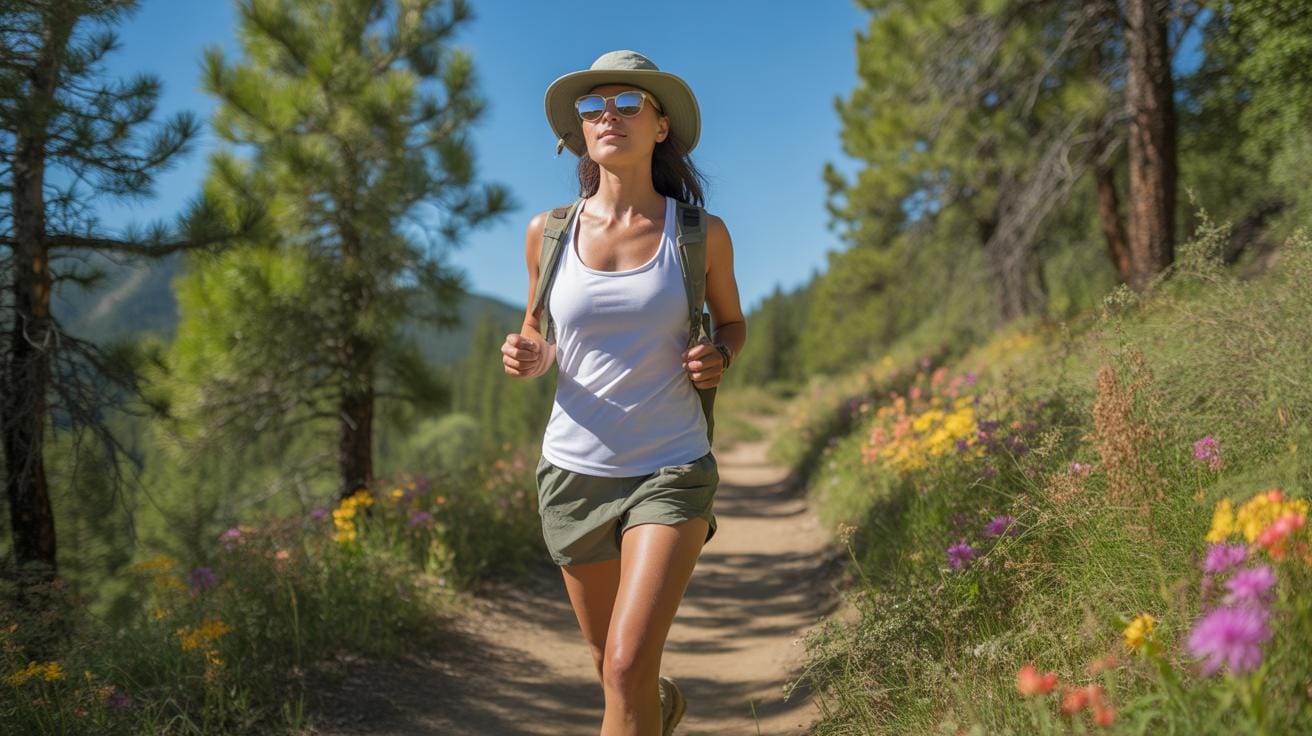
Building the Perfect Summer Hiking Outfit
Preparing the perfect summer hiking outfit is crucial for staying comfortable and safe on hot weather trails. Women hikers need outfits that offer breathability, sun protection, and ease of movement. Picking the right gear impacts your hiking experience and enjoyment.
This article covers the key elements of a summer hiking outfit for women. We explore fabric choices, footwear, accessories, and practical tips to keep cool and protected during your hikes. Use this guide to build a wardrobe that fits your summer hiking needs.
Selecting Breathable Fabrics For Hiking

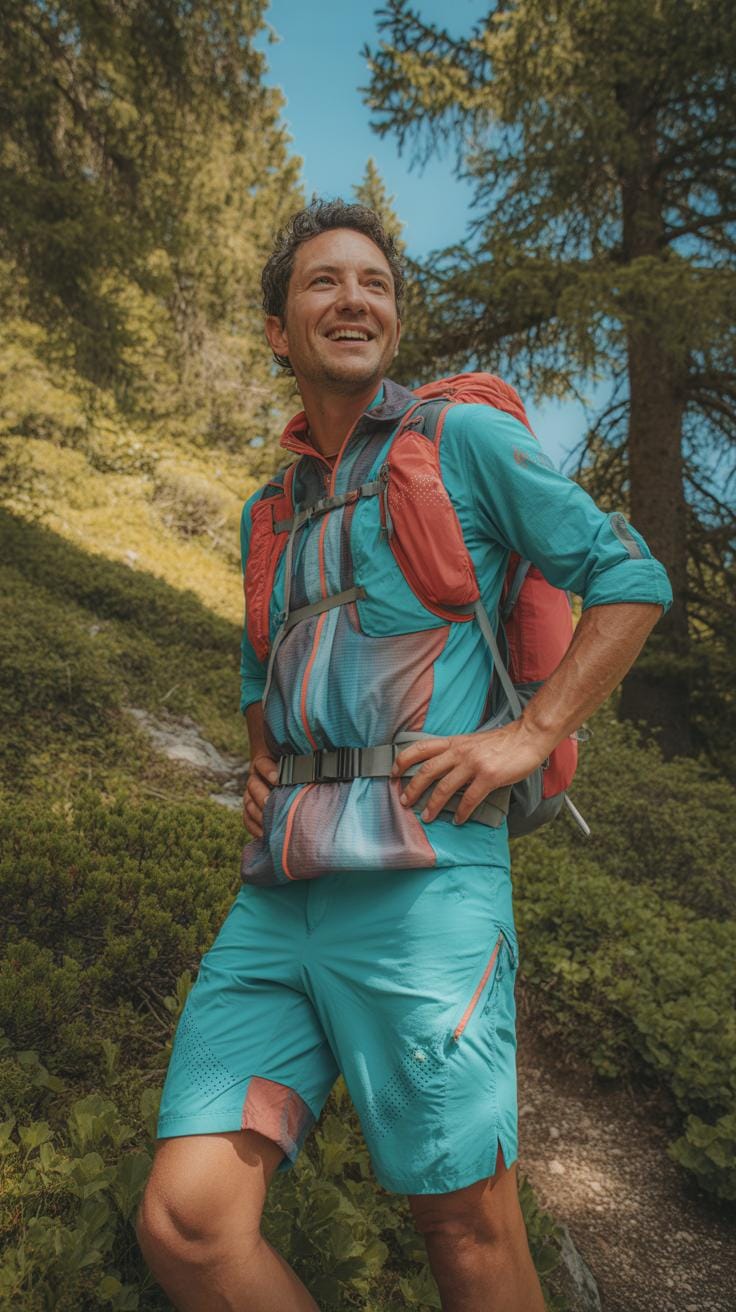
When it comes to summer hiking outfits for women, picking the right fabric is genuinely crucial. Breathable materials, especially those with moisture-wicking properties, really make a difference in comfort on the trail. These fabrics pull sweat away from your skin to the surface of the material, where it evaporates more quickly, helping you stay dry and cooler. You might not notice the difference until you’ve been hiking for a while, but moisture-wicking makes the heat much more bearable.

Common fabric choices that work well in hot weather include polyester, nylon, and merino wool. Actually, merino wool might surprise you—it breathes well and resists odor, which is handy for longer hikes. Lightweight synthetic blends are also popular since they dry fast and feel lighter when damp. You definitely want to avoid materials that cling when wet.
Benefits Of Moisture Wicking Clothes
Moisture-wicking fabrics keep you mostly dry by moving sweat from your skin to the fabric’s outside. This action helps regulate your body temperature by promoting evaporation. When sweat stays against your skin, it not only feels uncomfortable but also can lead to chafing. Clothes made from materials like polyester and nylon are especially good at this—they pull moisture off your body fast and dry out quickly. Even some specially designed cotton blends attempt this, but they rarely work as well as synthetics.
Comparing Cotton Versus Synthetic Fabrics
There’s an ongoing debate about cotton versus synthetics for summer hikes, but many hikers lean toward synthetic fabrics for a reason. Cotton absorbs moisture and holds onto it, which means it stays wet and heavy and can cool you down too much if a breeze picks up or you stop moving. On the other hand, synthetic fabrics like polyester or nylon dry rapidly and don’t cling to your body, making them much better for sustained comfort in the heat.
Sure, cotton is soft and breathable in theory, but when hiking under the sun, its slow drying can be quite a disadvantage. Synth fabrics, while sometimes less soft, cut down on odor buildup and wick sweat effectively. So, for summer hiking outfits, synthetic fabrics usually make the most practical choice—even if that feels a little less natural to some folks.
Choosing Proper Footwear For Summer Trails
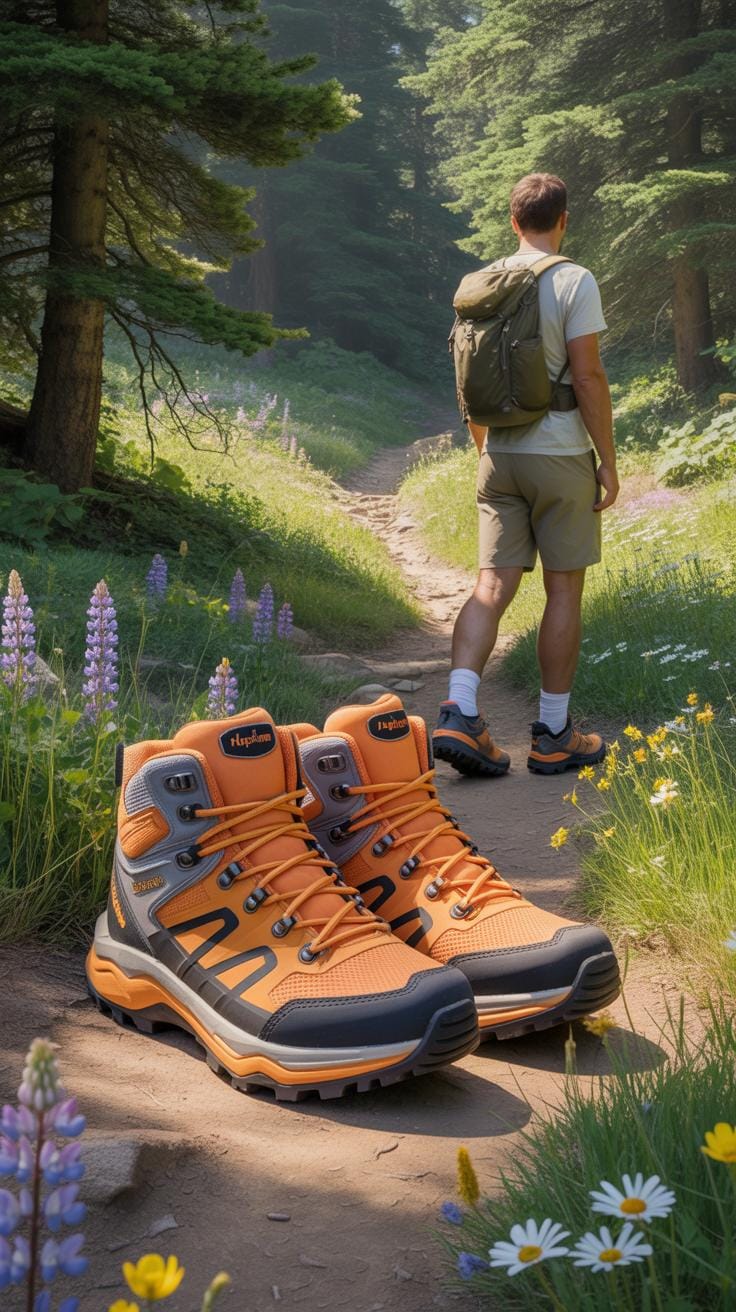
When it comes to hiking in hot weather, your footwear choice matters more than you might think. Breathability becomes critical, not just for comfort but to avoid blisters or fungal issues. Ventilation in hiking shoes helps sweat evaporate, keeping your feet dry and cooler. Imagine hiking a sun-exposed trail with shoes that trap heat and moisture—it’s uncomfortable at best, and problematic over longer distances.
Support is another key aspect. While you might want to feel the freedom of the trail, your feet still need stability to navigate uneven ground or sudden drops. So, breathable hiking shoes that combine solid arch support and cushioning often strike a nice balance in summer conditions. They cover and protect but let air circulate.
Trail sandals also deserve consideration, especially on shorter or less rugged hikes. They provide maximum airflow, and you don’t have to worry about overheating feet. But sandals usually lack the ankle support hiking shoes offer, which can be tricky if the path gets rocky or uneven. Which do you lean toward? That might depend on your trail and your feet.
Hiking Shoes Versus Trail Sandals
Hiking shoes give protection from debris, scrapes, or sudden weather changes, which sandals can’t match. On the flip side, sandals dry faster if you cross streams and feel lighter in summer heat. Yet, hiking shoes generally offer better grip in loose dirt or muddy patches. So, if your trail is varied and you expect rough terrain, shoes might be a safer pick.
Sandals, meanwhile, excel in breathability and ease of use. They allow quick airing out and less sweaty feet. But they can expose you to sharp rocks or thorns, so maybe not ideal if the hike involves a lot of brush or unstable footing.
Features To Look For In Hiking Footwear
- Grip: Look for soles with good tread patterns that handle dry and wet surfaces well. It keeps you cautious without slipping.
- Breathability: Mesh panels or perforations help air flow, which is crucial to keep feet cool and dry in heat.
- Support and Fit: Proper fit reduces blisters and foot fatigue. Ankle support matters if trails are uneven or steep.
- Weight: Lighter footwear feels less draining, but don’t skimp on protection.
Choosing between hiking shoes and sandals isn’t straightforward; it depends on your trail’s challenges and personal comfort. Sometimes I’ve wished for the breathability of sandals while walking rocky paths, or the protection of shoes when wading through water. You might find yourself undecided too. It’s a bit of trial and error, but focusing on ventilation, support, and grip is a solid place to start.
Sun Protection Essentials For Hikers
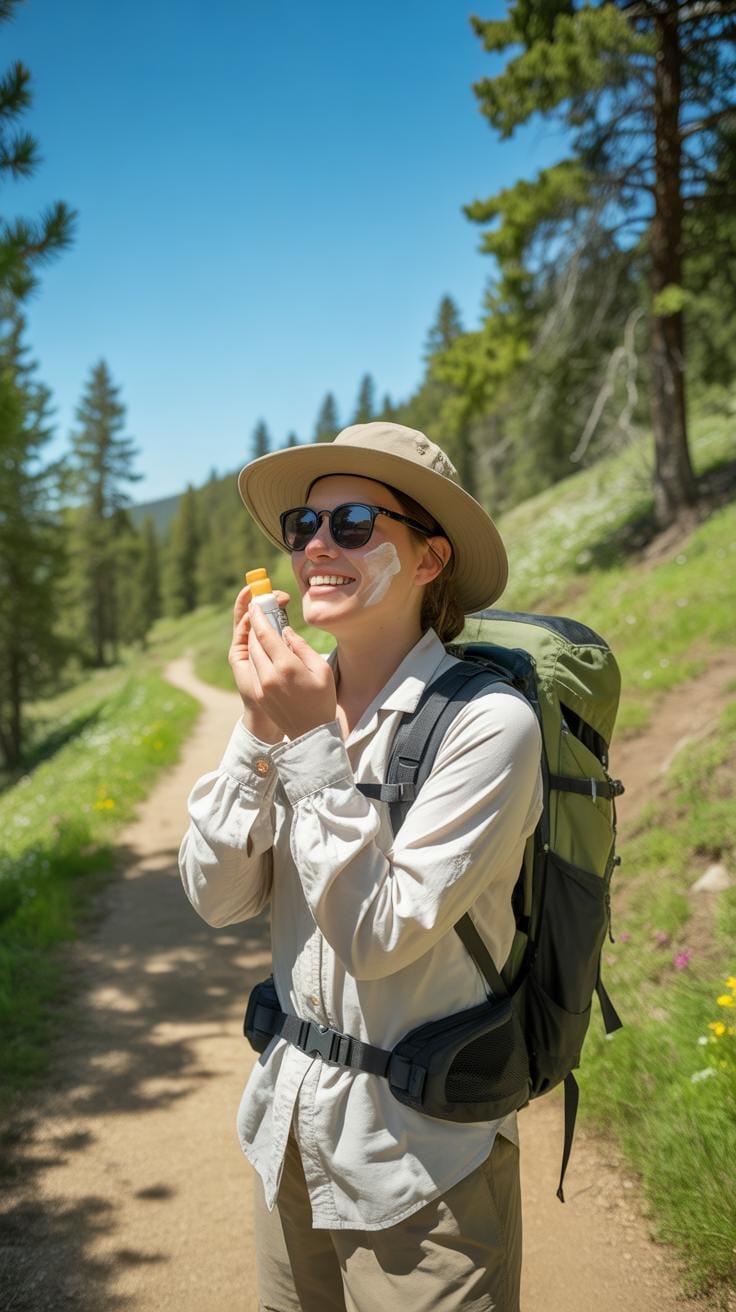
Sun protection is a key part of any summer hike. I mean, it’s easy to underestimate how intense the sun can get when you’re outdoors for hours. Ultraviolet rays don’t just cause sunburn; they can lead to long-term skin damage and increase the risk of skin cancer. So, really there’s no excuse to skip sun protection when you’re planning to be exposed for long periods.
Clothing with UV protection plays a big role. Some fabrics are specially designed or treated to block a high percentage of UV radiation. Look for garments labeled with UPF ratings—these indicate the clothing’s ability to shield your skin. You’ll often find UPF 30 or higher in quality hiking gear, letting only a small fraction of UV rays through. And it’s not just about the fabric. Coverage matters too—long sleeves and pants can protect the skin otherwise left exposed.
Hats and sunglasses add another layer of defense. Wide-brim hats are great for shading your face, neck, and ears, parts of your body that burn easily. It’s tricky sometimes because a cap’s visor doesn’t cover your neck. Plus, sunglasses protect your eyes and the delicate skin around them from UV damage, which can contribute to cataracts and other eye issues. Look for sunglasses that block 99 to 100 percent of UVA and UVB rays.
Don’t forget to apply broad-spectrum sunscreen on all exposed areas—reapplying every two hours is a good rule during intense hiking. Even with protective clothing, sunscreen provides an extra safeguard where fabrics can’t reach well. Overall, combining all these elements helps keep you safer on the trail. After all, no one wants a painful sunburn to spoil a great hike or worse, long-term health problems.
Packing Lightweight Layers For Changing Weather
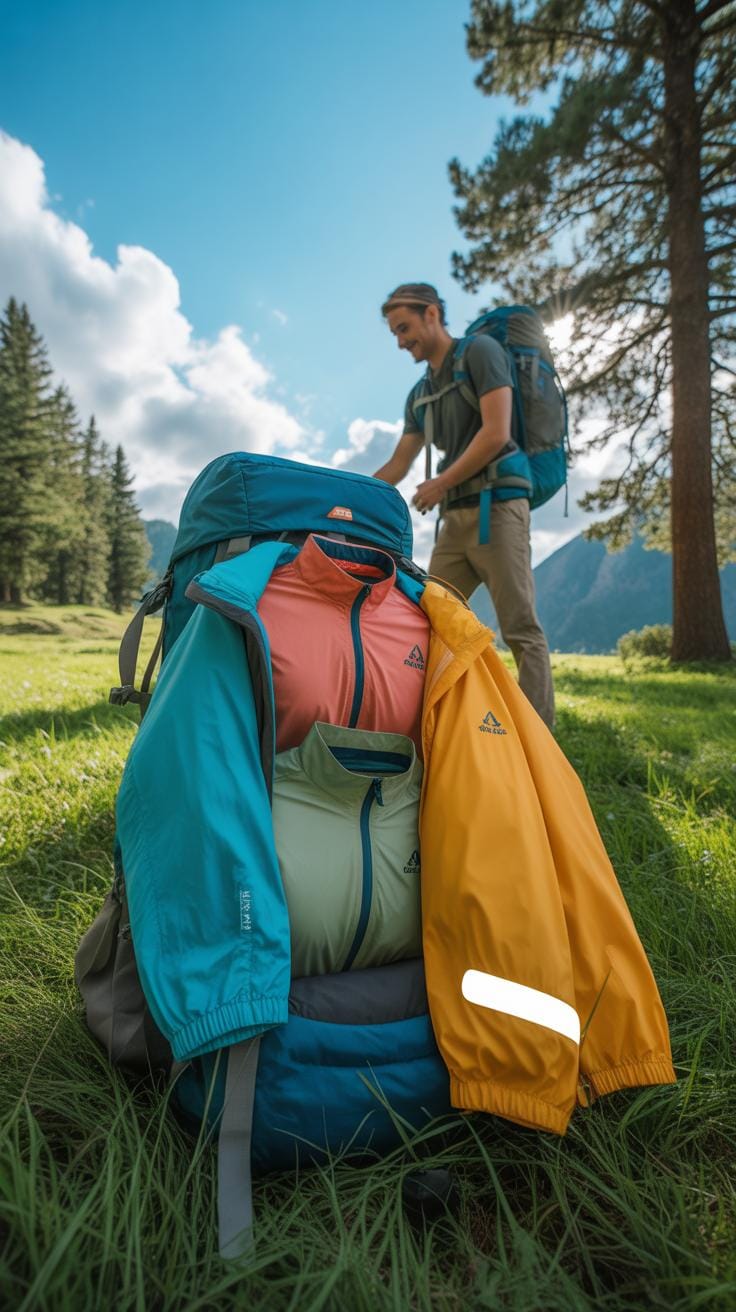
Even on hot summer days, weather can surprise you. In hiking, layering isn’t just a cold-weather thing. It helps you adjust to sudden temperature swings, from shady forest patches to breezy ridgelines. I find that having lightweight layers makes a big difference, especially when they don’t add much bulk to your pack or weigh you down.
Think of layers that breathe but still shield you from wind or chill. Thin fleece pullovers or moisture-wicking long sleeves work well. Windbreakers come in ultralight, packable forms—just enough to block gusts without turning you into a sweaty mess. When you cover up with these, you get protection without feeling overdressed.
Selecting Thin Jackets And Cover Ups
Choosing the right cover-up is a bit of a balancing act. Jackets that are too heavy trap heat; too thin, and they won’t protect. I usually go for materials like nylon or polyester blends that dry quickly. Light softshell jackets, or even a simple button-up shirt with ventilation, let air flow and still defend against sun or wind.
Some hikers swear by packable rain shells, which can double as windbreakers. Also consider mesh panels or underarm zippers in jackets—that way you can cool down without losing the layer entirely. Layers shouldn’t make you feel constrained or overheated.
When To Add Or Remove Layers
This part can be tricky. You’ll probably want to add layers early in the morning or whenever you pause for a break. When moving uphill or at a steady pace, shedding a layer might be necessary to avoid sweating too much. Pay attention to your body’s signals—don’t wait until you’re chilled or overheating for too long.
Sun exposure can make you hotter than the air temperature suggests. A thin long sleeve can protect your skin and still keep you cooler than direct sunlight. When you hit a shady or windy stretch, layering back up will keep you comfortable. Sometimes, it’s just about trial and error and adjusting as you go.
Effective Hydration Gear For Summer
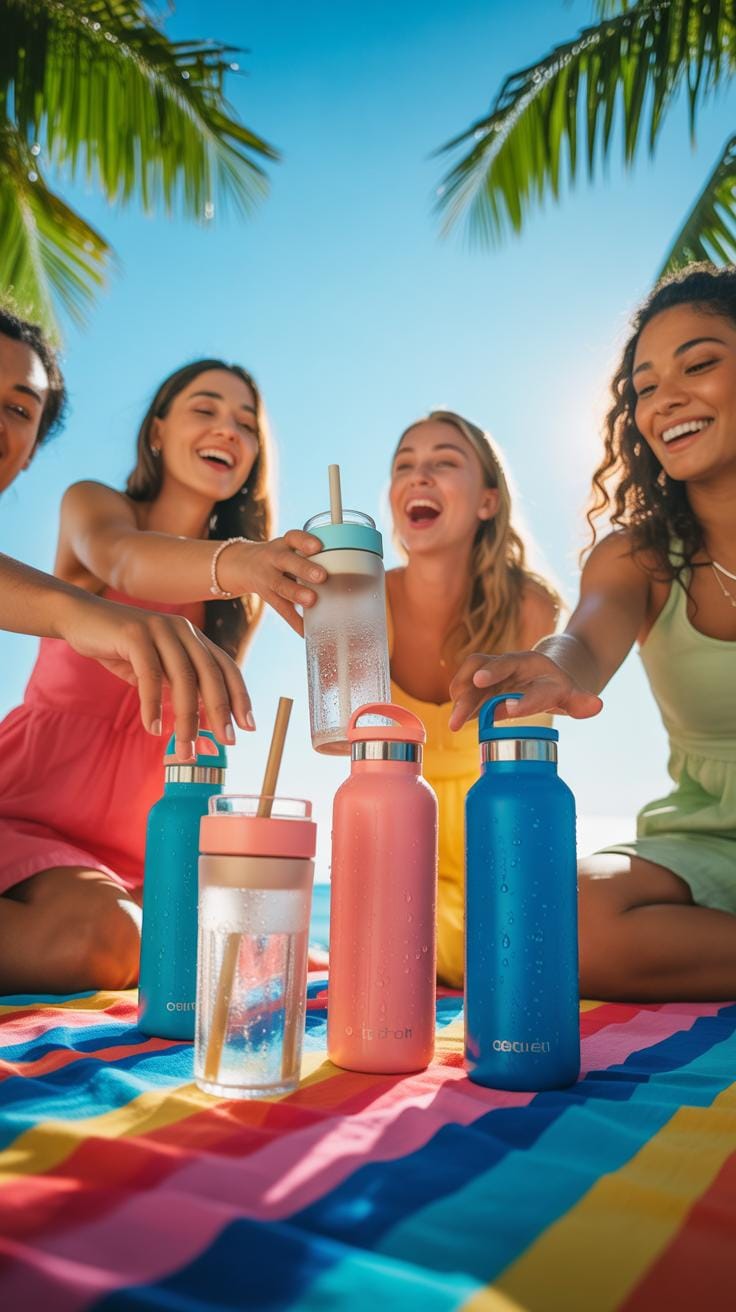
Choosing the right hydration gear can make a big difference on hot summer hikes. Water bottles and hydration packs are popular options, each with distinct advantages. Water bottles are simple, often easy to access, and can be refilled on the go. On the other hand, hydration packs offer hands-free drinking through a tube, which is convenient but can feel bulky or heavy for shorter hikes.
Hydration packs usually hold more water — up to 3 liters — which is great for longer trips in hot weather when frequent drinking is essential. However, some hikers find that water bottles, especially insulated ones, keep their drinks cooler, which can be refreshing during a strenuous climb. There’s no one-size-fits-all here; your choice might depend on the trail length, temperature, and personal preference.
Staying hydrated isn’t just about carrying water; it’s about when and how you drink. Try sipping small amounts regularly, even before feeling thirsty. Some hikers set timers or reminders. Also, drinking electrolyte-enhanced fluids can help replace salts lost through sweat, though plain water is usually sufficient for moderate activity.
In my experience, carrying both a small water bottle and a hydration pack on particularly sunny hikes covers most situations — you can sip hands-free but also have easy access to a cold drink when you take a break. But you might want to test what works best for your rhythm.
MustHave Accessories For Summer Hiking
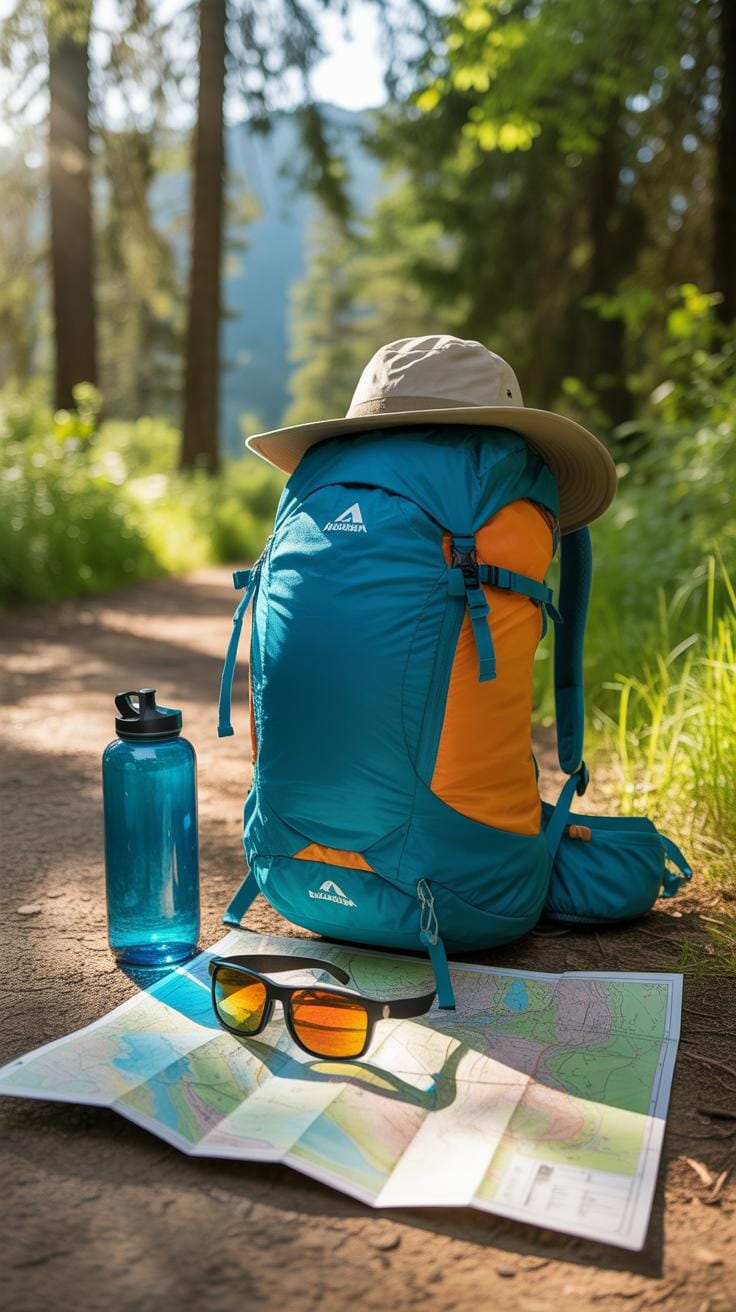
You probably already know that a good summer hiking outfit is essential, but let’s not overlook the accessories. These little things often make or break your comfort and safety on a hot day out on the trail. Think of hiking poles, insect repellent, and a lightweight backpack as your trio of unsung heroes.
Benefits Of Hiking Poles In Warm Weather
Hiking poles aren’t just for rugged mountain treks; they’re surprisingly helpful when the sun beats down on you. They can reduce fatigue by taking some weight off your legs and help maintain balance on uneven trails, which is often a challenge as sweat makes surfaces slippery. I’ve noticed on my warmer hikes, using poles helped me avoid a couple of slips and saved energy, which I probably would have wasted compensating for wobbles.
Packing Insect Repellent And Light Backpacks
Insect repellent might seem obvious, but you’d be surprised how often people underestimate bugs in summer. Mosquitoes and ticks can be relentless, and beyond mere annoyance, they bring health risks. Keeping repellent handy is a small step that pays off big. And about backpacks—choosing a light one means less sweat trapped against your back. Bulky bags can make you feel hotter and more exhausted, but a lighter pack ventilates better, making heat management a bit easier. Personally, I always pick a minimal pack for warm hikes to stay as cool as possible.
Dressing For Comfort And Movement

When choosing summer hiking clothes, comfort and freedom of movement should be top priorities. You want fabrics and fits that won’t hold you back or irritate your skin after a few miles. Loose fitting clothes often get recommended because they allow air to circulate, reducing sweat buildup. But that isn’t the full picture.
Loose clothes can be comfortable, but sometimes they catch on branches or feel bulky. On the other hand, tighter clothes might seem restrictive at first. Yet, if made with stretchy materials, they can actually fit like a second skin, moving with your body as you climb or stretch. That means less adjusting on the trail.
Stretch fabrics are useful because they increase mobility without sacrificing breathability. For instance, nylon blends with spandex let your limbs bend naturally but still let air flow to keep you cool. That balance between flexibility and ventilation is tricky but worth aiming for. I’ve found shirts or pants with just a bit of stretch make steep uphill hikes easier—the fabric won’t chafe or pull uncomfortably.
In the end, picking hiking clothes isn’t just about what feels good at rest. It’s about what supports you in motion, and how your outfit manages heat and sweat. Sometimes, that means mixing loose layers with stretchy pieces to get the best of both.
Planning Your Outfit Based On Trail Type
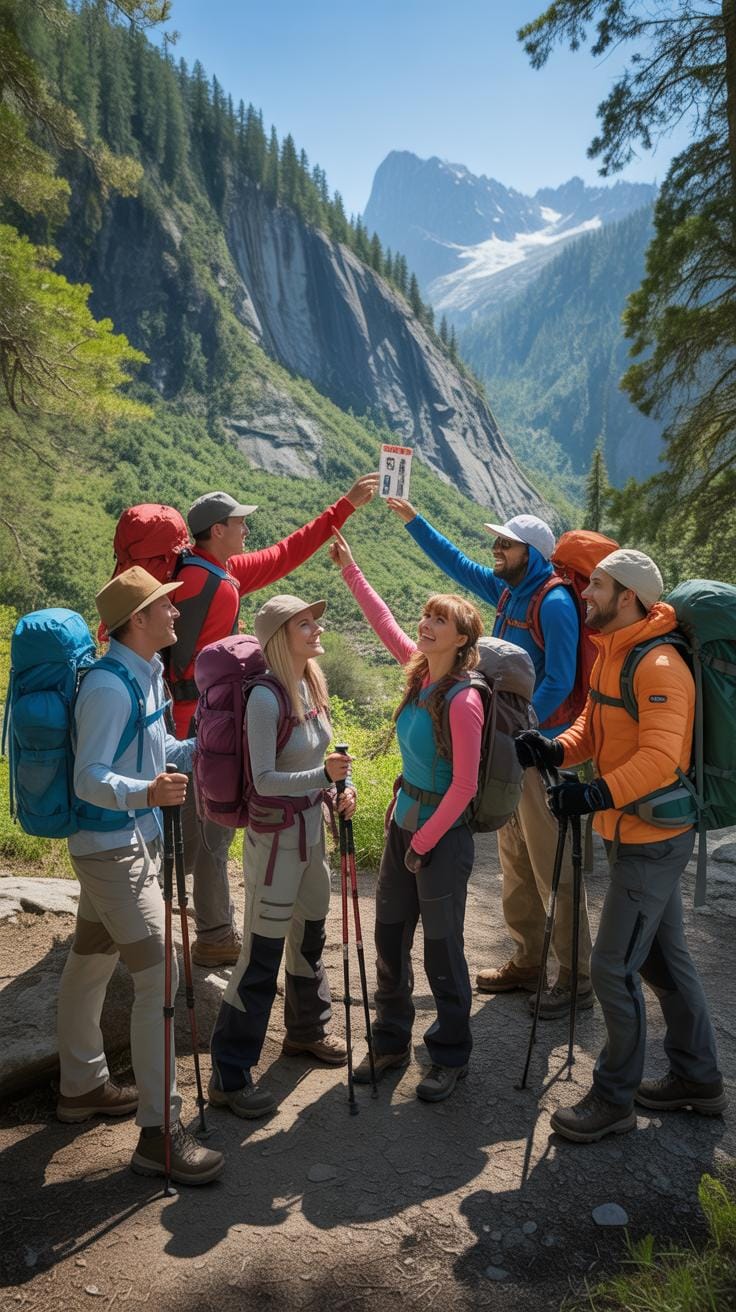
Choosing what to wear for a summer hike isn’t just about the heat; the trail conditions and terrain make a big difference. When you’re dealing with rocky paths, your shoes need to be tough, offering good grip and ankle support because those uneven surfaces can really challenge your footing. Breathable and lightweight shoes that still protect your feet well are the goal here.
If your hike is mostly through a shaded forest trail, you might think lighter shoes are fine. But bees, ticks, and thorny plants can surprise you, so consider long breathable pants and shoes that protect against little scratches or bites. Also, forests might be damper, so moisture-wicking fabric helps prevent chafing and discomfort.
Outfits For Rocky Versus Forest Trails
Rocky terrain demands sturdier gear. Thick, durable hiking boots are often the go-to, paired with quick-drying socks to avoid blisters from sweat. It’s smart to wear clothes that cover shoulders and knees, not just for sun protection but to guard against scrapes if you slip. You might feel hotter in all that gear, but the protection is worth it.
On forest trails, shade brings a cooler environment but also humidity. You can get away with lighter footwear, maybe trail runners, and lighter clothing that breathes well. Long sleeves and pants made from thin, insect-repellent fabric work well here to protect from bugs without overheating.
Adapting To Water Crossings And Mud
Water crossings or muddy patches require a rethink. Waterproof footwear, like water shoes or boots, is almost a must. Dry shoes soaked mid-hike aren’t fun. Also, quick-dry clothing helps you avoid staying wet and uncomfortable for long.
Some hikers like gaiters to keep mud out of their shoes, and carrying an extra pair of socks often proves worthwhile. On the flip side, bulky waterproof gear can trap heat, so the choice weighs between protection and staying cool. Do you want to brave soggy socks, or should you invest in waterproof options? It’s a little personal, and it depends on how often you expect mud or streams.
Checklist For Packing Summer Hiking Outfits
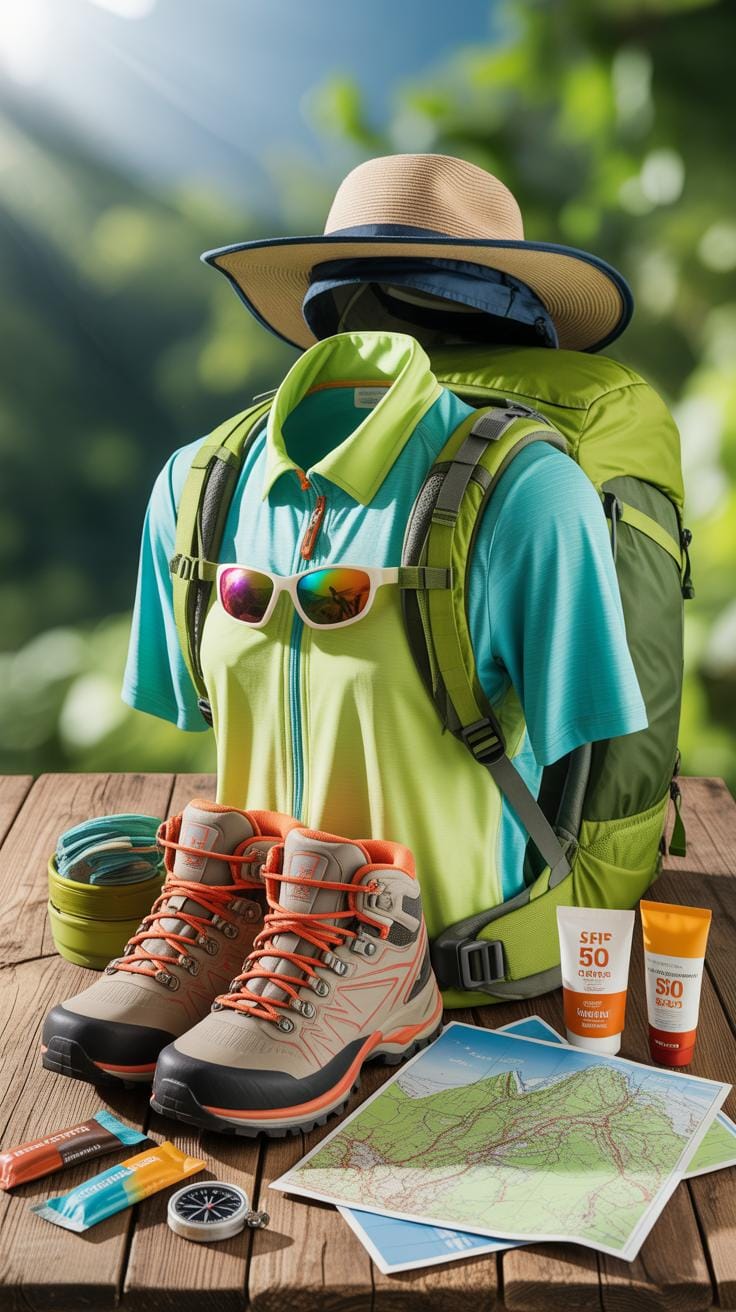
When preparing your summer hiking outfit, thinking through each clothing and accessory item can save hassle and discomfort on the trail. It’s not just about what looks good but what keeps you safe, dry, and comfortable.
Essential Clothing Items To Include
Start with lightweight, moisture-wicking tops. Long sleeves can seem counterintuitive on a hot day, yet they protect against sunburn and insect bites. A breathable tank or T-shirt works too, but always pair it with sunscreen. For bottoms, quick-dry shorts or convertible pants offer versatility—you might want the option to cover legs during shady or bug-prone sections. A wide-brim hat goes beyond fashion; it shields your face and neck from the sun’s harsh rays. Don’t overlook a thin, packable jacket for unexpected chills or wind, even in summer.
Organizing Footwear And Accessories
Your choice of footwear matters quite a bit. Trail runners and hiking sandals both have their moments. Picking shoes that dry quickly and let your feet breathe ease long days. Pack extra socks, preferably moisture-wicking to prevent blisters. Accessories, like sunglasses and a bandana, should be easy to grab. Store them in outside pockets or a small pouch. It’s tempting to bring every gadget or comfort item, but keep it light and accessible. The right setup can reduce stops and keep you moving well.
Common Summer Hiking Outfit Mistakes
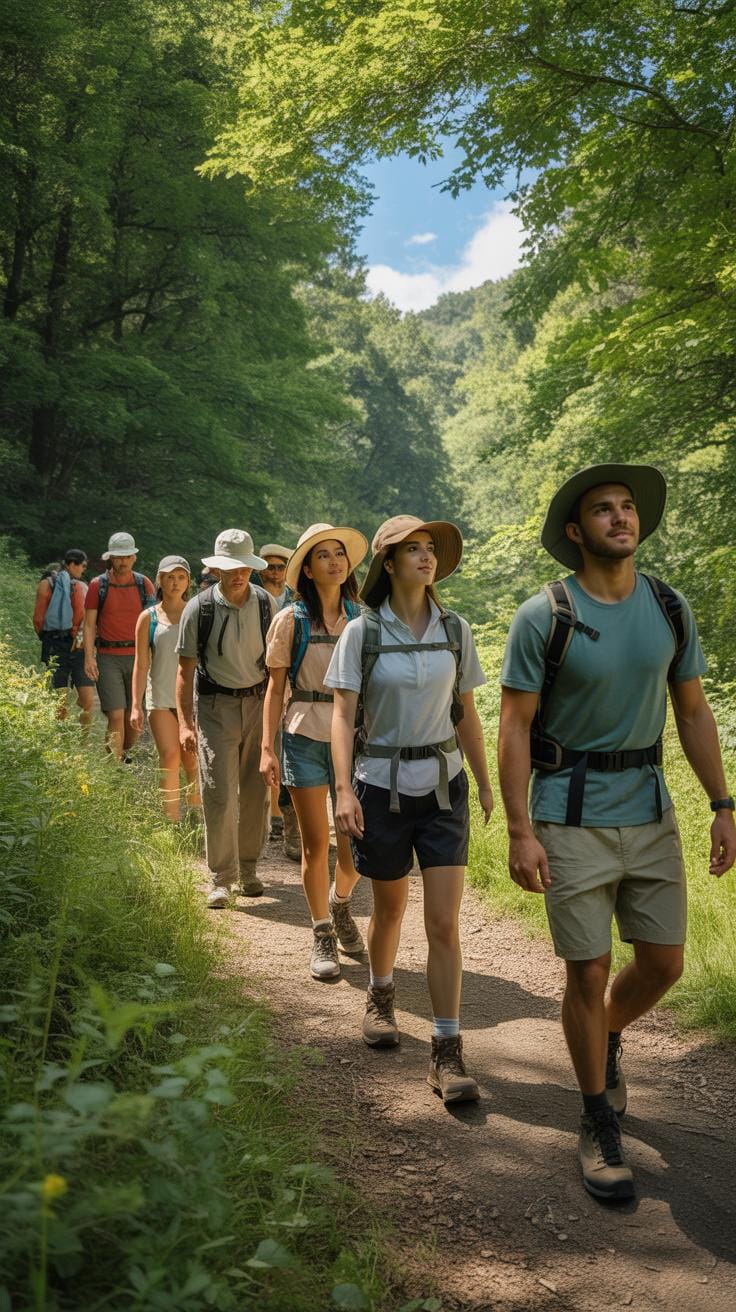
Wearing Cotton In Hot Weather
Cotton seems like a good choice for summer hiking because it’s soft and breathable. But, actually, it traps moisture rather than wicking it away. When you sweat, cotton soaks it up and holds onto it. You end up with damp clothes sticking to your skin. That wet feeling doesn’t go away quickly. It can cause chafing, increase the risk of blisters, and make you feel colder if a breeze picks up suddenly. So, cotton is really not ideal for hot hikes.
Instead, look for moisture-wicking fabrics like synthetic blends or lightweight merino wool. These materials pull sweat off the skin and help it evaporate faster, keeping you more comfortable. You might hesitate at first with synthetics, thinking they won’t breathe well, but some are surprisingly airy and much better than cotton for managing sweat.
Overpacking Heavy Or Bulky Clothes
It’s tempting to bring lots of clothes “just in case.” But lugging extra heavy or bulky layers can slow you down and tire you out quicker. Bulky items eat up backpack space, making it hard to access essentials easily.
Try to pack smart, not more. Focus on versatile pieces that can be layered and are lightweight. For example:
- A breathable shirt you can wear alone or under a light jacket.
- Shorts and lightweight pants that can adapt to temperature changes.
- A compact windbreaker instead of a heavy coat.
Forecasts aren’t perfect, so don’t obsess over every “what if.” Most summer hikes don’t require bulky gear if you choose your outfit wisely and let function guide your decisions.
Conclusions
Choosing the right summer hiking outfit can make a big difference in your comfort and safety on the trail. Lightweight, breathable, and sun-protective clothing combined with the right shoes will keep you ready for your hike.
Remember to consider the weather, trail conditions, and your personal needs when picking your hiking gear. Packing smartly and wearing suitable clothes help you enjoy your summer hikes fully and avoid common issues like overheating or blisters.