
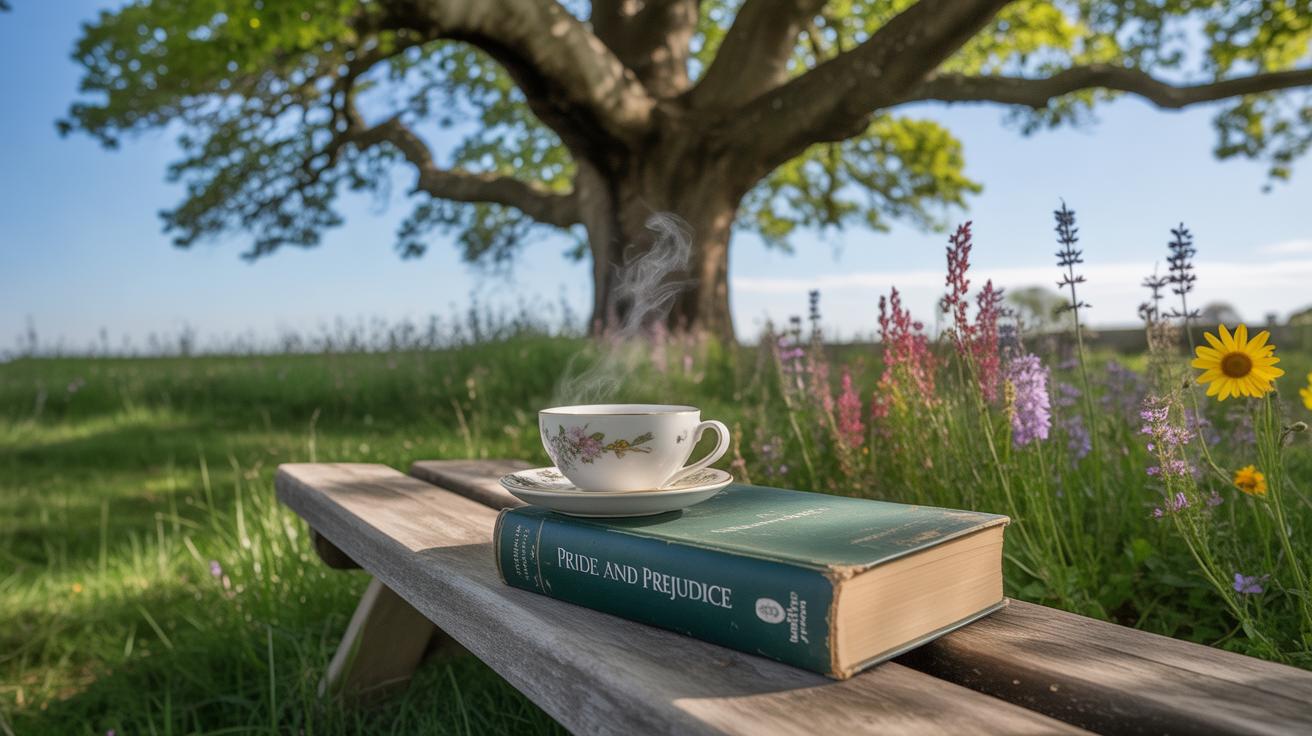
Why Garden Views Create a Calmer Stay
Garden view accommodation offers daily calm spaces to relax. Having a view of greenery can create a peaceful environment that helps you unwind. These spaces support better mental health and relaxation by connecting you to nature. People who live with garden views often feel less stressed and more refreshed after a busy day.
In this article, we explore why garden view accommodations provide calm spaces. We look at the benefits of such views, how they contribute to relaxation, and ways to enhance your living space. You will learn practical tips and insights to make the most of your garden view residence. Let’s discover how these peaceful settings enhance your daily life.
How Garden Views Improve Mood


Having a garden view from your accommodation can do more than just please the eye. It actually impacts your mood in ways you might not expect. When you look out at greenery, your brain reacts by lowering stress levels. Studies have found that even brief exposure to natural scenes can reduce cortisol, the body’s main stress hormone. A 2015 study from the University of Exeter showed that people with views of gardens or nature had lower heart rates and reported feeling calmer after a stressful task.

This isn’t just about feeling relaxed for a moment. The presence of plants and natural scenes engages your brain differently than urban clutter or blank walls. You might notice your mind wandering less, or your mood lifting almost without effort. It’s subtle but real—and probably why so many people feel drawn to rooms with garden views, though they may not fully understand why.
Mental Health Benefits
Daily exposure to garden views can ease anxiety more than you might guess. Watching leaves sway or flowers bloom can bring a small but steady sense of peace that builds over time. It’s also linked to sharper focus; nature helps restore mental energy, letting you concentrate better after a break. People with garden views often report less mental fatigue and more positive feelings overall.
Some benefits you might notice include:
- Reduced feelings of anxiety and unease.
- Better ability to concentrate during work or study.
- A calmer mind that’s less prone to racing thoughts.
These aren’t just guesses; they come from observing the way the brain interacts with natural elements. It’s almost like the view offers a momentary escape without needing to leave your home.
Scientific Findings
There are plenty of studies supporting the effects of garden views on mental health. For example, a famous 1984 study led by Roger Ulrich found that hospital patients recovering from surgery healed faster and with fewer complications if their rooms faced trees instead of a brick wall. More recent research confirms this, showing that even people living in urban areas report improved well-being when they have access to green spaces.
Experts in environmental psychology argue that the brain’s response to natural scenes helps regulate emotions and reduce cognitive overload. The visual complexity of plants and natural forms seems to engage involuntary attention, giving the brain a chance to rest without boredom. It’s a quiet but meaningful process that adds up over months and years.
If you ever wonder why you’re drawn to sit by a window overlooking a garden, it’s probably not just nostalgia. Your brain might just prefer it—and so does your mood.
Designing Calm Spaces Indoors
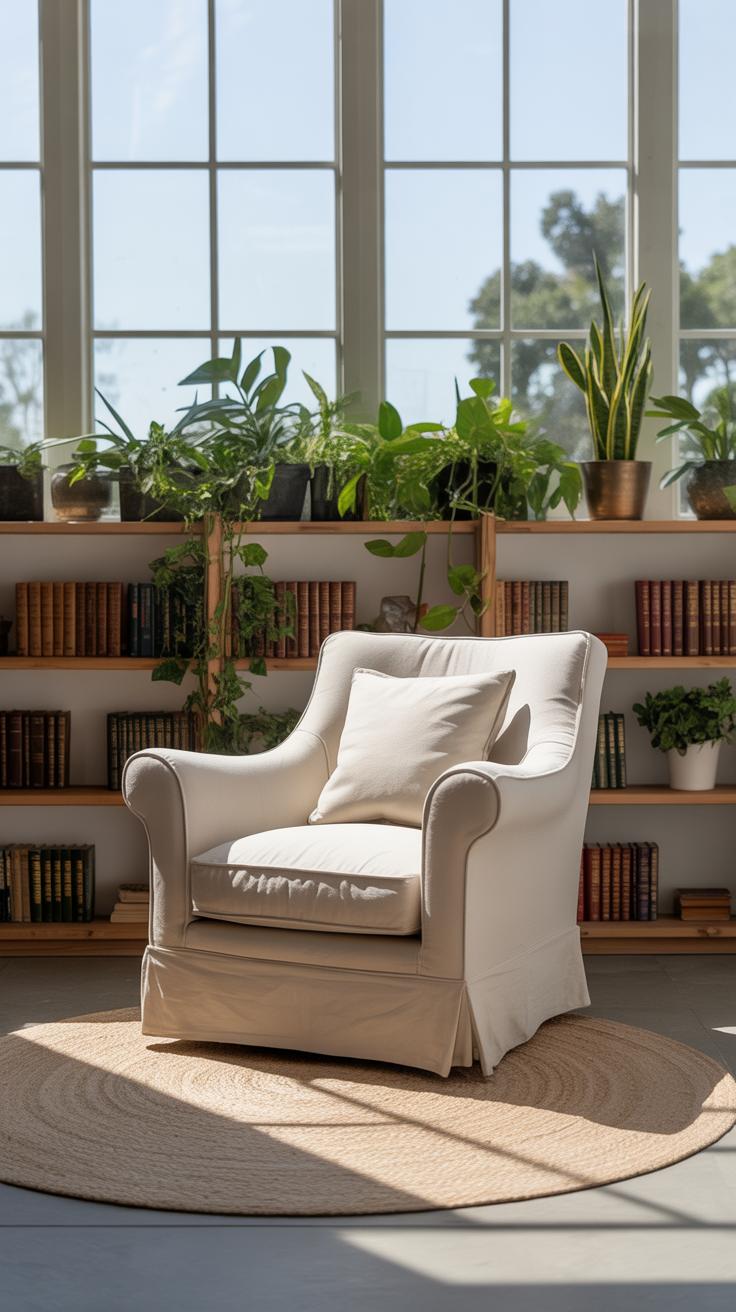
When you have a garden view, it feels almost natural to arrange your indoor space to draw that calmness inside. One simple tweak is to place your seating so it faces the garden. Imagine sitting on a couch or a chair, not crammed against a wall, but gazing out at greenery. That sightline creates an unspoken invitation to slow down and breathe. I remember rearranging my own living room once—just turning the sofa toward the window—and suddenly the whole room felt softer, more welcoming.
Try to avoid blocking the view with bulky furniture or clutter. Keeping things low and open near your windows helps. Things like a slim bench or a minimalist side table can work better than a tall bookshelf that breaks the visual flow.
Colors indoors can echo the garden’s calm vibe. Soft greens, earthy browns, muted beiges—the think of shades that don’t scream for attention but gently support the natural scene outside. Sometimes I catch myself wanting something bold, but then I remember why I love the garden view—they’re restful because they aren’t loud. Materials like wood, linen, or stone also mimic that outdoor feeling. They bring texture without distraction, tying your room back to nature without feeling forced.
It’s a balance, really. You want the indoor space to feel like an extension, not a competition, with the garden. So, think about what makes you pause when you look outside—maybe a tree’s bark or patches of grass—and try to bring just a hint of it inside. It’s subtle, but it makes a difference you notice, even if you don’t quite say out loud why.
Daily Relaxation Rituals

Morning Practices
Starting your day with a calm mindset can be surprisingly simple when you have a garden view right outside your window. Try spending five minutes just sitting quietly, focusing on the natural light and the gentle movement of leaves or flowers. It doesn’t have to be a full meditation—maybe just a moment to breathe deeply and notice the details around you. You might read a few pages of a book while sipping your morning tea, letting the garden colors settle your thoughts. Sometimes, I find that just watching the birds or the morning dew can slow down a restless mind better than any exercise.
You could also write down a few intentions for the day while looking out at the greenery—a little habit that connects your inner world to the peaceful outside. These small routines, repeated daily, help create a sense of calm even before the day gets busy.
Evening Wind Down
When evening comes, a garden-facing room offers a quiet place to untangle the day’s noise. One simple practice is to dim the lights and sit by the window with a soft blanket and a favorite book. The fading light on the plants outside creates a natural cue to slow your racing thoughts. You might prefer gentle stretches or breathing exercises while watching shadows grow between the branches—simple acts that help your body and mind relax.
Sometimes, I’ve noticed the garden encourages a kind of mindfulness that’s harder to find elsewhere. Sitting quietly, it’s easy to notice small evening changes like a cricket’s call or the coolness settling in the air. These details help ease the transition from active thinking to restful stillness. Could your garden view be the reminder you need to pause and breathe before bed?
Gardening for Extra Calm

Spending time gardening can deepen the peaceful feeling you get from a garden view accommodation. When you step outside and actively tend to plants, you’re not just looking at calm—you’re creating it. That hands-on connection, even if it’s just a few minutes a day, can make the surrounding space feel more personal and soothing.
For beginners, starting small is key. Try growing easy-to-manage herbs like basil or mint in pots by a window. They don’t need much attention but offer sensory rewards through scent and sight. Or consider planting low-maintenance flowers like marigolds or pansies. These choices give quick, satisfying results without overwhelming effort.
Simple tips might be:
- Water plants early in the morning or late afternoon to avoid heat stress.
- Use organic soil and avoid chemical fertilizers to keep it natural and gentle.
- Be patient. Plants grow at their own pace, and so does your calm.
Gardening can feel like a quiet conversation with the earth. It’s active yet calming. I find the slower pace almost forces a break in busy thoughts—though sometimes I wonder if it just shifts my attention, not really stopping stress but temporarily hiding it behind green leaves. Still, the act itself is quite grounding.
Taking care of your garden view, even just a small patch, might change how you experience your living space. Instead of passively observing, you become part of a gentle rhythm that’s both relaxing and oddly satisfying.
Benefits of Gardening
Gardening affects both mind and body in ways that encourage relaxation. Physically, it gets you moving—bending, stretching, digging—which can ease tension and stiffness, especially after sitting indoors for long periods. Plus, sunlight exposure increases vitamin D, which some studies link to better mood regulation.
Mental calm comes from repetitive, mindful tasks. As you focus on planting seeds or pruning leaves, your brain steps back from more stressful thoughts. This immersive activity can improve concentration and reduce anxiety—though it doesn’t always erase worry completely, just dampens it a bit.
There’s also a silent boost from watching something grow because it suggests care and progress. Witnessing little green shoots emerge day by day encourages hope, even if life outside the garden remains hectic.
Easy Garden Projects
If you want to try gardening without feeling overwhelmed, these projects can help you get started while enhancing your garden view:
- Window herb garden: Pots with rosemary, thyme, or parsley—great indoors or on balconies.
- Succulent arrangement: These require minimal water and thrive in small containers. Perfect if you’re forgetful about watering.
- Butterfly-friendly patch: Plant simple flowers like lavender or zinnias to attract pollinators. It adds life to the garden and something interesting to watch.
Even small gardening efforts change the mood outside your window. You may find yourself checking the progress more often than expected, which is a quiet form of mindfulness. It’s almost like the garden becomes a tiny world of calm amid your day-to-day.
Choosing the Right Garden View

Picking an accommodation with a garden view isn’t just about having green outside your window. You want to consider what’s actually growing there. Different plants create different moods. For example, tall evergreens might offer privacy but could also block light or make the space feel a bit enclosed. On the other hand, flowering shrubs or a mix of perennials might add color and interest, which can be calming in a totally different way.
Think about what kind of plants suit your idea of peace. Do you prefer something more structured, like neatly trimmed hedges, or a more natural, wild garden? Both can be relaxing, but they set very different tones.
Garden size is another factor that’s often overlooked. A large garden can feel expansive and freeing, but sometimes it feels empty or a bit overwhelming if not laid out thoughtfully. A smaller garden might foster a sense of coziness—and perhaps invite you to spend more time outside—but it needs careful planning to avoid feeling cramped.
- Plant variety: Does the garden offer seasonal changes or remain mostly the same year-round?
- Maintenance level: Will the garden view stay pleasant, or could neglect affect the view?
- Layout: Are there paths, seating areas, or just open space visible from your room?
Everyone’s idea of a calming view differs, so when you look at accommodation options, take a moment to imagine yourself living there. How does the garden look in the early morning? In the evening? Is it a view you want to come home to every day? These questions can shift your choice in ways you might not expect.
Natural Light and Air Quality
Access to Sunlight
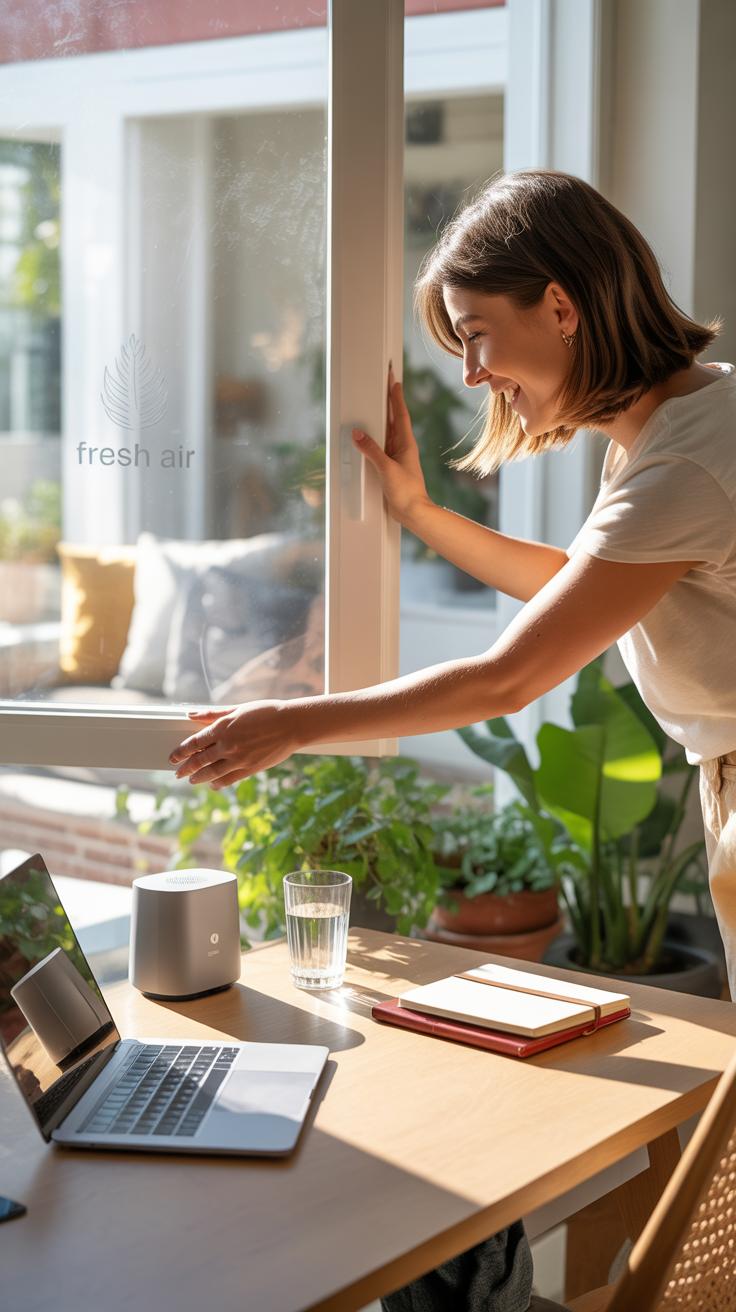
Living in a garden view accommodation means your space naturally welcomes more sunlight. This sunlight doesn’t just brighten up your rooms; it can lift your mood in quiet, subtle ways. There’s something about catching those morning rays that makes the start of the day feel a bit easier — even on days when you might be dragging a little. It’s not just about feeling warm or cozy either. Sunlight exposure inside helps regulate your body’s internal clock, which can improve sleep patterns and overall comfort.
Sometimes, the way the light shifts through the leaves outside alters the atmosphere inside, giving your home a living, breathing quality. You might realize over time how much more inviting a sunlit room feels compared to those dimmer spaces. And while it’s easy to take it for granted, I think the quiet presence of natural light plays a bigger role in calming the mind than most people expect.
Improved Air Quality
Having a garden right outside your window does more than please the eye. Plants filter the air, reducing dust, pollutants, and even certain allergens. This isn’t just a nice bonus — better air quality inside can genuinely affect your health and how relaxed you feel at home. Breathing fresher air means your body doesn’t have to work as hard to stay alert and clear-headed.
Flowers, shrubs, and trees release oxygen and absorb carbon dioxide, so that constant flow helps keep the air light and less stuffy. Sometimes, when I’ve stayed in places without greenery nearby, I notice a heaviness inside that’s hard to shake. Having the garden out there acts like a natural ventilation system, making your living space feel a little cleaner and, yes, calmer.
Isn’t it interesting how much the simple presence of plants can impact something as fundamental as the air we breathe? Perhaps that’s why spending even time just gazing through the window can have such a softening effect on the day’s stress.
Quietness and Privacy Benefits

When you look out onto a garden rather than a busy street or neighboring buildings, a kind of quiet settles around you—it’s subtle but real. Gardens often act like a natural buffer, softening the usual city or suburban noise that creeps into living spaces. The rustle of leaves, birds chirping, or even occasional distant sounds seem much gentler compared to honking cars or loud footsteps.
Here are some ways garden views can calm your daily living:
- Reduced noise pollution: Plants and trees absorb sounds, helping block out harsh noises you might otherwise hear, making it easier to focus, read, or simply unwind.
- Privacy from neighbors: A view of greenery often places a natural barrier between your home and adjacent properties. This can mean fewer prying eyes and a stronger sense of security that’s hard to get with other views.
Sometimes I wonder if having a garden view quietly encourages more restful moments. Maybe it’s because there’s just less hustle coming in, or because the space itself feels a little more contained and private. Either way, when you’re inside, you might find yourself less distracted and more present. But it can depend on how the garden is designed—open lawns might feel different from heavily planted nooks. So, is your space truly quiet, or just quieter than alternatives?
Family and Social Benefits

Space for Family Time
You might find that garden views naturally pull families together in a calm way. When everyone can look out onto greenery instead of a busy street or a plain wall, it gives a subtle invitation to pause and share moments. Imagine sitting with your kids by a window, watching birds or clouds moving slowly—those quiet scenes encourage conversations that don’t feel forced but flow gently. It’s not just about sitting; families can also do simple activities, like reading or sketching, in these spaces without distractions.
Sometimes, I think the presence of nature right outside makes it easier to slow down, even if only for a few minutes. Maybe a morning coffee in a garden-facing spot, just watching the changing light, can help reset the family’s mood before a busy day. Or in the evening, it might be the perfect setting for board games or storytelling, something that doesn’t require much noise but builds connection.
Hosting Guests
When you have guests over, a garden view offers a relaxed backdrop that usually feels inviting, even without much preparation. It’s easy to keep the focus on people rather than the environment. Friends often comment that being around plants and open green spaces feels less formal and more welcoming—there’s something about natural settings that seems to soften usual social pressures.
Think of small gatherings where everyone can drift between indoor comfort and the garden’s calmness. People might linger longer, engage more openly. Even simple things—like serving tea near a window overlooking flowers—can turn an ordinary visit into something quietly special.
Of course, these benefits don’t mean the garden view fixes every hosting challenge, but it’s a subtle boost. It creates a space that’s part private retreat, part social arena, which is not that common elsewhere.
Cost and Availability Factors

Garden view accommodations often come at a premium compared to standard units. You might find yourself paying a bit more—sometimes significantly—just for that peaceful outlook. But is the extra cost really worth it? Many find that waking up to greenery almost every day justifies the price, especially if you value calmness and an escape from the usual urban noise.
Typical costs depend on where you live. In city centers, garden views can add 10 to 20 percent to rent or purchase prices. Outside urban areas, the premium might be smaller but still noticeable. Factors influencing prices include the size of the garden, upkeep, privacy levels, and how much natural light the view brings into your space. Oddly enough, sometimes a smaller garden with unique plants or mature trees can raise prices more than a larger, less maintained yard.
Finding these listings takes a bit of effort. Start with established real estate websites but don’t hesitate to filter searches by keywords like “garden view,” “courtyard,” or “green outlook.” Local agents often know about hidden gems, so calling them helps. Rentals might be trickier; you could need to set alerts or check community boards regularly. Patience here pays off because the more peaceful, green spaces rarely sit vacant long.
Conclusions
Garden view accommodations offer more than just a pretty sight. They create a calm space where you can relax and recharge daily. Being surrounded by nature calms the mind and improves your mood. The regular connection with green spaces helps reduce stress and boosts well-being.
Choosing a garden view space supports a healthy lifestyle. You can improve your living experience by making simple changes that highlight the garden’s beauty. Embrace this tranquil setting to feel peaceful every day. Your calm garden view is a step toward a relaxed and balanced life.