
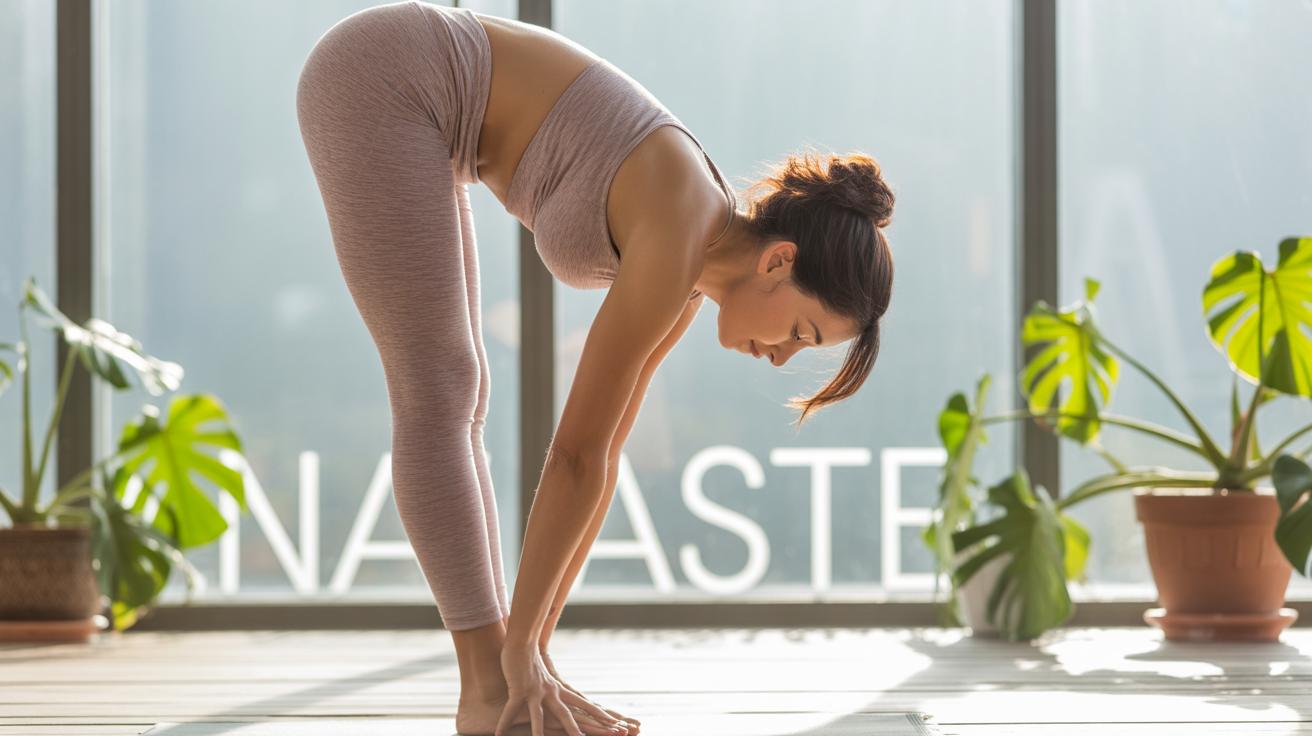
Choosing Yoga Wear That Supports Your Practice
Yoga is a practice that blends movement, breath, and mindfulness to improve your overall well-being. Wearing the right outfit for yoga plays a key role in how comfortable you feel and how well you can move during your exercises. The choices you make in your yoga outfit directly affect your performance and enjoyment.
This article explores how to pick yoga wear that ensures comfort and supports your movements. You will learn about the best fabrics, fitting styles, and practical tips that let you focus fully on your yoga without distractions. These insights can help both beginners and experienced yogis improve their practice through proper outfit choices.
Importance of Fabric

When picking your yoga outfit, fabric choice isn’t just a side note—it can actually shape how you experience your practice. Think about it: you’re moving through postures, perhaps sweating a bit, or shifting in ways that demand flexibility. The fabric has to keep up with all that without becoming a distraction or annoyance.

Moisture-wicking fabrics play a big role here. They pull sweat away from your skin and spread it across the surface to dry faster. If you’ve ever felt sticky or chilled because your top clung to you mid-session, you know why this matters. These materials help you stay dry and, in turn, more comfortable throughout your flow.
Stretchability is another piece of the puzzle. Fabrics like Lycra or spandex allow your clothes to move with you instead of restricting your range. I sometimes notice outfits that feel great sitting but suddenly feel tight in a twist or bend—those moments really highlight the importance of stretch.
Breathability is worth a mention, too. Even if your fabric pulls moisture away, it needs to let air circulate so you don’t overheat. Some fabrics do this better while holding their shape over time, which brings us to durability. You want your yoga clothes to last, meeting the demands of repeated moves and washes without losing their qualities.
Choosing the Right Fit

Snug But Not Tight
When it comes to yoga clothing, fit makes a huge difference. You want your clothes to feel close to the body without squeezing too much. Imagine wearing a top or leggings that cling just enough to move with you, but don’t pinch or cut off circulation. That feeling of restriction can be distracting, and it’s not just about comfort—tightness can limit your range of motion and even affect your balance during poses.
Think about when you bend forward or twist—you need the fabric to stretch without pulling tight across your skin. If it feels like the fabric is pulling too hard, it might be time to size up or try a different cut. The goal is to let your body move naturally, the way it wants to, without your outfit fighting back. I recall a yoga class where my top felt snug at first, but as I moved deeper into stretches, it got uncomfortable. That was a clear sign the fit wasn’t quite right.
Avoiding Loose Clothing
On the flip side, loose clothing might seem comfortable, but it can become a nuisance. Too much extra fabric can flap around or bunch up making it tricky to hold certain poses or transitions. Sometimes, it even gets caught under your hands or feet, pulling your focus away from your breath and alignment.
Loose pants can slide down, and baggy shirts might obscure your posture, especially if you’re checking form in a mirror or with a teacher. While some prefer flowy clothes, I think you should ask yourself—does that extra fabric help or hinder your practice? Often, the answer leans toward hinder, especially in more active or precise styles of yoga. It’s a balance, right? You want comfort, but not at the cost of being distracted or constantly adjusting your outfit.
Styles for Flexibility

Leggings for Stretch
Leggings are often the go-to choice for many yoga practitioners, and for good reason. They move with you, stretching and bending without getting in the way. The tight fit helps your instructor see your form, which can be useful during poses, but it also gives you a kind of confidence—like you’re wrapped in something that supports every move.
What’s interesting is that the fabric usually has a lot of stretch, so whether you’re folding forward or reaching upward, your leggings respond without restriction. Breathable materials help too, keeping you cool as sweat builds. While some find leggings a bit too snug, others swear by their comfort once you get used to them. If you haven’t tried a high-waist pair, it’s worth seeing how they hold everything in place without squeezing uncomfortably. Would you agree that flexibility often feels better when your clothes aren’t fighting your body?
Boot Cut and Flared Pants
Boot cut and flared pants offer a different take on freedom of movement. They aren’t as tight as leggings or fitted tops, but their shape allows you to shift and stretch without feeling restricted. These pants tend to sit nicely over the hips and flare out from the knees, which can feel less confining if you prefer looser clothing.
The style often brings a casual vibe to your practice—comfort and ease rolled into one outfit. You might notice, though, that while they look stylish and feel comfy, they don’t always hold up as neatly during complex poses that involve serious stretching or balancing. Still, many find they work well for gentle flows or meditation sessions. Could it be that sometimes comfort beats precision? It might depend on your yoga style, but boot cut pants definitely deserve a spot in your wardrobe if you like a little extra swing with your moves.
Seasonal Outfit Choices

Choosing the right yoga outfit for each season can make a surprising difference in your practice. When the temperature shifts, your body’s needs change too, and so should your clothes. You want to stay comfortable but also be able to move freely, without feeling restricted or overheated. It’s a delicate balance, really—sometimes the perfect outfit depends on the day’s humidity or how intense your session will be.
Summer Wear Tips
For warmer days, lightweight and breathable fabrics are your best bets. Think of materials that let air flow easily and wick away sweat—not just cotton, which sometimes holds moisture longer than you’d like. Synthetic blends that dry fast can help you stay cool throughout your practice. I’ve found that bamboo or modal fabrics sometimes feel softer and less sticky in heat, but it might depend on your skin’s sensitivity.
When picking summer yoga wear, consider:
- Sleeveless or short-sleeved tops that don’t cling too tightly, allowing your skin to breathe
- Shorts or cropped leggings made from moisture-wicking fabrics
- Colors that reflect sunlight rather than absorb it, so you stay cooler outside
- Minimal seams and simple designs to avoid irritation when you sweat
It’s tempting to go for less coverage in summer, but some may actually feel more comfortable in lightweight long sleeves, especially if you’re sensitive to sun or prefer a bit of extra protection. You might want to experiment a bit to find what really suits your practice.
Winter Wear Layering
Cold weather demands layers, but layering for yoga isn’t as straightforward as piling on sweaters. You need to keep muscles warm without bulk getting in your way. Start with a snug base layer that stretches easily, such as synthetic blends or merino wool, which trap heat without overheating. Then add a light fleece or thicker top that you can peel off as your body warms during practice.
Some layering ideas to try include:
- A long-sleeve fitted top underneath a looser tank or pullover
- Leggings with thermal linings combined with cozy socks or leg warmers
- Lightweight jackets or wraps for transitioning between space and practice
Sometimes, a simple neck gaiter or headband can help retain warmth without restricting movement. But be careful not to overdo the layers—too many can feel stifling and prevent you from focusing. It’s almost like tuning a delicate instrument—you want warmth, but freedom to flow.
Care for Your Yoga Clothes
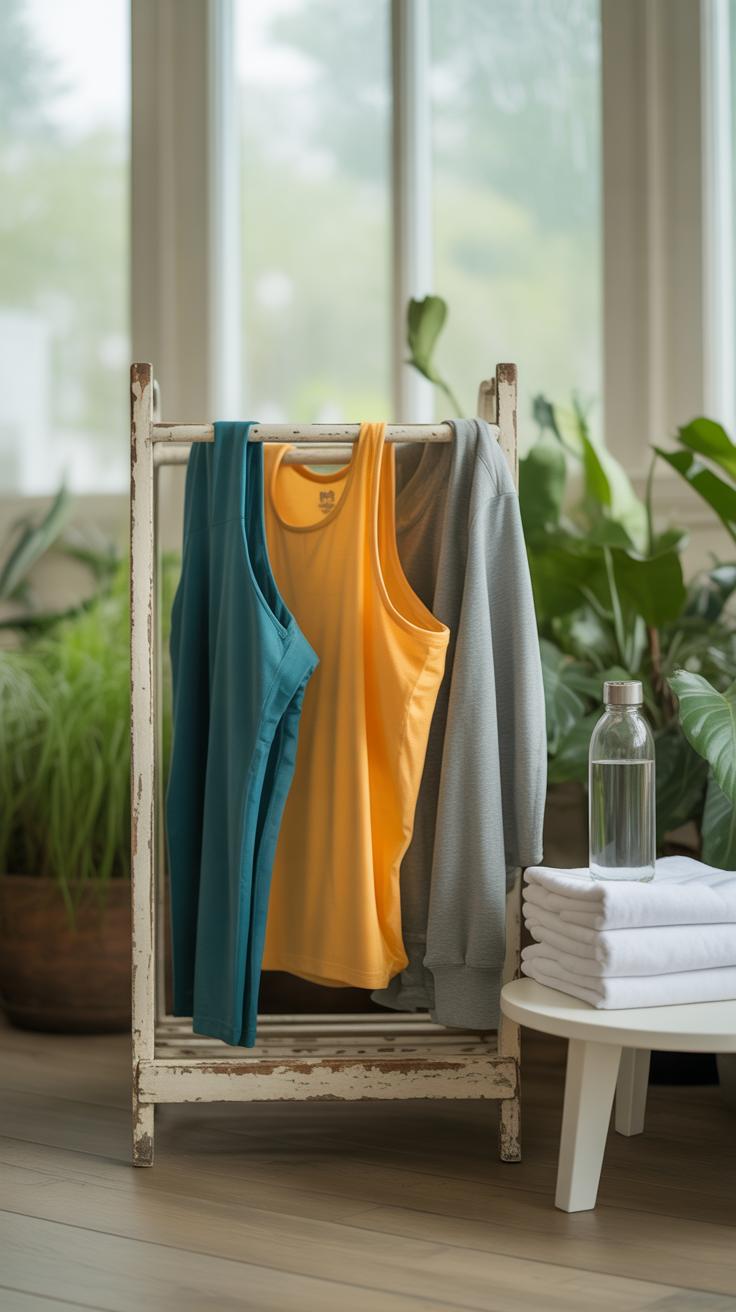
Yoga clothes go through a lot—stretching, sweating, moving—and they need some special care to keep up with your practice. Washing and drying them right can make a surprising difference. For instance, you might think tossing your leggings in with everything else is fine, but that quick rinse in cold water actually helps preserve their shape and color.
Try to avoid using fabric softeners. Yes, they make regular clothes softer, but with yoga gear, they can clog the moisture-wicking fibers, making your clothes less effective when you sweat. Also, skip the bleach; it might seem like a quick fix for stains, but it weakens the fabric over time.
Drying is another tricky piece. High heat can ruin elasticity, so air-drying is usually best, though it takes longer. If you’re in a rush, some low-heat settings in your dryer might work, but the key is not to overdo it. I once learned this the hard way after my favorite top lost its stretch in the dryer.
When it comes to avoiding damage, think about how you treat your clothes before and after practice. Don’t leave sweaty clothes in the gym bag for hours. That damp environment breaks down fibers faster. A quick rinse or immediate wash helps keep them fresh and stretchy for longer.
Have you noticed how some leggings snag or lose compression? That could be from rough washing or friction against rough surfaces. Turning your clothes inside out when washing can reduce that risk. Also, avoid washing with heavy items like jeans or towels—they might do more harm than good.
Taking these steps isn’t always convenient, admittedly. But with minimal care, your yoga wear can last through many sessions, keeping comfort and movement intact. It’s a subtle difference that builds over time and, well, isn’t that what practice is about?
Brands and Budgeting

When it comes to yoga outfits, your budget often guides your choices. You might wonder whether it’s better to invest in well-known brands or hunt for inexpensive options. The truth is, both can work if you know what to look for.
High-Quality Brand Features
Premium yoga wear usually stands out for its fabric quality and durability. Look for materials that offer good stretch without losing shape—like blends with nylon or spandex. Seam placement matters too; flat seams reduce irritation during poses. Breathability and moisture-wicking are common in higher-end pieces, which is a real plus if you sweat a lot. Sometimes paying more means getting clothes that last through frequent washes and intense sessions without sagging or fading.
That said, buying name brands isn’t always necessary, especially if your yoga routine is light or occasional. But if finding an outfit that moves perfectly with you and lasts a long time sounds appealing, it might be worth saving for certain key items.
Affordable Options for Beginners
If you’re just starting yoga, there’s no need to splurge. Plenty of affordable options come from lesser-known brands or even some generic lines that tick the essential boxes: comfort, stretch, and moisture control. You may find surprisingly decent leggings and tops in discount stores or online sales. Just test the fabric’s elasticity and how it feels on your skin. Sometimes inexpensive gear might not hold up as long but can be great as a trial before you commit to more expensive pieces.
One trick is to focus on comfort first and appearance second. Also, buying basics like solid color leggings and neutral tops lets you mix and match easily without breaking the bank. That way, you can gradually build your collection as you get more into yoga, without feeling overwhelmed or guilty about spending.
Yoga Outfits Beyond the Mat
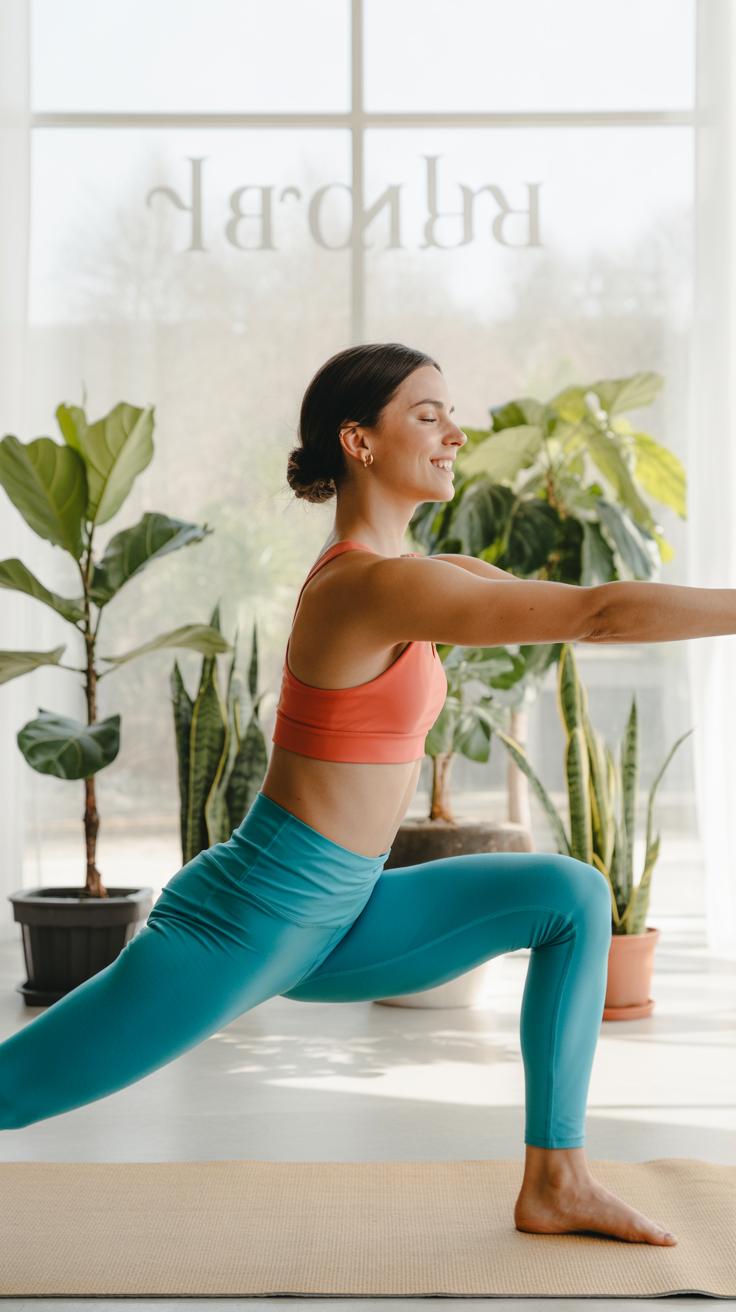
When you think about yoga clothes, you might picture studio settings, mats, or peaceful corners in a class. Yet, these outfits have quietly crossed over into everyday life. The athleisure trend brought yoga wear from just workout gear to everyday staples. Suddenly, what was once only for poses and stretches feels perfectly at home on city streets, at cafés, or even casual work environments.
Yoga clothes strike an interesting balance between comfort and style that few other clothes manage. Think soft, stretchy fabrics that move with you but also come in colors and cuts that don’t scream “gym wear.” This mix means you could wear those leggings or flowy tops for errands, low-key meetings, or catching up with friends without feeling out of place or uncomfortable. I’ve noticed, more than once, how some days I reach for yoga gear just because it feels easier—like the outfit isn’t fighting me all day.
But is it just about comfort? Not really. The lines between “activewear” and “casual wear” are blurred now. You might pair yoga pants with a crisp blazer or wear an oversized hoodie over your top to change up the vibe. The layering options add versatility. Some workplaces with flexible dress codes even welcome this look, especially if you keep it neat and pair it with the right shoes.
Here’s where it gets interesting:
- Yoga outfits are practical enough for movement yet polished enough for social or relaxed professional settings.
- You can adjust your look by switching accessories or outerwear, making these pieces useful beyond stretches and poses.
- The breathability and lightweight fabrics help you stay comfortable from morning yoga to afternoon coffee runs.
Does this mean yoga clothes always work outside the studio? Maybe not in very formal places, but they fit surprisingly well in many spots you might not expect. So, could your yoga gear become part of your daily uniform? It seems possible—and maybe worth trying.
Personalizing Your Yoga Wear
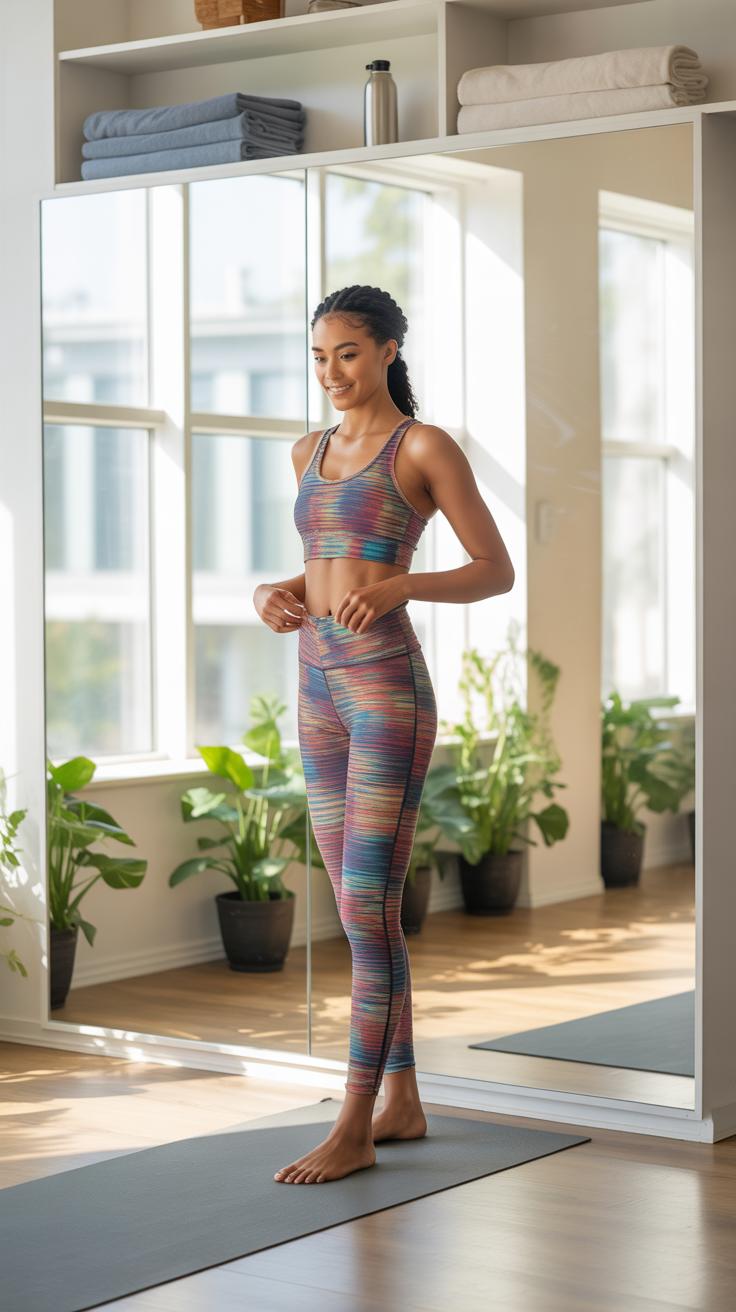
Your yoga outfit can say a lot about you, if you let it. Choosing colors and patterns isn’t just about looks—it can actually influence how you feel during your practice. Maybe you gravitate toward calming blues or lively oranges. That preference could lift your mood without you even realizing it. Or perhaps, a bold pattern makes you feel more confident when holding a tricky pose, while plain tones help you stay focused. It’s interesting how something as simple as color can affect your energy and mindset.
Don’t think yoga clothes have to be plain or all the same. Mixing in your personal style, even subtly, can make your practice feel more yours—more connected to who you are right now.
When it comes to accessories, there are a few that do more than look nice. Headbands, for example, keep hair out of your face but also add a bit of flair. Wristbands might catch sweat, sure, but they also bring texture or color that breaks the monotony of an outfit. Small additions like these can be practical and personal at the same time.
So, consider what pieces bring you comfort and joy, and maybe even help your focus. Do you have a favorite yoga top that instantly relaxes you? Or a pair of pants with just the right stretch? Personalizing your yoga wear means balancing what feels good with what feels right for you—and that’s different for everyone.
Conclusions
Choosing the right yoga outfit is more than just picking something that looks good. It is about finding wear that allows your body to breathe, stretch, and move freely. Fabrics that wick away moisture and fit snugly without being tight create a better yoga experience. Your comfort on the mat can improve your focus and deepen your practice.
Think about your yoga goals and personal style when shopping for your outfit. Look for quality materials and cuts designed specifically for yoga. By making informed choices, you will feel more confident and ready to enjoy every session. Your perfect yoga outfit supports both your body and your practice.