

Why Time in Nature Lifts Your Mood and Health
Spending time in nature is more than just a relaxing break; it can improve your mood and health. Being outdoors lowers stress, enhances your mental state, and even benefits your physical well-being. This article explores how reconnecting with nature can have a positive impact on your life.
You will learn about the different ways nature helps your mind and body. From reducing depression and anxiety to boosting heart health, nature provides many benefits. Understanding these can inspire you to spend more time outside and improve your overall wellbeing.
Physical Health Benefits


Spending time outdoors isn’t just good for your mind—it also supports your body in ways you might not always notice right away. For example, being in natural settings often encourages gentle physical activity like walking or gardening, which can improve overall fitness without feeling like a workout.

One of the clearer effects relates to cardiovascular health. Some studies suggest that people who regularly spend time in green spaces tend to have lower blood pressure. This might be because of a mix of light exercise and calming surroundings working together. It’s not a quick fix, though; benefits grow over time and require some consistency.
Beyond heart health, nature exposure can also help reduce inflammation in the body, which is linked to a range of chronic diseases. Just sitting in a park or forest, even briefly, seems to have a subtle impact on immune system functioning. That’s fascinating to me—nature, in a sense, giving your body a small boost without you having to do much at all.
You might wonder if these effects depend on where you live or your overall health. They probably do, to some degree. But even short, regular visits to local parks or green areas can provide some improvement. Small steps count, and they build on each other over weeks and months.
Physical Health Benefits
Spending time in nature does more than just soothe the mind—it can improve your body too. When you’re outdoors, your heart rate often slows down, blood pressure drops, and your overall cardiovascular system gets a gentle boost. I’ve noticed that even a simple walk in a quiet park feels easier and somehow healthier than treadmill walking indoors. Maybe it’s the fresh air or the change in scenery.
Heart health seems to benefit especially from regular exposure to natural settings. Activities like walking through leafy trails or practicing forest bathing—a slow, immersive way of experiencing nature—can lower stress hormones that strain the heart. It’s interesting how subtle this effect can be, yet consistent time outside contributes to a healthier heartbeat.
Nature also encourages movement without much planning. When you’re immersed in a park or near water, you might find yourself walking more, stretching, or even climbing a bit—all without thinking twice. This kind of gentle physical activity adds up. It’s not about intense workouts but rather staying active in ways that feel natural and less like a chore.
Nature and Mental Disorders

You might notice how some days outside just feel lighter—like the air itself cuts through the heaviness. There’s growing evidence that spending time in nature can ease symptoms of depression, anxiety, and PTSD. For example, people diagnosed with depression who took regular walks in green spaces often report feeling less trapped by dark thoughts. It’s not magic, but the combination of fresh air, rhythmic movement, and changing scenery seems to encourage mental recovery.
Consider nature therapy techniques: guided forest bathing sessions, where you slowly immerse yourself in a natural setting, paying attention to sights, sounds, and smells, show measurable reductions in stress hormones. Similarly, gardening—although simple—offers purposeful activity alongside sensory calm, helping reduce symptoms of PTSD by gently grounding the mind.
What puzzles me is why this works so consistently but isn’t prescribed more often. Maybe because it requires patience and some willingness to disconnect from busyness. Still, if you’ve felt restless or stuck, even a brief time by a quiet stream or under a canopy of trees might help shift those feelings.
Depression Relief Outdoors
Research points toward nature’s role in lessening depression symptoms. Time outdoors can interrupt spiraling and promote mindfulness—it’s easier to focus on the natural rhythm than on negative self-talk. A study once followed patients who added walking in parks to their routines; many experienced improvements in mood and energy that persisted for weeks.
It’s not only about movement, though. The unpredictable but gentle stimulation of nature can soften mental fatigue and create a subtle sense of hope. Still, not everyone benefits equally. Some find urban green spaces insufficient, craving wilder settings or longer exposure.
Managing Anxiety in Nature
Anxiety often tightens the chest and speeds the mind—a brutal loop difficult to break. Being outdoors seems to disrupt this by lowering heart rate and encouraging deep breathing. The quiet and absence of harsh stimuli help the nervous system settle down.
Simple activities like sitting by a pond or watching clouds can gently redirect anxious thoughts. Nature’s slower pace contrasts with internal urgency, allowing moments of calm. I’ve noticed it myself; even five minutes can restore a bit of clarity.
Still, it’s not a cure-all. Sometimes anxiety lingers despite peaceful surroundings. But as part of a wider strategy, nature’s calming effect can make a serious difference.
Simple Ways To Connect

Gardening Benefits
Gardening offers a straightforward way to reconnect with nature, even if you have a tiny balcony or just a windowsill. Tending plants puts you in touch with the cycles of life—the slow, sometimes unpredictable growth, the feel of soil, the smell of fresh herbs. People often mention how calming it can be to focus on something alive, something that depends on your care, and in return, it gives back a bit of green and color.
Some studies suggest that digging in dirt may reduce stress and boost mood, partly because you’re physically active and partly because you’re outside. Also, watching sprouts turn into blooms or vegetables can give you a small but steady sense of accomplishment. That said, not every attempt in gardening is perfect. Sometimes plants die, and that’s part of learning and reconnecting—nature isn’t always neat or predictable.
Nature Walks
Walking in natural settings is another simple way to make daily contact with the outdoors, and it doesn’t have to be a long hike somewhere remote. Even a brief walk in a park or tree-lined street helps. The quiet rhythm of walking allows your mind to wander—or slow down—something many of us could use more often.
Regular walks can gradually become a habit if you link them to a simple routine: maybe a morning stroll before starting the day or an evening walk instead of screen time. When you walk, try to notice details—a bird’s call, leaves rustling, the texture of bark. This kind of gentle attention can anchor you in the moment.
Try asking yourself what changes you notice from one day to the next or how your thoughts shift during these walks. You might find that these small moments add up and become a reliable, mood-boosting practice without feeling forced.
The Science Behind Forest Bathing

Origin of Forest Bathing
Forest bathing, or Shinrin-yoku, started in Japan during the 1980s as a public health practice. The government encouraged people to spend time in forests to ease stress and improve health. It wasn’t just a quick walk but a mindful immersion in the natural environment, soaking in the atmosphere with all senses.
Its cultural roots trace back to traditional Japanese appreciation for nature. The practice connects physical presence with mental calmness, reflecting a broader Eastern understanding of balance between humans and nature. While it might sound simple, the idea of “bathing” in a forest goes deeper than casual strolls, asking you to slow down and really absorb your surroundings.
Health Effects of Forest Bathing
When you engage in forest bathing, certain changes happen to your body. Studies show it lowers cortisol levels, which means your stress goes down. Your blood pressure can drop too, and your heart rate slows. These effects together help your body move away from the fight-or-flight mode.
On the mental side, many people report feeling calmer and more focused afterward. There’s also evidence suggesting immune function improves, possibly due to exposure to natural compounds called phytoncides, which trees release. Some folks find their mood lifts almost immediately, though others notice it after several visits. It’s not an instant fix but a gentle nudge toward balance.
Have you ever thought about how much your senses pick up in a forest — the smell of the earth, the sound of leaves — and how that might change your state of mind? Forest bathing invites you to pay attention to these details, which seems oddly powerful. Maybe it’s that slowdown that allows your body and mind to reset, even just a little bit. It’s simple, yet the effects feel quietly profound.
Nature and Cognitive Function

Improving Memory
Spending time in natural settings can quietly sharpen your memory. When you’re surrounded by trees, water, or open skies, your brain seems to find a kind of calm that helps with retaining and recalling information. It’s not just anecdotal—studies suggest that natural environments reduce mental fatigue, which often gets in the way of memory performance. Maybe it’s the subtle sounds or the gentle shift in focus away from screens and city noise. Whatever the cause, even a short walk in the park can lead to better memory of recent experiences or learned tasks.
Think about times when you struggled to remember something important, then later found clarity after a stroll outdoors. That’s not coincidence. It seems nature offers a mental reset, helping your brain organize and store memories more effectively. Though, I guess it doesn’t work as a magic fix every single time—there are days when distractions sneak back in despite the greenery around you.
Boosting Creativity
Being outside can give your creativity a nudge. When you’re in nature, your mind often wanders differently than it does in a sterile office or crowded room. The varied sights, sounds, and smells prompt your brain to make new connections. It’s like giving your imagination room to stretch—something you might not realize you need until you’re actually out there.
People report having creative breakthroughs during hikes or while sitting quietly by a river. The change in environment encourages fresh perspectives and problem-solving approaches. Even just observing the randomness of natural patterns can spark ideas you’d never think of staring at a blank screen. But, on some level, creativity outside isn’t guaranteed. It sometimes depends on your mood, or how deeply you immerse yourself. So, not every walk will inspire a novel—but it often opens a door.
Nature for Childrens Growth

Physical Development
When children play outside, their bodies get stronger—no surprise there. Running, climbing, and exploring uneven ground challenge muscles and improve balance. Kids breathe fresh air, soak up some vitamin D, and usually move more than they would indoors. Those small jumps over a log or biking on dirt trails add up, helping build coordination and stamina.
But it’s not just about exercise. Time in nature often means less screen time, which can improve sleep and reduce risks of obesity. Even simple activities, like digging in the dirt or collecting leaves, promote fine motor skills. You might notice, kids seem more energetic and healthy after just a day outdoors. That’s not a coincidence.
Emotional and Social Growth
When children spend time outside, somewhere away from routine, they learn patience. Waiting quietly to spot a bird or watching ants work together develops focus and empathy. Nature also invites curiosity—questions rise naturally, and sometimes feelings, too.
Social skills get a boost as well. Playing in groups outside encourages cooperation. Children figure out rules, share tools, and solve problems together. They discover how to negotiate space and manage conflicts, often without adult intervention. These moments are messy, sometimes frustrating, but they build emotional understanding.
It’s curious that the unpredictability of natural settings allows kids to experiment with relationships in a way controlled environments don’t quite match. It’s almost like nature sets the stage for emotional growth, quietly but firmly.
Overcoming Barriers To Nature
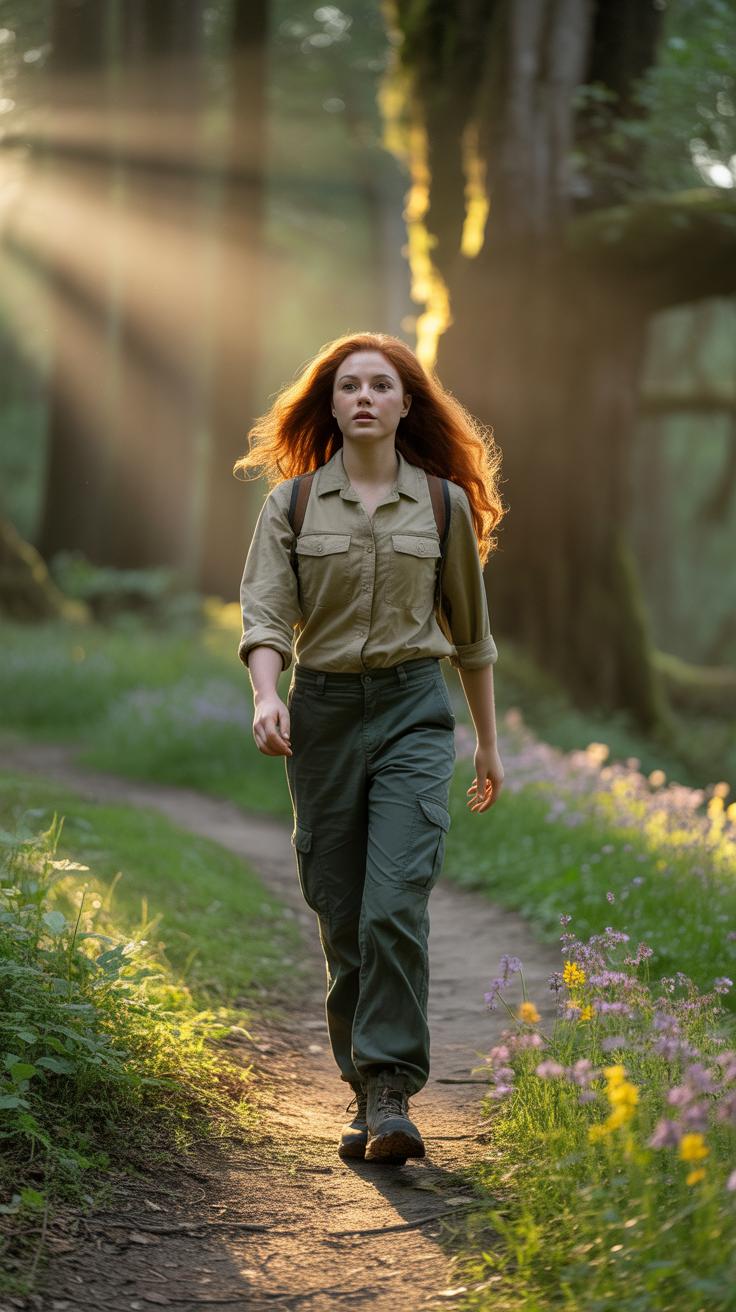
Urban Living Challenges
Living in a city often means limited access to wide-open natural spaces. Tall buildings, busy streets, and concrete everywhere can make nature feel distant—even invisible. But you don’t have to travel far to find green. Small parks, community gardens, tree-lined streets, or even quiet courtyards can offer a touch of nature, if you know where to look.
Sometimes it’s about shifting perspective. A walk through a leafy neighborhood or sitting by a small pond in a city park might feel less like an escape, but it still helps reconnect you with green surroundings. Apps or local websites can help you discover these hidden gems nearby. Maybe it’s a pocket park two blocks away or a rooftop garden you didn’t know existed.
Time Constraints
Finding time for nature can feel impossible when days are packed. But nature doesn’t have to mean long hikes or day trips. Even short breaks can count—a few minutes outside during a work lunch, stepping out to a balcony with plants, or watching the sky from your window with fresh air.
Consider these simple ways to fit nature in:
– Take your phone calls while walking in a park.
– Shift part of your workout outdoors, even if brief.
– Turn errands into opportunities—walk or bike through green areas instead of driving.
It’s about small moments. Maybe ten minutes in the morning or evening could feel different if spent among some trees or plants. Isn’t a bit of fresh air worth the effort when it might brighten your mood?
Sounds and Smells of Nature

There’s something about the natural sounds around us that feels different, doesn’t it? Maybe it’s the gentle rustle of leaves or the distant call of a bird that makes your mind slow down a bit. These sounds often come without demand—they don’t require your attention, yet they somehow ease your tension. When you hear birdsong or the trickle of running water, your body might respond with lower heart rate or a softer breath. It’s like these sounds tap directly into a part of you that craves calm, even if you didn’t realize it before.
Think about moments where a stream’s murmur or wind whistling between branches shifted your mood. It’s not just poetic; research suggests these sounds can reduce stress hormones and improve focus. And it’s not only about listening. The smells tucked into forest air or near blooming plants carry their own quiet power. Pine, damp earth, fresh grass—they aren’t just smells, but subtle mood lifters that nudge your wellbeing higher.
Here’s what you might notice:
- Natural sounds often encourage mindfulness without effort, helping your mind drift away from intrusive worries.
- Soft aromas from plants can trigger memories or feelings of safety, almost like a reset button for your emotional state.
- These sensory inputs invite you to slow down—something rare in daily life.
But does it always feel relaxing? Not necessarily. Sometimes, a sudden bird call might startle you, or a strong scent could overwhelm. That’s part of nature’s subtle unpredictability. Maybe it’s this imperfection that shapes how we connect and grow with it. Have you noticed how the small sounds and smells of a natural setting can gently pull you out of a bad mood, even if only for a little while?
Making Nature Part of Life

Bringing nature into your everyday life isn’t always about big outdoor adventures. Sometimes, it’s small changes that really add up over time, shaping your mood and health in quiet but meaningful ways. For example, creating a bit of green right where you live can shift the whole feel of a room.
Create Green Spaces at Home
Think about adding plants—not just any plants, but ones that suit your lifestyle and space. Snake plants or pothos are low-maintenance choices if you’re not great at remembering to water. Placing a small herb garden on your windowsill can be satisfying and practical. It might sound simple, but caring for these living things can pull you out of a mental fog, making your environment less sterile and more calming.
Don’t stop at just plants. Natural textures also matter: wooden furniture, stone decorations, or even a bowl of water with floating leaves—little touches like these remind you that nature isn’t something distant but something close and tangible.
Weekly Nature Routines
Setting a regular nature-related activity can keep that connection fresh. This might be a weekend walk in a nearby park or volunteering for a local tree planting day. The key is consistency because the benefits of nature, mood-wise and health-wise, seem to build up over time. I find that even a brief sit outdoors, maybe with a book or just people watching, resets my mind in ways indoor distractions never do.
You could try mixing it up through the week—weekday morning stretches outside before work or a slow evening stroll. Ask yourself: What little ritual involving nature could you realistically maintain? Whatever it is, the aim is to make nature part of your routine, not a rare escape, so the calm it brings doesn’t slip away too quickly.
Conclusions
Reconnecting with nature offers clear mental and physical advantages. Being in natural settings lowers stress levels, lifts mood, and supports heart health. Even small interactions, like caring for plants or walking in a park, can provide these benefits.
To improve your mood and health, try to spend regular time outdoors. Notice the positive effects on your spirit and body. By making nature a part of your routine, you can enhance your wellbeing in simple and accessible ways.