
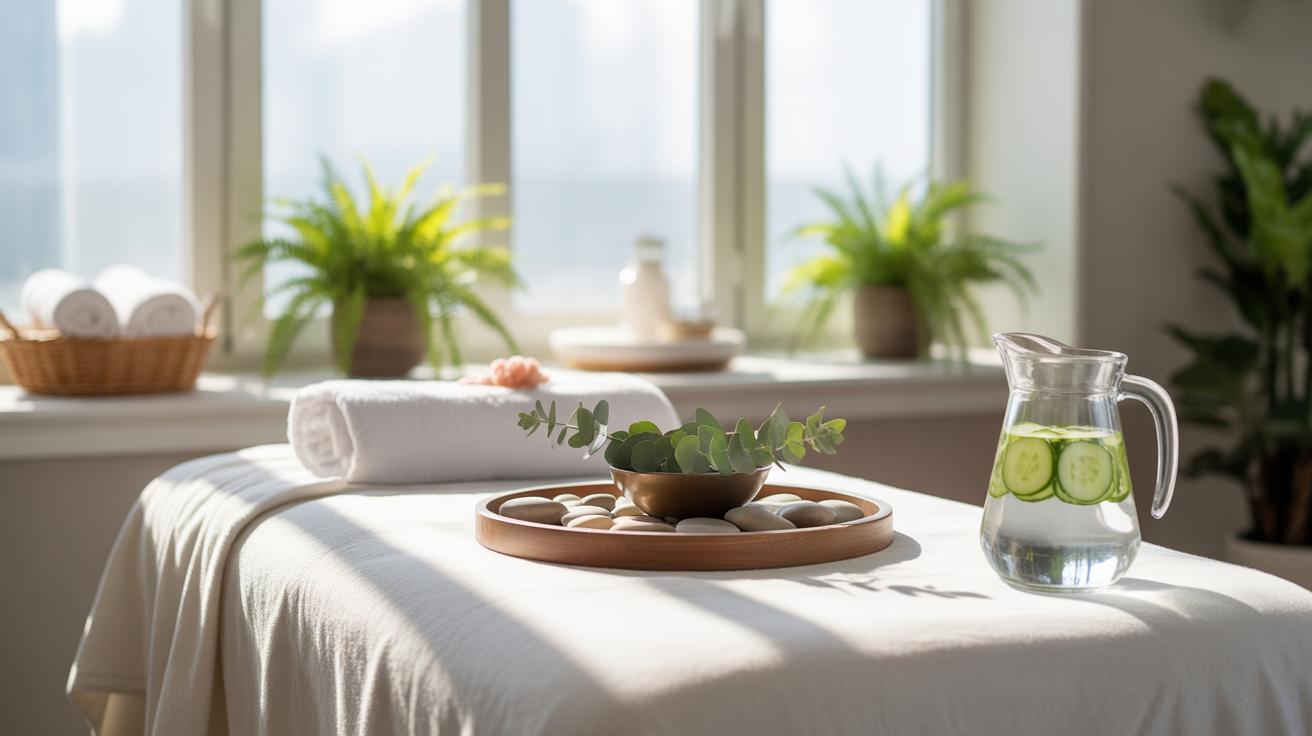
What Makes Luxury Spas So Good For You
Luxury spas offer more than just a pampering experience. They provide various health and relaxation benefits that contribute to overall well-being. These benefits include improving physical health, relieving stress, and enhancing mental clarity.
Exploring luxury spa benefits helps you understand how regular spa visits can boost your health and bring lasting relaxation. From specialized treatments to calming environments, spas play an important role in maintaining and improving your wellness.
Health and Relaxation Benefits


Spa treatments do more than just unwind your mind—they have tangible effects on your physical health. When you step into a treatment room, you’re not just escaping; your body responds in ways that support healing and recovery. For example, massages help break down muscle tension, increasing flexibility and reducing stiffness. You might notice your muscles relaxing deeply, sometimes lingering soreness easing over days after a session.

Skin health is another area spas positively influence. Treatments often increase blood flow to the skin, encouraging cellular repair and improving tone and texture. It’s not just about looking better; healthier skin can mean a stronger barrier against environmental stressors. Some people also find that their skin feels more hydrated after therapies involving oils or wraps, though results can vary.
Circulation improves when you indulge in many spa therapies. Enhanced blood flow means nutrients and oxygen travel more efficiently, aiding healing and energy levels. You may feel this as warmth spreading through limbs or a lightness in your body afterward. Certain treatments even help reduce swelling or detoxify by promoting lymphatic drainage.
Pain relief is a common and welcome outcome. Whether it’s chronic aches or temporary discomfort, targeted spa therapies can ease pain through muscle relaxation, better circulation, and sometimes nerve stimulation. People with conditions like arthritis often report some relief, though it’s not a permanent fix—more like a reprieve to carry you through the day.
Have you ever noticed how after a spa day your body moves easier, your skin looks fresher, or small pains seem less sharp? That’s the physical effect of care and specific treatments working alongside your body’s natural processes. It’s part of why luxury spas remain popular—they offer more than rest; they offer active support for your health.
Physical Benefits Of Spa Treatments
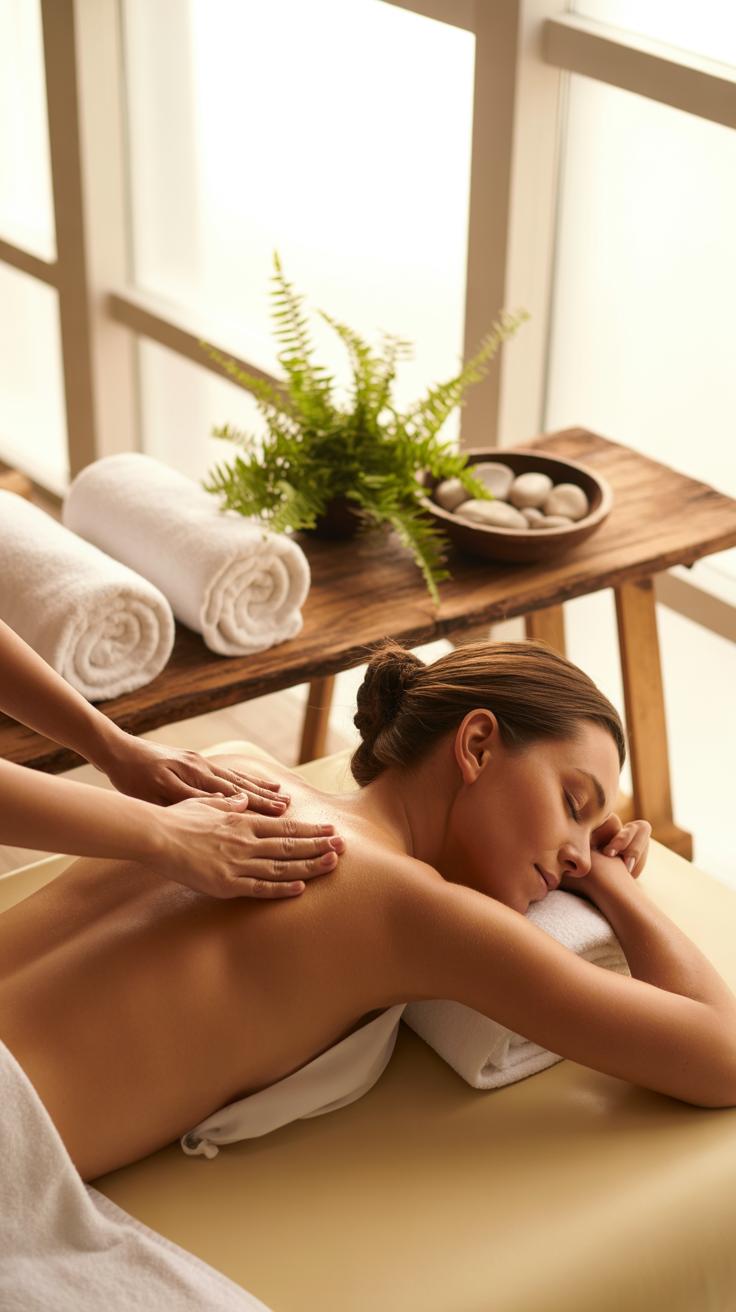
Muscle Relaxation And Pain Relief
You might not realize just how tight your muscles hold onto tension until a spa treatment starts working on them. Massage therapies knead and stretch muscles, loosening knots that restrict movement and cause discomfort. It’s not only about feeling good — these sessions can actually ease chronic muscle pain, reduce spasms, and improve your flexibility.
Hydrotherapy, like warm mineral baths or jet massages in water, encourages blood flow to weary muscles. The heat combined with gentle pressure calms inflammation and speeds up recovery from strains or injuries. Some people notice reduced back or joint pain after just a few treatments. It’s subtle, but the relief can slowly accumulate into noticeable physical comfort.
Skin Health And Detoxification
When it comes to skin, spa treatments offer more than just a refreshing break. Mineral-rich baths help draw out impurities and promote natural detoxification through the pores. Body scrubs exfoliate dead skin, revealing a clearer, smoother layer beneath. Your skin might feel softer and look more radiant after just one session, though lasting improvements require some patience.
These treatments can support hydration and improve circulation, which in turn aids the skin’s repair processes. Sometimes, the mineral composition in specific baths can soothe conditions like dryness or mild irritation. It’s interesting how something as simple as soaking or scrubbing can contribute to healthier skin – it feels like a quiet reset for your body’s largest organ.
Mental Relaxation Benefits

Visiting a luxury spa does more than soothe your muscles—it helps clear your mind in ways that might surprise you. Stress seems to melt away when you’re surrounded by calm spaces and gentle sounds. There’s something about stepping into that quiet world that promotes emotional balance, even if only for a little while.
Many people report feeling less anxious after a spa day, perhaps because those moments of calm break the repetitiveness of daily worries. You might notice that your thoughts slow down, or that you aren’t reacting as sharply to minor frustrations. It’s not magic, but the environment and treatments combine to support mental clarity.
So, the question is: how exactly do spas influence your mental state? It’s partly about stepping away from distractions and partly about engaging with intentional relaxation techniques.
Stress Relief Techniques
Spas often offer relaxation methods like meditation, guided imagery, and breathing exercises. Each works differently but shares a common goal: reducing stress.
- Meditation helps quiet your mind by redirecting focus. People who struggle with racing thoughts can find this especially helpful when guided by a calming voice or ambient sound.
- Guided imagery invites you to visualize peaceful scenes, making it easier to detach from stressful situations. It’s almost like taking a brief mental vacation.
- Breathing exercises slow the heart rate and signal your nervous system to relax. Even a few minutes of focused breathing can shift how you feel physically and mentally.
These tools don’t just calm you on the spot—they equip you with skills to manage stress later, which is why spa visits can be more than just a fleeting escape.
Improved Mood And Sleep
People often mention feeling lighter, happier, or more at ease after spa treatments. Why does this happen? Partly because stress relief triggers chemical changes in the brain. For example, endorphins release during massages and relaxation, which can boost your mood.
Better sleep is another reported benefit. When your body relaxes deeply, your mind follows. You might find it easier to fall asleep or notice fewer interruptions during the night after a spa day. That improved rest can make a real difference in your overall mood and energy.
It’s worth wondering: could regular spa visits help break cycles of poor sleep and irritability? Maybe, though it depends on how often you go and what treatments you choose. Yet for many, even an occasional visit offers a reset they hadn’t realized they needed.
How Hydrotherapy Supports Health
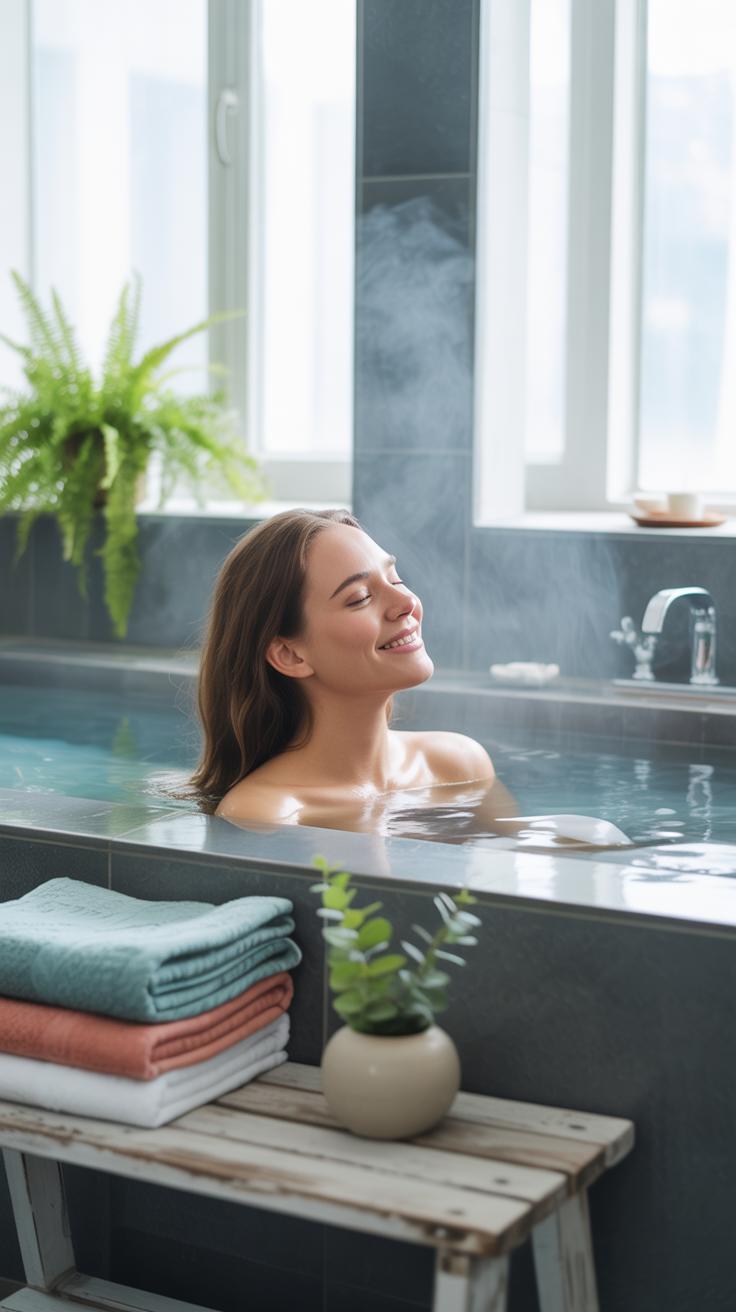
Healing Powers Of Mineral Waters
Hydrotherapy, the use of water for healing, dates back thousands of years. Ancient civilizations from Rome to Japan have long believed in the health benefits of soaking in mineral-rich waters. These natural springs contain elements like magnesium, calcium, and sulfates, which some studies suggest may aid in reducing inflammation and soothing skin conditions. The idea behind balneotherapy—the therapeutic use of bathing—rests on more than just old stories. Research has shown that minerals absorbed through the skin might help improve circulation and ease joint stiffness, though scientists are still exploring the full extent of these effects.
You might find it remarkable, or maybe just curious, that many spa-goers report feeling lighter and more energized after a soak. Mineral waters don’t just serve as a backdrop for relaxation; they actively engage the body’s healing responses. What’s striking is how this ancient practice manages to hold relevance even today, whether in a mountain spa or a luxury resort.
Temperature Effects On The Body
Water temperature plays a complicated role in how hydrotherapy supports health. Warm baths encourage blood vessels to dilate, promoting better circulation and muscle relaxation. This process can help reduce pain and stiffness, enabling quicker recovery after physical exertion. Cold water, by contrast, has a tightening effect on blood vessels, which can lessen swelling and numb discomfort. Some spas alternate between hot and cold treatments, aiming to stimulate blood flow and speed up healing.
That said, the exact method and duration depend on individual tolerance and needs. What works well for one person might feel uncomfortable to another—so there’s often a personal element to this therapy. If you’ve ever shivered stepping into a cold plunge pool, you know it’s a shock—but one that might kick-start the body’s natural defenses. It’s this delicate balance between heat and cold that makes hydrotherapy both intriguing and worth trying if you want to support your body in recovery and relaxation.
Massage Techniques And Their Effects
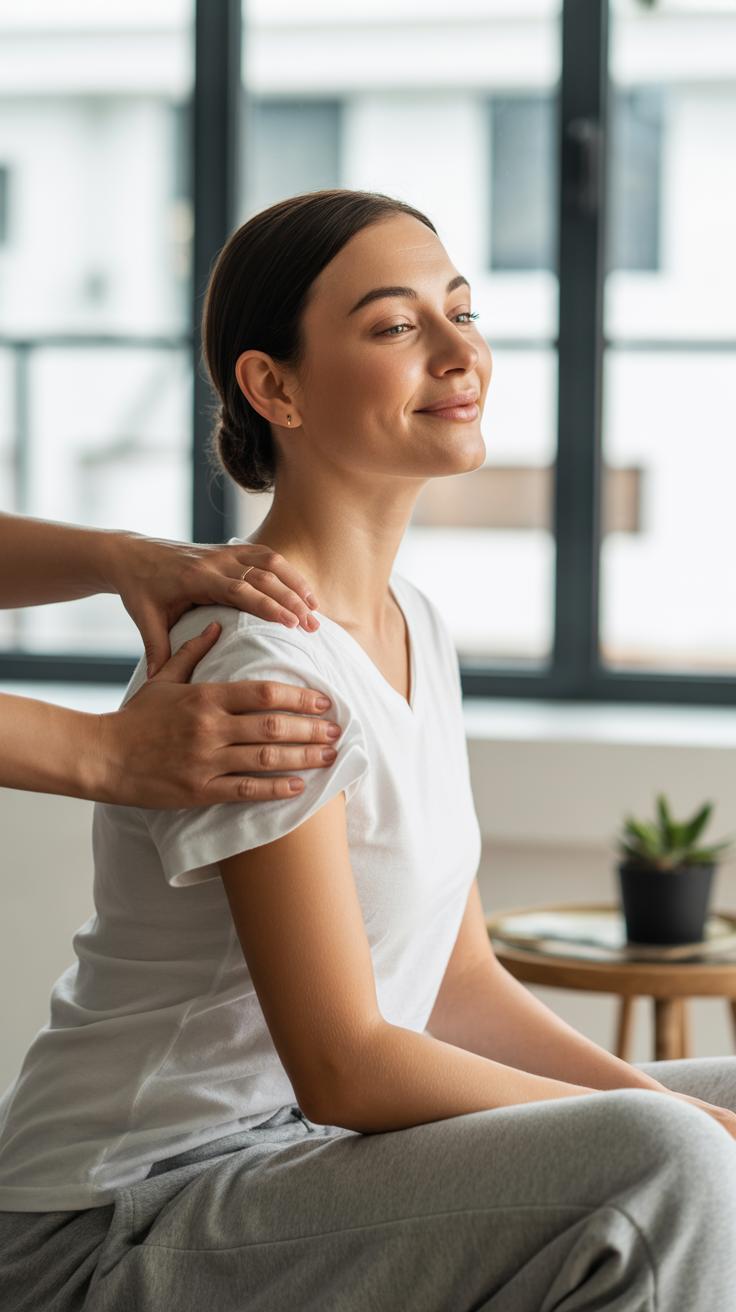
Luxury spas often offer a range of massage techniques, each designed to target different needs and deliver unique effects on your body and mind. Among these, Swedish and deep tissue massages stand out as two popular, yet quite different approaches.
Swedish And Deep Tissue Massage
Swedish massage uses long, flowing strokes and gentle kneading to relax muscles and improve circulation. It can feel soothing, almost like a gentle reset for your body. Many people find it eases mild tension and helps reduce stress without much discomfort.
Deep tissue massage, by contrast, focuses on the deeper layers of muscle and connective tissue. The pressure is firmer and more targeted, aiming to relieve chronic tension and muscle knots. It isn’t for everyone—some might find it intense or even a bit painful. But for others, especially those with persistent soreness or injuries, it can bring significant relief over time.
Specialized Massage Therapies
Beyond these, luxury spas often include specialized options like aromatherapy massage. This type blends essential oils with traditional massage techniques. The oils might calm your mind, ease anxiety, or invigorate your senses—depending on the blend chosen. It’s almost like an extra layer of relaxation, combining touch and scent to deepen the experience.
There are other forms too, some incorporating hot stones or reflexology. Each aims to enhance relaxation differently, sometimes leaving you wondering which approach suits you best. You might leave a session thinking, “That was nice, but next time, maybe something stronger—or lighter.”
Creating A Relaxing Spa Environment

Role Of Ambiance In Relaxation
The atmosphere in a spa does more than just look pleasant—it directly influences how relaxed you feel. Sound plays a curious role; soft instrumental music or natural sounds like flowing water can ease your mind, but sometimes complete quiet works better, depending on your mood. Scents like lavender or eucalyptus often help calm nerves, yet personal preferences vary, and a smell that soothes one person might irritate another.
Lighting also matters. Dim, warm lights tend to promote calm, while harsh or overly bright illumination can be distracting, even jarring. Some spas use adjustable lighting to let guests tailor their experience. It’s subtle, but these elements combined create a space where you can lower your defenses and, well, just be. Have you ever noticed how a flickering candle or subtle aroma changes the way you feel?
Design Features In Luxury Spas
Luxury spas often embrace minimalism, but not in a cold way—there’s a careful balance between simplicity and comfort. Natural materials like wood and stone appear frequently, grounding you in a physical space that feels stable. Comfortable seating, gentle water features, and open layouts discourage rush and encourage lingering.
Temperature control also plays a surprising part. Slight warmth in treatment rooms can help muscles relax quicker, while cooler zones offer a refreshing contrast. Even the choice of fabrics and textures—from soft towels to plush robes—affects your overall comfort. Perhaps it’s the little details you don’t always notice consciously, but they shape your entire experience.
Choosing Spa Treatments For Your Needs
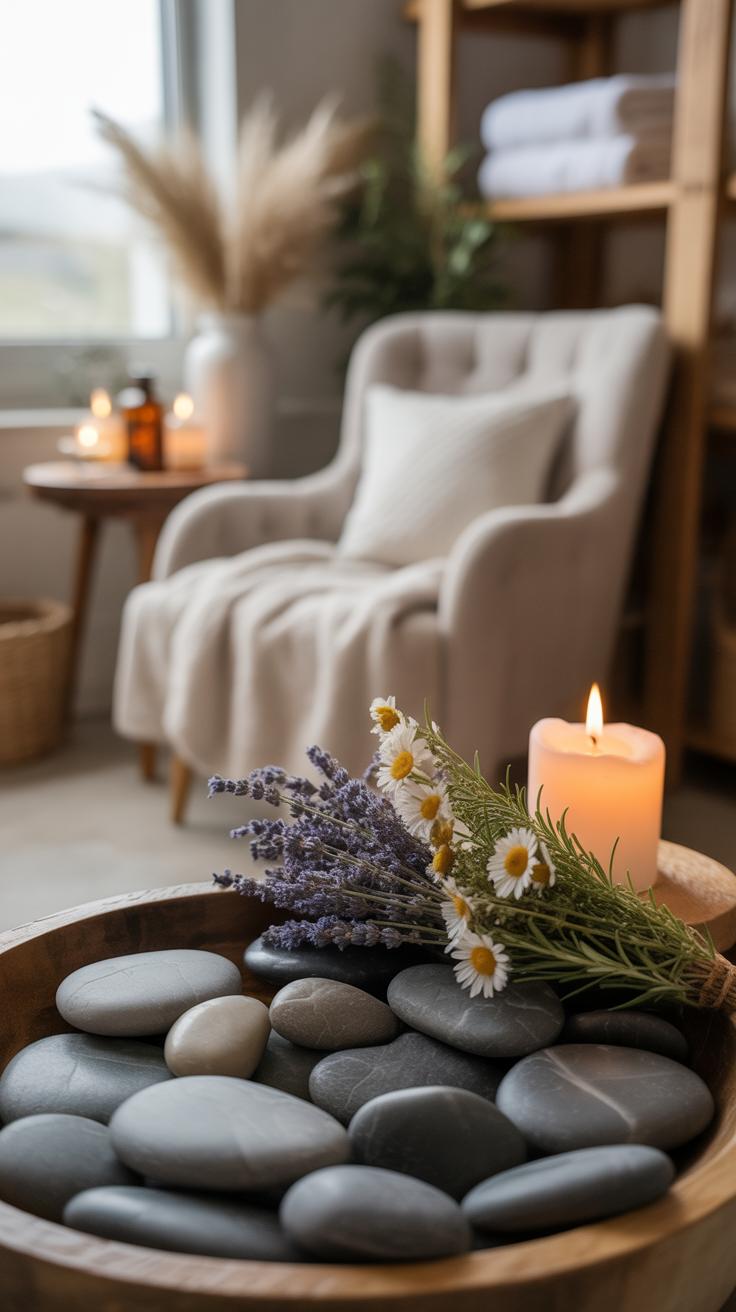
Before you pick any spa treatment, try to pause and think about what your body and mind really need. Are you feeling physically tense or mentally drained? Maybe soreness after workouts, or just a restless mind that won’t settle? Identifying these priorities isn’t always straightforward—it’s easy to assume you want relaxation but overlook underlying discomforts or stress.
Take a moment to ask yourself questions like:
- What parts of my body feel tight or painful?
- Am I more in need of mental calm or physical relief?
- Have I been neglecting self-care routines that cause buildup of tension?
Once you’re clearer on your needs, look at what the spa offers and don’t hesitate to ask for guidance. Spa professionals aren’t just there to sell treatments. They can tailor suggestions based on what you reveal about your health and feelings. Their experience can illuminate options you might not have considered—like a specific massage technique or a hydrotherapy session that fits your goals.
Some spas offer initial consultations—grab that chance. You’ll probably walk away feeling more confident, knowing a plan matches your body’s quiet signals. And if your needs shift during the visit, mentioning it to the therapist helps tweak the treatment on the spot. That kind of personalization is a difference-maker.
In the end, the way you choose treatments can shape how much you get out of your spa experience. It’s not just about picking something that sounds nice but about tuning in to your body with a bit more care. It’s a small step, but it can lead to better relaxation and results.
Incorporating Spa Visits Into Routine

Visiting a luxury spa isn’t just a one-off indulgence. Making it a regular part of your life can quietly support your health and chip away at stress over time. Think of it as a recurring moment of pause—where your body and mind can reset. Some people find that monthly treatments help them keep physical tension at bay, while others might need more frequent visits during particularly stressful periods.
You might wonder how often is enough. That really depends on your lifestyle, stress levels, and responsiveness to treatments. Some swear by a biweekly schedule, feeling calmer and more balanced, while others choose a seasonal approach, aligning visits with changing work demands or weather.
Mixing spa visits with your everyday life creates a kind of rhythm. It’s not just about the treatments themselves, but what they signify—a commitment to yourself. Over time, this habit can reduce chronic stress markers, improve circulation, and even promote better sleep patterns. But it only works if you make it consistent, not just an occasional treat.
Creating A Relaxation Schedule
Your relaxation schedule should fit your realities, not the other way around. Here are a few practical ideas:
- If you’re juggling work and family, try shorter spa visits every two to three weeks. Even 60 minutes can be refreshing.
- If your schedule allows, a full-day session once a month might give you a deeper reset.
- For those with highly irregular hours, setting tentative dates every quarter and adjusting as needed might prevent the visits from completely falling off your radar.
Try to think of these visits as commitments—like doctor appointments or meetings—rather than luxury extras you might skip if busy. That shift in perspective helps make relaxation a priority, not a bonus.
Combining Spa With Healthy Habits
Spas can do a lot, but they work best when paired with lifestyle choices that support your body’s regeneration. I found that my spa days felt more effective when I ate well before, avoided caffeine, and stayed hydrated. Simple, sure, but it makes a difference.
Exercise also plays a role. Light movement between visits helps keep muscles flexible and energy flowing, making your treatments more comfortable and long-lasting.
Sleep, probably the most overlooked factor, is key. After a spa day, your body often wants rest. Honoring that need with good sleep extends the relaxation benefits, letting your nervous system recover in full.
So, can spa visits alone be a cure-all? Perhaps not. But when they’re part of a lifestyle that values nutrition, movement, and rest, their impact grows, often in ways you might not expect at first.
Conclusions
Luxury spas provide practical ways to support your health and help you relax deeply. Whether through massage, hydrotherapy, or calming rituals, the benefits reach both body and mind. Including spa treatments in your routine can lower stress, ease muscle tension, and improve circulation.
Choosing luxury spa services offers an inviting space where your well-being is prioritized. You gain tools to handle daily pressures and promote long-term health. Regular relaxation and care at a spa can enrich your life, helping you feel balanced and renewed.