
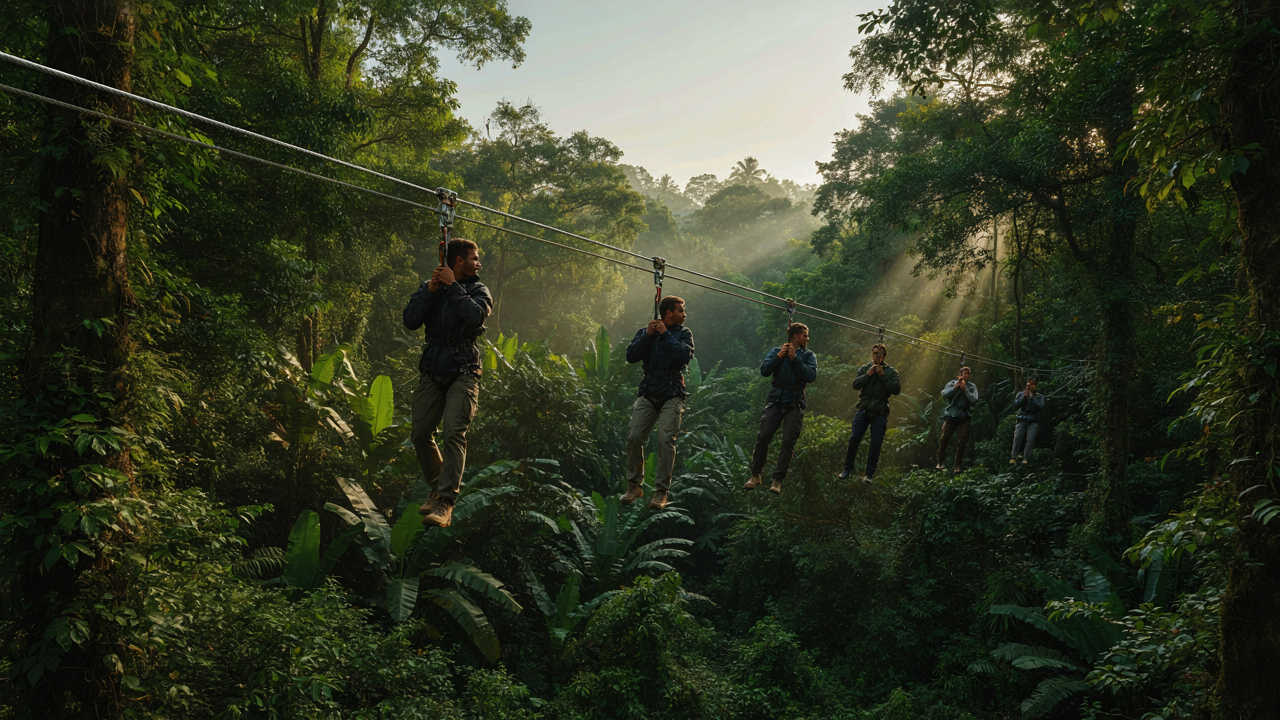
The Adrenaline Fallacy: Why Your First Zipline Won’t Be An “Adrenaline Rush”

What You Actually Think Will Happen
You want proof you’re not boring. That’s the real driver here, and the mechanism that sabotages most first-timers is simple: you’ve conflated velocity with sensation. Adrenaline requires threat perception. A zipline operator has eliminated threat through design, redundancy, and physics. You’re suspended by steel cable rated for thousands of pounds while traveling at controlled speed. Your nervous system recognizes this immediately, even if your ego doesn’t want to admit it.
Most guides tell you to expect an adrenaline rush on your first run. They’re wrong. What you’ll actually experience is relief mixed with mild acceleration stimulus. The speed feels significant until your body realizes nothing bad is happening. Then your nervous system downregulates. You’re moving fast, but safety is engineered into every component. That’s the contradiction nobody states plainly: maximum safety creates minimum threat response.
Building Genuine Stimulus Through Progression

The real thrill comes from operant conditioning, borrowed from behavioral psychology. Each successful run recalibrates your threat baseline lower. On run one, your amygdala is active. By run three, the novelty wears off. But here’s what actually works: you don’t chase bigger rushes on the same line. You change the variables that matter.
The mechanism that generates real sensation is progressive desensitization followed by controlled novelty introduction. Start with a beginner line in daylight, standard seating, moderate grade. Complete it. Your nervous system learns the pattern. Then shift one variable: a longer line, a steeper descent, or a tandem ride where you’re facing your partner. Altering familiar conditions reactivates the stimulus response without requiring reckless speed increases. The thrill isn’t in the zipline itself. It’s in navigating your fear response toward genuine confidence instead of false bravado.

Beyond The Harness: Deconstructing Your Zipline Adventure
What Your Harness Actually Does
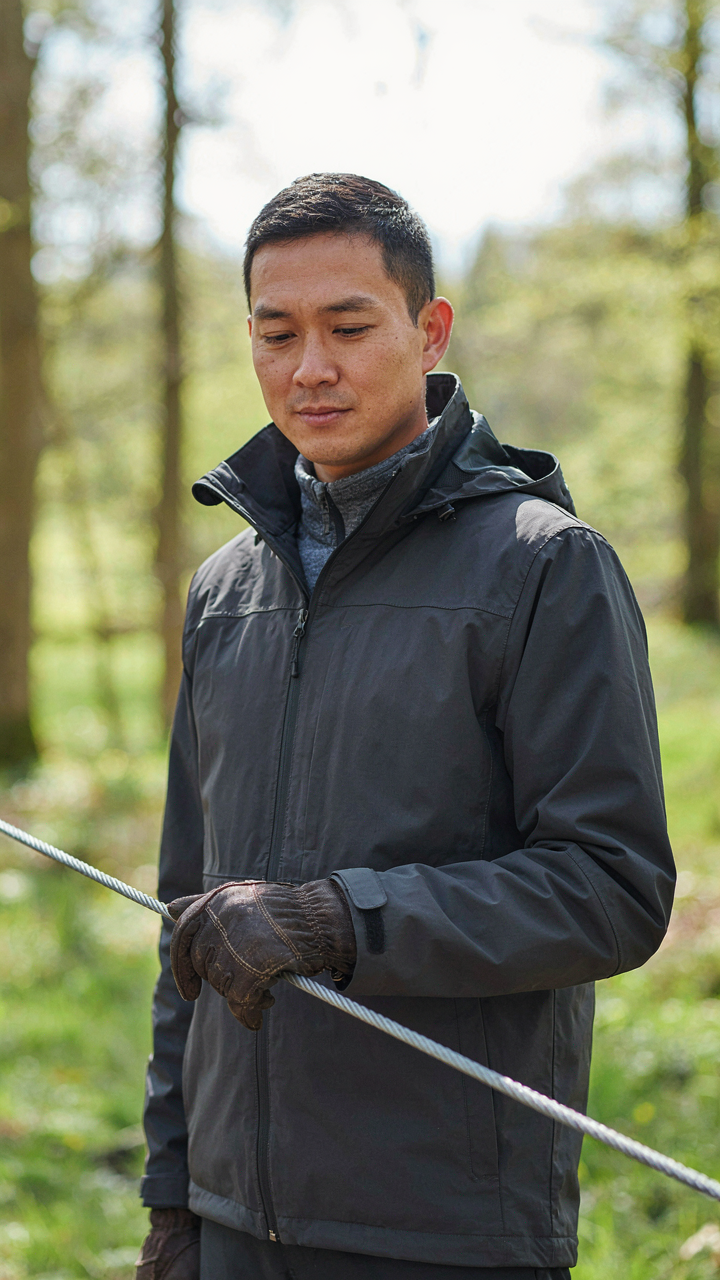
You want to feel safe without looking paranoid about it. Here’s the mechanism: your harness doesn’t prevent falls. It arrests them. The webbing distributes deceleration force across your torso and legs so a sudden stop doesn’t rupture organs. Modern harnesses use load-rated stitching rated for 22 kilonewtons, which exceeds the impact force of most operational ziplines. The leg loops stay snug because loose straps allow rotation during descent, which destabilizes your body position and triggers panic responses you don’t need.
The gloves you wear aren’t optional theater. Your bare hands on a moving cable generate friction heat fast enough to blister skin in seconds. Leather or reinforced fabric gloves slow heat transfer and give you grip control on the braking system. Operators provide these because liability lawyers exist, but also because your grip strength dictates how smoothly you slow down at the landing zone. A white-knuckle grip means jerky movements. A controlled grip means you land upright.
The Pre Flight Inspection That Matters
Most operators run safety briefings that sound identical because legal departments wrote them once. You need to shift your attention to what you can actually verify. Inspect the cable attachment points where the line connects to the platform and the landing structure. Look for visible fraying, kinks, or discoloration that signals corrosion. The cable should look uniform in diameter. Any bulges or flat spots mean internal wire breakage has started.
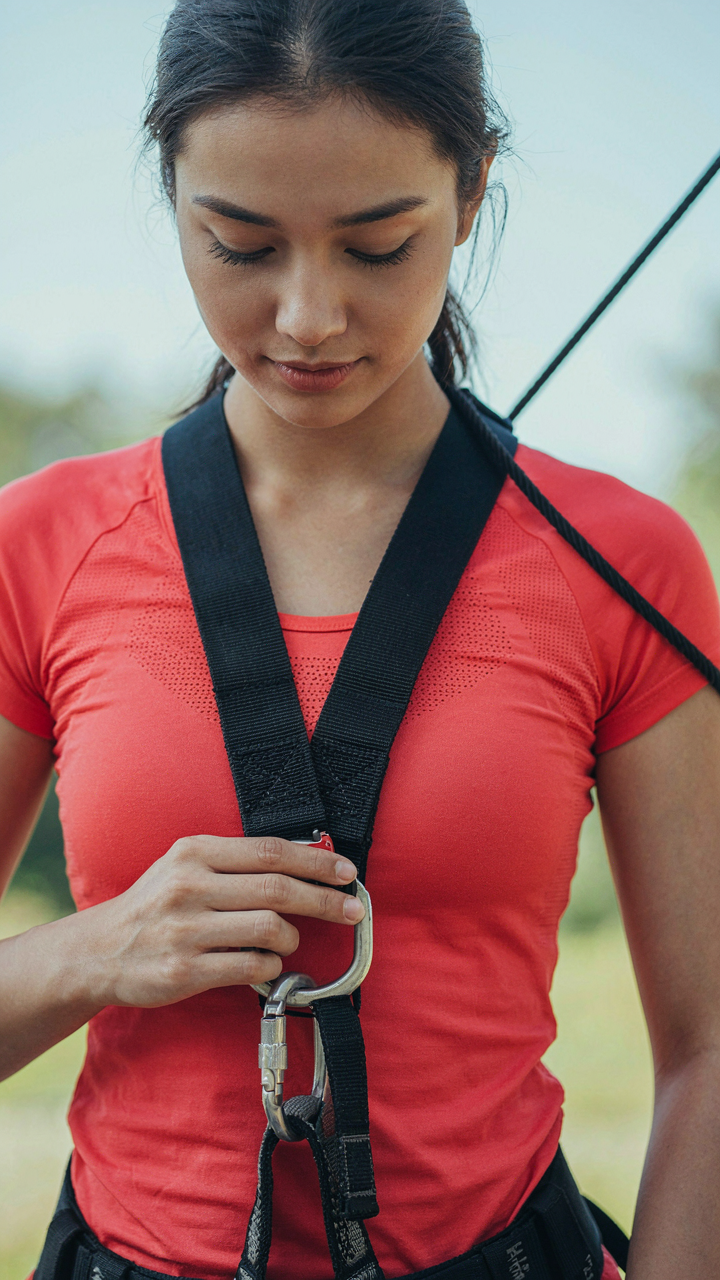
Check your harness buckles by pulling each strap hard enough to feel resistance. Worn webbing shreds under tension. Your carabiner should clip and unclip smoothly without forcing. Ask the operator when they last replaced the braking block, the rubber or composite pad that creates friction when you grab it. Operational blocks wear down visibly. A smooth block means slower braking response. Request a test run if you’re uncertain. Operators expect this. It takes ninety seconds and eliminates guessing.
The Gravity Protocol: Harnessing Physics For Peak Experience
The Angle That Controls Everything
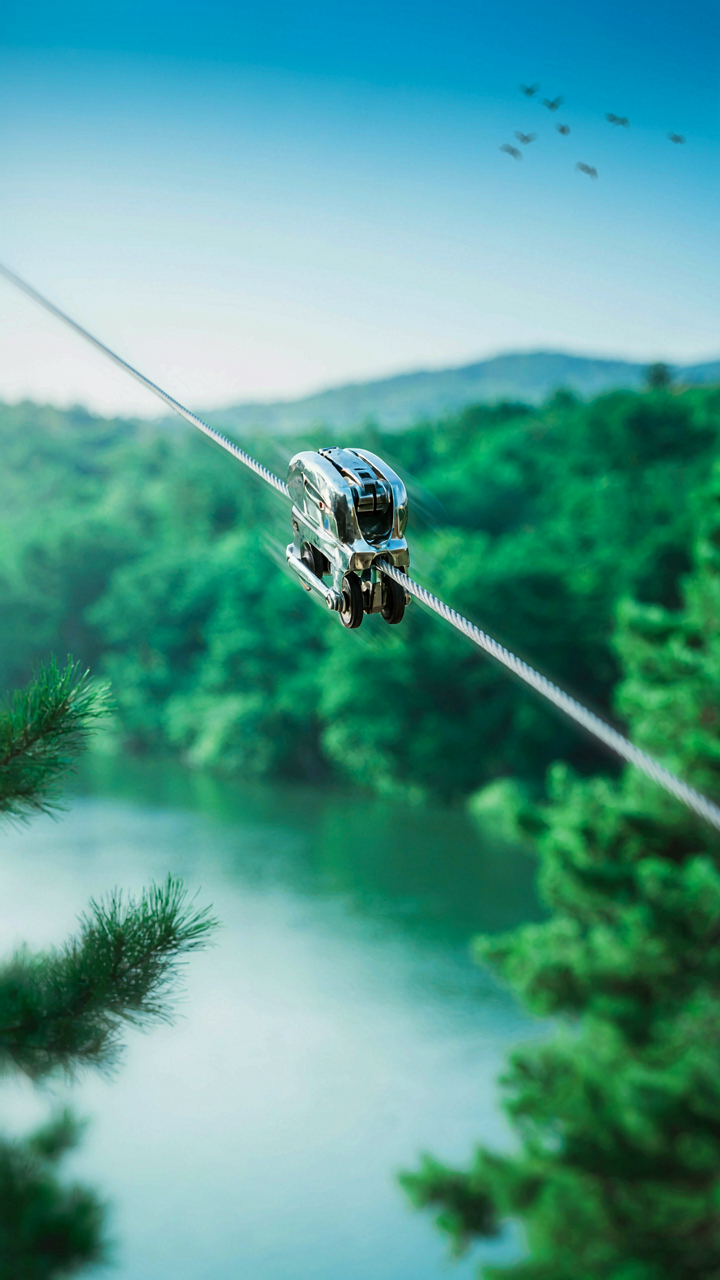
You want to feel like you’re moving faster than you actually are. That’s the real reason you care about this section. The physics term is deceleration, and zip lining inverts it. Most operators keep lines between 10 and 40 degrees because steeper angles create sustained acceleration instead of braking. Your nervous system doesn’t measure absolute speed—it measures the rate of change. A 30-degree line lets gravity work longer before the cable’s tension pulls you into deceleration, extending the window where your body perceives continuous acceleration. That window is where the rush lives.
The angle also controls friction. Steeper lines mean less brake engagement, which means less heat buildup on the cable and pulley. Operators design courses so you hit the landing zone at 5 to 15 miles per hour—slow enough to stop safely, fast enough to feel momentum. The first 200 feet of descent matters most. If the line angles up slightly toward the end, your deceleration feels sudden and sharp. If it angles down, you coast into the landing. Neither creates peak sensation. The mechanic is simple: operators engineer the angle so your acceleration plateaus, then decelerates in the last quarter of the run.
Momentum As The Control Variable
Physics uses momentum to describe force multiplied by velocity. On a zip line, your momentum is your body weight times your speed, and operators manipulate it by controlling cable tension and braking friction. You weigh less, you accelerate slower. You weigh more, you accelerate faster. Most courses handle this with adjustable brake systems that respond to your mass automatically. Some older lines use a fixed pulley brake, which means heavier riders actually hit higher speeds and experience stronger deceleration forces.
The real leverage point is the run length combined with the angle. A short steep line generates high velocity quickly but gives you no time to sustain the sensation. A long shallow line extends the experience but feels sluggish. The operators who design courses for thrill stack variables: longer than 400 feet, angled 25 to 35 degrees, with brake engagement in the final 100 feet. This sequence layers acceleration, sustained speed, then controlled braking. Your body experiences three distinct force changes instead of one monotonous ride.
Mastering The Mental Game: Control Your Mind, Not Just The Zipline At Philmont
Fear Into Focus
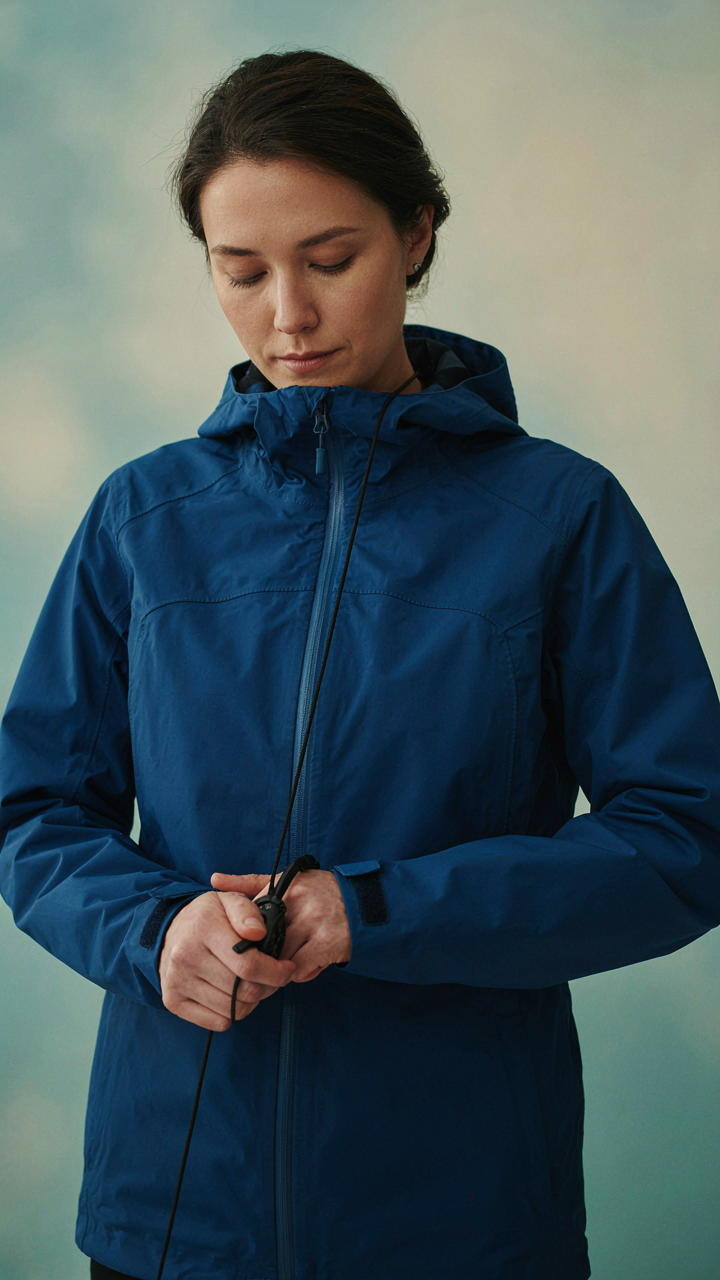
You want to know how to not feel like a coward when you’re standing at the platform. Here’s the mechanism: fear and focus activate the same neural pathways. Psychology calls this “arousal reappraisal.” Your body doesn’t distinguish between threat and challenge until your mind labels it. The tremor in your hands, the spike in heart rate, the tunnel vision—these aren’t weakness. They’re your nervous system preparing you to perform. Rename the sensation from dread to readiness and you’ve already won half the battle.
Most beginners waste energy fighting the feeling instead of channeling it. The anxiety doesn’t vanish. It transforms into precision. Before you step onto that platform at Philmont, acknowledge the physical state without judgment. Your elevated heart rate means oxygen is flowing. Your alertness means you’ll notice the guide’s instructions. Your caution means you’ll respect the equipment. The fear becomes your competitive edge, not your liability.
From Passenger To Operator
You’re not sitting in a chair waiting for gravity to do the work. The moment you clip in, you become responsible for brake control, body position, and line tension. This shift from passive to active changes everything. Military aviation calls this “situational awareness”—the pilot isn’t just along for the ride, they’re making decisions. On a zipline, you control your descent speed through brake pressure. You manage your body angle to reduce drag. You decide when to shift weight. These aren’t suggestions. They’re your actual job on the line.
The equipment does the heavy lifting, but your hands operate the brake. Most beginners grip too hard or too soft, neither engaging nor surrendering. The protocol is simple: light brake pressure controls speed. Moderate pressure slows descent. Full palm pressure stops you entirely. This isn’t about muscular strength. It’s about intentional input. You’re not being transported down the line. You’re piloting it.
The Unspoken Rules Of A True Thrill Seeker On A Zip Line

What Guides Actually Don’t Tell You
You want to know this because you’re afraid you’ll look incompetent in front of strangers. The real code isn’t about safety protocols—guides hammer those already. It’s about the implicit hierarchy between riders. Experienced operators notice who trusts the equipment versus who fights it. You earn respect by staying composed during the brake run, not by screaming or gripping the harness like it might fail. Your body language signals whether you understand what’s happening or just hope you survive it.
The second signal is positioning. Guides read your stance the moment you clip in. Riders who lean back and relax their shoulders communicate control. Riders who hunch forward broadcast anxiety to every person watching. You don’t earn thrill points by looking terrified. You earn them by demonstrating you’ve mentally committed to the ride before your feet leave the platform. The difference shifts how guides interact with you—they give confident riders better coaching, faster times, and more direct routes.
The Mechanics Of Sustained Speed
Physics calls this momentum transfer. On a zip line, you’re not generating speed through effort—gravity does that work while you manage friction and air resistance. The real skill is maintaining velocity from launch to brake without unnecessary drag. Most beginners make the same mistake: they tense their legs and try to “help” the ride. This adds friction against the harness and slows you down. The thrill doesn’t come from fighting the system. It comes from surrendering to it while staying alert.
Your body position determines your actual experience. Lean forward slightly, keep your legs relaxed but not limp, and position your arms naturally. Some operators will coach this. Most won’t—they assume you figure it out. The ones who do get the full speed the line permits. The ones who don’t spend half the ride asking why they’re not going as fast as the person ahead. On your next run, keep your core engaged but your limbs loose. This single adjustment moves you from passenger to participant.
Elevate Your Zipline Photography: Capture The Real Aesthetic
Angles And Framing That Actually Work
You want proof you did this. That’s the real reason you care about documenting the moment, and there’s nothing wrong with that. But most beginners frame zip lining wrong because they treat it like a static landscape. Photography uses composition theory: the rule of thirds, leading lines, depth. On the zipline, your leading line is the cable itself, and it should bisect your frame diagonally, not sit dead center. This forces the photographer or guide to position the camera at 45 degrees to your body, not straight-on like a mugshot.
The authentic visual happens when you capture the descent angle, not just the smile. Position yourself or your guide so the camera shoots slightly upward toward your torso and face, with the anchor point visible above you and the landing zone visible below. This creates scale and tension in a single frame. The cable becomes the narrative thread, and your body becomes the subject suspended within it. Shoot in bursts, not single frames, because positioning on an active zipline means your window closes fast.
Gear Selection For In Air Capture
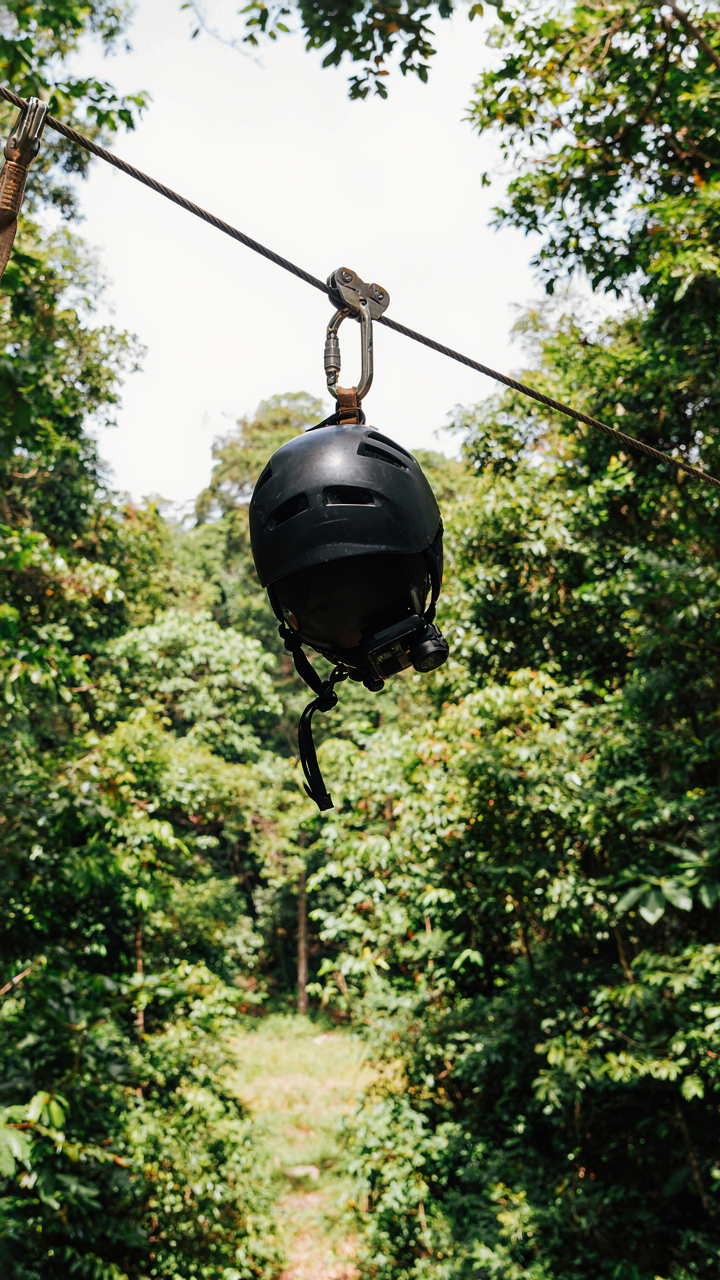
Action cameras like GoPro or DJI Osmo Action work because they’re compact enough to mount on harness points without adding bulk or changing your center of gravity. But mounting location determines whether you capture the experience or just the view. A chest mount films what you see. A wrist mount captures your grip and the cable ahead. A helmet mount frames too wide and loses intimacy with the moment. Your guide often carries a dedicated camera, and that’s your best bet for beginner-level shots because they know the cable angles and can position themselves for depth and context that a selfie-style setup cannot deliver.
Skip the DSLR or mirrorless camera for in-air capture. The weight and bulk fundamentally change how your body moves through the air, and wind shear at speed creates motion blur that no stabilization solves. Request GoPro footage from your guide post-run, or ask if they offer video packages. Most commercial zipline operations now capture your descent as standard or paid add-on. The operator knows their cable, the light, and the best moment to press record. Let them do the technical work. You focus on executing clean technique, and the footage will show it.
Beyond The Basic: Zipline Over A Serene Lake Or River
Environment Shapes Your Actual Thrill Level
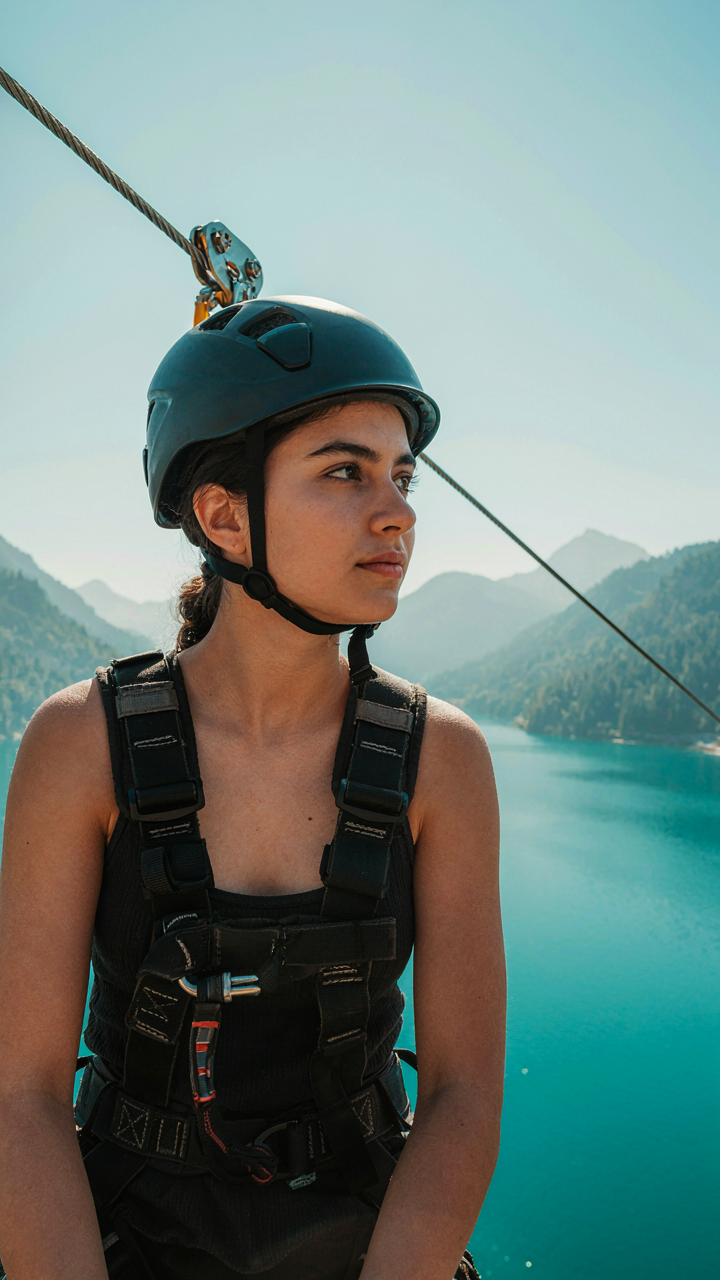
You want the story where you conquered something, not just the ride itself. That’s why environment matters more than cable length. Water courses manufacture psychological intensity because your brain perceives falling into water differently than falling into forest canopy. The mechanism is simple: water creates visual depth. Your eyes can track the drop all the way down. Trees obscure the ground. Water doesn’t.
Operators choose water crossings for this reason. A 200-foot span over a lake delivers more perceived intensity than a 300-foot span through trees, even though the cable speed and angle are identical. Mountain terrain affects difficulty too. Courses built over elevation changes demand more operator skill during braking zones. Flat water crossings let you focus purely on the ride itself. Choose based on what your nervous system actually needs, not what sounds more extreme on a website.
Water Crossings Demand Different Physics
Zip line engineering over water follows different rules than land courses, and most beginners don’t realize this changes what your body experiences. The cable tension shifts when you’re suspended over moving water versus solid ground. Operators must account for dynamic load distribution differently. Your weight creates different forces on a cable when there’s no solid anchor point directly below you, only open space and water.
Braking systems on water courses operate with tighter tolerances. Operators can’t use terrain to slow your descent, so cable friction and pulley design carry full responsibility. This means water courses often feel faster near the end, not slower. You notice the speed increase in your stomach before you intellectually process it. The final approach before landing becomes more pronounced because there’s no graduated deceleration across varied terrain to mask the physics.
The Koh Samui Effect: Location As A Catalyst For Zipline Adventure

Where You Zip Determines What You Feel
You want to believe location doesn’t matter because it lets you zip line anywhere. That’s denial. Geography is a variable in the risk-reward equation borrowed from behavioral economics: perceived value shifts based on context, not just on the actual physical danger. A 300-meter line over jungle canopy in Thailand hits different than the same distance over a cleared park in suburban Ohio because your brain calculates risk against environmental unfamiliarity. The gap between actual hazard and perceived hazard is where the adrenaline lives.
Beginners respond to this mismatch viscerally. A location with water below, dense forest walls, and zero visible human infrastructure triggers more cortisol than identical technical specs in a domesticated setting. The equipment doesn’t change. Your nervous system does. Koh Samui’s popularity for zip lining isn’t accident—it’s geography stacking perceived risk onto a controlled activity. Operators there understand that canopy tours work because tourists process the jungle as inherently dangerous, regardless of safety standards.
How Surroundings Reshape The Experience
Most advice says pick a course that matches your fear tolerance. Wrong framing. Surroundings don’t just match fear—they create it from scratch. A rainforest amplifies every sensation: humidity, sound, visual depth, the absence of artificial safety markers. Your nervous system reads these as multipliers even though the cable tensile strength and braking systems are identical to a course in Georgia. Surroundings amplify experience by flooding sensory channels with novelty.
The mechanism is simple: beginners on a jungle line inhale unfamiliar air, see movement in the canopy, feel uneven terrain at launch points, and hear animal sounds. This sensory load compresses perceived time and magnifies the adrenaline response. A suburban course offers silence, flat platforms, and visible endpoints. Same activity. Radically different neurological output. If you want genuine adrenaline as a beginner, choose terrain that fights your pattern recognition, then execute the same safety protocol you’d use anywhere else.
Post Zipline Integration: Beyond The Immediate High

The Nervous System Resets Itself
You want to feel like the experience changed you permanently, but that’s not how your body works. The adrenaline spike from zip lining triggers a sympathetic nervous system response—your fight-or-flight state activates, floods your bloodstream with cortisol and epinephrine, then crashes within hours. Most people mistake the crash for anticlimactic letdown instead of recognizing it as a biological fact. Your nervous system doesn’t stay elevated. It returns to baseline.
The real work happens in the 24 to 72 hours after you land. During this window, your brain processes the threat you survived and integrates it into your threat model. Sleep quality matters more than post-flight reflection. Your body consolidates the memory during REM cycles, which means skipping sleep after a zip line run actively prevents integration. The emotional aftermath people describe—that mix of pride and relief—is just your amygdala recalibrating risk perception. You can’t extend that feeling through willpower. You strengthen the neural pathway through recovery.
Translating Fear Into Friction Tolerance
Fear responses follow the same pattern in every domain where stakes exist, whether you’re pitching investors or crossing a rope bridge. Zip lining gives you direct access to your personal fear threshold without real consequence—the harness handles the physical threat, leaving only your perception to manage. Most advice tells you to “feel the fear and do it anyway,” which is incomplete. The actual mechanism is desensitization through repeated exposure to a controlled stressor. Your amygdala literally requires multiple exposures to downregulate threat signaling.
Transfer this protocol to real problems. Identify the specific friction point that stops you—public speaking, starting a project, having a difficult conversation. Create a scaled version where you can practice the behavior without catastrophic stakes. Each small exposure reduces your nervous system’s activation response to that class of threat. The zip line isn’t teaching you courage. It’s teaching you that your fear signal fires regardless of actual danger, and that you can act anyway. Apply that same detachment to whatever friction you’ve been avoiding in your actual life.
The 3 Stage Thrill Architect: Building Your Next Zipline Experience
Pick Your Course Like You Pick Your Opponent
You want to know which course will give you the best story to tell. That’s the real reason you’re reading this. Here’s what matters: course selection determines your neurochemical response before you ever clip in. Think of it like load bearing in structural engineering, where each element must support what comes next. A beginner course with a 200-foot run and 15-degree angle produces predictable G-force. An intermediate course with 800 feet and a 35-degree angle does not. Your body needs graduated exposure to handle the jump in sensory input.
The wrong selection kills the experience. Most operators slot beginners into courses designed to be “safe,” which translates to boring. You need the steepest intermediate course your fitness and nerve allow, not the flattest beginner option. This is where most people waste their money.
- Gradient angle: Courses between 25-35 degrees produce noticeable acceleration without overwhelming sensory overload. Measure this on the operator’s map before booking.
- Line length: 400-600 feet gives you enough duration to settle into the sensation and actually feel your body’s response. Anything shorter ends before engagement peaks.
- Pulley system type: Cable tension and pulley design affect deceleration feel. Magnetic braking feels smoother than friction braking, but friction courses accelerate faster initially.
- Tower height and landscape: 80-120 feet of elevation creates perspective without vertigo for most beginners. Look for courses over water or valleys, not tree canopies.
- Group size on course: Smaller groups mean longer waits between runs. Longer waits let your nervous system reset between attempts, which compounds learning.
Most operators hide these details. Call and ask. The operator who answers your technical questions honestly runs the course that will actually challenge you.
Rehearse The Line Before You Take It
This isn’t positive thinking dressed up as strategy. Pre visualization rewires your anticipation reflex so your body doesn’t misinterpret acceleration as danger. Your amygdala reads a sudden change in velocity as a threat signal. If you’ve already seen and felt that signal in your mind, it categorizes it differently on the actual line.
Close your eyes the night before or 30 minutes before launch. Run through the sequence: clip in, lean back, feet forward, hands off the bar at launch, brace for first acceleration pulse, settle into rhythm, watch for braking zone approach, weight forward as you slow. Repeat it three times without narration. The mechanism here is encoding familiarity into your vestibular system, not your conscious brain. When your body recognizes the sensation as expected rather than novel, adrenaline becomes precision instead of panic.
The Real Obstacle Isn’t Fear Of Heights; It’s Your Addiction To External Validation Disguised As Adventure

Most people skip zip lining because they’re waiting for permission. They want someone to tell them it’s safe, smart, or worth the money. You don’t need permission. Book a beginner course this week at a local operator, show up alone, and do it. The fear you feel before the first run dissolves the moment you step off the platform. Everything after that is just your nervous system recalibrating to what’s actually possible.