
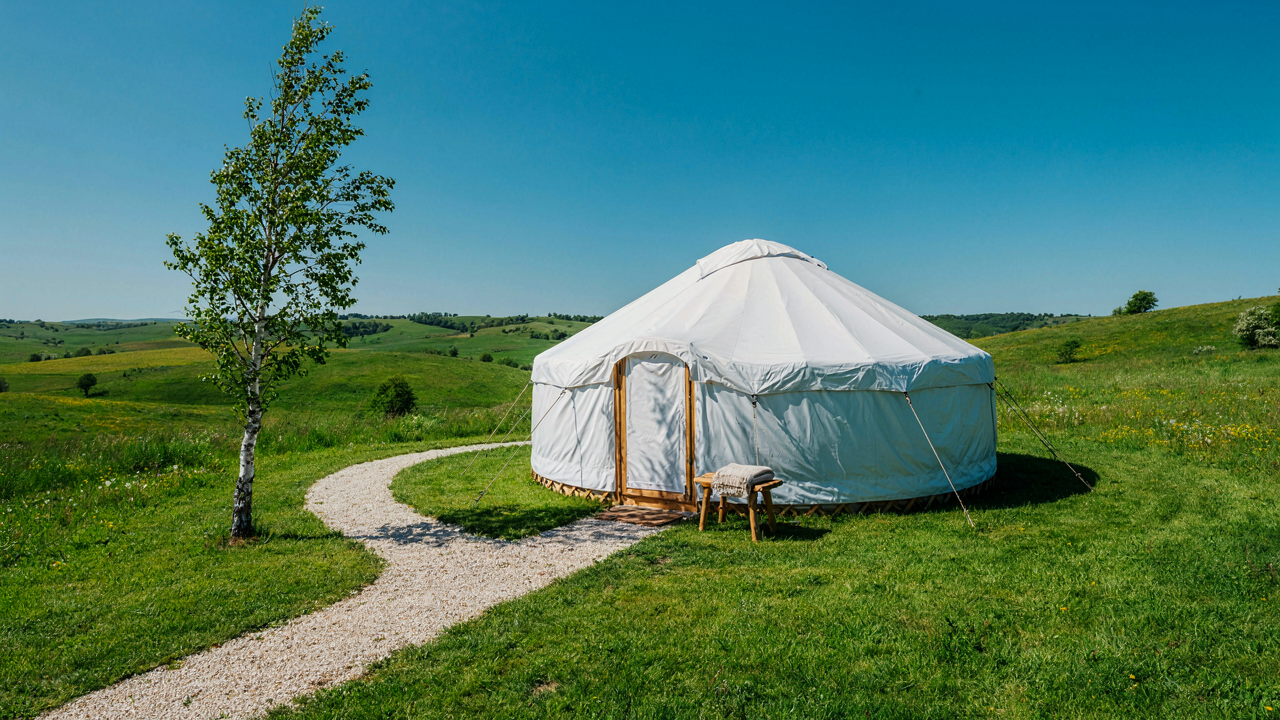
Beyond Instagram Filters: The Unvarnished Truth Of Yurt Glamping

What Yurt Glamping Actually Is
You’re here because you suspect everyone’s lying to you about how comfortable this actually gets. They are. Yurt glamping borrows from military logistics: the principle of maximum function in minimum footprint. A yurt is a collapsible circular dwelling, originally from Central Asia, engineered for transport and rapid setup. Glamping versions swap the felt and leather for canvas and insulation. The structure itself hasn’t fundamentally changed in centuries because the geometry works. What changed is the marketing.
The gap between a yurt and a hotel room is architectural, not magical. You get circular walls, a center crown opening for ventilation, wood lattice frames, and canvas exterior. Temperature swings are real. Sound travels differently in fabric than drywall. The floor is either raised wood or compacted earth under rugs. These are neutral facts, not failures. Accepting what a yurt is stops you from building resentment the first cold night.
The Distance Between Curation And Reality
Yurt glamping marketing shows you sunset shots and mood lighting because those sell. What doesn’t sell is the actual temperature at 3 AM in March, or how condensation collects on metal fixtures, or that you’ll hear your neighbor’s conversation clearly. The curated narrative removes friction to make the sale. Real expectations require you to know: heating capacity varies by region and season, bugs still enter despite screens, and “rustic chic” often means limited electrical outlets and cold showers by design.
The mechanism is simple: Instagram shows what sells, not what persists. A yurt in summer feels entirely different from one in winter. Wind noise amplifies on fabric walls. Morning light through canvas creates a specific aesthetic that photographs well but makes sleeping past dawn difficult. Most glamping operations don’t disclose these because they’re not defects, they’re features of the medium. Know what you’re trading before you book.

The Yurt Camping Imperative: Why Temporary Structures Outperform Permanent Traps

You’re Not Locked Into One Place
You want the status of owning a “property” without the liability of actually owning property. Here’s the mechanism: yurts operate on what economists call optionality, the right but not the obligation to act. A permanent structure demands you defend the same patch of land forever. A yurt lets you relocate based on seasonal demand, guest preferences, or market shifts without the exit costs that destroy margins on fixed real estate.
The math is brutal for permanent builds. You commit capital, land rights, and operational overhead to one coordinate. Yurt glamping flips this. You place the structure where demand exists now, then move it when conditions change. This isn’t hypothetical flexibility, it’s the difference between a business that adapts and one that bleeds money defending a bad location choice from five years ago.
Constraint Breeds Better Design
Everyone says “minimalism is elegant.” That’s decoration talk. The real mechanism is constraint-driven innovation from industrial design. A permanent cabin lets you sprawl. A yurt forces you to solve the same problem with half the material. This produces superior user experience because every element earns its placement.
The yurt’s circular form and fabric envelope demand intentional spatial design. You can’t hide bad choices behind extra square footage. Beds, seating, heating, storage, and circulation must coexist in tight geometry. This forces designers to eliminate waste before construction even starts. The result is spaces that function better at lower cost, not spaces that look minimalist because someone paid an interior designer to remove things after building too much. Constraint forces you to solve the actual problem before you build.
Deconstructing The “Yurt Tent” Fallacy: Understanding Yurt Engineering

How Mongolian Design Actually Works
You’re reading this section because you want to sound smart about yurts at dinner, or because you’re terrified of booking something that collapses in wind. Here’s the mechanism: most people conflate yurts with tents because both are temporary structures. They’re not. The Mongolian yurt uses tension and compression the way a suspension bridge does, which means the engineering is load-bearing, not load-fighting like tent fabric. The lattice walls don’t block wind; they distribute it. The roof crown doesn’t point skyward for looks; it creates a structural anchor point that transfers weight outward and down through the wooden frame to the ground.
The difference matters because it changes what breaks and what doesn’t. A tent fails when wind tears fabric or stakes pull loose. A yurt fails when the lattice wall connections weaken, when the roof crown assembly loosens, or when the ground can’t absorb the radial pressure the walls apply. Mongolian herders built this design to survive temperatures below minus twenty Celsius and wind patterns across open steppe for centuries. That’s not a tent operating in extreme conditions. That’s a structure engineered for extremes from the start.
Canvas To Engineered Fabrics
The consensus view is that modern yurts are just updated versions of the traditional design with better materials. That’s incomplete. Modern yurt construction splits into two camps: structures that preserve the traditional lattice and crown system while upgrading the envelope, and those that replace core structural elements entirely. The first approach adds insulation layers, uses PVC or canvas with higher UV resistance, and installs ventilation systems the original design never needed. The second approach sometimes swaps wooden lattice for aluminum frames or removes the roof crown for skylights and ceiling modifications.
This distinction matters because it determines durability and repairability. A yurt with traditional load-bearing structure and modern fabric envelope can last fifteen to twenty years with maintenance. A yurt with structural modifications may be lighter and cheaper to move, but repairs require replacement parts from one manufacturer instead of universal wooden components. When you’re evaluating glamping properties, ask if the yurt uses traditional lattice connections or bolted aluminum components, because that answer tells you whether repairs will cost fifty dollars or five hundred.
The Yurt Cabin Conundrum: When Does Glamping Become A House?

Where The Structure Stops Being Temporary
You want to know this because you’re checking whether your investment stays in the glamping category or slides into real estate territory where different rules, taxes, and resale dynamics apply. The mechanism is simple: building codes don’t care what you call it. They care about permanence, which regulators measure through foundation type, utility connections, and occupancy intent. A yurt on a temporary pad with seasonal hookups reads differently than one bolted to concrete with year-round water and electric lines. The line exists, but it’s enforced locally, not nationally.
Most glamping operators misunderstand this because they assume “yurt” is a legal designation. It isn’t. The structure itself is neutral. What matters is how it’s installed and classified in your jurisdiction’s building department. A yurt can meet residential codes or stay exempt depending on setup choices you make before construction. This is why two identical yurts in different counties operate under completely different rules. Get your local code officer involved before you build, not after.
Permits, Zoning, And The Cost Of Guessing
Treating permits as optional because “it’s just glamping” is how operators end up with cease-and-desist orders or forced retrofits that cost more than doing it right initially. Zoning restrictions vary wildly. Some rural areas allow yurt glamping under agricultural exemptions. Others classify any human shelter as residential and apply full building codes. Agricultural zoning might permit a yurt as a guest structure without triggering residential density limits. Residential zoning often prohibits it entirely unless it meets permanent dwelling standards. Your county assessor’s decision on whether a yurt counts toward your property’s occupancy capacity determines everything downstream, from insurance to financing to liability exposure.
The practical protocol is this: call your local planning and zoning department before spending money on design. Describe your exact setup: foundation type, utility connections, occupancy calendar, and guest capacity. Document their response in writing via email. Then contact your building official separately and ask the same questions. Finally, talk to your commercial liability insurance provider about how they classify the structure. These three conversations eliminate 90 percent of legal surprises. The yurt stays a controlled business asset instead of becoming a regulatory nightmare you can’t undo.
Strategic Site Selection: Applying Military Tactics To Yurt Placement

Ground And Wind Exposure
You want the best view with minimal effort. That’s not the real problem. The real problem is that most yurt sites fail because people ignore basic terrain mechanics, and terrain determines whether your structure survives its first storm or gets pushed sideways by wind tunneling through a valley.
Military strategy calls this “high ground advantage.” For yurts, apply the same logic: elevation matters, but only strategically. You need a location that sits above wet lowlands where moisture collects, yet isn’t exposed on a ridge where wind becomes a constant hammering force. The ideal position is a slight rise on the lee side of a ridge or natural windbreak, where elevation drains water but terrain shields the yurt from direct gusts.
Slope matters more than height. A gentle 5 to 10 degree incline provides drainage without making yurt leveling a nightmare during installation. Flat ground on clay or compacted soil traps water around the base, rotting the wooden framework faster than any other single factor. South or southeast facing slopes in temperate climates catch morning sun without afternoon heat stress in summer. North facing slopes work in hot climates. The mechanism is simple: water runs downhill, wind accelerates downhill, and sun exposure is directional. Build your site selection around these three forces, not around aesthetics.
Water Access And Waste Management
Getting water to a yurt sounds like a logistics problem. It actually reveals whether you understand the difference between glamping and roughing it, because most operators choose sites without thinking through the full supply chain.
Proximity to water source should be less than 500 feet for reliable hand-carried transport. Beyond that distance, you need mechanical pumping or hauling systems that add cost and infrastructure. The water source itself matters: a gravity-fed spring is superior to a groundwater well because you avoid pump dependency and electrical load. If you rely on trucked water delivery, site the yurt where a vehicle can access without degrading the surrounding ground. A single heavy truck leaving tire ruts creates drainage problems that compound through multiple seasons.
Waste disposal requires equal strategic thinking. Greywater from showers and sinks needs separation distance from any downhill water source, ideally 100 feet minimum with proper soil filtration. Solid waste and toilet systems demand their own siting logic. A composting toilet works on terrain with good drainage and distance from gathering areas. Conventional septic requires soil percolation testing before placement, not after. Most glamping failures happen because operators discover poor drainage properties after construction, then scramble with expensive retrofits. Test soil permeability on your site before selecting yurt placement.
The Anti Packing List: What Not To Bring For True Yurt Glamping

Stuff You Think Proves You’re Outdoorsy
You want to signal that you belong in nature. That’s the real driver here. The mechanism is simple: people pack gear they think matches the identity of the place, not the actual conditions. A yurt already provides shelter, heat, and basic comfort. Everything beyond that is either redundant or actively working against the experience you paid for.
- Camping stove and fuel: Yurts come with heating systems. Bringing a portable stove creates fire hazard and wastes floor space in a compact structure.
- Sleeping bag rated for extreme cold: If the yurt has proper insulation and heating, a heavy bag traps moisture and overheats you at night.
- Tent or backup shelter: You’ve already rented the shelter. A tent inside or outside signals distrust in the structure’s integrity.
- Full backpacking kit: Yurt glamping means you’re not hiking miles in. Heavy boots, water purification tablets, and emergency rations add nothing.
- Lanterns and flashlights galore: Most yurts have electricity and lighting. Multiple redundant light sources clutter your space and betray anxiety.
The goal is to strip down to what the yurt environment actually demands. Everything else is psychological baggage masquerading as preparedness.
The Gear That Actually Matters
Stop conflating minimalism with deprivation. The real skill is distinguishing between what serves function and what serves ego. A yurt glamping stay requires you to bring items that enhance the hybrid indoor-outdoor experience, not items that recreate backcountry conditions.
Bring comfortable clothing suited to temperature swings between heated interior and cool evening air. Bring toiletries and personal medications you need. Bring a power bank if you depend on your phone. Bring a light jacket for transitioning in and out. The mechanism here is alignment: each item solves a real problem created by the specific yurt environment, not by some imagined wilderness scenario you’re not actually in.
Beyond The Resort: Crafting Your Own Yurt Ideas & Glamping Inspiration
Building Your Own Yurt Structure
You want to build one because you think it proves you’re self-sufficient. The real mechanism is simpler: a yurt’s radial compression system means the frame holds itself up through tension, not nails or complex joinery. This is why traditional Central Asian herders engineered them to be portable and repairable without specialized tools.
Most DIY yurt builds fail because people treat the lattice wall and tension band as optional details. They’re not. The lattice absorbs lateral wind pressure while the crown ring and tension cables distribute weight down the rafters. You can source fabric, wood, and hardware locally, but the geometry must stay precise or the structure collapses under snow or wind load. Build the frame first, test it empty, then add insulation and covering.
Off Grid Design That Actually Functions
Forget romantic notions of disconnection. Off-grid yurt living hinges on one constraint: energy storage capacity. Battery systems, not solar panels, determine what you can actually run. A typical yurt glamping setup needs 10-15 kWh storage minimum if you want heating, cooking, and lighting through winter months.
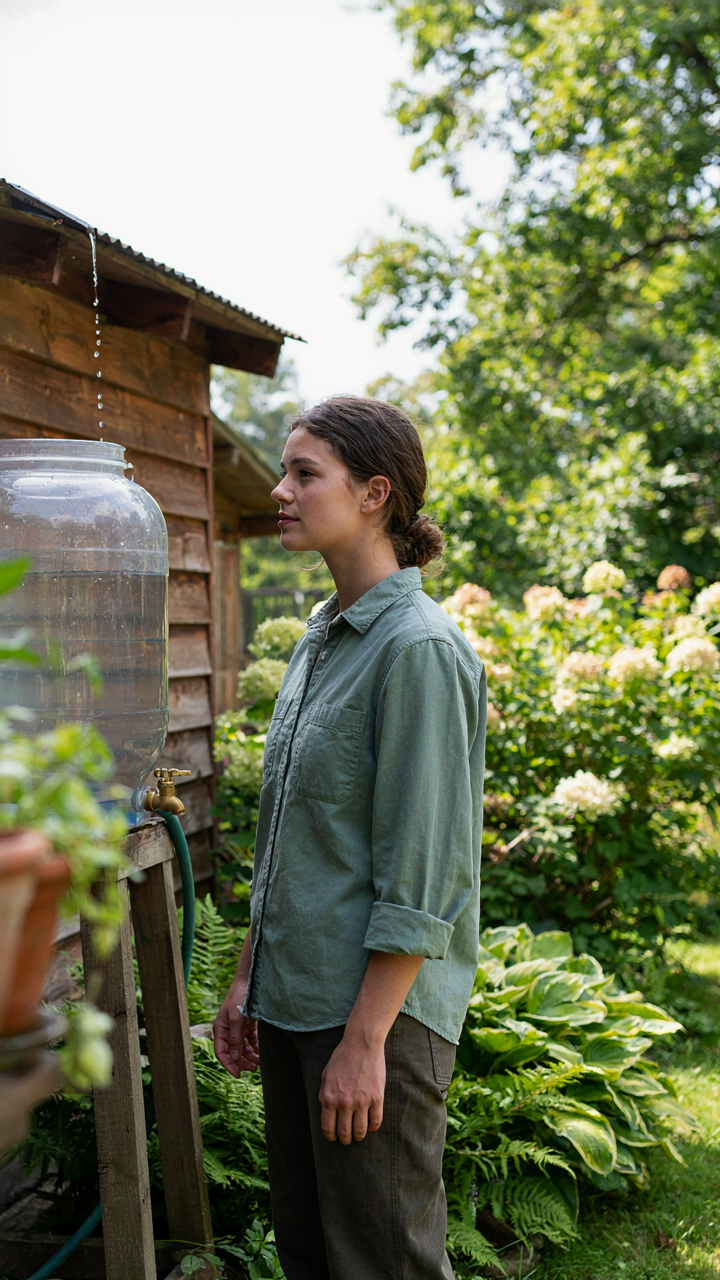
Water and waste become the friction point most people ignore. You need gravity-fed storage at height for consistent pressure, or a small pump system that drains your battery reserves. Composting toilets work, but they require maintenance protocols most people abandon after two months. Start with a tested system: rainwater catchment into elevated tanks, greywater diversion to a constructed wetland, blackwater into an inspected septic or composting system. Document your consumption for three months before you claim off-grid living works.
The Permanent Yurt Home Delusion: When A Temporary Structure Becomes A Burden

What Actually Breaks On A Yurt
You want to believe a yurt lasts forever because that justifies the investment. Here’s what actually happens: yurts are engineered as temporary or semi-permanent structures, and the materials degrade in predictable ways once you stop treating them that way. Think of it like thermodynamics—entropy always wins, and a yurt’s design assumes regular maintenance cycles, not indefinite occupancy without intervention.
The fabric cover degrades fastest. UV exposure breaks down acrylic or canvas fibers within five to seven years of continuous exposure, depending on climate and cover type. Wood lattice walls absorb moisture and develop rot in damp environments. The compression ring at the crown rusts if not sealed. Roof felt separates. These aren’t design flaws—they’re material realities. You can extend intervals with proper sealing and ventilation, but you cannot avoid them.
Zoning Laws Kill The Dream Faster Than Weather
Most jurisdictions classify yurts as temporary structures or recreational camping equipment, not dwellings. Permanent residency triggers building codes that yurts cannot meet. Your county assessor will eventually notice. So will your insurance company. The real mechanism here is legal classification: the moment you attempt year-round occupancy on land zoned residential or rural, you’re now subject to code requirements for foundations, egress, plumbing standards, electrical safety, and snow load capacity that a yurt’s design never intended to satisfy.
Permitting varies wildly by region. Some counties allow yurts for guest housing or temporary structures on agricultural land. Others ban them outright for residential use. A few treat them as RVs if they meet specific dimensions and have integrated systems. The common advice to “just check local codes” is incomplete because codes change, enforcement is inconsistent, and what worked five years ago may not work now. Before committing capital, get written approval from your county zoning office and building department in the same document, not separate conversations.
Wood Yurt Construction: Not Just For Aesthetics, But For Resilience

Why Solid Wood Frames Win
You want the yurt to look traditional because it signals authenticity to guests willing to pay premium rates. But the real mechanism is structural integrity. Solid wood frames distribute wind and snow loads across the lattice wall system more evenly than hybrid or metal alternatives. The wood absorbs stress without brittleness. When a 40-mile-per-hour gust hits, the frame flexes rather than transmits shock to connection points.
Mongolian yurt builders understood this through centuries of steppe conditions, not engineering degrees. The wood crown (top ring) and compression ring work as tension and compression members simultaneously. Metal frames skip this nuance. They’re cheaper upfront and look modern, but they transfer all load directly to anchor points, which fail faster in repeated stress cycles. Solid wood construction is the envelope that actually performs.
The Economics Of Rot Prevention
Common advice says wood yurts need constant maintenance. That’s incomplete. The real variable is wood species selection and initial treatment protocol, not the maintenance frequency myth suggests. Heartwood from rot-resistant species like larch or cedar resists decay without chemical saturation. The grain structure naturally repels water penetration. Sapwood fails. Heartwood endures.
Environmental impact gets framed as a trade-off between durability and sustainability. It isn’t. A yurt frame lasting 30 years with minimal intervention beats one needing replacement every 10 years, regardless of material. Calculate the carbon footprint of replacement cycles, not just harvest impact. Apply this annually: inspect joints for water pooling, seal any checks in wood before winter, replace weathered fabric panels when water no longer beads on contact.
The Yurt Resort Trap: Commodifying Solitude And Selling False Luxury

What Convenience Actually Costs
You want to believe the markup is justified because someone else handled the logistics. That’s the real mechanism at work here. Resort yurt operations charge 60 to 70 percent premiums over independent glamping by packaging away friction. They absorb booking complexity, maintenance, staffing, insurance, and site acquisition into one bundled price. The convenience fee isn’t hidden. It’s baked into every nightly rate as operational overhead you explicitly pay for but rarely see itemized.
The economics model inverts what drew you to glamping originally. Independent yurt sites operate on lower margins because owners often live on-site or manage multiple properties themselves, cutting labor costs. Resort chains require middle management, corporate structure, and standardized systems. That structure demands higher volume to justify itself. Higher prices attract fewer guests, which means occupancy rates must climb to hit profit targets. Resort yurts frequently compromise on genuine isolation to maintain accessibility and turnover velocity.
Separating Real From Packaged Experience
The common advice says book through established platforms for safety and reliability. That’s incomplete. Platform aggregation creates a filtering problem: the most authentic yurt experiences don’t list there because owners can’t afford the commission rates or don’t need the traffic. You miss the operations that actually prioritize experience design over occupancy metrics.
Authentic experiences share one trait: the operator has skin in the game beyond quarterly earnings. Look for yurts where the owner manages daily operations, maintains the site personally, or built the business to serve a specific place rather than extract value from it. Call properties directly instead of booking through third-party platforms. Ask one specific question: how many guests do you take per month, and do you ever turn bookings away to protect the experience? The answer reveals whether profit maximization or experience integrity drives decisions.
The Real Obstacle Isn’t Finding A Yurt, It’s Escaping Your Own Contrived Expectations

You don’t need the perfect yurt. You need to stop waiting for one. Most people research glamping for months, comparing thread counts and heated floors, when they should book a mediocre yurt this weekend and learn what actually matters. The friction you feel isn’t the yurt’s fault. It’s you resisting the unfamiliar. Pick one, reserve it, show up uncomfortable. Your expectations will either dissolve or sharpen into something real. Either way, you’ll finally know what you actually want instead of what you think you’re supposed to want.