
Introduction
Boost Your Yoga Vibes with Healthy Travel Meals and Fitness Tips is about keeping your energy high and body fit while embracing yoga. When you travel, it can be hard to eat well and stay active, but these are key to feeling great and improving your yoga.
This article covers making healthy food choices when traveling, how to plan your meals, and easy fitness tips to complement your yoga practice. You will find practical advice on meals that support your energy and how to keep your body ready for yoga anytime, anywhere.
Why Healthy Meals Matter for Yoga

Eating well before or after your yoga practice isn’t just about nutrition—it plays a direct role in how you perform and feel on the mat. I’ve noticed that when I skip balanced meals, my energy dips halfway through a session, and holding poses gets tougher. That’s not surprising, since food fuels your muscles and brain alike.

What you eat affects:
- Energy levels: Without steady fuel, you might feel tired or sluggish, making it harder to stay engaged during practice.
- Mental focus: Yoga requires concentration, and if your blood sugar swings too much, your mind wanders or feels foggy.
- Body performance: Your muscles and joints depend on good nutrition to function optimally, allowing for better balance and flexibility.
It’s not always clear-cut, though. Sometimes lighter meals work better, other times you need more sustenance. Experiment to see what supports your routine best. But ignoring what you eat—well, that just puts you a step behind your yoga goals.
Energy from Balanced Foods
Balanced meals combine carbs, proteins, and fats in ways that keep your energy steady. You might think carbs alone give quick boosts, but those peaks often crash fast. Including some protein and healthy fat slows digestion, offering lasting fuel that feels gentler on your body.
Examples that have worked for me:
- Oatmeal topped with nuts and a little fruit
- Whole-grain toast with avocado and a boiled egg
- A small quinoa salad with veggies and grilled chicken
These meals aren’t just about calories—they provide a mix of nutrients helping your body sustain activity without feeling weighed down. You want to avoid heavy or greasy foods before yoga, but also don’t want to practice hungry. Finding that middle ground can be a bit tricky.
Food Impact on Yoga Focus
It’s curious how your choice of food can shape mental clarity during a session. Take hydration—sometimes overlooked but essential. Even mild dehydration can disrupt focus and make poses feel harder than they should.
Also, foods that keep blood sugar stable help avoid the distractive spikes or dips. For instance, pairing fruit with nuts or yogurt slows sugar absorption, making mental fog less likely.
Here are some simple options to try before yoga:
- A banana with a handful of almonds
- Greek yogurt with a sprinkle of chia seeds
- Carrot sticks and hummus
These snacks hydrate and nourish without overwhelming your system. Your mind feels clearer, your breath steadier, allowing you to sink deeper into the practice. It might be subtle, but it makes a difference you can sense.
Planning Meals for Travel Days
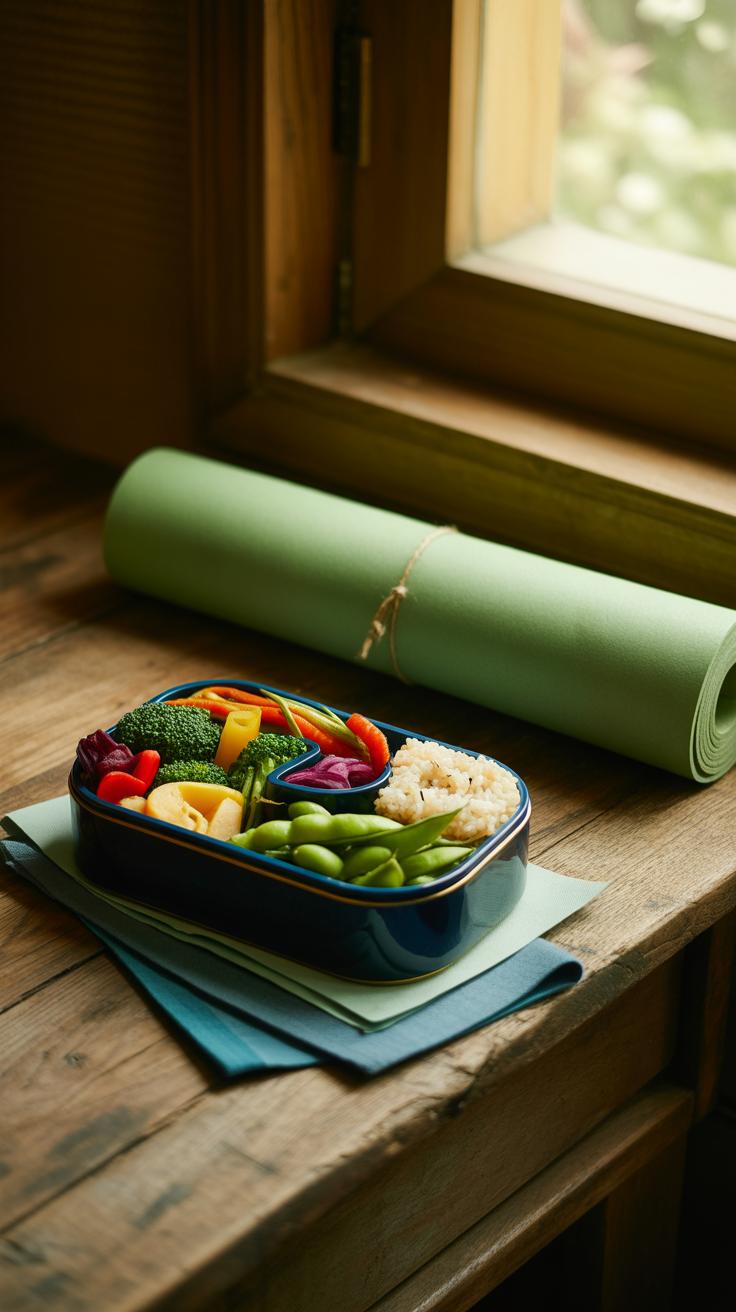
Travel days can throw off your routine, making it tricky to stick to healthy eating. But if you plan ahead, you can keep your energy steady and your yoga vibes strong. Think about meals that won’t only satisfy hunger but also support your body during the sometimes chaotic travel hours.
Start by choosing simple, nourishing foods that travel well—things that don’t spoil quickly or create a mess. Packing meals that include balanced portions of protein, fiber, and good fats can help avoid the sluggish feeling often caused by airport snacks or fast food. It might feel a bit like a puzzle at first, but once you find reliable staples, planning becomes easier.
For packing, containers matter more than you might expect. Sturdy, leak-proof options keep your meals intact and stress down. Don’t forget cooling methods—a small insulated bag with ice packs can make a big difference if your journey lasts for hours. You want to avoid soggy greens or warm yogurt if you can.
Easy Meal Prep Ideas
Quick and nutritious doesn’t have to mean boring or bland. Here are some travel-friendly ideas that are low-fuss yet filling:
- Overnight oats in a jar, topped with nuts and dried fruits—easy to grab and ready-to-eat.
- Hard-boiled eggs paired with whole grain crackers or veggie sticks.
- Mixed nuts and seeds with dried berries; a solid mix of protein and healthy fats.
- Whole wheat wraps filled with hummus, fresh spinach, and shredded carrots; no refrigeration needed if eaten within a few hours.
- Chickpea salad with olive oil and lemon, stored in a sealed container—this keeps well and refreshes your palate.
Try to avoid things that require reheating or complicated utensils. It’s best if you can just eat straight from your container or with a simple fork.
Packing Tips for Freshness
Keeping your meals fresh on the go can feel like a small challenge, but some practices really help.
- Use BPA-free plastic or glass containers that seal tightly. I once had a messy spill without these—lesson learned the hard way.
- Throw in a reusable ice pack or freeze a water bottle overnight; this keeps items cool without extra bulk.
- Pack foods separately; for instance, keep dressings or sauces in small containers until you’re ready to eat.
- Most importantly, store your insulated bag somewhere cool and avoid leaving it in direct sunlight or hot car trunks.
Sometimes, you might find yourself improvising at the airport or a rest stop. When that happens, choosing fresh fruit or a simple salad can fill the gap without setting your day off balance.
Fitness Activities to Complement Yoga

Pairing your yoga practice with simple fitness exercises can bring a lot to your overall experience—especially when traveling. You might find that keeping up some strength work keeps your yoga poses steadier and your body more resilient. It doesn’t have to be complicated or take much time.
Strength Moves Without Equipment
You don’t need fancy gear or a gym to stay strong on the road. Think about these moves you can do in a hotel room or a quiet park bench:
- Bodyweight squats: They target your legs and core, making balancing in yoga easier.
- Push-ups: Classic, simple, and they engage your upper body and core as well.
- Plank holds: Even a short plank improves core stability, which pays off in most yoga poses.
- Lunges: Great for leg strength and hip flexibility, both helpful on the mat.
- Glute bridges: These activate your lower back and hips gently, often neglected in travel.
These exercises are quick but effective. Doing just a few rounds can complement your yoga without wearing you out.
Stretching and Mobility Routines
Before or after yoga sessions, light stretching or mobility work helps your body wake up or cool down. You could try:
- Cat-Cow stretches: To loosen the spine and connect breath with movement.
- Hip circles: Simple, fluid movements to increase hip joint mobility.
- Shoulder rolls: Easy but useful to release tension from travel stress.
- Ankle rotations: Often overlooked but essential for balance in standing poses.
- Neck stretches: Gentle side bends and rolls to ease stiffness.
These routines don’t take long, but I find they make a big difference for how I feel in my yoga practice. Ever noticed how even a small stretch can change your whole session’s vibe? Maybe you just need a new way to prep your body—that’s worth a try.
How to Choose Healthy Snacks on the Road
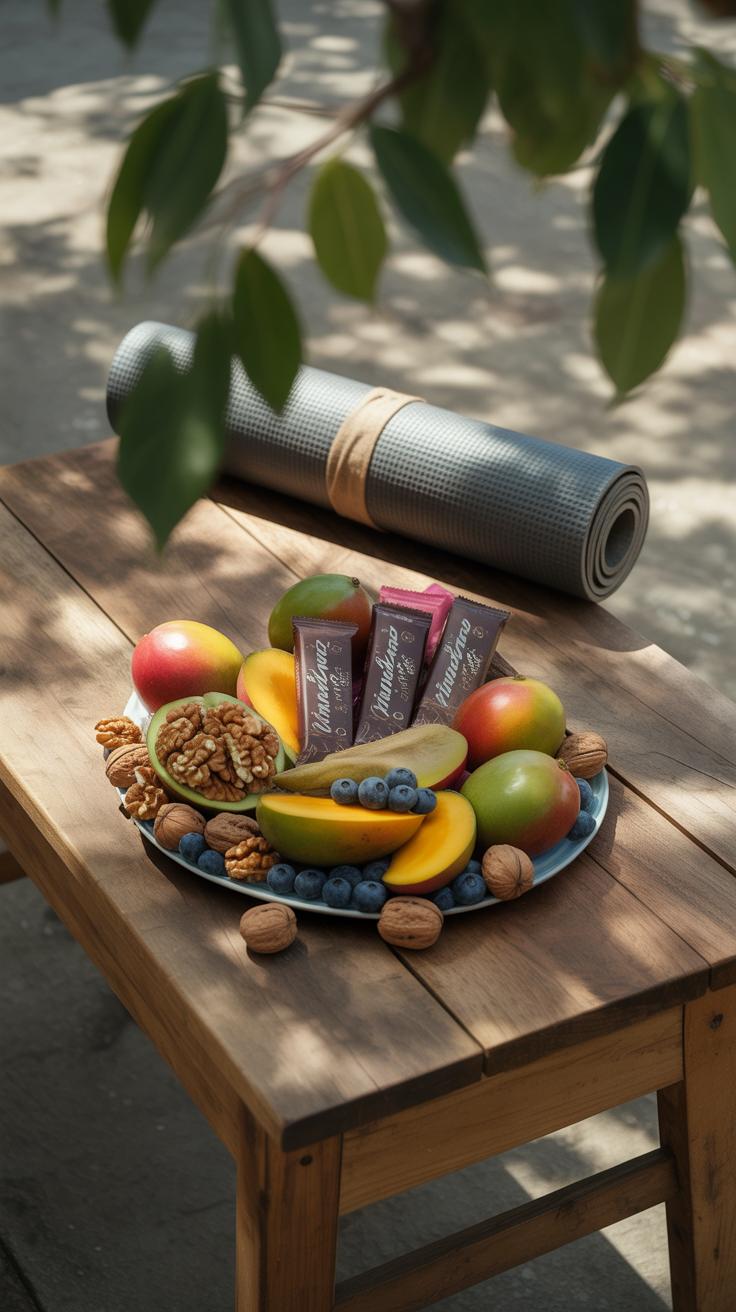
Picking the right snacks when you’re traveling can really make or break your yoga energy and balance. It’s a bit tricky—sometimes what seems convenient ends up weighing you down or making you sluggish during practice. The goal is to stay fueled without feeling bloated or jittery.
Nutritious Snack Options
You want snacks that provide a good mix of protein, fiber, and healthy fats. Think about nuts like almonds or walnuts—they’re easy to carry, filling, and keep your energy steady for a long time. Seeds, such as pumpkin or chia, also add a nice crunch and a nutrient boost without fuss.
Greek yogurt cups or hard-boiled eggs (if you can keep them cool) are solid protein options that won’t spike your blood sugar. Whole fruit combined with a bit of nut butter can help you avoid that mid-practice energy dip.
Granola bars made from oats, nuts, and minimal sugar can work too—but check the labels closely. It’s easy to grab something that looks healthy but is packed with hidden sugars.
What to Avoid in Snacks
Steer clear of sugary snacks, no matter how tempting they are at the airport or roadside stands. They might give a quick burst of energy, yes, but it crashes fast—and no one wants to deal with that mid-flow. Also, overly processed snacks with long lists of chemicals can cause bloating or discomfort during yoga.
Refined carbs like white bread or crackers might sound like quick fixes, but they often leave you feeling hungry soon after and less focused. Fat-heavy junk foods might slow you down or make you sleepy, so they’re best avoided while traveling and practicing.
It’s a bit of trial and error, honestly. You might find some snacks work better than others depending on your body’s reaction and the type of yoga you’re doing. Paying attention to how your snacks make you feel will guide you better than any strict rule.
Hydration Strategies for Yoga Lovers

If you want to keep your yoga sessions feeling good, hydration plays a bigger role than most people realize. When you travel and practice yoga, your body might lose water faster than usual, especially if you’re in a warmer climate or trying new styles that push you more physically. Staying hydrated isn’t just about gulping water; it’s about timing and balance.
Water Intake Guidelines
Before your yoga session, sipping 12 to 16 ounces of water about 30 minutes prior usually works well. You don’t want to start dry, but drinking too much right before can feel uncomfortable during poses. During your practice, aim to drink small amounts—say 4 to 8 ounces—whenever you sense thirst or finish a challenging sequence. Afterward, rehydrating with 16 to 24 ounces is ideal to replenish what you lost. That said, listen carefully to your body since everyone’s needs vary quite a bit.
Hydrating Alternatives to Water
Water isn’t your only option. Sometimes, plain water feels flat or hard to keep down, especially when traveling. Certain drinks can better support your yoga practice and recovery, providing nutrients alongside hydration:
- Coconut water – naturally rich in electrolytes, it helps restore minerals lost during sweating.
- Herbal teas – gentle on your stomach and calming; options like chamomile or ginger can soothe muscle tension.
- Fresh vegetable juices – cucumber or celery juice offers hydration with added vitamins.
- Electrolyte-infused beverages without added sugars – useful if you sweat a lot or practice hot yoga.
Sometimes, you might find you prefer these to tap water or bottled water, especially if you’re feeling a bit off or sluggish. Have you ever noticed your practice improving just by changing what you drink? It might be subtle, but hydration subtly influences focus and energy throughout your yoga flow.
Comparing Traditional vs Modern Yoga Nutrition
Traditional Yoga Diet Principles
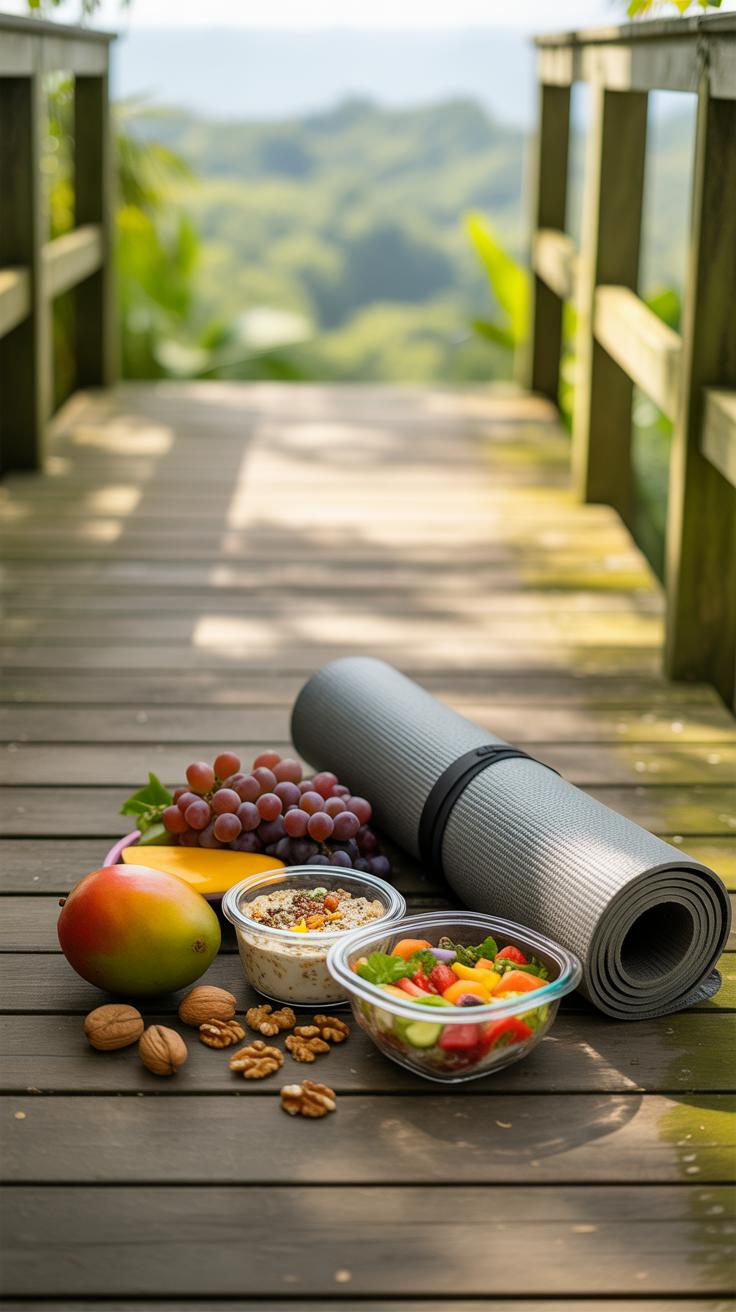
Traditional yoga nutrition is rooted deeply in ideas of simplicity and purity. The focus is often on sattvic foods—those that are fresh, natural, and easy to digest. Think whole grains, fresh fruits, vegetables, nuts, and legumes. Meats, onions, garlic, and overly spicy or processed foods tend to be avoided because they’re thought to disturb mental clarity and balance. The idea seems to be that what you eat directly influences your mind and spirit, so the diet supports calmness and introspection.
Many ancient texts encourage eating mindfully and in moderation, never out of greed or habit. There’s this quiet emphasis on food as a form of offering or even medicine. Sometimes it feels a bit restrictive, like it prioritizes spiritual goals over physical needs. But I guess that’s the point—there’s more to yoga than the body alone.
Modern Nutrition for Active Yogis
Today, yoga practitioners often balance these old ideals with modern nutrition advice tailored to busy, active lives. Protein intake, for example, gets more attention to help with muscle recovery after tough sessions. There’s also an emphasis on hydration, nutrient timing, and variety—so it’s not just about purity but also about fueling energy and performance.
You might find yogis blending plant-based diets with supplements or focusing on anti-inflammatory foods like turmeric and omega-3s. It’s more flexible, adaptive, and sometimes messier. The challenge? Not losing sight of yoga’s calming roots while meeting practical needs. Does that dilute the practice or enhance it? Probably depends on who you ask.
Checklist for a YogaFriendly Travel Bag
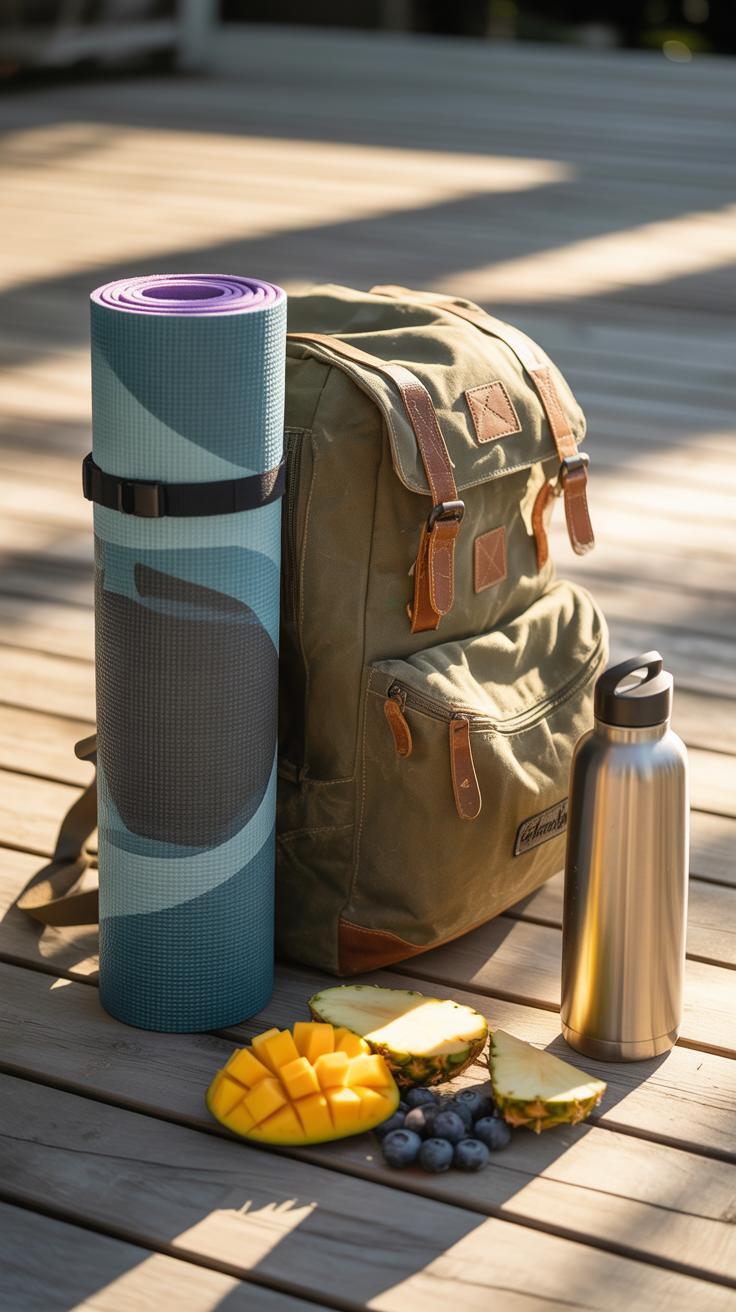
Keeping your yoga vibes steady while traveling can feel tricky. You want foods that fuel your energy without weighing you down, tools that make your practice possible anywhere, and fitness gear that fits into cramped spaces. So, what exactly should you pack?
Must-Have Foods and Containers
Think simple and nourishing. Fresh fruits like apples or bananas travel well, but also consider nuts and seeds for quick protein hits. Maybe some nut butter packets or single-serve hummus add variety without fuss. Overnight oats can be made in advance and stored in a compact container. For liquids, a sturdy, leak-proof water bottle is non-negotiable. You might want a small cooler bag or insulated container if you’re carrying something perishable. Reusable snack bags keep things organized and reduce waste. I’ve often reached for dried figs or quinoa salad when nowhere healthy seemed available—it’s not glamorous but it helps keep balance.
Fitness and Yoga Gear Essentials
Space is tight, so focus on lightweight and versatile. A travel yoga mat or mat towel that folds or rolls up small can transform any surface. Resistance bands are deceptively useful for stretching or strength work, and they barely take any room. A small strap or belt can help with deeper stretches. Think about a foldable water bottle and a compact towel too—these aid comfort without bulk. I sometimes skip my usual gear and regret it—the effort pays off when you can maintain your routine even in unfamiliar places. What gear feels indispensable to you? Maybe packing just a few thoughtful items is better than lugging everything.
Common Meal Pitfalls While Traveling
Skipping Meals and Energy Drops
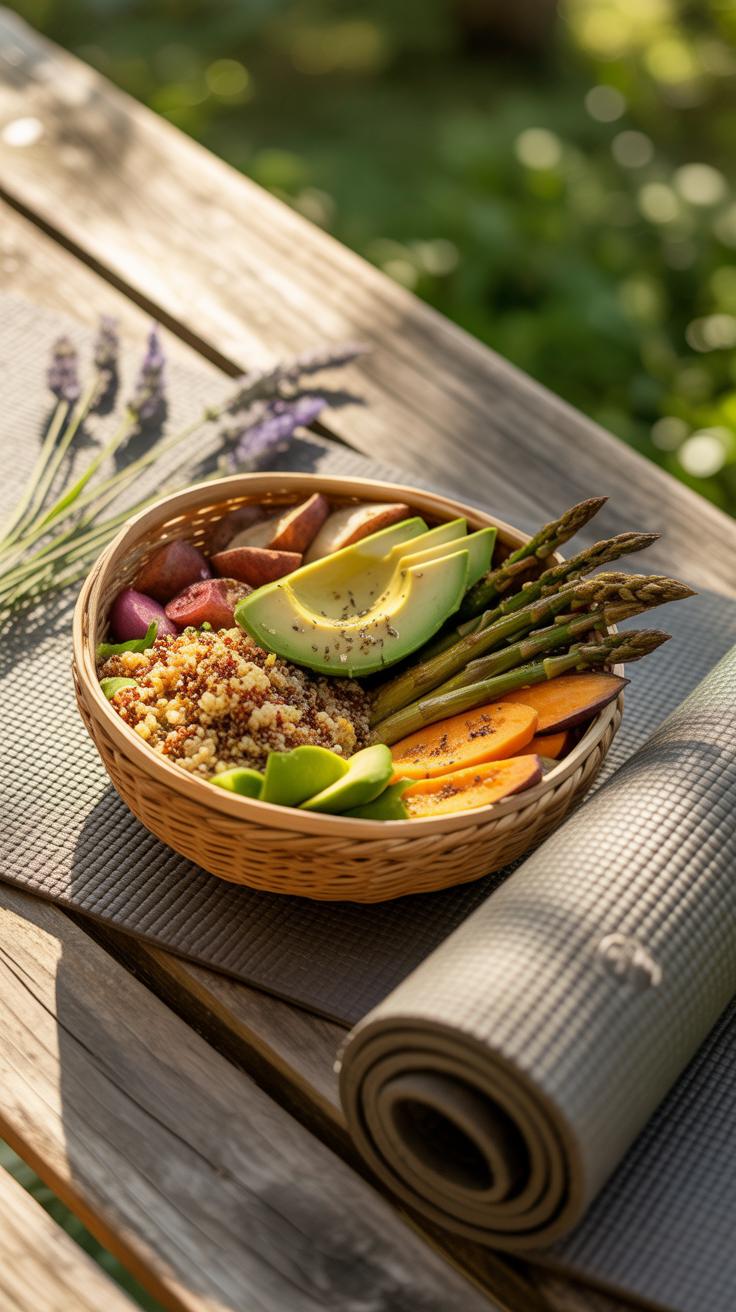
Skipping meals might seem like a quick fix when you’re rushed or trying to save money on the road. But this can really mess with your energy levels during yoga sessions. Without regular fuel, your blood sugar dips, leaving you tired and unfocused — not exactly ideal when you’re trying to hold poses or stay mindful. I once skipped breakfast before a morning class and halfway through, my legs just gave out. Not fun.
Keeping a small snack handy can help, even if it’s just a piece of fruit or some nuts. Eating consistently maintains steady energy, which keeps your mind clear and your body ready for movement. So, if you find yourself skipping meals, ask why. Could a better plan prevent that low energy slump?
Overeating and Discomfort
On the flip side, stuffing yourself before yoga can be just as problematic. Heavy meals sit long in your stomach and can cause bloating, sluggishness, or nausea as you stretch and twist. It’s awkward trying to focus on breath when your belly protests. I remember once overeating at a buffet, then attempting a backbend—it was rough.
Opt for lighter meals before practice, like salads, smoothies, or simple grains with veggies. That way, you get enough nutrients without weighing yourself down. Finding this balance can be tricky, and sometimes you might feel hungry mid-practice anyway. Still, the discomfort of overeating tends to be worse for your flow.
The question is: How do you tune into your body’s signals better while traveling? Experiment with meal timing, portion size, and food types so your yoga practice supports your overall trip vibe rather than conflicting with it.
Example Daily Routine for Yoga and Travel

Morning Meal and Yoga Session
Start your day with something simple but nourishing—like overnight oats topped with fresh fruit or a banana and a handful of nuts. It’s easy to prepare in advance, especially when you’re on the move. You don’t need a fancy breakfast to fuel your practice. Sometimes, just a light meal keeps things comfortable while you flow through your morning yoga.
For the yoga itself, focus on gentle stretching and breathing exercises. Try a 20-minute routine that includes poses like cat-cow, downward dog, and child’s pose. These open the body and calm the mind without overexertion. I’ve noticed that even on days when I’ve had less sleep, this gentle start helps shake off stiffness—and it’s a small ritual that keeps me grounded.
If you feel extra energized, add a few sun salutations. But if not, don’t push it. Flexibility here is key; sometimes a slower start builds better vibes for the day ahead.
Midday Fitness and Meal Plan
By midday, you might want to raise the intensity a bit, especially if you’ve had a mostly sedentary morning traveling or working. A brisk 20-minute walk or a quick bodyweight circuit – think squats, lunges, and planks – can work well without special equipment. It’s something you can do in a small hotel room or even a park bench. I remember once squeezing in a cheeky set between meetings and feeling more alert for hours afterward.
Lunch? Focus on a balanced plate: lean protein, whole grains, and vibrant veggies. A grilled chicken salad with quinoa and mixed greens works well and feels fresh even after a long trip. If you prefer plant-based, lentil stew with brown rice is hearty and travel-friendly. The challenge is to find something satisfying without being overly heavy—it’s a fine line you’ll figure out by trial.
As you plan your midday routine, think about what leaves you feeling steady, not sluggish, so you can meet your afternoon activities with calm energy. It might not always be perfect, but a bit of intention goes a long way.
Conclusions
Eating healthy meals during your travels gives your body the fuel it needs to enjoy yoga fully. You can choose simple food options and prepare meals that are both nutritious and easy to carry. This helps keep your energy steady and your mind clear during your practice.
Adding regular fitness routines that fit your travel schedule helps maintain your strength and flexibility. These tips combined with mindful eating habits create the best environment to boost your yoga vibes and get the most from your practice wherever you go.