
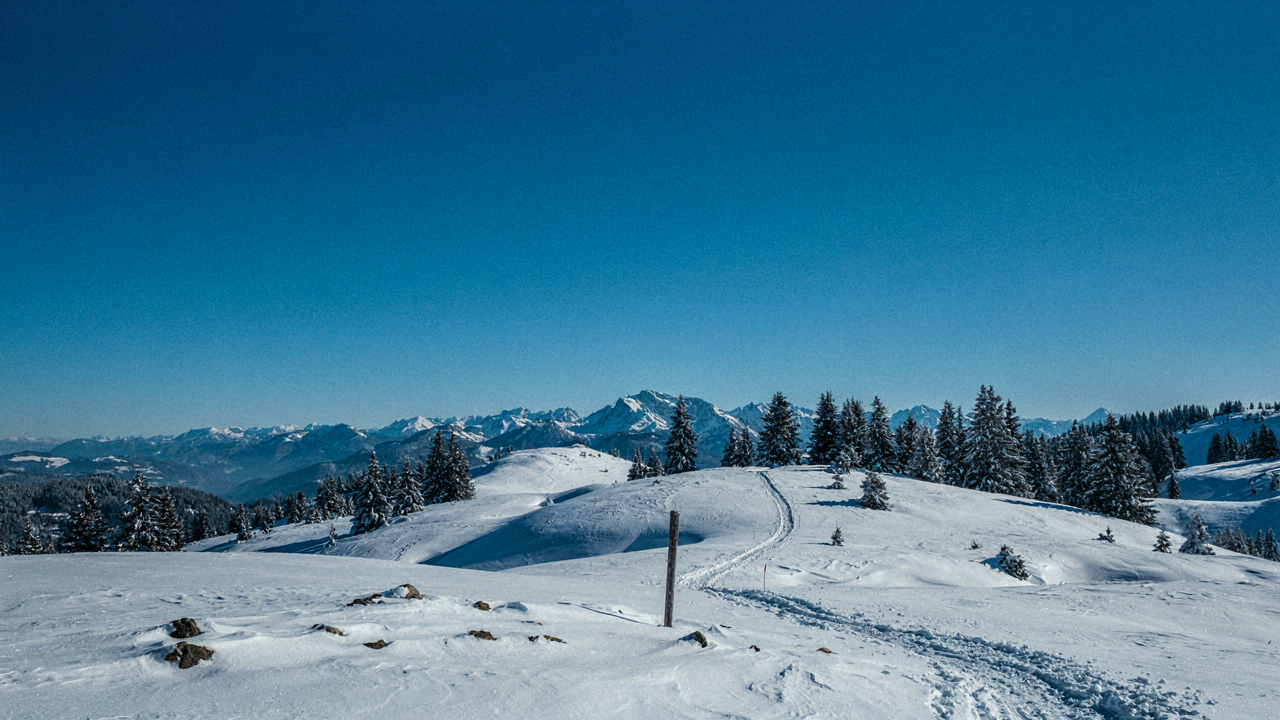
Beyond Instagram: The Winter Hiking Outfit Women Protocol
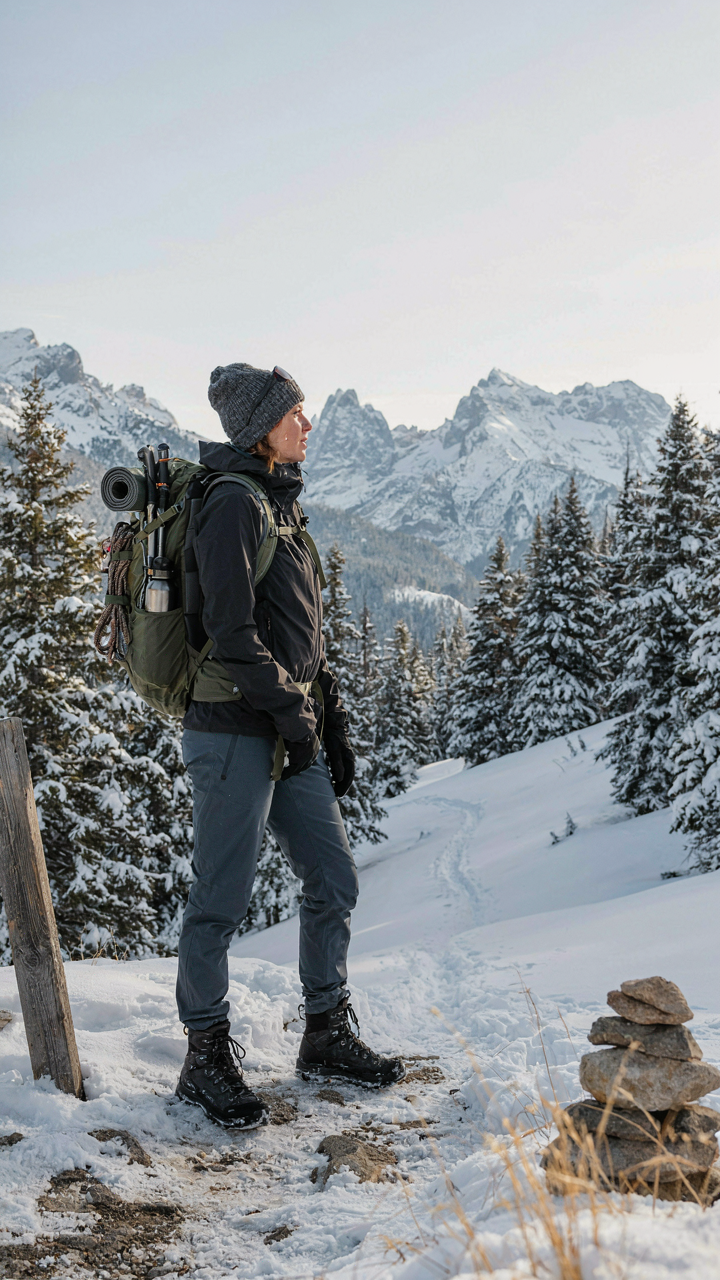
What Instagram Gets Wrong About Winter Layering
You’re looking at winter hiking outfit photos because you don’t want to freeze or look unprepared, but what you’re actually hunting for is permission to exist competently in a space that feels foreign. The real mechanism Instagram obscures: winter layering isn’t about stacking cute pieces. It’s about vapor pressure and heat loss. Each layer serves a specific job based on whether it moves moisture away from skin or traps dead air. Instagram shows the outfit. It never shows how sweat kills you faster than cold does.
The consensus advice treats layers as interchangeable. Wear base, mid, outer shell. Done. This is incomplete and leads women to buy expensive jackets that fail because the base layer underneath them is cotton or merino blended with synthetics in the wrong ratio. Base layers aren’t fashion items. They’re sweat management systems. Your base layer must actively wick or your mid layer becomes a wet insulation disaster. Start here: merino wool or hydrophobic synthetic for base. Not cotton. Not blended. The fiber type determines whether you stay dry or become a hypothermia candidate.
Function Over Appearance Is Not Compromise

Prioritizing function doesn’t mean sacrificing how you look. It means rejecting the false choice between style and survival. Winter hiking outfits fail not because they’re unfashionable but because women choose form before testing fit in actual conditions. A jacket that photographs well but doesn’t seal at the wrists becomes a wind tunnel. Pants with aesthetic tapers cut off circulation and make boots impossible to layer over. Real winter hiking requires your outfit to work first, look acceptable second.
The protocol is simple: purchase every piece with active use in mind, not appearance in still photos. Fit your boots with heavyweight hiking socks and ensure your pant legs clear the boot shaft by two inches. Your jacket should cinch at wrist and waist without compression. Your base layer should have a snug fit that promotes moisture transfer, not tight enough to restrict movement. Test each layer in cold conditions before committing to a full outfit. Function verified in the field beats aesthetic approval on social media.

The Thermal Regulation Matrix: A Cold Hiking Outfit Dissection

Wicking Moves Moisture, Not Heat
You want to believe your base layer keeps you warm. It doesn’t. A base layer’s job is damage control—moving sweat away from your skin before it becomes a heat sink. Physics calls this vapor transport, and it’s the mechanism that separates survival from hypothermia on a winter hike.
Merino wool and synthetic polyester both wick through the same principle: they have low affinity for water, so moisture moves through their fibers faster than it sits on your skin. Cotton does the opposite. It absorbs water and holds it against your body, which is why the rule exists: never wear cotton in winter. Your base layer doesn’t warm you. It preserves the warmth you already generate.
Trapped Air Does The Actual Insulating
The mid-layer is where heat stays or leaves. While your base layer manages moisture, your mid-layer traps dead air—the same principle behind down jackets, wool sweaters, and fleece. Heat loss happens through conductivity and convection. A mid-layer interrupts both by creating barriers of still air that your body cannot heat.
Fleece, down, and wool all work because they create these air pockets, not because of the material itself. A dense fleece blocks wind and traps air more effectively than a loose knit. Down compresses under weight but lofts back up when you move, maintaining air pockets throughout. Choose mid-layers based on how much dead air they create and how well they retain that air when compressed under your outer shell.
Outerwear: The Unsung Hero Of Cold Hiking Outfits
Hardshell Vs Softshell: Choose Wisely
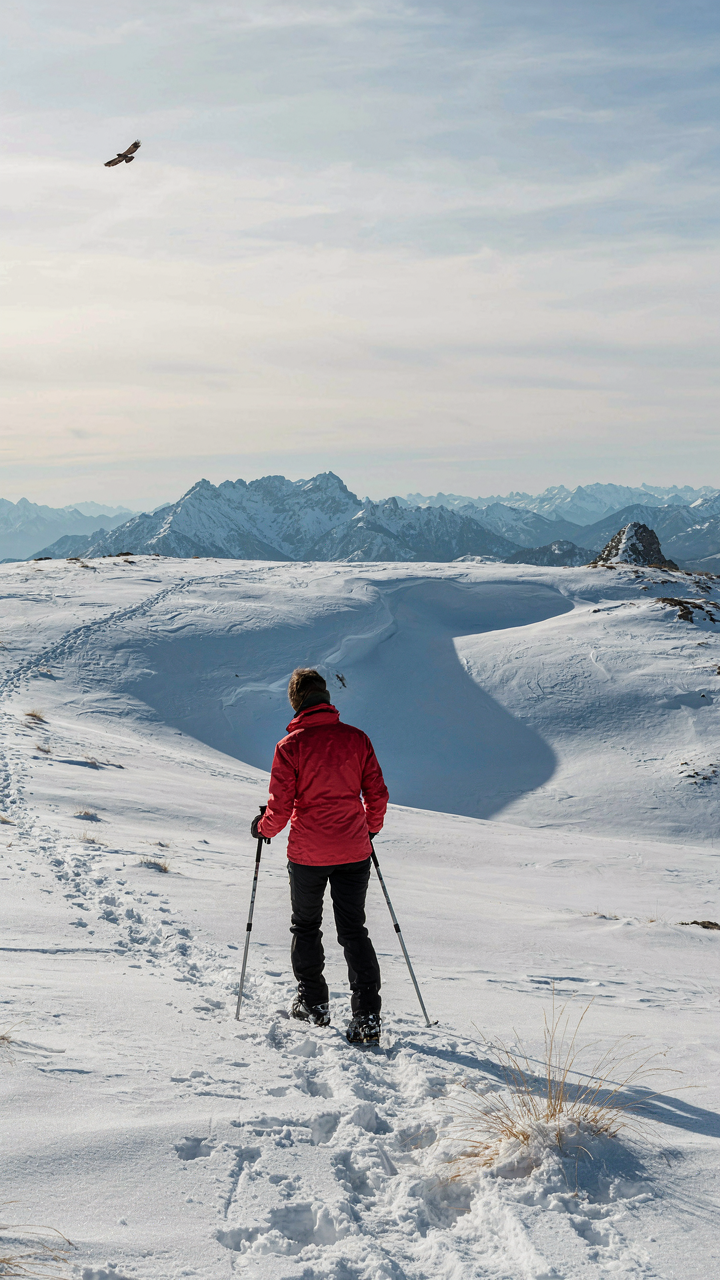
You want the jacket that makes you look competent on the trail. Here’s the mechanism: hardshells and softshells solve different problems. Hardshells use rigid materials like Gore-Tex to block wind and water completely. Softshells use stretchy, breathable fabrics that shed light precipitation but fail in sustained rain. Hardshells are stiffer and noisier. Softshells move with you and stay quiet. Most women choose wrong because they pick based on weather forecasts instead of actual conditions. Winter hiking rarely stays dry. Wind layers and moisture happen fast.
A hardshell is non-negotiable for winter hiking outfits. You need a jacket that stops wind penetration and handles sleet, not just drizzle. Softshells are faster on dry days but they fail when conditions turn—and on winter hikes, they will. Buy a hardshell that fits your torso without excess fabric. Taper at the waist if needed. When you’re moving uphill, you’ll heat up inside it. That’s the point. Hardshell lets you regulate by removing layers underneath, not by hoping your jacket breathes enough.
Ventilation Is Critical: Avoid Sauna Effect
Stopping mid-hike to strip off layers means wasted energy and reset time. Thermodynamics governs this: moisture accumulates when vapor pressure inside your jacket exceeds vapor pressure outside. Your body generates heat during climbing. That heat creates sweat. If your jacket traps warm, wet air, you’ll chill hard during breaks. Most winter hiking jackets marketed to women skip pit zips entirely or add token versions that don’t open wide enough to actually dump heat.
Buy a hardshell with full-length pit zips that extend from your ribs to your armpits. This is the non-negotiable feature for winter hiking outfits. Pit zips let you vent during ascents without removing your jacket and losing your weather barrier. Open them on climbs. Close them on descents. If your current jacket doesn’t have pit zips, it’s a liability in cold conditions where stopping to cool off turns dangerous fast.
The Footwear Fallacy: Real Winter Mountain Outfit Needs
Insulation And Waterproofing, Not Bulk
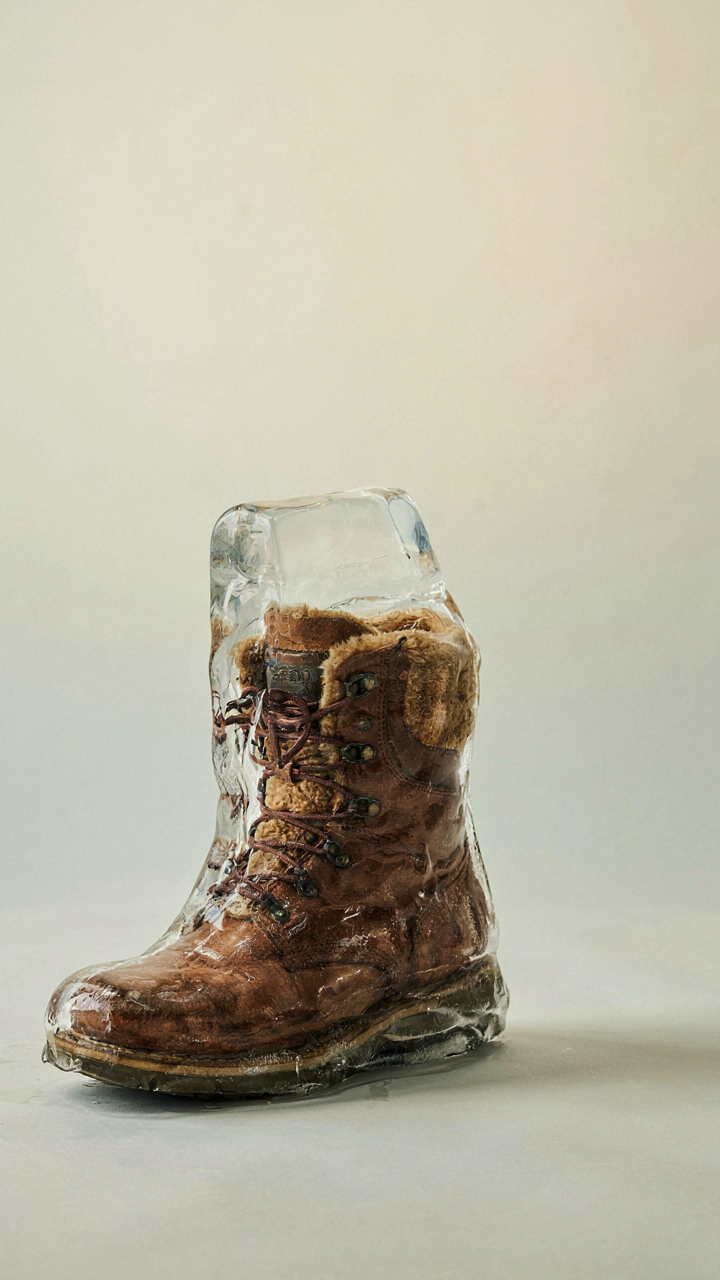
You want boots that look serious because you’re worried people will mistake you for unprepared. Here’s the mechanism: insulation and waterproofing are separate systems, and treating them as one keeps you cold or wet. Bulk doesn’t equal warmth. A heavy boot with poor insulation performs worse than a lighter one with better thermal rating. The insulation value matters. Waterproofing prevents moisture intrusion from snow and slush. These work independently.
Most winter hiking boots marketed to women prioritize aesthetics over thermal efficiency. The real variable is insulation type and thickness, measured in grams. A 200-gram rated boot with proper sock layering outperforms a 400-gram boot with mediocre materials. Waterproof membranes like Gore-Tex stop external moisture without adding significant weight. Test fit boots with the sock system you’ll actually wear. Cold toes come from poor fit or inadequate sock choice, not boot weight.
The Sock System That Actually Works
Merino wool dominates winter hiking sock performance because it manages moisture better than synthetics while maintaining warmth when wet. Merino’s molecular structure absorbs and releases moisture vapor without feeling damp, a property synthetic blends replicate poorly. This isn’t preference. This is physics. Most women default to cotton or thin synthetics, which become liabilities in cold conditions.
- Merino Wool Base Layer Socks: 70-100% merino blended with nylon for durability. Maintains insulation when damp and resists odor through natural antimicrobial properties.
- Midweight Merino: 200-400 gram thickness range. Standard choice for most winter hiking. Balances warmth without compression issues in tight boot fits.
- Heavyweight Merino: 400+ grams for extreme cold or stationary positions. Adds bulk but necessary when temperatures drop below 10 degrees Fahrenheit.
- Merino Blend With Nylon: Improves durability over pure merino while preserving moisture-wicking. Nylon reinforces heel and toe areas prone to friction damage.
- Synthetic Blends: Polypropylene or acrylic mixed with merino. Cheaper alternative but loses merino’s moisture regulation advantage above 30 percent synthetic content.
The sock system beats the boot in importance. Two proper merino layers prevent blisters and cold feet better than an expensive boot paired with wrong socks. Fit matters more than brand. Socks should sit snug without cutting circulation. Replace socks showing compression marks after hiking. Moisture buildup starts when sock fibers break down.
Head, Hands, And Neck: The Unprotected Zones Of A Wander Outfit

Where Your Body Actually Loses Heat
You care about this section because you’ve read that extremities matter and want proof you’re doing it right. Here’s the mechanism: your body uses vasoconstriction to pull blood from your skin surface during cold exposure, prioritizing your core. In thermal dynamics, this is called the “core-to-periphery gradient”—your head, hands, and neck sit at the end of that chain, furthest from the heat source. Cover these zones poorly and your body fights a losing battle regardless of your jacket quality.
The numbers reflect biology, not preference. Your head represents about 10 percent of your body surface but generates disproportionate heat loss when uncovered because blood vessels near the scalp don’t constrict as aggressively as those elsewhere. Your neck is a major heat escape route: thin skin, shallow tissue, vessels close to the surface. Hands lose heat through direct contact with cold air and any metal or moisture they touch. Ignore any layer that seems optional—it’s the direct pathway between core temperature and hypothermia risk.
Hat, Gloves, And Neck Wraps For Real Conditions
Most advice on this is incomplete. People tell you to “pick a warm hat” without naming what actually works in different scenarios. A balaclava solves wind-driven heat loss better than a knit cap, but creates condensation buildup that turns lethal when you stop moving. A simple wool beanie works in still, dry cold but fails in wet snow where moisture soaks through. Merino wool resists this better than acrylic because it absorbs moisture without losing insulation properties, but only up to about 30 percent of its weight in water.
Gloves demand a choice: dexterity or warmth, rarely both simultaneously. Mittens trap more heat because they cluster your fingers together, reducing surface area exposed to cold air. Gloves give you grip and touch sensitivity for navigation or adjusting gear. In actively cold conditions below 10 degrees Fahrenheit, bring both—mittens for rest stops, gloves for movement. A neck gaiter or thin merino neck tube prevents wind from stripping heat at the collar line, the gap most women’s jackets leave unprotected. Layer these three elements based on wind speed and precipitation type, not temperature alone.
Accessory Alchemy: Elevating Your Hiking Winter Outfit
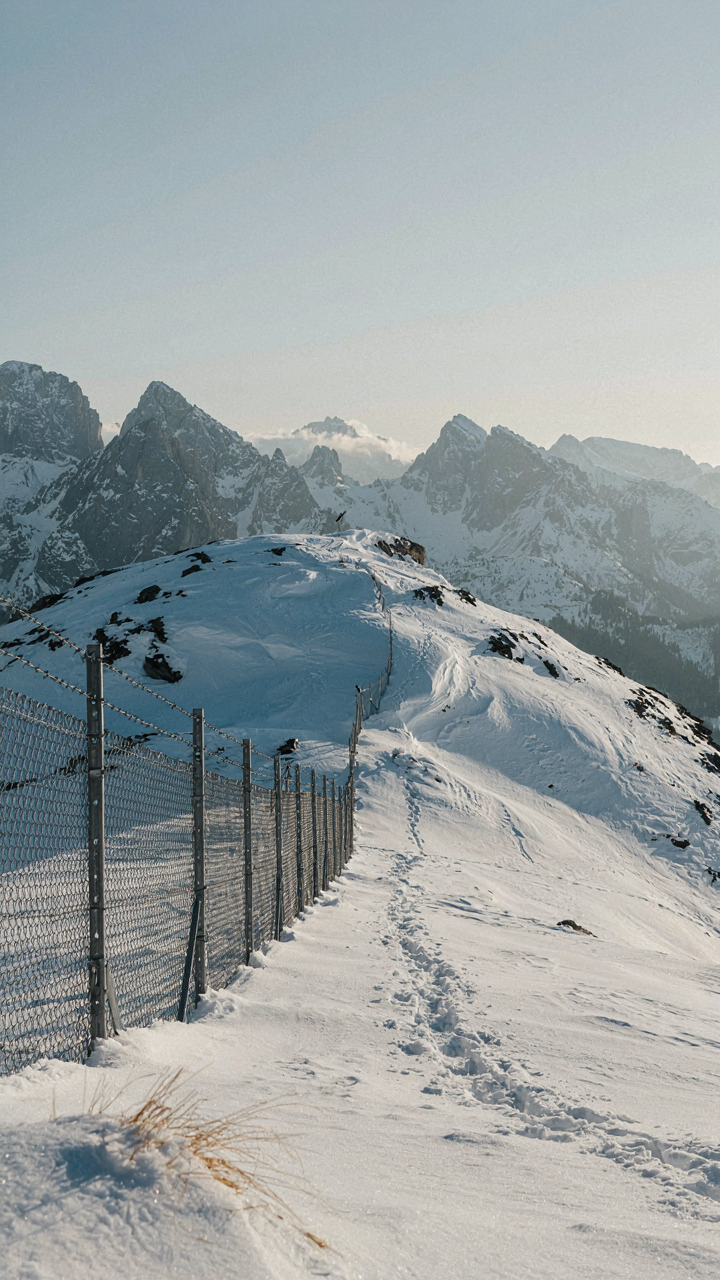
Gaiters Stop Water Before It Reaches Your Boots
You want gaiters because wet socks destroy morale faster than any weather event. That’s the real mechanism: gaiters are a perimeter defense system, borrowing from military doctrine of establishing a barrier at the outer edge before threats penetrate the core. Snow and slush work upward into your boot collar. Gaiters create a sealed boundary at your ankle, forcing moisture to slide off fabric instead of channeling into your insulation.
The common advice treats gaiters as optional. They’re not. Your boot’s insulation only functions when dry. Gaiters wrap from your mid-calf down and around your boot, typically with velcro or snap closures. Choose neoprene or synthetic materials that shed water without absorbing it. Sizing matters: too loose and snow works underneath; too tight and they restrict blood flow. Measure your calf circumference and boot height before buying. The gaiter sits on top of your hiking pants, creating an overlap that channels moisture down and away.
Trekking Poles Distribute Force Across Your Body
Trekking poles aren’t balance aids for the weak. They’re load-distribution tools grounded in basic physics: reducing impact on your knees by 25 percent happens because poles transfer vertical force laterally across your upper body. Winter terrain is unstable. Rocks hide under snow. Ice patches appear randomly. Poles give you four contact points instead of two, which means twice the feedback about what’s underfoot and twice the stability correction options.
Women often skip poles assuming they’re unnecessary on easier terrain. Wrong. Winter hiking demands stability, not difficulty level. Adjust pole length so your elbow bends at roughly 90 degrees when standing on flat ground. Use them on descents especially: they absorb impact and prevent your quads from absorbing the full brunt of gravity plus pack weight. Plant them deliberately in rhythm with your steps. This coordination demands focus initially but becomes automatic after one or two outings. Poles extended mean energy preserved for reaching the summit.
The “Cute Hiking Outfit” Deception: Why Aesthetics Fail
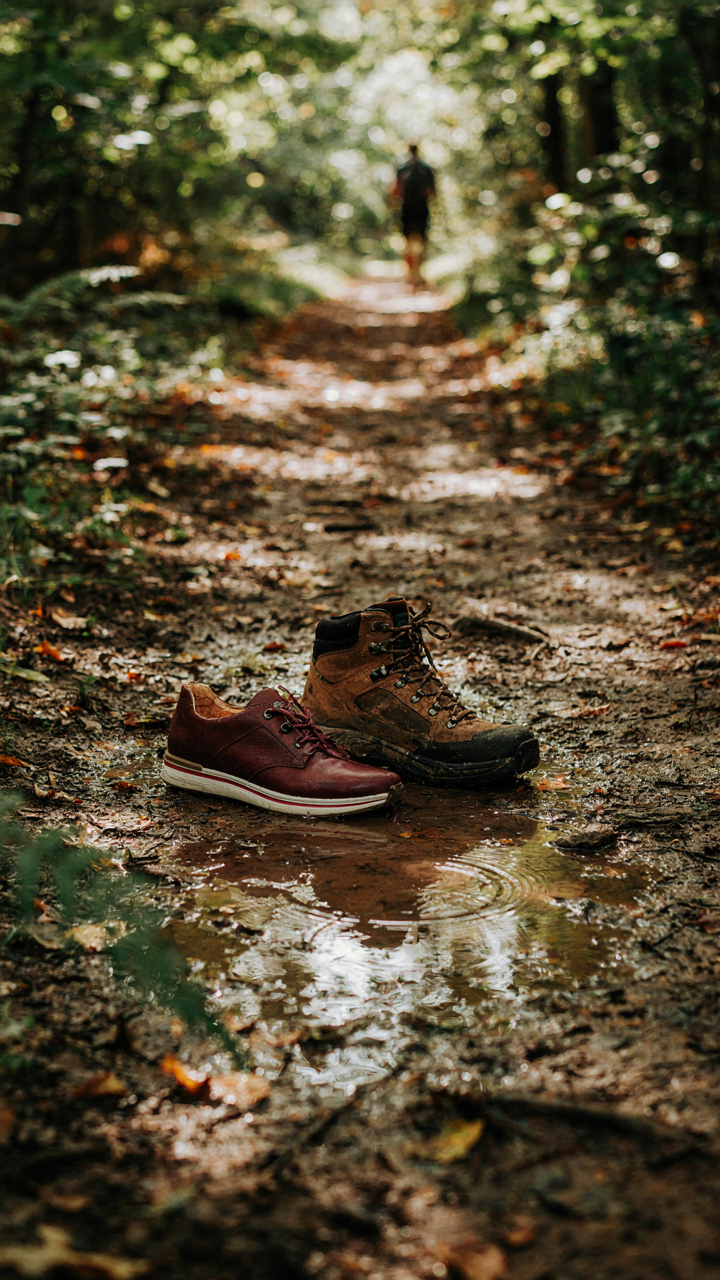
Instagram Doesn’t Keep You Warm
You want to look good on the trail because looking good signals competence, and competence signals you belong in spaces that matter. The mechanism is status anxiety dressed as style preference. Social media amplifies this by showing polished winter hiking fits with no context about what happened after the photo. Women freeze in fitted leggings, thin jackets, and coordinated color palettes because the image worked. Frostbite and hypothermia don’t photograph well, so they stay off the feed.
Real winter hiking demands the opposite visual strategy. Baggy insulation layers look worse than fitted ones but trap dead air space your body needs. Mismatched colors and textures mean you grabbed what works, not what coordinates. The women who survive hard winters prioritize invisibility over aesthetics. They know that looking cohesive on social media and staying functional at sub-freezing temperatures are competing goals, not compatible ones.
Thermodynamics Beats Fashion Taste
Thermodynamics teaches that heat transfer happens through conduction, convection, radiation, and evaporation. Apply this to winter hiking: your fit is functionally a thermal system, not an outfit. The common advice to “layer” is correct but incomplete. Most women layer wrong because they follow aesthetic rules instead of thermal ones. They wear tight base layers that look sleek but compress insulation beneath them, killing dead air space. They skip middle insulating layers because bulk bothers them. They choose jackets for looks rather than wind-blocking fabric weight.
Function is the ultimate form of style because function determines whether you hike again or never return to the trail. Start with a moisture-wicking base that fits loose enough to allow air circulation, add a thick insulating mid-layer with zero compression, then seal it all with a windproof shell. Test each layer by checking if you can pinch an inch of dead space. That gap is your survival margin.
The “Cold Hiking Outfit Women” Error: Overheating Is The Real Threat

Bundle Smart, Not Heavy
You want to look competent and prepared, which means you’re probably imagining yourself wrapped in enough layers to survive a blizzard. The real mechanism here is simple: sweat kills you faster than cold does. When you overheat on the climb, you sweat. That moisture sits against your skin. The moment you stop moving or hit wind, evaporative cooling drops your core temperature hard. You’re now colder than if you’d started with fewer layers and managed heat actively instead of passively.
The common advice says “layer up.” That’s incomplete. What actually works is starting lean and adding strategically as terrain demands. Base layer plus one insulation piece for most winter hikes. Add the puffy only when you’re moving slowly or stopped. Strip it during climbs. This isn’t about comfort—it’s about preventing the sweat-freeze cycle that makes women abandon hikes or face real hypothermia risk. Your skin’s moisture state, not the air temperature, determines your survival margin.
Leverage Your Engine’s Output
Thermoregulation is the biological term, and your body is a furnace that produces heat through muscular work. Women often run cooler at rest than men due to lower average muscle mass, but that gap closes or reverses during sustained exertion. On a winter hike, your legs generate enormous heat climbing. Your core radiates that heat outward. The problem isn’t generating warmth—it’s managing it. Stop treating your outfit like passive insulation and treat it like active heat management.
This means your base layer must wick, not trap. Your mid layer must breathe. Your outer shell must shed wind without trapping vapor. On steep sections, unzip and let heat escape. On flat terrain or descents, zip back up and use the shell to hold what your body just made. Don’t wait until you’re drenched to adjust. The protocol: start cold, add nothing until you’re moving hard, then shed layers as sweat begins. Your metabolic output is a tool. Use it.
The Winter Trekking Outfit Feedback Loop: Adjust Or Suffer
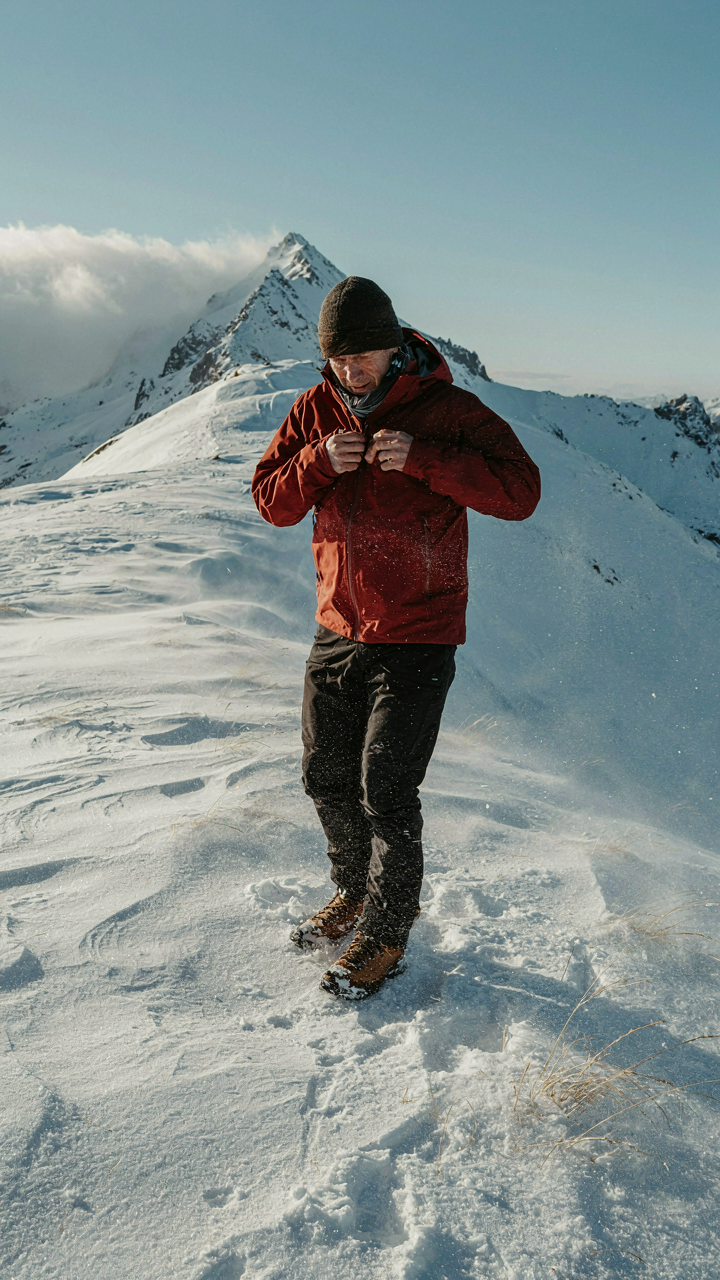
Real Time Course Correction
You want to believe you can plan a winter hike outfit at home and execute it flawlessly. You can’t. The feedback loop is the gap between prediction and reality on the trail. Your body generates heat. The wind changes. You climb, you descend, you stop. Each phase demands a different layer configuration, and the woman who waits until she’s shivering to adjust has already lost.
Treat your outfit like a control system: input is your exertion level and ambient conditions, output is core temperature stability. Micro-adjustments happen before discomfort signals. Open a jacket vent at the first hint of warmth buildup, not after sweat starts. Pull off a hat when your ears feel warm, not when you’re overheated. These moves take seconds and prevent the cascade that leads to sweat, then chilling, then hypothermia risk.
Layers Work Only If You Actually Use Them
Generic advice says “wear layers.” That’s incomplete. Layers are useless if you treat them as static. You need permission to change constantly, and you need to practice it before the trail teaches you the hard way. Most women hike in the same configuration for hours, tolerating gradual discomfort instead of making moves.
Strip down at elevation gains. Add back at rest stops. Adjust sleeves and zippers mid-route without hesitation. Your outer shell traps heat and moisture; venting it matters more than looking “put together.” Bring extra gloves, not because you’ll lose one, but because you’ll swap them when the first pair gets damp from sweat or snow contact. The outfit that works is the one you’re willing to modify every fifteen minutes.
Pre Hike Gear Recon: Mastering Your Winter Hiking Outfit

Test Your Layers Before The Trail
You want to feel confident without actually risking anything, which is why most women skip this step and pay for it on the mountain. The mechanism is simple: your body behaves differently in motion than it does standing still in your living room. A layer that feels warm at rest will trap sweat once you start climbing, then freeze you during the descent. Wear your full outfit around your house for two hours, moving deliberately. Walk stairs. Bend repeatedly. Generate actual heat. This exposes the gaps before they matter.
The real test is a short cold-weather walk outside your neighborhood, ideally on uneven terrain. You’ll discover which pieces ride up, which restrict your arms, and which materials actually stay dry against your skin when you’re working hard. Pay attention to where you sweat first and where you get cold last. This data eliminates guessing during the real hike.
The Non Negotiable Weak Link Inventory
- Base Layer Fit: Too loose and moisture spreads across fabric instead of wicking to the next layer. Too tight and you restrict circulation. Test by lifting your arms overhead and checking for bunching at your armpits or lower back.
- Glove Dexterity: Can you operate a phone, adjust a strap, or tie a boot? If your insulated gloves demand you remove them constantly, they’re creating a failure point. Thin liner gloves under mittens solve this.
- Boot Insulation Rating: Rated for what temperature? Verify the spec matches your typical trail conditions. Insulation degrades under compression, so a 600g boot loses effectiveness if you pack it tightly in your pack beforehand.
- Zipper Accessibility: Front zippers on your insulating jacket should reach your sternum so you can vent heat without removing layers entirely. Side zips or chest pockets don’t cut it when you’re managing core temperature mid hike.
- Pack Shoulder Straps: Winter jackets add bulk. Can your pack straps sit properly without riding up into your neck or slipping off your shoulders? Ill fitting straps create pressure points that accelerate fatigue.
- Sock Cuff Height: Gaiters cover exposed shin skin, but they need sock height to anchor against. Short cuffs leave gaps where snow enters directly. Measure the distance between your boot top and your calf muscle.
Weak links compound. A single overlooked friction point, a zipper that sticks, or a glove that doesn’t grip becomes the reason you abandon the hike. Build your checklist by testing each piece under load, not by reading reviews. Walk through wet conditions, temperature swings, and physical exertion before committing to the full route.
The Real Obstacle Isn’t The Cold; It’s Your Adherence To Outdated Dogma

Most women hike in winter wearing what magazines told them to wear, not what their body actually needs. You’ve internalized the myth that winter gear must look a certain way or follow some invisible rulebook. Stop waiting for permission to experiment. Buy one piece that terrifies you today because it breaks the aesthetic rules you inherited. The only bad winter outfit is the one that keeps you off the trail.