
The Unseen Threat: Why Your Hoodie Will Fail You

Cotton Absorbs Moisture Like A Sponge
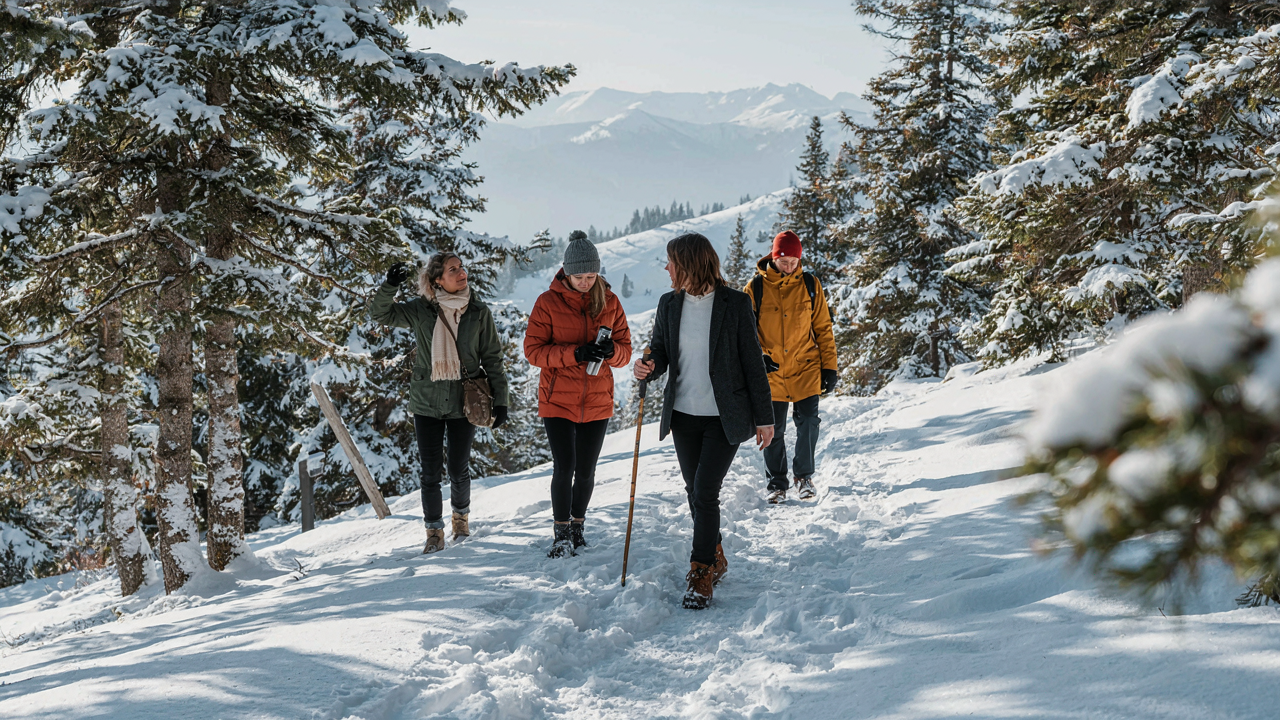
You think a hoodie keeps you warm because it’s thick. That’s not why it kills you in winter. Cotton fibers are hydrophilic, meaning they attract and hold water molecules. When you sweat during a hike—even light exertion—cotton traps that moisture against your skin. The problem isn’t the sweat itself. It’s that cotton won’t release it. As temperature drops and you stop moving, that trapped moisture becomes a heat sink. Your body temperature plummets faster than it would if you were already wet and knew it.
The mechanism is straightforward physics: wet fabric conducts heat away from skin roughly 25 times faster than dry fabric does. A hoodie creates the illusion of insulation while actively working against you. Teens often choose hoodies because they’re familiar, comfortable in everyday life, and look right. None of that matters on a winter trail. Cotton is silent because the failure happens gradually. You don’t feel the danger until you’re already hypothermic and your judgment is compromised.
Sweat Is The Real Enemy, Not Cold

Common advice says “dress warm.” That misses the point entirely. The actual challenge on a winter hike is managing moisture production without creating a wet environment. Think in layers like a physiologist thinks about thermoregulation: your body’s job is to maintain core temperature, and it does this through sweating even in cold air. If you overdress or move too fast, your body sweats. If that sweat can’t evaporate or move away from your skin, hypothermia follows. Temperature is secondary to moisture state.
The protocol is this: base layer moves sweat away from skin using synthetic materials like polyester or merino wool. Mid layer traps air for insulation without absorbing moisture. Outer shell blocks wind and precipitation. This system works because it separates the sweat management function from the insulation function. You remove layers before you sweat heavily, not after. The moment you feel warm enough to consider removing your jacket, remove it. Waiting until you’re sweating defeats the entire system.

The Layering Protocol: Your Personal Climate Control System

Start With Skin Contact
You want to look put-together and not freeze, which means you’re probably thinking about buying expensive gear. Stop. The real mechanism is vapor transport. Your skin produces sweat. If that moisture sits against your skin, you lose heat fast through evaporation. A base layer moves that moisture away from your body to the next layer, where it can evaporate safely. This is thermodynamics in action: phase change cools you down unless you control where it happens.
Synthetic base layers (polyester, nylon blends) and merino wool both wick moisture, but they work differently. Synthetics move moisture fast and dry quickly, making them cheaper and more forgiving when you forget to wash them. Merino wool absorbs moisture without feeling wet, regulates temperature better, and smells less. For teens on a budget, synthetics are the correct choice. For teens who hike regularly and want one layer that handles sweat better, merino costs more but lasts. Buy what fits your repeat usage, not what sounds premium.
Trap Heat Without Trapping Moisture
Mid-layers hold warmth while still letting moisture escape upward. This is the layer that actually keeps you warm while your base layer handles sweat management. Common confusion: people think thicker equals warmer. Wrong. Fleece, down, and synthetic fills all trap air pockets, and air is the insulator. The difference is in how they handle humidity and recovery.
Fleece dries fast and works when damp, making it reliable for teens in variable conditions. Down compresses well and insulates better per ounce, but fails when wet and takes forever to dry. Synthetic fills (PrimaLoft, Coreloft) split the difference: they insulate reasonably when damp and recover faster than down, though they’re bulkier. For winter hiking teens, fleece as your primary mid-layer removes decision friction. Bring it, layer it, stop overthinking it.
Outer Shell: Your Mobile Fortress Against The Elements
Hard Shells Versus Soft Shells
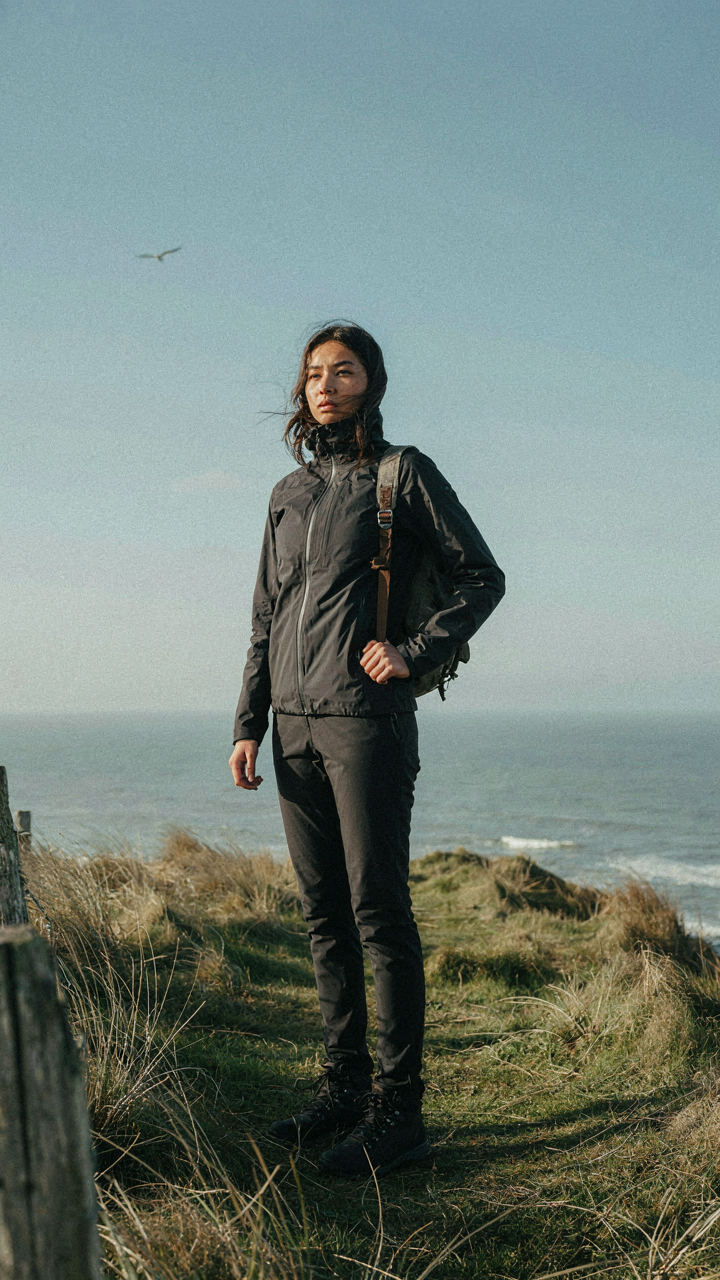
You want to look like you know what you’re doing without actually committing to the gear that proves it. The real choice isn’t about style. Hard shells stop water cold. Soft shells trade some waterproofing for breathability and mobility. Hard shells use rigid membranes like Gore-Tex. Soft shells use stretchy fabrics that vent faster but absorb moisture over time in sustained rain. Teens hiking winter trails rarely stay out long enough to test a soft shell’s limits.
Pick a hard shell if you’re above treeline or in genuine downpour. Pick a soft shell if you’re moving fast and need to shed body heat without stopping. Waterproofing ratings matter less than the actual membrane thickness. A teen in a breathable soft shell moving uphill generates more heat than cold air can steal. That’s the trade-off. Check the fabric weight. Heavier isn’t better. Sealed seams and a hood that fits over a helmet matter more than a number on a spec sheet.
Wind Resistance Blocks The Silent Heat Thief
Physics calls it convection, and winter hikers ignore it at their peril. Wind doesn’t just feel cold. It strips away the warm air your body creates and replaces it with cold air moving across your skin. A jacket without wind resistance is a heater running while your door stands open. Teens feel invincible and skip this layer. That’s when they get cold fast and don’t understand why. Your outer shell stops the wind before it reaches the insulation underneath. The material doesn’t need to be Gore-Tex expensive. A tight weave in any synthetic fabric works. Nylon taffeta, ripstop, or dense polyester all block wind effectively.
Layer your shell over insulation, not directly on skin. Skin contact with a windproof layer traps sweat against your body. That moisture conducts heat away faster than dry air does. Wear a base layer first, then insulation, then your shell. This order preserves the dead air space that insulation needs to function. Test your jacket’s wind resistance before the trail. Stand outside in moving air. If you feel the breeze through the fabric, it’s not blocking convection effectively.
Beyond Jackets: The Critical Role Of Winter Hiking Accessories
Where Your Body Actually Loses Heat
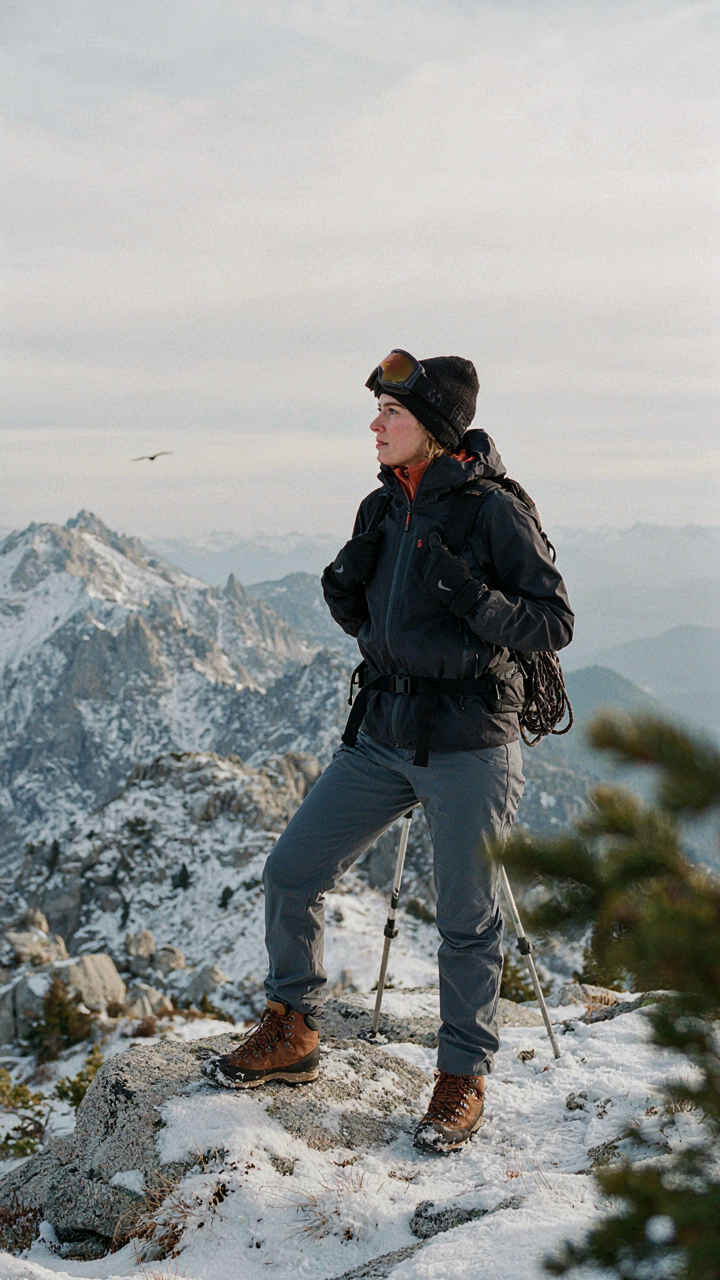
You care about this section because a good jacket alone feels like enough, and admitting it isn’t feels like failure. It’s not. Thermodynamics governs heat loss in winter hiking, and your body treats certain zones as priority exits. Your head, hands, and feet represent roughly 50% of your surface area but account for disproportionate heat bleeding because they have high blood vessel density and minimal insulation. Ignore these zones and your core temperature tanks faster than your confidence on the trail.
Most teens show up with a solid jacket and a weak hat. The mechanism is simple: covered skin radiates heat into cold air at a predictable rate. Uncovered skin accelerates that rate. Your head loses heat fastest because it has no subcutaneous fat layer to slow radiation. Your hands and feet lose heat through both radiation and conduction (direct contact with cold surfaces). A beanie isn’t optional gear—it’s a heat retention tool with measurable impact on your hiking duration and safety margin.
The Specific Gear That Actually Works
A list of accessories doesn’t mean much without context, so here’s what performs under pressure:
- Merino wool beanies or synthetic insulated hats: Retain heat even when damp, unlike cotton. Merino regulates temperature better than fleece alone.
- Gaiters (ankle or full-length): Stop snow from entering boot tops and funneling melt down your socks. This single item prevents most foot-temperature failures on trail.
- Wool or synthetic blend hiking socks: Cotton absorbs sweat and holds moisture. Wool-blend socks wick moisture and maintain insulation when damp—critical for sustained hiking.
- Waterproof insulated gloves with grip palms: Leather or synthetic outer, fleece or down liner. Waterproof matters more than thickness because wet gloves fail instantly regardless of fill.
- Neck gaiter or balaclava: Covers exposed skin on your neck and face. Acts as a passive wind barrier and reduces facial frostbite risk during sustained climbs.
Teens often skip gaiters thinking they’re optional. They’re not. Gaiters create a seal between your boot top and pant leg, eliminating the snow entry point that kills foot comfort fastest. Waterproof gloves fail when teens treat them like regular winter gloves—the waterproof layer means nothing if you don’t keep the liner dry. Check your glove fit before the hike: they should be snug enough to prevent finger sliding but loose enough to wiggle your toes when fully clothed.
The “Winter Camping Outfit” As An Energy Budget
Clothing Functions As A Barrier, Not A Heat Source
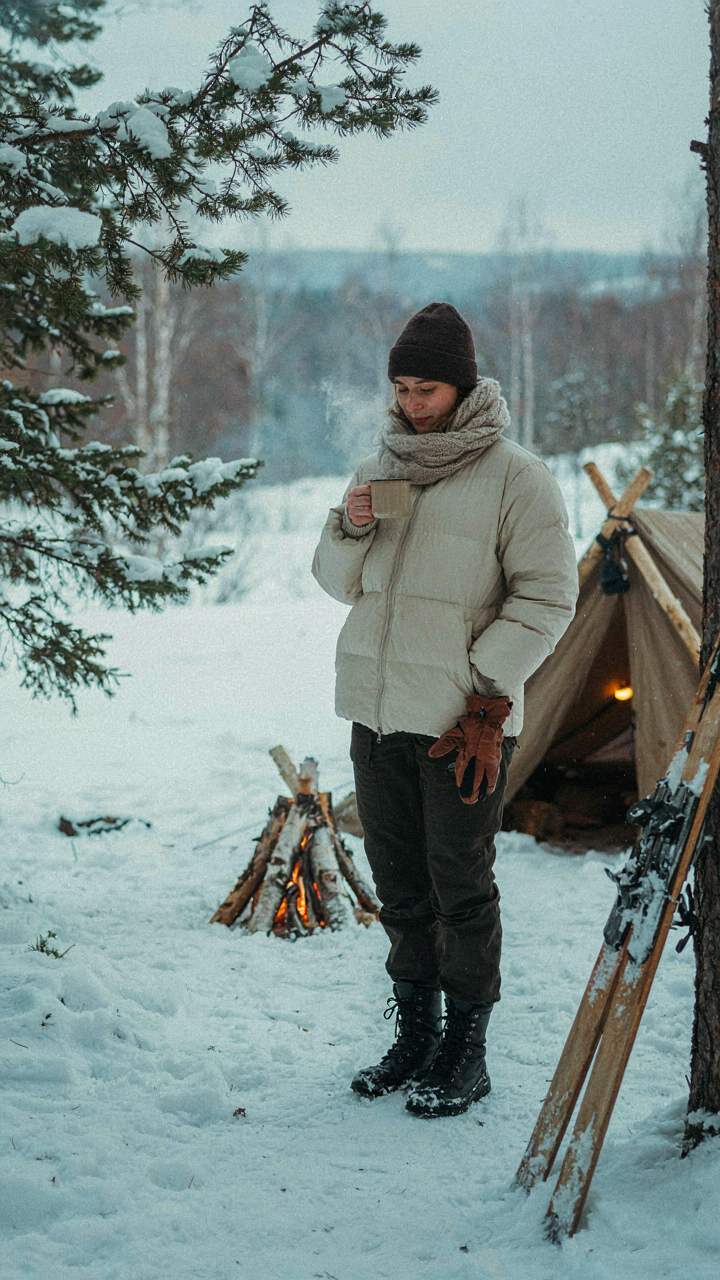
You want to feel invincible on the trail, so you’re thinking about how warm your jacket is. That’s backwards. Physics calls it “thermal resistance”—your gear doesn’t generate heat; it prevents heat loss. Insulation works by trapping dead air inside fibers. Teens often buy thickness instead of understanding this mechanism, stacking layers that don’t communicate or breathe together. The real game is stopping your body’s heat from escaping, not creating fake warmth.
Heat transfers through conduction, convection, and radiation. Your skin radiates warmth constantly. Wind accelerates convection losses. Wet fabric conducts heat away from your body at alarming speed. A winter hiking outfit for teens needs to block all three pathways. Synthetic base layers wick moisture. Mid layers trap air. Outer shells stop wind. When you understand the transfer mechanism, you stop buying random “warm” pieces and start building a system. Your body provides the energy; clothing just keeps it from leaving.
Burn Calories Efficiently Or Shiver Away Your Hike
The common pitch is “dress in layers so you can adjust.” That’s incomplete. Shivering is your body’s emergency metabolic response to heat loss—it burns calories fast and fatigues muscle. Teens on winter hikes often underdress initially because they’re moving, then they stop, cool drops, shivering starts, and the hike becomes suffering. The actual protocol is different: dress warm enough that you’re never cold enough to shiver, even during static breaks.
Metabolic output during hiking generates significant heat. A teen hiking uphill in winter produces as much body warmth as they would in mild weather. The mistake is removing layers only to add them back frantically later. Instead, start slightly cool before movement begins, monitor your core temperature (not surface temperature), and adjust before you start shivering. Shivering means you’ve already failed the energy budget. Your caloric reserve on a winter hike is finite; don’t waste it fighting your own clothing strategy.
Dressing For Dynamic Movement: Trekking Outfit Efficiency

Pit Zips And Layering Strategy
You want to look like you know what you’re doing, so you buy a jacket and assume it handles everything. It doesn’t. Thermodynamics demands you manage heat output actively, not passively. Underarm zippers aren’t luxury—they’re the control valve between overheating and hypothermia on a moving body. A teen climbing uphill generates serious metabolic heat. That same teen stops at a ridge and cools fast. Pit zips let you shed heat mid-effort without stripping layers entirely, then close them when you stop moving.
The mechanism is simple: your core temperature rises during exertion. Trapped moisture and heat build under a sealed jacket. Pit zips create an exhaust route for that humidity before sweat chills you later. Most winter jackets skip this feature to cut costs. Insulated jackets with pit zips exist, but they’re less common than they should be. The real setup uses a breathable outer shell with pit zips paired under an insulating mid-layer you can adjust independently. This stacks control on top of control.
Cut And Stretch Over Bulk
Nobody talks about this directly because fabric engineers aren’t hiking influencers. A tight jacket that doesn’t stretch restricts movement and wastes energy. A baggy jacket traps dead air and adds weight you don’t need. The solution is stretch panels and articulated cuts that move with a teen’s body, not against it.
Four-way stretch fabrics—those that move forward, backward, and side-to-side—let arms swing naturally on climbs. Gusseted underarms (fabric triangles sewn into the pit area) give overhead reach without pulling the whole jacket up. Tapered waists and dropped hems keep insulation from bunching at your hips while you walk. The trade-off is cost and durability—stretchy fabrics wear faster than rigid ones. But on a winter trek where efficiency matters, a jacket that moves with you beats one that fights you every time.
The Post Hike Decompression: Avoiding The Chill

Swap Wet Layers Before You Cool Down
You want to avoid looking weak or unprepared in front of your friends. The real mechanism is physiological: wet fabric accelerates heat loss through evaporative cooling. Once your exertion stops, sweat becomes a liability, not a feature. Your body dumps heat fast in winter conditions, and damp base layers speed that process up by a factor that matters. Change immediately.
Bring a dedicated dry set in a waterproof bag. Merino wool or synthetic base layers work because they maintain insulation even when damp, but dry beats damp every single time. Strip the sweaty layer, dry skin with a microfiber towel you packed, then layer the fresh base layer directly against skin. This takes three minutes and prevents the core temperature drop that leads to shivering, poor decision-making, and actual risk.
Camp Wear That Holds Your Core Temperature
Insulation doesn’t work if you’re sitting still after exertion. Physics calls this passive heat retention, and your goal is to trap the warmth your body still generates without adding moisture. Puffy jackets filled with down or synthetic insulation solve this problem because they create dead air space that resists heat transfer. Your body becomes the heat source; the jacket becomes the barrier.
Layer the puffy over your fresh dry base layer and add a wind-resistant outer shell if conditions demand it. Avoid cotton entirely. Fleece works as a mid layer under the puffy, but the real win is the puffy jacket sitting closest to your insulation system. Sit with your back against a tree or rock to block wind, keep moving slightly to maintain circulation, and eat carbohydrates to fuel internal heat production. This is how you stay functional until you hike out.
The Investment Fallacy: Smart Gear, Not Just Expensive Gear

Material Science Beats Brand Names
You want to believe expensive gear signals quality because it’s easier than learning what actually works. Here’s the mechanism: material science determines performance, not price tags. Synthetic insulators like polyester and polypropylene trap dead air space. Down does the same thing but fails when wet. Shell fabrics with tight weaves block wind. Cotton absorbs moisture and kills insulation. A teen in a 40-dollar synthetic jacket from a mid-tier brand outperforms one in a 200-dollar fashion piece with poor construction.
The real distinction lies in how garments are assembled. Sealed seams prevent heat loss at joints. Baffled construction in insulated layers stops loft from shifting. Quality zippers function in cold without freezing. Thick fabric in high-friction areas lasts through seasons. None of this requires a premium label. Examine construction details before price. A company selling outdoor gear for decades has optimized these details. Newer brands chasing trends cut corners on seams and zippers to hit price points.
Build The Outfit Incrementally
Most advice tells teens to buy everything at once. That’s wrong. Start with the barrier between skin and cold: a base layer that moves moisture away from the body. Then add insulation. Then add a shell. This progression matches how heat loss actually happens. A teen who owns three quality pieces wears them correctly because she uses them consistently. A teen with eight mediocre pieces owns confusion and redundancy.
Assess what your local terrain demands first. Alpine hiking needs more insulation than valley trails. Wet climates need better shells than dry ones. High-altitude exposure needs different protection than low-elevation outings. Prioritize the single piece that fails most often in your conditions. Replace it with the best version you can afford. Add the next critical item six months later. Rotate this process annually. You build genuine protection, not a closet of unused gear.
The Real Obstacle Isn’t The Cold; It’s Your Assumption That Comfort Is Passive, Not Engineered

Most teens freeze on winter hikes because they treat gear like decoration instead of a system. Your kid won’t magically stay warm by wearing random expensive stuff. They stay warm because you deliberately stack layers, choose fabrics that actually work, and test the outfit before the trail. Stop guessing. Pick one hike this week and do a full outfit run in your backyard for thirty minutes. Cold doesn’t care about your intentions, only your preparation.