
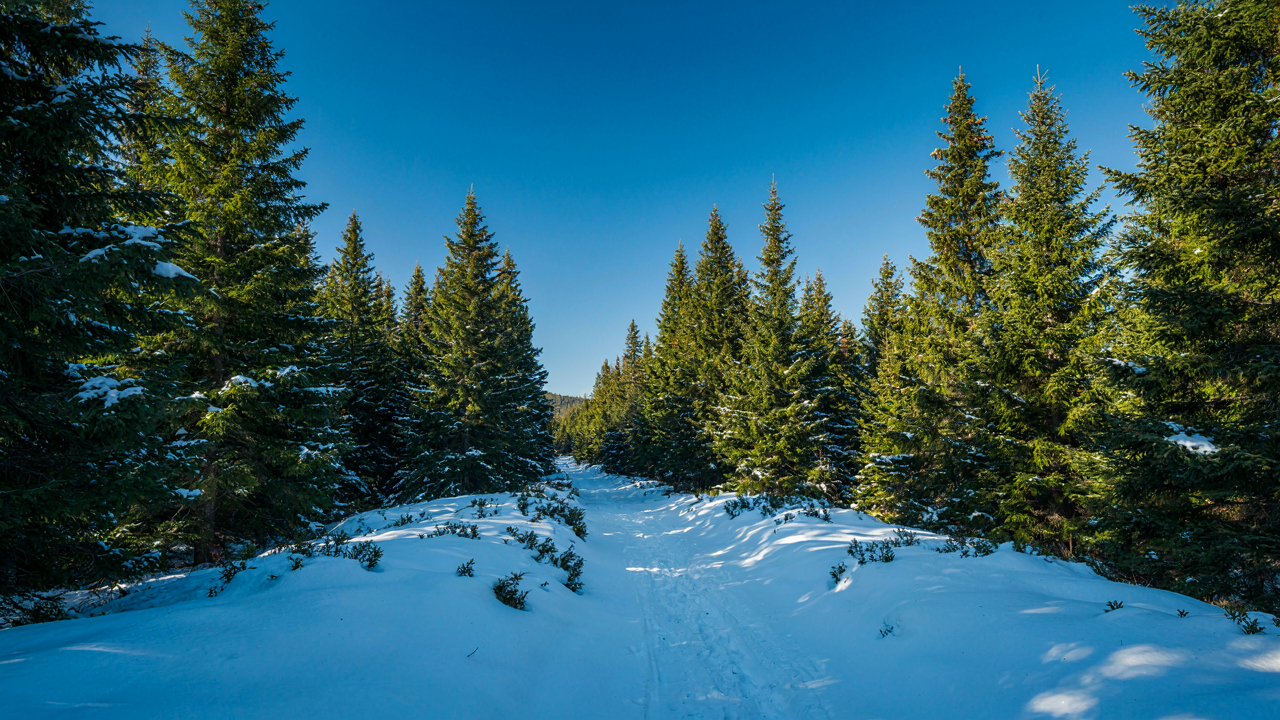
The Thermal Regulation Protocol: Not Just About Adding Layers
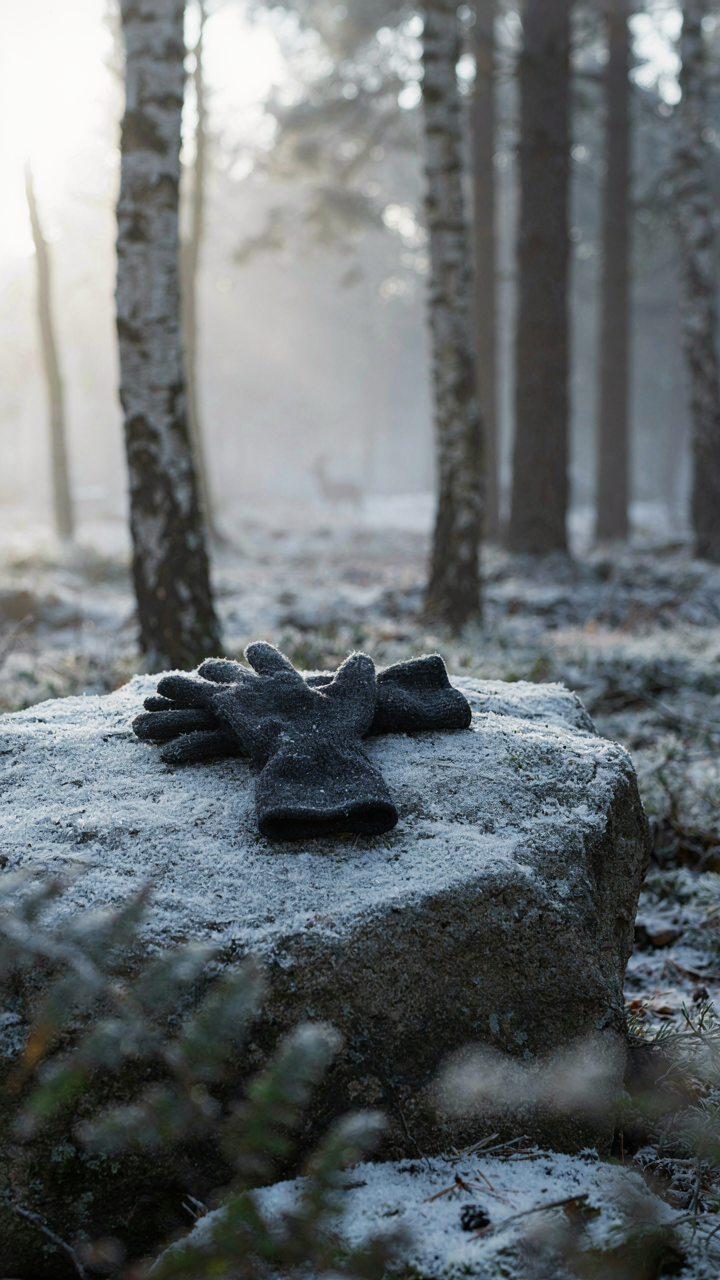
Sweat Management Starts With The Right Base
You’re worried that sweating in winter means you’ll freeze to death. That fear sells the myth that base layers are optional or interchangeable. The mechanism is simple: moisture kills insulation efficiency. Wet fabric loses 90% of its insulating value because water conducts heat away from your body 25 times faster than air. Your base layer doesn’t warm you. It moves sweat away from skin so the layers above can work.
Merino wool and synthetic polyester outperform cotton because they wick moisture without absorbing it. For plus size women, this matters more because friction zones generate extra sweat where fabric bunches at thighs, under arms, and across the back. Choose a base layer that fits close to skin without compressing. Tight enough to move moisture, loose enough that it doesn’t restrict breathing or create pressure points during a four-hour hike.
Insulation That Doesn’t Add Four Sizes

Physics calls this “thermal resistance per unit weight.” In winter hiking terms: you need warmth without the bulk that forces you into an XXL jacket when you actually need a medium. Most advice tells plus size women to size up generously. That’s backwards. Oversized insulation traps dead air everywhere, not just where you need it, and creates gaps where wind penetrates.
Synthetic insulation like PrimaLoft or recycled polyester compresses more efficiently than down at higher body weights, maintaining loft even under pressure. Select a jacket with strategic baffling that places insulation where your body loses heat fastest: core, neck, and upper back. Skip insulation in high-movement areas like underarms and upper back where friction generates heat. Pair a fitted mid-weight insulated layer with a trim shell that fits your actual frame, not a size inflated for “room to move.”

Movement Unrestricted: Rethinking Cute Plus Size Hiking Outfit Mobility
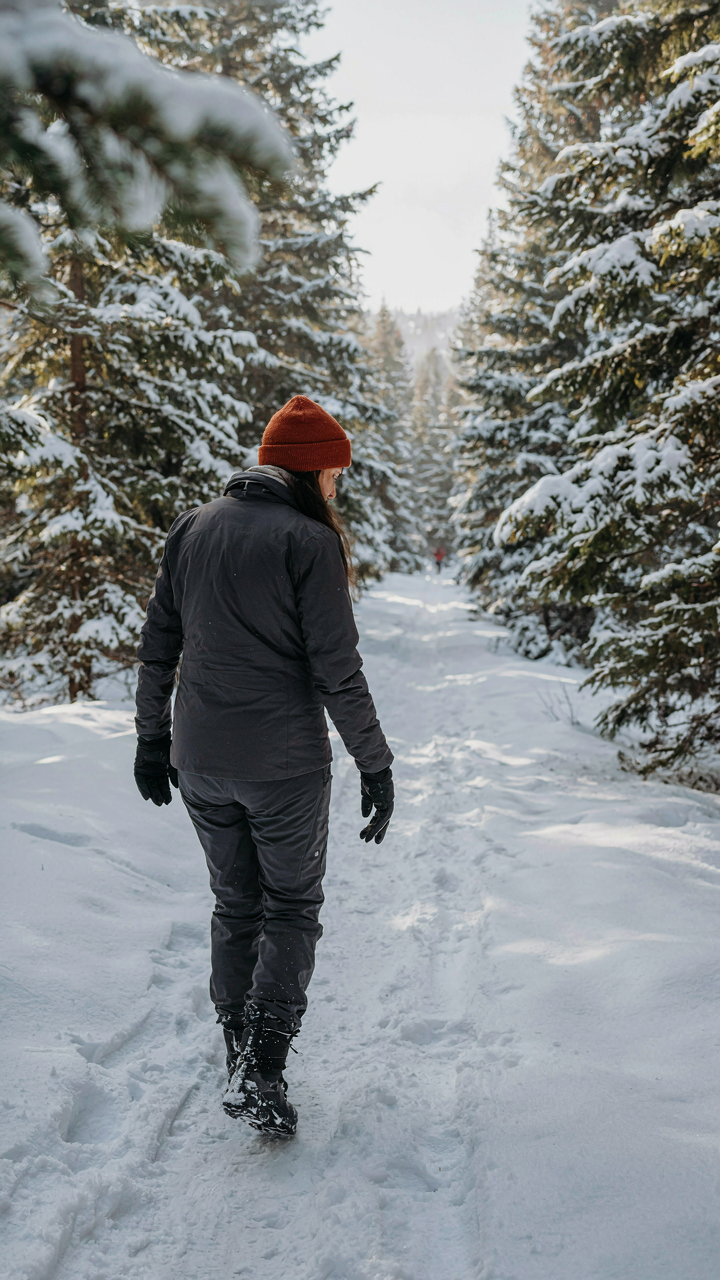
Stretch Fabrics That Actually Work
You want to look intentional on the trail without broadcasting that you’re thinking about how you look. The real mechanism: stretch fabrics work because they distribute pressure across a wider surface area instead of concentrating it at stress points. This is basic material science applied to clothing. Four-way stretch materials expand lengthwise and widthwise, meaning your legs move without the fabric bunching at the hip or thigh where plus size bodies naturally need room. Most hiking brands use two-way stretch, which only solves half the problem. Look for nylon blends with spandex content between 8 and 15 percent. Higher percentages make fabric sag after 20 washes. Lower percentages don’t give you the freedom you need.
The fabric matters less than the cut. Stretch Fabric Without Proper Shaping Still Restricts You. A stretchy pant with a fitted waistband and tapered leg defeats its own purpose. You need high-rise cuts with gusseted crotches and straight legs that taper at the ankle only. Brands like REI Co-op and Carhartt make technical hiking pants in extended sizes with genuine four-way stretch. Base layers under your pants should also stretch. Merino wool blends and synthetic options like polypropylene hold their shape and wick moisture without clinging during movement.
Gussets And Articulation Points
Tailoring terminology applies here: a gusset is a triangular or diamond-shaped insert that adds volume where two seams meet. Imagine structural reinforcement in your outfit the way a suspension bridge adds cables where tension concentrates most. Your hip-to-thigh junction and crotch area take the most punishment on climbs and descents. If those seams are straight, your movement gets limited the moment you bend or stride. Brands cutting corners use single-layer seams in high-stress zones. Technical hiking brands use gusseted construction deliberately, which costs more to manufacture but prevents tearing and pinching.
Articulation points are the seams built at joints where your body actually bends. Your knee needs a curved seam that follows the bend, not a straight line cutting across. Your elbow in a jacket sleeve needs the same principle. Look at hiking jackets specifically: quality brands stitch sleeves at an angle rather than straight up the arm. This matters more for plus size fits because larger garments have more fabric moving over joints. Check product photos for visible gussets at the crotch and under-arm seams. If you can’t see them in photos, email the brand and ask. If they hedge on the answer, the gussets probably aren’t there.
The Material Science Of Warmth: Beyond “Warm” Labels
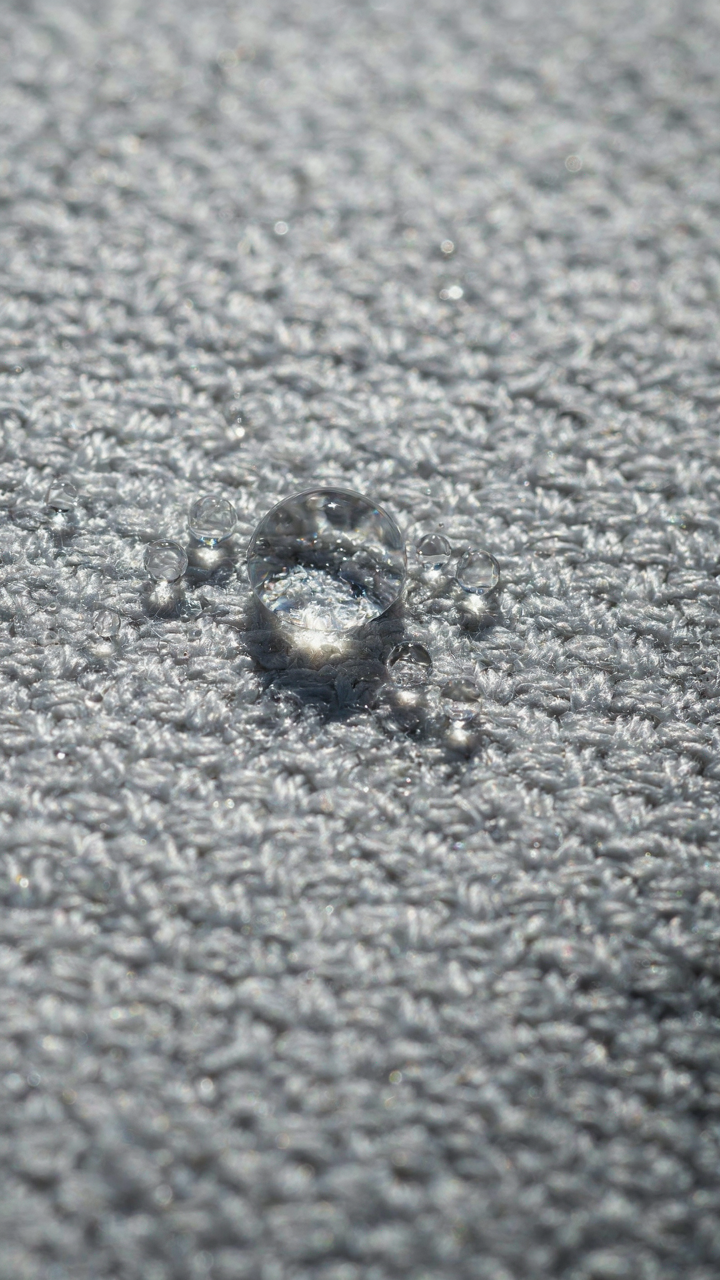
Wool Versus Synthetics: Performance In Wet Conditions
You want the label that makes you feel secure, but material performance doesn’t care about your confidence. Thermodynamics governs how each fiber behaves when moisture enters the equation, and that’s where wool and synthetics split into different survival strategies. Wool retains insulating power even when wet because its structure traps air around each fiber. Synthetics like polyester and nylon lose effectiveness faster once saturated, but they shed water quicker and dry in half the time wool requires.
The practical trade-off: wool keeps you warm during a sudden storm when you’re stuck on the trail, but synthetics get you dry faster if you can keep moving and generate body heat. For plus-size winter hiking, this matters because larger body mass produces more heat, which means you generate more sweat. Wool manages that moisture internally and keeps working. If you’re moving steadily and staying active, synthetics won’t fail you. Pick based on your expected exertion level, not on generic “warmth” marketing.
The Real Trade Off Between Protection And Breathability
The industry tells you to find balance, but balance is a myth when conditions change every thirty minutes. Waterproofing and breathability exist in direct mechanical opposition: a material that blocks water completely also blocks vapor escape. Your mid-layer needs to shed precipitation without trapping the sweat your body produces during climbing. Most plus-size hikers face oversized gear that compounds this problem by creating dead air space where humidity pools.
Here’s where you make a deliberate choice:
- Soft-shell jackets: Trade complete waterproofing for superior breathability and freedom of movement through larger sizes.
- Hard-shell with pit zips: Add ventilation ports that open during steep climbs when sweat production spikes.
- Layering strategy over single material: Separate your moisture management from your weather protection instead of demanding one fabric do both.
- Membrane timing: Apply waterproof membranes only to your outer shell, keep mid-layers breathable for vapor transport.
- Fit adjustment: Ensure your jacket doesn’t bunch at shoulders or underarms, which traps humid air regardless of material properties.
Don’t chase the perfect waterproofing rating while sacrificing fit and breathability in the same product. A mid-layer that vents moisture effectively matters more than a jacket that blocks rain but traps sweat inside your clothes. Choose your shell based on expected conditions, then choose your mid-layer based on activity level and your personal sweat production rate.
Windproofing Is Not Optional: The Mountain Outfit Imperative

Shell Layers: Blocking Wind Chill Factor
You want to believe base layers and insulation do the work. They don’t. Wind moves through both of them like they’re not there. This is thermodynamics in action: heat transfer accelerates exponentially when air moves across your skin, and your insulation becomes useless when convection strips warmth faster than the layer can trap it. A shell layer stops that mechanism cold.
Plus size women need shells with actual fabric weight and structure, not the tissue-thin nylon jackets marketed to smaller frames. A hardshell with three-layer construction (outer, membrane, inner lining) handles sustained wind on exposed ridges. Soft shells work for moderate conditions but fail fast in gusts above 20 miles per hour. Test the fabric by holding it up to light. If light passes through easily, wind does too.
Pit Zips And Strategic Venting: Preventing Internal Moisture
Everyone talks about ventilation as if it means “make it breathable.” That’s incomplete. Ventilation solves the real problem: internal moisture buildup stops your insulation from working. When sweat condenses inside your layers, you’re wet. When you’re wet on a mountain in winter, you’re hypothermic within hours. Pit zips (underarm vents) work because they release hot, moist air before it saturates your core layers.
For plus size bodies moving uphill, pit zips aren’t luxury. They’re survival equipment. Open them before you feel hot, not after. Close them the moment wind picks up or you stop moving. Many winter jackets sized for larger frames skip pit zips entirely to cut production costs. Demand them as a non-negotiable feature or buy men’s sizing and tailor the waist. The mechanism is simple: open vents early, close vents fast.
The Thermodynamics Of Fit: Plus Size Winter Outfits For Efficiency
How Air Gaps Actually Trap Heat
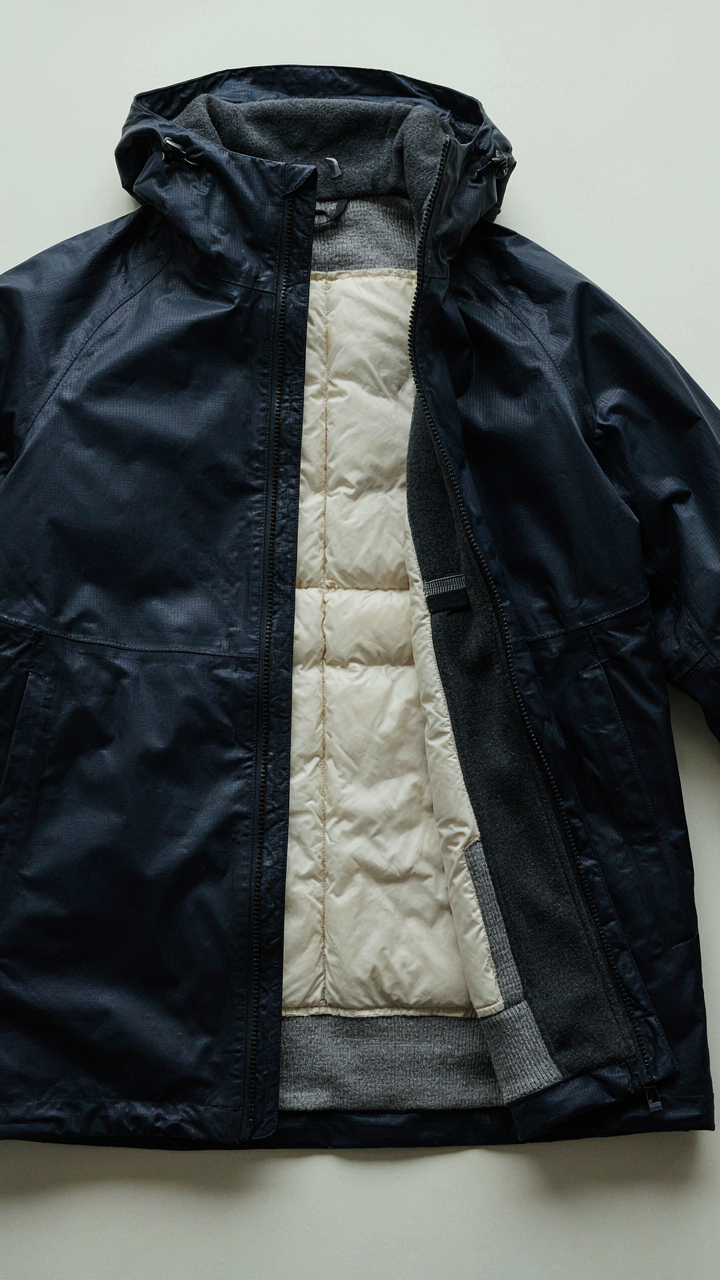
You want permission to buy more gear without feeling wasteful. That’s the real reason you’re reading this. Here’s what matters: physics treats air pockets as insulation material, and layering for plus size bodies works the same way. The gap between your skin and first layer, between layers themselves, and between your outer shell and middle insulation all trap dead air. That trapped air doesn’t move. Still air doesn’t conduct heat away from your body. This is the entire mechanism behind why layering beats one thick jacket.
Most winter advice treats plus size fit as an afterthought, then wonders why oversized jackets fail. The problem isn’t the extra fabric. It’s that standard sizing creates uneven air gaps. Tight spots compress insulation. Loose spots create convection currents that pull warm air out. You need deliberate spacing. A fitted base layer, a mid-layer with controlled volume through your torso, and an outer shell sized to your actual proportions keeps those air channels stable and working. The fit determines whether your layers insulate or just add bulk.
The Feedback Loop You’re Missing
Most people adjust their outfit mid-hike when they’re already cold or overheating. That’s reactive and inefficient. Real comfort comes from a feedback system you build before you leave. Start with a test hike on mild weather that lets you feel each layer’s job without crisis conditions. Notice where you sweat first, where you feel wind, where compression bothers you. Document this. Next, modify one variable: swap a base layer fabric, adjust your mid-layer fit, change your glove material. Hike again under similar conditions and compare. You’re training yourself to recognize what each sensation means.
Building this feedback loop takes three to five test hikes, not longer. Each one teaches your body to recognize temperature drift earlier, before you need reactive adjustments. You learn your personal threshold for adding or shedding layers. You identify which gear pieces actually matter for your body and your movement style. This isn’t overthinking. It’s data collection that replaces guesswork. Once you know your body’s signals, you adjust your setup once at the trailhead instead of stopping constantly to fiddle mid-hike. That efficiency compounds across every winter hike you take.
Footwear Foundation: Protecting Your Extremities For Plus Size Hike Outfit
Insulated Waterproof Boots: Avoiding Frostbite
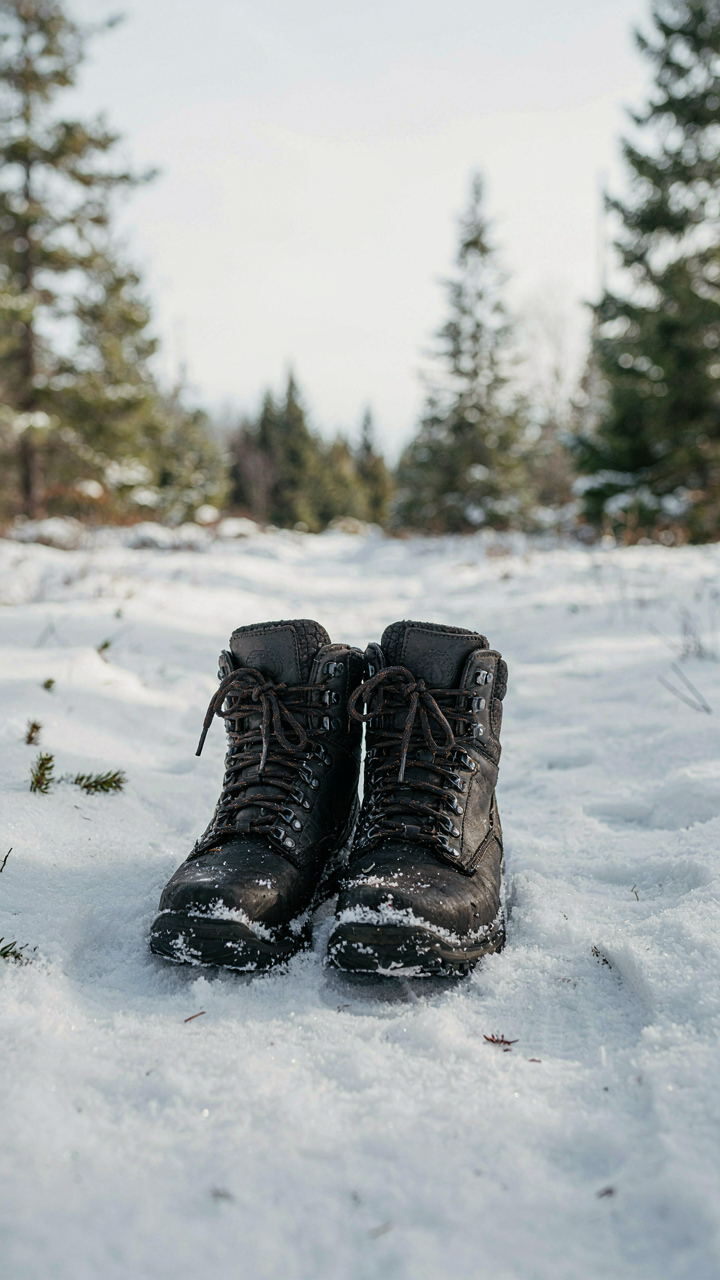
You want your feet to not betray you on the trail, which means you need boots engineered to stop the actual mechanism of cold injury. Frostbite works through heat transfer: your body radiates warmth, moisture conducts that warmth away, and wind accelerates the loss. A waterproof insulated boot creates a sealed thermal barrier that breaks this chain. The insulation material—whether synthetic foam, wool, or down—traps dead air space. Water destroys this entirely, so waterproofing is not optional. For plus size women, this means boots rated for your expected temperature range with genuine insulation thickness, not marketing language.
Boot fit matters more than brand. Loose boots allow foot movement that creates friction and blisters; tight boots restrict circulation and accelerate frostbite. Plus size women often have wider calves and feet, making standard boot sizing inadequate. Measure your foot and calf circumference, then cross-reference against manufacturer specs before ordering. Insulation loses effectiveness when compressed under body weight, so boots need proper break-in time before a full hike. Test them on short walks first. Your boot choice determines whether cold feet become a minor inconvenience or a reason to turn back.
Sock Layering: Moisture Wicking And Warmth
Most people get sock strategy wrong because they treat socks as a single insulation layer instead of a moisture management system. The real work happens in physics: sweat transfers heat away from skin twenty-five times faster than dry air. Your inner sock pulls moisture away from skin. Your outer sock holds that moisture and provides insulation. Merino wool does both jobs simultaneously because of its fiber structure, but synthetic blends work if you commit to the layering protocol. Cotton fails completely because it absorbs moisture and holds it against your skin.
Start with a thin synthetic or merino base sock that fits snug against skin without compression. Add a thicker wool or wool-blend mid-weight sock over it. This two-sock system moves sweat outward while maintaining insulation. Socks should not bunch inside your boot—bunching creates pressure points that restrict circulation and cause cold spots. Pack a spare pair for longer hikes because wet socks defeat the entire system. Change socks immediately if they become damp from sweat buildup. Your sock choice determines foot temperature more reliably than boot insulation alone.
Accessories That Aren’t Afterthoughts: Head, Hands, And Neck
Hats And Hoods: Critical Heat Retention
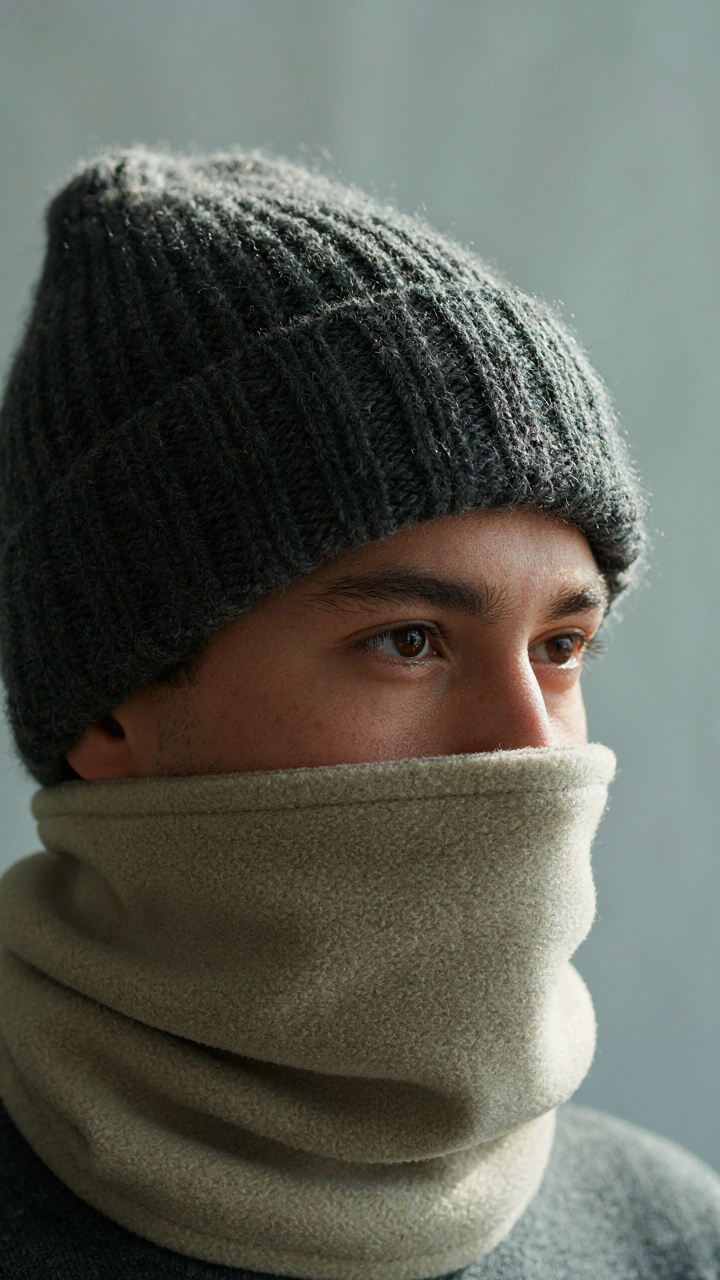
You’re worried a hat will mess up your hair or look unflattering, so you skip it and wonder why you’re cold an hour in. Here’s the mechanism: your head has no fat layer. Blood vessels there dilate faster than anywhere else on your body when you’re warm, which means they constrict harder when you’re cold. You lose 40 percent of your body heat through your head not because it’s special, but because it’s exposed and vascular. A hat isn’t an accessory. It’s a thermostat.
The real choice is balaclava versus standard winter hat, and most advice gets this wrong by treating them as interchangeable. A balaclava covers your neck, jaw, and lower face, protecting the carotid arteries that feed your brain. A standard hat leaves your neck exposed. For plus-size women hiking in sustained cold, a balaclava wins because it eliminates the need for a separate neck gaiter, reduces layering bulk around your face, and keeps your breathing passages warmer so you don’t inhale frigid air that triggers coughing fits. Test both in your actual conditions before committing.
Gloves And Mittens: Dexterity Versus Warmth
Physics calls this the insulation-versus-surface-area problem, and winter hiking forces you to pick a side. Mittens trap heat better because your fingers generate warmth together in one pocket. Gloves let your fingers move independently, which matters when you’re adjusting a strap or checking your map, but they expose more surface area to cold air. Most plus-size women think they need gloves for control, when the real constraint is that mittens in your size are harder to find and often poorly made.
Buy mittens with a removable liner glove underneath. That setup gives you the heat retention of mittens plus the dexterity of gloves when you need it. The liner glove stays inside the mitten until you remove it for a task. Your fingers stay warm in the mitten shell while you work. Brands like Hestra and Black Diamond make this construction standard, not luxury. Buy a size up to accommodate the liner without compressing your circulation.
The “Winter Is Different” Fallacy: Plus Size Fall Fashion Vs. True Winter

Your Body Loses Heat Faster Than You Think
You’re hoping fall layers will carry you through winter. They won’t. Here’s the physics: your surface area to mass ratio means heat loss accelerates at specific temperature thresholds, not gradually. Plus size bodies generate more absolute heat but also lose it faster in extreme cold because extremities remain proportionally distant from your core. The difference between 45 degrees and 25 degrees isn’t incremental. It’s a state change.
Fall outfits fail because they’re designed for single-digit temperature drops, not the sustained cold that forces your body into preservation mode. A fleece rated for 40 degrees becomes worthless at 20. Most plus size women discover this mid-hike, when layering options have already been exhausted and you’re shedding pieces instead of adding them. The mechanism is simple: insulation only works when it traps still air. Once wind penetration or moisture breakdown occurs, those fall pieces become liability.
Snow Doesn’t Behave Like Rain
Winter hiking outfits fail because people treat snow as wet, cold rain. It isn’t. Snow compacts, creates friction against fabric, and transfers moisture through wicking that’s completely different from rain drainage. Your winter gear needs weight-appropriate outer layers that shed snow mechanically before it melts against your body. Fall jackets designed for drizzle have tight weaves that ice up and absorb compacted snow internally.
Plus size women’s outerwear often runs into fit issues that compound this problem. Jackets cut narrow at the cuff trap snow against your wrists. Hemlines that ride up expose your lower back where core heat radiates. You need winter jackets with extended cuffs that overlap gloves, long enough to cover your hips when you’re bent forward on a slope, and outer fabrics that shed snow rather than catch it. Test your gear on wet snow before committing to a full hike.
Beyond Aesthetics: Functional Plus Size Winter Gear
Pocket Placement And Accessibility On Trail
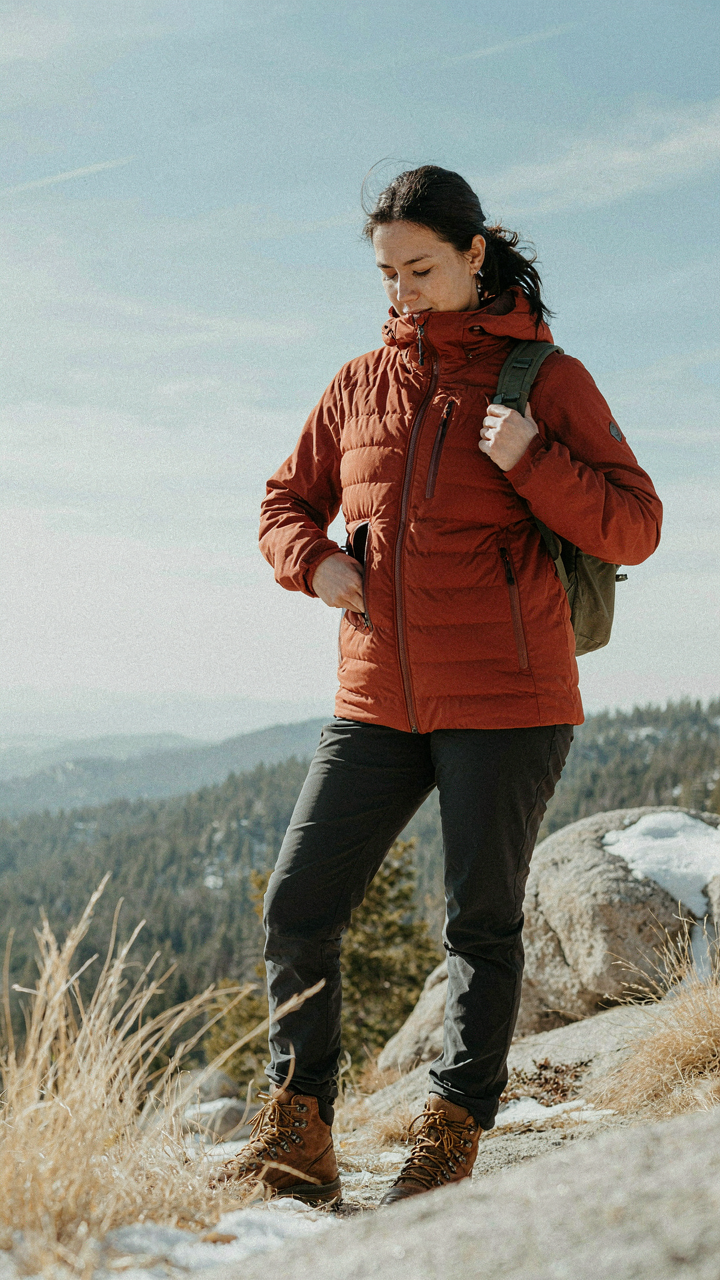
You want pockets because you’re worried about dropping your phone or looking unprepared—but the real reason matters more. Pocket placement is a logistics problem. A jacket pocket six inches too high or sewn shut on one side forces you to stop moving, remove gloves, and dig through your pack. On a winter trail, stopping kills momentum and drops core temperature fast.
Plus-size jackets often have pockets positioned for smaller frames, placing them too high or too narrow for accessible hand entry while wearing gloves. Check every pocket before buying. Your hand must fit inside while wearing your thickest glove. Test depth—it should hold a phone without pressure on the seams. Side-entry pockets work better than top-entry for trail access. Verify the zipper slides smoothly in cold temps, as some metal zippers freeze or jam. This isn’t optional. Inaccessible pockets become dead weight.
Material Durability And Real Longevity Value
Common advice says buy expensive gear and it lasts forever—that’s incomplete. Durability depends on material choice and construction method, not just price tag. A $300 jacket with cheap nylon facing fails faster than a $150 jacket with quality ripstop construction. The material matters more than the label.
For plus-size winter jackets, look at outer shell fabric weight measured in denier. Anything under 100D rips easily on branches or rough terrain. Seam sealing is the second factor—not all seams are sealed equally. Manufacturers sometimes skip sealing on larger sizes to save cost. Ask directly or examine product photos showing seam tape. Check zipper sliders—they should be metal or high-grade plastic, not flimsy stamped metal. Your purchasing decision hinges on inspecting these three specific elements before checkout.
Your Comfort Isn’t A Niche; It’s A Design Flaw In Generic Gear, Not Your Body
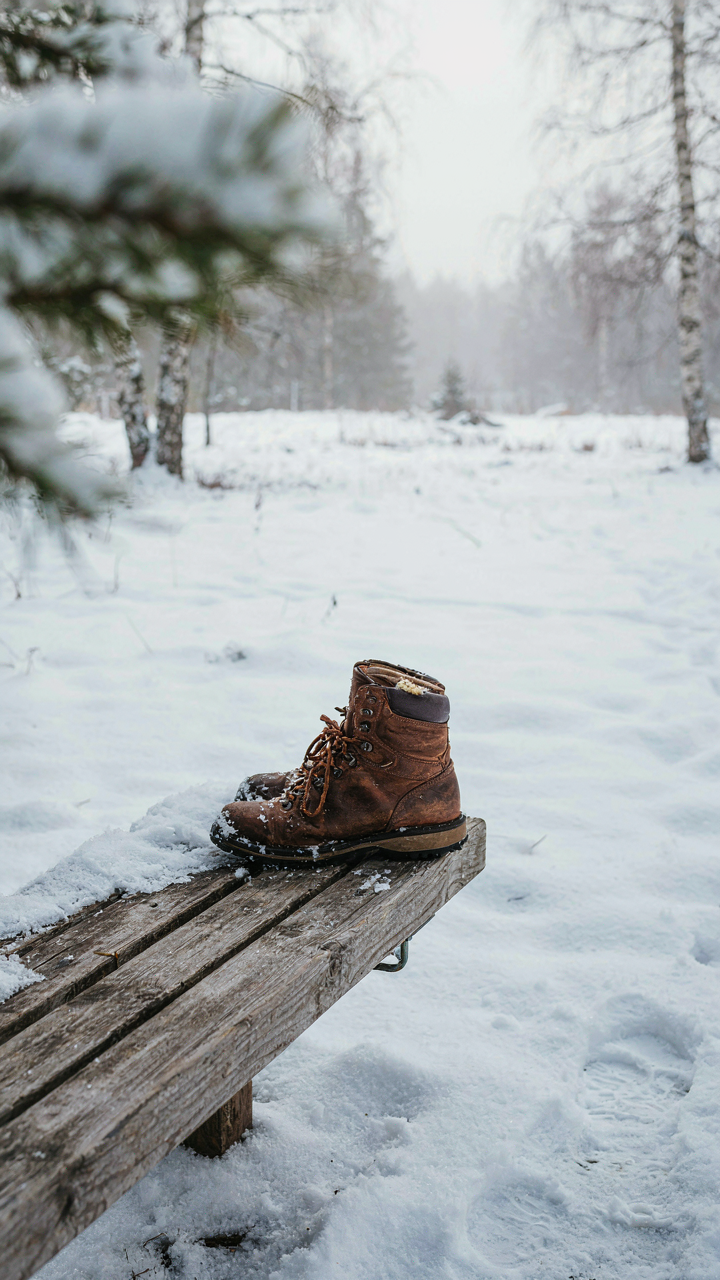
The gear industry built mountains for one body type, then blamed you for not fitting. Stop waiting for them to fix it. Today, take one item from your closet, test it on a short winter walk, and notice what actually fails. Not what you think should fail. What does. That feedback loop beats any trending outfit. Your body knows the mountain better than any brand ever will.