

The Thermal Regulation Fallacy: Why “Petite” Misses The Point

Core Warmth Over Aesthetic Choices
You’re reading this because you think the problem is finding gear that fits your frame. It’s not. The real problem is that most layering advice treats your body like a generic unit instead of a heat engine with specific input and output demands. Thermal regulation is physics, not fashion. Your core temperature stays within a narrow band or you fail the hike. Small body mass means faster heat loss per square inch of skin, but it also means you reach equilibrium faster if you layer correctly. The mechanism is straightforward: three layers work because each serves a function that the others don’t.
Start with a moisture-wicking base that moves sweat away from skin. Add an insulation layer that traps dead air without compressing under your pack straps. Top with a wind and water barrier that doesn’t trap condensation inside. This order matters more than brand names. Most petite hikers skip the middle layer to avoid bulk, then suffer because base plus shell alone creates a thermal dead zone. The base wicks, the shell blocks, but nothing insulates. You need all three, scaled to actual body surface area.
Body Heat Signals Worth Tracking

Stop measuring warmth against some external standard. Your body isn’t trying to match the thermometer. Thermoregulation demands focus on when you start sweating and when you start shivering, not what the weather app says. A petite frame reaches both thresholds faster than a larger one. You’ll overheat sooner on the climb and cool faster during breaks. This means you adjust layers more frequently, not that you need different layers.
The protocol is simple: strip one layer before you sweat significantly. Add one layer the moment you feel cold at rest. Don’t wait for chills. Don’t tough it out until you’re soaked. Petite hikers often carry an extra lightweight insulating piece because the adjustment windows are narrower. A thin fleece or down vest adds minimal weight but gives you finer control. When you stop for a break, put it on immediately. When you resume climbing, take it off before the exertion starts. Thermal regulation is active management, not passive bundling.

Beyond Sizing: The Kinetic Efficiency Protocol For Petite Hikers

Where Your Body Actually Needs To Move
You want this section because you’re tired of looking like you’re wearing your older sister’s clothes on the trail. The real problem isn’t your size—it’s that standard winter gear was designed around average male proportions, which means dead weight in the wrong places. Think of biomechanics: the science of human movement studies how joints translate muscle effort into motion. For petite hikers, every excess gram around the shoulder, elbow, and hip becomes friction that burns calories faster than your male-average counterpart expends on the same terrain.
The articulation points that matter are your shoulders, elbows, wrists, hips, and knees. Winter gear stacks layers at these joints, and when those layers are oversized, they restrict the range of motion you need on steep terrain. A puffy jacket sized for someone five inches taller creates dead fabric at your armpits and lower back—places where you need responsiveness, not insulation. Test this: raise your arms overhead in a winter coat. If fabric bunches at your ribs or restricts your reach, the fit is working against your movement, not supporting it. Petite-specific cuts narrow the shoulder seam, shorten the sleeve, and taper the waist so your joints move through their full range without fighting the garment.
Strategic Layering Without The Bulk
Standard winter hiking advice tells you to stack three layers: base, insulation, shell. That’s incomplete for petite athletes because it ignores weight distribution and compressibility. Lightweight synthetic insulation and merino wool hold more R-value per ounce than down, which means you stay warm without the visual bulk that makes a petite frame disappear under puffy material. Down compresses to almost nothing when you’re not using it, but it takes up volume that petite torsos don’t have room for when layered correctly.
The real efficiency move is choosing insulated jackets designed for women’s frames—narrower torso depth, shorter sleeve length, and tapered waist. Brands that cut specifically for petite women (not just “XS”) account for proportional arm length and torso-to-leg ratio, which means your mid-layer sits where it generates heat, not where it creates dead air pockets. When you layer, the insulated jacket becomes your second layer, worn directly over your base. This cuts total bulk by one full garment and keeps core heat exactly where you need it: concentrated, not dispersed.
The “Mountain Outfit Winter Cold Weather” Deception: Understanding Material Science
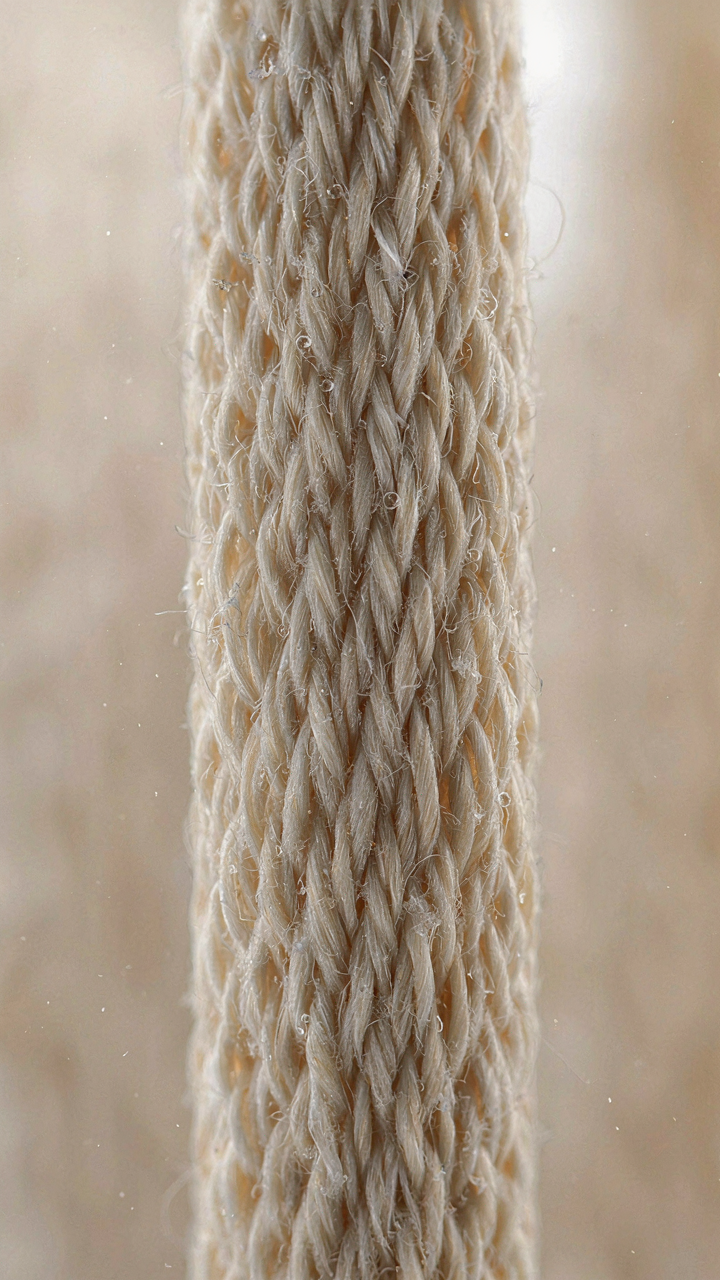
Wool Versus Synthetics: Where Insulation Actually Happens
You want to know which material won’t betray you halfway up the ridge because you’re terrified of making the wrong choice and looking incompetent in front of people who hike regularly. Here’s the mechanism: insulation doesn’t trap heat. It traps still air. Wool and synthetics both do this, but differently. Wool retains 80 percent of its insulating power when wet because its protein structure absorbs moisture without losing the air pockets around each fiber. Synthetics stay dry longer because water beads on the surface, but once saturated, they collapse and stop insulating almost entirely.
For petite women, this distinction matters more than for larger frames. Your smaller body mass generates less baseline heat, so you’re more sensitive to material failure. A petite woman in wet synthetic layers loses her thermal buffer faster than a larger hiker in the same gear. Wool’s resilience means you can push harder physically without catastrophic heat loss if you sweat or encounter unexpected moisture. Pick merino wool base layers and midlayers for winter hikes where you can’t control humidity inside your gear. Synthetic works for outer shells that shed water before it penetrates to your insulation.
Breathability And Moisture Wicking
The common advice here is wrong: breathability doesn’t mean your sweat escapes. It means your sweat has somewhere to go before it pools and chills you. This is thermodynamics applied to clothing. When you move uphill, your core temperature spikes. Your body sweats to cool down. That sweat has to move away from your skin through the fabric stack, or it will reabsorb into the base layer and turn your insulation into a cold compress.
Merino wool wicks moisture faster than cotton but slower than modern synthetics like polyester. The trade-off is that wool keeps working even when it’s damp, while synthetics need to stay relatively dry. For petite women hiking in winter, wear synthetic base layers that move sweat quickly away from skin, then add a wool midlayer that tolerates dampness, then seal it with a windproof outer shell. This layering sequence lets you manage effort without overheating or getting trapped with sweat that turns into cold. Test this on short climbs before committing to longer routes so you know exactly when to add or shed layers.
Waterproof Hiking Outfit: The Hydrostatic Head Principle

How Water Pressure Defeats Fabric
You want waterproof gear because you think staying dry proves you planned well. That’s half the reason. The real one is that water pressure, not just water itself, breaks through fabric. Physics borrowed the term “hydrostatic head” from fluid mechanics to measure this. For petite women, it’s the same principle: a column of water pressing down on your jacket for hours will find every weak point. The rating tells you how many millimeters of water pressure your fabric can withstand before moisture seeps through. Most winter hiking jackets claim 10,000 to 20,000 mm ratings. That translates to your gear staying dry under sustained rain and snow melt while you’re moving uphill or sitting on damp ground.
The catch nobody states plainly: a high hydrostatic head number only matters if the fabric stays intact. Microtears, worn spots, and failed seams all create pathways for water to bypass the rating entirely. Your 15,000 mm jacket fails at a 5,000 mm breach if the seam leaks. Petite frames often rely on tapered or fitted cuts that stress seams more under load. This means you can’t just buy the highest-rated jacket and assume you’re done. You need the rating to work with the construction, not against it.
Repairing The Barrier That Actually Works
Most advice stops at seam tape and calls it a day. That’s incomplete. Seam sealing and DWR (durable water repellent) reapplication are two separate systems that fail independently. Seam tape sits on the inside of a seam and blocks water from threading through the stitching. DWR is a chemical coating on the fabric face that makes water bead and roll off rather than soak in. If the seam tape peels or deteriorates, water travels through. If DWR washes away, water soaks into the outer shell and weighs it down, then finds seams to migrate through.
For petite women, seam stress matters more because tighter patterns amplify pressure points. Reapply DWR annually or after every 20 to 30 days of use, whichever comes first. Check seam tape by running your finger along the inside of seams while the jacket is dry. If tape is lifting, cracked, or missing, reapply seam sealer to those sections before your next trip. This isn’t optional maintenance. It’s the protocol that separates a jacket that stops working in year two from one that performs for five.
Footwear Foundation: The Unsung Hero Of A Mountain Look
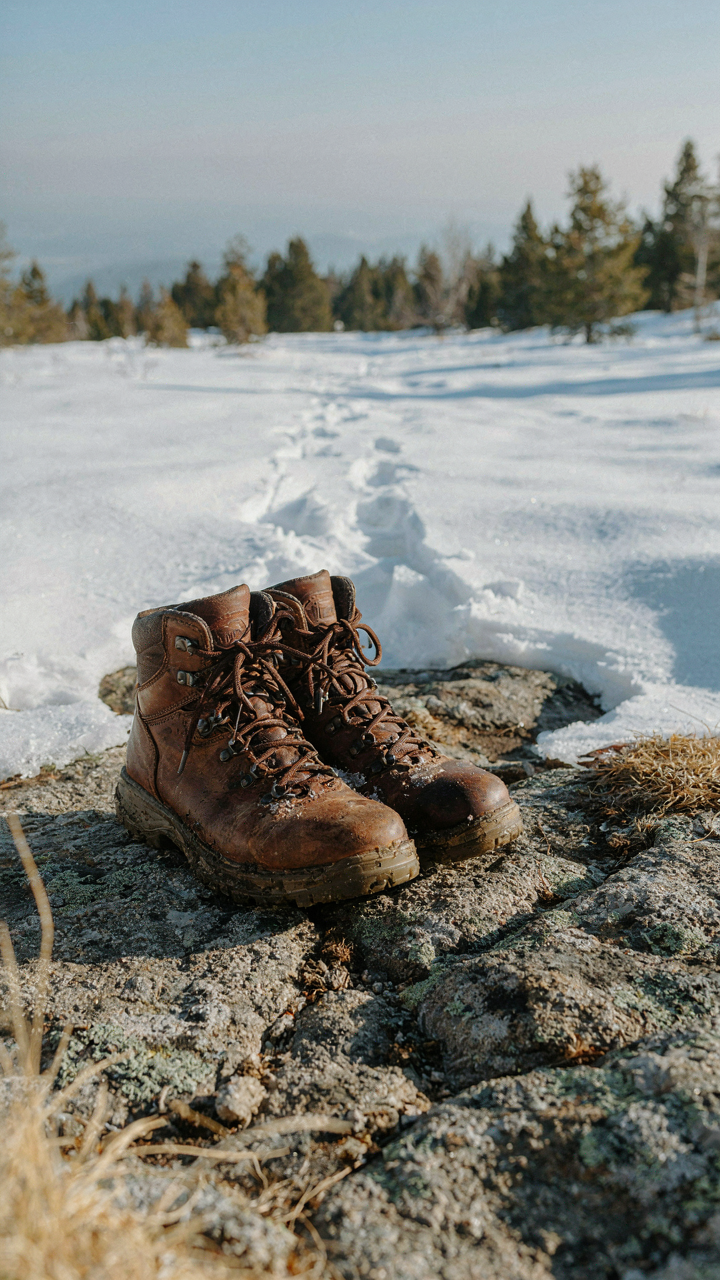
Boot Fit And Ankle Support
You care about this because a blister on mile three means your hike ends whether you want it to or not. Boot fit operates on leverage mechanics—a petite frame has a narrower foot profile and lower overall weight distribution than standard sizing assumes. Most winter boots come built for an average adult, which means excess volume around your heel and midfoot. This creates dead space where your foot slides during descent, generating friction exactly where blisters form. The mechanism is simple: poor fit equals movement, movement equals heat and pressure, pressure equals failure on the trail.
Winter boots designed for petite women feature narrower heel cups and reduced overall volume without sacrificing insulation. Your ankle support comes not from a higher cuff but from a precise fit that keeps your foot locked in place. Brands like Danner, Salomon, and La Sportiva make petite-specific winter models—not downsized versions of men’s boots. Fit a boot with half-inch clearance at your longest toe when wearing thin hiking socks, then test it on a slight downslope to confirm your heel stays planted.
Sock Layering For Warmth And Blister Prevention
Sock strategy follows thermal physics, not fashion. You need a moisture-wicking base layer that pulls sweat away from skin, then an insulation layer that traps warmth without compressing. Merino wool or synthetic blends handle the base layer because cotton absorbs moisture and holds it against your skin. Add a thicker wool or wool-blend midweight sock on top. This two-layer system works because it creates airspace for insulation while the base layer manages moisture before it ever reaches your skin surface.
The blister prevention mechanism ties directly to friction reduction. Moisture-wicked feet stay dry, and dry feet generate less friction against boot material. Start hikes with fresh socks—not yesterday’s damp pair. If your feet sweat heavily during the approach, change socks at the trailhead before the main climb. This single habit stops most preventable blisters in petite women hikers who generate heat faster relative to their body mass during steep sections.
The “Winter Outfit Canada” Gauntlet: Accessorizing For Extreme Cold

Where Heat Actually Leaves Your Body
You want to know if you’ll look competent on the trail, but what you’re really asking is whether you’ll survive the cold without panicking. Here’s the mechanism: your body loses heat through radiation and convection at the head, hands, and feet because these areas have high surface-area-to-volume ratios and limited insulation capacity. Blood vessels constrict elsewhere to protect your core, but your extremities stay exposed. For petite women, this problem compounds because smaller body mass means less core heat to redistribute. Cover these three zones first or nothing else matters.
A balaclava, mittens rated for your actual temperature, and insulated boots aren’t optional accessories. They’re the difference between discomfort and genuine danger. Petite frames mean you need proportional sizing, not just smaller versions of men’s gear. A standard men’s mitten will slip off your hand inside a glove. A women’s-cut balaclava won’t bunch at your neck the way unisex designs do. The fit isn’t vanity. Poor fit creates air gaps that let convection steal heat directly from skin.
Gaiters And Layered Hand Protection
Snow penetration stops mattering the moment you accept that your boots will get wet. What prevents that wet from stealing your foot’s heat is the gaiter, which seals the gap between your boot cuff and your pant leg. Most hikers skip gaiters or wear them loose. That’s a mistake. For petite women, this gap is proportionally larger because standard boot cuffs sit higher relative to your leg length. Snow gets kicked inside, melts against skin, and creates the exact environment for frostbite to start.
Over-mitts solve a different problem than regular mittens: they’re the wind and moisture barrier that sits on top of your insulated layer. Your inner mittens stay dry. If your over-mitts get damp from snow contact, you remove and dry them without exposing bare hands. Bring two pairs of over-mitts on any winter hike longer than two hours. Rotate them as one dries while you wear the other. Your hands stay functional and warm because you’re managing moisture, not ignoring it.
Yosemite National Park Outfit Winter Realities: Adapting To Microclimates

Elevation And Wind Chill Factors
You’re worried a lighter frame means you’ll freeze faster than everyone else, and you want the outfit that proves otherwise. Here’s the mechanism: wind chill is physics, not preference. Temperature drops roughly 3.5 degrees Fahrenheit for every 1,000 feet of elevation gain in Yosemite. A petite woman at 8,000 feet experiences the same absolute wind chill as a taller person at the same elevation, but she has less thermal mass to lose. The real problem isn’t your size. It’s wearing the wrong insulation density.
Yosemite’s winter elevation ranges from 4,000 feet in the valley to 13,000 feet at Tioga Pass. Wind velocity accelerates through narrow canyons and ridges. A merino wool base layer plus a synthetic insulating mid-layer handles valley hikes. Ridge trails require the same layers but with a windproof shell added, regardless of your height. Your outfit choice depends on elevation and exposure, not frame size. Start with your elevation gain, then choose insulation accordingly.
Sun Exposure And Snow Reflection
The common advice here is incomplete: people tell you sunscreen stops UV exposure, then act surprised when you overheat under direct sun on snow. Solar radiation bounces off white surfaces and intensifies UV exposure by up to 80 percent. For petite hikers, this matters more because you have less skin surface to distribute heat gain across. Yosemite’s high-altitude sun in winter is intense regardless of air temperature.
Your outfit must handle dual heat sources: direct sun and reflected radiation. A lightweight long-sleeve base layer in light color blocks UV while reflecting heat. Add a convertible jacket with removable sleeves for mid-hike adjustments. Wear sunglasses that block 100 percent UVA and UVB, not optional accessories. The mechanism is simple: manage active heat gain through fabric choice and ventilation openings, not by stripping down to inadequate layers. Adjust your outer shell at the trailhead, not halfway up.
The Rucksack Recalibration: Balance And Ergonomics For Camping Outfits For Women
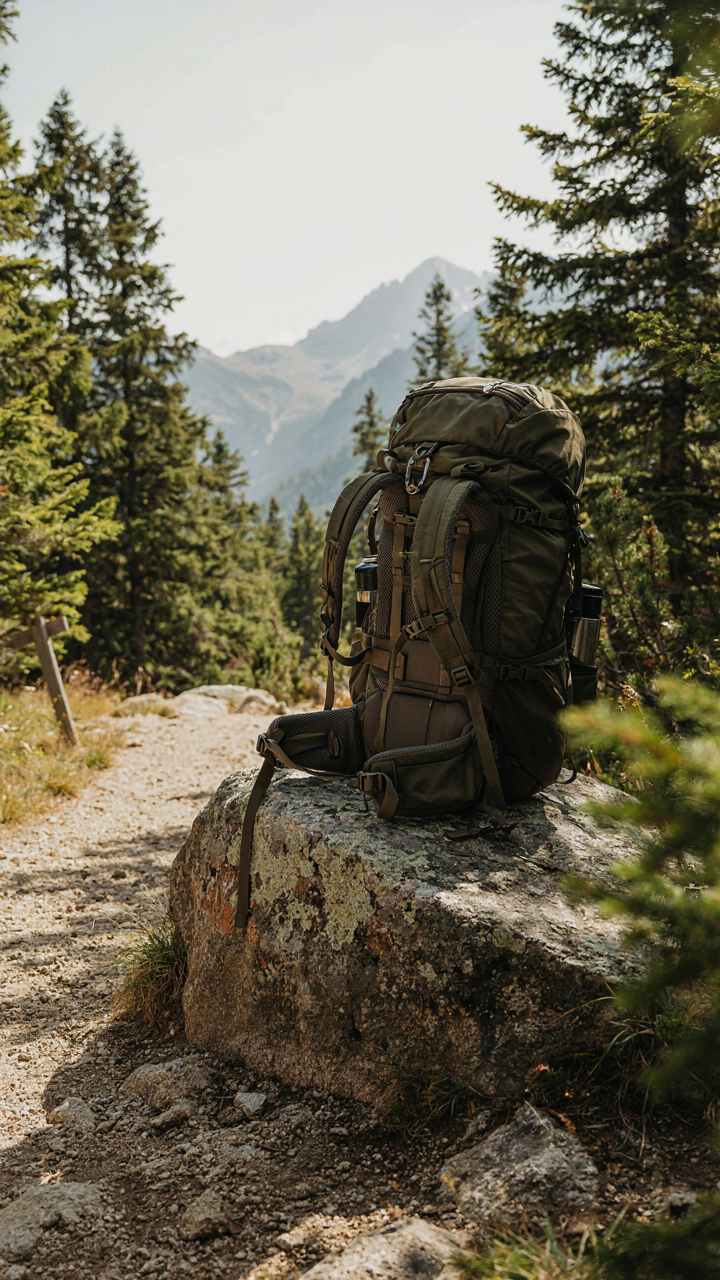
Where Your Load Actually Sits
You care about this because a poorly balanced pack makes you look clumsy and feel weak. That’s not the real problem. Physics doesn’t negotiate: center of gravity determines whether your spine works with the pack or against it. For petite women, a standard 50-liter pack designed around a 5’10” frame puts the load’s pivot point too high, forcing your lower back to compensate. The load rides above your hips instead of anchored to them.
Distribute weight using this protocol: dense items go low and centered, closest to your spine. Sleeping bag at the pack’s base. Layers and insulation around the sides. Anything less than 5 pounds in the top pocket. Test this by wearing the loaded pack without hiking. You should feel pressure on your hips, not your shoulders.
- Hip belt tension: Tighten the belt first, hard enough to feel it dig slightly into your hip bones. Shoulders straps stay loose relative to this. This anchors the pack to your pelvis, the only part strong enough to carry sustained weight.
- Torso-to-load ratio: A petite frame with a 16 to 18-inch torso needs packs with 15-inch or smaller harness heights. Mismatch here kills your gait within two miles.
- Trial runs unload weight: Before a full winter hike, carry the loaded pack for 30 minutes on flat ground. Adjust straps and weight distribution based on where you feel strain, not comfort.
- Compression straps matter: Use all of them. They move the load’s center of mass closer to your spine and lower. This is non-optional for anyone under 5’4″ carrying winter gear.
- Sternum strap positioning: This strap should sit at mid-chest, not at your collarbone. Petite women often have this strap too high, which shifts weight into shoulders instead of stabilizing the spine.
The difference between a pack that works and one that doesn’t isn’t comfort. It’s whether your body quits in hour three or hour eight. Adjust once, test it, then lock those settings.
Torso Length Versus Pack Volume Reality
Everyone says to match torso length to harness size. That advice is incomplete. Your torso length determines where straps contact your body, but pack volume determines how much that contact point has to support. A petite woman with an 18-inch torso can carry a 35-liter pack effectively. A 40-liter pack at the same torso length creates leverage problems because the extra volume extends above your shoulders, moving the load forward. Your arms work harder to keep you upright.
Winter hiking gear doesn’t compress well. A down jacket, insulated pants, thermal layers, and a sleeping bag take space. Cut the volume calculation wrong and you’re either overstuffed with no room for adjustments or underpacking and leaving gear behind. For petite women, aim for 28 to 38 liters depending on trip length. Multi-day trips in deep winter might require 40 liters, but that’s the ceiling. Pack the sleeping bag outside if needed. External attachment keeps weight distribution honest and prevents stuffing that raises the center of gravity past your shoulder blades.
“Cute Hiking Outfit” Is A Distraction: Prioritizing Function Over Form
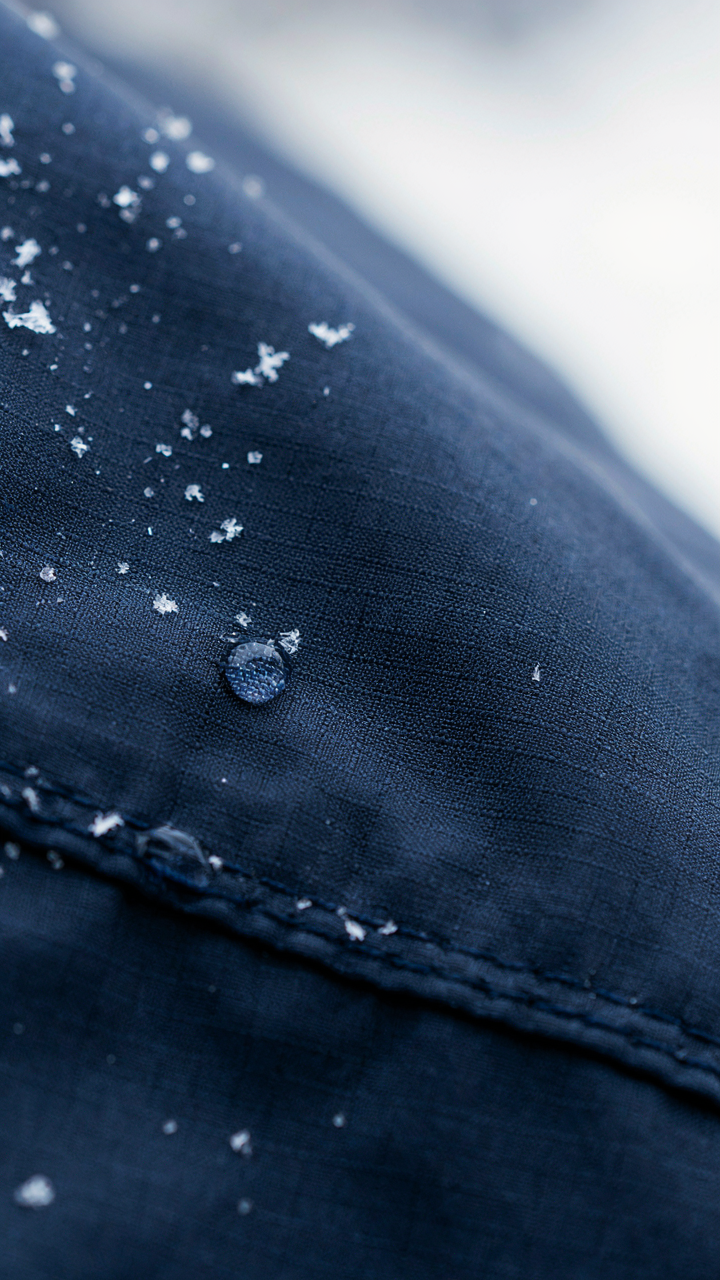
Fabric Weight And Tear Resistance
You want to look intentional on the trail because looking competent matters to how you see yourself. But the mechanism that keeps you alive in winter isn’t aesthetics—it’s the material’s ability to withstand repeated friction against rock, ice, and branch. Petite women often default to lightweight layers to avoid bulk, which backfires. A torn shell at 8,000 feet in January doesn’t care about your silhouette.
Nylon and polyester fabrics rated above 300 denier resist punctures and abrasion better than thinner alternatives. Petite frames mean less surface area to distribute force, so impact zones concentrate damage faster. Choose outer layers with reinforced panels at the hips, thighs, and forearms. Test tear resistance by dragging the fabric across rough wood—if it catches, it fails in the field.
Layer Placement Over Hip Height
Pockets belong where your hands naturally fall, not where designers centered them on standard sizes. Standard hiking pants position pockets at a height designed for average women—roughly 4 inches below the waist. For petite women, this placement sits too low, forcing you to reach down awkwardly or risk fumbling with frozen fingers in suboptimal positions.
Measure from your natural waist to where your hand rests at your side when your arm hangs relaxed. Petite-specific brands like Cotopaxi and some REI Co-op lines account for this. If buying standard brands, prioritize cargo styles with thigh pockets positioned higher and zippered chest pockets on your jacket. Accessibility determines whether you actually use hand warmers, a map, or an emergency whistle when your core temperature drops.
Post Hike Protocol: Maintaining Your Gear For Longevity

Clean And Dry Your Gear Properly
You want your gear to last because replacing it costs money and time, and you’ve already justified the expense to yourself once. Here’s the mechanism: moisture trapped in fabric creates the environment for mildew, material degradation, and insulation collapse. After every winter hike, separate wet layers immediately. Base layers and mid layers go into a mesh laundry bag and wash in cold water on a gentle cycle. Skip the dryer entirely. Hang them flat or draped over a shower rod in a ventilated space.
Synthetic insulated jackets and down pieces require different handling. Synthetic materials tolerate machine washing on delicate settings with minimal detergent. Down jackets need hand washing or commercial dry cleaning only, because agitators destroy the loft structure. Never wring anything. Let gravity do the work. For petite-specific gear, pay attention to cuffs and collar areas where moisture collects around your smaller frame. These spots dry last and harbor bacteria first. Check them daily during the drying phase.
Store Seasonally In Controlled Conditions
The common advice about hanging jackets year round is incomplete. Hanging puts constant stress on shoulder seams, especially on smaller garments where fabric tension concentrates in fewer inches of material. Storage strategy comes from materials science: you’re managing three variables simultaneously: temperature, humidity, and compression.
Pack your winter layers into breathable cotton storage bags or cardboard boxes in a climate controlled closet. Never use plastic bins or vacuum bags for down or synthetic insulation. Compression collapses loft permanently on down and damages the synthetic filament structure. Store at room temperature between 60 and 75 degrees. Keep humidity below 60 percent. Base layers and merino wool pieces tolerate tighter packing. Down and synthetic jackets need loose storage with airflow around them. Check stored gear once monthly for any moisture or pest damage. Before your next season starts, air everything outside for two hours before wearing again to refresh the materials.
Your True Obstacle Isn’t Your Height; It’s Relying On Labels Instead Of Understanding The Physics Of Staying Warm And Mobile
Stop shopping by size category. Start shopping by layer weight and fabric behavior. A petite woman hiking in winter needs the same insulation-to-movement ratio as anyone else, just compressed differently. Go buy one base layer today and actually test it moving. Does it breathe? Does it ride up? That answer matters infinitely more than the tag. You don’t have a petite problem. You have a fit problem.