

Beyond Brands: The Real Winter Hiking Outfit Men Formula
Layering Philosophy Beats Bulk
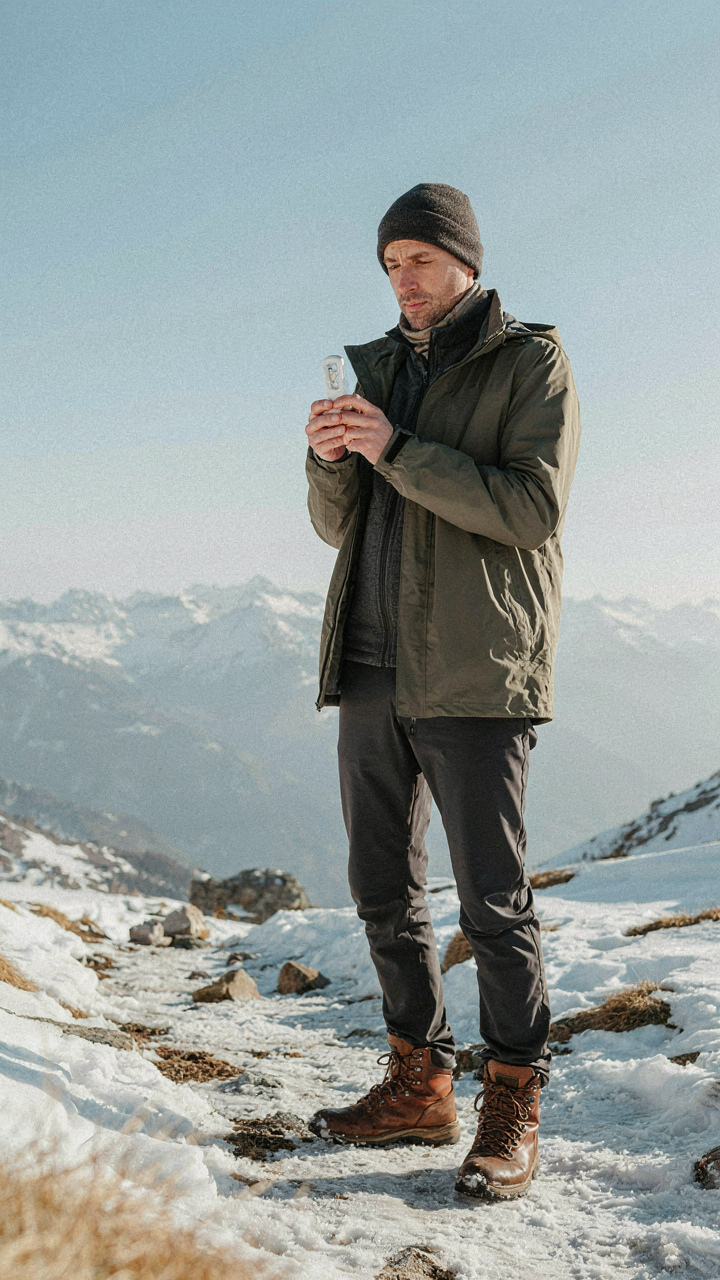
You’re looking at this section because you think the right brands will make you look competent in cold. They won’t. Layering is physics. Heat transfer works through three mechanisms: conduction, convection, and radiation. Your outfit stops convection by trapping still air between fabric layers. The goal isn’t more clothes. It’s strategic air pockets that don’t compress under your own movement or pack weight.
Most men stack random pieces and end up overheated, then chilled, then damp. The real system works backward from your skin. Base layer moves sweat away from your body through capillary action, not absorption. Mid layer traps dead air. Outer shell blocks wind and sheds water. Each layer has one job. No layer does everything. This separation is what keeps you functional for six hours, not three.
The Myths Costing You Money

The industry sells the lie that expensive equals warm. It doesn’t. A 200-dollar jacket and a 60-dollar one stop wind the same way if both fabrics have equal denier and construction. What changes is durability and packed size, not thermal performance. You’re paying for longevity and design, not magic insulation.
The second myth: you need special winter hiking gear. You don’t. The same base layer that works for gym workouts works on a winter trail. The same windproof shell works for hiking and commuting. Stop buying single-purpose gear. Buy versatile pieces that layer correctly and work across activities. This cuts your outfit cost in half and forces you to actually use what you own instead of collecting unused equipment.

The Base Layer Blueprint: Your Skin’s Best Friend
Why Synthetics And Merino Win
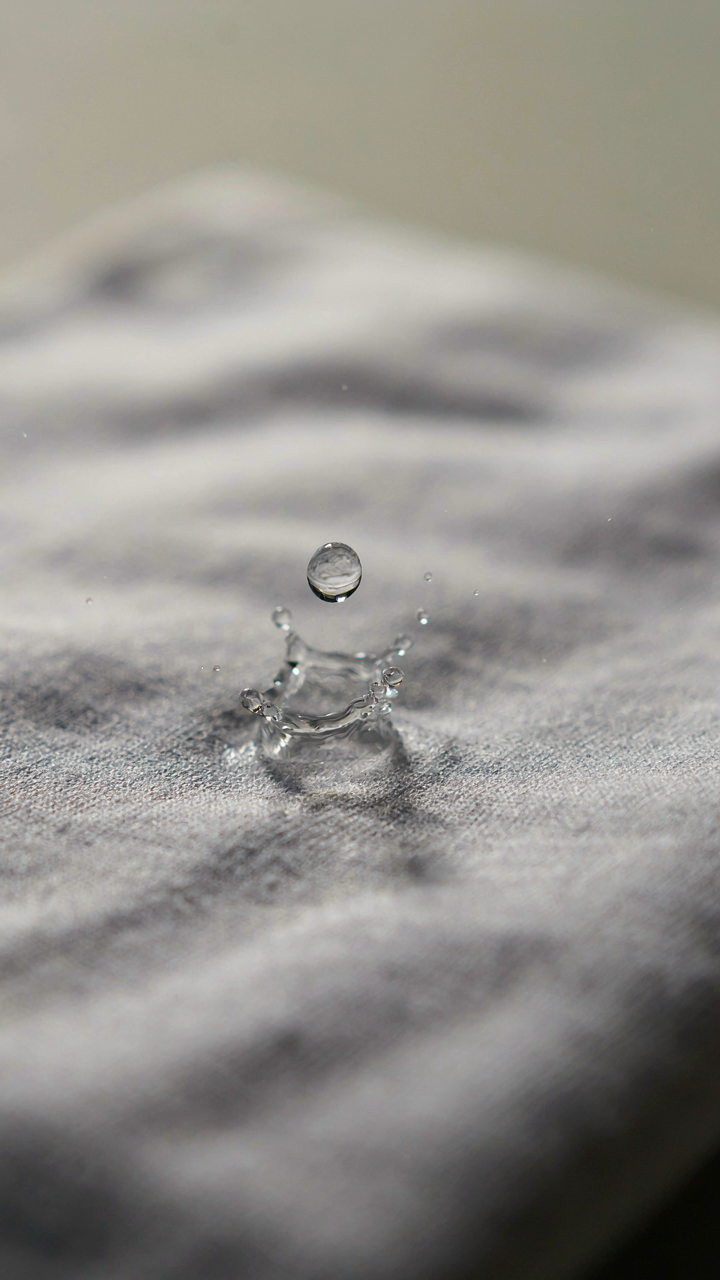
You think base layer choice doesn’t matter because marketing makes all technical fabrics sound identical. The mechanism is thermodynamics: your body generates sweat during exertion, and cotton absorbs it like a sponge, trapping moisture against your skin. Synthetic polyester and merino wool both wick moisture away from skin into the outer fiber layers where evaporation happens. Cotton stays wet. Wet fabric conducts heat away from your body 25 times faster than dry fabric.
Merino wool outperforms synthetics in one specific way: it regulates temperature across a wider range. Synthetics move sweat faster, but merino absorbs moisture vapor without feeling wet, then releases it gradually. This matters during variable-intensity hikes where you warm up, cool down, warm up again. Merino also naturally resists odor because it kills bacteria rather than trapping their byproducts. For winter hiking, start with merino if budget allows, synthetics if not. Both beat cotton absolutely.
Fit Prevents The Sweat Trap
Tight base layers create the exact problem they’re supposed to solve. A snug fit feels secure, but it compresses fabric against skin, reducing the air gaps that allow evaporation. Loose fabric moves with your body, keeps space between material and skin, and lets sweat vapor escape before it condenses back into liquid. You need room to move, not compression. The fit should let you raise your arms fully and bend without restriction.
Layering order amplifies this. Base layer touches skin directly, mid-layer traps air, outer layer blocks wind and precipitation. If your base layer is too thick or too tight, it becomes an insulating layer instead of a wicking layer, and sweat pools underneath. This induces hypothermia during cold weather because you’re generating heat, sweating, then cooling rapidly when activity slows. Wear fitted but not tight merino or synthetic in contact with skin. Keep moving to maintain heat production.
Mid Layer Mastery: Insulating Your Core
Fleece Vs Down: Choosing Your Thermal Advantage
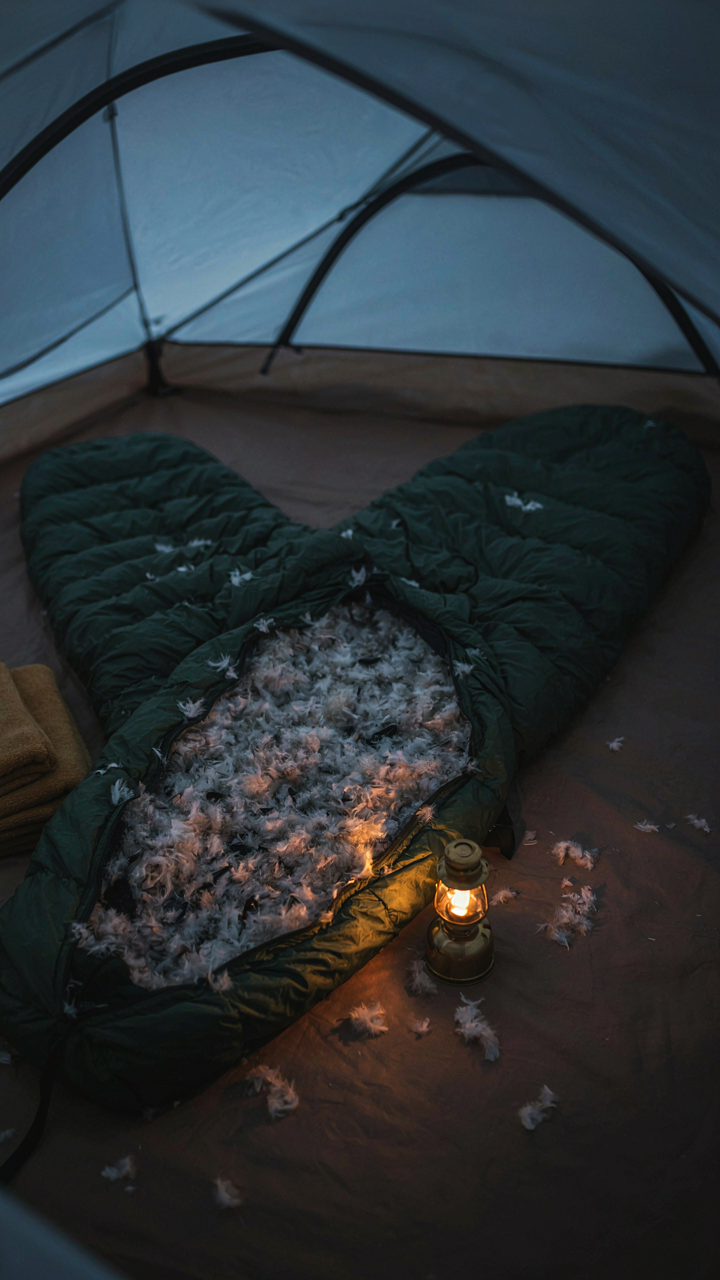
You want to buy the right thing so you don’t waste money or freeze halfway up a trail. Here’s what matters: this is thermodynamics, not fashion. Down traps air in dead space. Fleece compresses air into fiber clusters. Down wins in weight-to-warmth ratio and compresses smaller. Fleece wins when wet because it retains insulation even when damp, while down fails catastrophically. Down also lasts longer and packs tighter for backcountry trips where space matters.
The real trade-off is cost versus resilience. Down costs more upfront but performs for years. Fleece costs less and handles moisture better if your route crosses streams or you sweat heavily under load. Merino wool fleece splits the difference, resisting odor and moisture while staying warm, though it costs more than synthetic fleece. Pick down for alpine routes where staying dry is realistic. Pick fleece for lower elevations or steep climbs where you’ll sweat regardless. Synthetic insulation fills the middle ground if your budget is tight and conditions are unpredictable.
The Mechanics Of Heat Escape: Regulating Your Core
Venting isn’t an afterthought, it’s the protocol that prevents you from overheating, soaking your base layer, then freezing when you stop. Your mid-layer needs pit zips or side vents you can open without removing your jacket. Start your hike wearing your mid-layer unzipped under your shell. As your body temperature rises, open vents incrementally. This prevents sweat accumulation, the real enemy. When you summit or slow your pace, close them before your skin cools.
Layering strategy matters here. Wear your mid-layer as a standalone piece on approach, not locked under everything. This gives you granular control. Remove it if the climb gets steep and your core temp spikes. Stash it in your pack. Put it back on during the descent when output drops and cooling happens fast. The goal is staying dry and maintaining core temperature in the narrow band where your body performs. Your mid-layer is the tool that makes this possible, not something you wear the entire hike.
Outer Shell Imperatives: The Weatherproof Wander Outfit
Hardshell Versus Softshell: Where Your Priorities Live
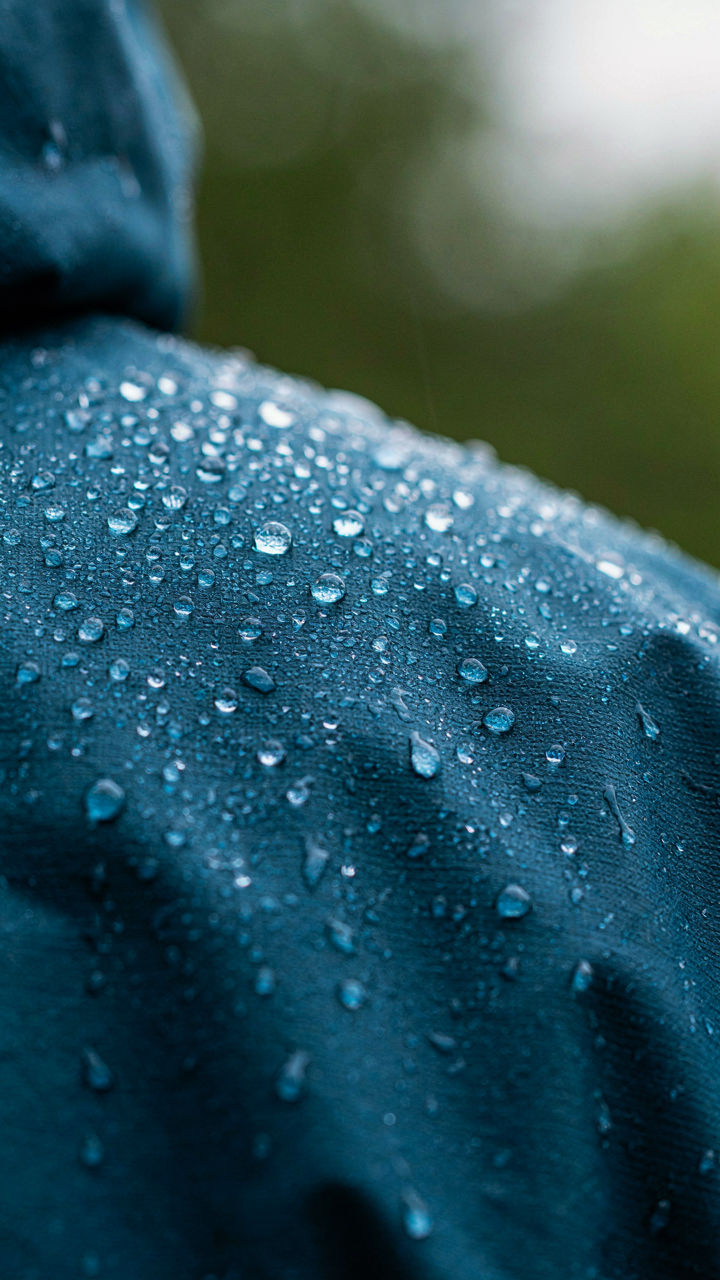
You want to believe one jacket solves winter hiking. It doesn’t. The real tension here is physics: hardshells use a membrane barrier (like Gore-Tex) that blocks water molecules but lets vapor pass through, while softshells rely on tightly woven fabric that sheds water through surface tension alone. Hardshells win in sustained downpour or wet snow. Softshells breathe better and move easier during high-exertion climbs where you generate heat and sweat faster than any membrane can vent.
Most advice says pick one. Wrong. Your shell choice depends on the specific conditions you’ll face, not on owning a universal jacket. A hardshell handles exposed ridges in sleet or rain that will soak a softshell within an hour. A softshell excels on steep ascents in dry cold where you need unrestricted motion and moisture management matters more than water-shedding capacity. Layer a lightweight hardshell over a softshell, and you’ve solved the tradeoff entirely instead of pretending it doesn’t exist.
DWR Treatments: Restoring Water Repellency Without Replacement
DWR (durable water repellent) coating is not permanent, despite what marketers claim. The coating sits on fabric surface fibers and degrades through abrasion, washing, and time. When your winter jacket stops beading water and starts absorbing it, you’re not experiencing jacket failure—you’re experiencing predictable coating breakdown. Most men throw away functional shells at this point. You don’t need to.
Reapply DWR through commercial treatments available in liquid or spray form. Wash your jacket first in plain water, dry it completely, then apply the coating according to product instructions. Some treatments require heat-setting in a dryer afterward. This single step extends shell lifespan by years and costs less than a tank of gas. Check your jacket’s water repellency every season by pouring water on the sleeve—if it pools instead of beading, treat it immediately rather than waiting until performance becomes noticeably compromised.
The Thermal Regulation Protocol: Applied Thermodynamics
How Heat Actually Leaves Your Body
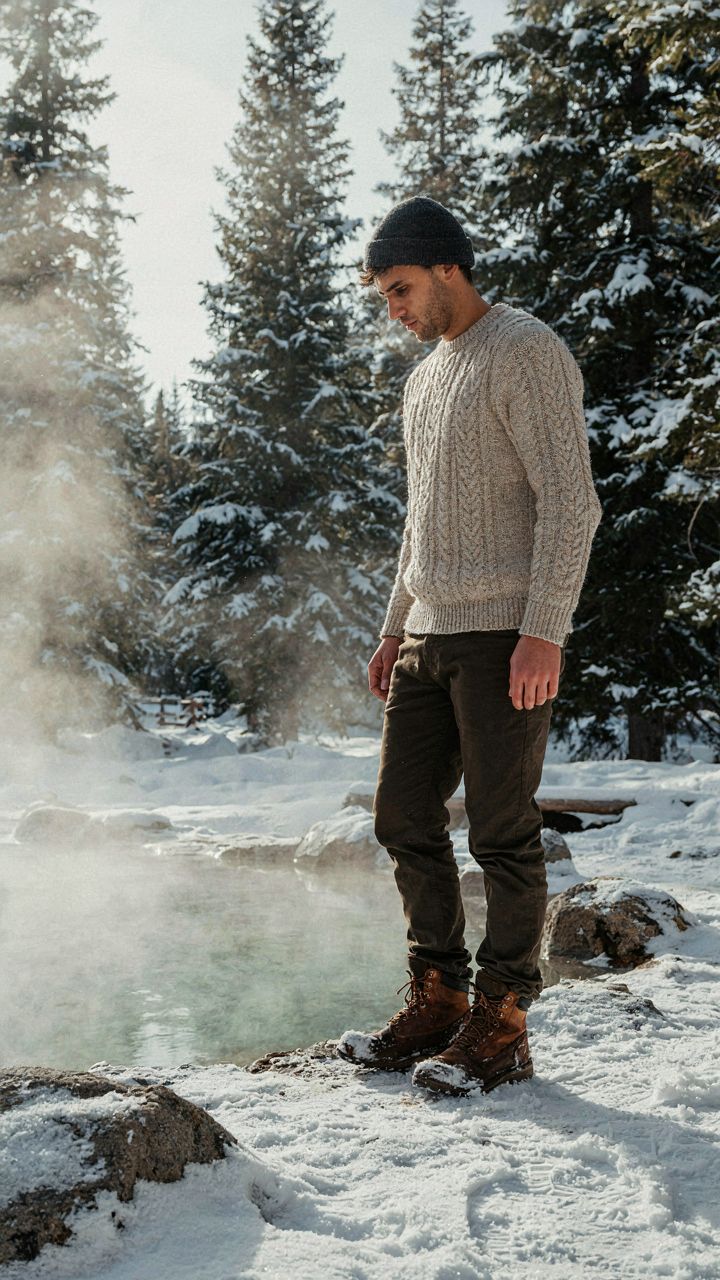
You care about this section because you don’t want to freeze on a trail and look unprepared, but the real reason is simpler: most winter hiking advice tells you to “layer” without explaining what you’re actually fighting. Physics governs heat loss. Three mechanisms drain warmth from your body: conduction moves heat directly into cold surfaces touching skin, convection strips it away via wind and air movement, and radiation bleeds it into space continuously. Your outfit isn’t about warmth in the abstract. It’s about blocking these three pathways simultaneously. Cotton fails because it conducts heat when wet. Windproof shells matter because they stop convection dead. Dead air pockets slow radiation. Each layer targets a specific mechanism, not some vague notion of “staying warm.”
The hierarchy is fixed: base layers prevent conduction by keeping moisture off skin, insulation layers trap dead air to interrupt convection and radiation, and outer shells stop wind and precipitation from accelerating heat loss. Most men grab random jackets and call it winter hiking. That’s backward. You start by identifying which heat loss mechanism poses the greatest threat in your specific conditions, then build your outfit to address it first. A dry, windless day demands different priorities than sleet and 25 mph gusts. The outfit that works in both is built on this framework, not on brand loyalty or what looked good online.
Minimizing Thermal Loss Through Material Selection
Efficiency in winter hiking means eliminating unnecessary layers that create bulk without blocking heat transfer. Gorpcore as an aesthetic emerged partly because it prioritized material engineering over style, though most people wear it for looks and sacrifice performance. The real economy is this: one premium synthetic or wool base layer that wicks moisture outperforms two cheap cotton shirts because it prevents conduction before it starts. One fitted fleece with high-loft synthetic insulation beats an oversized down jacket if you’ll be moving continuously, because movement generates convection and loose jackets amplify it. Tight construction around your torso, arms, and neck reduces the volume of air that wind can circulate through.
Material choice compounds efficiency. Merino wool resists moisture reabsorption, meaning it stays dry longer and maintains insulation even damp. Synthetic insulants like polyester microfiber maintain loft when compressed, which matters because backpack straps will crush whatever you wear. Down collapses under pressure and wets catastrophically. The protocol: synthetic or wool base layer, fitted synthetic insulation mid-layer, windproof shell. Each layer fits snugly enough to minimize convection pockets but loose enough to move. Skip the extra vest, the decorative layers, the “just in case” additions. Your outfit breathes only when it moves heat away from your body fast enough during exertion.
Footwear Fortification: Conquer Any Terrain
Boot Insulation And Waterproofing
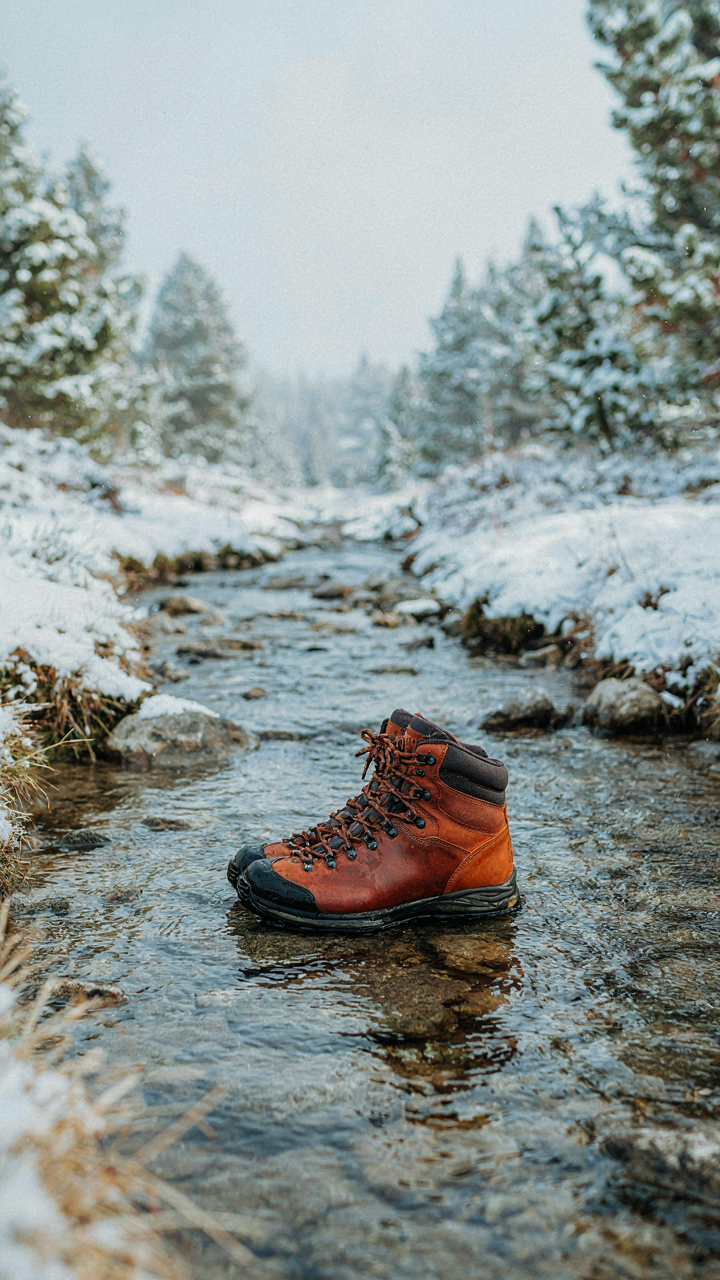
You care about this section because wet feet kill a hike faster than cold air, and nobody wants to admit their $300 boots failed at their one job. The mechanism is simple: insulation and waterproofing work against each other in winter conditions. Insulation traps dead air to slow heat loss. Waterproofing blocks moisture entry but also blocks moisture exit, creating condensation buildup inside the boot. Most hikers choose one and sacrifice the other.
- Thinsulate or PrimaLoft insulation: Synthetic materials rated to specific grams trap warmth while managing moisture better than down, which collapses when wet and takes hours to dry in field conditions.
- Gore-Tex membrane: Blocks liquid water while allowing vapor escape, the closest thing to solving the insulation-waterproofing conflict, though it requires proper care to maintain breathability over time.
- Leather versus synthetic uppers: Leather holds moisture longer but molds to your foot and breaks in predictably. Synthetics dry faster and resist abrasion better on rocky terrain but feel plastic initially.
- Sealed seams and gusseted tongues: Seam sealing prevents water wicking along stitching. Gusseted tongues prevent snow and water from pouring down the sides when you step over deep drifts.
- Sole insulation rating: Ground cold kills toes faster than air cold. Vibram soles with thermal breaks or Michelin rubber compounds rated for sub-zero performance matter more than upper insulation.
Real winter boots compromise between insulation thickness and weight. A boot insulated to minus 40 becomes a lead weight that exhausts your legs before cold even matters. Test your boots at the lowest temperature you’ll actually hike in, then dial back one rating level for the margin you’ll need when things go wrong.
Sock Layering Strategy
The biology of thermoregulation demands two layers, not three. Your foot has less surface area than your torso, so it can’t regulate temperature as efficiently. Thick socks compress under boot pressure, reducing the air pockets that create insulation. The first layer moves moisture away from skin. The second layer insulates.
Merino wool outperforms synthetic blends in winter because it resists moisture saturation and maintains insulation when damp, a fact backed by military cold weather protocols. Your base layer sock should fit snug without bunching, because wrinkles create pressure points that turn into blisters. Your insulation layer should be thick enough to fill boot volume without compressing your toes. Moisture between layers causes frostbite faster than dry cold, so change socks immediately if they sweat through during steep climbing, then let your feet dry inside the boot as you descend.
Hand And Head Protection: Non Negotiables For Outdoor Outfit Men
Gloves Vs Mittens: Tactical Warmth For Men Hiking Outfits
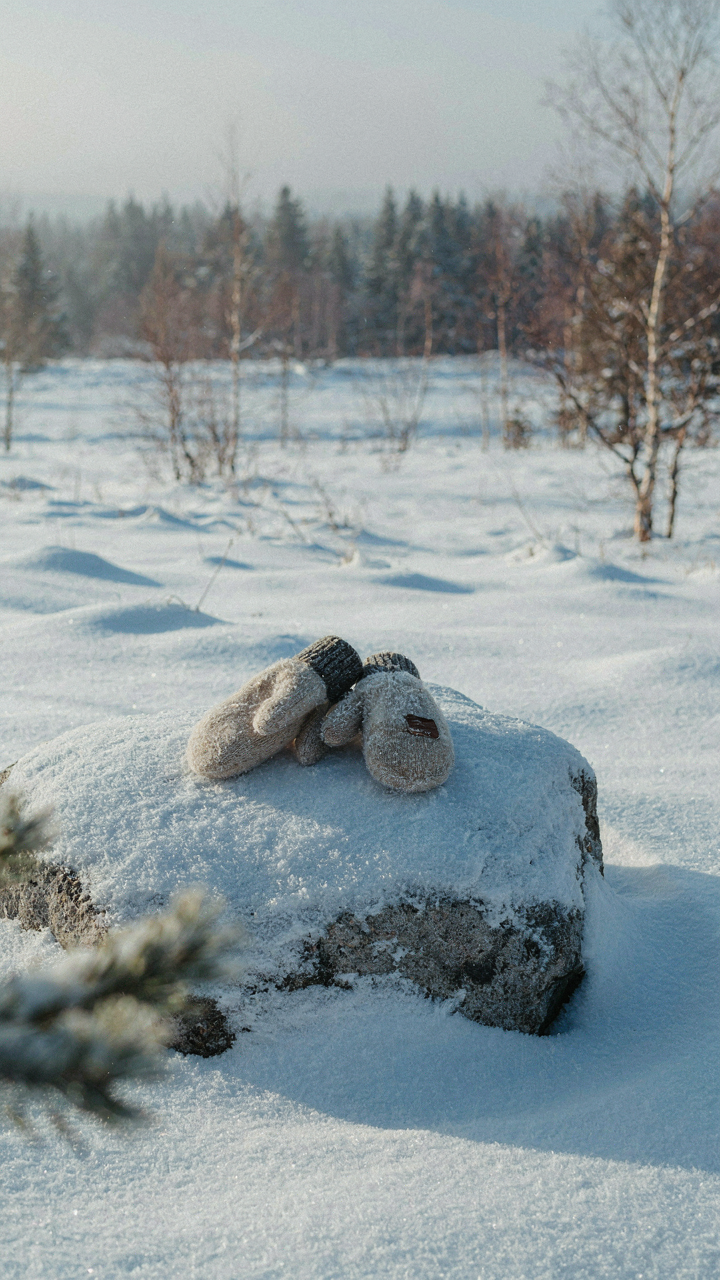
You want gloves because you think they look better and signal competence. That’s the real reason you’re asking. But thermodynamics doesn’t care about your image. Mittens trap more heat because they consolidate finger surface area, reducing heat loss through radiation and convection. Your fingers generate warmth as a cluster, not as individuals radiating energy in five directions. Gloves give you dexterity you’ll rarely need on a winter hike. Mittens give you survival margin.
The trade off is real: mittens make map reading and gear adjustment harder. Most winter hikers solve this poorly by switching between both or wearing thin gloves that don’t actually warm. Better move is mittens with a removable liner or convertible mittens with flip-back tops. You keep core hand warmth for 95 percent of the hike, then convert to glove mode for the 5 percent when you need precision. This is why military cold weather gear uses convertible systems, not compromise layers.
Headwear Options: Retaining Vital Body Heat
Your head bleeds heat faster than your torso not because it’s exposed, but because your body prioritizes head blood flow for brain function and your scalp has higher capillary density. This is physiology, not folklore. A bare head in winter isn’t just uncomfortable; it forces your core to work harder maintaining brain temperature, which depletes energy reserves for your extremities.
- Balaclava: Covers face, neck, and head in one layer, protecting the exposed triangle of vulnerability where most wind penetration occurs during uphill exertion.
- Knit beanie with neck gaiter: Separates head and neck protection for layering flexibility, lets you drop the gaiter if you warm up during movement without removing head insulation.
- Wool blend hat: Retains warmth when wet unlike cotton, manages sweat moisture away from skin, standard for serious winter hiking over synthetics or down for this specific reason.
- Insulated headband: Covers ears and forehead without the bulk of a full beanie, useful for transitions between effort levels when you generate internal heat but still need ear protection.
- Neoprene face mask: Adds windbreak protection for extreme conditions, works under a beanie, sits flush against skin to prevent gaps where wind channels directly onto exposed areas.
Layer your head protection like you layer your core: base coverage matters more than single thick pieces. A beanie plus a neck gaiter gives you independent adjustment capability that a single balaclava doesn’t. Start with both on every winter hike, then remove the gaiter if your exertion rate climbs. This simple protocol prevents the overheating that makes you shed layers, get wet, then crash into cold once you stop moving.
Accessories That Actually Matter For Trekking Outfit

Know Where You’re Going Before You Leave
You want accessories to feel like insurance—proof you’re prepared. But here’s what actually happens: most hikers carry navigation tools they’ve never tested, which means they don’t know how to use them when visibility drops. Navigation is a closed-loop system. You input your position, compare it to a reference map, and correct your course. Your tools only work if you’ve drilled the process before winter conditions erase your margin for error.
A paper map and compass are redundant only if your phone stays charged. Winter kills batteries faster than any other season due to cold sapping voltage. Carry both. The map never fails; the compass never requires an update. Test navigation in daylight first, then in poor visibility with gloves on. This removes guesswork when conditions deteriorate.
Build Redundancy Into Survival
The emergency kit myth says you need exotic gear. You don’t. Winter hiking kills through exposure and disorientation, not because someone lacked a space blanket. Build backward from the actual threats: you need fire-starting capability, extra insulation, a way to signal rescuers, and wound treatment. A ferro rod works when matches fail in wet conditions. A heavy plastic emergency blanket traps body heat without weight. A whistle carries farther than your voice. A small first aid kit handles cuts and minor injuries before they compound.
Weight is the only real constraint. A dedicated emergency kit weighs between eight and twelve ounces and fits in a jacket pocket. Carry it on every hike, not just the long ones. The moment you decide to skip it is the moment you’ll need it. Check the contents annually, replace anything damp or expired, and keep your first aid supplies relevant to the terrain and season you’re hiking.
Packing Smart: The Minimalist Hiking Outfit Men Approach
Every Ounce Counts Here
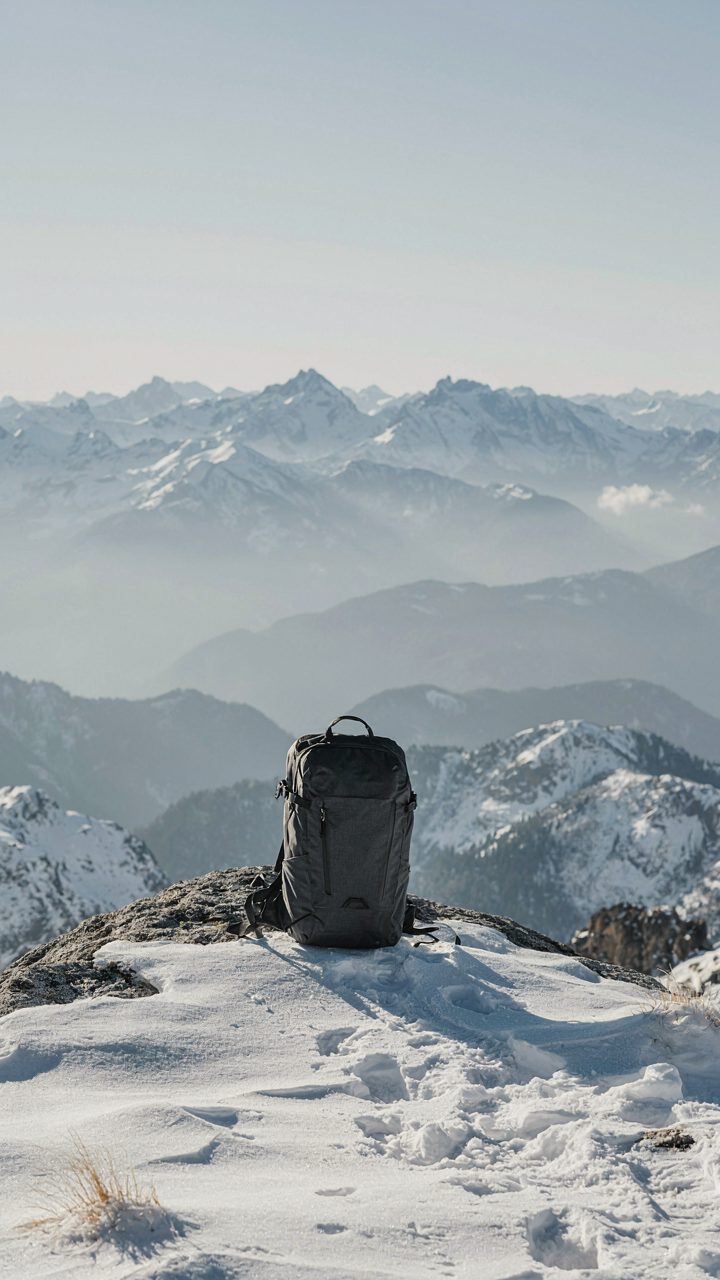
You want to believe ultralight gear is about comfort. It’s not. It’s about refusing to carry the consequence of poor decisions mile after mile. Physics governs load bearing: your body burns calories proportional to pack weight, and in winter cold burns faster than summer heat. A single unnecessary pound drains energy you need to stay warm.
The math is simple. Cut two pounds from your pack, and you preserve roughly 200 calories over ten miles. In winter, that’s the margin between controlled descent and hypothermia risk. Strip your outfit down to core function: base layer, insulation layer, shell, gloves, hat, socks. Nothing performs double duty worse than winter gear. Remove items that solve imaginary problems on the trail.
Pack Order Determines What Stays Dry
Accessibility isn’t about convenience. It’s about preventing the cascade failure where you need something critical and create chaos extracting it. Pack your outfit in reverse order of use during the hike, but with one rule: moisture-sensitive items stay isolated from sweat entry points.
Place your outer shell on top where you can deploy it without unloading the entire pack. Base layers and backup gloves go in a sealed dry bag near the top. Insulation layers sit in the middle. Heavier items anchor the bottom. This order lets you add or remove layers without exposing your entire pack interior to wind and moisture. The mechanism is simple: reduce the number of times you open your pack, and you reduce heat loss and water infiltration exponentially.
The Real Obstacle Isn’t The Cold, It’s Your Ignorance Of Basic Physics. Master The Elements, Don’t Just Endure Them

Most men freeze on the trail because they think warmth comes from thickness. It doesn’t. Layering works through air trapping and moisture management, not bulk. Stop buying random jackets and start understanding vapor pressure, insulation types, and how sweat kills you faster than cold ever will. Your next hike, pick one weak layer in your current setup and replace it with something that actually solves the problem you face. The difference between suffering and thriving isn’t gear, it’s knowing how your body loses heat.