
The 3 Layer Thermal Protocol For Children’s Outfits
Start With Skin Contact First
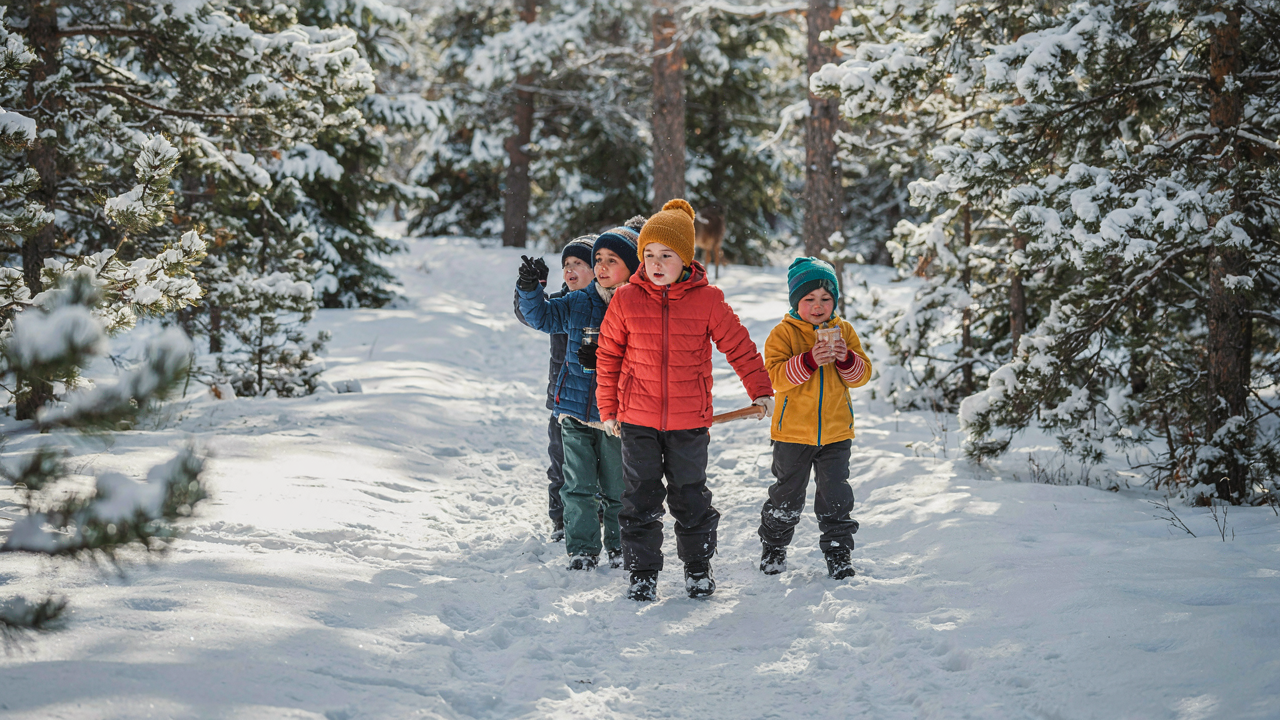
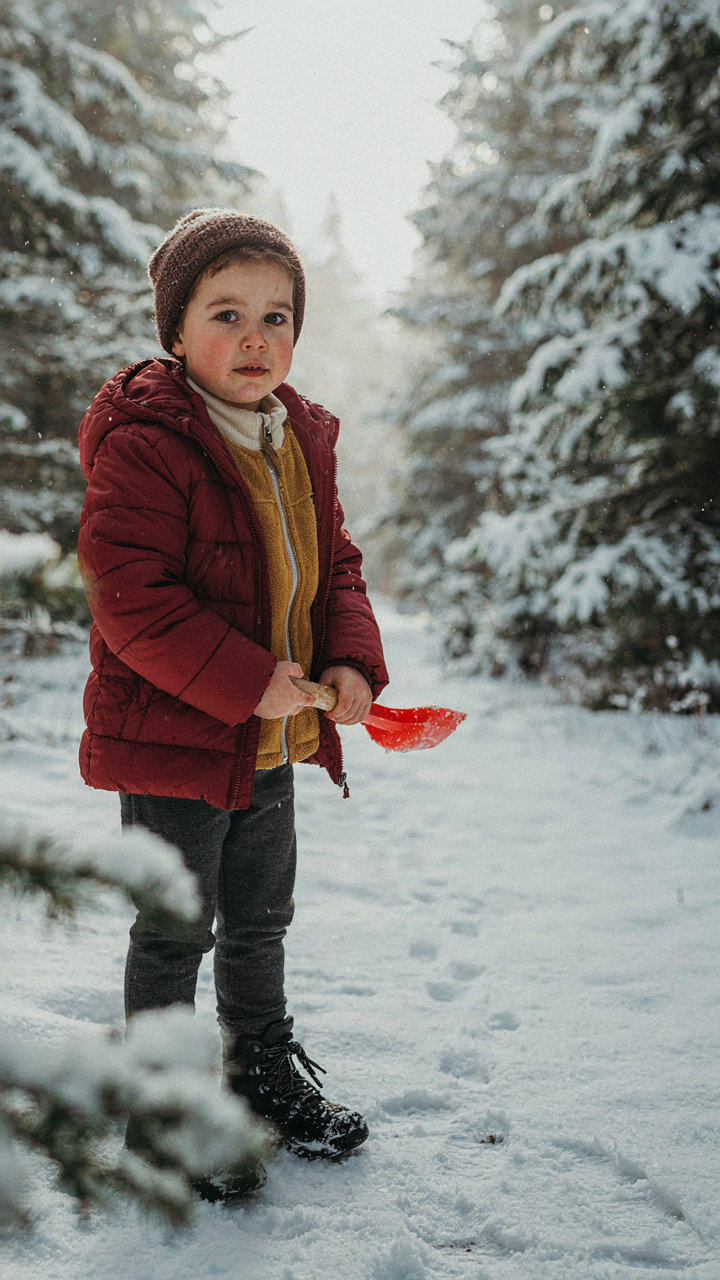
You want your kid to stay warm without looking like a marshmallow, which means you’re secretly worried about overheating and restricted movement killing the hike before it starts. The mechanism here is borrowed from physics: in thermodynamics, the innermost layer controls heat transfer at the source. A base layer’s job is to move sweat away from skin, not trap warmth. Cotton fails because it absorbs moisture and holds it against the body, dropping core temperature fast. Synthetic materials like polyester and polypropylene wick sweat outward, keeping skin dry and maintaining the temperature gradient your child needs to stay comfortable for hours.
The fit matters more than material brand. Base layers should be snug but not restrictive, which means they sit close enough to move moisture efficiently without cutting circulation. Merino wool works too because it regulates temperature and resists odor, but kids often reject it for feel. The real win is testing your chosen base layer in a 30-minute walk before committing to a full winter hike. This tells you if your child overheats at the start or if dampness builds up by mile two.
Insulation Without The Bulk Problem

Mid-layers don’t warm the air around your kid—they trap warm air your kid already generates. This is simple physics: still air has low thermal conductivity, which means it can’t move heat away from the body. Fleece and synthetic insulation like polyester create air pockets that stop convection. Down insulation compresses easily and packs into backpacks, but it loses function when wet. Synthetic alternatives maintain warmth even if moisture seeps in, which matters for kids who sweat during exertion or fall into snow.
The problem most parents make is adding too much insulation too early, then stripping layers halfway through. Your child’s metabolic rate changes when they’re moving uphill versus resting. Start with one mid-layer and bring a second as a backup in the pack rather than wearing both from the trailhead. Check for sweat at the base layer and neck every twenty minutes during the hike. Remove a layer before your child gets wet, not after.

Material Science: Why Synthetics Outperform Cotton For Kids Hiking Outfit
Cotton Absorbs Moisture And Stops Insulating
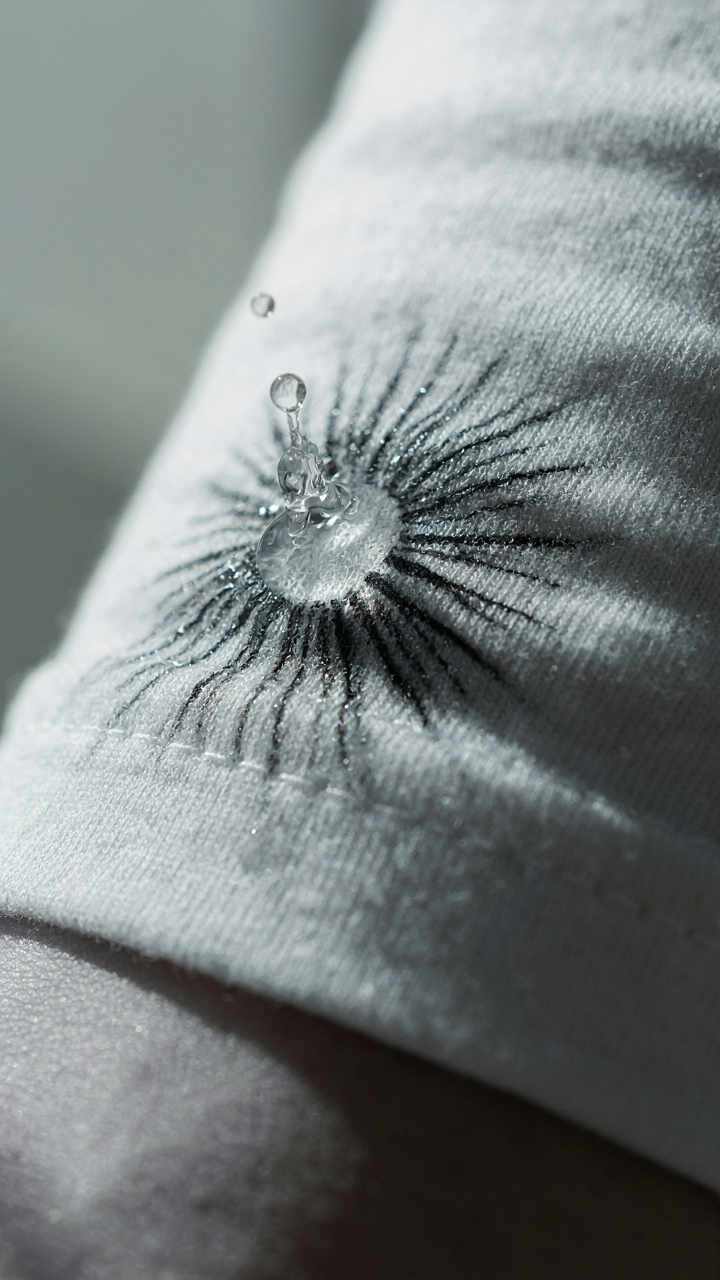
You want to believe cotton is safe because it feels familiar. It isn’t. Cotton operates on a physics principle called capillary action, where the fiber pulls moisture into its core and holds it there. Once wet, cotton conducts heat away from skin at rates that drop core temperature faster than standing still in wind chill. A kid sweating under exertion or caught in light precipitation becomes a heat-loss liability within minutes, not hours.
Cotton’s trap is reversibility. The fiber doesn’t dry quickly because it loves water too much. Polyester and nylon synthetics, by contrast, repel moisture actively rather than absorbing it. They wick sweat away from skin to the fabric’s outer surface where evaporation happens in the air layer, not against the body. On a winter hike where temperature swings and effort levels change constantly, this difference compounds into genuine danger.
Synthetics And Wool Handle Energy Efficiently
Both synthetic blends and wool operate on thermodynamic efficiency: warmth-to-weight ratio. Merino wool traps air in microscopic scales along each fiber, creating dead space that doesn’t transfer heat. Polypropylene and polyester synthetics do the same through different architecture, using lower density to achieve loft without mass. A child wearing a synthetic base layer and mid-layer under a shell weighs less and moves faster than layered cotton, which means faster metabolic heat generation and less fatigue midway through the hike.
Wool excels at temperature regulation because it absorbs and releases moisture vapor without feeling wet. Synthetics excel at speed and price, which matters for growing kids who outgrow gear yearly. Neither needs the bulk or weight cotton demands to achieve the same insulation value. The protocol is simple: base layer in synthetic or merino, insulation layer in synthetic or wool, shell on top. Skip cotton entirely for winter hiking outfits.
Outerwear As A Microclimate: The “Shell System” For Outdoor Kids
When Water Stops Movement
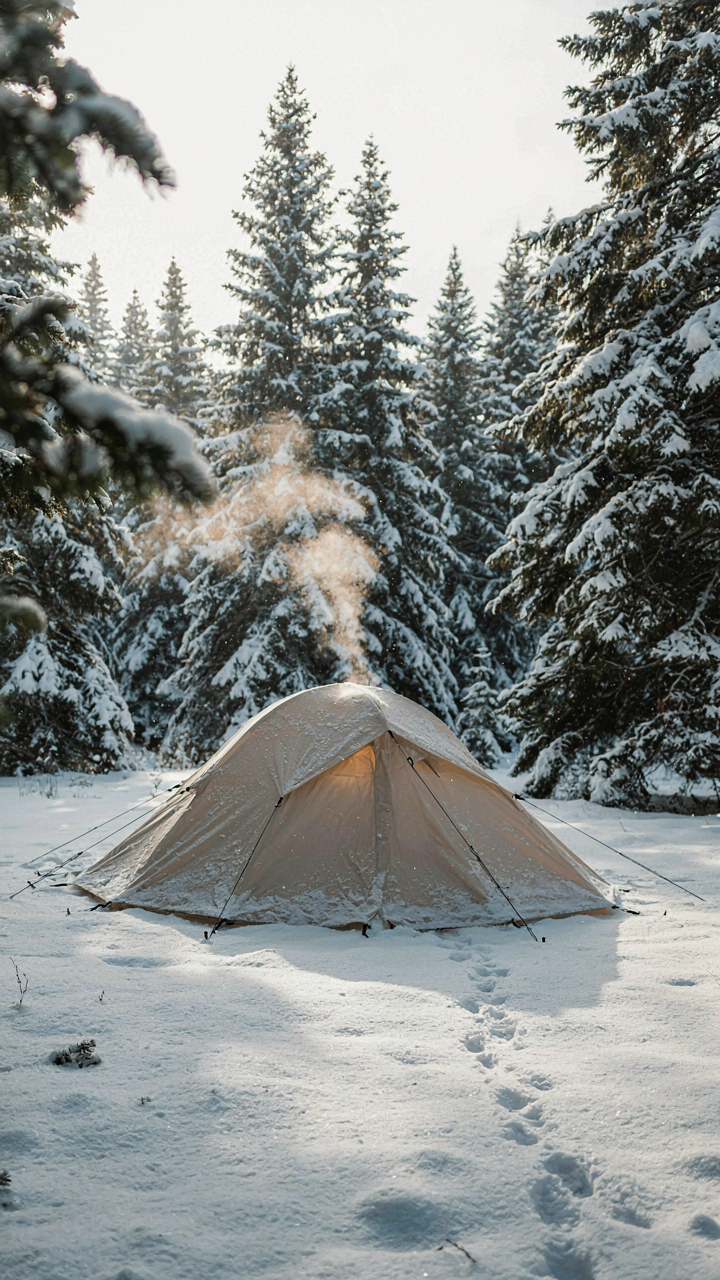
You want your kid to stay warm without looking like a marshmallow. That’s the real tension here, and it makes you ignore what actually matters: water is the enemy, not cold. Borrow from thermodynamics: insulation only works when dry. A hard shell operates as a vapor barrier, blocking both rain and the moisture your kid generates from exertion. Once water enters the system, your insulation dies.
Hard shells use tightly woven nylon or polyester with polyurethane or PU laminate coatings. They shed precipitation instantly and resist wind completely. The tradeoff is real: they trap sweat inside if your kid moves hard uphill. You need active kids to understand the rule: shell goes on when precipitation starts or wind picks up, comes off during climbs. This prevents the sweat-then-chill cycle that actually kills warmth retention.
Breathable Trade Offs Require Honest Choices
The soft shell pitch sounds better than it works. These jackets use materials like Gore-Tex or similar stretch membranes that claim to let sweat out while blocking rain. They do both, but imperfectly. In real conditions, a kid hiking uphill in 25-degree weather generates more moisture than any membrane can vent fast enough, so sweat accumulates at the fabric surface instead of moving out.
Soft shells work best during light activity in dry cold or during wet conditions where your kid isn’t generating heavy sweat. They fail during the middle-ground scenario most winter hikes hit: moderate climbing with rain or sleet. The practical move is to use soft shells as your primary layer on easy terrain, then switch to a hard shell when conditions worsen or your kid’s breathing gets heavy. Test this before the hike to know which layer your kid’s sweat rate actually demands.
Feet First: The Neglected Foundation Of Kids Hiking Gear
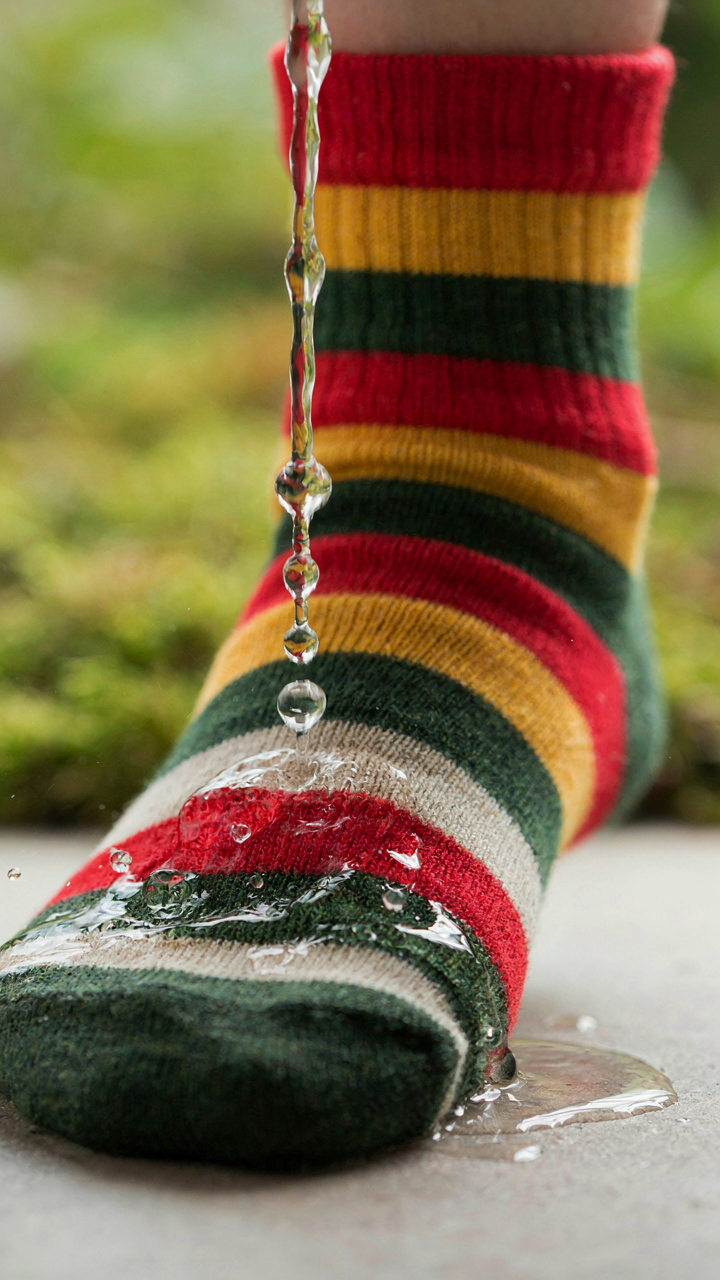
Wool Socks Stop The Cascade
You care about this because wet feet destroy an entire hike faster than any other single failure, and most parents don’t see it coming until it’s too late. Thermodynamics governs what happens inside a boot: moisture wicks heat away from skin twenty-five times faster than dry air does. Wool interrupts this process by trapping air pockets even when damp, maintaining insulation where cotton and synthetic blends surrender completely.
Merino wool outperforms because it resists bacterial growth that causes blisters on multi-hour hikes. The fiber structure naturally prevents the friction points that form when sweat-soaked material bunches inside a boot. Your kid’s feet stay warm at elevation and on descent because wool regulates temperature without overheating, which matters when you can’t peel layers off mid-trail. Thickness matters: aim for midweight or expedition weight, never the paper-thin dress socks. Two pairs per hike handles sweat rotation if conditions stay dry.
Waterproof Boots Aren’t Optional
Most parents treat waterproof boots as a luxury upgrade. They’re not. A wet boot filled with snow or slush becomes a heat sink that drains core temperature and ends the hike within hours, regardless of what layers you pile on top. The mechanism is simple: water conducts heat away from feet at a catastrophic rate, and no insulation compensates once the boot interior saturates.
Insulation rating matters less than the waterproof barrier itself. Look for boots with sealed seams and a gusseted tongue that prevents water from pouring down the front when kids step through deep snow. The boot must fit snug enough that wool socks don’t bunch but loose enough to accommodate thick socks without cutting circulation. Test the fit indoors before the hike: if your kid can’t wiggle their toes, the boot cuts blood flow and cold sets in faster.
Head, Hands, And Neck: The Critical Heat Sinks In Children’s Outfits
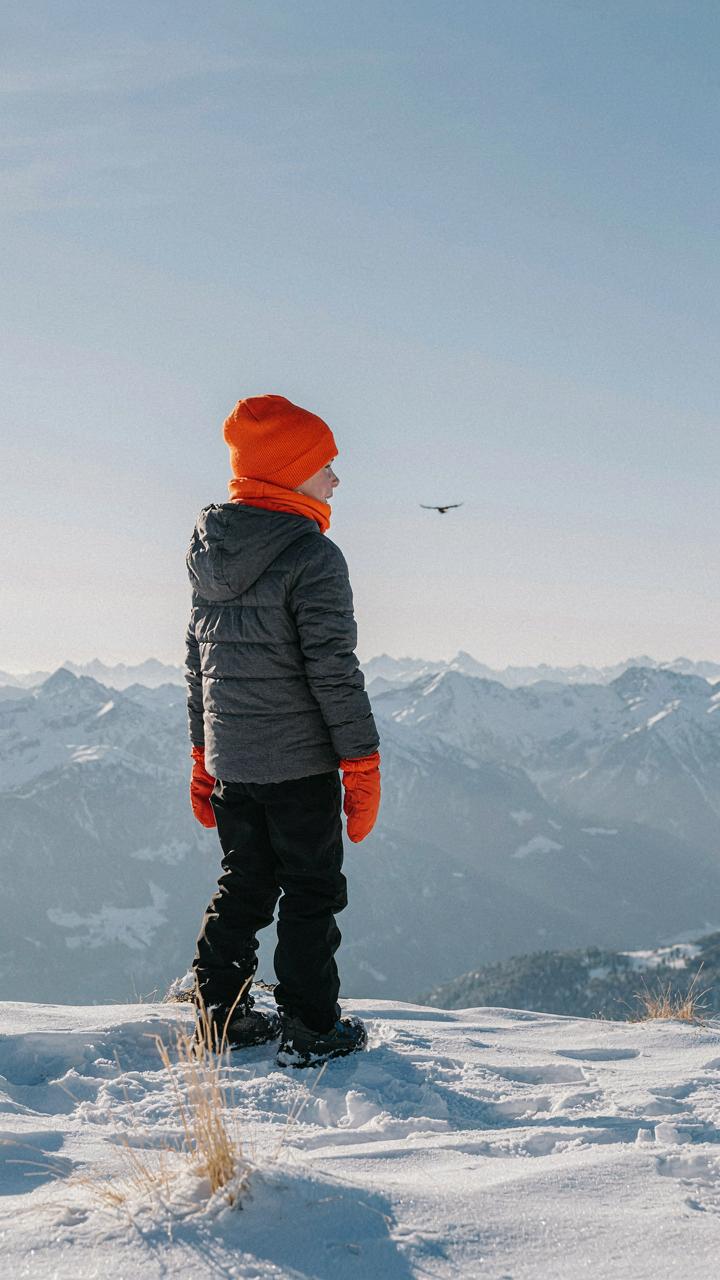
Headwear: Caps, Beanies, And Layered Protection
You want your kid to look competent on the trail, which means you’re worried they’ll seem unprepared if their head isn’t covered. That’s the real fear here. But the mechanism is thermodynamic: your child loses disproportionate heat through their head because blood vessels near the scalp dilate to regulate core temperature. Unlike adults, kids have higher surface-area-to-body-mass ratios, meaning they shed heat faster relative to their size. A beanie isn’t decoration. It’s active thermal management.
The standard advice says “just bring a hat.” That’s incomplete. A single beanie works until sweat builds up under exertion, then that moisture becomes a heat sink working against you. The solution is layering headwear. Start with a thin merino wool or synthetic inner cap that wicks. Add an insulated beanie over it on cold days, then remove the inner layer if your kid generates too much metabolic heat during climbing. Merino outperforms cotton because it regulates temperature even when damp. Wool also resists odor buildup on multi-day trips. Swap the outer beanie for a windproof cap with ear coverage once you hit treeline or open ridge.
Gloves And Mittens: The Dexterity Trade Off
Kids’ hands lose heat rapidly and also lose function fast once cold, which means you face a real constraint: insulation and waterproofing come at the cost of grip. There’s no way around this trade-off. Mittens trap more heat than gloves because fingers share a single pocket, but mittens prevent kids from handling tent zippers, snack bags, or trekking poles. The physics here is surface area. Mittens reduce exposed skin. Gloves increase exposed skin but preserve fine motor control.
Your protocol: mittens for stationary periods and when you’re not at risk of fumbling gear, gloves for active hiking and technical sections. Waterproof outer shells matter more than pure insulation thickness. Water conducts heat away 25 times faster than air, so a damp glove becomes useless regardless of loft. Use mitten shells lined with fleece or synthetic insulation, paired with merino wool liner gloves kids can wear independently. When hands get cold, kids stop using them entirely, which creates liability. Rotate between mittens and gloves every 30 to 45 minutes on high-exertion climbs to manage sweat without losing heat or function.
The Anti Fad Wardrobe: Investing In Longevity For Kids Fashion
Buy Once, Use For Years
You want to feel like you’re making the smart parental choice without actually changing your spending habits. Here’s the mechanism: kids’ bodies change fast, but fabric durability doesn’t correlate with growth rate. A quality base layer in merino wool or synthetic blend outlasts three cheap alternatives across multiple kids and multiple winters. The math works because performance fabrics resist pilling, hold insulation properties after repeated washing, and don’t degrade in cold. Buy pieces that fit now and will fit a younger sibling in two years.
Wool and synthetic blends cost more upfront because they’re engineered to withstand abrasion and temperature swings. Cotton fails in winter because it absorbs moisture and loses all insulation value when damp. Polyester and nylon shells from established outdoor brands hold their water resistance through dozens of washes. A single quality jacket costs the same as four disposable ones but survives two kids and remains functional for hand-me-downs or resale.
Layers That Work Across Seasons
Economics calls this “portfolio diversification.” Winter hiking outfits for kids follow the same principle: build a foundation of pieces that stack for December and unstitch for October. A merino base layer works solo under a t-shirt in fall, under a fleece in winter, and under nothing in spring. A mid-weight fleece adds insulation in January but functions as a standalone jacket in shoulder seasons. This approach eliminates the need for single-use items marketed as “winter-specific.”
- Merino wool base layers: Regulate temperature across seasons, resist odor, and perform wet or dry. Works year-round under different outer shells.
- Fleece mid-layer: Compresses small, dries fast, and bridges the gap between base and shell across three seasons without bulk.
- Insulated vest: Adds core warmth without sleeve restriction. Layer under a shell in winter or wear solo in spring.
- Water-resistant shell: The only piece that needs to be specifically winter-rated. Works fall through spring when paired with different bases.
- Wool socks in varying thicknesses: Thin merino works spring through fall. Thick merino handles deep winter. Same sock, different season.
A layered system requires three to four pieces instead of six to eight specialized items. Rotate these pieces across seasons by changing what goes underneath or on top. This cuts wardrobe bloat and teaches kids that function, not branded labels, determines whether they stay warm on the trail.
Thermodynamics Of Play: Calorie Burn And Warmth For Best Hiking Clothes For Kids

How Kids Generate Heat Through Movement
You want your kid warm without hauling extra layers you’ll end up carrying. Here’s the real mechanism: active children produce measurable internal heat through muscle contraction. Physics calls this metabolic heat production. A hiking kid burning calories on a trail generates warmth the same way an engine produces heat through combustion. Movement isn’t just exercise—it’s a heat source you can engineer for.
A child hiking uphill at moderate intensity burns roughly three to five times their resting metabolic rate. That sustained muscle work converts chemical energy into both motion and thermal energy. The body doesn’t waste this heat; it radiates outward through skin and clothing. Dress your kid in a single insulating layer rather than multiple thin ones during active hiking. The trapped air around that layer captures radiant heat and maintains core temperature efficiently without creating sweat buildup.
The Body As An Active Heat Engine
Biology teaches us the human body functions as a furnace with variable output. Your hiking kid’s system operates like an engine with thermoregulation controls. Core temperature stays constant only when heat production matches heat loss. During active hiking, production spikes. Stop moving, and that furnace shuts down fast.
This is why static layering fails on winter hikes with kids. Too many layers trap sweat during climbs, then chill the child during rest stops. The better approach: one mid-weight insulating layer that manages both heat retention and moisture. When kids stop for snacks, wind blocks heat loss. A single outer shell over the insulating layer prevents wind from stripping away that radiant warmth. Start the hike slightly cool rather than bundled up—movement will raise core temperature within five minutes.
Debunking The “More Is Better” Myth In Kids Outerwear
Sweat Stops Heat Before Cold Does
You want your kid to survive and look competent while doing it. Here’s the real problem: you’re thinking about cold as the enemy, but sweat is. Thermodynamics teaches us about latent heat loss—the energy required to convert moisture from liquid to vapor. On your kid’s skin, that process pulls heat faster than any winter air. A soaked base layer becomes a heat sink. Your child feels warm during the hike, then stops moving. Now sweat evaporates and core temperature crashes hard.
Most parents pack too much insulation for active kids. The standard advice—”layer up”—misses the mechanism. Your kid generates serious heat while hiking uphill. Add a puffy jacket over a fleece over a heavy base layer, and they’re creating a microclimate of trapped sweat. By the time you reach the summit, they’re damp, and the descent becomes dangerous. The sweat doesn’t dry fast enough. Hypothermia in winter often strikes not from exposure but from moisture buildup during exertion.
Mobility Wins Over Dead Weight
Insulation that restricts movement is insulation that doesn’t work. Your child moves differently than an adult. They need range of motion through their shoulders, hips, and knees to climb, balance, and react to uneven terrain. A bulky jacket rated for stationary cold will limit their stride and make them work harder to cover the same ground. Extra work means more sweat. More sweat means the cycle repeats.
Strategic layering means choosing pieces that compress and flex, not pieces that are warmest in isolation. A thin merino wool base layer plus a fitted fleece plus a wind-blocking shell lets your kid adjust as effort changes. Remove the fleece on the ascent. Add it back on flat sections. This approach gives you control without sacrificing mobility. The protocol is simple: start with one fewer layer than you think necessary, then add only if your kid shivers at rest.
The Preparation Multiplier: Beyond The Gear For Kids Hiking Clothing And Accessories
Check Conditions Before You Leave
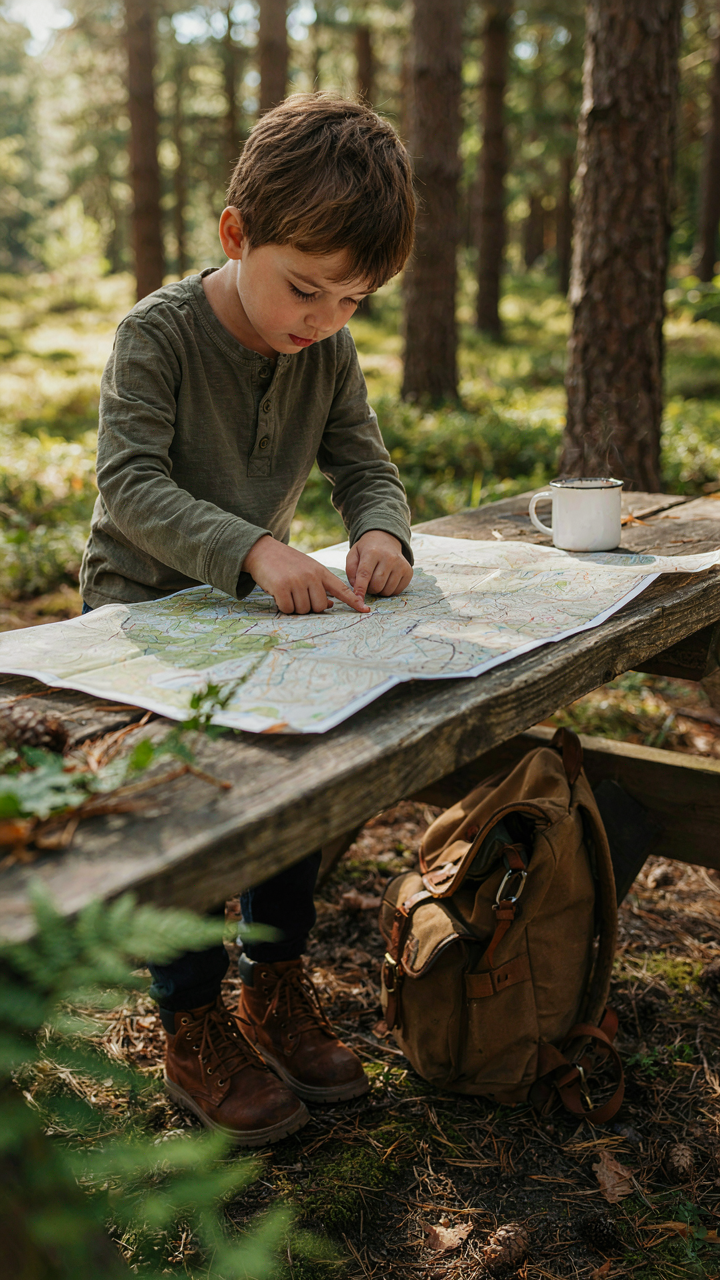
You’re reading this section because you want to feel like you’ve done enough to keep your kid safe. The real mechanism is this: most accidents happen because people skip the single step that costs nothing. Weather and route intel are your variables. Temperature, wind speed, and precipitation change what layers your kid actually needs, not what the internet says they need. Check the forecast the night before and again two hours before departure. Map your route on terrain software to know exact elevation gain and distance. This takes fifteen minutes and eliminates 80 percent of avoidable problems.
The supplies question isn’t about carrying everything. It’s about carrying the things that prevent your kid from becoming a liability mid-hike. Water, snacks, a basic first aid kit, and a headlamp go in every pack regardless of season. In winter, add a whistle and a space blanket. The space blanket weighs ounces and costs five dollars. It works because it reflects body heat back to your kid instead of letting it dissipate into cold air. Pack these items the night before so you don’t forget them in the mental load of getting out the door.
Layers You Actually Need To Carry Extra
Survival logic applies here. Your kid loses heat three ways: radiation, convection, and evaporation. Extra layers stop all three. The mistake everyone makes is thinking they only need extra layers if the hike goes long. You carry extras because plans break. A twisted ankle, a wrong turn, or fatigue forces you to move slower than expected. Slower movement plus cold air plus wet skin from exertion equals hypothermia risk in kids faster than in adults. Kids have less body mass to generate heat, so the math turns against you quick.
Extra layers means a second insulation piece and a second base layer, not a jacket collection. Merino wool or synthetic base layers in sizes your kid will outgrow within two seasons, plus a fleece or down layer that compresses small. Store these in a pack pocket separate from what your kid wears. When your kid stops moving, they cool down in minutes. Swapping to dry layers before they get cold keeps their core temperature stable and prevents the spiral where a cold kid refuses to move and you lose daylight.
The Real Obstacle Isn’t The Cold; It’s Your Inability To Trust Simple, Effective Systems Over Marketing Hype

Parents buy their kids expensive gear because it feels like control. You don’t need the premium brand or the “scientifically designed” jacket. You need layers that work, boots that fit, and the discipline to actually take your kids outside. Stop researching and start hiking. Your kid’s next best memory isn’t hiding in a product review. Stop waiting for the perfect outfit and go freeze a little together.