
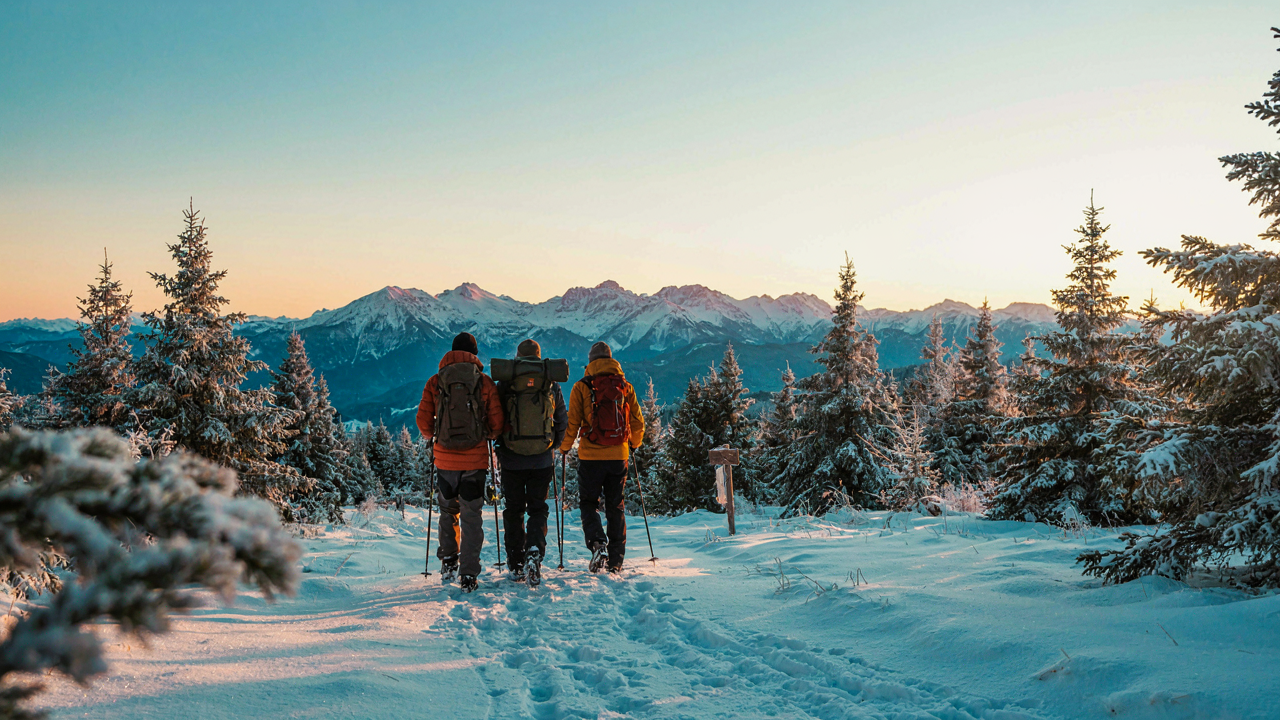
The Layering Imperative: Not A Suggestion, A Survival Protocol
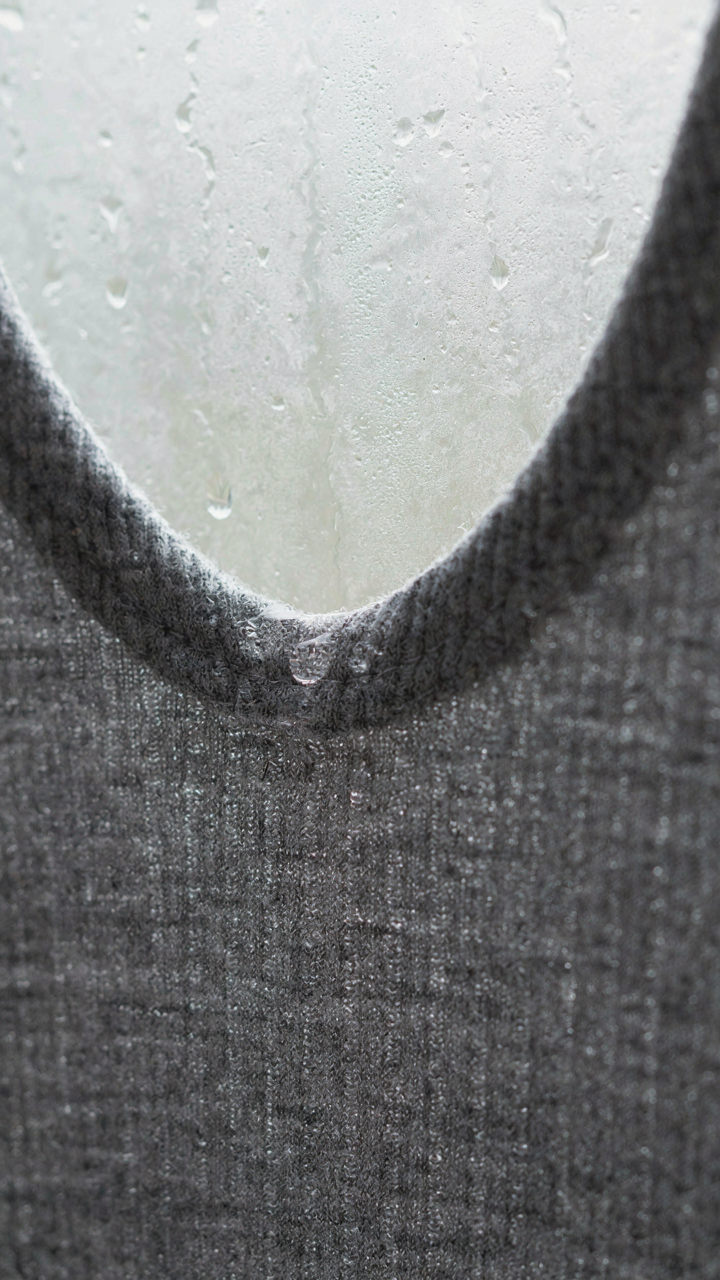
Start With Skin Contact First
You want to look competent on the trail without actually freezing. Here’s the mechanism everyone skips: your skin dumps sweat constantly, even in cold. Cotton absorbs that moisture and holds it against your body like a cold compress. Synthetic base layers and merino wool wick moisture away from skin to the next layer, where it can evaporate or transfer outward. Physics calls this vapor transport. You need it to work or hypothermia follows, not because you’re weak, but because thermodynamics doesn’t care about intent.
The best base layer choice depends on your effort level and how long you’ll be moving. Merino wool regulates temperature across a wider range and resists odor, making it ideal for full-day couples hikes where one person might move faster than the other. Synthetic polypropylene or polyester base layers dry faster and cost less, which matters if you’re testing the protocol before committing money. Neither choice works if you skip the base layer entirely and wear cotton. That’s not thriftiness. That’s a decision to stay damp.
Middle Layers That Adjust To Effort

Insulation traps dead air. That’s the entire mechanism. Down, synthetic fill, and fleece all work the same way mechanically, just with different durability profiles and wet-weather performance. The real problem couples face: one person generates heat differently than the other. Your partner might need a fleece pulled off at mile two while you’re still warming up. Middle layers solve this because you can add or subtract them without stopping.
Synthetic insulation like polyester retains warmth even when damp, which matters on longer hikes where you might encounter snow or rain. Down packs smaller and weighs less, but fails catastrophically if it gets wet. Fleece offers a middle ground: lightweight, quick-drying, and easy to stuff into a pack. Wear your middle layer loose enough to move under your outer shell. If it compresses against your body, you lose the air gaps that create insulation. Before you start hiking, both partners should test their mid-layer combination on a short trail in the same conditions you’ll face. Miscalculation here means stopping frequently to adjust, which breaks rhythm and wastes heat.

Outerwear As Armor: Deflecting The Elements, Not Just Looking Good

Shell Jackets: The First Line Of Defense
You want your partner to see you handling this correctly, but the real reason you care is that a failed shell jacket means hypothermia becomes possible. Think of thermodynamics: you’re managing heat transfer, and your shell’s job is blocking wind and moisture before they steal warmth from your core. A shell does one thing well—it stops water and wind from penetrating your insulation layers beneath. Three-layer Gore-Tex or similar laminates work because the outer face blocks liquid water, the membrane blocks wind, and the inner lining lets vapor escape. Cotton shells fail instantly in winter. Synthetic or wool layers underneath do the insulating; the shell just protects them.
The mistake everyone makes is buying shells rated for rain and expecting them to work for winter hiking. Winter shells need aggressive wind resistance because wind strips heat faster than moisture does at altitude. Look at the fabric weight and construction—heavier doesn’t mean better, but tight weaves matter. Your shell should fit over your base and insulation layers without compressing them, which kills their warmth. Test the sleeve length and shoulder mobility before committing. If your shell restricts arm movement on an incline, you’ll abandon it midtrail, and then you’ve wasted money on both of you overheating or getting wet.
Insulated Pants: Mobility Wins Over Loft
Winter hiking pants need insulation that doesn’t lock your legs into rigid tubes. The physics here is straightforward: trapped air holds heat, but trapped fabric blocks movement. Synthetic insulation like Primaloft or recycled polyester gives you the warmth-to-weight ratio you need without the bulk of down, which compresses under your body weight and fails when damp. Real insulation means your thighs and calves can flex and stretch without fighting fabric stiffness. Ski pants with heavy insulation create fatigue on climbs because your muscles work against the material, not just gravity.
Choose pants with gusseted crotches and articulated knee panels—these aren’t luxury features, they’re mechanical necessities. Tapered legs reduce bulk around your ankles but allow enough room for heavy socks and gaiters without constriction. Most couples fail here by matching styles instead of matching function: one person wears rigid snow pants while the other wears stretchy insulated tights, and they hike at different speeds because one person exhausts faster. Both of you should wear pants with the same mobility level so your pace stays consistent and neither of you stops to rest while the other overheats.
Footwear Foundation: Stability And Warmth From The Ground Up
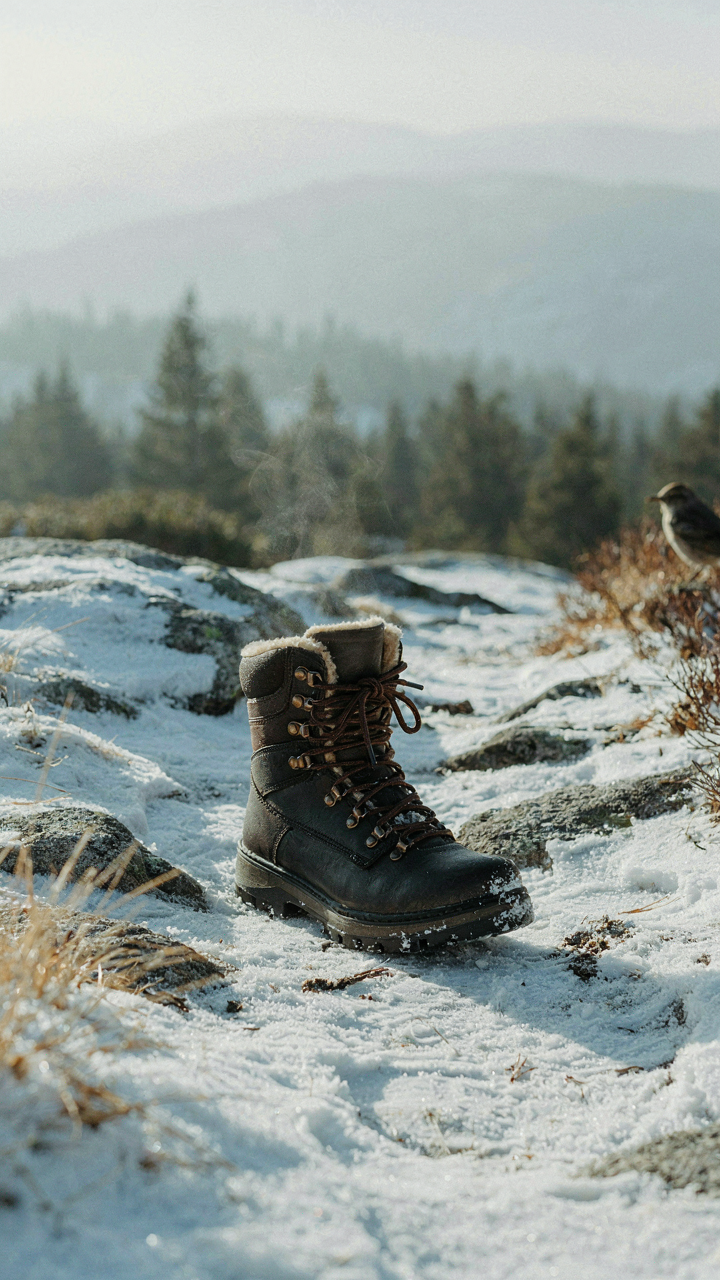
Insulated Waterproof Boots For Real Terrain
You’re worried your feet will betray you on a winter trail and embarrass you in front of your partner. The mechanism is simple: cold feet kill a hike faster than anything else because the body abandons extremities to preserve core temperature. Insulated waterproof boots work like a thermal barrier system borrowed from engineering. The insulation rating matters less than consistent warmth and the boot’s ability to shed water before it wicks through fabric layers. Look for boots with genuine waterproof membranes, not just water-resistant coatings. Aggressive tread patterns grip ice and packed snow where smooth soles fail. Ankle support prevents rolling on uneven frozen terrain and reduces injury risk on descents.
The difference between a three season boot and a winter one is the insulation construction and sole stiffness. Winter boots use thicker insulation materials positioned where they actually matter: the forefoot and heel. Synthetic insulation performs better than down in wet conditions because it retains warmth when damp. A stiff midsole transfers power to your boots instead of absorbing it in your feet and legs, which saves energy on steep pitches. Test your boots on wet terrain before committing to a full day hike. If water seeps in after thirty minutes, the waterproofing is compromised and the boot fails its primary job.
The Right Socks Stop Everything Before It Starts
Most people buy expensive boots and ruin the entire system with cotton socks or thin merino that doesn’t match the boot’s thermal capacity. Wool blends are the standard because wool regulates moisture and maintains insulation when damp, while synthetic fibers wick sweat but lose insulation value. The sock’s job is preventing blisters through friction reduction and moisture management, not adding warmth alone. A proper winter hiking sock for couples should be mid to expedition weight, thick enough to fill boot space without creating pressure points. Fit matters more than material claims. Socks bunch or wrinkle inside boots and create hotspots that blister within an hour.
Wear your socks for one full hike before committing to them for a longer expedition. Blisters form from repetitive friction on damp skin, not cold. Moisture management is the blister prevention mechanism: dry skin doesn’t blister under pressure. Change socks at the trailhead if yours feel damp from the drive, and carry one backup pair in your pack. If you feel a hotspot developing, stop immediately and adjust the sock before the blister forms. This single protocol step separates hikers who finish strong from hikers who limp back to the car.
Accessory Arsenal: Small Details, Massive Impact On Trekking Couple Comfort
The Right Hat Beats Regret Every Time
You want to look like you know what you’re doing on the trail. Heat loss through your head is real physics, not myth. Your body doesn’t actually lose 40 percent of heat through your head, but the head and neck region is metabolically active and poorly insulated without coverage. A winter hiking hat solves two problems at once: it traps rising warm air and blocks wind that strips away the insulating layer around your face.
Most people grab whatever hat is at the ski lodge. The mechanism that matters is how the material manages moisture and wind. Wool or synthetic blends work better than cotton because they retain warmth when wet. A balaclava-style hat covers the neck and lower face, which reduces the convective cooling that drains body heat fastest on exposed skin. Couples should carry two hats each—one primary, one backup stuffed in a pack in case the first gets soaked or lost.
Gloves And Mittens: The Trade You Can’t Avoid
This is where people make the worst choice: they pick one and hope. Dexterity and warmth are mechanically opposed. Gloves let your fingers move independently to grip poles, adjust gear, or manage a map. Mittens insulate better because they pool heat from all fingers in one chamber and eliminate the surface area of individual finger compartments. You don’t solve this by buying the perfect middle-ground glove. You carry both.
- Insulated Gloves: Synthetic or leather with fleece lining. Better dexterity for route-finding and gear adjustments. Adequate warmth for active hiking.
- Mitts For Rest Breaks: Bring mittens to wear when you stop. Heat loss accelerates when movement stops and sweat begins cooling you down.
- Wool Liner Gloves: Thin enough to wear under heavier gloves. Add a layer without bulk. Swap them out when damp.
- Waterproof Shells: Wind and moisture penetrate insulation. Outer shells in nylon or Gore-Tex protect the insulating layer underneath.
- Spare Pairs: Carry at least one backup pair. Wet gloves are useless. Keep spares in an interior pocket closest to body heat.
Couples should establish a protocol before the hike: one person carries extra gloves for both. This eliminates redundant weight and guarantees backup access. When either partner’s gloves show signs of dampness, switch to spares immediately. Don’t wait for fingers to numb. The moment you notice reduced dexterity, you’ve already lost performance and introduced injury risk.
The “Trekking Outfit” Fallacy: Individuality In Shared Conditions
Your Thermoregulation Profile Isn’t Your Partner’s
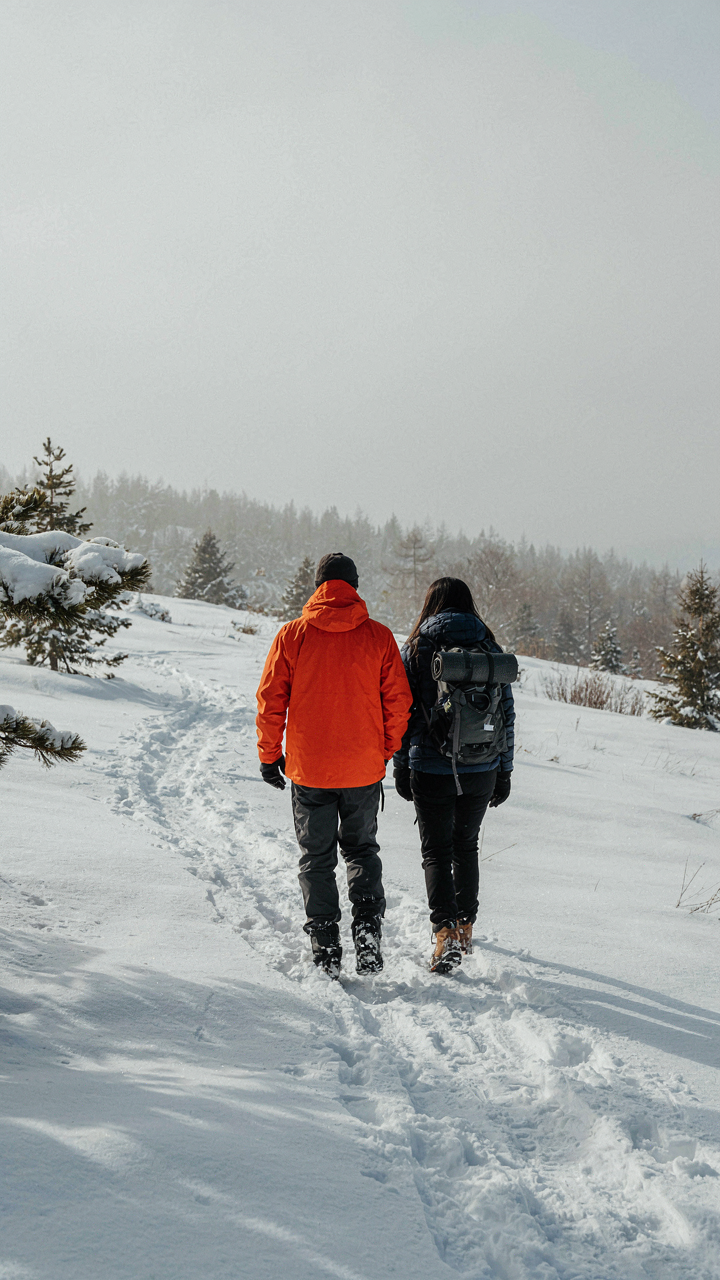
You want to match outfits to look coordinated. That’s the real motive here, and it’ll get you both cold. Thermoregulation is biology, not aesthetics. Your body burns fuel at a different rate than your partner’s—metabolism, muscle mass, body fat percentage, even menstrual cycle phase all shift heat production. One person generates surplus heat during sustained effort while the other bleeds it away. Matching layers ignores this entirely.
Start with data, not assumptions. Walk uphill together for ten minutes in your current gear. One of you will sweat, the other won’t. That gap is your baseline. The person who sweats earlier needs less insulation; the person who stays dry needs more. This doesn’t mean different aesthetics—it means different base layers or a different mid-layer thickness under identical outer shells. The mechanism is simple: you adjust core layers, not the visible fit.
Vulnerabilities Require Targeted Solutions
The common advice here is garbage: “Just wear the same thing but different sizes.” That misses the actual weak points. Gear choice works like load distribution in structural engineering—stress concentrates where materials fail first. Women’s hips generate less stable heat circulation than men’s typically do. Hands and feet show vulnerability patterns differently across individuals. Fingers might freeze while core stays warm, or vice versa.
Map your actual problem zones before the hike. Ask directly: where do you get cold first? Hands, feet, face, lower back, knees? Then outfit each person to patch that specific vulnerability. Use mittens if fingers freeze, not because the outfit “needs” them. Use a neck gaiter if your partner loses heat through the face, not because it looks good. The protocol is ruthless: identify weak point, add targeted insulation, move to the next hike. Coordination happens through function, not forced matching.
The Expeditionary Loadout: Optimizing For Shared Burden, Not Matching Aesthetic
Weight Distribution Across Two Bodies
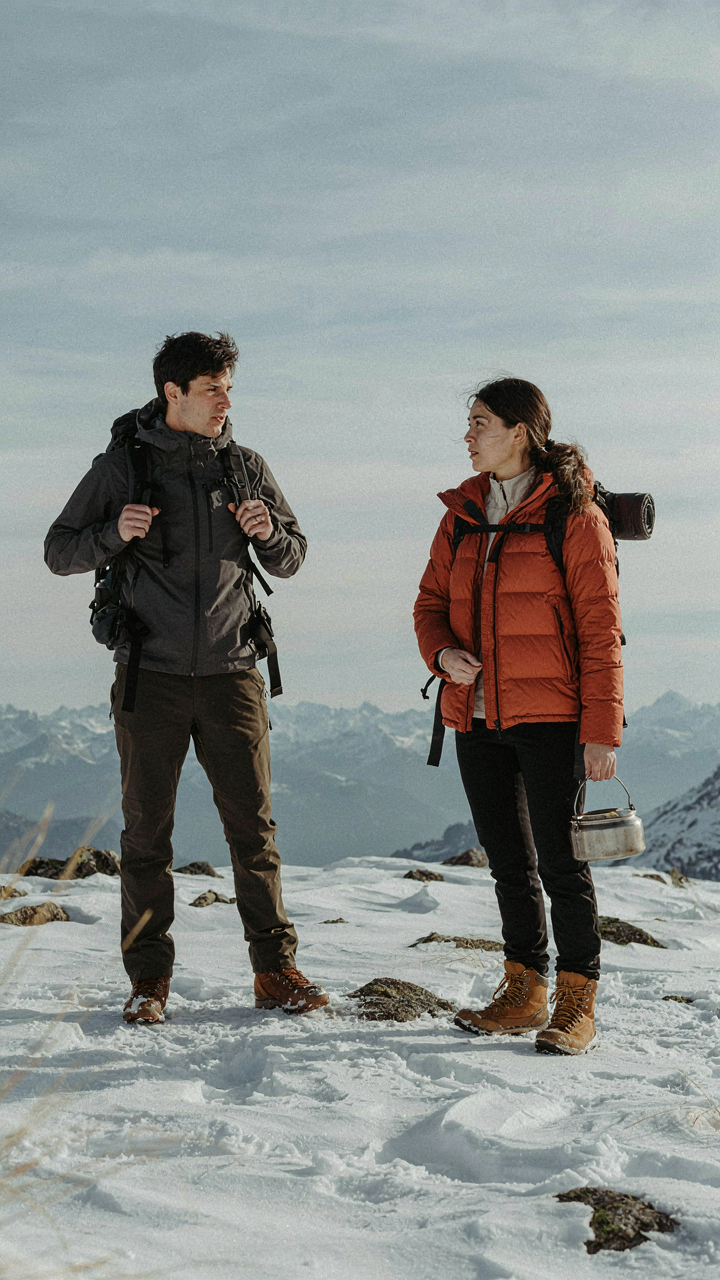
You want to look coordinated because it signals competence to other hikers and Instagram. Stop. The real mechanism is this: military logistics teaches load distribution, not aesthetics. Spread critical weight across both packs so neither person becomes the failure point. One person carries the emergency shelter and repair kit. The other carries extra insulation and water treatment. Neither carries everything. If one person gets injured or turns back, the other survives the conditions.
The math is simple. A 20-mile winter hike demands roughly 6 to 8 liters of water per person, plus food, layers, and emergency gear. Split this between two packs instead of one person shouldering 40 pounds while the other carries 15. When weight distributes evenly, neither person exhausts prematurely, and both can respond to problems instead of one limping behind. Calculate total gear weight before the hike, divide it proportionally based on pack frame size and individual strength, then pack accordingly. Test the load in your driveway first.
Critical Redundancy In Shared Gear
Never buy matching outfits. Buy redundant systems. The couple that carries one lighter between them dies colder than the couple that each carries fire-starting capability. Winter hiking kills through single points of failure: one dead battery, one forgotten item, one broken zipper becomes the reason you spend an unplanned night exposed.
Carry two headlamps, two emergency blankets, two knives, and two sets of chemical hand warmers. Water and first aid can be split, but survival gear must exist in duplicate. Assign ownership: she carries the primary first aid kit, he carries the backup. He carries the primary emergency bivy, she carries the backup down jacket. This removes the question of who’s responsible when conditions worsen. Each person owns their redundancy. Before you step onto the trail, walk through a crisis scenario together: one person sprains an ankle. Can the other stabilize, warm, and call for help with what they carry? If the answer isn’t yes, repack.
The “Hiking Pose” Deception: Function Over Form For Authentic Couple Mountain Pictures

Stable Ground Beats The Instagram Angle
You want the photo to make you look good together. That’s the real reason you’re reading this. But the mechanism is biomechanics. Your body’s stability on uneven terrain works like a tripod: three points of contact beat one dramatic lean every time. Most couples’ hiking photos fail because one person is off-balance, weight on their back foot, fighting gravity instead of working with it.
Position your feet shoulder-width apart on the slope. Turn your body perpendicular to the fall line, not parallel. Your uphill foot should be slightly forward. Distribute weight evenly across both feet. This stance costs nothing photographically but solves the core problem: you won’t look like you’re about to slip, because you won’t be. The camera captures actual stability, not panic masked as adventure.
Catch The Moment, Not The Pose
Staged photos die the moment you look at them again. The real interaction between two people hiking is the conversation, the hand adjustment on a backpack strap, the moment one person points at something. These happen between takes, not during them. Stop asking for the smile and instead ask your partner a question while someone shoots. Their face changes. The interaction becomes real.
Have your photographer shoot continuously for thirty seconds while you move naturally. Don’t look at the camera. Walk slightly downhill toward the photographer so your bodies angle together. The best frame always lands in the burst sequence, buried between five mediocre takes. This method works because you’re not performing a hiking couple. You’re two people who happen to be hiking while being documented.
Post Hike Protocol: Maintaining The Gear, Preserving The Investment
Cleaning Regimen: Preserving Fabric Integrity
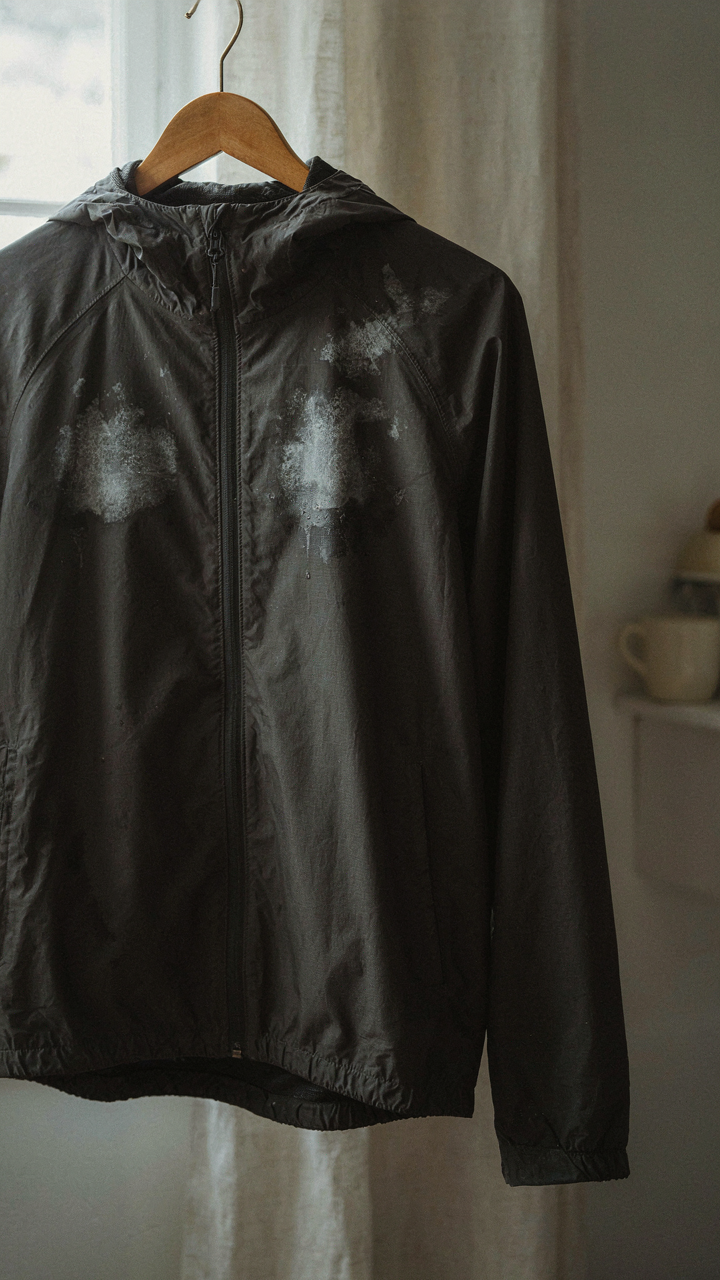
You care about this section because gear is expensive and you’re afraid of wasting money on something you’ll destroy through neglect. Here’s the mechanism: moisture and salt residue from sweat crystallize inside fabric fibers, breaking down synthetic materials and corroding insulation. Winter hiking gear sees worse conditions than summer equivalents, so the cleaning window matters. Most people skip this entirely or wash everything like cotton t-shirts, which accelerates deterioration.
Treat cleaning like equipment maintenance, not laundry. Remove loose dirt with a soft brush while gear is still dry. For base layers and mid layers, use cold water, mild detergent designed for technical fabrics, and gentle agitation only. Down-insulated jackets need specialized down soap and thorough rinsing. Never machine dry anything. Air dry completely before storage, or moisture trapped inside breeds mold and kills insulating properties. The fibers themselves don’t fail from use, they fail from the chemicals left behind.
Storage Solutions: Extending Gear Lifespan
Proper storage isn’t about organization, it’s about preventing compression memory and chemical degradation. Down insulation loses loft permanently when compressed long-term under weight. Synthetic materials degrade faster in humid, warm environments where mold spores activate. You need cold, dry space with minimal temperature swings. Most people throw gear in a basement or closet and wonder why it performs worse next season.
Store down jackets loosely in breathable cotton bags, never vacuum seal them. Synthetics can handle slightly tighter storage but still need air circulation. Keep everything away from direct sunlight, which degrades nylon and polyester. Maintain temperature between 50-70 degrees Fahrenheit. Humidity should stay below 60 percent. Run a dehumidifier if your storage area tends toward dampness. Before packing anything away, confirm it’s completely dry by touching seams and checking inside pockets. One missed moisture pocket ruins an entire jacket over months of storage.
The Real Obstacle Isn’t Finding The Right Gear; It’s Overcoming Your Fear Of Looking Uncoordinated. Stop Prioritizing Social Media Over Survival
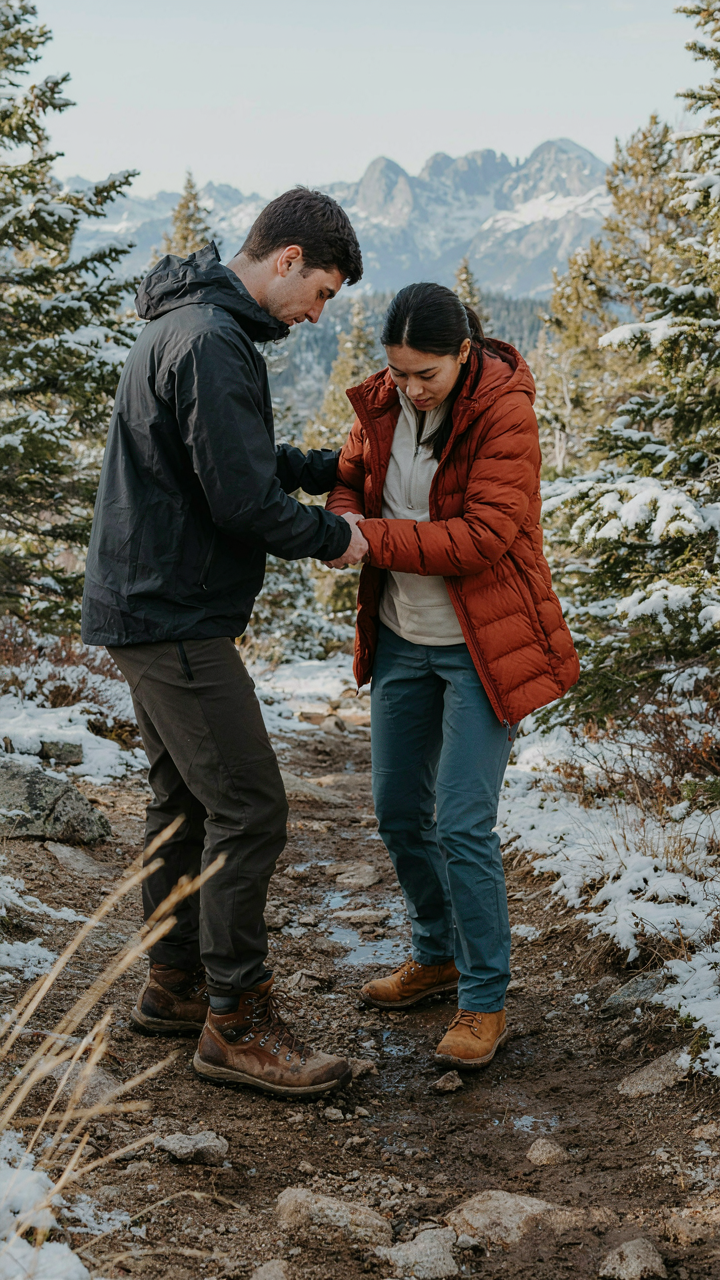
You’re stalling because matching outfits feel performative. They’re not. They’re functional. Two people in coordinated layers stay together, communicate better, and survive longer. Your ego wants the Instagram moment. Your body wants to not freeze. Pick one. Go to REI today and buy one matching base layer for you both. Stop waiting for perfection and start moving while you can still feel your fingers.