
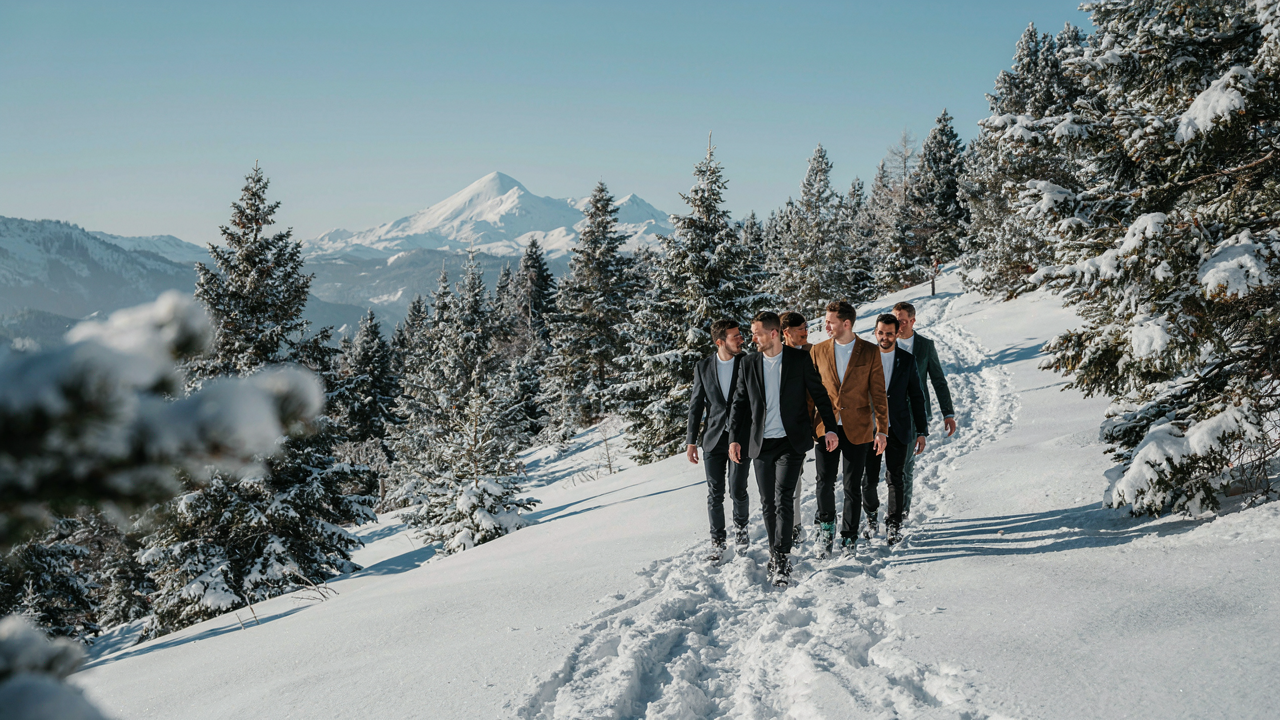
The “Winter Hiking Outfit Women Cold Weather” Delusion: Beyond Brands

The Three Layer System That Actually Works
You want to look like you know what you’re doing without spending money you don’t have. Here’s the mechanism: thermal physics governs how your body sheds heat, and the layering system is just applied thermodynamics. You need three distinct functions, not three random pieces of clothing.
The base layer moves sweat away from skin through capillary action. Merino wool or synthetic materials do this. Your middle layer traps dead air space for insulation, which is where fleece or down operates. The outer shell blocks wind and precipitation without trapping moisture inside. Most college students skip this entirely and wear one puffy jacket, then wonder why they’re wet and cold after thirty minutes of exertion.
Stop Buying The Marketing

The gear industry sells you status wrapped in technical specs you don’t understand. A $300 jacket isn’t warmer than a $80 one if both have the same insulation type and construction. What matters is material, stitching integrity, and fit, not the brand on the tag or how many colors they offer.
Real winter hiking requires one base layer that moves moisture, one insulation layer that traps air, and one shell that stops wind. Polyester base layers cost twelve dollars. A fleece runs thirty. A shell matters more than brand, so prioritize seam sealing and fabric weight over reputation. Buy one functional set instead of collecting pieces that don’t work together.

The Heat Management Protocol: A Physiological Approach

Sweat As The Silent Saboteur
You want to stay warm without looking like you’re trying too hard. The real problem isn’t cold—it’s wet. Physiology borrowed from thermoregulation teaches us one principle: thermal homeostasis depends on moisture management. For college students hiking in winter, sweat becomes the enemy faster than temperature does. Moisture traps cold against your skin and drains core heat twenty-five times faster than dry air. Most advice says “wear layers” without explaining that the wrong base layer destroys you from the inside out.
Moisture-wicking fabrics pull sweat away from skin and move it outward through the fabric structure. Merino wool and synthetic polyester accomplish this through different mechanisms—wool absorbs moisture without feeling wet, while synthetics shed it entirely. Cotton absorbs and holds moisture. Never start with cotton. Your base layer touches skin and determines whether you stay functional or hypothermic by hour three. Test your layers on a short hike first to find the threshold where you sweat but don’t overheat.
Core Temperature Stays Steady Or You Fail
The mechanical process is simple: your body generates heat in the core, radiates it outward through layers, and loses it to air. You control this by creating air gaps between layers. Tight clothing traps no insulating air and compresses the insulation material itself, destroying its function. Loose layering traps dead air that your body warms and holds. Most students layer too aggressively because the gear looks better bunched up. That kills you on the trail.
The protocol: wear a fitted base layer for moisture, add a mid-layer with actual thickness for insulation, then a shell for wind blocking. Adjust by removing or adding the mid-layer as exertion changes. Don’t take off the base layer. Monitor your core by checking if you’re shivering or sweating—both mean your system failed. Stop and recalibrate your layers before either takes hold, not after.
Repurposing Your Wardrobe: Cold Weather Outfits Hiking On A Budget

The Base Layer Swap
You’re avoiding this section because buying new gear feels safer than admitting your closet already solves the problem. The mechanism is simple: base layers work because they manage moisture, not because they carry a brand name. Cotton fails in cold because it absorbs sweat and holds it against your skin. Synthetics and wool wick moisture away, which is why they regulate temperature. You already own pieces that do this.
Look for any tight-fitting synthetic shirt you own, athletic or otherwise. Polyester workout tees, compression shirts, or even old Under Armour pieces work. Merino wool sweaters from thrift stores do the job too. The fit matters more than the label. Tight means moisture transfers to the next layer instead of pooling. Loose fabric traps sweat and defeats the entire system. Start with what you already have before you justify a purchase.
The Jacket You Forgot About
Most winter hiking outfit advice skips this because it’s not exciting to say you already own the solution. You have an outerwear piece designed to block wind and shed water somewhere in your room right now. A rain jacket, a technical windbreaker, or even a ski jacket from home works as your outer shell. The insulation layer underneath matters most, and that’s where recycling gets real.
Stack what you own: a fitted base layer, then a fleece or wool sweater, then that shell you already have. This mimics how professional mountaineering systems work. The shell doesn’t insulate. It stops wind and moisture from penetrating the insulation underneath. Your old puffy from high school, a heavy hoodie worn under the shell, or even a wool sweater layered correctly creates the same effect as gear twice the cost. Test the stack indoors first. If you feel restricted or overheated after five minutes of movement, remove one layer before you hike.
The Mountain Outfit Matrix: Adapting To Terrain And Climate

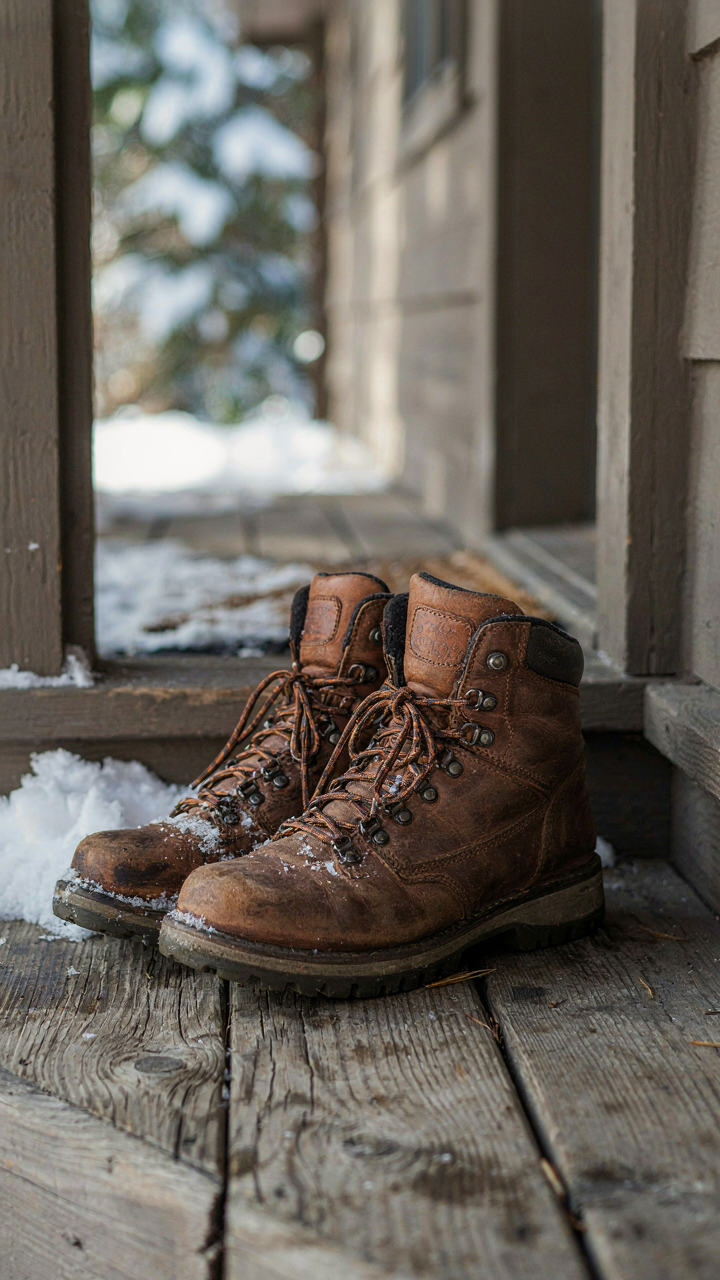
Boots Matter More Than Jacket
You want to look like you know what you’re doing on the trail, but what actually keeps you alive is what touches the ground. Footwear operates on the same principle as traction control in vehicles: you need contact force between your sole and the surface to generate stopping power. Slip on ice, and your expensive jacket means nothing. Your feet decide whether you hike or get carried off the mountain.
- Insulated Waterproof Boots: Look for rated insulation (200g to 400g Thinsulate equivalent) plus a sealed seam construction. Leather or synthetic uppers with rubber rand protection stop snow from collapsing into your boot at the ankle.
- Aggressive Tread Pattern: Deep lugs with edges grip frozen ground. Michelin or Vibram soles are standard because they maintain flex in cold without hardening into useless plastic.
- Ankle Support Column: Eight to ten inch height stabilizes your foot on uneven frozen terrain. This prevents rolling your ankle on hidden ice patches buried under snow.
- Size Up Half A Size: Thick socks compress under your feet. Buy boots one size larger than your street shoe and use quality merino wool socks to avoid blood flow restriction that causes frostbite.
- Break In Before The Trail: Stiff new boots cause blisters that turn into real problems when you’re three miles from the car. Wear them on short walks for two weeks minimum before winter hiking.
The wrong footwear choice turns a three hour hike into a six hour survival situation. Test your boots on wet concrete first. If they slip, they’re not rated for winter and you need different ones.
Face And Extremities Take Strategic Protection
Cold exposure doesn’t kill evenly. Your face and hands matter because exposed skin loses heat fastest and frostbite sets in within minutes at certain temperatures. Military cold weather protocols prioritize extremity protection because soldiers in frozen conditions become useless when their fingers stop working.
Balaclava masks or neck gaiters handle face exposure better than scarves because they stay in place and don’t restrict breathing. Gloves with grip material on the palms keep you from dropping trekking poles. Thick insulation matters less than wind blocking. Wind moves cold air into your insulating layers and nullifies their effect. Mittens work better than gloves for pure warmth, but you lose dexterity. Most college hikers compromise with glove liners under mittens so you can remove the outer layer for camera or map work without exposing bare skin.
The “Trekking Outfit” Fallacy: Minimalism Over Maximalism

Wear Fewer Pieces, Not More
You want permission to buy a bunch of gear because that feels like control. Here’s the mechanism: extra layers don’t keep you warm better past a threshold—they trap dead air and restrict movement, then you overheat, sweat, and freeze when you stop. The real play is picking pieces that work in multiple conditions so you actually use them across seasons instead of collecting expensive single-purpose stuff.
College budgets demand ruthless efficiency. A merino wool base layer works in fall, winter, and spring. A quality insulated jacket functions for hiking and dorm trips. Fleece converts to a mid-layer or standalone piece depending on conditions. One pair of insulated boots handles most winter hikes. The constraint forces better decisions than unlimited money ever could. You stop buying and start thinking about what actually keeps you functional.
Dual Purpose Design Beats The One Thing Rule
Common advice says “get the right jacket for the job.” That’s incomplete. The trekking industry treats each condition as separate, so climbers own seven jackets. You need two: a windproof outer shell and an insulated mid-layer that work together and separately. A shell protects against weather and wind chill. Insulation provides warmth without bulk. Stack them for winter hikes, wear the shell alone for milder days or campus walks.
Merino wool underwear moves heat and moisture efficiently instead of holding sweat like cotton. Fleece mid-layers pack small and dry fast if you need to strip down mid-hike. Convertible pants with zip-off legs shift from full coverage to shorts without carrying backup clothing. Thermal gloves with touchscreen fingers work in pockets and on your phone. Each piece solves multiple problems so you carry less total weight and stay warm longer by actually adjusting layers as conditions change instead of being locked into one configuration.
Cute Hiking Outfits Winter Is A Distraction: Prioritizing Function Over Form

The Real Cost Of Prioritizing Aesthetics
You want to look good on the trail because you think other hikers are watching. They’re not. Your outfit’s job is to keep you alive, and the moment form overrides that function, you’ve already lost. The mechanism is simple: aesthetics demand sacrifice. A fitted jacket looks sharper than a properly sized one, but fitted jackets restrict arm movement and trap heat. A color-coordinated base layer is Instagram-ready but often comes from cheaper synthetic blends that fail when wet. Every aesthetic choice reduces performance capacity.
Winter hiking rewards the unsexy choice. The hiker in mismatched layers, an oversized parka, and a worn beanie will outlast the one in a curated outfit every time. This isn’t about being unfashionable. It’s about understanding that your outfit has one primary job: thermal regulation and mobility. When you accept that job first, everything else aligns. A bulky insulated jacket performs better than a sleek one because bulk creates air pockets that trap warmth. Prioritize fit over appearance and you stop making decisions that cost you later.
Intentional Color And Material Strategy
Color serves a purpose on winter trails, and most advice misses it entirely. Marketing wants you to think bright colors matter for visibility. They don’t, not primarily. Material choice and layering structure matter far more. This is applied thermodynamics: darker colors absorb solar radiation, lighter colors reflect it. On a winter day with sun, a dark outer layer can add measurable warmth. On overcast days, the difference vanishes. Pick colors based on the specific conditions you’ll face, not based on what looks coordinated.
Material selection is where function actually lives. Merino wool and synthetic blends both work, but they fail differently. Wool retains warmth when wet and dries slowly. Synthetics dry fast and fail catastrophically in extreme cold if they get soaked. For college students hiking near populated areas with bailout options, synthetics make sense. For backcountry routes, wool is insurance. Base layers should always wick moisture. Mid-layers should trap dead air. Outer shells should shed water without restricting movement. Test your specific materials in conditions before committing to the trail.
The Outfit Tracking System: A Military Logistics Approach

Check Your Gear Before You Leave
You want to believe your stuff will work when it matters because replacing it costs money you don’t have. The military calls this pre-operation asset verification—they inspect every weapon, every layer, every connection point before deployment. You’re doing the same thing with your winter hiking outfit. The mechanism is simple: failure in the field happens because you skipped the five-minute inspection at home.
Start by laying every piece flat. Check zippers for freeze damage from last season. Press down on insulation to feel for compression or clumping inside jackets and pants. Inspect seams where water sneaks in. Test boot laces for brittleness. Your boots fail not because they’re cheap, but because you didn’t notice the sole was separating from the upper. One inspection catches this before you’re three miles in.
Maintain Your Gear After Every Hike
Generic advice says “just wash it sometimes.” That’s wrong. Your winter layers aren’t getting dirty in the traditional sense. You’re dealing with salt, sweat crystallization, and fabric compression that degrades insulation performance. Dry your jacket inside-out within two hours of returning. Let it hang in open air for twelve hours minimum before storing. This isn’t fussiness. This is the difference between your jacket insulating at sixty percent capacity next month or eighty percent.
Boots need attention immediately after a hike. Remove insoles and dry them separately. Stuff newspaper inside the boots and replace it every two hours until moisture is gone. Check the sole for ice buildup in the treads and clear it out completely. Store everything in a cool, dry place away from direct heat. Your $80 winter boots last three seasons with this protocol or one season without it.
Chic Hiking Outfits Are A Lie: Practicality For Real Conditions

The Weather Won’t Wait For Your Aesthetic
You want to look intentional on the trail because looking sloppy feels like failure. But here’s the mechanism: weather doesn’t care about your Instagram grid, and mountain conditions shift faster than your feed refreshes. A 20-degree morning becomes 35 degrees by noon. Wind picks up. Clouds roll in. The outfit you planned gets demolished by physics.
This is layering applied as survival strategy, not fashion. You’re not dressing for the temperature you see when you leave the dorm. You’re dressing for the temperature you’ll face at elevation, plus what happens if you get stuck. Cotton holds moisture and kills efficiency. Synthetic base layers and a fleece middle layer give you adjustability. A shell on top stops wind penetration. That’s the framework: insulation, moisture management, wind blocking. Stack them so you can shed or add without stopping.
The Survival Clothing Principle Most People Miss
Everyone talks about staying warm, but they skip the actual principle: you control your core temperature through rapid micro-adjustments, not by wearing one heavy coat. Military cold-weather doctrine uses this exact method because soldiers can’t afford to overheat during exertion then freeze when stationary. Your college hike follows the same logic.
The mistake is dressing for the walk to the trailhead. You’ll sweat under a heavy jacket during the climb, then that sweat becomes liability at the summit when you stop moving. Start with just a base layer and shell. Stuff a fleece in your pack. Once you reach elevation or stop moving, you add it. Once you start again, you remove it. This single protocol prevents the cycle of overheating, sweating, and hypothermia that catches unprepared hikers. Your outfit isn’t static. It’s a system you actively manage.
The Real Obstacle Isn’t The Cold, It’s Your Attachment To Looking ‘right’ Instead Of Being Effective
College students freeze on trails because they’d rather suffer than wear uncool gear. You won’t die from looking like you prioritize function. You will die from hypothermia. Stop scrolling Instagram influencers in their aesthetic winter fits and go buy merino wool base layers today. Your ego costs body heat, and body heat costs your life.