
The Unseen Cost Of Adventure Seeking: Wasted Effort On Ephemeral Highs
Chasing The Hit Instead Of Building Capacity
You want to believe that winter adventure sports matter because they test you. The real mechanism is simpler: you’re addicted to the spike, not the sustained work. Adrenaline is a neurochemical event, not growth. It floods your system for minutes, then leaves you baseline-depleted, chasing the next hit. Backcountry skiing, ice climbing, speed skiing—they all trigger the same release. The problem is that addiction builds tolerance. Each run demands more risk to produce the same rush.
Mental fortitude, by contrast, is built through repetition and constraint. A mountaineer who trains deliberate exposure to cold, altitude, and fear over months develops genuine resilience. Someone who chases the adrenaline spike every weekend develops dependency and poor decision-making under pressure. The difference isn’t the activity—it’s whether you’re building a system or harvesting the moment. Winter adventure sports only create growth when they’re structured training, not compulsive reward-seeking.
The Hollow Center Of Status Play

The common narrative around winter adventure sports ties achievement to identity: “I am a backcountry skier. I am an ice climber.” This is wrong. You mistake recognition for meaning. Status-driven pursuits in winter sports create a predictable trap: you perform the activity for an external audience, not for the actual demands the environment places on you. That audience is small, distracted, and forgets fast. The mountain doesn’t care about your Instagram followers or your reputation at the climbing gym.
The moment your motivation shifts from the concrete—learning to read avalanche terrain, moving efficiently on steep ice—to the abstract—what others think of your capability—your decision-making corrodes. You take unnecessary risks to maintain the image. You skip recovery days because appearing always available matters more than actually recovering. The mechanism is clear: sustained excellence requires intrinsic markers, not external validation. Build your practice on what the task demands, not what the tribe rewards, or you’ll burn out chasing a phantom.

The Brutal Physics Of Winter: Your Body As A Calibrated Machine
How Cold Steals Energy From Your Core
You want to believe your willpower matters more than thermodynamics. It doesn’t. Your body is a heat engine, and winter adventure sports operate on one principle: preserve core temperature or fail. Thermodynamics teaches us that heat always moves from high concentration to low concentration. In extreme cold, your body becomes the high-concentration zone, and the environment drains it relentlessly. Wind, moisture, and direct contact accelerate this transfer. Most people misunderstand this as a willpower problem. It’s a physics problem. Your muscles generate heat through movement, but at some threshold, the rate of heat loss exceeds heat production, and no amount of determination changes that equation.
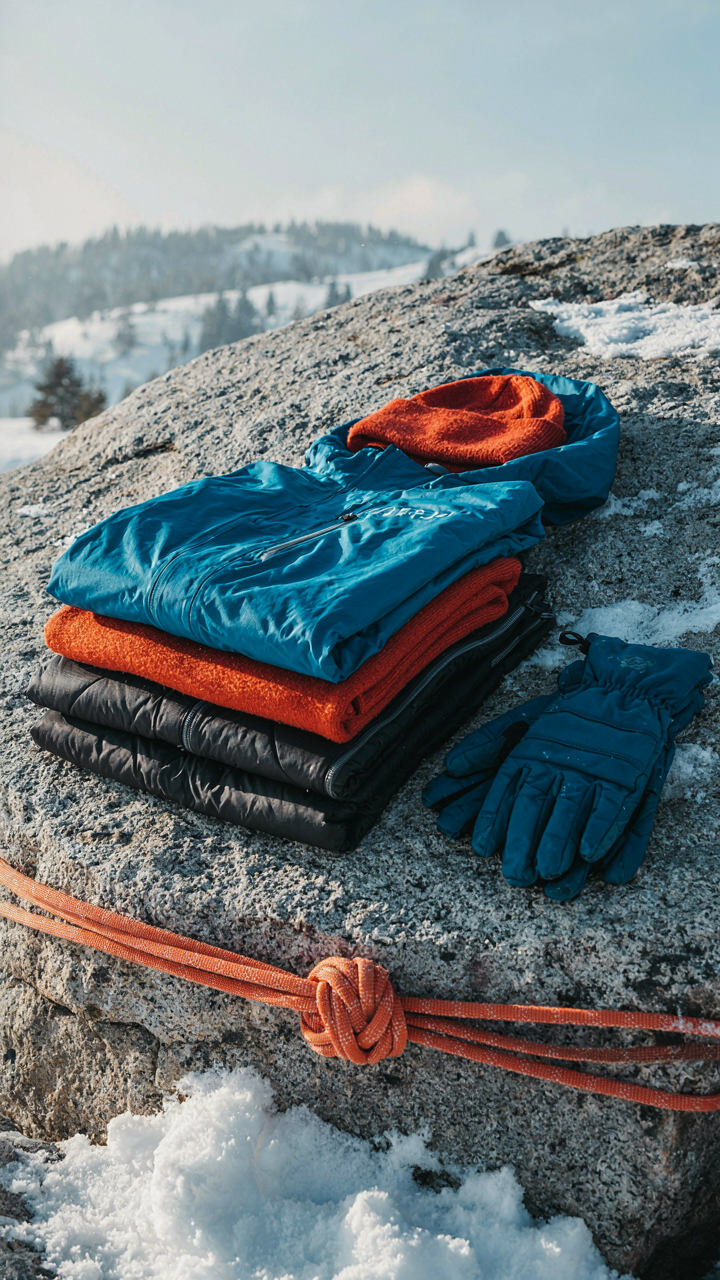
Practical survival in winter sports hinges on one mechanism: layering systems that trap still air. Still air has low thermal conductivity. Moving air has high thermal conductivity. Base layers wick moisture away from skin, mid layers trap air pockets, outer layers block wind. The order matters because breaking the system at any layer collapses the whole structure. This is why cotton fails in winter sports—it absorbs moisture, then conducts heat away faster than dry fibers. Synthetic and wool alternatives maintain insulation even when wet. Your core temperature drops one degree, and cognitive function deteriorates measurably. Two degrees, and you lose fine motor control. Three degrees, and judgment collapses entirely.
Movement Efficiency On Unstable Ground
Biomechanics is the study of how forces move through living systems. In winter terrain, your central nervous system must constantly recalibrate motor output because the ground shifts beneath you. Snow compaction changes by the hour. Ice has different friction coefficients than packed snow. Slush creates unpredictable surface feedback. Your brain burns calories processing this instability, which accelerates heat loss. The common advice says “stay relaxed and let your legs absorb shock.” That’s incomplete. You need rigidity and relaxation at different moments—rigid joints for power transfer, loose muscles for shock absorption.
Efficient movement over treacherous terrain requires economy of motion. Every wasted gesture burns calories and generates fatigue. Fatigue degrades motor control, which increases fall risk, which wastes even more energy recovering. Winter sports athletes who last longer don’t move more deliberately—they move with fewer total motions. This means shorter strides on steep terrain, higher cadence on flats, and controlled descent rather than braking hard. Your feet should spend minimal time breaking through surface crust. Your core should stay quiet and forward, not rotating with each step. The mechanism is simple: less movement per unit distance equals lower metabolic cost equals sustained performance in extreme cold.
The Alpinist’s Paradox: Finding Stillness In The Storm
When Exposure Forces Your Brain To Work
You want this section because you’re hunting for permission to feel alive without looking reckless. Here’s what actually happens: mountaineering forces neurological clarity through imposed focus. Your brain cannot run background anxiety when the consequence of a mistake is immediate and total. Psychology calls this flow state. Alpinists call it the only moment they stop thinking about their mortgage. The mechanism is simple: remove all irrelevant stimuli and your prefrontal cortex locks into the present task.
High-altitude mountaineering strips away noise. At elevation, your body demands oxygen management, your footing demands precision, and your rope work demands attention. The cognitive load leaves no bandwidth for self-doubt or status anxiety. This isn’t meditation—it’s enforced single-tasking under pressure. Most people mistake this clarity for the mountain itself. The mountain is just the delivery mechanism.
When Every Motion Becomes Consequential
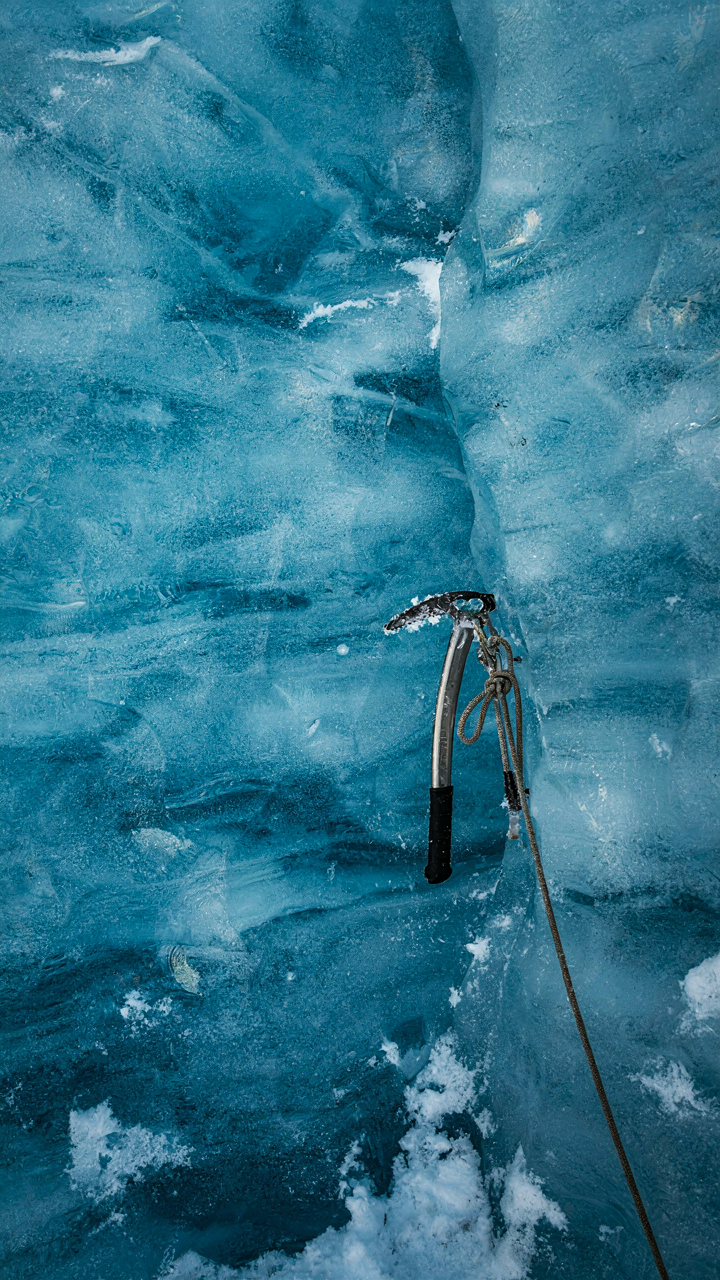
Ice climbing is ballistics applied to human movement. In physics, ballistics studies projectile motion under force. In climbing, you’re the projectile moving under gravity, and your tool placement is the only force vector that matters. Common advice says “stay calm and trust your gear.” That’s incomplete. Staying calm is irrelevant. What matters is that deliberate motion in high-consequence environments trains your nervous system to execute under load.
Each placement requires micro-decisions: angle of the ice axe, weight distribution on the crampon points, arm tension to avoid pump failure. You cannot rush. You cannot multitask. Your body learns that hesitation costs more energy than controlled action. Ice climbers don’t become fearless. They become economical with movement. This efficiency is the real skill—not bravery, but precise force application where error creates immediate feedback.
The Spartan Protocol: Essential Gear, Not Gear Hoarding
Weight Is Your Enemy, Not Temperature
You want to look equipped because looking equipped makes you feel safe. That’s the real motive here. But winter adventure sports operate on a physics principle called the energy cost of locomotion: every pound you carry burns exponentially more calories the longer you move through resistance. Snow, ice, and cold amplify this penalty. You don’t optimize gear to feel brave. You optimize to survive longer on the same fuel reserves.
The cult of “one more layer” kills people quietly. Most winter athletes overpack because they confuse preparation with security. A lighter kit forces discipline. You choose each item because it solves a specific failure mode, not because it might help someday. This mindset shift changes everything about how you move and when you quit.
Function Over The Aesthetic
Winter ski aesthetic sells magazines. Function keeps you moving when the temperature drops thirty degrees in an hour. The two contradict constantly.
- Synthetic Mid Layer Over Merino: Merino breathes beautifully but dries slowly when soaked. Synthetic (polyester, nylon blends) wicks faster and weighs less. Merino performs better in static cold. Synthetic wins in dynamic, wet conditions. Choose based on your actual activity duration and sweat output, not brand loyalty.
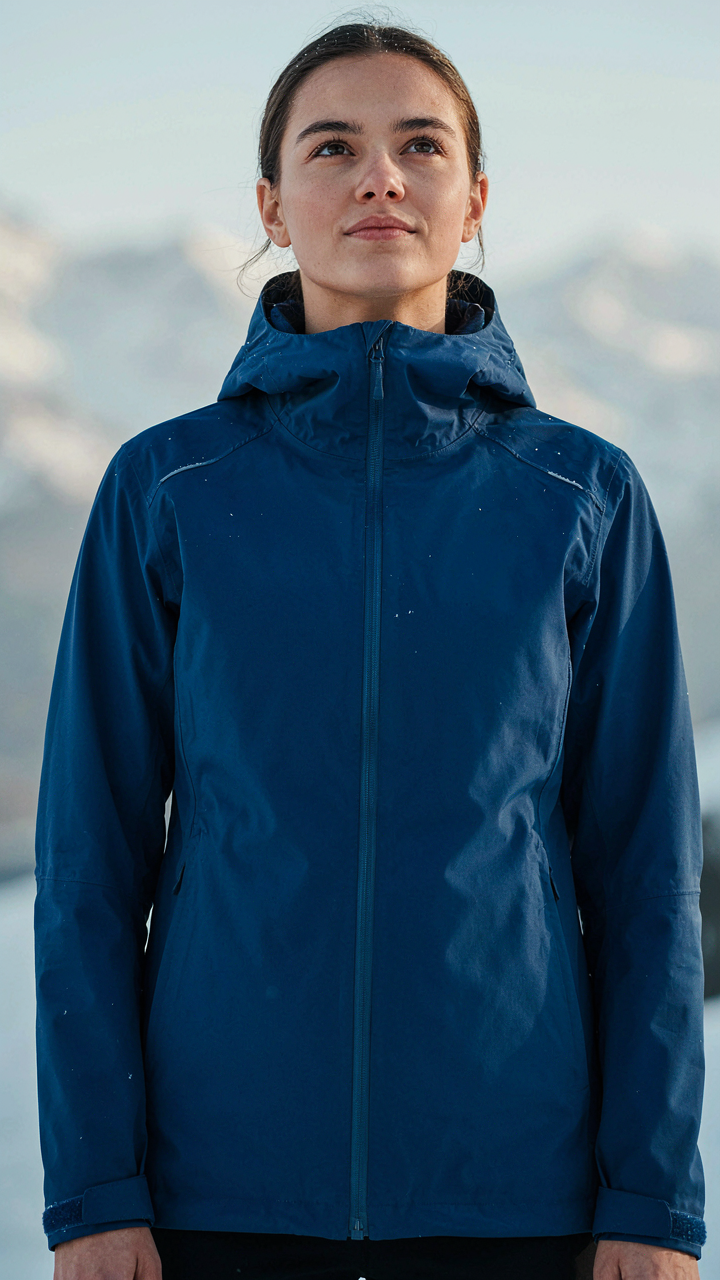
- Hardshell Jacket With Pit Zips: The pit zip design from mountaineering solves the core problem: managing heat during hard output without removing your outer layer. A traditional shell forces you into overheating or wind exposure. Pit zips let you dump excess heat while staying protected. This is non-negotiable for sustained effort.
- Gaiters Over Aesthetic Boots: Fashion-forward winter boots often have weak ankle gaiters or none. Gaiters prevent snow from funneling into your boot and soaking your sock, which guarantees hypothermia risk within hours. Clip-on gaiters work with any boot. Prioritize coverage over visual integration.
- Glove Liners Separate From Shells: Removable liners let you dry one layer while wearing another, extending glove life and preventing moisture from freezing at the palm. Integrated liners trap sweat. Separable construction adds ounces but prevents hand immobilization from ice buildup.
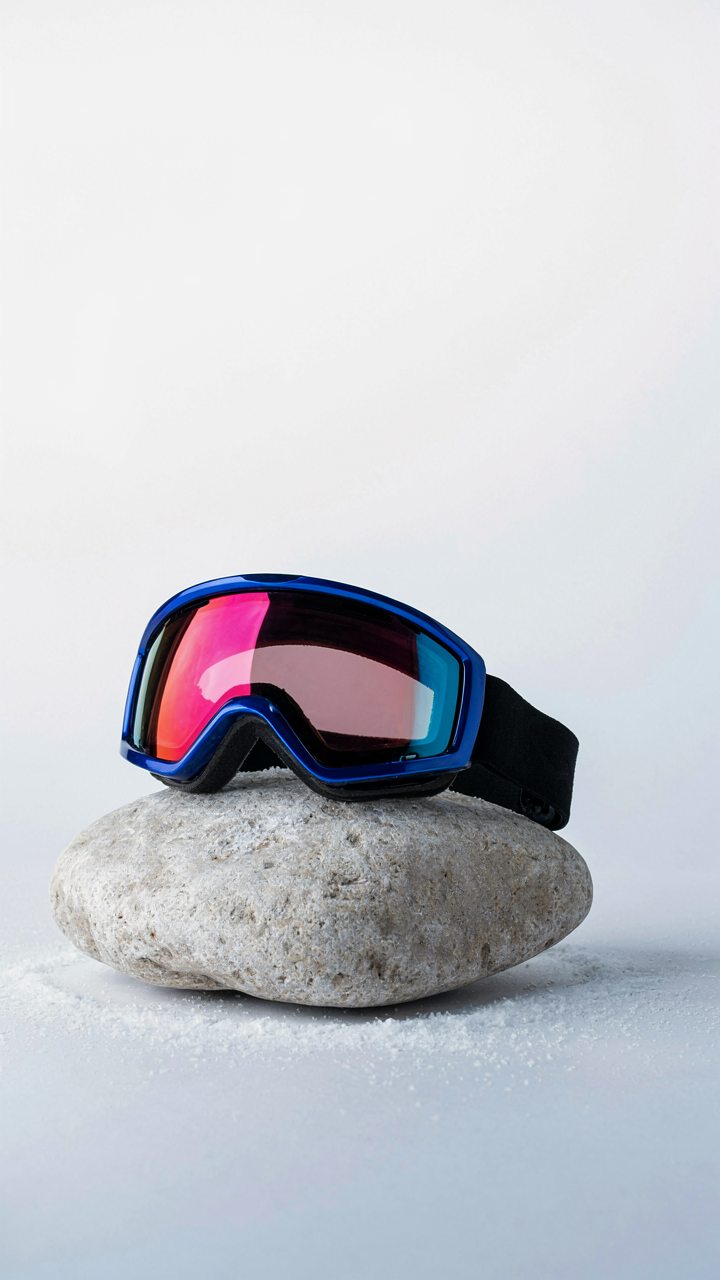
- Goggles With Ventilation Over Clarity: Anti-fog technology matters less than airflow design. Poor ventilation causes lens fogging exactly when you need vision most, usually during transitions between high output and low output. Buy goggles engineered for convection, not just coating.
The gear industry sells you the story of the perfect outfit. Real athletes buy components that address failure points. A heavy but fashionable jacket that overheats you into sweat accumulation kills faster than functional gear that looks basic. Test your kit in a fifteen-minute sprint at threshold effort, not in a store mirror.
The Cognitive Load Of Cold: Decision Making Under Duress

When Cold Hijacks Your Prefrontal Cortex
You want to believe you’ll think clearly when the temperature drops to minus twenty. You won’t. Cold stress degrades executive function faster than most people admit. Your body prioritizes survival over strategic thought. Vasoconstriction pulls blood from your extremities and your brain. The prefrontal cortex loses metabolic resources. Decision-making slows. Risk assessment collapses. This isn’t weakness. It’s biology.
The mechanism is straightforward: hypothermia begins in your mind before your core temperature drops. Shivering demands glucose. Peripheral cold triggers a stress response that floods your system with cortisol and adrenaline. These hormones sharpen some functions while decimating others. You get faster reflexes but worse judgment. You become reactive instead of strategic. Most winter sports injuries happen not because conditions are extreme, but because someone made a preventable bad call in hour three of exposure.
Building Resistance To High Stakes Pressure
The prefrontal cortex is like a muscle that adapts to load. Military and emergency response training doesn’t teach people to stay calm. It teaches them to make decisions under cognitive load by rehearsing those decisions until they bypass conscious thought. Winter athletes skip this step. They train the body and ignore the brain. Real preparation means making decisions in actual cold, multiple times, until your nervous system stops treating it as a threat.
Cold water immersion, cold weather training sessions, and deliberate exposure to decision-making while uncomfortable build cognitive resilience. You’re teaching your system to allocate resources to thought instead of panic. When you navigate terrain in minus fifteen conditions while managing fatigue and wind, you’re not building tolerance. You’re training your decision-making apparatus to function under the exact conditions where it normally fails. The protocol is simple: expose yourself to cold stress in controlled settings before you need to perform in uncontrolled ones. Start with short duration, low stakes. Extend gradually. This compounds.
Mastering The Mountain Climbing Aesthetic: The Art Of Calculated Risk
Separating Signal From Ego In Hazard Assessment
You want to believe you’re tough enough to handle anything. That’s the trap. Real risk assessment has nothing to do with how you feel about danger—it’s a military triage framework applied to terrain. The military uses threat matrices to rank hazards by probability and impact. In winter climbing, you do the same: avalanche paths score high probability and high impact. A crevasse field scores differently than corniced ridges. The mechanism is objective categorization, not bravado filtering.
Most climbers skip this step entirely and jump to “gut feel,” which is just pattern recognition mixed with denial. You need actual data: slope angle, aspect, recent precipitation, temperature trends, and historical incident reports for that specific zone. Gather it before you approach the mountain. This isn’t busywork—it’s the difference between dying from a known hazard you dismissed and dying from one you never assessed at all.
What Actually Happens When You Fail
Consequence analysis isn’t morbid. It’s the part people avoid because naming specific outcomes feels like jinxing yourself. It doesn’t. A slip on blue ice above a 500-foot drop doesn’t feel like anything—impact occurs before your brain registers speed. Hypothermia from unplanned bivy kills you in predictable stages: shivering stops, confusion sets in, you make worse decisions, core temperature drops below 82 degrees Fahrenheit, and your heart stops. Avalanche burial compresses your chest, suffocates you in seconds if you’re deep enough, or leaves you conscious and trapped if you’re shallow.
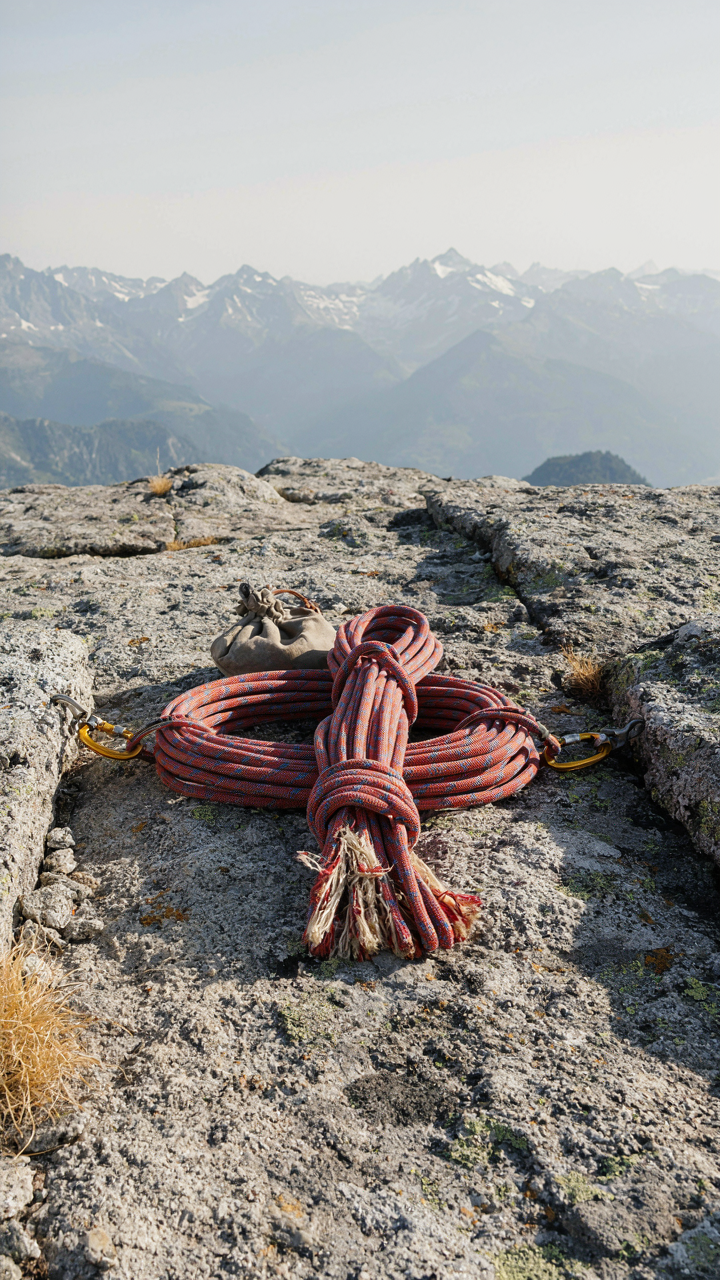
The point isn’t fear. The point is specificity. When you name what actually happens, you stop romanticizing partial failures. You design your systems—gear redundancy, turnaround times, descent protocols, communication checkpoints—around these specific outcomes. A rope isn’t insurance against falling; it’s your system to survive impact. A second layer isn’t comfort; it’s your defense against the biological fact of heat loss. Protocol beats hope every time.
Beyond Ski Season: Cultivating Year Round Resilience
What Winter Teaches You That Sticks
You want to believe your winter habit means something about your character. It doesn’t, unless you extract the actual mechanism before April melts everything away. Winter sports force you into compressed decision cycles under real physical stress. You make choices fast, feel immediate consequences, and adapt or fail visibly. That loop—decision, feedback, adjustment—is portable. It works in business, relationships, and any domain where you can’t hide incompetence. The sport itself isn’t what matters. The pattern recognition you build in whiteout conditions transfers directly to chaos management everywhere else.
Most people treat winter as a seasonal escape from real life. That’s backwards. Winter is where you practice the exact decision-making framework you need when stakes actually matter. You learn to read conditions with incomplete information. You learn your body’s real limits versus perceived ones. You learn that preparation eliminates panic. These aren’t life lessons. They’re operational skills. The difference matters because operational skills compound; seasonal enthusiasm doesn’t. Your job is to weaponize what winter taught you before the season ends.
Discipline As Infrastructure, Not Motivation
Everyone preaches consistency like it’s a character trait you either have or lack. That’s lazy thinking. Consistency is infrastructure you build, not a mood you chase. Winter sports demand this because weather doesn’t negotiate. You show up to train on the 20-degree Tuesday when you don’t feel like it because conditions won’t improve by waiting for inspiration. That’s not motivation. That’s system design. You’ve built a schedule, committed publicly, invested money, or created accountability with partners. The infrastructure removes the decision about whether to go.
Sustainable improvement happens when you decouple the behavior from the feeling. Stop asking “do I feel like training today” and start asking “what does the training week require.” Winter athletes who maintain performance year-round don’t spike their effort seasonally. They establish baseline training that continues regardless of snow. They cross-train in different modes during off-season. They track metrics consistently so they spot decline before it becomes injury. The concrete move: audit your current winter routine and identify which elements you can replicate with different equipment in warmer months. Build the infrastructure first, then let discipline follow automatically.
The Self Discovery Summit What The Winter Reveals
Resistance Is Where Growth Lives
You want to believe winter sports will make you feel alive. That’s actually fear dressed up as ambition. The real mechanism is this: your nervous system interprets cold, altitude, and speed as genuine threats. When you move through that discomfort anyway, your brain rewires what you’re capable of. That’s not motivation. That’s neuroplasticity under load.
Winter forces a choice your climate-controlled life never demands. You either quit or you recalibrate your threshold for discomfort. Most people quit because quitting is available. The ones who stay discover their internal resistance was always the bottleneck, not the mountain. Cold becomes irrelevant once you stop negotiating with yourself about whether you belong there.
The Clarity That Comes After
Confronting elemental forces strips away the noise your mind generates in normal conditions. When you’re on a backcountry descent or ice climbing at dawn, there’s no room for career anxiety or social comparison. Your attention narrows to mechanics, breath, and survival. That’s not peace through escape. That’s peace through total focus.
After you descend, that clarity lingers. Your nervous system has been reset by something real instead of something conceptual. You stop tolerating low-grade stress because you’ve felt what actual pressure feels like and survived it. The protocol is simple: return to winter conditions regularly enough that your baseline recalibrates. Once it does, everything else stops feeling urgent.
The Real Obstacle Isn’t The Cold Or The Climb; It’s Your Refusal To Embrace Discomfort As The Path To Self-mastery
Your body adapts faster than your mind surrenders. Winter sports aren’t about conquering mountains or perfecting technique. They’re about proving to yourself that you can function when everything feels wrong. Book a backcountry ski trip for next month. Not someday. Next month. Stop negotiating with your fear and start negotiating with your calendar. The person who masters discomfort masters their life.