
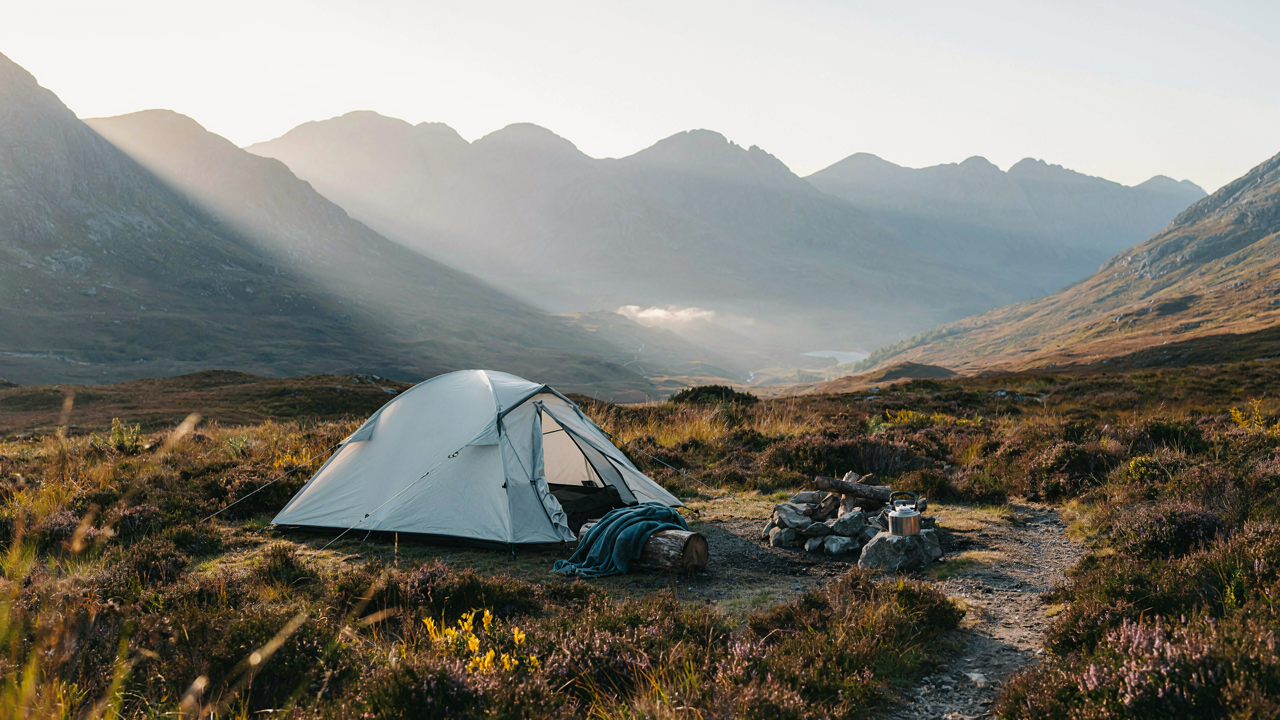
The Law Of The Land: Wild Camping UK Legality
Trespass Vs Access: England Vs Scotland
You want the loophole. That’s the real reason you’re reading this section. Here it is: Scotland treats land access like a public resource with conditions attached. England treats it like private property with rare exceptions. This is a property rights framework, not a moral one. The Scottish Land Reform Act 2003 created a legal right to wild camp on most uncultivated land. England has no equivalent statute. You can be asked to leave in England. You cannot be prosecuted for trespass alone, but the landowner can pursue a civil claim. Scotland flips this. You have a statutory right if you camp responsibly and leave no trace.
The practical difference: In Scotland, your camping is presumed legal until a landowner objects with cause. In England, your camping is presumed illegal until proven otherwise by local policy or explicit permission. Don’t camp on working farmland, near buildings, or in enclosed land in either jurisdiction. Scotland’s right is conditional on behaving like you were never there. Damage, fire risk, or poor cleanup voids your protection. The responsible camping code exists in statute form in Scotland, informal guidance in England. Know which country’s rules apply before you pitch.
Permitted Zones: Dartmoor And Beyond
Dartmoor is the only major UK landscape where wild camping exists in a legal grey zone that functionally permits it. The Commons Act gives commoners grazing rights. Walkers exploit this ambiguity to camp without formal prosecution risk. But Dartmoor is not a blanket permission. You must stay on common land, not enclosed private fields. Camp low, leave no trace, and move on by morning. The National Trust and local farmers tolerate wild camping here because the volume is manageable and damage has been historically minimal.
Other landscapes lack this framework. National Parks in England like Lake District and Snowdonia in Wales prohibit wild camping in policy, though enforcement is weak in remote areas. Private land requires explicit permission. State forests in Scotland allow wild camping under access rights. The mechanism protecting Dartmoor campers is plausible deniability combined with scale. Fifty people camping dispersed across moorland go unnoticed. Five hundred in one spot force enforcement. Camp in small numbers, move regularly, and never establish a base camp in one location for multiple consecutive nights.
Risk Assessment Protocol: Beyond Basic Wild Camping Essentials
What Actually Kills Campers
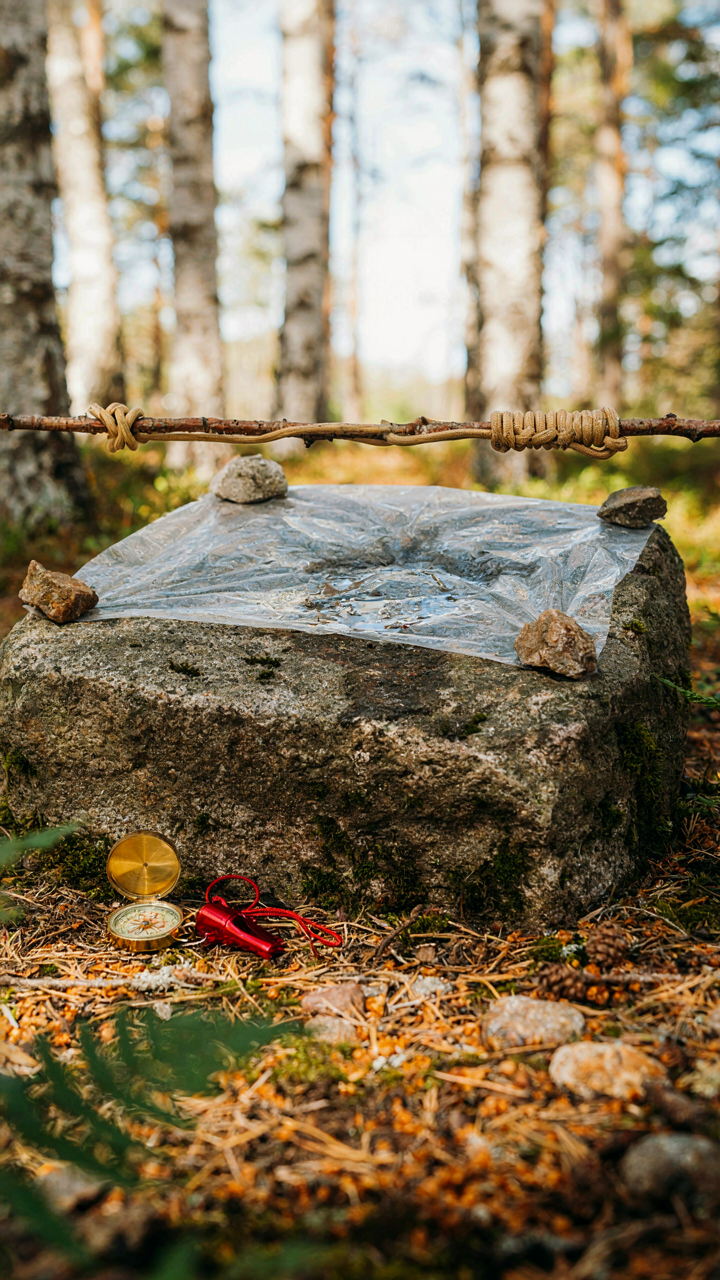
You want this section because you’re afraid of looking unprepared, and that fear is rational. Most wild camping deaths aren’t dramatic. They’re the result of missing one variable that compounds into a cascade. Military strategy calls this the kill chain—each failure point depends on the one before it. Wild camping works the same way: one unchecked hazard creates conditions for the next.
Weather kills faster than anything else because people treat forecasts like suggestions. A temperature drop of fifteen degrees combined with unexpected wind and damp gear becomes hypothermia in hours, not days. Terrain hazard isn’t about steep cliffs. It’s about water flow patterns during rain, loose rock above your tent, and dead trees that drop branches. Wildlife encounters happen during transitions: dawn, dusk, and when you’re moving between camp and water source. The mechanism is simple: you don’t see the animal until you’re already in its space.
Gear Redundancy And The Real Contingency
Stop thinking about gear as comfort items. Gear is your mitigation strategy, and mitigation only works if you have backups for your backups. A single sleeping bag isn’t contingency. A bag rated ten degrees colder than forecast temperature, plus a liner, plus a ground insulator—that’s mitigation. The same applies to water treatment, fire starting, and shelter integrity. One method fails. You need two, minimum.
Contingency planning means knowing exactly what you’ll do before the problem arrives. If your tent floods, you move to higher ground—but you’ve already identified that location before dark. If temperatures drop faster than forecast, you activate your secondary insulation and reduce activity to conserve energy. If wildlife approaches, you know your camp’s exit route and your noise-making protocol. Write these responses down before you leave. The moment stress hits, your decision-making collapses. Pre-written protocols keep you functional.
The “Leave No Trace” Illusion: Real Impact For Wild Camping In England

Your Footprint Measured
You care about this section because you want permission to camp without guilt. The real mechanism is ecology, borrowed from biology: carrying capacity. In wild camping, your carrying capacity is the maximum number of camper-nights a site absorbs before soil compaction, vegetation damage, and erosion become irreversible. England’s moorlands and woodlands have low carrying capacity because the ground heals slowly in cool, wet climates.
One night on soft forest floor causes minimal damage. Ten nights in the same spot compounds it. A hundred people choosing the same “hidden” location destroys the site within months. The damage isn’t visible until it’s total. Most wild campers never return to the same spot, so they never see what repeated use actually looks like. Spread your nights across different sites within a region. This isn’t virtue. It’s mechanics.
Waste Disposal Beyond Packing It Out
The standard advice is incomplete. “Pack it in, pack it out” stops short of the real problem: human waste contamination and grey water pollution. Solid waste removal works. But urine and feces in soil near water sources kill microbes that filter groundwater. Grey water from washing kills riparian plants if dumped within fifty meters of any stream or spring.
Dig toilet holes at least one hundred meters from water sources and thirty centimeters deep. Burn toilet paper or pack it out. Scatter grey water widely rather than pouring it in one spot. Never use soap near water. If you camp near a stream, use dry methods instead: hand sanitizer, dry wipes, minimal washing. This prevents the slow poisoning that Leave No Trace frameworks overlook because they focus on visibility rather than chemical harm. The damage you can’t see kills the site faster than the damage you can.
Site Selection: The Military Reconnaissance Method For Camping Spots
Cover, Concealment, And Vantage Points
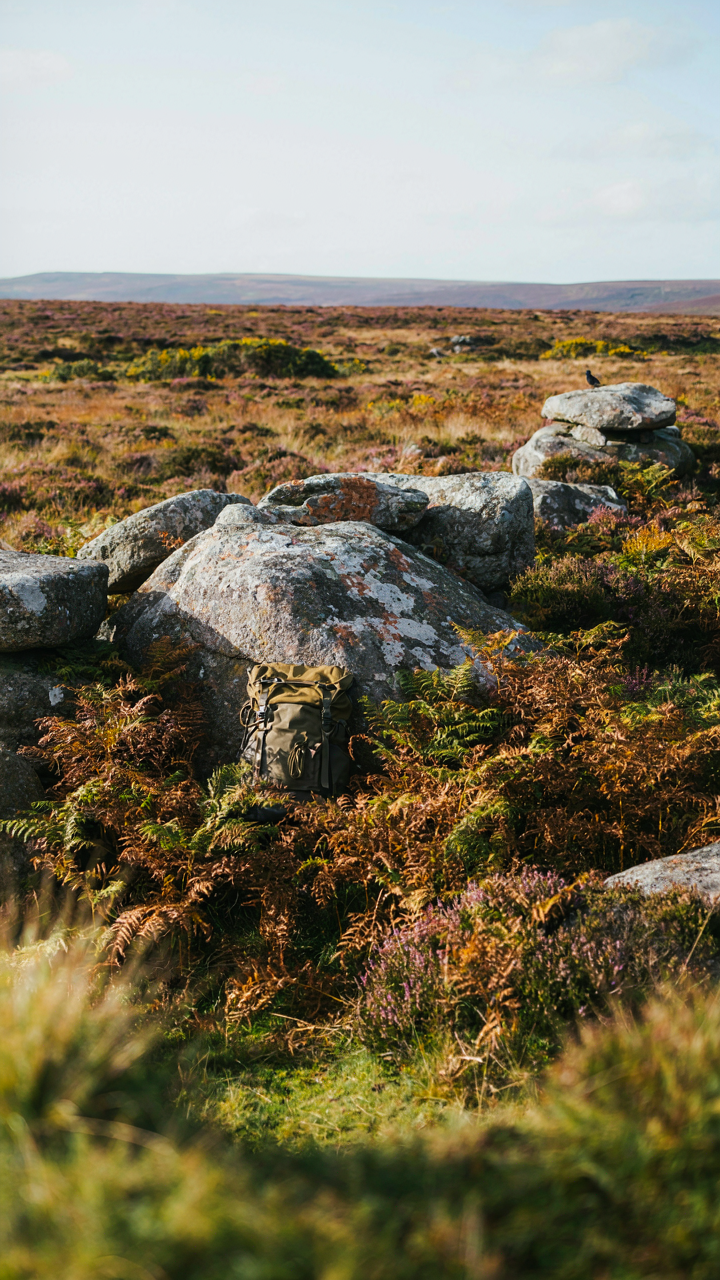
You want to feel safe without admitting you’re scared. Military doctrine calls this “defensive positioning,” and it’s the actual mechanism that separates a good camp from a bad one. Cover stops bullets. Concealment stops sight. You need both. A camp in a depression with rock overhangs has cover. A camp surrounded by dense vegetation has concealment. Most people camp in open meadows because the view is pretty. They’re wrong.
Analyze terrain the way a soldier reads a battlefield. High ground gives vantage but exposes you to weather and visibility. Low ground provides shelter but traps you if you need to move. Look for micro-terrain: slight depressions, tree clusters, rock formations that break your outline. The goal isn’t invisibility. It’s being hard to spot before you decide someone’s looking. Check sightlines from all angles. If you can see out easily, others can see in easily.
Water And Exit Strategy
Most camping guides say “find water nearby.” That’s lazy. Water sources are also entry points for others, and they concentrate foot traffic. Military doctrine calls this “route analysis,” and it applies directly to wild camping logistics. The mechanism is simple: water draws people, and people create risk.
Position your camp within 200 meters of water but not on the water. An elevated position where you control the approach to your water source gives you time to move if needed. Plan your exit route before dark. Know the ridgelines, the valleys, the direction of major trails. If conditions force you to leave quickly, fumbling for your map is a mistake you won’t recover from. This isn’t paranoia. It’s tactical planning disguised as common sense.
Navigation And Invisibility: Wild Camping Scotland Map Mastery
Reading Maps Without Looking Lost
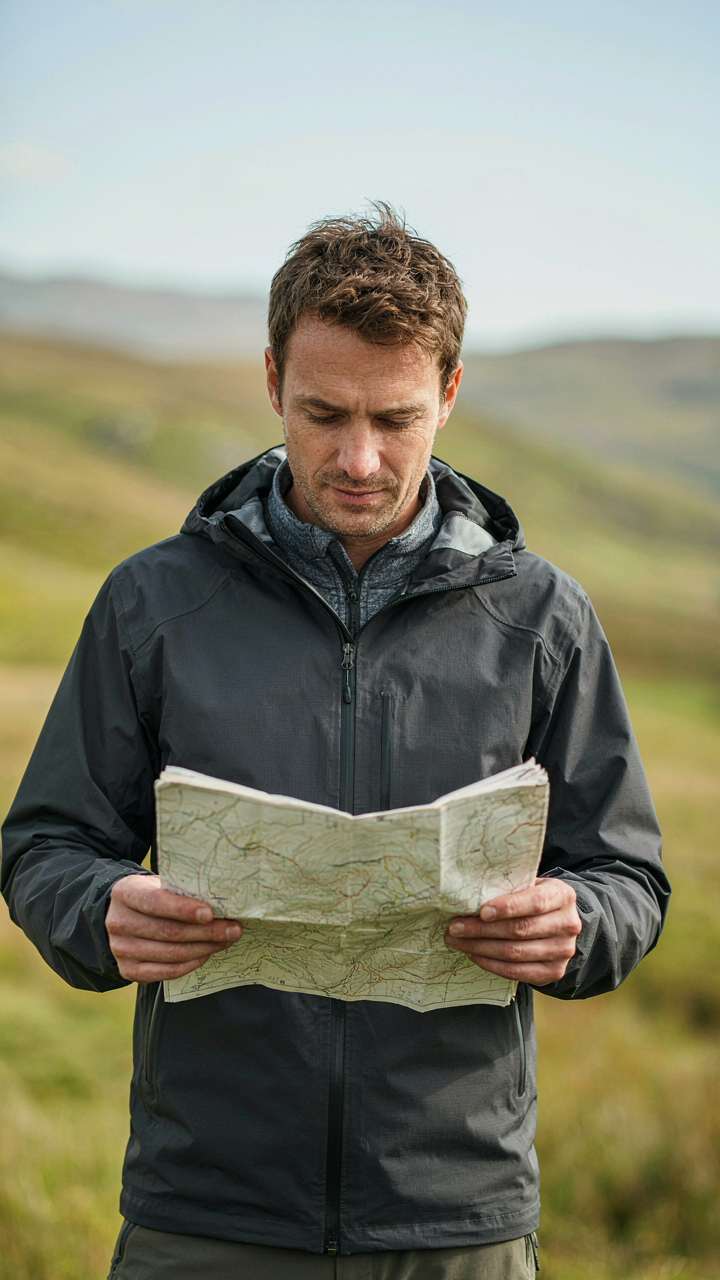
You want the skill because it signals competence. Real reason: you’re afraid of being stranded or walking in circles like an idiot. The mechanism is simple. Contours tell you terrain difficulty. Grid references pin your exact location. Without them, you’re guessing. A one-degree navigation error compounds over distance. Scotland’s terrain shifts fast. A valley that looks open on satellite becomes a gorge on the ground.
Grid references work in six-figure format on UK Ordnance Survey maps. Read easting first, then northing. Each digit narrows your location by a factor of ten. Practice until you can plot your position in under two minutes without thinking. Contour lines show elevation change. Tight lines mean steep ground. Loose lines mean gradual slopes. Learn to read the number intervals your specific map uses. This is not optional if you want to navigate accurately in cloud or darkness.
Approach Routes And Silent Placement
Conventional wisdom says “find flat ground near water.” That’s incomplete. Military strategy teaches concentration of force, and wild camping applies this principle backward: disperse your signal. Your camp placement succeeds by being unremarkable, not comfortable. A flat spot fifty meters from a path broadcasts your presence. A slightly awkward position two hundred meters into dense bracken or scattered pine stays invisible.
Approach routes matter more than most people admit. Never follow an obvious line. Use terrain folds, tree lines, and ridges to mask your approach. Arrive after dark if possible. Scout the area in daylight, mark the route mentally, then move in when visibility drops. Camp placement should have multiple exit routes and natural cover in at least two directions. Your tent color, fuel canister placement, and fire site all work together. Position your tent where wind carries any smell away from paths. Keep your camp footprint small. Stay for one night only in any location. Movement is your invisibility.
Beyond The Obvious: Unconventional Wild Camping North Devon
Coastal Camping: Tides And Exposure
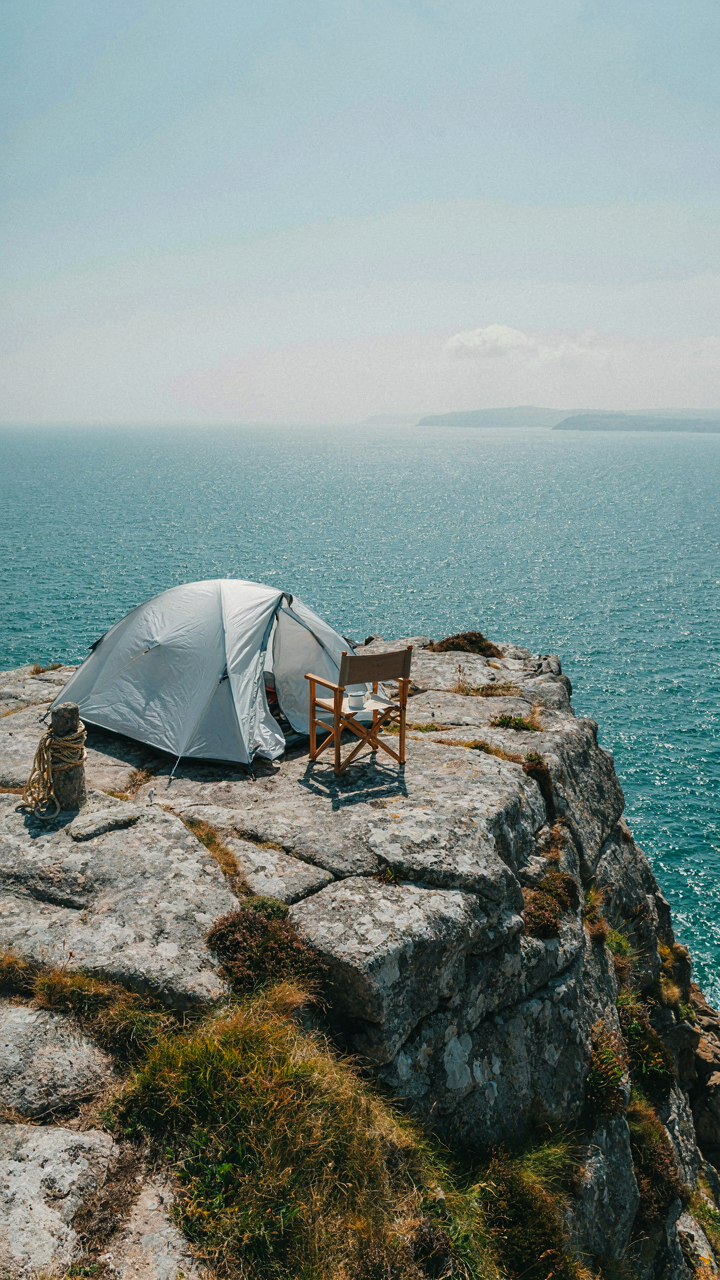
You want to camp where nobody else camps because you think it proves something about you. What actually matters is understanding tidal mechanics. The coast operates on a physics principle: water displacement follows predictable patterns, and your survival depends on reading them before you pitch. North Devon’s coastline shifts dramatically between high and low tide, sometimes 30+ feet vertically. Camp too low and you wake in seawater. Camp too high and you’re exposed to Atlantic wind with zero shelter.
The real mistake people make is camping on the beach itself rather than the cliff band above it. Beaches look flat and inviting, which is exactly why they kill people. Scout your spot at high tide first, not low tide. Mark where the water actually reaches, then climb 20 vertical feet minimum. Sheltered spots exist on the north side of headlands like Morte Point and Bull Point, where cliff faces break wind direction. Plant your tent against the cliff base, not parallel to it, to reduce wind loading on the fabric.
Moorland Challenges: Bog And Microclimates
Moorland camping fails because people underestimate how water moves through peat. Meteorology teaches us that air temperature drops with elevation, but North Devon’s moorlands operate differently. The terrain itself generates microclimates that local weather stations don’t capture. Your campsite three miles inland from Exmoor can experience conditions wildly different from the coast or nearby valleys based purely on slope angle and vegetation density.
Bog ground looks solid but holds water like a sponge, and you’ll sink 6 inches into mud by morning if you miss the drainage slope. Camp on ridge lines, not in valleys. Ridges dry faster and offer wind for moisture evaporation. Avoid dark patches of vegetation, which indicate trapped water. The commonplace advice to “find higher ground” is true but incomplete. You need the specific high ground where water actually drains, not just elevation. Walk the perimeter of your intended spot and watch where water runs during any rain. Camp where water stops moving, not where it pools.
Emergency Preparedness: The Stoic Camper’s Guide
When Your Kit Runs Out
You want this section because you’re afraid of being helpless in the field. The real mechanism is this: a first aid kit treats symptoms, not failure modes. Psychology beats bandages in the backcountry. Your nervous system determines whether you think clearly or panic into poor decisions that compound injury into catastrophe.
Stoicism, the ancient framework from military and survival contexts, teaches negative visualization: you rehearse what goes wrong before it happens. Apply this here. A torn tendon doesn’t kill you. Shock, dehydration, or panic-driven movement does. Mental fortitude means knowing the sequence of your own deterioration so you stay functional past the moment fear wants to shut you down.
- Controlled breathing protocol: Inhale for four counts, hold for four, exhale for six. Activates your parasympathetic nervous system. Practice this before the emergency so your body runs the pattern on autopilot.
- Injury triage by priority: Breathing first, bleeding second, shock prevention third, pain management last. Memorize this order so emotion doesn’t override logic when adrenaline spikes.
- Movement discipline: Most people worsen injuries through panic movement. Immobilize first. Assess second. Move only when necessary. This single rule prevents cascading failures.
- Hydration as mental clarity: Dehydration degrades cognitive function before you feel thirsty. Drink consistently in emergency scenarios even when you don’t want to. Cognition follows hydration.
- Pre-camp location intel: Know where the nearest help is before you pitch the tent. Know water sources. Know terrain exits. Uncertainty feeds panic. Information feeds calm.
When you’ve already visualized the injury scenario and run through your response, your prefrontal cortex stays online instead of handing control to your amygdala. That’s the only first aid that matters in isolation. The kit is secondary.
When The Signal Dies
Communication failures aren’t edge cases. They’re the default state in most wild camping terrain. Cellular coverage is a luxury in deep wilderness, not a guarantee. Satellite communicators, offline maps, and scheduled check-ins aren’t backup plans. They’re the actual plan. Everything else is supplementary.
The mistake most campers make is assuming they’ll figure it out if something goes wrong. They won’t. You need a predetermined protocol that works whether you’re conscious, injured, or stranded. This means telling someone exactly where you are, when you expect to return, and what threshold triggers them to contact authorities. Not vague directions. Coordinates. Not a loose timeframe. A specific time with a specific buffer. Not hope. A written procedure they execute if you miss the deadline.
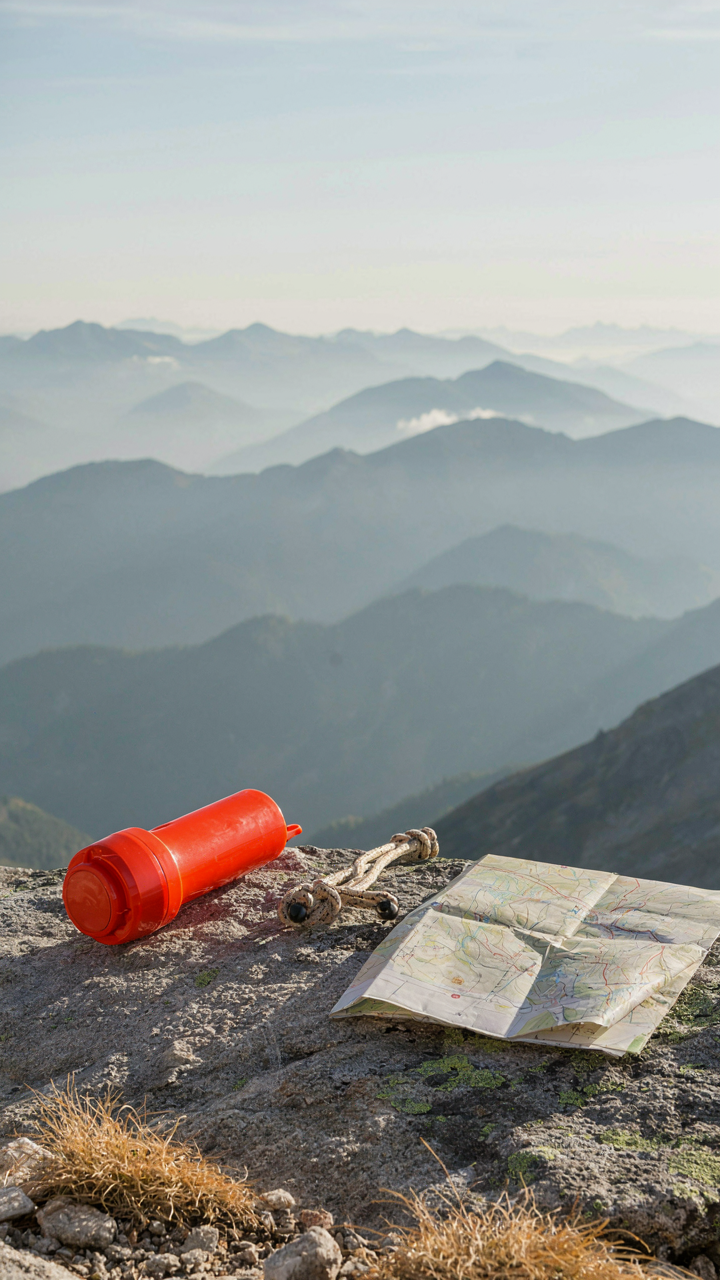
Emergency beacons work because they require zero signal strength and zero human decision-making in the moment of need. Offline maps eliminate dependency on devices. A paper map and compass stay functional when batteries die or screens shatter. Secondary communication methods aren’t luxury additions to your kit. They’re infrastructure. Without them, you’re betting your survival on technological systems designed by people who’ve never slept outside.
The Post Trip Debrief: Optimizing Your Next Wild Camping Experience

What Actually Worked Against What You Think Worked
You’re documenting this trip because you need proof you’re competent at something. That’s fine. But most people conflate comfort with success and never isolate what actually kept them alive versus what just felt good. Use feedback loops from biology: your body signals what works through measurable data, not feelings. After each trip, write down three things: what solved a real problem, what created a problem you didn’t anticipate, and what you carried but never touched. Stop there. Specificity kills the bias.
The gap between perception and performance is where optimization lives. You remember the successful fire or the dry sleeping setup, but you forget the three hours spent searching for water because you didn’t scout the area beforehand. Track these gaps systematically. Document weather conditions, temperature swings, water sources you actually used, navigation mistakes, and time spent on each task. This becomes your real dataset. Your next trip’s success depends on this honesty, not on how well the trip felt while you were living it.
Minimalism Requires A Second Trip, Not A First
Everyone preaches “leave it behind” advice for wild camping gear. That’s incomplete counsel for someone new. You can’t minimize what you don’t understand yet. Minimalism works backward: you earn the right to drop items after you’ve proven you don’t need them. Take what the situation demands based on season, terrain, and water availability. Nothing changes until your second or third trip to the same location reveals redundancies. Cut one piece of gear per trip after you’ve tested it under real conditions. That’s the protocol. Don’t confuse early-stage minimalism with competence.
Practical gear selection means matching your setup to the actual constraints of your location, not to some aesthetic ideal of “ultralight.” Wet environments demand different tools than dry ones. Cold seasons require different insulation than warm ones. Document what you used and for how long each day. After three trips to similar terrain and season, patterns emerge. That’s when you strip weight. You’ll notice the sleeping pad mattered more than the tent, or the water filter saw no action because streams flowed constantly. Build that evidence first, then optimize. The best minimalist is the one who learned through excess, not someone guessing from the start.
The True Obstacle Isn’t Finding A Spot; It’s Your Reliance On External Validation Instead Of Internalizing The Code
You don’t need another app or blog post. You need to stop asking permission from the internet and start reading land. Pick a location today. Drive there. Walk it. Feel the terrain. Break the habit of consuming information and replace it with observation. Every wild camping spot guide becomes useless the moment you trust your own instincts more than someone else’s map. Stop planning the perfect trip and start taking imperfect ones.