
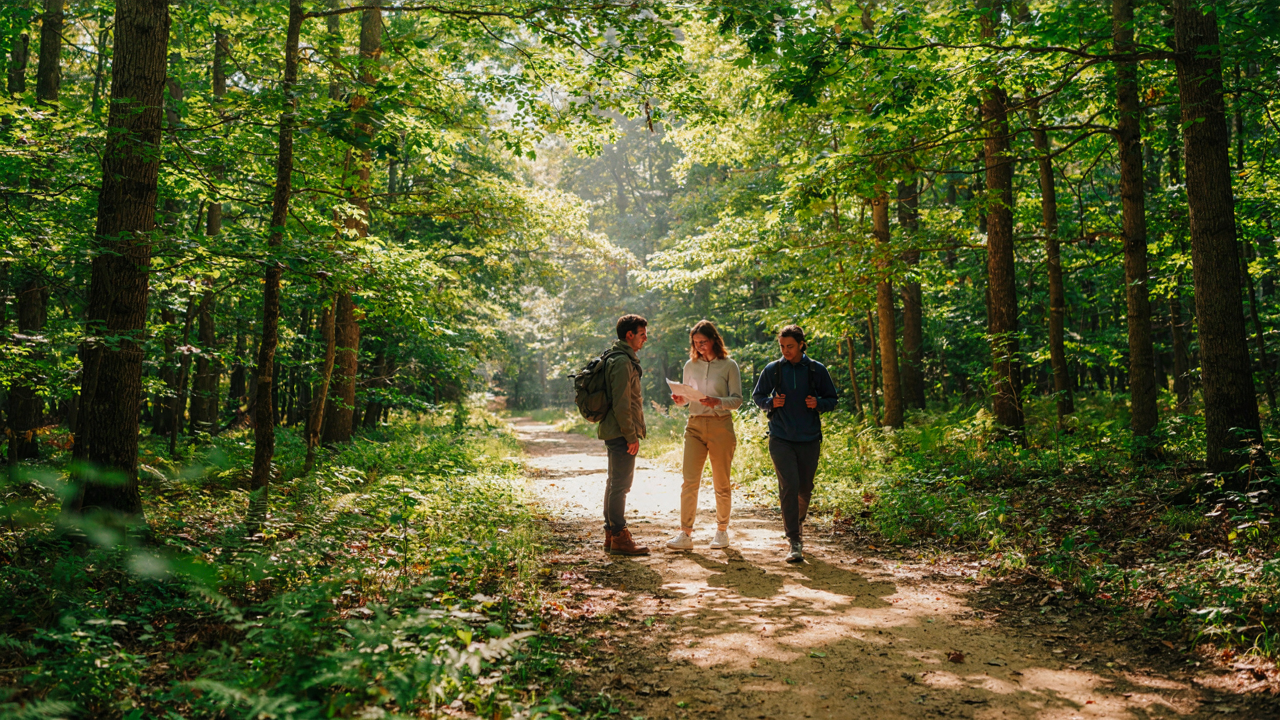
Beyond Instagram: The True ROI Of Hiking National Parks

Pick Parks That Punish Weakness
You want the photo and the story, not the actual skill gap. That’s the real driver. Here’s the mechanism: parks operate like a filtration system in biology—each elevation gain, each technical section, each weather exposure filters out a different tier of hiker. Most people chase Moab or Zion because the images perform. Wrong priority. Choose parks that demand one specific skill you lack, then build that skill systematically across a season.
The ROI compounds when you stop treating parks as checkboxes. A 10,000-foot peak in Colorado teaches altitude acclimatization. A scramble in the Cascades teaches rock sense. A multi-day trek in the Tetons teaches pacing and load management. Stack these intentionally across three to five weekends and you become genuinely capable, not just well-photographed. The second trip to a park type becomes 40% easier because the adaptation happened.
Timing And Route Architecture Beat Scenic Views

Crowds aren’t random—they follow architecture. The most photographed trails have parking lots full by 8 AM on weekends because the trailhead is visible from the highway and the route is obvious. Real solitude requires one tactical shift: choose parks where the best route is not the main route. Arches has crowds on Devil’s Garden. The Hoodoos loop exists 15 minutes away with no line.
Start hikes at 5 AM or pick weekday trips off-season. This isn’t about being hardcore. It’s about owning the terrain. A 6 AM start on a Saturday in October gives you the park to yourself while others sleep or wait for weather to clear. The mechanism is simple: scarcity of attention creates scarcity of people. The hard part isn’t the hike—it’s the discipline to sacrifice convenience for solitude and actual challenge.

The Trail As Crucible Protocol: Rethinking Best Hiking Trails

Choose Terrain That Fights Back
You want a trail that sounds impressive when you describe it to people later. That’s not the mechanism. The mechanism is this: your body adapts to stimulus, not comfort. Borrow from exercise physiology’s concept of progressive overload, and apply it to trail selection. Instead of hiking the same elevation gain on flat terrain, you pick a route where the ground itself resists you—scree fields, rock scrambles, elevation changes packed into shorter distances. Your cardiovascular system doesn’t care about the view. It cares about the demand.
Most hiking advice tells you to match the trail to your fitness level. That’s incomplete. You match the terrain type to the adaptation you want. A 10-mile flat trail builds nothing. A 5-mile trail with 2,000 feet of vertical gain and loose footing builds work capacity because your stabilizer muscles engage constantly. The Cascades, Rockies, and even smaller ranges like the Catskills offer routes where loose stone and steep pitches create actual friction. Pick one where the difficulty isn’t just distance.
Heart Rate Over Distance
Stop measuring hikes by miles completed. Distance is a vanity metric that correlates weakly with actual fitness gain. What matters is time under tension and cardiovascular load. Bring a heart rate monitor or use your phone’s sensor during the hike. Track the minutes you spend above 70% of your max heart rate, not the miles you covered.
A steep 4-mile hike that keeps you at zone 3 for 90 minutes builds more aerobic capacity than a gentle 12-mile walk. You’re measuring the actual stimulus your body received, not the story you tell afterward. This changes trail selection entirely. You stop chasing mileage benchmarks and start chasing intensity. Pick routes with sustained elevation rather than flat sections broken by one big climb. After your hike, log the time spent in zone, not the steps taken.
Backpacking Routes: The Art Of Minimalist Expedition

Gear Selection: Necessity Vs Perceived Need
You want to believe the gear matters more than it does because buying equipment feels like progress. It isn’t. Economics calls this “signaling”—spending money to broadcast commitment instead of building competence. The mechanism: you conflate ownership with capability. A $400 sleeping bag won’t save you on a two-night trip; decision-making will.
Start with what prevents failure, not what impresses. A shelter keeps you alive. A stove reduces risk. Everything else trades weight for comfort. Most weekend hikers pack 35 pounds when 22 works fine. Strip your kit to these categories:
- Sleep system: Tent or bivy, sleeping bag rated 10 degrees below expected low, insulated pad. Non-negotiable protection.
- Water management: Lightweight filter or tablets, one 3-liter capacity bag, hydration bladder. Dehydration kills faster than hunger.
- Cook kit: Lightweight stove, one pot, lighter, minimal utensils. Fuel weight compounds over distance.
- Base layers and rain shell: Merino wool or synthetics only. Cotton fails. Shell must actually shed water, not promise it.
- Navigation: Offline map, compass, or GPS device with fresh batteries. Dead tech costs miles and time.
- First aid: Blister prevention, pain relief, wound closure, emergency shelter. Skip the comprehensive kit fetish.
Weight discipline forces real decisions. Every item must solve a specific problem or leave the pack. This pressure strips ego from the equation. You stop buying gear to feel prepared and start buying gear because you’ve actually failed before and know what breaks.
Logistics Of Self Reliance; Planning For The Unplanned
Self-reliance doesn’t mean isolation—it means you’ve calculated your failure points and built margins around them. Most weekend hikers plan the happy path: perfect weather, on-schedule mileage, food that tastes fine cold. Then they improvise badly when reality deviates. The difference between competent backpackers and lost ones is that competent ones answer three questions before leaving the trailhead.
First: How will I get rescued if I break my leg at mile four? Know the nearest road, ranger station, or cell coverage. Have one backup exit route—not optional, actually mapped. Second: What changes my timeline? Weather, injury, navigation error, food shortage. Budget 50 percent more time than your “optimal” calculation and accept that as your real plan. Third: What runs out first? Water, food, daylight, motivation. Identify the constraint and plan backward from it. A two-night trip without reliable water sources becomes a one-night trip with a full resupply. Food scarcity on day three means you hike out on day two. You don’t improvise around constraints—you eliminate them before departure.
The “OODA Loop” Of Outdoor Travel: Decision Making On The Fly

Observe, Orient, Decide, Act On The Trail
You want to feel like you’re in control, but most hikers aren’t. They follow a guidebook like a GPS coordinate system and panic when conditions diverge. The military strategy field calls this the OODA Loop: Observe, Orient, Decide, Act. Applied to weekend hiking, it’s the gap between arriving at a trailhead and committing to a route based on what’s actually in front of you, not what the internet promised.
Observation on a trail means noticing weather shift, snow coverage, stream flow, or trail conditions the moment you arrive. Orientation means matching what you see against your actual fitness level, daylight remaining, and equipment. Most hikers skip both steps and act on pre-made decisions. The mechanism is simple: spend fifteen minutes at the trailhead doing nothing but gathering real data before you step onto the path. This single step prevents most weekend trip failures.
Adaptation And Risk Calibration
The consensus advice says “prepare for everything.” That’s incomplete. Real preparedness means building a decision tree before the trip, then executing it in the field without hesitation. You identify three to five decision points before you leave home: turn-around time, elevation gain tolerance, water source dependency, exposure risk at elevation. When you hit those points, you activate the next phase of the loop.
Changing conditions demand immediate recalibration, not stubbornness. If rain clouds move in, you adjust your summit timeline or descend early. If a stream is running high from snowmelt, you validate your crossing method or pick an alternate route. The protocol is: when conditions shift, spend two minutes assessing the new data, then execute the corresponding decision you already made. Don’t invent new choices mid-hike.
Weekend Camping Trip: Beyond The Bonfire

Where To Camp For Actual Advantage
You want a campsite story that impresses people back home, not a spot that actually works for the night ahead. Here’s what nobody says: campsite selection is supply chain logistics. Proximity to water, wind exposure, drainage, and tree cover aren’t romantic details—they’re variables that determine whether you sleep or manage problems all night. Bad site choice creates cascading failures. You fight moisture, cold pockets, and morning scrambles.
Pick high ground near water but not immediately adjacent. Elevation drains cold air that pools in valleys at night and prevents moisture accumulation under your tent. Morning frost won’t form on elevated sites the way it does in low spots. Set camp 200 feet from a water source minimum. This prevents wildlife traffic patterns from intersecting your sleeping area and keeps runoff from contaminating your water. Dense tree coverage blocks wind but allows enough airflow to prevent condensation buildup on your tent exterior.
Core Skills That Actually Matter
The standard advice here is wrong: firecraft, navigation, and shelter building matter less than understanding failure modes. What separates functional campers from broken ones is reading conditions before they become problems. Navigation prevents you from being lost. Firecraft prevents you from being cold. Shelter building prevents you from being wet. But identifying which threat is active right now—that’s the mechanism.
Learn to build a shelter that sheds rain without trapping condensation inside. A simple tarp angle against prevailing wind, tied low enough to be stable but high enough for air circulation, handles 90 percent of weather. Navigation means knowing your exit route and current position on a physical map before dark, not during an emergency. Firecraft means understanding fire needs oxygen and heat—gather wood in graduated sizes before you light anything, because fumbling for kindling when temperatures drop creates panic, not flames. The protocol: scout your site for dead standing wood in daylight, organize it by thickness, and build your fire structure before ignition.
The Unspoken Rules Of Hiking Places: Local Wisdom Vs. Guidebooks
Where The Crowds Miss It
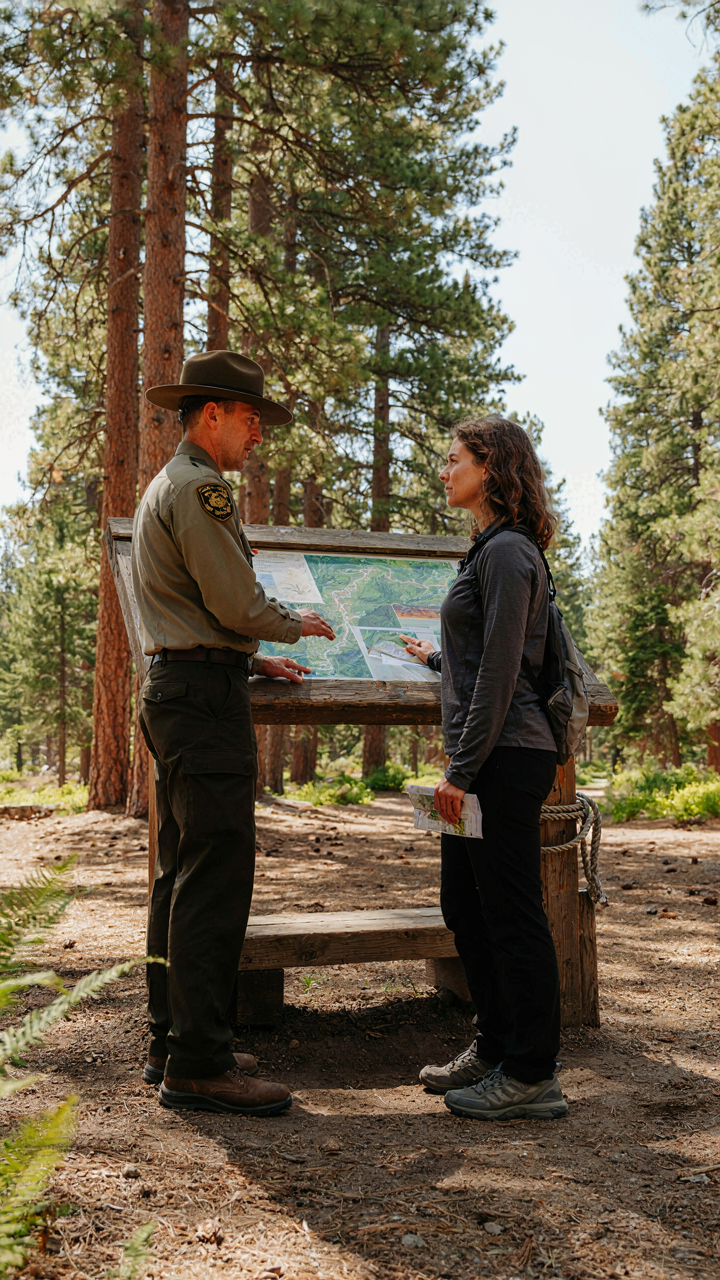
You want the trail nobody posts about because you think that means it’s better. The real mechanism is simpler: guidebooks optimize for liability and traffic, not quality. They highlight well-maintained paths with clear signage because those trails don’t generate lawsuits. Local hikers know different routes because they’ve mapped what the trail system actually offers versus what gets published. The gap between these two sources is where real weekend hiking trip ideas live.
Local knowledge beats guidebooks because locals have skin in the game. A ranger who’s worked a region for five years knows which trails degrade in wet season, which views require the right light, and which parking areas get raided by bears. Guidebooks can’t update fast enough to catch seasonal closures or maintenance issues. The protocol is direct: ask the ranger station staff what they personally hike, not what the brochure recommends. Then cross-check with recent trail reports from Reddit or local hiking groups to verify current conditions.
Beyond Surface Level Ethics
The phrase “leave no trace” gets repeated so often it loses its teeth, but the ecology underneath matters. Systems thinking from conservation biology shows that impact compounds through volume and concentration. A thousand hikers spreading across a wide trail causes less soil erosion than five hundred hikers clustering on switchbacks. Most weekend hiking trip ideas fail here because guidebooks show the most scenic spots, which naturally concentrates foot traffic where ecosystems are already stressed.
The action steps matter more than the sentiment. Stay on marked trails to prevent vegetation trampling and erosion initiation. Pack out everything you pack in, including micro-trash like fruit peels. Use established campsites rather than creating new ones. Report trail damage to local management so they prioritize maintenance where it stops problems before they spread. This isn’t virtue signaling. It directly extends the usability of the trail for your next trip.
Mountain Trails: A Vertical Challenge, A Mental Edge
Your Body Needs Oxygen Before Your Ego Needs Views
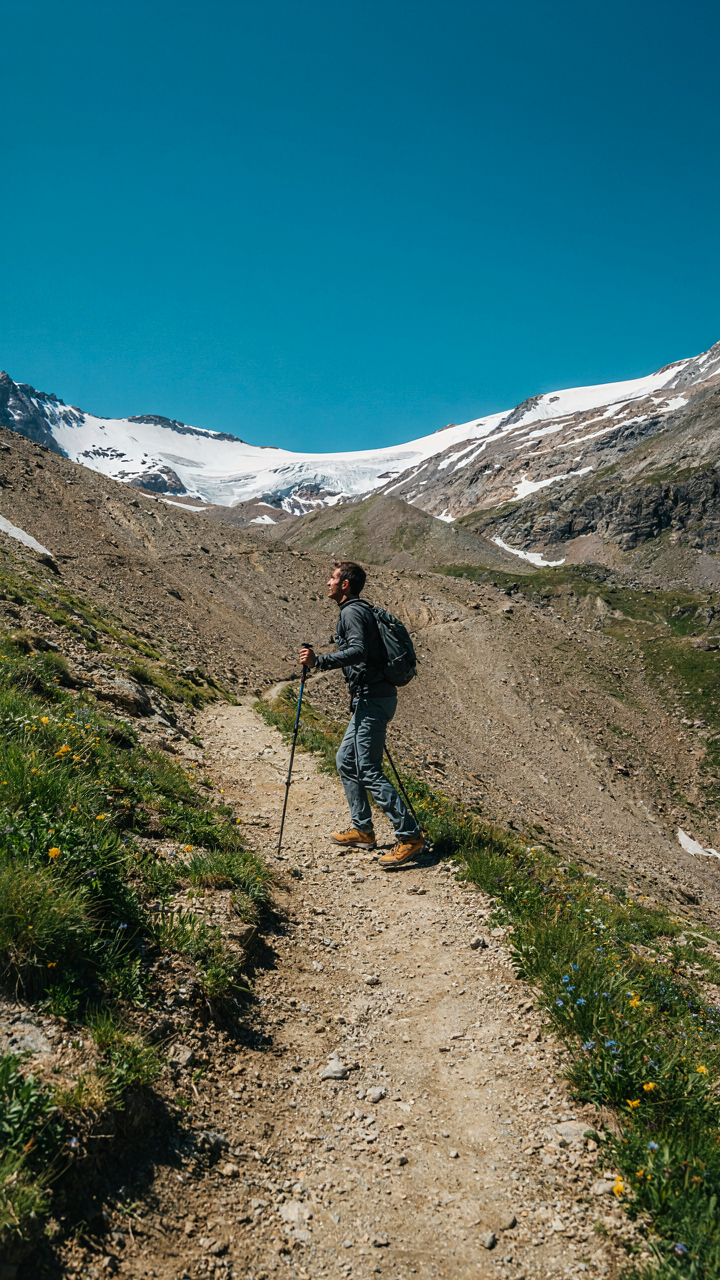
You want the story. You want to summit something and tell people about it. But altitude doesn’t care about your narrative—it cares about oxygen saturation in your blood. Physiology beats willpower every time. Your body adapts to elevation through a process called acclimatization: increased red blood cell production, improved oxygen utilization at the cellular level, better water retention. None of this happens overnight. Start low, go slow, and sleep high. This isn’t poetic advice. It’s the literal mechanism that prevents acute mountain sickness.
Real altitude acclimatization takes days, not hours. A weekend trip to 10,000 feet without prior exposure will hit you hard—headaches, nausea, fatigue, poor sleep. The fix is staged exposure. Spend your first night at 5,000 to 7,000 feet. Hike to your peak the next day without sleeping higher. Hydrate aggressively the entire trip. Your kidneys will work overtime, but that’s the system operating correctly. Plan accordingly or plan to waste a weekend feeling wrecked.
Fear Of Heights Is Fear Of Falling, Not Of High Ground
The mechanism here is vestibular, not psychological. Your inner ear detects motion and spatial position. Looking down a vertical drop triggers a reflex—not courage, not belief. The common advice says “face your fear” and “push through it.” That’s incomplete. You can’t mentally override your vestibular system. You can only change how you stand and where you look. Move your weight over your feet, not your toes. Keep your eyes on the path, not the drop. This sounds basic because it is—it works because it changes the input to your nervous system, not your mindset.
A vertical trail doesn’t require bravery; it requires protocol. Use trekking poles on steep descents to redistribute weight and reduce reliance on leg stabilizers that fatigue fast. Take switchbacks slowly. Rest when your legs feel light or your breathing speeds up without exertion—these are signs your nervous system is overloaded. Fear on a mountain usually means something is wrong mechanically. Listen to it.
The “Antifragile Hiker” System: Building Resilience On The Trail

Treating Failure As Data, Not Disaster
You want to believe you’re tough enough to handle whatever the trail throws at you without breaking stride. The mechanism is simpler: antifragility, borrowed from systems thinking in risk management, means a system that gains from disorder instead of just surviving it. On a weekend hike, this means you don’t avoid bad weather, wrong turns, or exhaustion—you engineer trips where those things teach you something actionable instead of just hurting.
Most hikers chase perfect conditions and call it preparation. What they’re actually doing is avoiding feedback. A hike gone wrong—blistered feet, navigation mistakes, underestimated distance—contains more useful information than ten smooth outings. The goal isn’t to eliminate failure; it’s to make failures cheap, reversible, and close to home. Start with a nearby trail you can bail on quickly. Go when conditions are marginal, not ideal. Document what broke and why. That’s how you build a nervous system that adapts instead of just endures.
Recovery Protocols Shape Next Weekend’s Capacity
Post-hike recovery isn’t about feeling better faster; it’s about quantifying what your body actually needs to perform again. The common advice—”stretch and hydrate”—skips the mechanism. You’re not chasing comfort; you’re managing inflammation and glycogen depletion to determine your real ceiling for the next trip’s mileage and elevation gain.
Track three variables after each hike: how your legs feel 48 hours later, your resting heart rate the morning after, and how quickly soreness fades. These numbers tell you whether you went too hard, paced wrong, or hit your actual limit. If recovery takes eight days instead of three, you’re learning the gap between how hard you can push and how hard you should push. This data shapes which trails you pick next month and prevents you from stacking damage into injury. Document your recovery timeline, then match future trips to it.
Best Places To Hike: Beyond The Obvious Choices

Where To Find Trails Nobody Talks About
You want the bragging rights without the crowds. The mechanism is simple: popular trails get their status from visibility, not quality. Most hikers use the same three search tools—AllTrails, REI guides, national park websites—so they find identical routes. You break this by going upstream to where information originates.
Regional hiking clubs, state forestry departments, and USGS topographic map repositories hold trails that never surface on consumer apps. Contact your state’s Department of Natural Resources directly. They maintain trail databases that locals use but tourists miss. Local ranger stations have printed maps with annotations about conditions, wildlife patterns, and seasonal access that online platforms ignore entirely.
Geology And Wildlife Shape The Actual Experience
Ecology borrowed the concept of niche—an organism’s role within its specific environment. A trail’s niche determines what you’ll actually encounter. Two hikes of identical length produce completely different experiences based on geology, elevation gain distribution, and animal activity corridors. Most hikers ignore this and chase mileage numbers instead.
Research the underlying rock formations and soil type before booking. Sandstone terrain erodes differently than granite, affecting trail durability and difficulty progression. Cross-reference wildlife activity maps from state fish and game agencies with your dates. Animals follow predictable seasonal patterns tied to food availability and breeding cycles. Check recent trail reports specifically for wildlife sightings, not just surface conditions. The goal is matching your skill level to actual terrain mechanics, not estimated difficulty ratings written by strangers.
The “Post Hike Reintegration” Protocol

Translating Physical Wins Into Behavioral Change
You want the hike to mean something after Sunday ends. That’s the real fear driving this question: that the clarity fades by Tuesday and you slip back into the default. The mechanism is simple. A weekend hike disrupts your normal environment, forces sustained problem-solving under fatigue, and proves your body responds to difficulty. The trap is treating this as inspiration rather than data. You didn’t feel motivated on the trail. You performed under constraint. Document what that performance looked like: pace you held, decisions you made under tired legs, how you handled route uncertainty. These aren’t memories to reminisce about. They’re operating parameters you proved you could execute.
Transfer the specific behavior, not the feeling. If you navigated a confusing trail junction by stopping, checking the map, and asking other hikers rather than guessing, that’s a decision-making protocol worth noting. Apply it to professional problems: when stuck, pause first, gather input second, move third. If you maintained a steady climbing pace despite wanting to stop, that’s data about your actual threshold versus your assumed one. Use that on deadlines. The hike proved something factual about how you operate. Write down one behavioral insight the moment you’re off the trail while the specifics are still sharp. Implement it for two weeks before the memory dissolves.
Preventing The Post Adventure Crash
Most advice here is wrong. You’ll hear “keep the momentum going” or “chase the high with another hike.” This guarantees the crash because you’re chasing a state rather than maintaining a system. The real mechanism comes from neuroscience. Hiking triggers a dopamine response from novelty, physical exertion, and environmental change. Your default state has lower baseline dopamine. Returning to it feels like loss. The solution isn’t more hikes. It’s anchoring the clarity you gained into your regular environment through deliberate practice, not frequency.
Pick one element from the hike that directly transfers to your work or daily routine. If you hiked early morning and that clarity was sharper than usual, start your work day at the same time the hike began. If the physical exertion mattered, schedule climbing or running at that same intensity and time weekly. If the decision-making under uncertainty was the win, practice it: take a different route to work, make one professional decision without overthinking it, enter a conversation without a script prepared. The post hike slump happens because you return to your old schedule. Change the schedule before the crash hits.
The Real Obstacle Isn’t The Trail; It’s Your Internal Resistance To Discomfort And Deliberate Growth

You don’t need more weekend hiking trip ideas. You need to stop negotiating with yourself about which trail to pick and just go. The friction isn’t finding the perfect hike. It’s that you’ve built a comfortable life that punishes you for leaving it. Every hour you spend researching trails instead of booking one is your brain protecting you from the vulnerability of being tired, sore, and alone with your thoughts. Pick a trail today. Text a friend the trailhead coordinates right now. Your resistance to discomfort is the only real enemy on the mountain.