
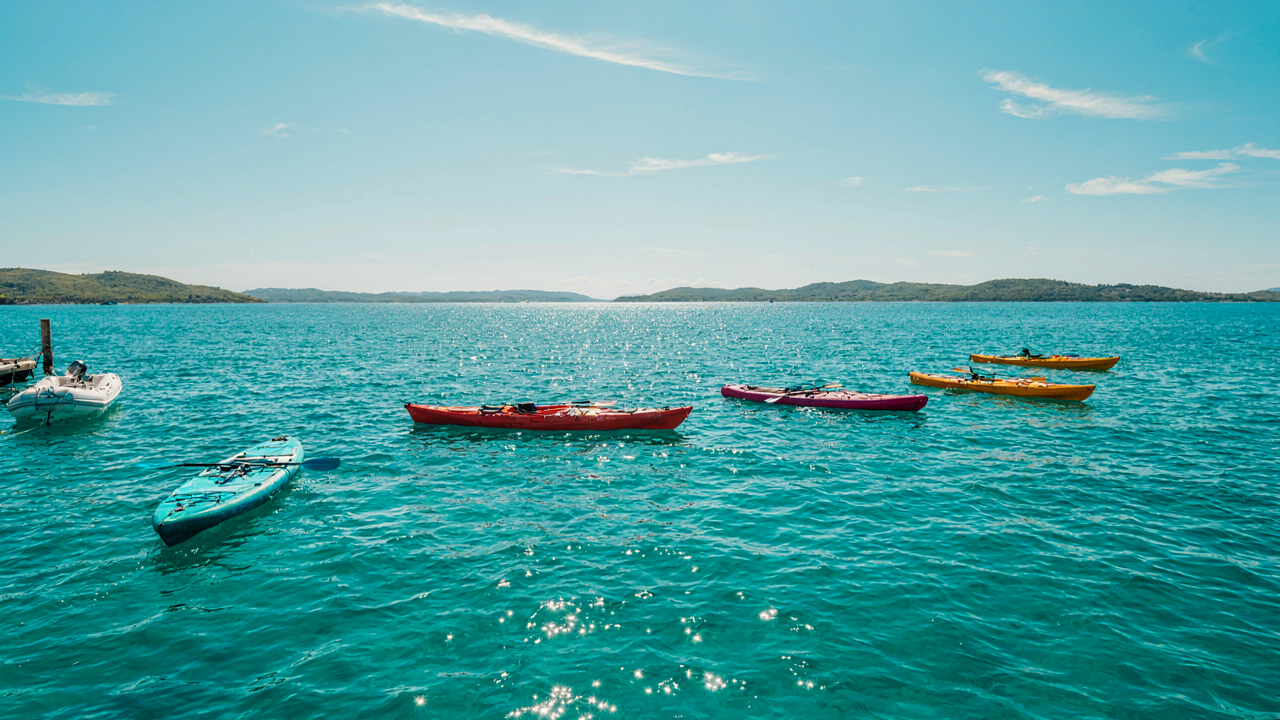
The Cognitive Overload Of “Adventure Sports Ocean View”
The Illusion Of Instant Mastery
You want the feeling without the friction. That’s the real reason you’re reading this. The myth of effortless thrill is a product placement problem. Every Instagram clip shows the payoff, never the 40 failed attempts that preceded it. Water adventure sports demand a specific sequence most people skip: foundational competence first, then expansion. Kayaking looks simple until you capsize in cold water and panic. Surfing looks fun until you realize you can’t paddle out past the break. The gap between spectator and participant reveals the mechanism instantly.
The brain craves novelty but despises genuine difficulty. Most water sports fail the beginner because they require simultaneous mastery of balance, breath control, and decision-making under stress. Your nervous system isn’t trained for it. You need progressive exposure, not heroic first attempts. Start in controlled conditions. Build the neural patterns. Only then does the ocean stop punishing you for thinking you already knew how to move.
The Dropout Point Before Competence Builds

Most people quit before real mastery because the difficulty curve doesn’t match their expectations. Borrowed from motor learning theory, water adventure sports demand what researchers call “variable practice”: repeated exposure to changing conditions that force adaptation. Calm-day kiteboarding teaches you nothing about real wind. Pool-based swimming doesn’t prepare you for current, temperature, and visibility. You drill the fundamentals in ideal conditions, then the ocean removes those conditions and you fail.
The dropout happens at week three or four, when novelty wears off but competence hasn’t arrived. This is predictable and engineered into most instruction. Bad instructors keep students in the novelty phase. Good ones push into boring drills where boredom signals adaptation is happening. Your job is to identify which camp your instructor operates in, then commit through the discomfort phase where the skill actually embeds itself into your nervous system.

Beyond The Whitewater Rafting Aesthetic: True Control
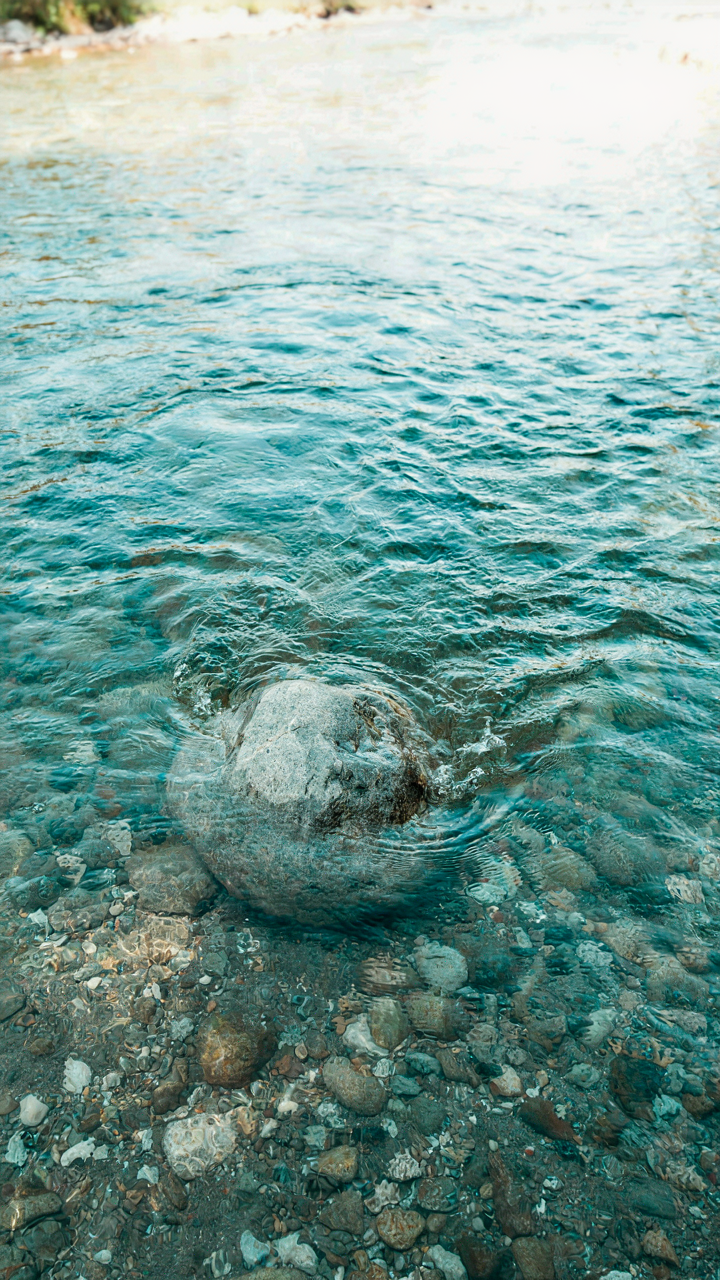
How Rivers Actually Move
You want to look competent on camera. That’s fine. But competence requires reading water before you enter it, and most people skip this because it feels abstract. Here’s the mechanism: rivers behave like fluid dynamics systems, where pressure and velocity are inverse variables. Where water accelerates, depth decreases and obstacles emerge. Where it slows, it deposits material and creates deceptive calm zones.
Scout from the bank before paddling. Identify where the current pushes hardest by watching how the surface wrinkles and where debris travels. Look for V-shapes pointing downstream, which indicate deep channels, and boils or haystacks where water rebounds off submerged rocks. The smooth sections kill more paddlers than the obvious rapids because they hide the actual mechanics underneath. Your eyes decode the river’s structure in seconds if you know what signals matter.
Precision In Motion
Everyone paddles harder when scared. Wrong. Aggressive paddling fights the water instead of using it, burns energy, and costs you position when it matters. Micro-adjustments work because they operate on the same physics principle as steering: small angle changes compound into large trajectory shifts over distance.
A single corrective paddle stroke placed at the right moment—when the boat is already moving, not when it’s stuck—prevents entire lines of panic. Practice drawing your paddle close to the hull to redirect without power strokes. Brace on the downstream side before a hole hits, not after. Make minimal adjustments early, and the river does the heavy work for you. This is the difference between control and survival.
The Kayak Calibration Method: White Water Kayaking Aesthetic
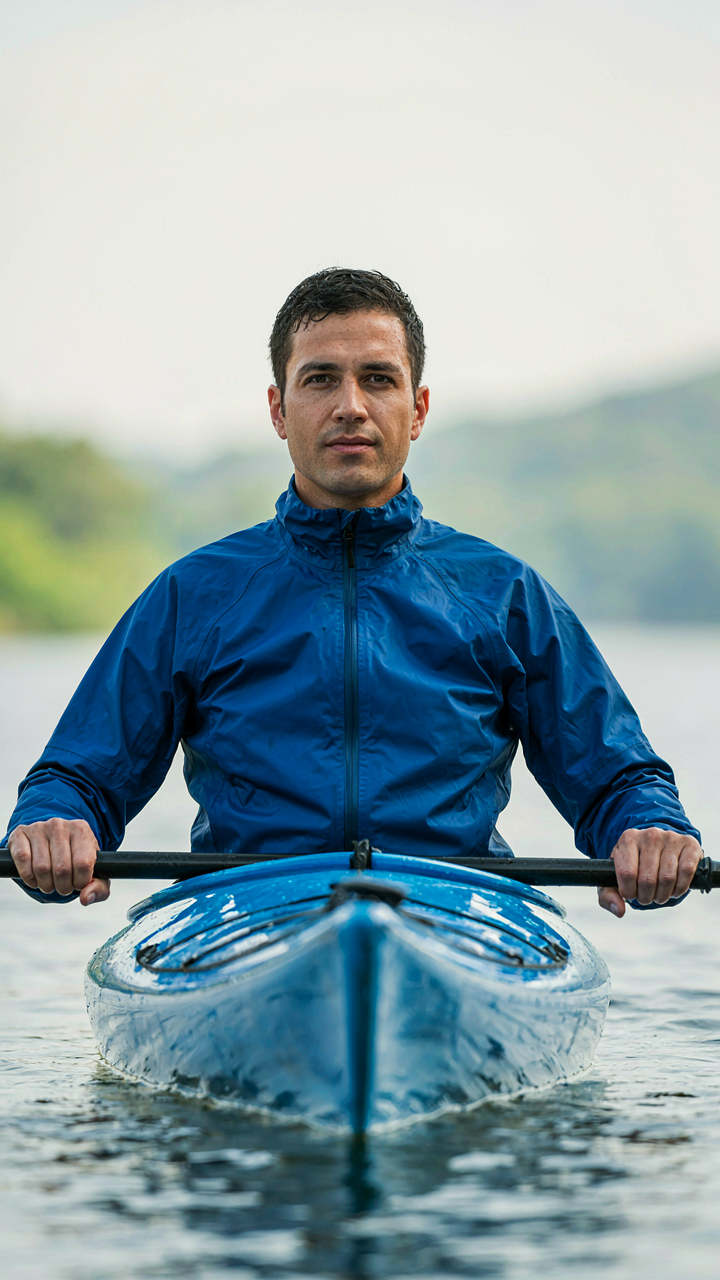
Your Boat Talks Back When You Listen
You want to believe equipment doesn’t matter because it costs less and sounds democratic. It does matter. In control theory, feedback loops determine whether a system responds or resists. Your kayak is feedback. The hull shape, rocker, width, and material composition all transmit information through your body the instant you apply force. A boat that fits poorly sends noise. A boat that fits creates clarity. Most paddlers never calibrate this relationship because they treat the boat as dead weight instead of a sensing instrument. The mechanism is simple: responsive equipment reduces cognitive load, which means your nervous system learns faster and builds usable skill instead of compensating for poor communication.
Equipment extension works through pressure distribution and contact points. Your feet brace against the footrest, your thighs grip the thigh hooks, your hips sit in the seat, your hands grip the paddle. These five contact zones transmit real-time data about water pressure, boat angle, and inertia. A kayak with poor seat padding or loose footrests creates dead zones where your body receives no signal. A well-tuned boat broadcasts every micro-shift in current, every edge angle change, every weight transfer. This feedback loop trains proprioception faster than any paddle coach can talk you through it. Spend the first session on flat water tuning these contact points until pressure feels even and deliberate. Only move to moving water when the boat feels like an extension of your decision-making, not a tool you’re fighting against.
Angle And Trim Control The Outcome
Physics calls it hydrodynamic balance. In whitewater kayaking, it determines whether you stay upright or swim. Edge control means tilting the kayak onto its side rail while maintaining forward momentum. Boat trim means distributing weight forward or aft to change how the hull interacts with water. The common advice says “lean forward for speed and lean back for control.” This is incomplete. Forward lean increases bow pressure and accelerates through obstacles. But excessive forward lean buries the bow, kills maneuverability, and creates a trap where you can’t lean away from obstacles fast enough. Backward lean slows you down but it’s not free safety. Back weight raises the bow too high, making the boat skip across features instead of cutting through them. The real mechanism is dynamic balance within a narrow trim range.
Most paddlers treat edge and trim as separate problems. They’re one problem. Trim position changes how edge control behaves. A boat trimmed nose-down pivots faster at the edges but resists lateral stability. Trim it nose-up and the boat becomes forgiving but sluggish. The calibration step is this: on moving water, establish neutral trim where your weight centers over the seat. From there, practice small trim shifts while holding constant edge angle. Feel how forward weight makes edge turns tighter. Feel how aft weight loosens the turn radius but requires more edge angle to hold a line. Once you can modulate trim and edge independently, you can read current features and select the appropriate response in real time. This separation of controls transforms reaction time from guesswork into mechanical precision.
Water Skiing On Ocean: The “Surface Tension” Protocol
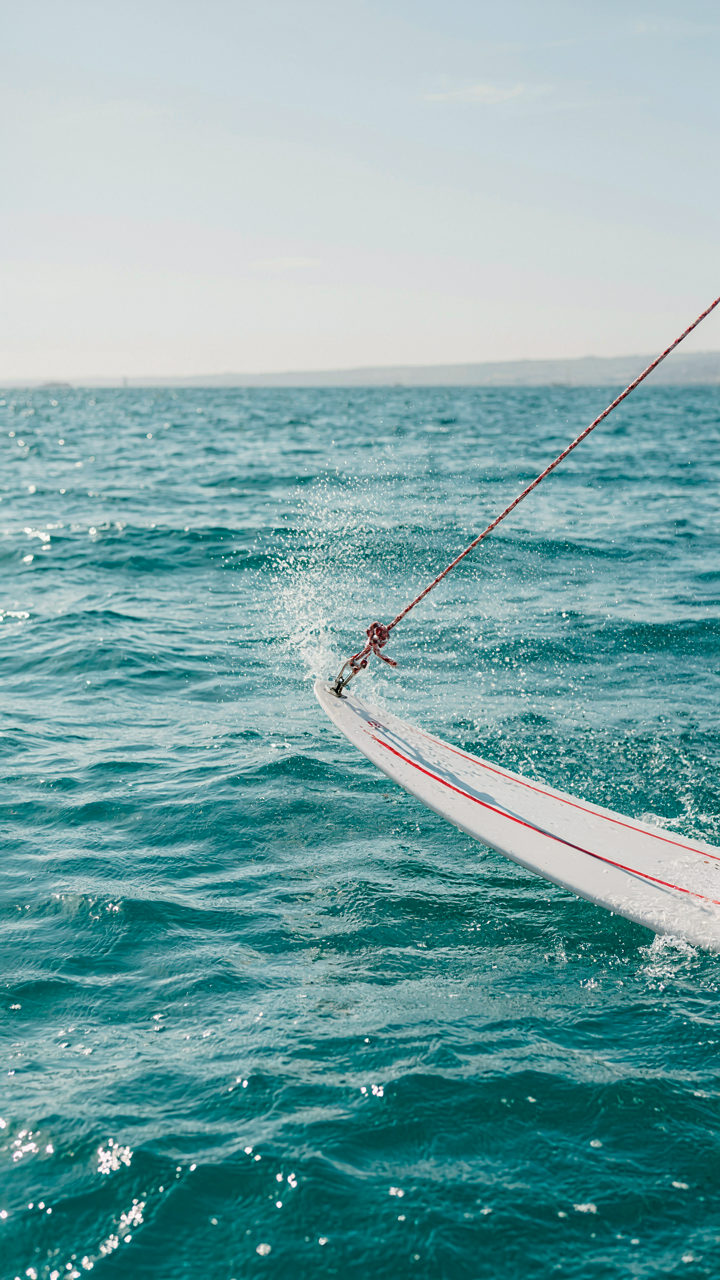
How The Board Stays Afloat
You want to know you’re doing this right because the alternative is sinking, and nobody admits they fear that. Here’s what actually happens: physics calls it planing, and it’s the difference between displacement and lift. Your ski doesn’t push water aside like a boat hull does. Instead, the curved bottom surface generates upward force as the rope pulls you forward fast enough. The angle of attack—how much the ski tilts up relative to the water—determines whether you rise onto the surface or dig in and drown.
Most people think speed alone keeps you up. Wrong. You need speed plus the right ski geometry plus body position working together. The ski’s rocker (that curve running nose to tail) and its width distribute your weight across the water surface instead of concentrating it at one point. Ocean conditions matter here because salt water is denser than freshwater, which actually gives you slightly more lift at the same speed. The mechanism is simple: increase angle of attack or increase speed, and you transition from dragging through water to riding on top of it.
Finding The Angle That Commands The Wake
Your leverage isn’t in your arms. It’s in reading where your hips sit relative to the rope. The rope tension pulls at roughly 30 to 45 degrees depending on boat speed and your weight. Your body becomes the instrument that fine-tunes whether the ski planes or chatters. When your hips drift behind the rope’s angle, you sink. When they move ahead, the ski’s front edge catches too much and you wash out sideways.
The real protocol: keep your knees slightly bent and your core engaged so your hips stay directly under your shoulders. This position lets the ski’s tail stay engaged with the water while the front lifts into the plane. Speed changes demand immediate hip adjustment, which is why ocean skiing differs from flat water. Chop and swell force constant micro-corrections, making this less about raw strength and more about sensing the ski’s contact point frame by frame. Set your hips forward, lock your core, and let the geometry do the work.
Rafting On A Forest Lake: The “Distributed Load” Principle
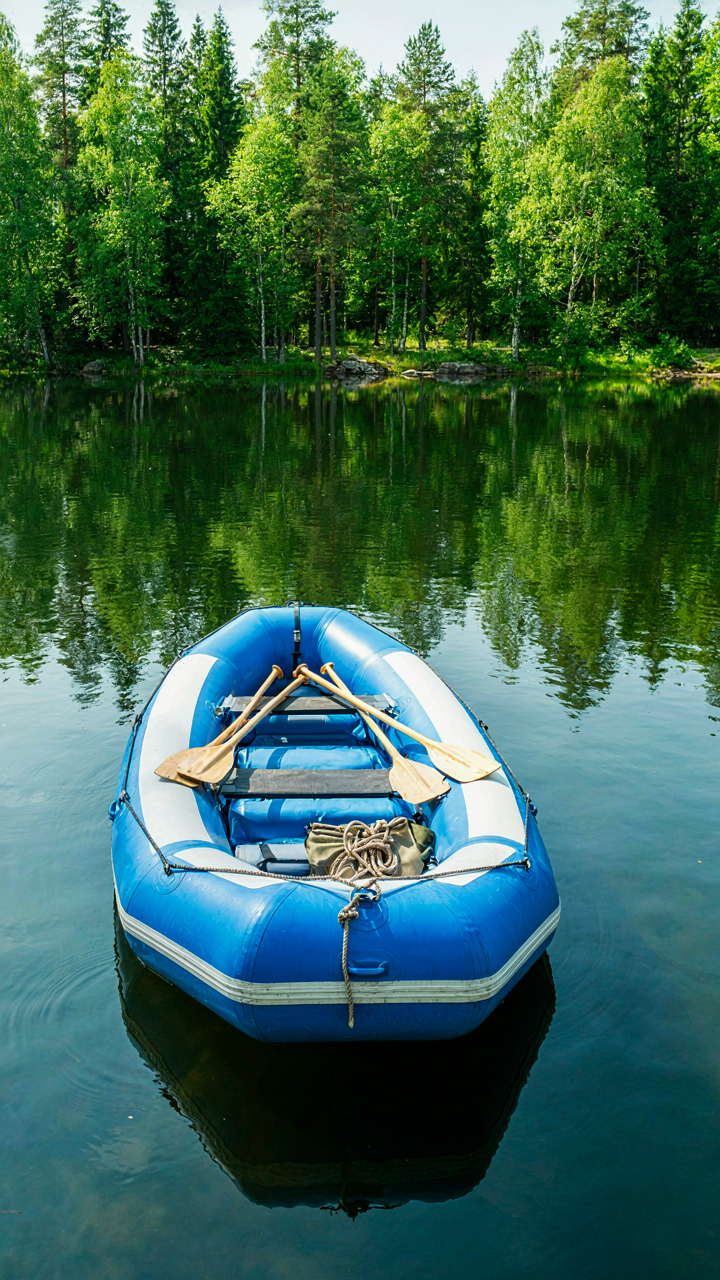
Crew Synchronization: Collective Power
You want to know how to not look incompetent in front of strangers. Here’s the mechanism: rafting works because load distribution across multiple rowers prevents any single failure from capsizing the boat. Physics calls this redundancy. In whitewater or flatwater rafting, each paddler generates force at a different angle and timing. When synchronized, these forces stack. When misaligned, they cancel or create torque that destabilizes the raft. The guide doesn’t steer alone—the crew’s paddle timing determines whether the boat holds line or spins into rocks.
Most people think synchronization means “paddle in rhythm.” That’s incomplete. Real synchronization requires matching catch point, drive length, and exit timing across all paddles. A crew where three people exit early while two lag creates a rotational force that no steering correction fixes. Training crews on the Chattahoochee or other high-traffic float rivers means drilling entry and exit positions before hitting moving water. The guide calls cadence, but crew members must feel the raft’s response and adjust their individual stroke mechanics in real time.
Navigating Obstacles: Managing Energy State
The standard advice on obstacle avoidance is wrong—it tells you to aim away from rocks. What actually matters is velocity state entering the obstacle zone. If a raft maintains constant speed through a narrow channel, its kinetic energy determines whether it punches through or wedges. Higher velocity means the water carries you past the rock. Lower velocity means you stop inside the hazard. Guides train for this by reading water gradient and adjusting crew effort upstream of obstacles, not during contact.
The protocol is direct: scout the section first to map hazard locations. Enter at velocity that suits your crew’s skill level and the obstacle spacing. If the channel narrows and you see a rock ahead, increase crew effort to maintain speed, don’t decrease it. Decreasing effort is the mistake that kills momentum and traps boats sideways. Once you pass the obstacle, the crew resets for the next one. This cycle—scout, accelerate, pass, reset—is the only repeatable system that works across different forest lake conditions.
The Deceptive Calm Of Adventure Kayaking Scenery

Reading The Water’s Hidden Language
You want to believe paddling is about scenery and zen moments. It’s not. The real reason you care is control, and scenery hides what will kill you. Fluid dynamics governs water movement, and kayakers operate inside a system where invisible forces determine outcomes. Current, gradient, and volume create predictable patterns if you know where to look. The water tells you everything before it moves you.
Surface texture is the primary signal. Smooth glassy water downstream of a bend means water compressed by a turn. That compression accelerates subsurface flow and creates a paradox: slower appearance, faster actual movement. Ripples against the current direction signal a submerged obstacle redirecting flow. Reading these patterns beats guessing. Scout from shore before committing. Watch how debris moves. That’s your data set.
Efficiency Through Precise Positioning
Biomechanics in kayaking rewards economy of motion over power. The common advice says “stronger strokes equal faster travel.” Wrong. Elite paddlers move less water but move it in the right direction. Your paddle angle, blade entry depth, and torso rotation determine force transfer. Minimal wasted energy means you stay fresh when conditions deteriorate. That matters when weather turns or rescue becomes necessary.
Blade entry should be vertical at catch. Your torso rotates before your arms pull. The paddle acts as a lever, not a club. Rotation generates force from larger muscle groups. This translates to 30 percent more efficiency over a typical paddle day. Practice this position in flat water until it becomes automatic. When current tests you, your body executes the efficient pattern without thought.
Ocean Sports: The “Unstable Equilibrium” Mindset
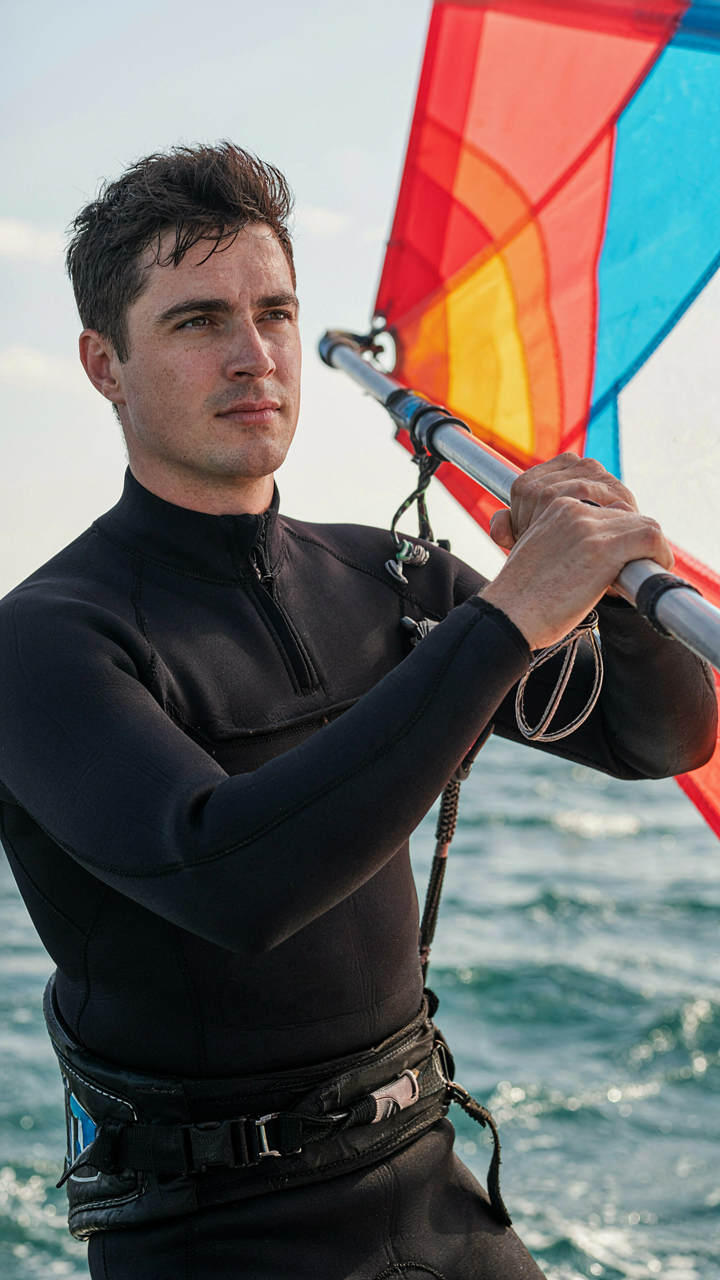
The Water Doesn’t Care About Your Plan
You want permission to stop overthinking before you start. Here’s the mechanism: ocean sports operate on unstable equilibrium, a physics term describing systems where tiny input changes produce massive output shifts. A small wind gust, a current shift, or a weight distribution change flips your trajectory entirely. Your brain seeks predictability. The ocean doesn’t offer it. The athletes who progress fastest stop waiting for calm conditions and instead build the skill to read and adapt to chaos in real time, not after it happens.
Most beginners train in pools or flat water, then panic when conditions shift. This is backwards. You need exposure to variability during skill-building, not after. Kayakers, windsurfers, and kitesurfers who train exclusively in controlled environments hit a hard ceiling because they’ve built reflexes tuned to one specific state. Ocean conditions move in layers: wind patterns change hourly, swell direction shifts, currents accelerate and fade. Your nervous system needs to sample this range repeatedly until adaptation becomes automatic, not conscious.
Flow State Requires Foundation
The flow state obsession is incomplete advice that keeps people stuck. Csikszentmihalyi’s framework applies here: flow happens when skill and challenge are matched. But most ocean sports athletes chase the feeling before building the substrate. You cannot flow in whitewater kayaking without solid edging, brace mechanics, and line recognition. You cannot flow on a windsurfing board without water starts, boom control, and weight transitions. The mythology says flow emerges from passion. The mechanism is different: flow emerges from repetitive, deliberate practice that makes complex movements unconscious.
The mistake is treating flow as the goal instead of the evidence of mastery. Deliberate practice in ocean sports means drilling specific techniques in conditions just beyond your current range. This is uncomfortable. You fail. You correct. You repeat. You do not flow. After months of this work, flow arrives as a side effect, not a destination. Set your practice protocol around video review, specific technique work, and graduated condition difficulty. Flow will follow.
Water Rafting: The Art Of Controlled Catastrophe
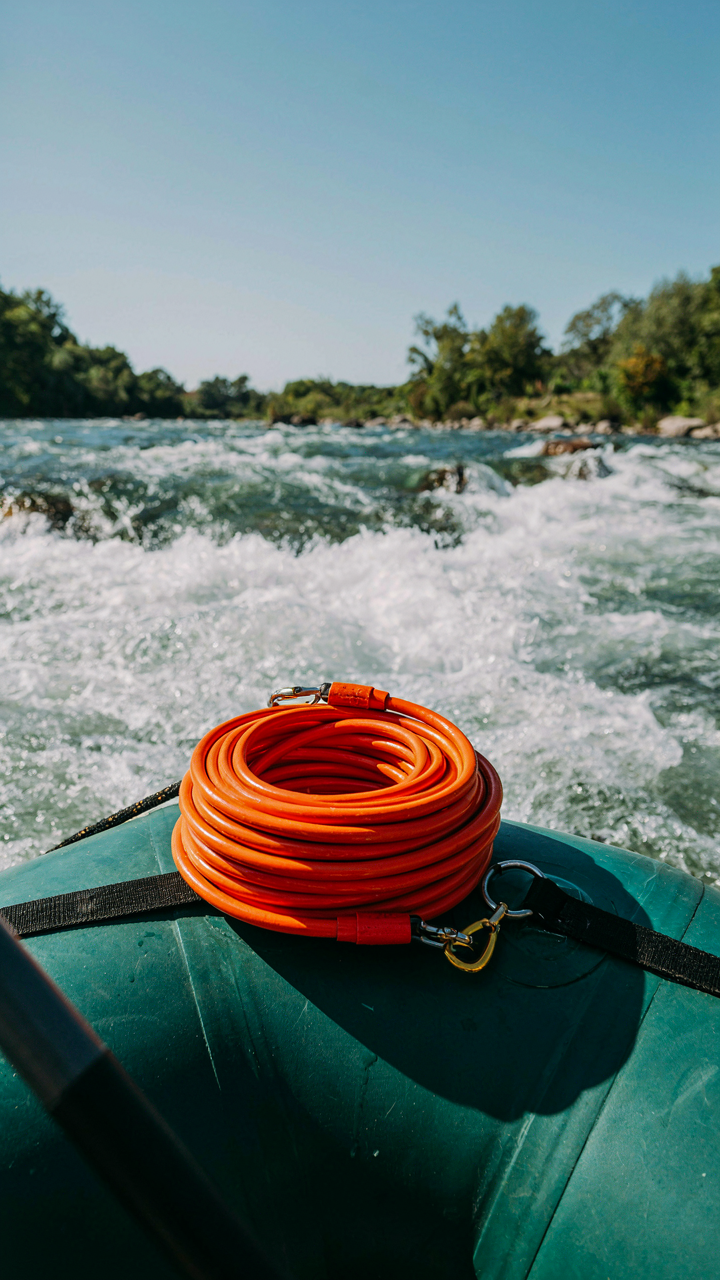
When Things Break Down Fast
You want to know what to do when things break down because you’re terrified of looking helpless in front of strangers. The mechanism is simple: rafting emergencies don’t give you time to think. They demand a pre-decided script you’ve already memorized. Most outfitters skip this or bury it in liability waivers. That’s negligence. Your survival depends on knowing the sequence before water fills your boat.
- Cold water immersion response: Your body involuntarily gasps within seconds of submersion. Fight this reflex by practicing breathing control on shore. Most drowning happens because panic overrides training, not because people can’t swim.
- Immediate re-entry protocol: If you fall out, grab the boat’s throw line or paddle extended by your guide. Never chase the boat downstream. The current moves faster than you do.
- High-side maneuver: When the raft tilts toward flipping, crew members move weight to the high side simultaneously. This prevents the boat from rolling and trapping you underneath. Delay costs you seconds you don’t have.
- Throw bag deployment: Guides carry rescue throw bags clipped to the frame. These deploy in under three seconds and reach swimmers drifting downstream. Know where yours is rigged before launch.
- Pin and entrapment avoidance: If the boat wraps around a rock, swimmers should swim aggressively downstream and away. Stay away from the boat’s underside. Current pressure can pin a person underwater indefinitely.
Most guides will tell you these protocols during a safety briefing you’ll half-listen to. That’s wrong. Ask your guide to walk you through each one and demonstrate re-entry in calm water before you hit rapids. The muscle memory is the insurance policy.
Reading The Water And Moving Together
Team dynamics in rafting aren’t motivational fluff. They’re a load-bearing component borrowed from military doctrine called distributed responsibility. Each crew member owns one failure point. When one person doesn’t execute their stroke on command, the boat’s angle changes and your approach to the next drop gets compromised.
Self-rescue means knowing where you fit in the escape sequence before chaos starts. Your guide gives commands because the noise makes verbal confirmation impossible. You respond with body position, not words. The person at the bow leans forward to punch through a standing wave. The stern leans back for power. If you’re middle-left, you brace and keep your paddle in contact with the boat. The rower in front of you can’t see behind them. You’re their eyes. This interdependence isn’t team building. It’s system design. When someone swims, the remaining crew shifts weight immediately to prevent a second flip and positions themselves to throw a line. The strongest swimmer should never be the one who falls out, because they’ll be tempted to fight the current instead of drifting to safety. You move as a unit or the unit fragments under pressure.
The “Immersion Theory” Of Water Adventure
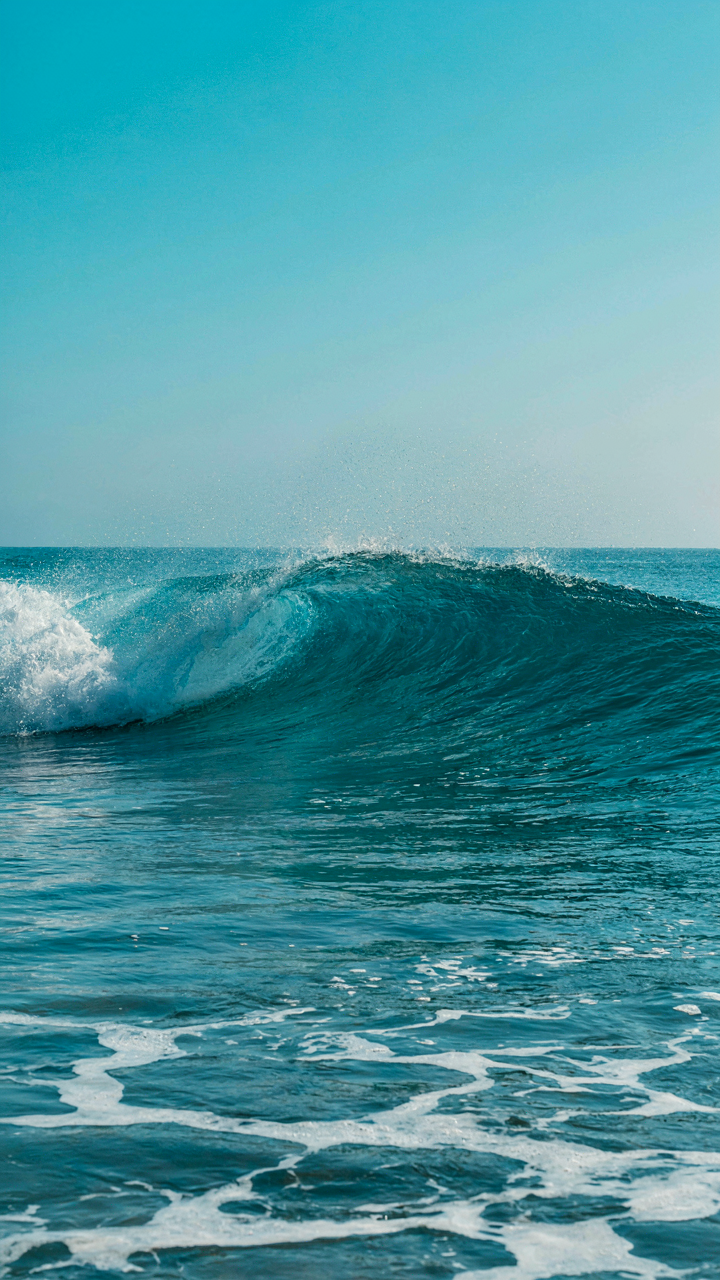
Beyond The Splash: Skill Acquisition Curve
You want to know if water adventure sports are worth your time because you’re afraid you’ll suck at them and waste money looking like an idiot. Here’s the mechanism: skill acquisition in water sports follows a compressed learning curve because the environment punishes mistakes immediately and forces you to correct them in real time. Unlike land-based activities where bad form takes weeks to reveal itself, water resistance and gravity provide instant feedback. You either nail the technique or you get wet. This compression means competence arrives faster than you expect.
The common advice says practice makes perfect. Wrong. Deliberate practice makes progress, and water sports demand it by design. When you’re paddling into a wave or controlling a hydrofoil, your nervous system gets constant data: edge angle, weight distribution, timing. Your body integrates this information faster than in activities with delayed feedback loops. Most people plateau not because they’re untalented but because they stop pushing into discomfort. The plateau is where learning actually accelerates if you stay in it. Set a specific metric per session—tighter turns, longer hold time, cleaner entry—and measure it.
Transferable Lessons: Life Beyond The Water
The lessons from water adventure sports don’t stay at the waterline. You learn to operate under constraint, which is the core skill of every high-performer outside sports. When you’re on a surfboard or in a kayak, you have zero margin for overthinking. Decision-making speed increases because hesitation costs you. You practice trusting your intuition because you have to. That translates directly to work environments where speed and conviction matter more than perfect information.
Discomfort tolerance builds faster in water than in most training protocols. You’re cold, tired, off-balance, and aware of genuine risk. Yet you keep going because the reward is tangible and immediate. This rewires your stress response. When actual professional or personal challenges arrive, they feel smaller because you’ve already sat with real physical discomfort. Start small, build incrementally, and never quit on a bad attempt. Always end a session with one successful repetition. Your nervous system needs that win to anchor the learning.
The Real Obstacle Isn’t The Water; It’s Your Resistance To Discomfort And Genuine Growth
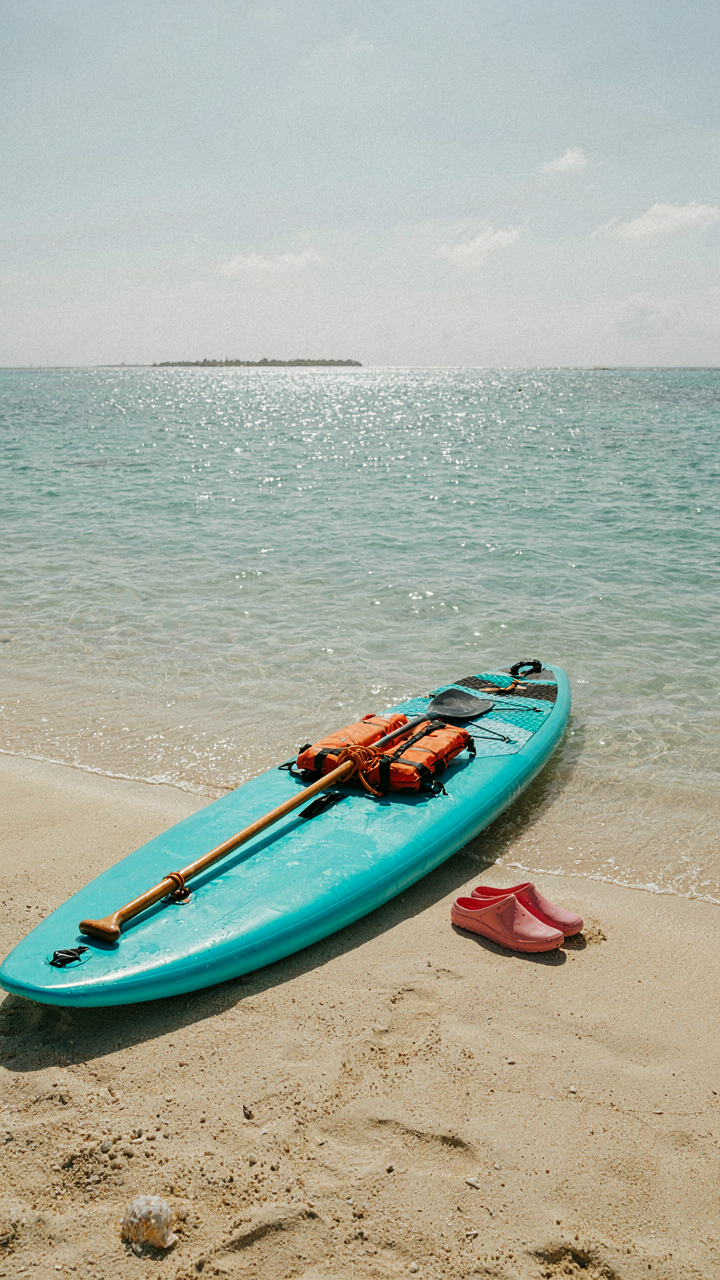
Most people won’t try water adventure sports because they’ve already decided the story. They’re too old, too weak, too afraid. That narrative is a lie you tell yourself to avoid the one thing that actually changes you: controlled discomfort. Your body adapts faster than your mind surrenders. Stop researching and book a single lesson this week. Not next month. This week. The water doesn’t care about your excuses, and neither should you.