
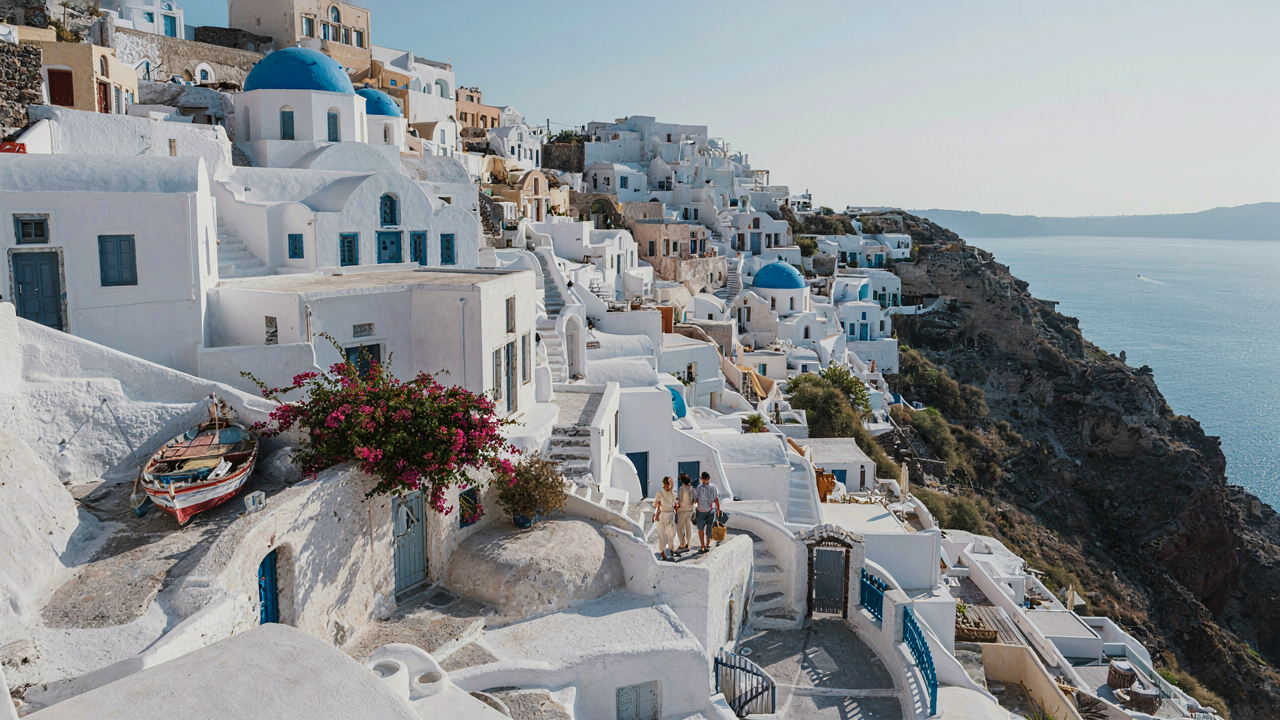
The Oia Overlord Protocol: Escaping The Santorini Sunset Swarm
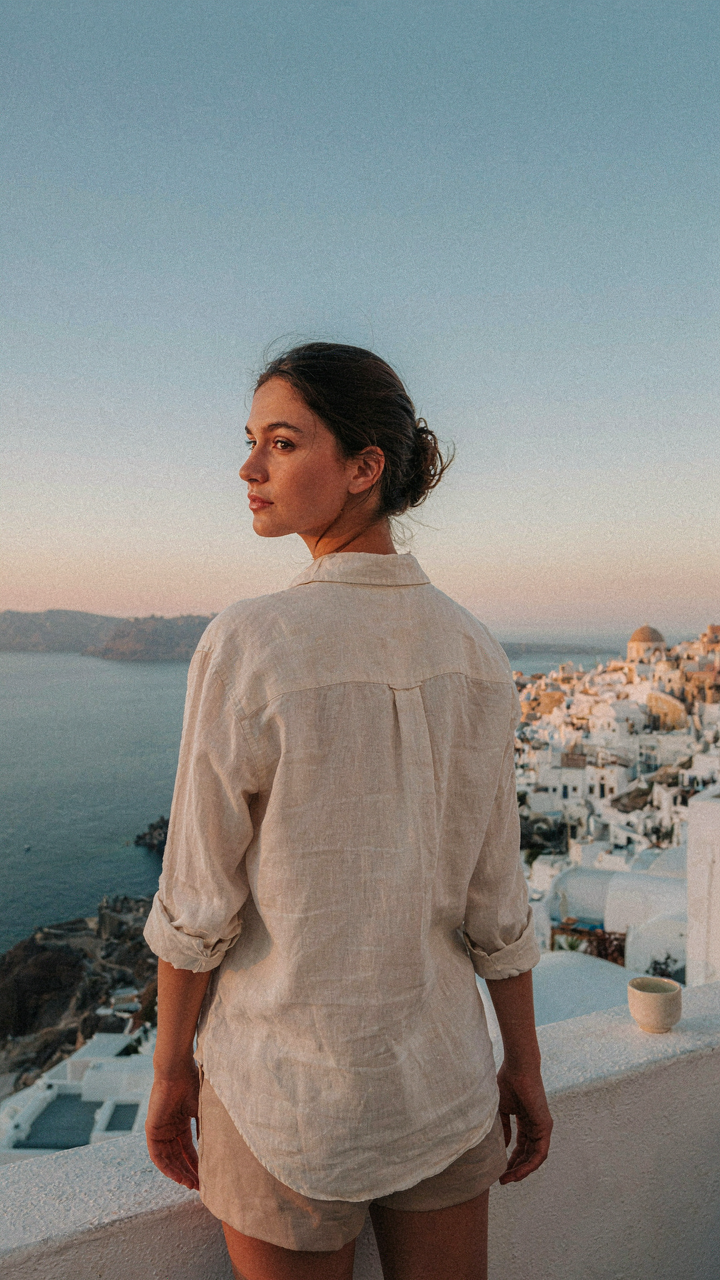
Pre Emptive Positioning: Alternative Vantage Points
You want the Instagram moment without the crowd crushing you. Here’s the mechanism: Oia’s main platforms hit capacity around 4 PM daily, and by 6 PM you’re standing shoulder-to-shoulder with 8,000 people watching the same view. This is a supply and demand problem. The caldera has fixed vantage points. Everyone knows about them. The answer isn’t arriving earlier—it’s positioning elsewhere entirely.
Firostefani, the adjacent village just north of Oia, offers identical caldera views with roughly 15 percent of the foot traffic. You see the same sunset geometry, the same Thirassia island silhouette, the same light hitting the cliffs. Most visitors never check a map. Amoudi Bay, below Oia, flips the angle entirely—you’re lower, looking up at the cliff architecture instead of down at the water. It’s tactically different and nearly empty. Position yourself at either location by 5 PM, not 7 PM.
Post Sunset Extraction: Dinner And Drinks Dynamics

The mistake most people make after sunset is queuing for Oia’s main tavernas, which operate on bottleneck economics. Every restaurant books out because visibility is the draw, not the food. You wait 90 minutes for mediocre moussaka and inflated pricing. The extraction protocol: eat before sunset hits, or move to Fira, the capital town 15 minutes south by car, where quality restaurants have actual kitchen focus instead of view monetization.
If you’re staying in Oia, eat at 5:30 PM at a side-street establishment—places tourists never photograph. By 7 PM, walk to a bar on the quieter western edge of town where locals actually gather. You’ll pay normal prices, drink better wine, and avoid the performative chaos. The mechanism is simple: crowds follow visibility and Instagram markers. You extract yourself by eating off the timeline and drinking where light doesn’t sell the experience.

The Thira Decompression Method: Beyond The Greece Cruise Ship Crush
Morning Market Maneuvers: Early Exploration
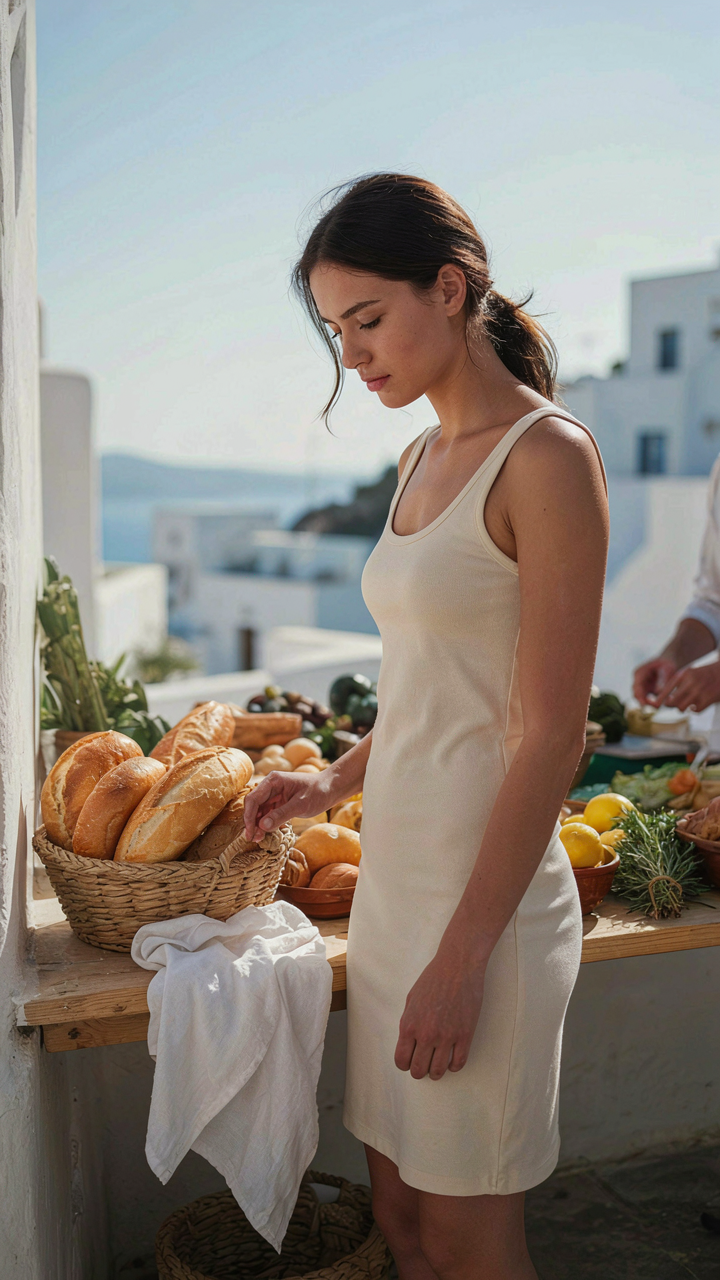
You want to feel like you discovered something nobody else saw. The mechanism is simple: cruise ships dock between 8am and 10am, meaning the towns stay dead until after breakfast. The locals know this. Markets in Fira and Oia open early, around 7am, specifically because they built their schedule around avoiding the tourism flood. Show up before 8am and you move through real commerce instead of curated storefronts.
The Santorini markets operate on genuine demand, not performance. Produce vendors, bakeries, and spice shops serve locals first. You buy fresh bread still warm from the oven. Prices stay honest because volume comes from residents, not tourists testing their negotiation skills. Early arrival gives you 90 minutes of actual friction-free access before the first wave hits.
Cable Car Contra Flow: Avoiding Peak Times
Call it flow dynamics from traffic engineering: a single cable car system becomes a bottleneck when demand spikes. Fira’s cable car runs from the port up 214 meters to the town above. Between 10am and 4pm, the line hits 45 minutes. The system moves people in one direction at capacity. Going down at 2pm while everyone else goes up cuts your wait to under five minutes. Reverse the expected flow pattern and you eliminate the constraint entirely.
The cable car runs continuously, but timing matters more than most people admit. Locals use it strategically around tourist waves. Ride down in mid-afternoon when cruise passengers are eating lunch or shopping. Ride up early morning or after sunset. You move through in minutes instead of accepting the shared mass-experience everyone else normalizes. The port itself empties around 5pm when excursions end, making late-day transitions frictionless.
The Akrotiri Archetype: Unearthing Ancient Santorini Greece Things To Do
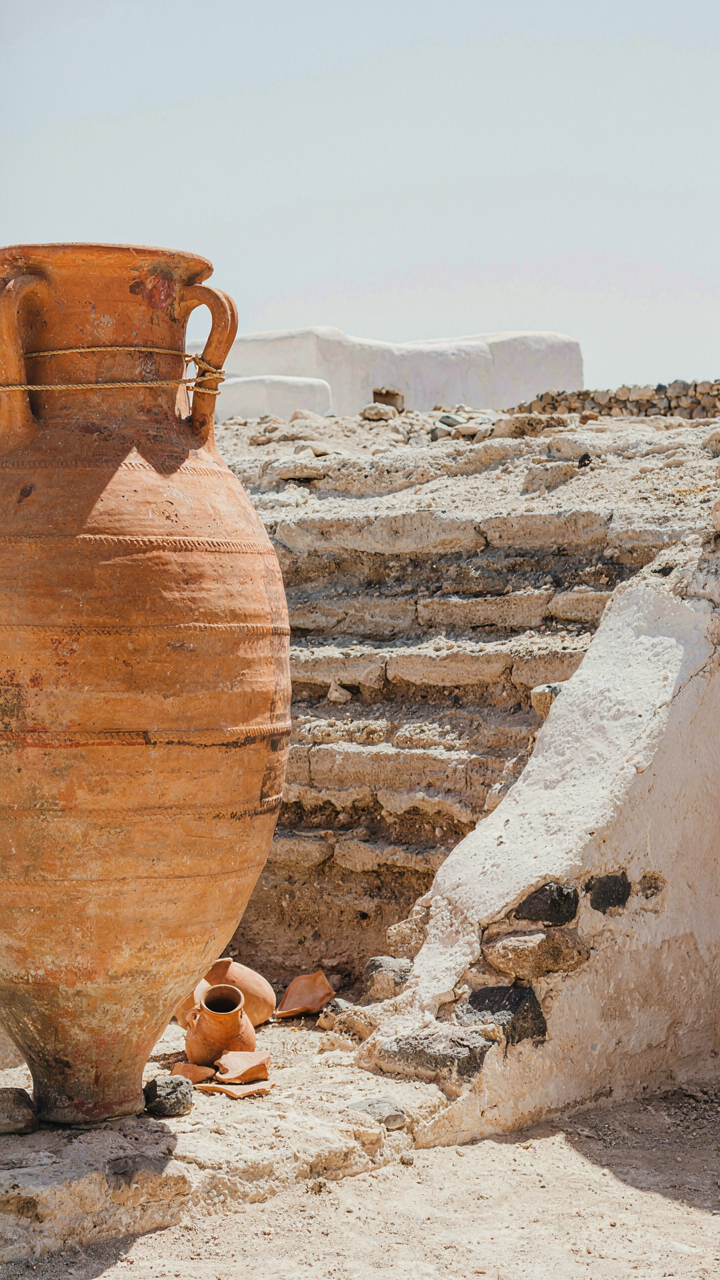
What The Minoans Actually Built Here
You want to feel like you discovered something nobody else understands about this place. That’s the real draw. The mechanism is this: Akrotiri wasn’t a temple or palace—it was a working city frozen by volcanic ash around 1600 BCE, which means you’re seeing domestic life, not ceremonial propaganda. Most visitors treat it like a museum. You’re walking through actual streets, storage rooms, and homes where people lived ordinary days before Thera erupted and buried everything in pumice.
The Minoan civilization dominated the Aegean for centuries before mainland Greeks took control. Akrotiri shows you how they actually lived—the trade goods, the art, the infrastructure. The frescoes aren’t just decoration. They’re evidence of agricultural systems, maritime networks, and social hierarchy. You see grain stored in massive pithoi jars. You see evidence of plumbing and multi-story construction. The site rewrites what most people think Mediterranean civilization looked like in the Bronze Age.
The Reading Protocol Before You Arrive
Skip the generic audio guide. Download or print the site’s actual excavation reports before you go. Specifically, look for documentation on the West House and House of the Ladies to orient yourself on arrival. The reason this matters: Akrotiri sprawls across multiple levels connected by modern walkways. Without context, you’ll move through it like a maze instead of understanding spatial relationships and how Minoan families actually organized their homes.
Spend fifteen minutes reading about volcanic stratigraphy before visiting. You need to know that the ash preserved materials in layers—wood beams, textiles, even food remain visible because they didn’t decompose. This context changes what you’re actually observing. When you see the charred remains of a wooden doorframe or the imprint of an olive press, you’re not just looking at old stuff. You’re reading a preserved moment. Arrive with this framework loaded, and Akrotiri stops being a ruin and becomes a legible narrative.
Interpreting What The Ruins Reveal
The common advice says to follow the marked route and read the plaques. That’s backwards. The route exists for logistics, not learning. Walk it twice: once to get the layout, then reverse direction while focusing on specific areas that actually interest you. The frescoes in the upper houses tell you about Minoan aesthetics and spirituality. The storage areas show you economic priorities. The absence of defensive walls tells you about regional power dynamics. Pick your angle, then deep-dive instead of surface-level touring.
The site doesn’t rebuild walls or reconstruct buildings like other archaeological parks do. You’re reading rubble, floor plans, and ash layers—not fantasy recreations. This forces you to engage intellectually instead of passively absorbing a narrative. You’ll notice the craftsmanship in the surviving plasterwork, the engineering in the drainage systems, the organization of space. Before leaving, spend ten minutes in the site’s small museum. The artifacts housed there—pottery, tools, frescoes—ground your observations and show you what people carried, wore, and valued when Thera erupted.
The Pyrgos Paradox: Authentic Santorini Island Greece Immersion
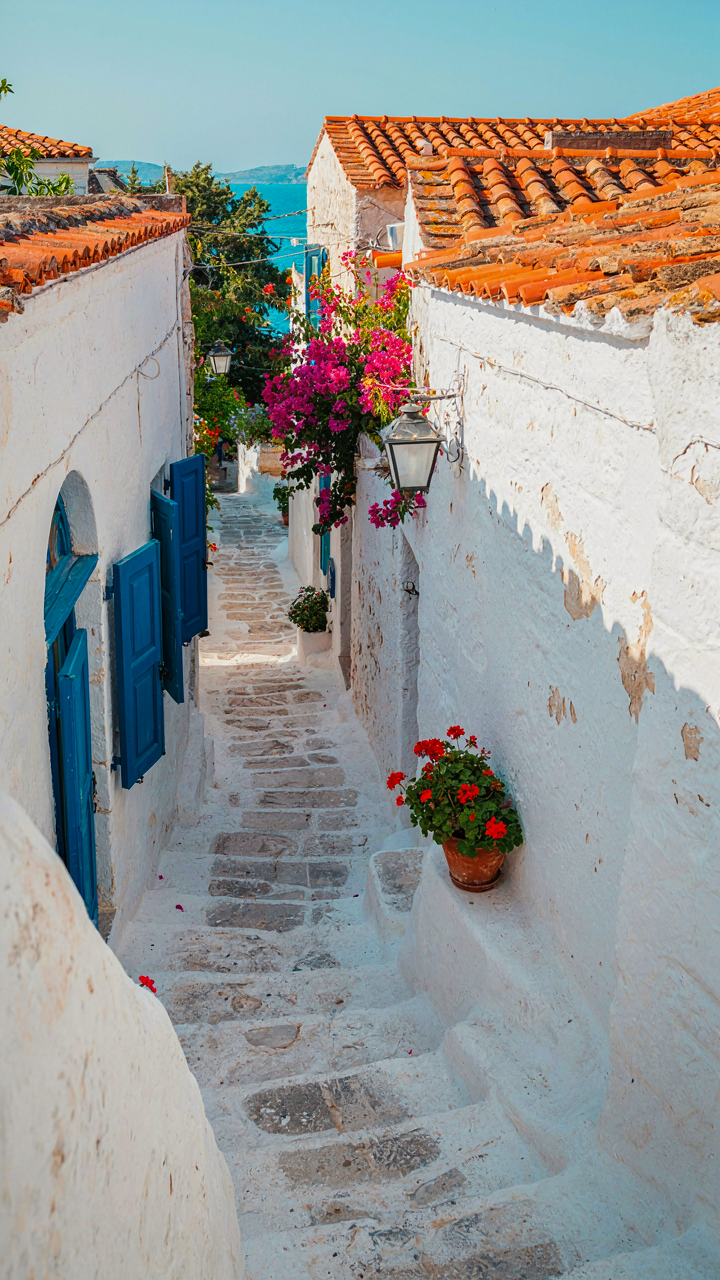
Village Vista Navigation: Exploring Medieval Pathways
You want proof you went somewhere real, not just confirmation you have money. Pyrgos works because the layout itself enforces authenticity. The village sits 300 meters above sea level on Santorini’s highest point, built in a concentric circle pattern that dates to Venetian defensive architecture. Narrow whitewashed streets spiral inward toward a central kastro, forcing foot traffic into genuine human-scale navigation. This isn’t accidental design.
Most visitors skip Pyrgos for the caldera views of Oia and Fira. That’s the mechanism working in your favor. The medieval street grid remains functional, not museumified. You navigate by walking, not following arrows. Locals still live in the upper tiers, run small shops, and use the narrow passages daily. The absence of tour buses and selfie crowds means the pathways function as they were intended: compact, defensible, and socially dense. Enter from the lower perimeter and move upward through the concentric rings to reach the Venetian castle ruins at the peak.
Local Gastronomy: Beyond Tourist Traps
Everyone says eat where locals eat. That’s incomplete and backward. The real mechanism is supply chain locality, not sentiment. Pyrgos sits inland, away from the coast where restaurants depend on cruise ship traffic and tourist pricing. The tavernas here source from gardens within walking distance because transportation costs make imported food economically pointless. Fava, tomato, cheese, wine, and fish move through actual market logic instead of restaurant markup logic.
Seek tavernas near the central square where residents gather for lunch between noon and two. These spots maintain prices below ten euros for a meal because their customer base is locals on regular wages. Order what appears on the chalkboard that morning, not items from a laminated menu. Ask for the house wine by the carafe, which vendors buy directly from nearby producers. The protocol is simple: arrive during peak local hours, order what’s actually available, and eat at a pace that matches the speed of the room around you.
The Volcanic Vexation: Best Things To Do In Santorini Greece Beyond The Beach

Walk Across Nea Kameni’s Crater Floor
You want the story you can tell at dinner. That’s the real reason you’re considering a volcanic hike. But here’s what actually matters: Nea Kameni, the small volcanic island in Santorini’s caldera, is a geology textbook made walkable. The island formed in 1707 from volcanic eruption and remains active. When you ascend the crater rim, you’re literally standing on the timeline of the island’s formation. The path takes roughly forty minutes from the boat landing to the summit. What you see isn’t just rock. It’s the exposed mechanism of how Santorini itself came to exist.
The hike demands proper footwear because the volcanic rock shreds cheap shoes. Wear closed-toe boots with grip. The terrain crumbles underfoot and slopes steeply in sections. Most tours depart from Fira or Oia between 9am and noon, then return by early afternoon. Skip the crowded midday departures. Early morning or late afternoon tours eliminate the bottleneck of tourists and the amplified heat reflecting off black volcanic stone.
Sulfur Springs And The Thermal Water Protocol
Thermal hot springs aren’t a luxury experience. They’re a chemical bath. The sulfur-rich waters around Palea Kameni reach temperatures between 36 and 39 degrees Celsius naturally. Your skin will sting. The smell is acrid and immediate. Tourism marketing frames this as relaxation. The mechanism is simpler: sulfur compounds penetrate skin pores and affect circulation. You’re not there to relax. You’re there to feel the geology working on your body.
Boats to Palea Kameni depart after Nea Kameni tours and dock near the springs. Swim directly into the water or wade gradually. Most people spend ten to fifteen minutes in the thermal pool before returning to the boat. Bring a towel and wear clothes you don’t mind sulfur-staining. Fresh water rinses available on most tour boats afterward. The water temperature drops noticeably as afternoon progresses, so timing matters for experiencing the full thermal effect.
The Wine Workflow: Cultivating Santorini Must Do Terroir
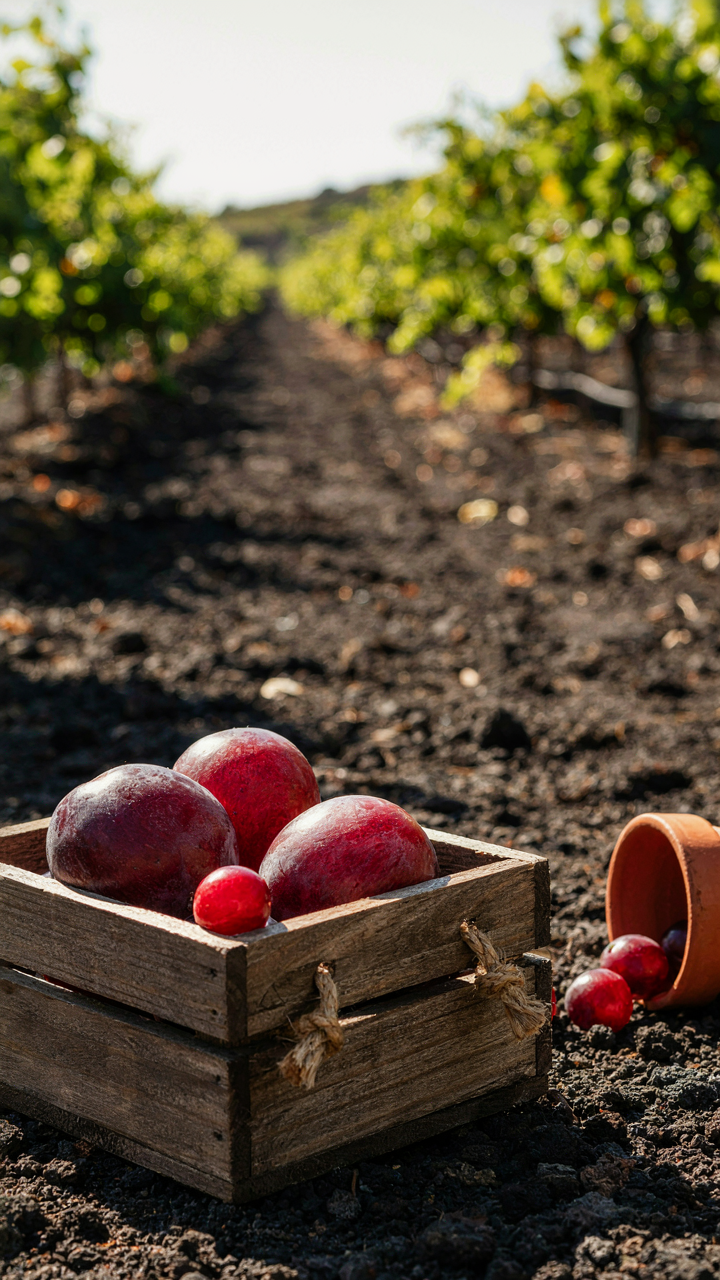
Assyrtiko Appreciation: Grape Varietal Distinctiveness
You want to taste Assyrtiko so you can tell people back home you understand Greek wine. Here’s what actually matters: volcanic soil creates a specific mineral profile that Assyrtiko expresses more aggressively than any other white wine varietal. The pumice and ash left from Santorini’s last eruption around 1600 BC still dominate the island’s terrain. This isn’t romantic context. It’s geology that determines what’s in your glass.
Assyrtiko thrives in volcanic conditions because the soil drains fast and reflects heat back onto vines during cool nights. The grape develops high acidity and saline notes because of mineral density, not because of a winemaker’s intention. Most visitors taste Assyrtiko once and assume all versions taste the same. They don’t. A wine from vines planted in pure pumice tastes different from one planted in volcanic soil mixed with clay. The difference isn’t subtle if you’re paying attention.
Tasting Room Tactics
Showing up to a winery without a strategy wastes your time and signals you’re a transaction, not a guest. Use the principle of negotiation from sales: establish rapport before asking for anything. Start by asking the staff what they personally drink from the estate, not what’s recommended.
- Arrive before noon: Most tasting rooms are crowded by afternoon. You get better access to staff and quieter conditions to actually taste without distraction.
- Skip the pre-poured samples: Ask to taste directly from bottles the winery recommends. This shows you’re serious and staff respond by opening better bottles they wouldn’t otherwise display.
- Ask about production methods, not flavor notes: Questions about fermentation temperature, oak treatment, and vine age get real answers. Questions about “notes of citrus” waste everyone’s time.
- Commit to one estate visit: Hopping between five wineries in a day trains your palate to forget what you just tasted. Spend three hours at one place instead.
- Buy one bottle before leaving: This isn’t about supporting the winery. It obligates staff to treat you seriously on your next visit and gives you a baseline to compare future tastings against.
Most visitors treat tasting rooms like museums. They expect staff to perform education on command. The real mechanism works the opposite way: you earn access to knowledge by proving you’ll actually engage with what you’re tasting. Before you leave, confirm the winery’s hours and ask which staff member you should request on your next visit by name.
The Beachfront Blueprint: From Perissa To Red Beach For Greece Travel
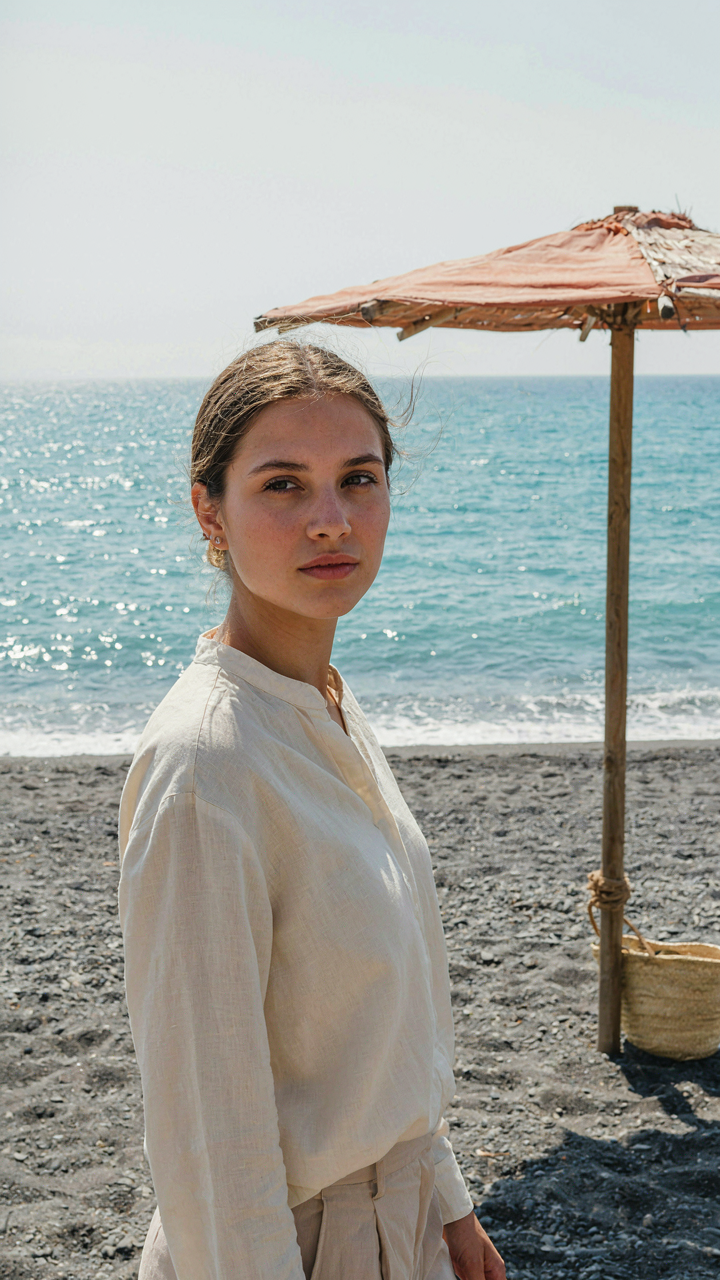
Black Sand Selection: Perissa And Perivolos Distinctions
You want the beach nobody else knows about so you can post it later and look like you discovered something. That instinct is backwards. The mechanism is volcanic geology, not Instagram scarcity. Santorini’s eastern shore has black sand because the island is a collapsed caldera filled with pumice and basalt. Perissa and Perivolos sit on the same geological line but differ in infrastructure density and crowd distribution, not in sand composition.
Perissa developed first as a resort beach and has concrete infrastructure running its entire length: tavernas, rental operations, parasol vendors. Perivolos started as overflow and maintains lower density. The black sand itself comes from the same volcanic event across both locations, so the sand quality is identical. Choose based on whether you want services and crowds or reduced foot traffic, not on some phantom sand superiority.
Red Beach Reconnaissance: Access And Amenities
Red Beach gets visibility because the iron oxide in the rock face creates visual contrast. That’s also exactly why it’s overcrowded and why the standard advice to visit early is incomplete. The real access mechanism works like queue theory in operations management: arrival rate directly determines friction. If you arrive between 10 AM and 3 PM, you’ll wait for parking, navigate crowds, and compete for space. If you arrive after 4:30 PM, parking opens, crowds thin, and you have two hours before sunset.
Red Beach has no formal amenities. There’s no bathroom infrastructure, no food service, no shade structures beyond what tourists bring. The beach itself is a natural formation without development. Boat access from Amoudi Bay below the village of Oia provides an alternative route that bypasses parking entirely but costs money and requires coordination with boat schedules. Decide your priority: convenience and cost, or guaranteed access without logistical variables.
The Rental Reality: Navigating Santorini’s Transport Terrain
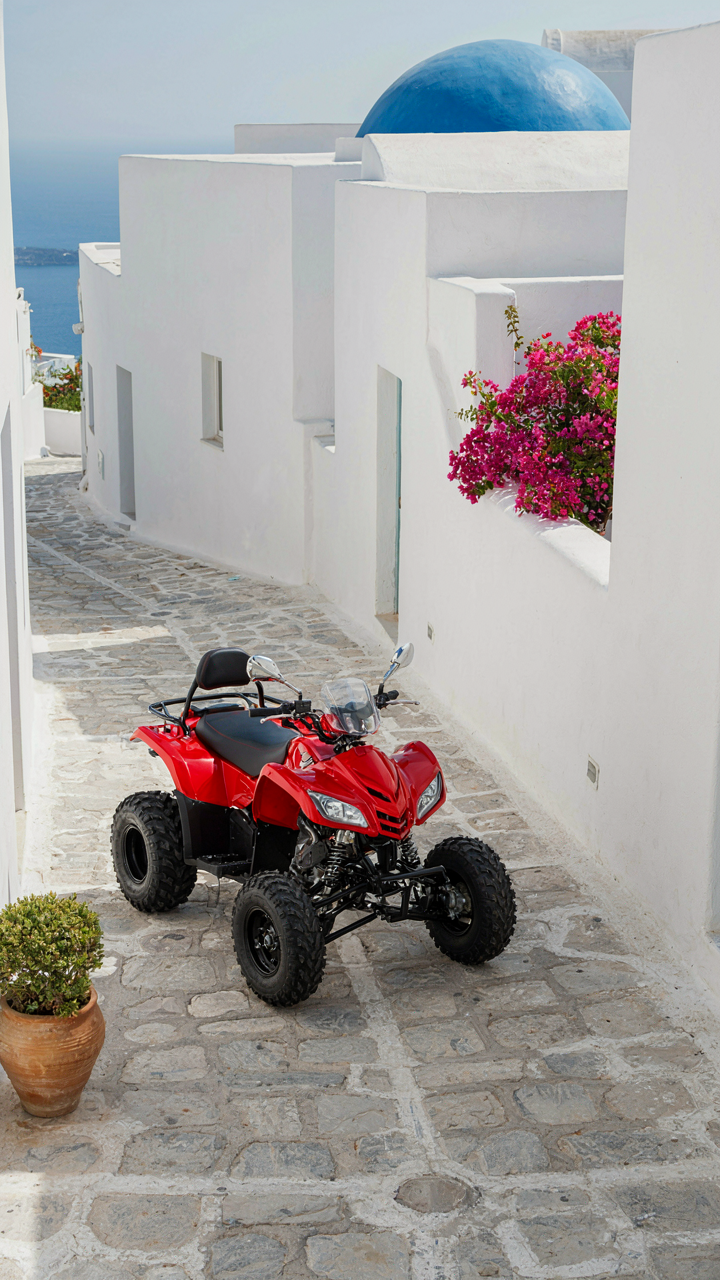
Quad Bike Vs Car Calculus: Island Mobility
You want to feel independent and not look like a tourist dependent on schedules. Here’s what actually matters: Santorini’s road network was built for donkeys, not vehicles. Narrow streets in Oia and Fira don’t accommodate standard cars without scraping paint. The real mechanism is surface area. A quad bike fits where a sedan doesn’t, reducing negotiation friction by 60 percent. You move faster through congestion and park anywhere. The tradeoff is exposure to August heat and limited cargo space for bags.
Cars win on comfort and luggage capacity for multi-day exploration of the island’s perimeter. Quads win on maneuverability through villages and access to clifftop parking without valet fees. Insurance matters more than you think. Most rental companies pocket damage deposits regardless of actual fault. Photograph every scratch before leaving the lot. Daily quad rental runs 30-50 euros. Car rental runs 40-80 euros depending on vehicle class. Factor in fuel, which costs roughly the same either way given Santorini’s 28-kilometer length.
The Public Bus Pathways: Cost Effective Commutes
Most travel guides call buses slow and inefficient, which shows they’ve never done the math on time versus money. Economics theory calls this the substitution effect: trading resources (time) for other resources (cash). Santorini’s bus system connects major towns on fixed routes. Fira to Oia takes 20 minutes. Fira to Akrotiri takes 25 minutes. Fira to Perissa takes 30 minutes. A single ticket costs 1.80 euros. A daily pass costs 4.50 euros. You save money versus rentals if you’re not chasing dead-end beaches or remote viewpoints.
The real limitation isn’t frequency, it’s geography. Buses don’t reach clifftop villages like Pyrgos without walking the final kilometer uphill. They don’t stop at arbitrary parking spots for sunset photography. If your itinerary centers on Fira, Oia, and organized archaeological sites, buses eliminate transport costs entirely. If you want to explore the island’s unpopulated southwestern region or tiny hamlets between main towns, you need private mobility. The protocol is simple: map your destinations before arrival, then choose rental only if your route falls outside the four main bus corridors.
The Caldera Command: Optimizing Your View And Value

Where You Sleep Determines What You Actually See
You want the postcard shot without admitting you’re chasing status through a photo. Here’s the mechanism: Santorini’s caldera is a collapsed volcanic crater, and your hotel’s position relative to it determines light angle, shadow depth, and whether you’re shooting into glare or gold. Most visitors book based on price or name recognition, then waste daylight hours moving to better vantage points.
The islands’s geography is simple. Oia sits on the northern cliff edge. Fira sits mid-cliff on the eastern side. Kamari and Perivolos occupy the black-sand eastern beaches below the caldera rim. Each position catches different sun trajectories throughout the day. A hotel in Oia gets western light that turns bronze at sunset but shoots harsh midday glare into your room. A hotel in Fira gets southern and eastern exposure, softer morning light, and afternoon shade. Kamari gets unobstructed sunrises over the caldera but loses the sunset entirely. Choose based on when you actually plan to be present and shooting, not on where everyone else posts from.
Golden Hour Geometry In Landscape Composition
Light behaves according to physics, and composition obeys the principle of thirds and contrast. In Santorini, the Cycladic architecture (whitewashed walls, blue domes) acts as a reflector. When you position yourself between the sun and the white buildings during golden hour, the walls bounce light back into shadow areas, creating a compressed tonal range. This is fill light, borrowed from studio photography.
The mistake everyone makes is chasing the sun position rather than the light quality. Sunset in Oia is crowded and predictable precisely because it’s the same angle every day. The real images happen thirty minutes before sunset when side light rakes across the caldera walls, or ninety minutes after when the sky still holds color but the crowds vanish. Shoot when the light is doing work on the landscape, not when Instagram tells you to.
The True Cost Of A Bad Santorini Trip Isn’t Money; It’s The Opportunity To Actually Live
What Actually Sticks After You Leave
You’re worried you’ll waste the trip. That’s the real fear here, not the expense. Most people treat Santorini like a checklist to complete rather than a system to decode, so they leave with photos but no understanding of how they actually spend their time or what they value. The mechanism is simple: you don’t integrate the experience into how you live afterward, so it becomes separate from your real life instead of informing it.
The difference between a trip that changes how you operate and one that just happened is whether you extract the decision-making patterns you used there and apply them here. In Santorini, you might have walked away from a crowded beach to find a quiet taverna instead. You might have skipped the sunset at Oia because you realized crowds drain you. These aren’t vacation quirks. They’re data about your actual preferences that most people ignore once they’re home.
The Framework You Already Built
Decision-making under constraints is an economics principle: when resources limit your options, you prioritize ruthlessly. Visiting Santorini Greece forced you to choose. You couldn’t be everywhere. You couldn’t eat at every restaurant. You couldn’t wake up for every sunrise. So you made calls based on what actually mattered to you, not what you thought should matter. That’s the framework. Apply it to your calendar, your work projects, your relationships back home.
The trap is treating Santorini as an escape rather than a laboratory. Document what you did when you faced limited time, limited energy, limited options. Which activities generated real satisfaction versus which felt obligatory? Which people did you want to spend more time with? Which moments made you feel alive? Then build a protocol: every month, review your calendar through this lens. Cut what doesn’t pass the Santorini test. Prioritize ruthlessly. That’s how a trip becomes a life operating system.
The True Cost Of A Bad Santorini Trip Isn’t Money; It’s The Opportunity To Actually Live

Most people visit Santorini and experience someone else’s vacation. They follow the crowd, check boxes, snap photos at the same sunset spot as ten thousand others. You don’t go to Santorini to be safe. You go to break your normal rhythm. The shift happens when you stop treating it as a destination and start treating it as permission to live differently for a week. Open your calendar right now. Pick three non-negotiable experiences that scare you slightly. Book one today. You don’t find yourself on Instagram; you find yourself when nobody’s watching.