

The Palawan Paradox: Escaping Tourist Traps

Why Generic Itineraries Fail You
You want to feel like you discovered something real, not just checked boxes everyone else checked. The mechanism is simple: most travel guides are written for the median tourist, which means they route you directly into congestion. Palawan’s popular circuits—El Nido, Coron, Puerto Princesa—operate on predictable schedules. You arrive when ten thousand others arrive. You eat where the guidebook says to eat. You photograph what everyone photographs. The itinerary becomes a filter, not an experience.
The real move is recognizing that consensus recommendations in Palawan aren’t wrong, they’re just depleted. The islands still exist exactly as described. The problem is density. You need a time-shifting strategy instead of a route-shifting one. Visit known spots during shoulder seasons or off-hours. Go to Bacuit Lagoon at dawn, not midday. Eat lunch at 11 AM or 2 PM, not noon. This costs nothing and erases 80% of the crowd dynamic. The itinerary stays the same. The experience becomes unrecognizable.
Knowledge Nobody Shares About Local Rhythms

What locals actually do in Palawan doesn’t appear in blog posts because it’s not photogenic and doesn’t fit a vacation narrative. Real locals in Puerto Princesa fish at specific tidal windows and shop at barangay markets, not the tourist markets. They know which barangays have working karaoke bars where you sit with actual people, not tourists performing authenticity. In El Nido, the fishing boats leave before tourists wake up. The best calamansi is sold by women at 5 AM near the municipal building, not in tourist markets where it’s marked up 300%.
The protocol is direct: ask hotel staff what they do on their day off, not what tourists should do. Ask drivers where they eat when they’re not working. Ask people selling to tourists where they sell to themselves. You’ll learn that specific barangays in Taytay have better seafood markets and cost half of Coron’s prices. You’ll find that certain coastal roads only open during low tide, which creates natural time windows when fewer visitors exist. Information travels slow in Palawan by design. Locals don’t gatekeep. Tourism infrastructure just doesn’t capture it in marketing materials.

Decoding The Philippines Travel Map: Strategic Navigation

Island Hopping Without The Wasted Days
You want the itinerary that makes you look informed to people back home. The real mechanism is this: most travelers treat Palawan as a single destination when it’s actually a logistics puzzle. Treat island selection like supply chain management, not tourism marketing. Your constraint is ferry schedules and weather windows, not Instagram aesthetics.
Palawan’s geography forces a choice. Puerto Princesa sits on the main island. El Nido anchors the north. Coron dominates the middle. Picking two of these three works. Picking all three burns two days in transit alone. The standard advice says “see everything.” That’s how you spend forty percent of your time on boats and lose the actual texture of any place.
Getting There Matters More Than You Think
People obsess over which island to visit and ignore when to leave each one. This determines whether you encounter other tourists or locals running their actual lives. A Tuesday morning ferry to Coron carries half the passengers of a Friday afternoon departure.
Book your ferry routes before arrival, not from your hotel. Schedules shift seasonally and operators change frequency without updating websites. Call operators directly or ask your accommodation two days prior. The standard guideline of “just show up” costs you real options. Transit timing isn’t logistics friction. It’s the lever that controls whether you see Palawan or a Palawan postcard.
The Palawan Ecosystem Protocol: Conscious Exploration

What Tourism Actually Does To Coral
You want to feel like a good person while traveling. That’s the real reason you’re reading this. Here’s the mechanism: coral reefs near Palawan’s popular sites experience stress from boat anchors, sunscreen chemicals, and physical contact. The reef operates as a living system where each polyp colony takes decades to rebuild after damage. One careless anchor destroys what took 20 years to grow. Most visitors never see this cause-and-effect because the damage isn’t immediate or visible.
Fish populations around El Nido and Coron have declined measurably over the past 15 years due to fishing pressure combined with tourist foot traffic. The Philippines banned destructive fishing methods, but enforcement remains inconsistent in remote areas. When you visit a snorkeling site, you’re competing for space with commercial operators who prioritize volume over impact. The reef doesn’t recover faster because more tourists arrive each year. Demand outpaces the ecosystem’s regeneration capacity.
Behavior Changes That Actually Work
Forget generic eco-tourism language. The concrete action is this: don’t touch anything in the water, anchor nowhere near coral, and use only reef-safe sunscreen without oxybenzone or octinoxate. These aren’t suggestions. They’re requirements if you want the reefs to exist in five years. Most resorts and tour operators in Palawan now provide reef-safe sunscreen at checkout, but you verify the ingredients yourself because labeling gets misleading.
Book with operators who use mooring buoys instead of anchors. Palawan Marine National Park enforces this in designated zones like Bacuit Archipelago. When you snorkel, stay in designated areas where guides have already established low-impact routes. Wear a rash guard instead of touching coral for balance. The mechanism is simple: your physical presence either accelerates reef death or doesn’t. There’s no middle ground. Request your tour operator’s waste management protocol before booking. If they can’t explain how they dispose of trash and wastewater, find another operator.
Beyond El Nido: Unseen Palawan Things To Do
Where The Tourist Map Ends
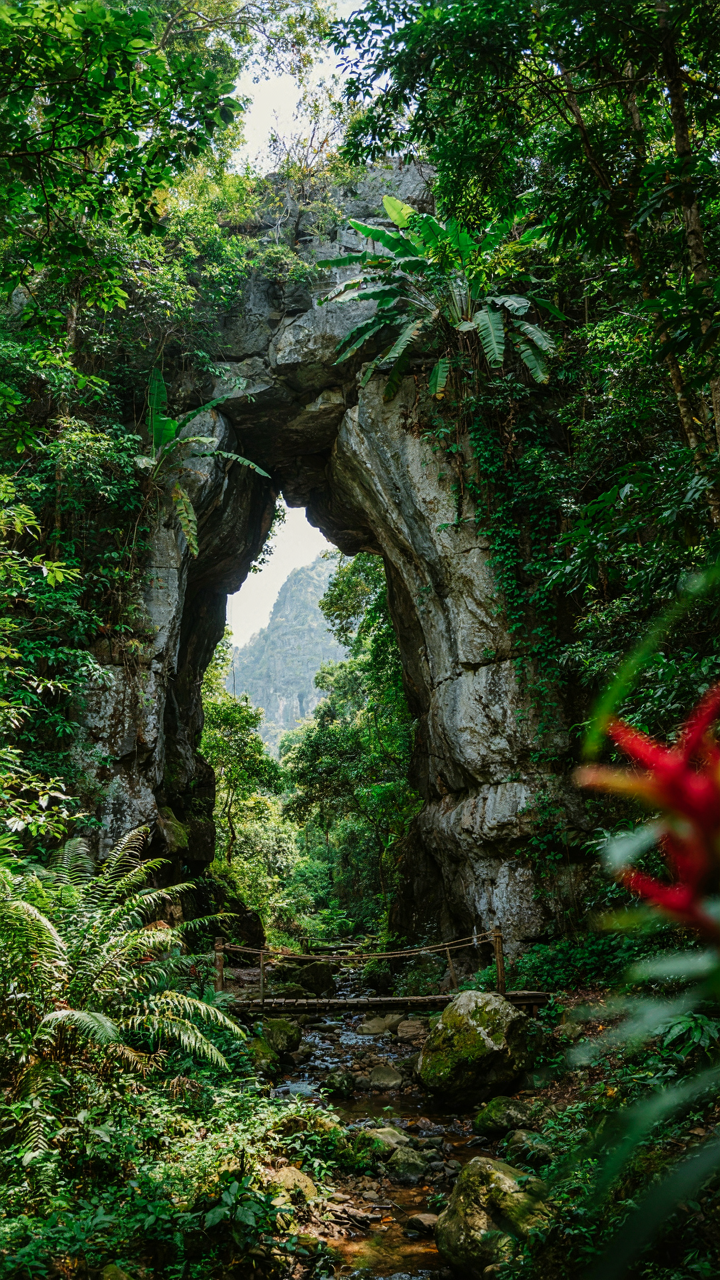
You want to tell people you went somewhere real, not somewhere everyone posts from. The mechanism is simple: El Nido saturates fast because it’s a bottleneck. Every tour operator funnels visitors through the same limestone coves. Puerto Princesa, Coron, and the southern municipalities receive a fraction of that traffic, which means less infrastructure collapse and lower prices. The venues worth visiting aren’t hidden because they’re secret. They’re ignored because they require independent navigation instead of packaged tours.
Tabon Caves sits inland from the coast near Quezon, requiring a two-hour drive from Puerto Princesa and a guide who knows the system. The cave system contains Paleolithic burial sites and evidence of human habitation dating back thousands of years. Busuanga Island, north of Coron, holds World War II wreck dives in water columns deeper than El Nido’s lagoons, with visibility that swallows your depth gauge. Culion Island operated as a leper colony under Spanish rule and later American administration. The medical history and architecture remain intact. These aren’t marketed because they demand effort beyond resort comfort, which filters out the Instagram circuit entirely.
Rituals That Require Presence
The common advice treats cultural experience like a checkbox. Visit a local village, buy crafts, take photos, leave. That’s anthropology as transaction, and locals know the difference. Real engagement in Palawan means showing up to actual community functions instead of staged performances. The Batak people of Palawan’s interior have specific seasonal fishing practices tied to monsoon timing and lunar cycles. You don’t observe this by booking a cultural tour operator. You ask a guide from the area to introduce you to someone who actually practices it, then you commit multiple days to being present while work happens, not while you’re being entertained.
The Calamianes Islands host smaller fishing communities where daily life doesn’t revolve around tourism revenue. Spend time in Coron town itself, not just the island tours departing from it. Local markets operate on specific days. Residents speak Tagalog, Cuyonon, and English selectively. Building credibility takes time. The protocol is direct: hire a local guide for a full week, pay them a daily rate, and ask them to show you work, meals, and conversations as they happen, not as programmed stops. Don’t ask permission to photograph. Build enough familiarity that the camera becomes irrelevant.
The Correlative Economics Of Island Living
What You Actually Pay For Out Here
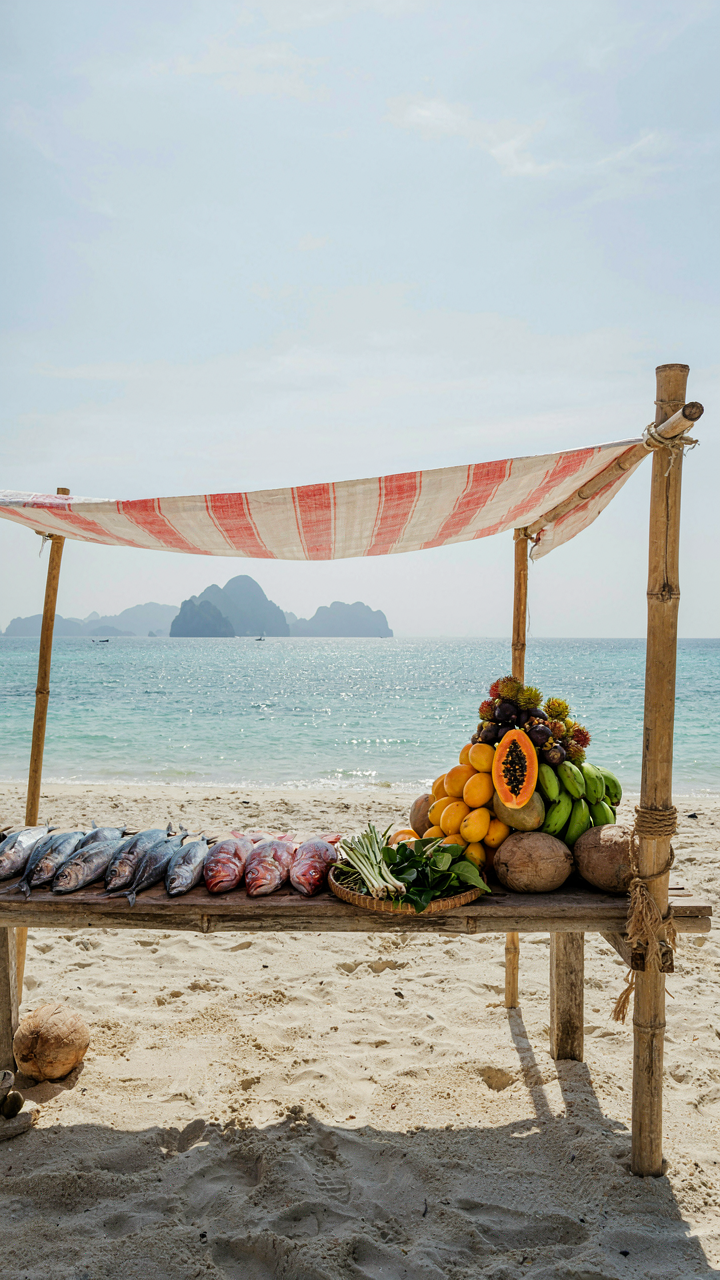
You’re looking for a deal, which means you’re probably going to get overcharged. Economics teaches us about supply and demand, but Palawan operates on a harder principle: isolation creates captive markets. Boat fuel costs money to transport. Staff commutes from the mainland. Fresh produce arrives three times weekly if weather permits. The math isn’t hidden—it’s just uncomfortable to face before you book.
When you pay 800 pesos for a grilled fish that costs 120 pesos in Manila, you’re not funding greed. You’re funding the logistics tax. Island restaurants don’t price based on ingredient cost. They price based on what gets delivered, when it gets delivered, and how many tourists show up that week. A diver operator charging 2,500 pesos for a boat day isn’t stealing. He’s moving fuel, maintaining equipment that corrodes faster in salt air, and betting on weather. Recognize the mechanism and you stop resenting the bill.
Scarcity Determines What Gets Built
Remote areas don’t allocate resources the way urban centers do. Palawan has limited fresh water on most islands. Limited electricity generation. Limited waste disposal. This isn’t a tragedy—it’s the hard constraint that shapes everything. Resorts don’t exist where they can’t solve these problems. High-end operations invest in desalination and solar. Budget operations work around it or fail. You either stay where infrastructure exists or you stay somewhere that learned to build it.
The real play is timing your visit around what the islands can actually supply. Peak season (November to April) means full bookings and higher prices because demand outpaces capacity. Shoulder season (May to June) offers lower rates and shorter waits because the island has absorbed fewer people. Rainy season (July to October) floods some roads and cancels some tours, but prices drop and services still function in the accessible zones. Match your needs to what the island can physically deliver that week, not to what the marketing copy promises year-round.
Plan A Trip To Palawan: The Independent Traveler’s Playbook

Getting Around Without A Tour Operator
You want to feel in control instead of herded through a schedule with twenty strangers. Here’s the mechanism: Palawan operates on a hub-and-spoke model where Puerto Princesa is the central node, and every major destination radiates outward as a spoke. This is basic network topology—knowing it changes how you move.
Jeepneys are the workhorse transport in Palawan. They run fixed routes, charge by distance, and require no booking. From Puerto Princesa to El Nido takes roughly six hours via shared jeepney and costs around 500-600 PHP. The trick is boarding at the terminal early, not hailing from the street. Booking private vans costs triple but saves time. For island-hopping, bangka boats operate daily from each town and charge per person or per boat depending on group size. Negotiate transparently with boat operators before departure.
Gear That Handles Reality
What you pack determines whether weather ruins your plans or becomes a minor inconvenience.
- Lightweight rain jacket: Afternoon showers hit year-round in Palawan. Cotton soaks and dries slowly. A packable nylon shell weighs nothing and dries in an hour.
- Reef-safe sunscreen SPF 50+: UV intensity near the equator burns skin fast. Chemical sunscreens damage coral directly. Zinc oxide or titanium dioxide formulas protect both.
- Water shoes with grip: Limestone and sea urchins cut feet. Reef shoes cost 300-800 PHP locally and prevent infections that can derail a week of travel.
- Dry bag or waterproof pouch: Electronics fail when wet. A 10-liter dry bag costs less than replacing a phone. Essential for boat travel and beach days.
- Lightweight quick-dry clothing: Cotton takes days to dry in humidity. Synthetic blends dry in hours. Pack five shirts instead of seven heavy ones.
Palawan’s monsoon season (June-October) brings heavier rain, but travel remains possible. Pack medications for waterborne illness before arriving because pharmacies stock limited brands and require prescriptions for common antibiotics. Your body adjusts to tropical heat within three days, but dehydration happens silently—drink water before you feel thirst.
Best Road Trips In Palawan: Charting Your Own Course

Renting A Vehicle And Planning Routes
You want to feel independent and avoid tour group herding, but you’re secretly terrified of getting lost on unfamiliar roads. The mechanism is simple: renting a vehicle in Palawan works only if you understand what terrain actually exists versus what your GPS claims. Most rentals happen in Puerto Princesa through local operators. Roads deteriorate fast once you leave main highways. A manual transmission jeepney costs less but requires comfort with unpredictable mechanics. Automatic sedans work for coastal routes but fail on mountain passes.
Get your international driving permit before arrival because local police enforce this strictly. Book vehicles through your accommodation rather than airport kiosks—rates drop thirty to forty percent and operators know road conditions. Fuel stations cluster in Puerto Princesa and El Nido; gaps exist between these towns. Keep your tank above half full when venturing south toward Taytay or inland toward Coron. Insurance offered by rental shops covers basic liability but excludes off-road damage, so stay on marked routes unless you accept replacing tires and undercarriage parts yourself.
Navigate Risk Before The Road Tests You
Military strategy borrowed the term “asymmetric threat” to describe an opponent’s advantage despite numerical disadvantage. Palawan’s roads present asymmetric threats: pothole depth changes without warning, tricycles stop without brake lights, and bridge conditions shift seasonally. The real hazard isn’t speed but visibility—drive after dark and you lose the road itself to unmapped washouts and livestock.
Heavy rain renders some routes impassable within hours. Check weather forecasts and ask your accommodation about current road status before departing. Bring a basic first aid kit, bottled water, and phone battery pack because hospitals exist only in Puerto Princesa and Coron. If your vehicle breaks down, stay with it—locals stop to help, but wandering into unfamiliar areas creates actual risk. Keep your accommodation’s phone number saved and a physical map marked with your intended route so you can explain your location if you need assistance.
What To Do In Palawan: A Curated Disregard For The Obvious

Solitude In Crowded Places
You want proof you’re the type of person who goes off the beaten path. That’s the real sell. But here’s the mechanism: tourism in Palawan operates like supply and demand in economics. Everyone floods the same five spots, which means the actual edges exist nowhere near them. El Nido’s limestone cliffs pack tourists like a concert. Coron’s shipwrecks draw dive operators in predictable rotations. The real experience lives in the inverse relationship between accessibility and crowds.
Head to the interior limestone plateaus accessible only by boat-and-hike combos that require local guides from smaller barangays. Tabon Caves offers archaeological depth most tourists miss because it requires three hours of positioning before you arrive. Rock climbing at Railay or exploring unmapped cenotes near San Vicente forces you to move differently than the itinerary crowd. The mechanism isn’t novelty. It’s friction. You earn what others skip because it costs time they won’t spend.
Conversations That Build Something Real
Tourist interactions in Palawan happen on a transaction axis. You pay for a tour, take photos, leave. The alternative requires a different protocol. Hire the same guide for multiple days instead of booking new operators daily. This builds context. Ask guides about their family’s migration patterns to the island, their actual economic pressures, what they’d do if tourism disappeared. Stay in family-run accommodations in Puerto Princesa’s residential areas instead of resort zones.
Work with local fishermen through homestays that arrange actual fishing trips, not staged tourist versions. You participate in their labor rhythm, not an edited performance of it. The connection compounds because you’re present during work, not interrupting leisure time. This is how you move from observer to participant. The mechanism is consistent presence and genuine inquiry about survival, not aesthetics.
Cultivating Travel Inspiration For Palawan: Beyond The Feed

Where Real Experience Lives
You want proof that your trip mattered. The real mechanism here isn’t inspiration—it’s signal. You’re looking for something that proves to you (and maybe others) that you didn’t waste time on a generic beach vacation. Most travel advice tells you to “find what speaks to you” and calls it done. That’s incomplete. Inspiration without a filter becomes noise. You need a system to separate what actually changes your thinking from what just looks good in a photo.
Palawan forces this choice because it’s famous enough to be saturated with the same angles, the same stories, the same Instagram checkboxes. El Nido’s limestone cliffs, Coron’s wrecks, Port Barton’s quiet—everyone documents these identically. The separation point isn’t finding a new location. It’s asking what you want to understand about yourself through geography. Are you testing your physical limits? Examining your relationship to solitude? Studying how communities adapt to tourism? The place stays the same. Your engagement with it determines whether you leave with a memory or a mechanism for thinking differently.
How Discomfort Becomes Understanding
Travel psychology calls this “cognitive stretch”—moving beyond comfort to build new mental models. Palawan delivers this through specific friction points: dealing with boat schedules that don’t exist on paper, navigating language gaps in remote barangays, managing the physical toll of heat and humidity on a body built for different conditions. Most travelers treat these as obstacles to survive. That’s the wrong frame. They’re the actual education. When your meticulously planned day collapses because a boat captain decides not to run, you’re not learning about Palawan. You’re learning about your relationship to control and adaptation.
Document this friction deliberately. Not for content. For pattern recognition. Write down what frustrated you, what surprised you, what forced you to change your approach. Reread these notes six months after you leave. You’ll see where Palawan showed you something true about how you operate. That’s not inspiration. That’s data. Use it to shape how you work, how you plan, how you respond when reality doesn’t match your forecast.
The Real Obstacle Isn’t Finding Palawan’s Beauty; It’s Escaping Your Own Programmed Consumption
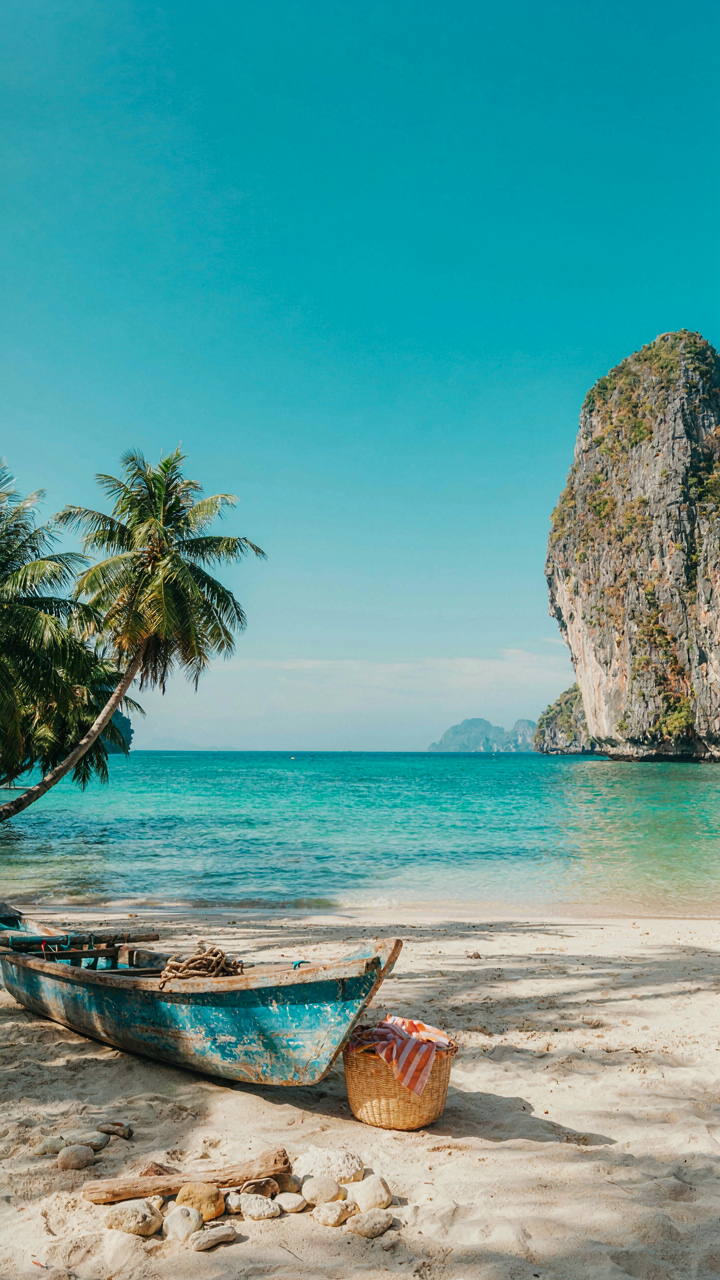
Most travelers visit Palawan to check a box, not to actually see it. You scroll Instagram, book the trending islands, take the same photos everyone else took last month, then leave unchanged. The real move? Ignore the algorithm. Pick one town. Stay longer than you planned. Talk to locals instead of other tourists. Your phone won’t make this trip memorable—your willingness to be bored enough to actually notice things will. Stop visiting Palawan like you’re shopping. Start living there like you belong.