
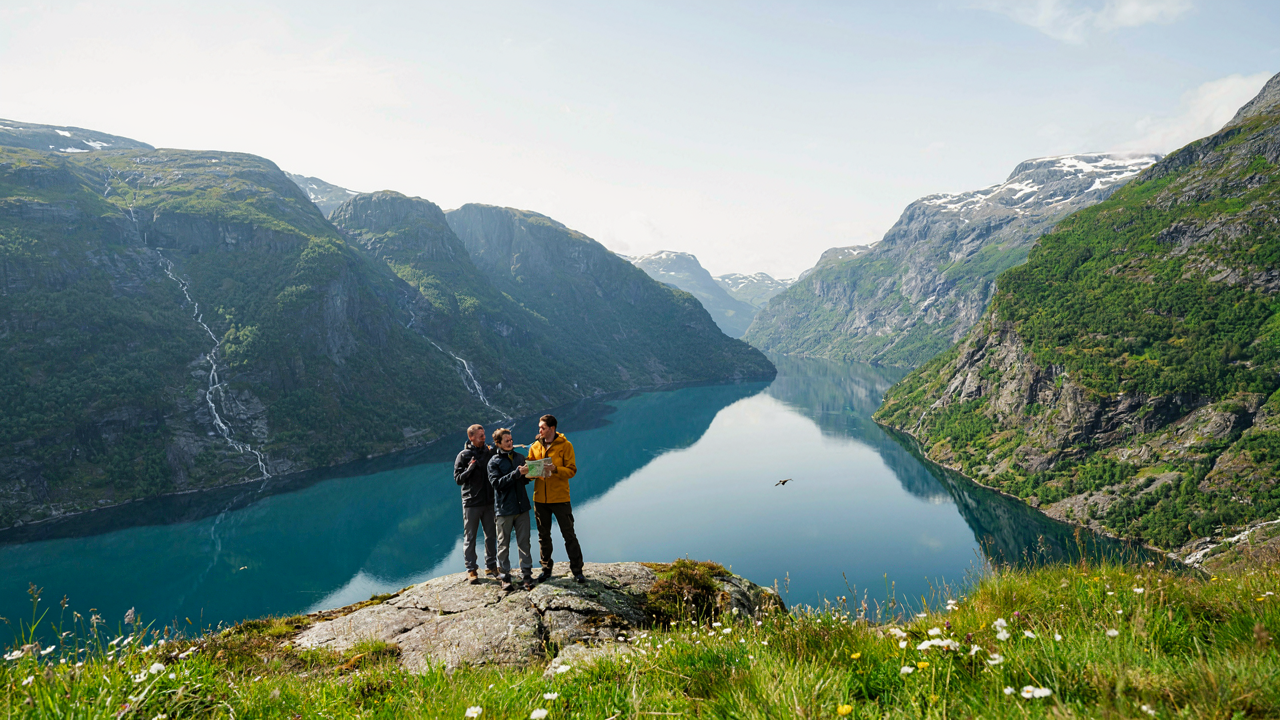
The Fjord Fallacy: Why Your “Scenic” Route Is A Trap
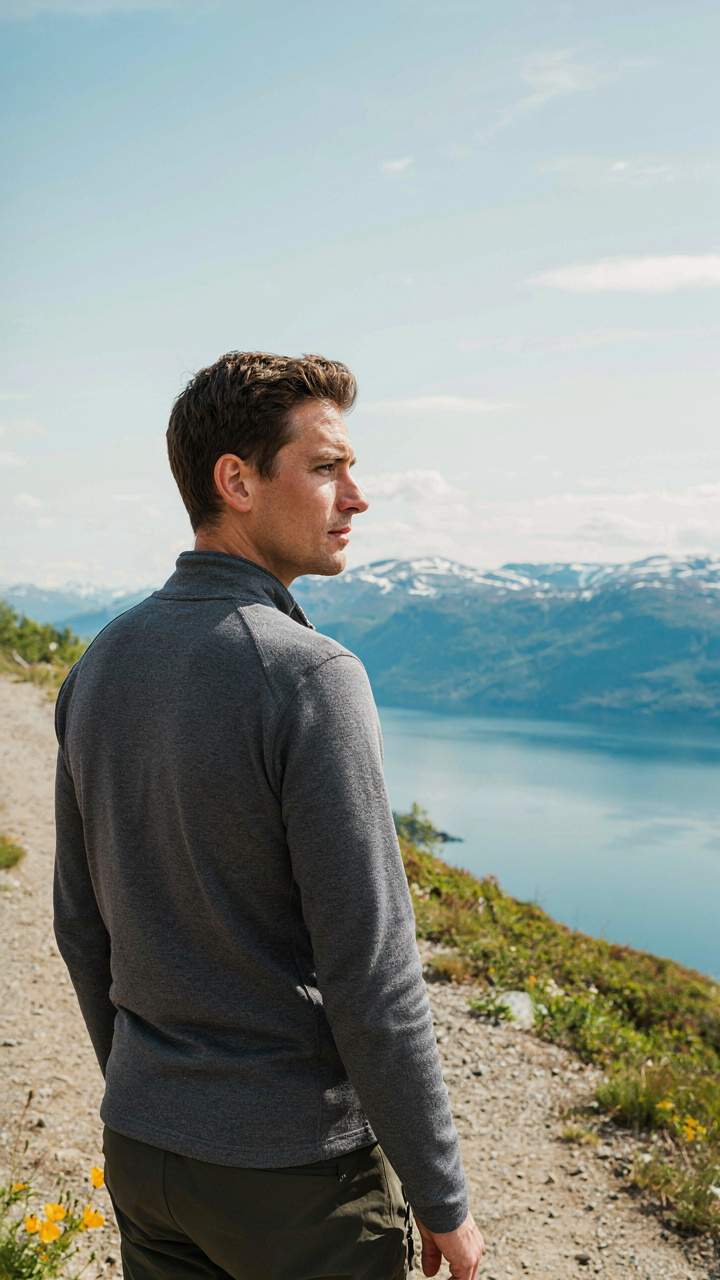
The Tourist Bottleneck Effect
You want proof you made the right choice visiting Norwegian fjords—that’s why you care about scenic routes. The mechanism at work here mirrors traffic flow dynamics: when everyone follows the same path to the same viewpoint, capacity collapses. Geirangerfjord, Sognefjord, and the Flam Railway aren’t scenic traps because they’re bad. They’re traps because they’ve become processing centers. Peak season turns these routes into logistics problems, not experiences.
The math is brutal. Geirangerfjord receives roughly 300,000 visitors annually on a fjord system that was never built to absorb that volume. You don’t get solitude or discovery—you get a queue in hiking boots. The commonly suggested itineraries route you directly into these nodes because guidebooks and travel sites amplify whatever already has reviews and photos. This creates a self-reinforcing loop that has nothing to do with actual quality.
Navigate Away From The Herd

Don’t take generic “must-see” lists as route planning. They’re popularity maps, not value maps. Hardangerfjord, Nærøyfjord, and the eastern fjords like Tele mark region receive a fraction of the traffic while maintaining identical geological features—waterfalls, glacier-carved valleys, steep granite walls. The difference isn’t the fjord. The difference is the crowd.
The real strategy is temporal arbitrage: visit known fjords during shoulder seasons (May or September) or travel to lesser-known systems entirely. Geirangerfjord in July is a mistake. Hardangerfjord in late September is the same geography without the performance. If you must visit peak-season destinations, start your day before 7 AM or plan your route for late afternoon when tour groups rotate out. The fjord exists the same way regardless of when you see it.

Decoding The Geology: How Fjords Actually Work
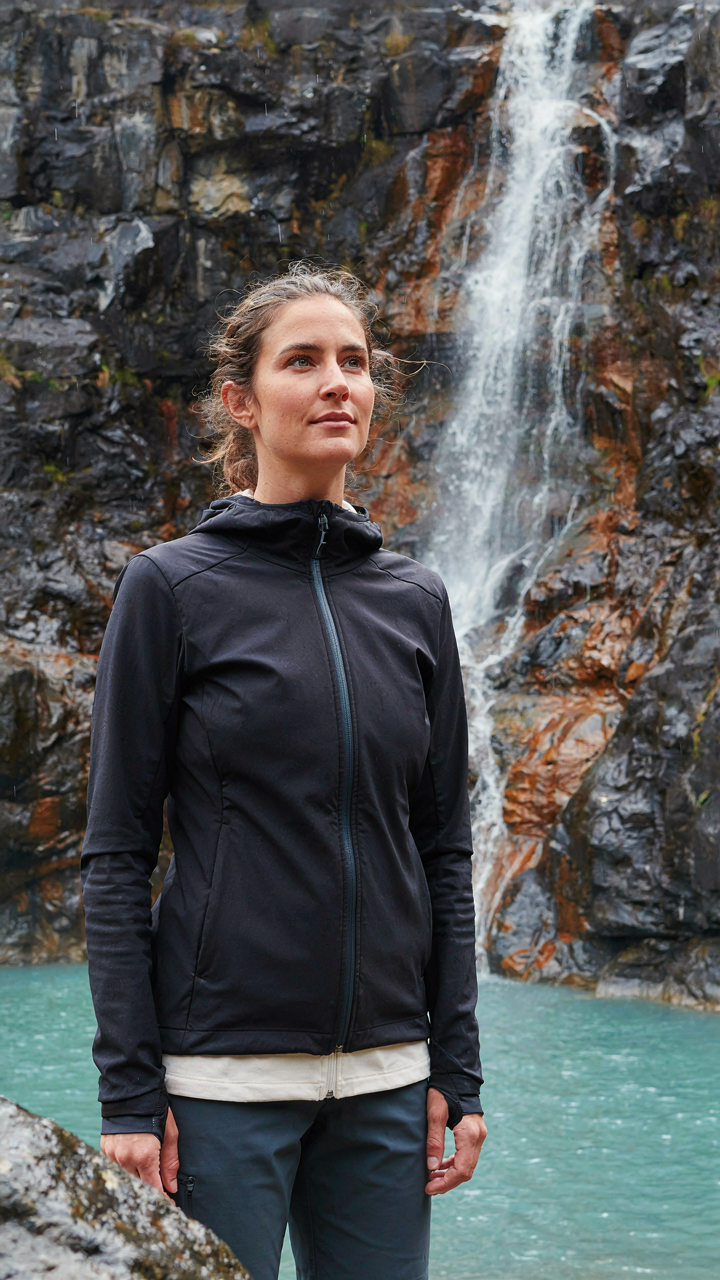
How Ice Carved The Depths
You want to understand fjords because they feel exclusive, like you’re accessing knowledge tourists skip over. Here’s the mechanism: glacial erosion works like a plow. During the last ice age, glaciers moved down existing river valleys with enough force to deepen them vertically instead of horizontally. The ice didn’t create the valleys—it weaponized them. Where rivers carved downward over millennia, glaciers carved down hundreds of meters in the same footprint, leaving U-shaped canyons instead of V-shaped ones.
The retreat 12,000 years ago left behind something critical: fjords go deeper underwater than they do above sea level. Most reach 200 to 1,200 meters below the surface. When glaciers melted, seawater flooded these over-deepened valleys. The fjord mouth sits shallower than the interior basin, forming a natural dam called a sill. This geography matters when you visit because it controls everything you see: water color, wildlife distribution, and accessibility at different seasons.
How Water Moves Through The System
Fjord hydrology borrows from fluid dynamics, and the lever here is stratification—layers of water at different temperatures and salinity that resist mixing. Fresh meltwater from glaciers pours into fjords and floats atop denser salt water like oil on water. This creates a visible boundary called a halocline where the color shifts dramatically. The fresh layer moves seaward along the surface while deep Atlantic water creeps inward along the bottom, creating a circulation engine that runs year-round without human input.
This circulation supports the ecosystem tourists actually care about: salmon, sea eagles, and seals all depend on this hydraulic structure. When fjords receive heavy glacial melt, the freshwater pulse strengthens stratification and colors the water milky blue—iron oxide particles suspended in the flow. When melt slows in winter, stratification weakens and water clarity increases. Visit during shoulder seasons if you want to photograph the system as it actually functions rather than at peak tourist aesthetic.
The Unseen Fjords: Beyond The Brochure Highlights

Where Locals Actually Go
You want to feel like you discovered something nobody else knows about. That’s not travel—that’s status collection. The real mechanism is simpler: most visitors follow the same three routes because guidebooks funnel them there, not because those routes are objectively best. The Geirangerfjord and Nærøyfjord dominate because they’re accessible and photogenic, which means they’re crowded and expensive. Overlooked fjords like Hardangerfjord offer identical geology and scale without the tourist infrastructure markup.
The key is understanding that Norwegian fjords follow the same formation pattern regardless of fame. Glacial carving created steep walls, deep water, and waterfalls across the entire region. Sognefjord, the longest, stays relatively unknown to casual tourists despite dwarfing Geirangerfjord. Trollfjord offers dramatic scenery with a fraction of the foot traffic. Local guides in smaller towns know access points and seasonal conditions that travel sites don’t document. Your move is to pick a less-marketed fjord, hire a local boat operator directly, and spend a day on the water instead of in a visitor center.
Timing As A Filtering Mechanism
Off-season travel isn’t about saving money—that’s the marketed angle. What actually happens is different: you experience the fjord’s real rhythm instead of a managed spectacle. June through August brings 80 percent of visitors. Shoulder seasons (May and September) thin crowds dramatically while keeping weather stable enough for boat access. Water temperatures rise enough by late May for realistic hiking. September offers clearer air for photography and lower accommodation costs.
The mechanics work against you in peak season. Ferries run on strict schedules packed with tour groups. Mountain lodges book solid months ahead. Parking fills by 9 AM at trailheads. Visit in early September instead and you’ll find empty hiking trails, available restaurant tables, and boat captains who actually talk about the landscape instead of managing logistics. Schedule your trip for September 5 to 15, book accommodations in towns with fewer than 5,000 residents, and you’ll access the same fjords under fundamentally different conditions.
The Fjord Master Protocol: Optimizing Your Experience

Pre Visualize Every Variable
You want to feel like you made the right choice, not like you wasted money on weather you didn’t plan for. Military strategists call this “reconnaissance and contingency planning.” Apply the same logic to fjord visits: map every decision point before you arrive. Weather shifts fast in Norwegian fjords. Boat schedules change. Trails close without warning. Building a mental model of what happens if your primary plan fails costs nothing upfront and saves everything later.
Write down three versions of each day: ideal conditions, moderate weather, poor conditions. This isn’t pessimism. It’s the difference between adapting on the fly and scrambling. Know which fjords have indoor alternatives, which boat tours run in rain, which hiking routes drain fastest. The people who enjoy fjords most aren’t the lucky ones. They’re the ones who eliminated surprise by doing the thinking before they landed.
Information Asymmetry Beats Timing
Everyone shows up in peak season because everyone reads the same travel blogs. The real advantage isn’t finding a secret fjord nobody knows about. It’s understanding what locals know that tourists don’t: shoulder season conditions, which operators run year-round, what weather actually prevents access versus what just looks intimidating. Local tourism offices publish detailed monthly breakdowns of water conditions, avalanche risk, and accessibility. Most travelers never ask for these documents.
Call the fjord’s kommune (municipality) directly. Ask about recent trail work, road conditions, and which tours operate in shoulder seasons. This takes 20 minutes and gives you data 90 percent of visitors never obtain. Geirangerfjord and Nærøyfjord get crushed with cruise ships June through August. Visit in May or September when the same landscapes exist but fewer people do. The asymmetry here is brutal: one call replaces weeks of online guessing.
UNESCO World Heritage Site: More Than A Label
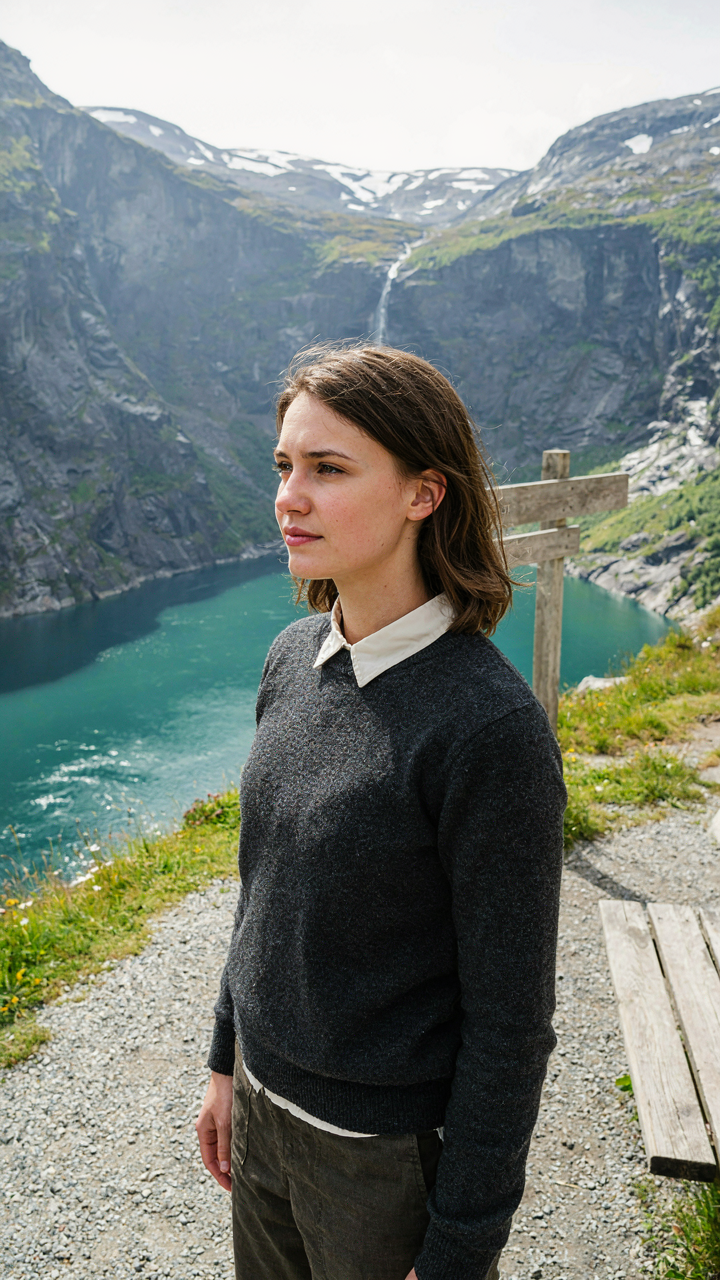
What Actually Separates World Class Sites
You want the UNESCO stamp because it signals you’re going somewhere legitimate, not some overhyped Instagram trap. Here’s the mechanism: UNESCO designation forces a site to meet specific criteria around natural or cultural significance, then locks it into international oversight. The Geirangerfjord and Nærøyfjord earned their 2005 listing because they demonstrate glacial geology that geomorphology textbooks use as reference material, not because they’re pretty. The site must show evidence of ongoing processes that shaped the landscape in ways other fjords don’t replicate.
The listing also means infrastructure and access follow strict guidelines. You’re not getting unchecked development that ruins what made the site worth visiting. Norway’s fjord regions operate under management plans that balance visitor flow with ecosystem integrity. When you show up, the trails are maintained, the viewpoints are positioned for actual geological clarity, not just photo angles, and the local guides understand the science behind what you’re seeing. This isn’t altruism, it’s enforcement with teeth.
When Popularity Becomes The Threat
Everyone talks about preserving beauty while allowing access, which misses the real problem: foot traffic degrades the very things people came to see. This is a carrying capacity issue borrowed from ecology, where a system can absorb only so much pressure before it collapses. Geirangerfjord receives roughly 300,000 visitors annually, and the trail erosion around popular overlooks is measurable year over year.
The UNESCO site designation creates a paradox where protection requires limiting exactly what the protection was meant to enable. Norway manages this through timed entry systems on certain trails, mandatory guide requirements for specific areas, and seasonal closures during nesting seasons. You can’t visit every viewpoint simultaneously, and you shouldn’t. Pick specific trails outside peak months (May and September work better than July), book guided tours that distribute foot traffic away from vulnerable zones, or visit lesser-known fjords like Sognefjord where capacity pressure is lower and the geology is equally compelling.
Best Time To Visit Fjords: The Seasonal Truth

Everyone Books Summer, Which Is The Real Problem
You want to know the “best” time so you can feel confident you picked right. The mechanism is simple: the tourism industry has trained you to believe peak season equals peak experience. It doesn’t. Summer in the fjords means 15-hour daylight, yes, but also 40,000 cruise ship passengers flooding Geirangerfjord on a single day, hiking trails packed shoulder-to-shoulder, and hotel rates inflated 60 percent. You’re paying maximum money for minimum solitude.
The actual constraint isn’t weather or daylight. It’s carrying capacity. The fjords operate like an economic system: when demand exceeds supply, price rises and quality decays. Summer is when every travel site, Instagram account, and guidebook points the same direction, creating artificial scarcity that the market exploits instantly. The peak season myth persists because it’s easy to recommend and nobody questions it.
Light, Crowds, And Cost Work Against Each Other
Think in terms of supply and demand curves from basic economics. Visiting Norwegian fjords requires you to optimize across three competing variables that never align perfectly. You cannot have maximum light, minimum crowds, and minimum cost simultaneously. The trade-off is structural, not accidental.
- May to early June: Midnight sun begins, crowds still manageable, prices moderate. Fewer tourists than July but shoulder-season rates. Waterfalls run high from snowmelt. Best balance for most travelers.
- September to early October: Summer crowds vanish overnight, prices drop 30-40 percent, light remains strong. Fewer cruise ships. Autumn colors starting. Weather turns unpredictable faster.
- Late June to August: Maximum daylight and warmth, completely packed, peak pricing. Expect lines at viewpoints and full accommodations. Only choose if you need guaranteed weather or have school constraints.
- November to February: Minimal tourists, lowest prices, potential for Northern Lights. Severely limited daylight, some services close seasonally, weather unstable. Requires cold-weather tolerance.
- March to April: Spring thaw creates dramatic waterfall displays, fewer crowds than summer, moderate pricing. Weather erratic. Some mountain passes still snow-blocked.
Most people default to summer because the decision feels safe. You know others went then. You saw photos. You don’t have to defend the choice. Strategic timing requires you to define what you actually want—solitude, specific natural phenomena, cost efficiency, comfort—then reverse-engineer your dates from that constraint rather than following the herd. Book May or September, and build your itinerary backward from there.
Best Fjord Destinations In Norway: The Unconventional Choices
Why Everyone Visits The Same Two Fjords
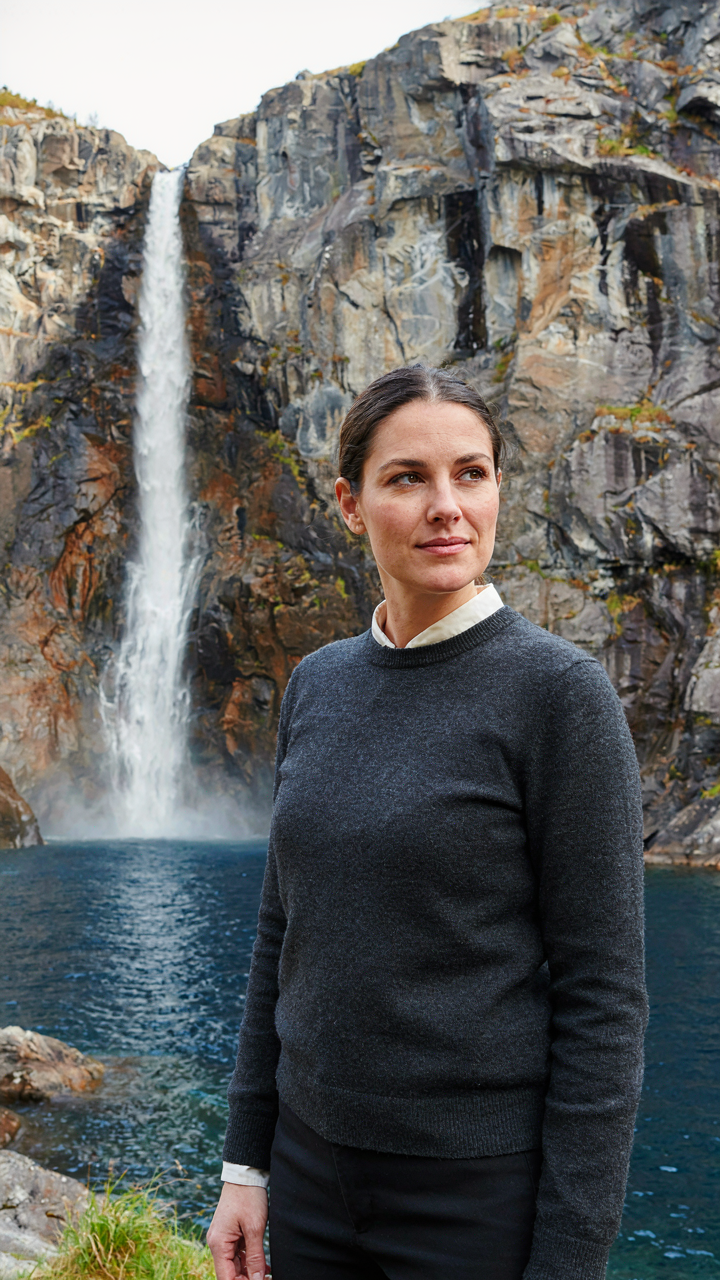
You want to feel like you discovered something before the algorithm told 10 million other people about it. The mechanism is simple: Geiranger and Nærøyfjord are victims of their own marketing. Both deliver on visual impact, but both also deliver crowds, inflated prices, and the sensation of standing in a theme park rather than wilderness. Their UNESCO status and Instagram prevalence created a feedback loop that made them destinations for consumption rather than experience.
The real move is recognizing that Norway’s fjord system extends 1,600 kilometers along the coast, and the two most famous cover maybe 0.1 percent of the actual terrain. Hardangerfjord to the south, Sognefjord to the north, and the cluster around Tromsø offer identical geological drama without the tour bus infrastructure. You get the same granite walls and waterfalls. You just get them with locals instead of selfie sticks.
Experience Design Determines Your Fjord
Think of fjord selection like supply chain logistics: your input (what you actually want to do) determines your output (which fjord wastes your time least). Most travel advice skips this entirely and just ranks fjords by postcard value. That’s lazy. A fjord that works for sea kayaking doesn’t work for base-camp hiking. A fjord designed for winter aurora viewing fails for summer climbing.
Map your constraints first. How many days do you have? What’s your physical tolerance? Are you traveling solo or managing group logistics? Do you need road access or are you comfortable with ferries? Sognefjord offers deep backcountry hiking and glacier access. Hardangerfjord delivers calmer water and fruit farm scenery if your group includes non-hikers. Raftsund in the north works if you’re timing aurora season and want dramatic peaks without the Geiranger price markup. Choose the fjord that matches your actual itinerary, not the fjord that matches your Instagram feed expectations.
Norway Fjord Travel Vacation Ideas: Crafting Your Own Itinerary
Control The Variables You Actually Own
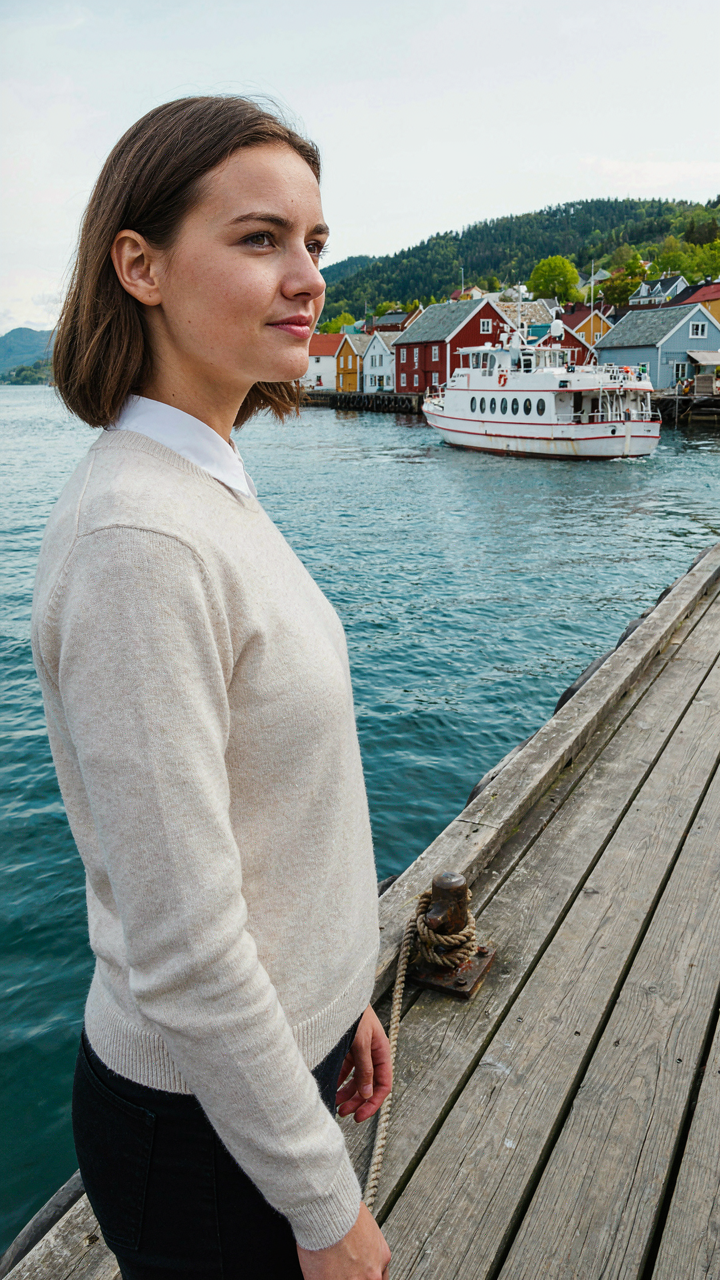
You want a packaged tour because it feels safer. That’s the real reason. But safety is a story you tell yourself when you’re afraid of making a wrong call. Self-guided travel to Norwegian fjords demands one thing: you decide what matters. Guided tours compress choice into predetermined stops. You pay for convenience and outsourced decision-making. Self-guided means you book transport, pick lodging, choose which fjords to see. The mechanism is simple: fewer intermediaries between you and the fjord means lower cost and higher agency.
Packaged tours work if you have zero tolerance for uncertainty or logistics friction. They work for people who value time savings over money savings. But most people overestimate how hard it is to move between fjord towns. Norway has functional infrastructure. Trains run. Ferries run. Hotels exist. The real trade is autonomy for assurance. Choose based on what you actually need to optimize for, not what marketing tells you everyone else wants.
The Movement Pattern That Matters
Transport logistics in Norwegian fjords operate like supply chain management: minimize backtracking while maximizing access points. The fjord region spans the western coast, and most visitors create a linear path rather than a loop. Sognefjord in the north and Geirangerfjord further south sit roughly 250 kilometers apart by road. Flying into Bergen, taking the train inland, then moving north allows you to see major fjords without retracing the same route.
Lodging placement determines everything else. Stay in towns with ferry access or road connections to multiple fjords. Balestrand, Flåm, and Geirangerfjord village serve as logistics hubs. From each hub, you can reach secondary fjords on day trips without moving your accommodation daily. Book lodging first, then plan day trips backward. This prevents the common mistake of chasing fjords while moving hotels constantly, which wastes time and money on transport and check-ins. Your physical location should enable access, not consume it.
Mastering The Fjord Narrative: Capturing The Unseen
Where Light Actually Lives
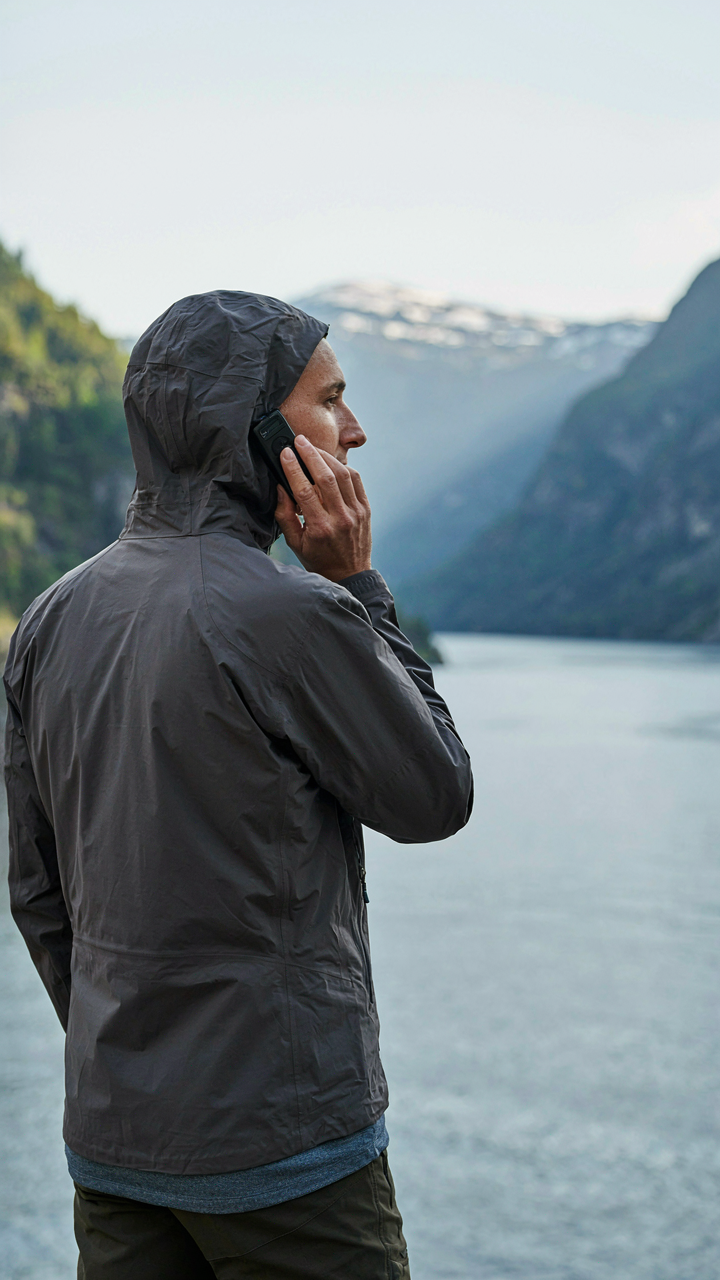
You want proof you were there. That’s the real reason you care about this. Generic fjord photos exist by the thousands, and yours will compete with all of them unless you understand that cameras see differently than eyes do. The mechanism: fjords compress depth into flatness, so the standard wide-angle shot destroys what made you stop and stare. Light doesn’t behave the same at sea level as it does on a mountainside. Water reflects and scatters it. Rock absorbs it unevenly.
Shoot during the hour after sunrise or before sunset, not because it’s romantic, but because side-angle light reveals texture that overhead sun erases. Frame a narrow inlet with a near cliff edge in the left third of the frame rather than centered, forcing the viewer’s eye to travel across actual distance instead of resting at a pretty center point. The phone camera you carry performs better in overcast conditions than in direct sun because it handles contrast range poorly. Overcast light is diffuse and even. That’s your technical advantage when the sky goes gray.
The Mechanism Under Your Skin
Neuroscience maps sensory memory differently than visual memory, meaning what you remember isn’t the view but the layered input your nervous system processed. The fjords deliver this naturally. Most travel writing skips this because it’s harder to describe than a photograph. Stand at a fjord edge in calm conditions and listen to water displacement against rock, the specific frequency based on water depth and inlet width. Smell changes with tide cycle and wind direction; salt concentration intensifies or disperses. The air temperature on your face shifts as you move between shadow cast by high walls and direct sun bouncing off water.
Document these inputs deliberately. Record audio for 30 seconds without narration at three different locations along your route. Note the smell at arrival versus departure from a single fjord. Feel the temperature differential between shaded rock face and open water by placing your hand at both. These concrete data points become the anchor for memory that photographs alone cannot build. When you review the trip later, playing back that audio or recalling the specific cold shock of glacier melt air hitting your face triggers the full sensory recall that a still image cannot trigger.
The Real Obstacle Isn’t The Fjord’s Grandeur; It’s Your Default Mode Of Consumption
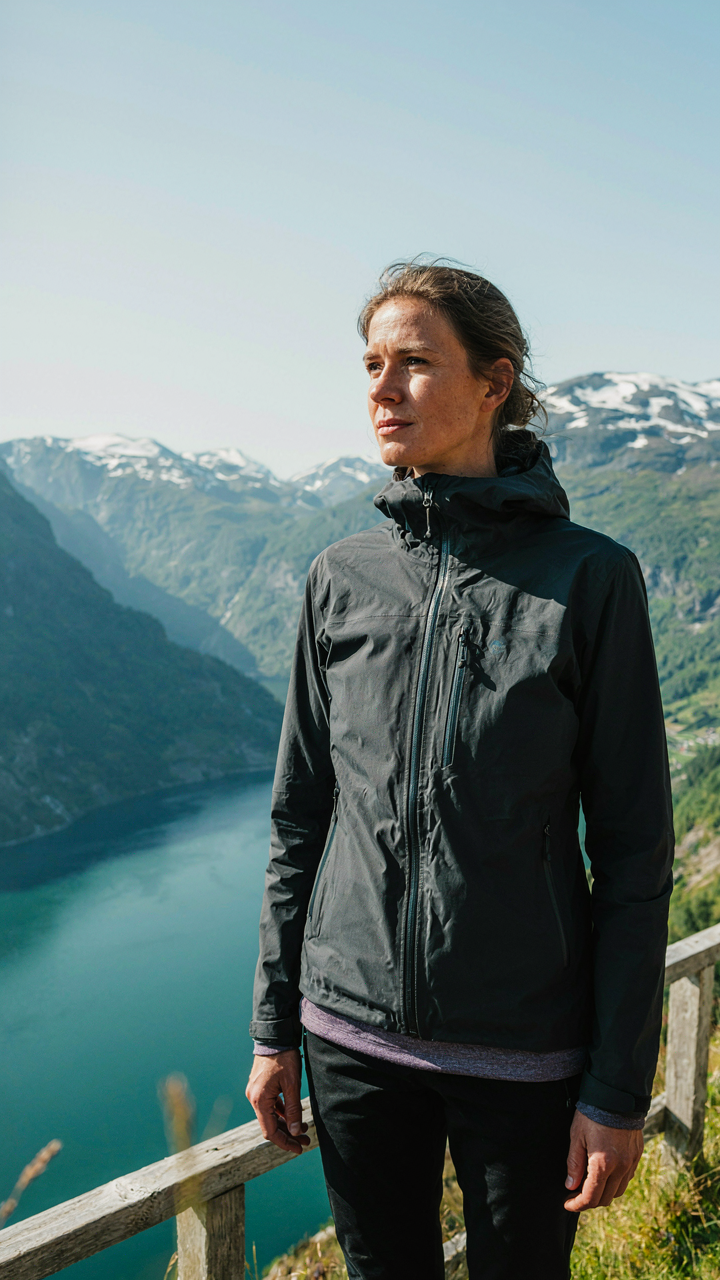
Most people scroll through Norwegian fjord photos and feel nothing because they consume them like everyone else: passively, through a screen, packaged into neat Instagram clips. You’ll miss the actual experience if you plan your trip the same way. Stop researching and book a single week in Geirangerfjord instead. Spend three days there doing nothing but walking. The fjords don’t need your understanding. They need your presence.