
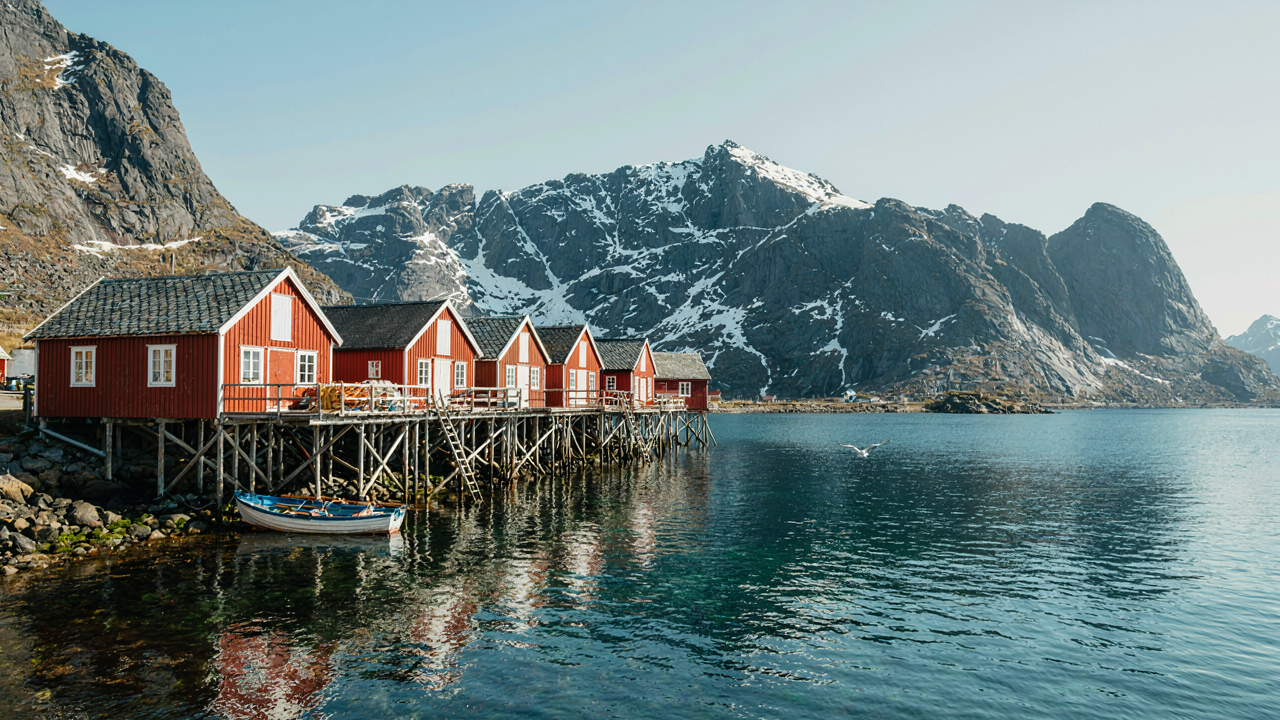
Lofoten Logistics: Where To Land, Not Just Dream

Which Airport Actually Works
You want to feel like you nailed the planning. That’s the real motive here. But most travelers pick airports based on brand recognition instead of friction reduction. Think of airport selection like supply chain logistics: you’re optimizing for the shortest distance between departure and your actual destination, not the one with the fanciest terminal. Bodø Airport (BOD) sits 185 kilometers from the Lofoten Islands. Tromsø Airport (TOS) runs 280 kilometers out. Oslo (OSL) is a trap that adds six hours of driving you don’t need.
Bodø is the mechanically correct choice for most visitors. You land, rent a car, and drive south into the archipelago in under three hours. The road is the E6 highway, then Route 10 toward Å. No mountain passes. No tolls that surprise you. Tromsø works only if you’re building a larger Norway loop and treating Lofoten as one stop among many. Direct flights to Bodø run from Copenhagen, Stockholm, and other European hubs. Check flight prices against driving time cost. Sometimes the cheaper ticket wastes more money in rental car hours than it saves.
The Car Rental Trade Off

Renting a car in Lofoten removes the constraint of ferry schedules and bus routes. It also removes your flexibility to move without friction. You’re locked into highway noise, parking costs in Svolvær, and fuel consumption on roads that don’t offer shortcuts. The trade off isn’t freedom versus constraint. It’s self-directed movement versus integrated infrastructure. You gain speed. You lose optionality for spontaneous detours that only locals discover.
Pick up your rental at Bodø Airport. Expect to pay 400-600 NOK daily for a basic compact car during peak season. Book before arrival because walk up rates spike 200 percent. Manual transmissions dominate the inventory and cost less than automatics. Roads in Lofoten are asphalt, maintained year-round in the inhabited areas. Winter driving (October through April) requires studded tires by law. The real constraint isn’t the car. It’s that you’re eating lunch costs while parked, not while exploring.

The Lofoten Calendar: Mastering Seasonal Dynamics

Midnight Sun And Northern Lights
You want to experience both and look like you planned it perfectly. That’s not possible. The mechanism is simple: the Lofoten Islands sit at 68 degrees north latitude, where the sun’s arc across the sky shifts dramatically between seasons. From late May through mid-July, the midnight sun dominates. The sun dips below the horizon for only a few hours, creating perpetual twilight. Aurora visibility requires darkness, so you cannot chase both in the same trip.
Pick one. Midnight sun demands late May through early July. You get 20 hours of usable daylight for hiking, photography, and exploration. Northern Lights require September through March when nights stretch long enough for aurora activity. The farther north you travel in Lofoten during winter, the better your odds. Book accordingly, not based on what sounds romantic.
Dodging The Tourist Surge
The common advice says visit in shoulder seasons. That’s incomplete. Peak season runs June through August when Norwegian families take holidays and cruise ships dock in Svolvær twice daily. But the real chokepoint isn’t July alone—it’s the specific weeks around Norwegian summer holidays, roughly mid-June through mid-August. Outside these windows, infrastructure still operates fully while crowds thin dramatically.
April and May offer a specific advantage most visitors miss: snow melts from lower elevations, opening hiking routes early, but August tourists haven’t arrived yet. September holds similar potential with stable weather and zero cruise ship traffic. Book accommodations in these windows first. They fill fast because experienced travelers understand the actual pattern, not the generic “shoulder season” recommendation. Your booking window determines your experience more than your photography skills.
Accommodation Alchemy: Trading Comfort For Authenticity
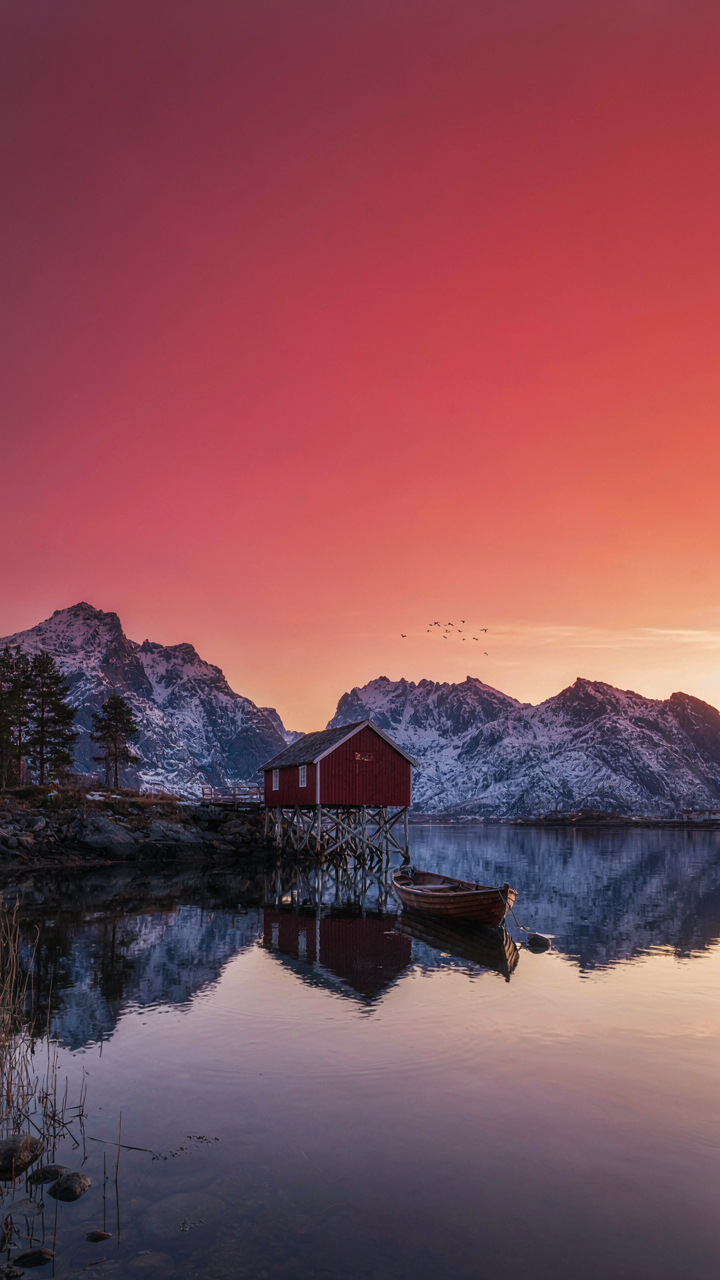
Rorbu Cabins: The Nostalgia Premium
You want the Instagram version of authenticity without actually sacrificing your sleep quality. Here’s the mechanism: rorbu cabins are traditional fishermen’s huts that sit on stilts above the water, built from the 1800s onward to house seasonal workers during cod season. They’ve become luxury rentals because they solve a real problem for visitors—you get the historical narrative without staying in an actual working fishing village where things smell and break.
The drawback most guides won’t mention: you’re paying heritage markup for something that’s been gutted and rebuilt. Modern rorbu have plumbing, heating, and wifi. The original structures were uninsulated shelters where fishermen slept in shifts. Location matters more than the cabin itself. Sakrisøy and Hamnøy have the postcard angles but charge accordingly. Утвалер and smaller settlements on Flakstadøy offer the same structure at half the price with fewer tourists outside your window at sunset.
Wild Camping: The Real Immersion Layer
Camping in Lofoten isn’t about roughing it for virtue points. It’s about breaking the tourist economic loop and seeing how the islands actually function. Most of Lofoten allows wild camping on public land as long as you pack out everything and don’t stay more than two nights in one spot. This shifts your perspective from consumer to observer.
Designated campgrounds charge 150-250 NOK per night and cluster tourists. Wild pitches force you inland, into the valleys where you see the actual terrain and weather patterns that shape life here. You’ll camp near rorbu ruins, old boat shelters, and active fishing infrastructure still being used. Buy a detailed topographic map before you arrive, identify flat ground with water access, and establish your spot by midday. This protocol prevents conflicts and ensures you leave before locals need the space for work.
The Un Scenic Route: Photography Spots In Lofoten Islands Beyond The Obvious

Hidden Beaches For Solitude Not Crowds
You want the shot nobody else has because it proves you found something real, not because the location matters. The mechanism is simple: every published photo location becomes a pilgrimage site within two years. Lofoten’s hidden beaches work because access requires either local knowledge or the willingness to walk past the obvious trailhead. Kvalvika Beach draws tourists. The unnamed cove two kilometers north, accessible only by climbing over rocks and through dense vegetation, stays empty. The light hits the same way. The water reflects identically. The difference is who sees your photograph and assumes you discovered it.
The real play is timing, not location. Winter beaches in Lofoten between November and February see almost no foot traffic. The dramatic cliffs photograph better under low-angle sun anyway. Summer crowds concentrate on three beaches everyone can name. Find a beach in February and you own the frame. Scout using satellite imagery first, then cross-reference with hiking forums to confirm access. If a beach appears in a travel blog with coordinates, skip it. If it requires a 90-minute approach from the nearest parking area, you have found your shot.
Effort Versus Reward In Unconventional Viewpoints
This section uses economics: in any market, the best return happens where supply is constrained and demand remains high. Visiting Lofoten Islands Norway treats photography spots like commodities, which means the viewpoint everyone knows has zero scarcity premium. Hamnøy village shoots from the main dock. The fish racks photograph identically to ten thousand other images. Climb 400 meters to the ridgeline above Hamnøy at dawn instead. You get the same subject with entirely different light geometry and zero other photographers. The effort is real. The reward compounds because you can sell or publish an image that looks unlike the consensus.
Map effort in minutes of gain rather than distance. A 30-minute scramble to an unnamed hilltop often beats a two-hour valley walk because fewer people think vertically. Use topographic maps to identify ridgelines that intersect with village views. Start in darkness. Arrive before sunrise. Shoot until the light flattens. By 8 AM, the casual photographers arrive at the main viewpoint below, unaware that a superior angle exists directly above them. The protocol is straightforward: identify a published landmark, add 300-500 meters of elevation gain to its position, then approach from the opposite direction the tourists use.
Navigating The Lofoten Ecosystem: A Biological Imperative
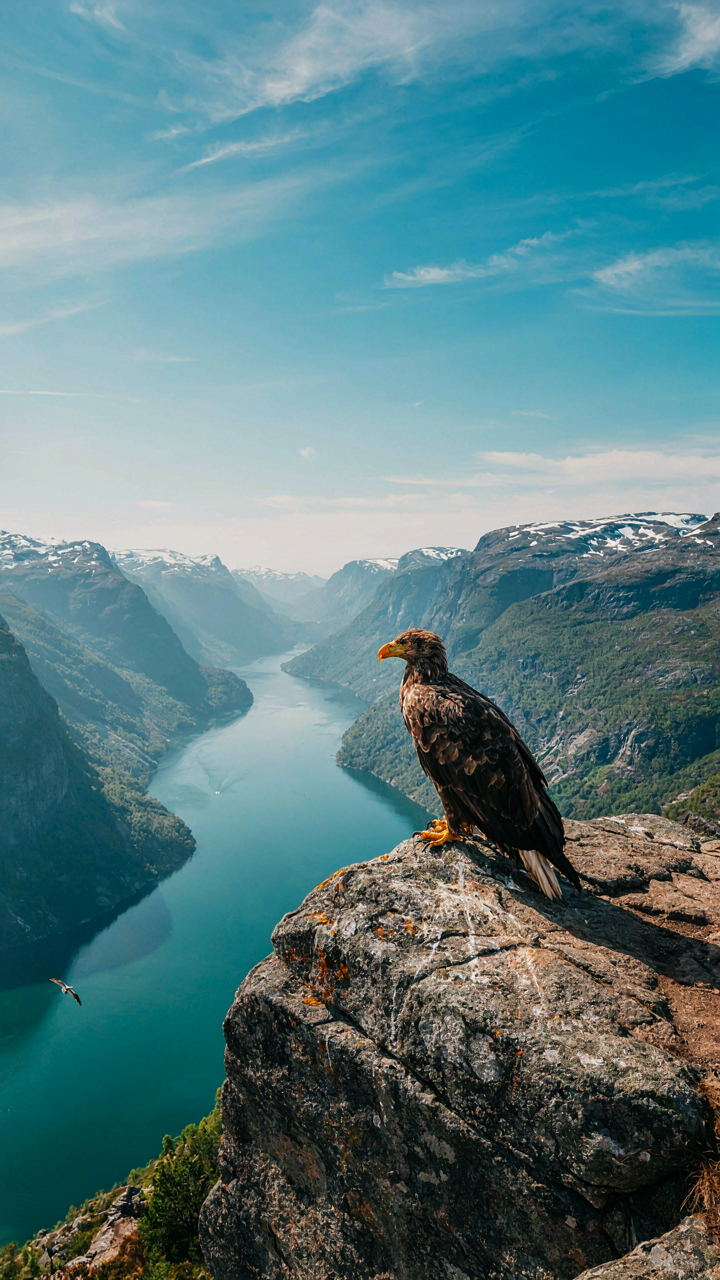
How Wildlife Teaches You To See
You want proof that you’re an experienced traveler, not a tourist who misses what’s actually there. Here’s the mechanism: wildlife doesn’t hide from you because you’re dangerous. It hides because movement and sound register faster than stillness and silence. Borrow this from biology. Predators use camouflage not to disappear but to control visibility on their terms. When visiting Lofoten Islands Norway, the same principle applies to observation. You don’t find eagles, puffins, or arctic foxes by hiking loud. You position yourself downwind, move deliberately slow, and wait in one spot longer than feels productive.
The islands hold more wildlife than you’ll see if you move like you’re checking boxes. White-tailed eagles nest in the peaks above Vest Ljøsonmuen. Puffins colony on Værøy and Røst from April through August. Sea eagles hunt from the cliffs near Henningsvær. None of these reveal themselves to rushed movement. Spend two hours in one location. Bring binoculars. Let your eyes adjust. The payoff isn’t a photograph you’ll forget posting. It’s understanding how an ecosystem actually functions and your place as an observer within it, not above it.
Where The Tourists Never Go
Everyone reads the same guidebook and ends up at the same viewpoint. This creates an accidental niche: the places everyone skips because they lack Instagram framing or a marked trailhead. Ecological niche exploitation means finding resource abundance where competition is zero. Lofoten rewards this ruthlessly. The southern coast near Sørvågen has tide pools that most visitors ignore completely. They’re not dramatic. They don’t trend. But they hold starfish, sea urchins, and kelp forests in miniature that you can observe for hours without another person present.
The mechanism is simple. Check the tide tables before you arrive. Low tide creates access to areas that disappear at high water. Walk to the rocky outcrops that lack official names. Bring a field guide or download an app that identifies what you’re seeing. The untouched beauty isn’t some hidden valley. It’s the realization that observation without crowds changes how you actually process an ecosystem. You move slower. You notice details. You stay longer because you have no schedule but your own attention span. Walk from Kabelvåg toward the unmarked headlands northwest of town. Bring a notebook. Document what you find. That’s your protocol.
Adventure Protocols: Essential Gear For Lofoten Norway
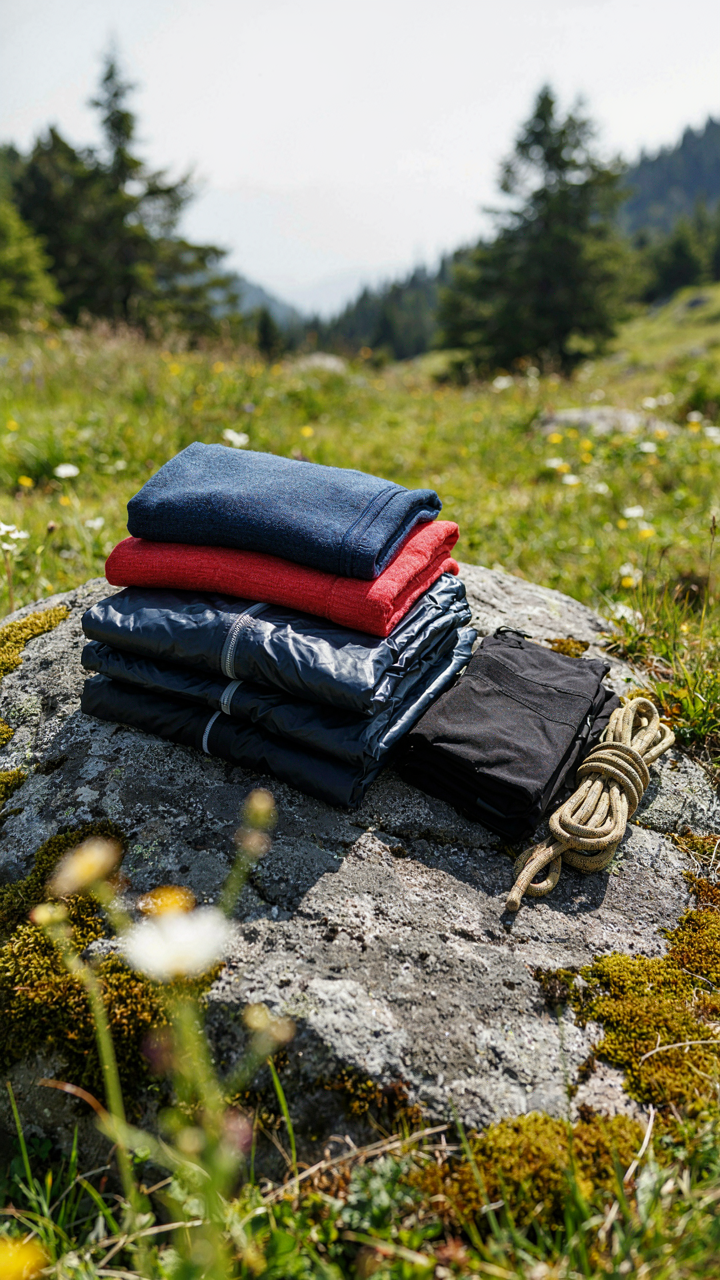
Layering System: Thermodynamics Of Survival
You want to feel like you prepared for something hard. Here’s the mechanism: the Lofoten Islands sit between 68-69 degrees north, where wind and moisture conspire to drop perceived temperature 20-30 degrees below actual readings. Thermodynamics teaches us that heat transfer accelerates through convection. In Lofoten, your body becomes the heat source and wind becomes the thief. Static insulation fails here. You need dynamic layering that traps dead air while shedding moisture.
- Merino wool base layer: Wicks moisture away from skin while retaining warmth when damp. Unlike synthetic alternatives, it regulates temperature across wide ranges and resists odor accumulation on multi-day trips.
- Fleece mid-layer: Provides insulation without bulk and dries faster than down in wet conditions. Synthetic fleece outperforms wool here because moisture moves through it rather than absorbing into it.
- Hard shell jacket and pants: Your convection blocker. Waterproof, windproof materials stop the primary heat loss mechanism on the islands. Three-layer construction prevents condensation buildup inside.
- Insulated waterproof gloves: Hands lose heat fastest. Lofoten’s seas and constant exposure demand gloves rated for wet conditions, not just cold ones. Mittens work better than fingers for static activity.
- Wool socks and insulated boots: Feet on damp ground lose heat through conduction. Merino blend socks manage moisture; boots need genuine insulation ratings, not marketing claims about “arctic technology.”
The mistake most travelers make is overpacking insulation and underpacking wind protection. Wind is the variable that changes everything in Lofoten. Pack your layers thin and your shell robust. This sequence works: skin barrier, insulation layer, wind block. Remove or add based on activity level, not temperature readings.
Navigation Tools: Avoiding Digital Dependence
Most visitors treat their phone GPS as a safety net. It’s actually a liability. Lofoten’s terrain creates signal dead zones, battery drain accelerates in cold, and the islands’ layout punishes route mistakes severely. Physical maps and analog tools don’t solve these problems alone, but they prevent you from stopping mid-hike because your battery hit ten percent.
Carry a laminated 1:50,000 topographic map. Learn to read contours before you arrive. A compass and five minutes of map orientation takes you from lost to directional. A handheld GPS unit with downloadable offline maps provides backup, but these devices have real limitations in extreme cold and require pre-planning. The real protocol: map and compass first, devices second. Establish your route before departure, note landmarks along the way, and navigate by terrain features rather than screen confirmation. This approach sounds slower until you’re hiking past someone whose phone died at kilometer three and can’t confirm whether they’re on trail or not.
The Lofoten Diet: Fueling Your Exploits, Not Just Eating

Where Local Fish Markets Beat Everything Else
You want to feel like you’re eating authentically without overpaying, which is just status anxiety dressed as cultural curiosity. Here’s the mechanism: fish markets in Lofoten operate on inventory turnover, not markup. The supply chain is short—boats land, fish sell same day, prices reflect actual cost, not hospitality markup.
Kabelvåg and Henningsvær both have working fish markets where locals buy. Cod, halibut, and Arctic char move through these stalls at prices 40 to 60 percent lower than restaurants. You walk in, identify what arrived that morning, and negotiate if you’re buying whole fish. The catch lands and sells within hours, which means the quality floor is higher than anywhere else you’ll eat in Norway.
Cook It Yourself Or Accept The Trap
The restaurant economy in Lofoten runs on one truth: you’re trapped on an island with limited options, so prices rise to match demand, not ingredient cost. Self-catering isn’t romantic—it’s rational. Renting an apartment with a kitchen costs less per day than eating out twice, and you control the actual variable that matters: freshness and portion size.
Buy at markets in the morning, cook that night. This isn’t virtue signaling or budget travel advice. It’s basic economics applied to your fuel consumption. You eat better food, spend half the money, and don’t waste mental energy deciding between mediocre restaurants charging 280 NOK for fish that cost the supplier 40 NOK. The mechanism is simple: eliminate the middleman when the middleman is just geography.
Beyond The Filters: Lofoten Norway Travel Guide Unfiltered
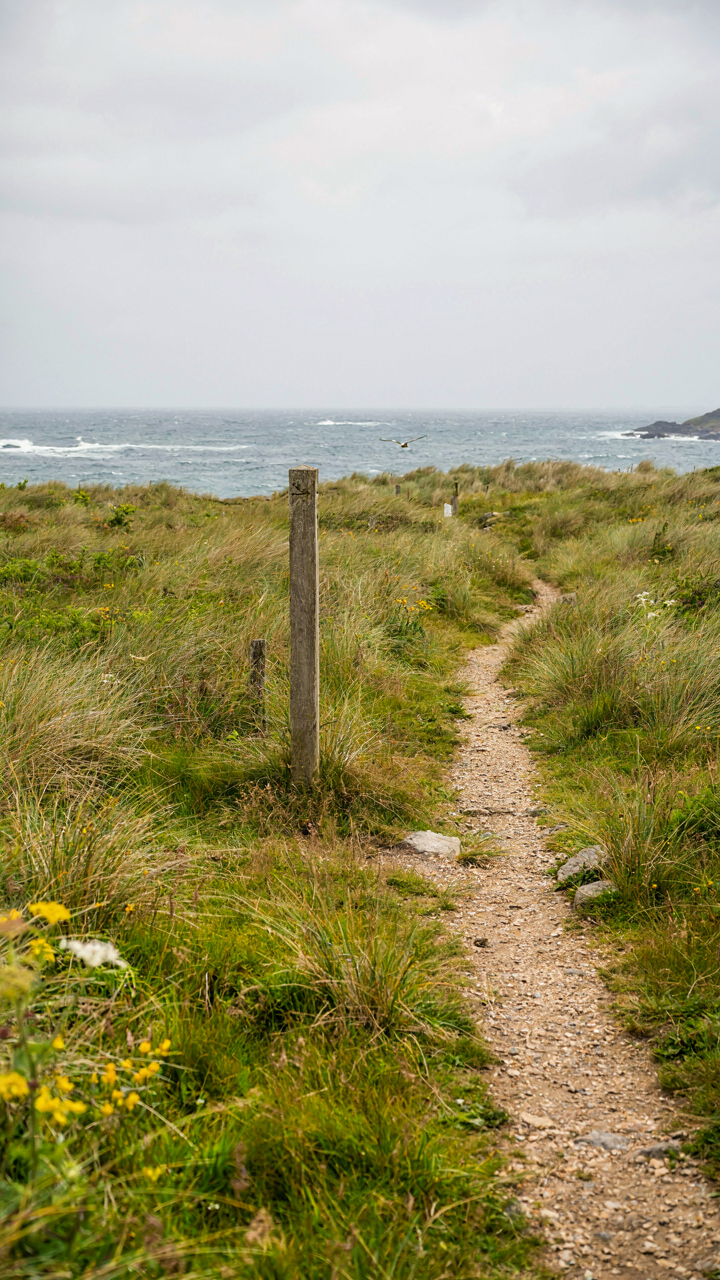
The Weather Owns You Here
You want to believe you’ll handle it better than everyone else. The real mechanism: Lofoten operates on Arctic conditions that don’t negotiate. Wind speeds exceed 40 knots regularly. Temperature swings hit 20 degrees in hours. Rain turns horizontal. Your preparation level determines whether you document or endure.
Mental fortitude here means accepting one fact upfront: the environment will test your comfort threshold multiple times daily. You can’t outthink Arctic weather. You can only respect the systems at work, pack for conditions two tiers worse than the forecast predicts, and schedule flexibility into your itinerary. Rigid plans fail in Lofoten. Adaptable ones execute.
Discomfort Builds The Story
The Instagram version sanitizes everything. What actually sticks: the hike where your hands go numb at mile two. The village where you eat at the only open restaurant because three others closed early. The boat tour that cancels twice before running in conditions that make your stomach register the swell. These aren’t obstacles to bypass. They’re the filter separating surface tourism from genuine experience.
People chase comfort and wonder why their trips feel hollow. Lofoten demands you choose differently. Stay in a cabin without heating control. Pack a single bag. Eat what the season offers. Wake early enough to chase light that won’t return for hours. The mechanism is simple: discomfort breaks the script, forces presence, and creates memories that don’t fade when the filters wear off.
The Real Obstacle Isn’t The Weather; It’s Your Expectation Of Comfort Over Discovery
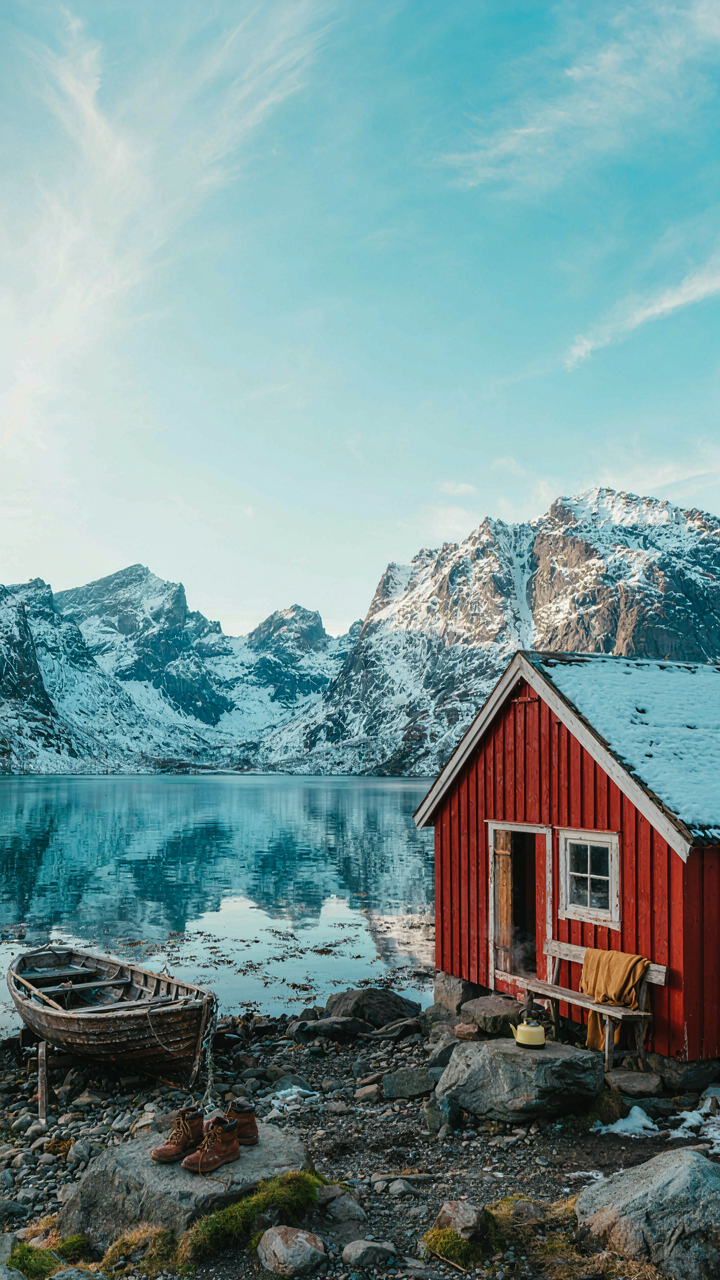
Most people skip Lofoten because they’ve invented a version of it in their head that requires perfect conditions. They want the dramatic peaks without the rain, the isolation without the inconvenience. That’s not travel. That’s shopping. The islands demand you trade comfort for the kind of raw experience that changes how you see yourself. Stop planning the trip in your head and book your flights this week. The Lofoten Islands don’t reward the cautious, they reward the committed.