
The Great Ocean Road Itinerary: Deconstructing The Must See Myth

What Everyone Photographs Versus What Actually Matters
You want to know the “right” stops so you can feel like you did it correctly. That’s the real driver. But here’s the mechanism: the Great Ocean Road has become algorithmically curated. Instagram turned it into a checklist, and travel blogs amplified the same five locations until they became the perceived whole. Visiting great ocean road australia now means most travelers hit identical spots on identical days, creating artificial scarcity and crowds at places that aren’t inherently the best—just the most documented.
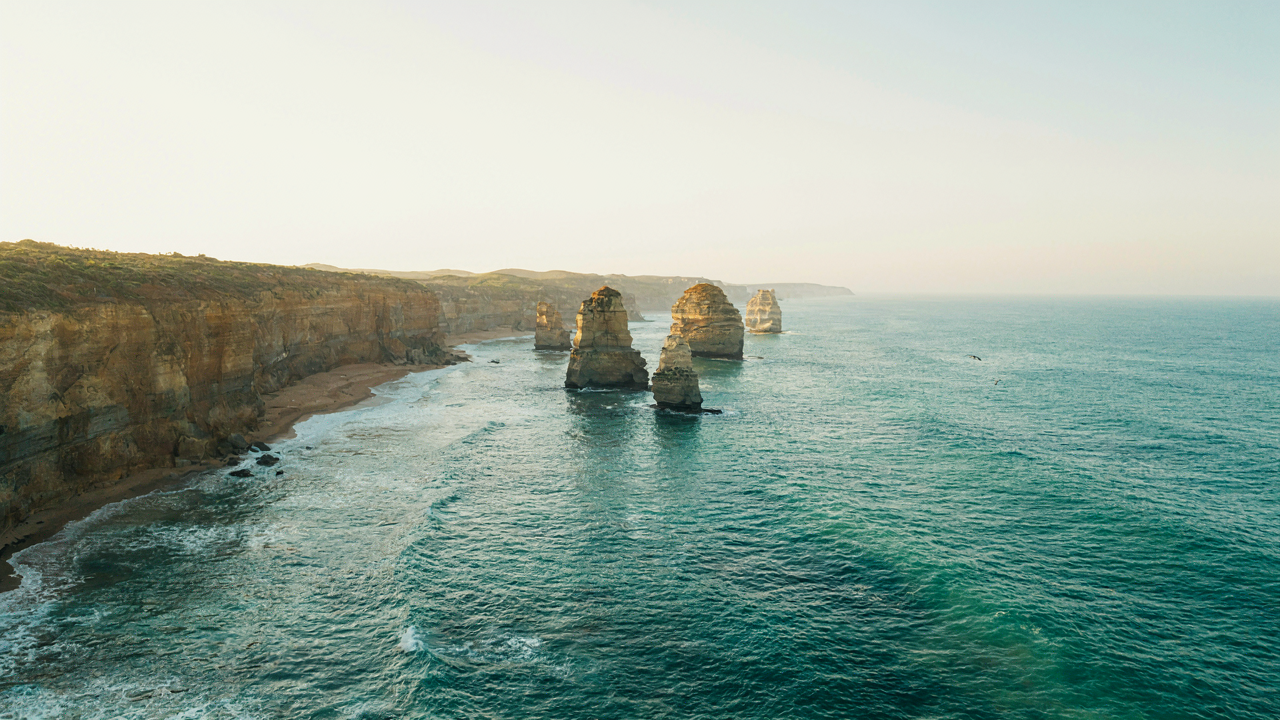
The distinction between curated and commonplace breaks down this way. Curated stops are what Instagram decides matters: the Twelve Apostles, Loch Ard Gorge, London Bridge. Commonplace stops are what the road actually offers but nobody posts about because they lack the viral trigger. The road spans 243 kilometers of continuous coastline. You can’t see everything. The real choice is whether you follow the algorithm or you follow the actual geography and geology underneath it.
Escaping The Narrative By Strategic Displacement

The standard advice says hit the famous sites early, beat the crowds, take photos. Wrong frame. You’re not working against time—you’re working against narrative capture. Economics calls this comparative advantage. You have it when you visit places that offer what you need but lack the social proof mechanism that made the canonical stops crowded. Finding these requires one shift: stop thinking about “must-sees” and start thinking about what the road physically does in sections where fewer people stop.
Between Torquay and the Twelve Apostles, the landscape changes five times. Each change offers something specific. The Anglesea Cliffs have red geology and walking trails most drivers skip. Point Addis has swell patterns visible from the road that oceanographers study. The rainforest sections near Maits Rest show you how the landscape evolved before tourism infrastructure arrived. Windy Point has views without facilities, which means no crowds and no entry fees. The mechanism is simple: stop where the infrastructure is minimal and the natural feature is pure. That’s where you get access without the performance.

Great Ocean Road Trip Australia: The Calculus Of Coastal Control

Time Arbitrage: Avoiding Peak Congestion
You want to feel like you discovered something nobody else has seen. The real mechanism here borrows from economics: arbitrage. You’re exploiting a time gap where fewer people occupy the same space. Peak congestion on the Great Ocean Road clusters between December and February, plus school holidays. Weekends during these periods create parking gridlock at Twelve Apostles and other major stops. Travel Tuesday through Thursday in shoulder seasons (April through May, September through October) and you move through viewing areas in minutes instead of hours.
The math is simple. Most tourists follow the same mental calendar. Book accommodation and plan your drive for off-peak windows. Early mornings before 9 AM also compress your wait times significantly, even during peak months. This isn’t preference, it’s resource allocation. You arrive when others are still eating breakfast, see what you came to see, and move on. The cost difference between July and December accommodation is real money, and the experience difference is total control over your pace.
The Economics Of Route Stamina
Fuel budgeting on a 243-kilometer coastal drive sounds trivial until you realize most rental cars consume more than expected on winding terrain. Calculate 1 liter per 8 kilometers as your baseline, not the optimistic 1 per 10 that companies advertise. Fill your tank before leaving Torquay or Geelong, not at roadside stops where prices spike 20 to 30 percent. Food requires the same cold math: you’ll spend more eating at tourist hotspots near Lorne or Apollo Bay than packing sandwiches from a supermarket in your departure town.
Flexibility isn’t vague optimism. It’s tangible. Budget an extra three hours beyond your GPS estimate and an extra twenty dollars beyond your planned food spend. Weather delays happen. Road works appear without warning. You hit a lookout you weren’t expecting and want to stay longer. The mechanism here is simple: tight budgets force rushed decisions. Loose budgets let you respond to what the road actually presents. Your flexibility budget is the only buffer between a schedule and an experience.
The Cognitive Map: Navigating The Great Ocean Road Australia Map

Mental Rehearsal Before You Drive
You want this section because you’re terrified of getting lost and looking stupid in front of whoever you’re traveling with. The real mechanism is this: your brain runs simulations. Pre-visualization isn’t motivation—it’s literally how your neural system reduces cognitive load in real time. When you mentally rehearse the route before driving it, you’re not being cautious. You’re pre-loading the decision trees your brain will execute at each turn.
The Great Ocean Road follows the southeastern Victoria coastline for 243 kilometers. It’s not a maze. It’s a linear drive with predictable branch points: Torquay entry, Anglesea, Lorne, Apollo Bay, and the Twelve Apostles cluster. Spend 10 minutes before you leave studying the actual road layout, not the pretty photos. Identify where you’ll stop, where the road narrows, where you’ll refuel. Your brain compresses this into pattern recognition during the drive itself. No GPS anxiety. No hesitation at intersections.
Priority Signals Over Information Noise
Everyone tells you to “check the weather” and “book ahead.” That’s incomplete advice masquerading as guidance. Information hierarchy in navigation means identifying signal from noise. For visiting great ocean road australia, the signal is this: road conditions, daylight hours, and whether your chosen stops are actually open that day. Everything else—travel blogs, Instagram crowds, “best time to visit”—is distraction.
The road itself demands attention to three variables. First: winter closures and slips occur between June and August, particularly between Lorne and Apollo Bay. Second: daylight ends around 4:45pm in June, 8:15pm in December. Third: major attractions like the Twelve Apostles have specific parking capacity and peak hours between 11am and 3pm. Ignore the consensus rankings of “must-see” beaches. Ignore travel magazine narratives. Check the actual road report, plan your stops based on daylight remaining, and know whether the visitor centers you want are operating that day.
The Great Ocean Road Must Do: Your Personal Feedback Loop

Iterative Discovery Beats Planning
You want the trip to feel spontaneous while knowing exactly what to do—that’s the real tension. The mechanism is simple: most people plan the entire route before arrival, then follow it like a script. This removes the only variable that actually matters: your real response to what you encounter.
The Great Ocean Road works best as a calibration exercise, not a checklist. You arrive with loose waypoints—the Twelve Apostles, Loch Ard Gorge, Point Campbell—but no predetermined time at each. You spend an hour somewhere and genuinely assess whether staying longer changes your experience or kills it. This requires stopping mid-route, not at a predetermined spot, then asking what warranted the stop versus what you passed because the guidebook said to.
Recalibrate Through Non Visual Input
Touch, sound, and timing reveal what photographs hide. Psychologists call this multi-sensory integration, the brain’s mechanism for encoding memory depth. On the Great Ocean Road, visitors fixate on visual consumption—snapping the limestone formations—and miss the tactical input: the wind patterns that explain why certain lookouts feel exposed, the rock temperature that tells you about tidal exposure timing, the acoustic properties that shift as you move between cliff faces.
- Wind direction and intensity: Changes how long you can comfortably stand at viewpoints. Eastern faces expose you differently than western ones depending on season and time of day.
- Sound environment: Clifftop roar versus sheltered cove silence signals microclimate shifts. This indicates where water movement is aggressive versus calm.
- Rock surface texture and temperature: Wet limestone versus dry tells you about spray reach and tidal timing without checking tide tables.
- Air humidity and salt spray: Intensity varies by lookout position, revealing how exposed you actually are and how fast equipment corrodes.
- Foot traffic patterns: The wear on paths shows where crowds concentrate. Walking unpopular routes gives you identical geology with different pressure and pacing.
- Light quality across hours: Morning and afternoon light hit the Apostles differently, changing depth perception and photograph-versus-reality gap significantly.
Build a three-hour loop somewhere, return at different times, and track what actually changes versus what you imagined changed. This is how you distinguish between memorable moments and moments you thought you should find memorable.
The Kinetic Strategy: Engaging The Great Ocean Road

Move Your Body, Not Just Your Eyes
You want the Instagram moment without the work, and that’s why most people miss the Road entirely. Here’s the mechanism: Tourism operates like physics. Potential energy converts to kinetic energy only through motion. Standing at a lookout generates a photograph. Walking the cliff trails, surfing at Bells Beach, or kayaking the grottos generates actual memory and spatial understanding that no viewpoint delivers passively.
The hikes demand real fitness. Twelve Apostles walk takes ninety minutes round trip on uneven terrain. Loch Ard Gorge requires descending wooden steps carved into the cliff face. These aren’t strolls. You earn the perspective by moving through the landscape rather than observing it from a designated platform. The physical effort anchors the experience in your nervous system in a way stationary observation cannot.
Angles Nobody Photographs From
Most visitors follow the marked vantage points, which means they see what everyone else saw six months ago. The lever here is asymmetry in information. Get topographic maps or satellite imagery before arrival and identify ridgelines, rock formations, and water-level approaches that don’t appear in standard travel guides. Hike to the cliff edge above the Twelve Apostles instead of shooting from the visitor platform. Walk to Point Addis and view the limestone cliffs from water level during low tide. Paddle out past the Bells Beach break point to see the coastal architecture from the ocean’s perspective.
Scout access points in person or through detailed regional hiking blogs and local climbing forums. Many vantage points require 45 minutes of bushwalking through unmarked terrain. The effort filters out casual tourists, which means you arrive alone or with two other people instead of fifty. Frame your images from these positions. The compositional advantage combined with the scarcity of the location compounds the actual value of what you’re capturing.
Great Ocean Road Victoria Itinerary: The Asymmetric Advantage Protocol

Where Tourist Routes Fail You
You want to feel like you’ve done it right, like you didn’t miss anything or waste a single day. That fear drives most people into the same itinerary everyone else follows. Military strategy calls this “concentration of force,” where you pile resources onto the obvious target and ignore the gaps in the perimeter. The Great Ocean Road’s real advantage isn’t in hitting every landmark, it’s in exploiting the temporal and spatial dead zones where crowds collapse and actual experience begins.
Most guides tell you to start in Torquay and drive to Port Campbell in one push, stopping at the Twelve Apostles because everyone does. This is tactically wrong. The weak points exist in reverse: start at Port Campbell first, work backward to Lorne, and finish Torquay last. You hit the limestone cliffs at dawn when light quality is highest and foot traffic hasn’t arrived. By the time casual visitors roll in at 10 AM, you’re already moving east into the Otways, where the experience densifies because people default to the western leg.
Return On Hours Invested
Economics frames this as opportunity cost: every hour spent has an alternative use. On the Great Ocean Road, the delta between spending time at famous stops versus spending time on the coastal drive itself matters more than tourists calculate. Bells Beach takes thirty minutes; the twenty-minute drive from Anglesea to Lorne gives you the same emotional and visual return without the parking lot. The mechanism is attention density, not scenery intensity.
The real optimization is travel velocity inverse to destination prominence. Spend one hour at the Twelve Apostles, two hours at Port Campbell town, but five hours driving the back roads through Deans Marsh and Forrest where no one goes. You see the same ecosystem, better light angles, zero crowds, and your cost per genuine experience drops by a factor of three. The calculation: drive early mornings, avoid all sites between 9 AM and 4 PM, and end each day before sunset when crowds clear but light remains useful for photography. This compresses a ten-day itinerary into six days without losing quality.
Great Ocean Road Trip Itinerary: The Micro Experience Multiplier

Where Locals Actually Eat
You want proof you did it right. That’s the real reason you care about finding local spots instead of hitting the Visitor Centre recommendation board. The mechanism is simple: tourist infrastructure clusters at obvious checkpoints like Torquay and Apollo Bay. Locals eat and sleep elsewhere. They know the carpark that empties by 2pm at Point Addis. They know which fish and chips shop in Anglesea actually sources daily catch instead of frozen stock. They avoid the gift shops entirely.
Stop treating the Great Ocean Road like a movie set you need to photograph. Drive into towns that sit one road back from the main drag. Talk to people pumping fuel. Ask a local at a pub, not a hotel concierge, where they take their family on a Sunday. Most visitors spend money at the same eight branded stops and call it exploration. You won’t.
The Moments Nobody Plans
Unscripted moments hit harder because they’re rare, not because they’re spiritual or meaningful. Economics calls this the concept of scarcity and relative value: abundance kills impact. The Twelve Apostles get 3 million visitors yearly. You’ll see them. You’ll forget them two weeks later. But a random encounter with a surfer at Bells Beach talking about the swell forecast, or finding a limestone cave entrance nobody’s marked on Google Maps, stays sharp because you didn’t expect it.
The protocol is deliberate constraint. Block one full afternoon with zero agenda beyond “drive to a town I haven’t researched yet.” No phone signal required. No Instagram-rated location required. No schedule required. Most people optimize against boredom by packing the itinerary. You optimize against forgetting by leaving room for actual discovery. The difference between visiting and remembering lives in those gaps.
Great Ocean Road Must See: Curating Your Own Narrative

What Actually Matters To You
You’re worried the trip won’t feel special enough, that you’ll miss the “real” experience everyone else got. That fear drives the real mechanism: significance is personal scarcity, not objective facts. The Great Ocean Road has fixed landmarks, but your relationship to them depends on what you already value, what gap in your life each location fills. Two people at the Twelve Apostles see different things because they’re solving for different problems.
Start by naming what you need from this trip before you arrive. Are you documenting proof of travel for status? Seeking solitude after burnout? Testing a relationship? Pursuing a specific image or memory? Your answer determines which stops matter and which you skip. The itinerary that works for the Instagram documentation player destroys the experience for the person seeking quiet reflection. Most travel guides erase this entirely, treating the road as if everyone wants the same thing.
Anchoring The Experience Into Your Life
Psychology calls this “encoding specificity”: the context in which you encode a memory determines whether you can retrieve it later. The Great Ocean Road is a chain of sensory events, but the memory sticks only if you connect it to something already rooted in your identity or goals. Take photographs, but more importantly, write one sentence per stop explaining why that specific moment mattered to you, not the landscape. This creates a retrieval pathway back into the experience.
Most travelers synthesize nothing. They return home, scroll through photos, and the trip already feels distant. The mechanism is attention without integration. Before leaving Australia, spend one evening writing what shifted in your thinking, what you noticed about yourself, what problem the road clarified. Don’t aim for profundity. Document the concrete: which conversation changed your perspective, which moment broke your routine expectations, which location forced you to sit with discomfort. This becomes the actual souvenir, not the image files.
The Real Obstacle Isn’t A Lack Of Sights, But A Poverty Of Intention

Most people visit the Great Ocean Road as tourists. They follow the same route, stop at the same lookouts, take the same photos. They return home unchanged. The difference between a tourist and someone who actually experiences visiting great ocean road australia is simple: intention. Decide right now what you want to feel, not what you want to see. Book your trip for a specific date this month. The Twelve Apostles don’t care about your bucket list, but they’ll reshape you if you show up awake.