
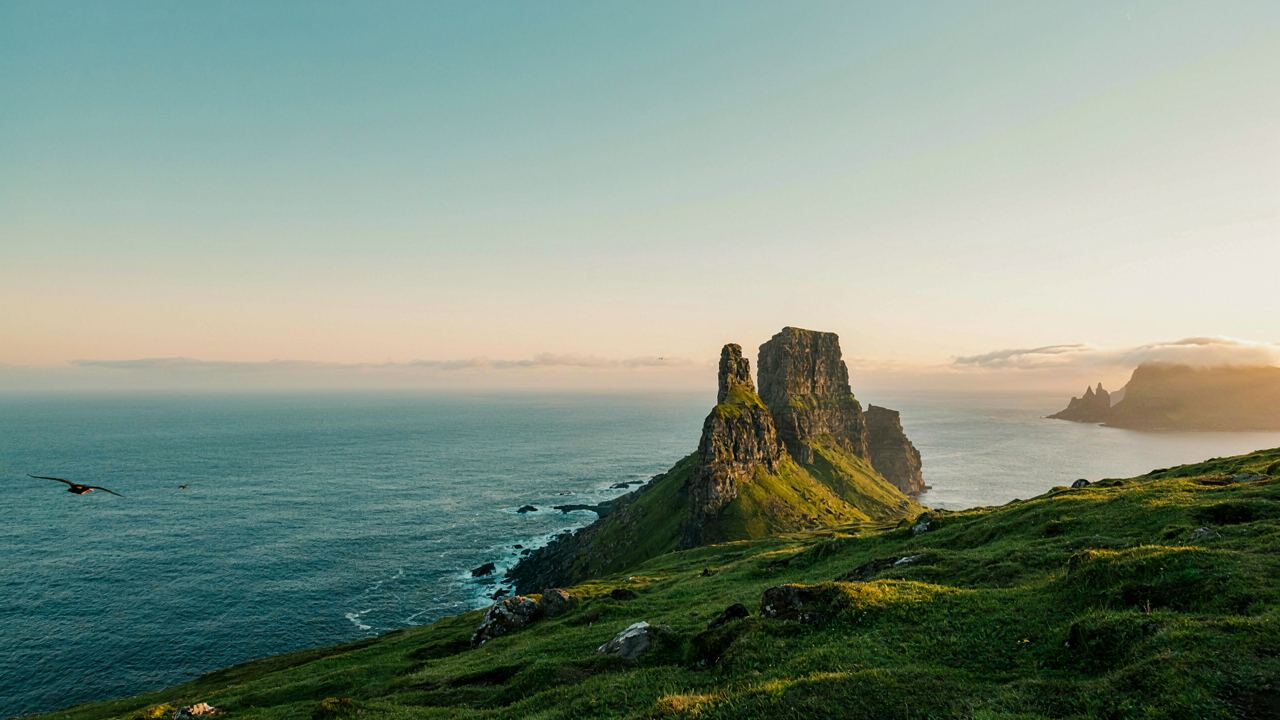
Beyond The Postcard: Deconstructing Faroe Islands Photography
Composition For Impact, Not Just Pretty Views
You want the shot that proves you were there. That’s the real driver. But the mechanism most people miss is this: the Faroes destroy generic composition because the landscape itself is already extreme. Your job isn’t to make it dramatic. Your job is to arrest attention by breaking the viewer’s expectation of what drama looks like.
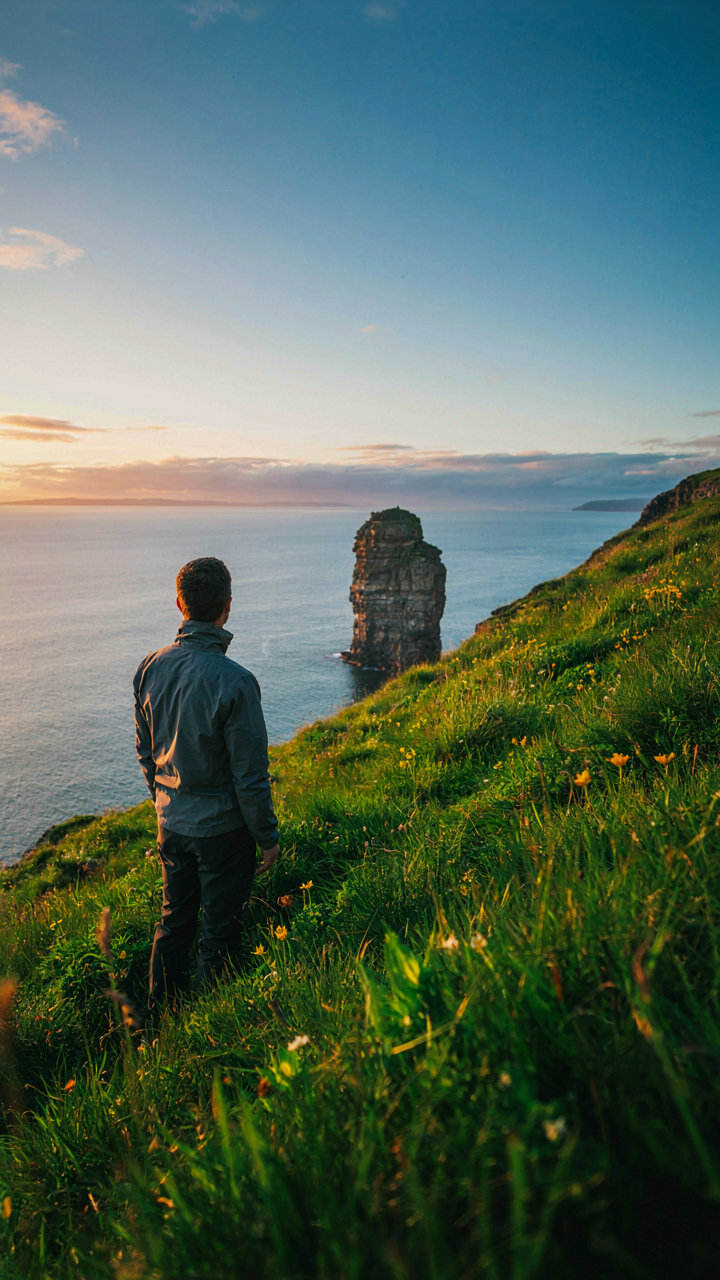
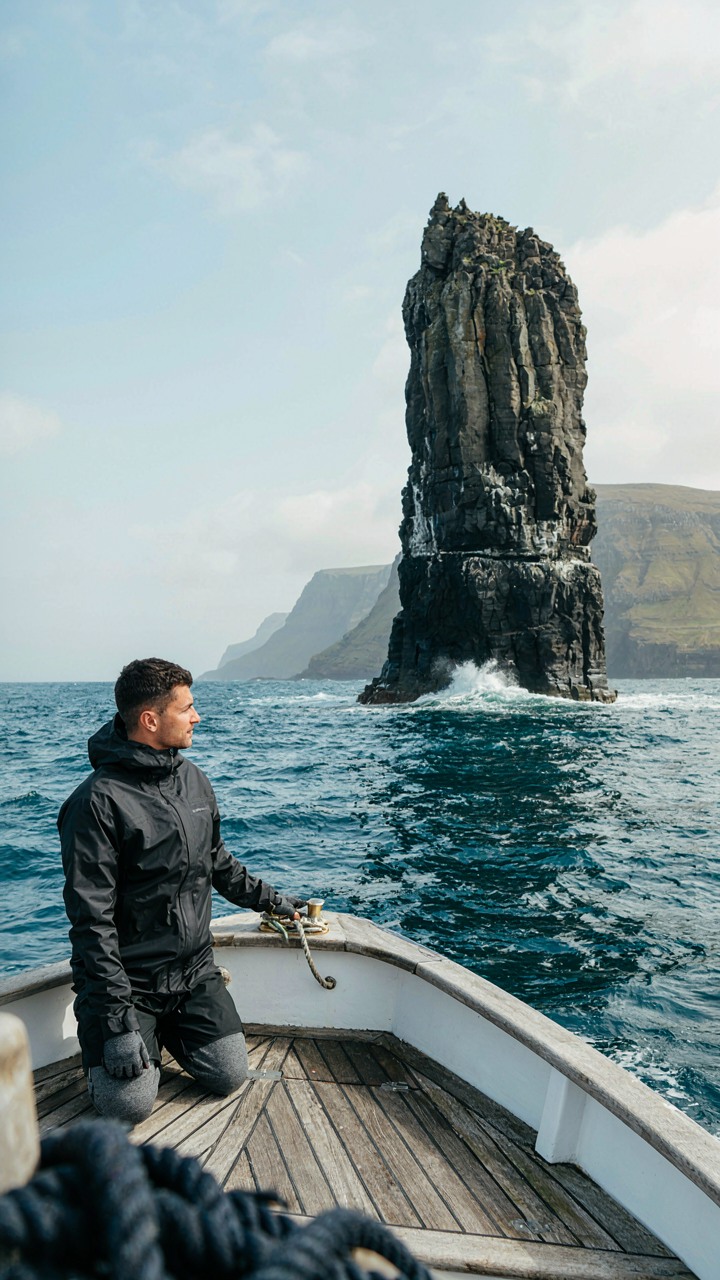
Foreground, middle ground, background—this is borrowed from Renaissance painting, and it applies here as tactical positioning, not aesthetic theory. The mistake visitors make is treating the landscape as the subject. It’s not. The relationship between scales is. Shoot a sea stack with nothing in front of it and you get a postcard. Shoot it with a human figure at one-tenth the size, positioned in the foreground on a slope, and the viewer’s brain processes depth instantly. The stack becomes real.
Arctic Golden Hour Demands Different Rules

Light in the Arctic doesn’t behave like light at 50 degrees latitude. The sun skims the horizon for hours during extended seasons, which means your window isn’t the standard 20-minute golden hour. It’s operational from roughly 6 AM to 10 PM during summer months, depending on location within the islands. This inverts the common advice that you must wake up before dawn. You don’t. You work with what the Faroes actually gives you.
The mechanism is simple: low-angle light reveals texture that noon light erases. Basalt columns, grass fields, weathered buildings—all three demand incident light that grazes rather than falls. Scout your shot during midday when light is useless. Then return at either end of the day. The angle hasn’t changed, but the shadows have transformed the entire visual hierarchy. Shoot when the sun sits between 5 and 15 degrees above the horizon for maximum separation between foreground and background tonality.

The Un Touristed Path: Navigating Faroe Islands Travel
Rental Car Strategy And Island Movement
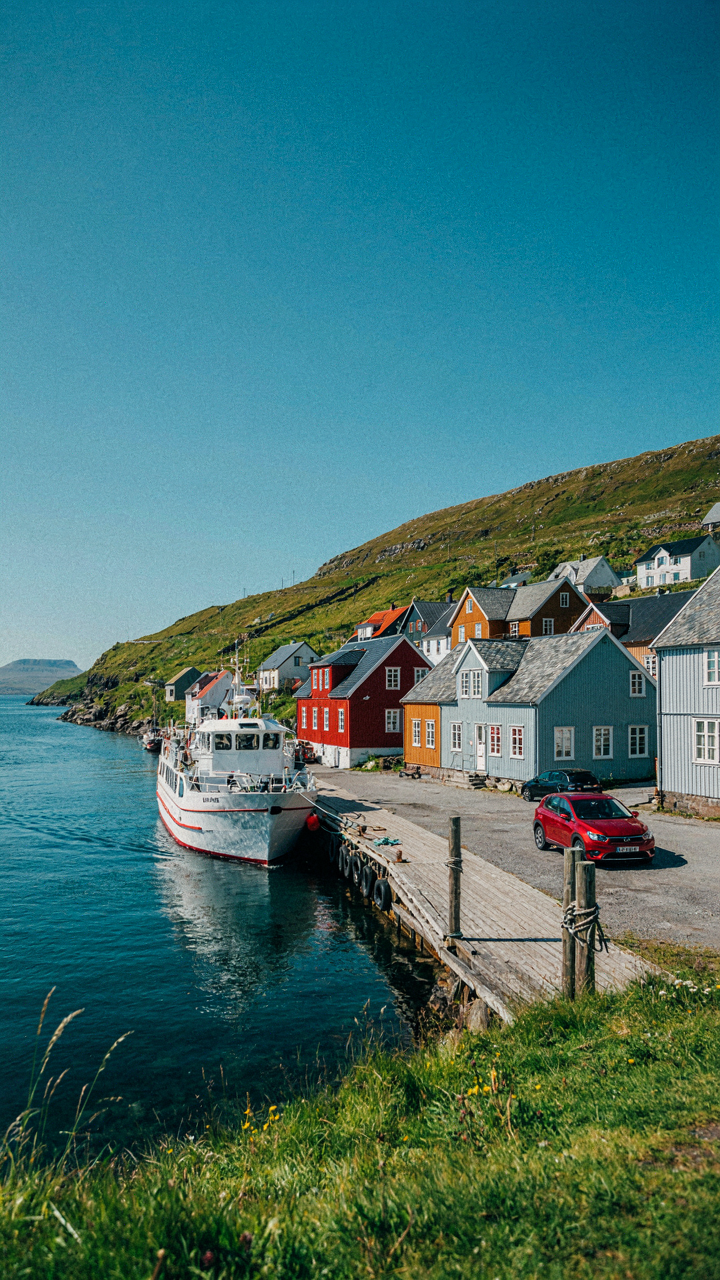
You want to feel like you discovered something nobody else found. That’s not wrong, but it means you need to stop thinking about the Faroes like a linear route and start thinking about them like a logistics problem. The islands operate on ferry schedules, not road networks. Most visitors rent a car and waste three days driving the same tunnel loops around Streymoy and Vágar because they treat the map like it’s connected. It isn’t.
The real mechanism is constraint-based routing. You pick your base island based on ferry departure times to where you actually want to go, not based on where the rental company suggests you start. Rent from Vágar if you’re chasing the cliffs at Sørvágsvatn and Mykines. Rent from Streymoy if you’re going north to Kalsoy and Kunoy. Stay three nights in each zone and move via ferry. This cuts wasted driving time by 60 percent and puts you on islands during shoulder hours when locals actually move around.
Conversations Over Guidebooks
Generic travel blogs tell you to ask your hotel concierge for recommendations. That advice is designed for people who want to feel like they’re traveling without doing the work of actually talking to people. The concierge points you to the same restaurant every tourist visits because it’s easier than thinking.
Find the small supermarket in whatever village you’re staying in, go during early morning or late afternoon, and buy coffee. Sit on a bench outside. You’ll see the same people twice. Talk to them directly about where they eat, where they fish, what trails flood in rain, which ferries run late. Faroese people are direct. They’ll tell you the truth about conditions and crowds. Build that list before you plan your day. You move on real information, not filtered consensus.
The Faroe’s Folly: Why Most Hiking Guides Miss The Point
Weather As Adversary: Preparing For Dynamic Conditions
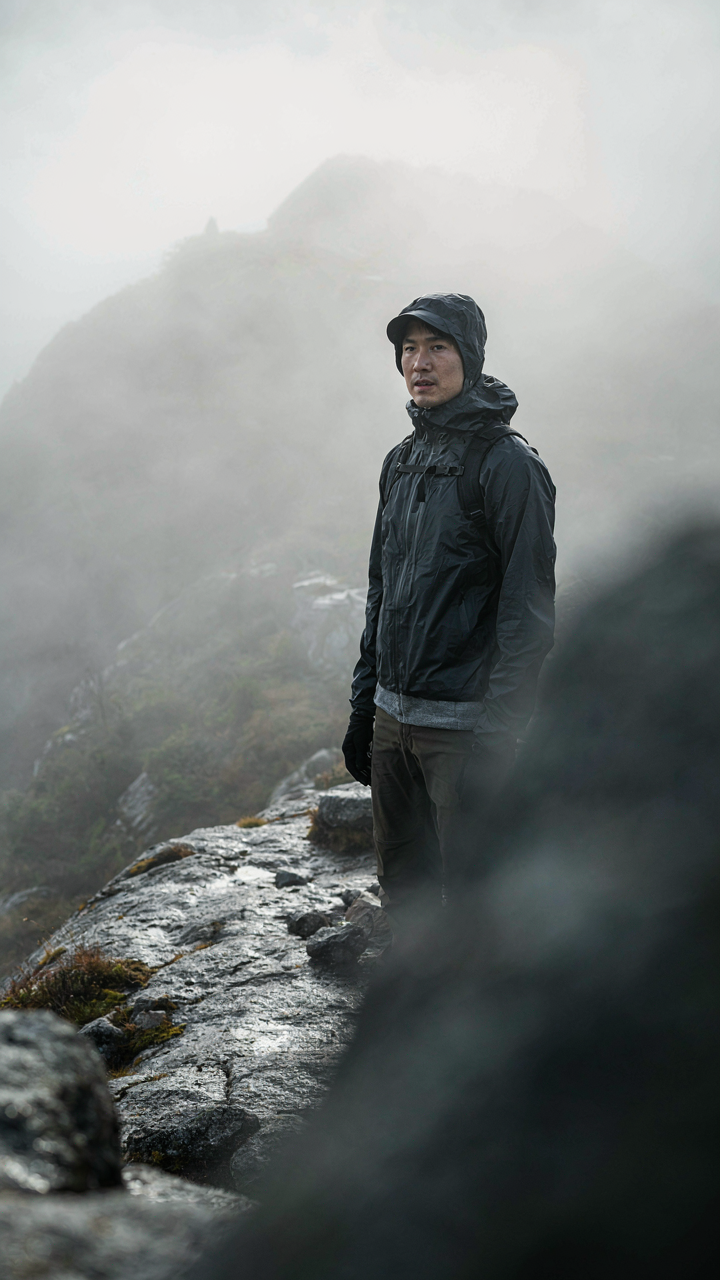
You want to believe the Faroes are predictable so you can feel confident about your trip. They aren’t. Weather in the Faroes operates like a chaotic system in physics—small initial conditions produce wildly different outcomes. A calm morning becomes gale-force wind by noon. Rain arrives sideways. Fog erases landmarks instantly. Most guides tell you to “pack layers” and call it solved. This misses the actual problem: you need decision trees, not just gear.
The real preparation is behavioral, not material. Check forecasts hourly, not daily. Know your turnaround time before you leave trailhead—not when conditions deteriorate. Understand that August and September offer slightly more stable weather than winter, but stability here means “bad most days instead of all days.” Build routes with escape routes. If your only exit is forward, you’ve already lost. The decision to turn back happens before you need it.
Challenging Routes: Where Most Hikers Actually Struggle
The consensus says hike Slættaratindur or Gásadalur for the views. These trails exist because tourists can finish them without serious trouble, not because they challenge you meaningfully. Real hiking in the Faroes demands routes where exposure is constant and consequences are immediate. Tindholmur requires boat access and scrambling on wet rock with Atlantic wind. Kollafjørður traverse connects peaks with no marked path and sections of genuine scrambling. Enniberg’s sea cliffs demand route-finding ability, not just calves.
The mistake is treating these as “advanced versions” of easier walks. They’re different animals entirely. The Faroes don’t have altitude to scare you—they have exposure, moisture, and speed of terrain change. A route might gain 600 meters over three kilometers, then demand technical scrambling on greywacke that handles like ice when wet. Pick a destination based on your actual scrambling skill, not your 5K time. Bring a rope if you can’t trust your footwork on steep, slick terrain.
The Stoic Traveler’s Guide To Faroe Islands Accommodation
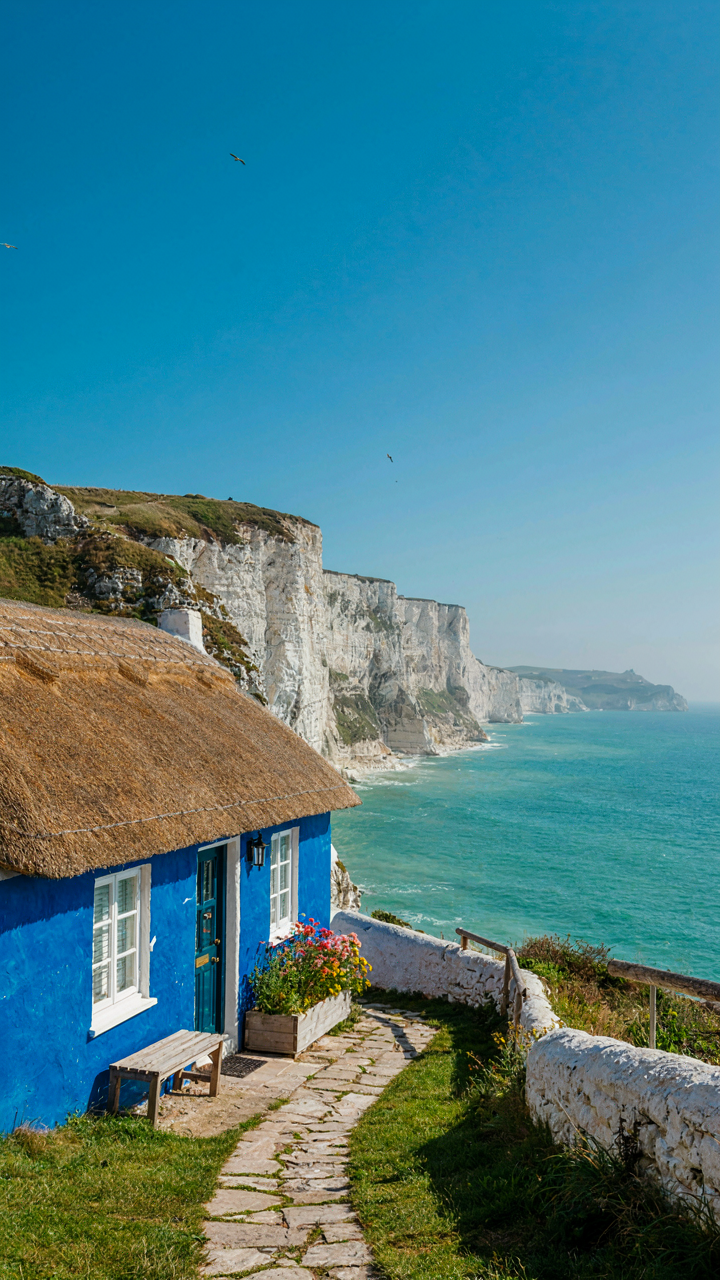
Where You Sleep Determines What You Actually See
You want accommodation that doesn’t trap you in a tourist bubble. The mechanism is simple: geography controls access. In supply chain terms, the Faroes operate on inventory scarcity. Book in the village where you want to spend time, not in the capital Tórshavn where everything costs more and you waste two hours commuting daily. Most travelers default to Tórshavn for convenience. Wrong move. You pay premium rates and lose the actual experience to logistics.
The Faroes have one main road system connecting the islands via tunnels and ferries. Accommodation near hiking trailheads or coastal villages cuts travel friction. Guesthouses in Gjógv, Saksun, or Kunoy put you minutes from the landscape. Book six months ahead for July and August. For other months, three months out works. The villages fill fast because they’re small, not because they’re overbooked. Call the guesthouses directly instead of using booking sites that don’t show local inventory clearly.
Guesthouses Beat Hotels Because They’re Honest About Scale
The hotel industry sells you a fantasy of consistency. Guesthouses don’t pretend the Faroes are something they’re not. Most accommodations operate with 8 to 15 rooms maximum. Many close in winter. You get a hot meal, local knowledge, and no corporate standardization. The hosts actually live there and earn nothing from nonsense.
Hotels in the Faroes exist but they’re overpriced relative to what you get. You’re paying for unnecessary services in a place where simplicity is the default. Guesthouses provide heating, meals, and access. That’s the full stack you need. Book directly with the property rather than through aggregators. Search for “guesthouses Faroes” plus your target island name, then contact them by email or phone. You’ll learn immediately if they have space and get real terms instead of platform markup.
Faroe Islands Vacation: Crafting Your Own Narrative
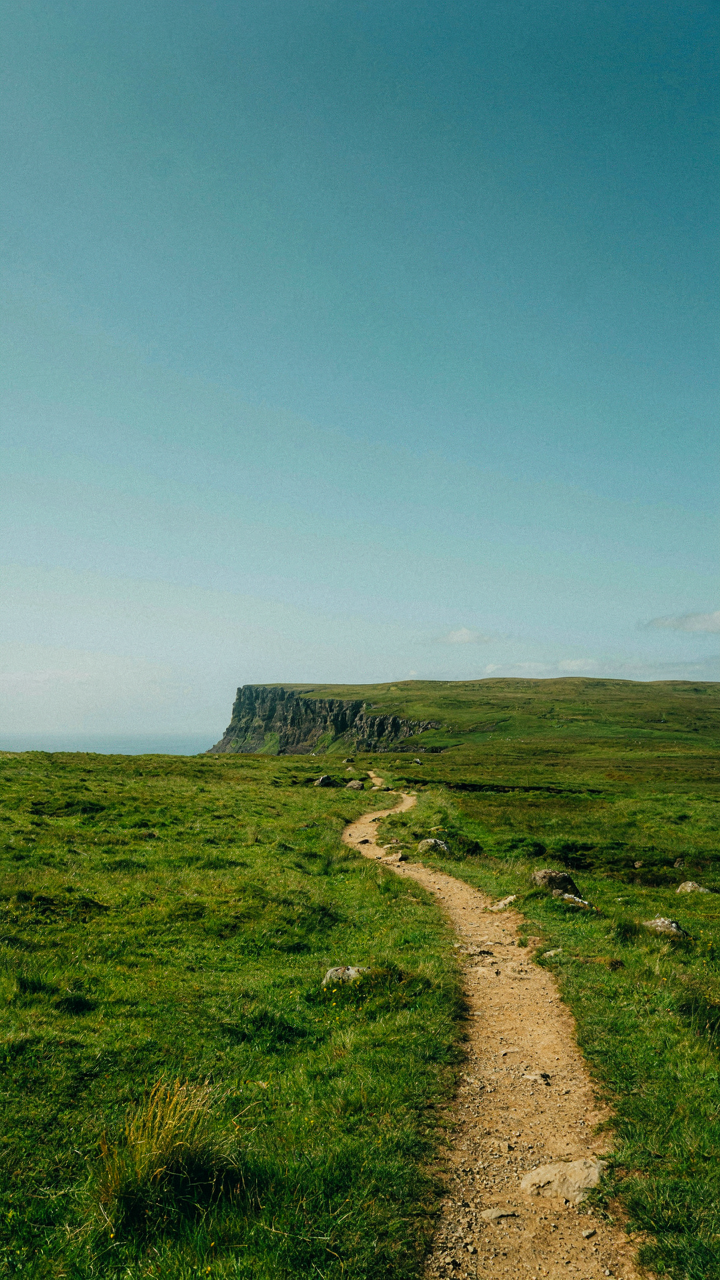
Ignore The Instagram Route
You want permission to skip the standard itinerary because you’re afraid your trip won’t look legitimate without hitting the same five viewpoints as everyone else. The mechanism is simple: most travel writing outsources thinking to other travel writing. Guidebooks and blogs recycle identical routes because they’re defensible and low-risk. The Faroes reward the opposite approach. You have 18 islands with 50,000 people total. Density is your advantage. The tourist clusters around Sørvagsvatn and Mykines because those names appear first in search results, not because they’re objectively superior.
The real move is geographic inversion. Instead of plotting points, plot the gaps. Study where people cluster on Instagram, then move perpendicular to that flow. A two-hour walk from Gjógv toward the unmapped plateau gives you weather, isolation, and actual narrative material. The Faroes have no gatekeeping infrastructure. You’re not blocked from anywhere. You’re just told where to go by consensus, and consensus kills the visit. Build your route around what serves your specific energy level and time window, not around completing a checklist.
Logistics First, Experience Second
Military strategy applies here: in warfare, amateurs talk tactics while professionals obsess over supply lines. Your Faroe Islands experience lives or dies on three resource constraints: weather windows, ferry schedules, and physical fatigue. Master these before you plan a single hike. The islands sit at 62 degrees north with Atlantic weather that shifts in hours. A trail open at dawn closes by afternoon. Ferry service between islands runs on fixed schedules, sometimes only once daily. Missing one costs you four to eight hours.
Build your itinerary backward from these constraints, not forward from activities you want to do. Check five-day weather forecasts daily and move your plans the moment pressure systems shift. Reserve ferry tickets two weeks ahead during summer. Plan rest days between high-exertion hikes because the terrain is steep, wet, and unforgiving. You’ll move slower than you think on loose volcanic rock and peat. This isn’t overcaution. This is the difference between a coherent trip and a series of cancellations masquerading as spontaneity.
Best Tours In Faroe Islands: Separating Signal From Noise
Experience Over Instagram Credentials
You want reassurance that you’re not wasting money on a bad tour, which is why you’re looking for proof in the form of reviews and slick websites. But here’s the mechanism: tour operators in the Faroes operate on reputation density, not marketing spend. The small market means word collapses fast if an operator is mediocre. Check how long they’ve been operating from their actual base in the islands, not their online presence age. Real operators have deep relationships with local guides, boat captains, and logistics teams built over years.
The common advice says “read five-star reviews.” That’s incomplete. What matters is operator tenure in the actual Faroe Islands community and whether they run repeating clients through referral, not acquisition spend. Call operators directly. Ask how many seasons they’ve run, which guides work for them consistently, and whether they operate year-round or just summer. Operators who stay put weather the off-season. Those who vanish are extraction plays.
Local Knowledge Beats Convenience
Authenticity in the Faroes isn’t a feeling you buy. It’s information asymmetry. Most tour operators cater to cruise ship passengers and week-long visitors, which means they optimize for photogenic stops and time efficiency, not actual understanding of how the islands function. Small operators who don’t chase volume know microclimates, seasonal shifts, bird patterns, and which villages still practice traditional fishing. They structure days around conditions and learning, not itinerary completion.
Seek operators who employ local Faroese guides, not imported seasonals. Ask specifically whether your guide lives there year-round and has family ties to the region. The Faroes reward this kind of rootedness. An operator running fifteen-person groups through the same three viewpoints every day has surrendered authenticity to throughput. Size matters: tours under eight people, led by someone with genuine local stakes, extract information you cannot access independently. This becomes your actual edge visiting faroe islands.
The Faroe Islands Protocol: Mastering Remote Travel
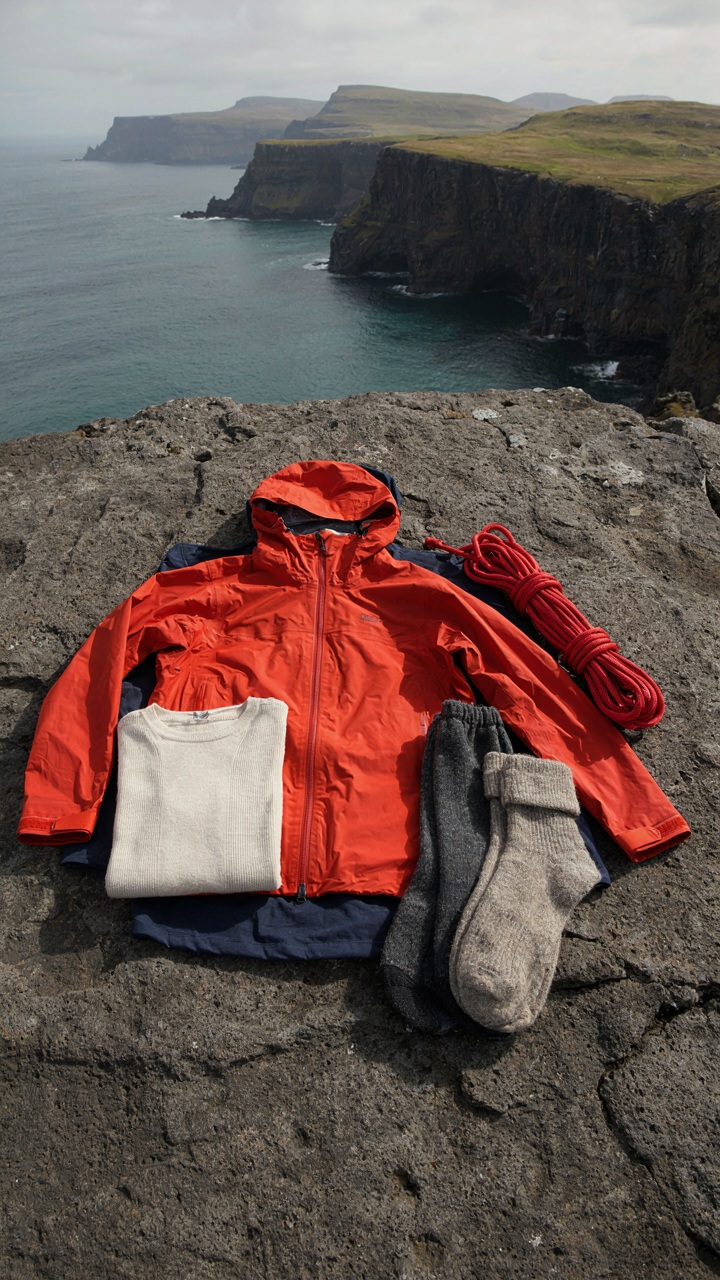
Gear That Actually Works In Atlantic Conditions
You want to feel prepared so you don’t panic when weather shifts in six hours. That’s the real game. The Faroe Islands sit in the North Atlantic’s jet stream path, meaning conditions don’t forecast five days out—they shift in real time. You need gear that handles rapid temperature swings, salt spray, and wind that treats fabric like a weapon. Generic travel lists miss this.
- Waterproof Shell Jacket: Not water-resistant. Shell fabric with sealed seams stops horizontal rain and salt spray. Most tourists underestimate the spray factor on coastal trails.
- Merino Wool Base Layer: Regulates temperature swings better than synthetics. The islands cycle between 35-50°F year-round. Merino wicks faster when you’re moving uphill into wind.
- Gaiters and Wool Socks: Volcanic terrain cuts through standard hiking boots at the heel and ankle. Gaiters keep debris out while wet conditions soak through cotton fast.
- Windproof Mid Layer: Not insulation. Wind blocks the body’s heat retention mechanism entirely. Fleece alone fails here. You need a dense synthetic or wool layer under your shell.
- Sturdy Hiking Boots: Terrain is loose basalt and moss-covered stone, both slippery when wet. Ankle support matters on unmarked sections. Vibram soles grip better than standard tread patterns.
Pack a dry bag for electronics and documents, not a backpack with water-resistant zippers. The Faroe Islands humidity averages 80 percent. Your phone dies in your pocket without barrier protection. Bring a small first aid kit—remote villages have limited pharmacy access, and cuts from volcanic rock get infected faster. Test all gear at home. You won’t troubleshoot a failed jacket in a storm.
Staying Reachable When Infrastructure Disappears
Most remote destinations have one connectivity problem. The Faroes have structural gaps. The islands have full 4G coverage in towns, but coverage completely vanishes once you move inland or to outer islands. You can’t rely on networks being there when you need them. Plan around the mechanism of isolation, not around apps.
Get a local SIM from Faroese carriers like Vodafone Faroe or Føroya Tele before arrival. International roaming rates make texting absurdly expensive, and your home network won’t prioritize you during emergencies. Download offline maps on Google Maps or similar before leaving town—do this on WiFi, not cellular data. Fiber WiFi is standard in hotels and guesthouses, so sync everything nightly. Tell someone your route and expected return time each day, not just your general itinerary. If you’re hiking remote areas, bring a satellite messenger like a Garmin InReach. Cell towers cover valleys but not ridgelines, and weather changes fast enough to strand you. The coastline has brutal drop-offs with no signal—your phone is useless as an emergency tool up there.
Beyond The Checklist: Cultivating A Faroe Islands Mindset
The Discomfort Economy
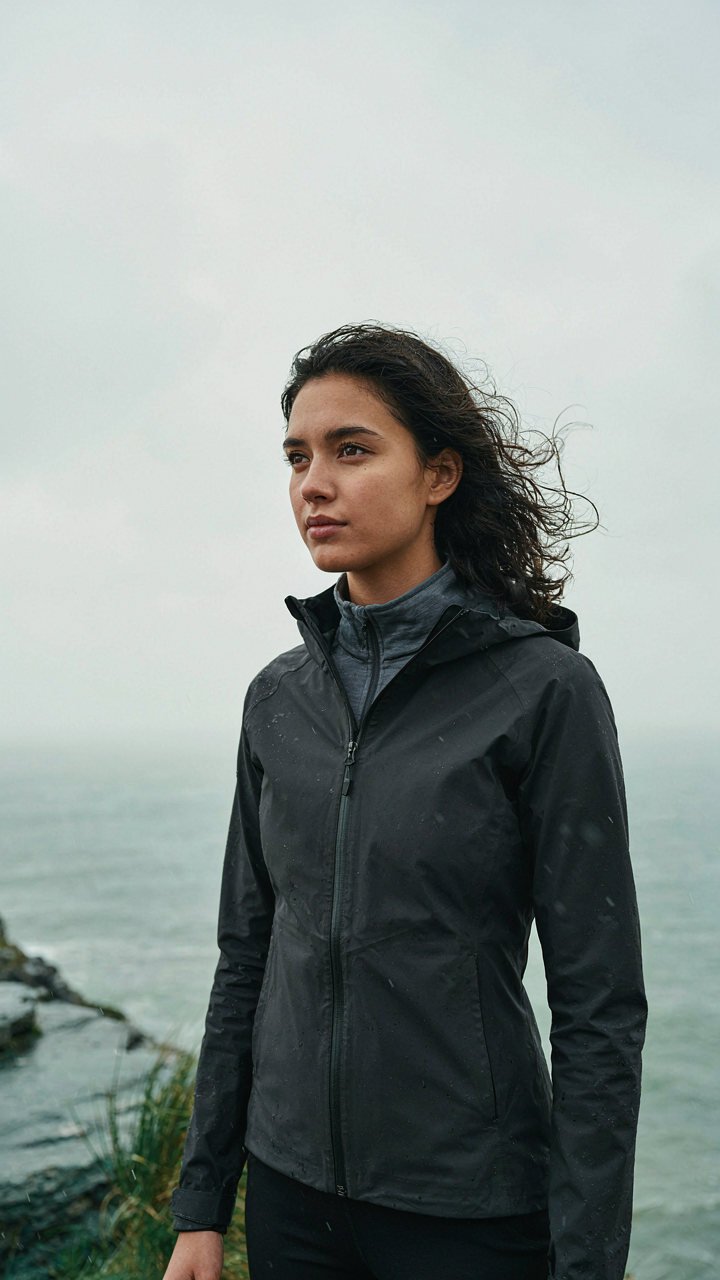
You want permission to skip the Instagram spots and feel superior about it. Here’s the mechanism: the Faroes punish softness. Cold water, cliff winds, and 14-hour darkness don’t negotiate. Tourists who arrive expecting comfort get flattened by weather and leave bitter. The real advantage goes to people who treat difficulty as information, not inconvenience. The islands reveal themselves to those willing to be uncomfortable first.
Visiting faroe islands works like a thermodynamic filter in physics: only energy systems that can handle extreme conditions survive and thrive. Embrace genuine cold. Sleep in basic accommodation. Walk in rain without complaining. Skip the heated bus tours. The Faroes aren’t a resort pretending to be rugged. They’re rugged. Your job is to stop pretending otherwise and move accordingly.
Extraction Without Footprints
The common advice is to “respect the land” and “leave no trace.” That’s incomplete because it frames conservation as restraint rather than strategy. Real environmental ethics in the Faroes demands you understand the mechanism: the islands have survived for 1,100 years because residents extract only what regenerates. Sheep graze but don’t overgraze. Fishing follows seasons. Peat cutting happens at specific times. You’re not there to consume the landscape as a passive observer.
Take photographs. Study the geology. Document the bird species. Leave behind zero waste, including microfiber from synthetic clothing that sheds in their streams. Download maps offline so you don’t need cellular infrastructure. Camp only in designated areas. This isn’t virtue signaling. It’s the operational protocol for people who understand that a place this isolated has zero capacity to absorb careless visitors. Work backward from that constraint.
The Real Obstacle To Authentic Faroe Islands Travel Isn’t Logistics; It’s Your Comfort-seeking Mind
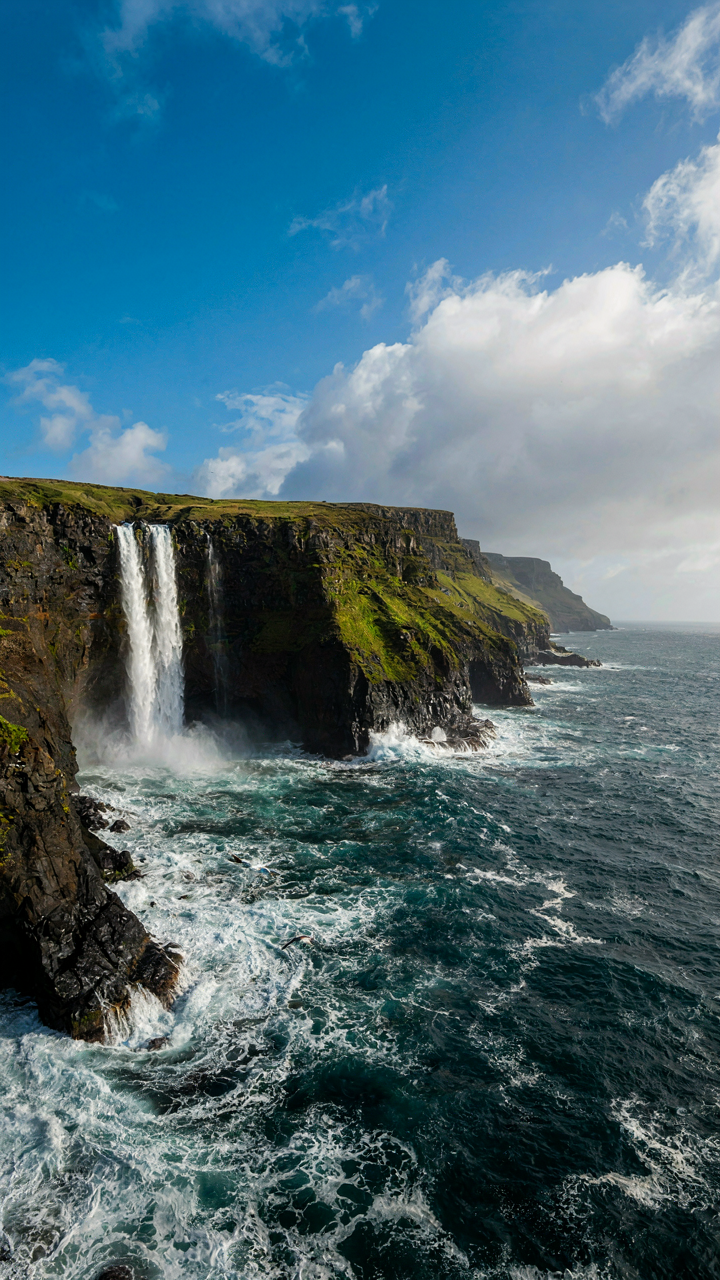
Most people never visit the Faroes because they choose the idea of visiting over the actual visit. You’ll scroll photos, bookmark articles, plan “someday,” then book another safe destination. Stop negotiating with yourself. Open your calendar today. Pick one month in the next six. Book the flight before you talk yourself out of it. The Faroes don’t wait for people ready to be comfortable; they reward people ready to be alive.