
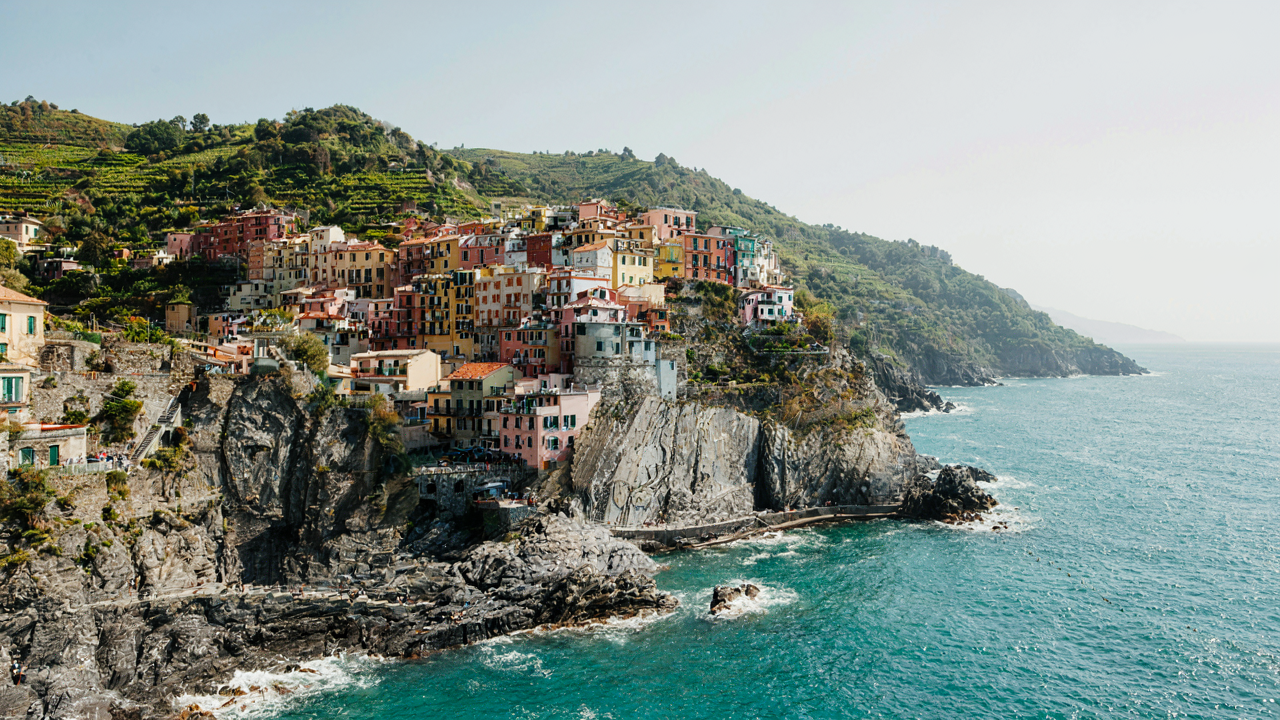
The Unfiltered Truth: What Most Guides Won’t Tell You About Visiting Cinque Terre Italy

May Through September Is A Logistical Disaster
You want to go when the photos look best. The mechanism is simple: everyone else figured out the same thing. May through September floods the villages with bodies. Ferries run at capacity. Restaurants seat strangers at your table because nothing else fits. Train platforms become human compression events. You pay peak prices for diminished experience. The trails turn into foot traffic jams where you wait thirty minutes to move fifty yards.
The real cost isn’t the inflated hotel rate. It’s the hours wasted standing still. Visit in April or October instead. Weather stays mild. You move through spaces at human speed. Restaurant owners recognize you. You actually see the villages instead of navigating through crowds. The Cinque Terre card, which grants trail access, costs the same year-round. The only difference is whether you experience the place or photograph its outline.
The Villages Stopped Being Villages Twenty Years Ago

Everyone says Cinque Terre is “unspoiled” and “authentic.” This is marketing language. Monterosso, Vernazza, and Manarola generate income exclusively through tourism now. Traditional fishing economy collapsed decades ago. Local businesses cater entirely to visitors. The permanence you’re seeking isn’t there. What remains is a carefully managed simulation of coastal village life, executed well enough that the distinction barely matters.
The authenticity that still exists lives in the terraced lemon groves on the hillsides and the maintenance of stone structures, not in street-level interactions. Focus on the engineering of the villages, the vertical agriculture that built the region, and the hiking trails connecting them. Skip the expectation of discovering “real Italy.” You’ll find sophisticated infrastructure disguised as simplicity. That’s valuable to understand on its own terms. It’s just not the thing most guides promise you.

The Cinque Terre Blueprint: Navigating Crowds Like A Local
When To Show Up And Leave
You want the Instagram version without the Instagram crowds. That’s the real reason this matters. The mechanism is simple: Cinque Terre operates on seasonal flow, and the difference between arriving at 9 AM versus 11 AM determines whether you navigate or suffocate. May and September compress the sweet spot of weather and relative emptiness. June through August pulls every tourist on the continent. December through February empties the villages but closes restaurants and boat services, making movement between towns difficult.
Book trains and ferries for early morning departures. Most visitors sleep through the optimal window because they treat Cinque Terre like a day trip from La Spezia. The villages wake before 7 AM. The hiking trails clear by 8 AM if you start then. Afternoon crowds spike between 11 AM and 4 PM when tour buses disgorge their loads in Monterosso and Vernazza. Leave a village before noon or after 5 PM, and you experience the actual place instead of a performance of it.
Finding What Tourists Miss
The consensus advice here is broken. Everyone suggests the same three “hidden spots” they read on Reddit. Manarola’s harbourfront and Vernazza’s piazza aren’t discoveries anymore because discovery collapsed the moment they got named. The real mechanism comes from economics: tourists concentrate where infrastructure exists. Boats, wide paths, and restaurants pull crowds. This means value moves to friction.
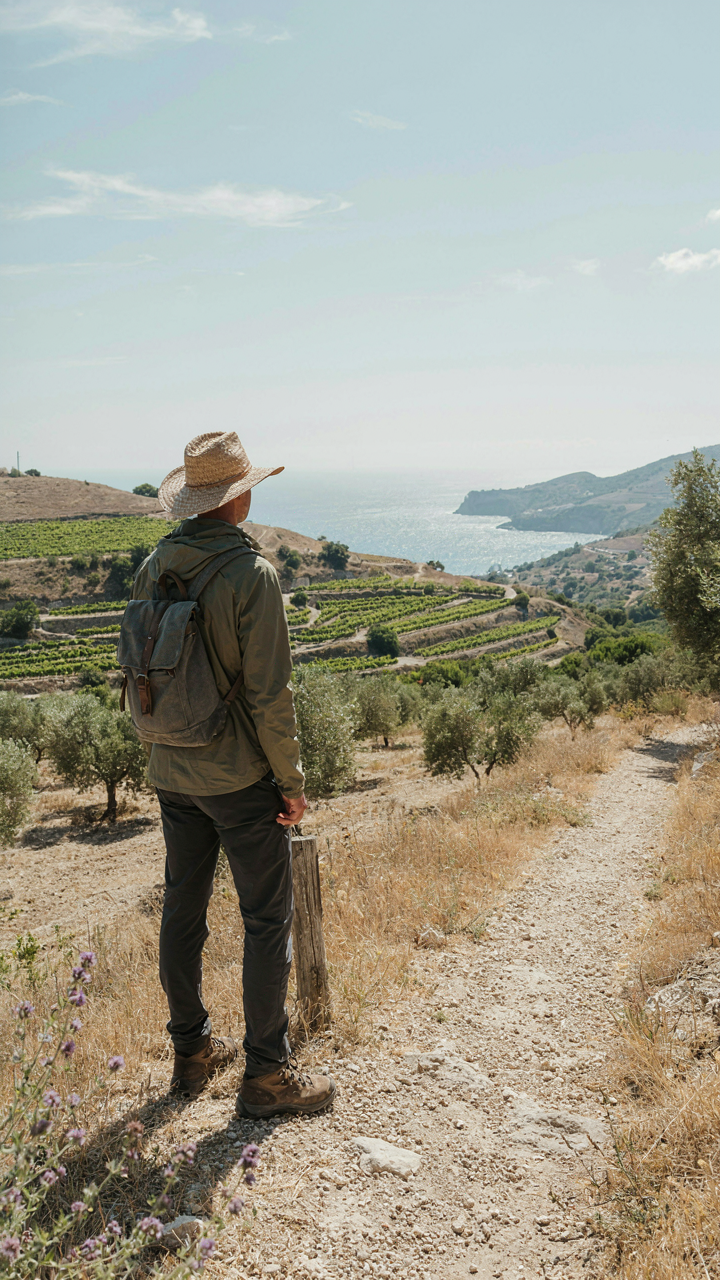
Corniglia sits on the ridge above the main four villages and requires either a train or stairs. Most visitors skip it because there’s no direct water access and the climb demands effort. This single fact eliminates 80 percent of the crowd. The village has functioning restaurants, real residents conducting actual lives, and sightlines across the entire coast that Vernazzo’s packed piazza cannot offer. Walk the inland trails between villages instead of the coastline path. They connect through olive groves and terraced vineyards where you encounter locals and silence instead of confirmation bias in human form.
How To Get To Cinque Terre: The Efficient Traveler’s Protocol
Train Travel: Maximizing Efficiency
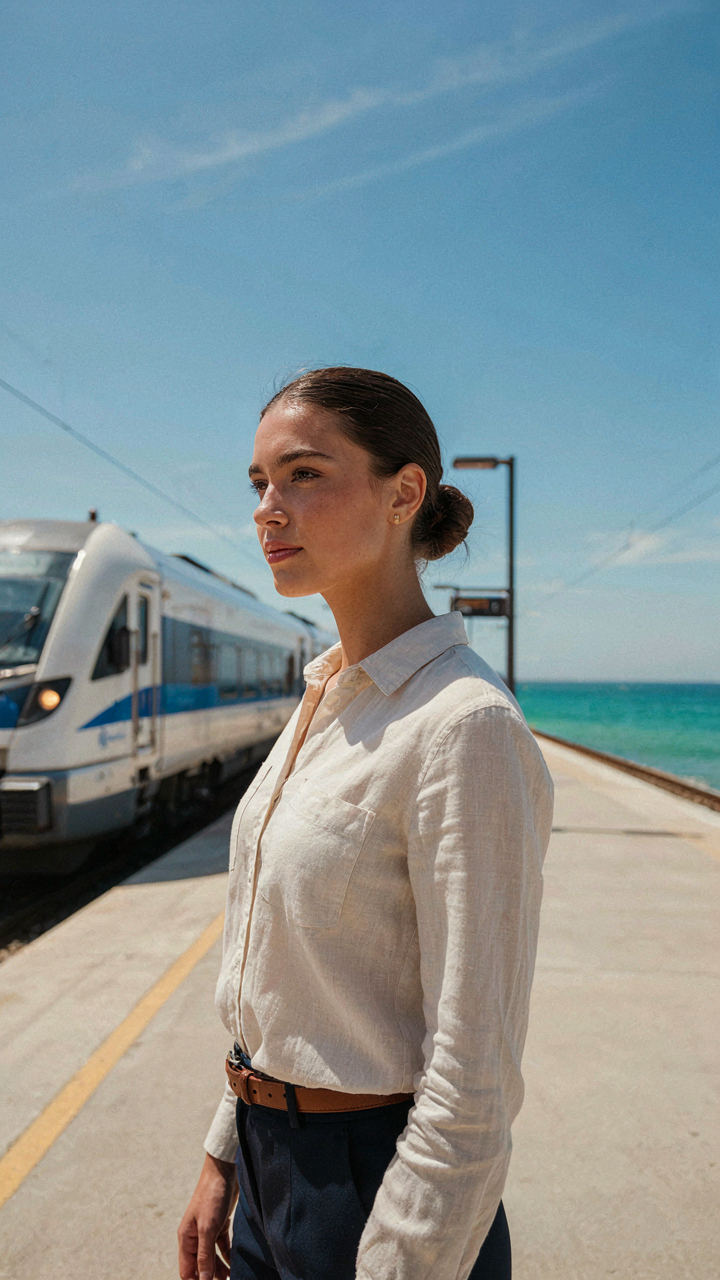
You care about this section because you’re terrified of looking incompetent navigating a foreign country. The real mechanism is simple: Cinque Terre sits on a coastal rail line, and trains operate on fixed schedules you can’t negotiate with. The Trenitalia regional trains connect all five villages directly. No transfers required. No confusion. Regional trains run hourly during daylight, cost roughly 4 to 8 euros per segment, and move faster than any alternative from major cities.
The common advice says take the scenic route and enjoy the view. Wrong. Board at La Spezia or Monterosso, sit on the left side for ocean views if that matters to you, and ride to your destination village. The train runs inside a tunnel for stretches. Tickets sell at stations or through the Trenitalia app. Buy them before boarding or face a 5-euro penalty surcharge. The protocol: arrive at La Spezia station 20 minutes early, confirm your train number on the digital board, board, and exit at your village’s stop. Done.
Parking Realities And Alternatives
Parking in Cinque Terre doesn’t exist in any practical sense. The villages perch on cliffsides with stone streets too narrow for cars. Most people attempt to park in La Spezia or Monterosso and fail because lots fill by mid-morning. Rental cars become dead weight the moment you arrive.
The actual move is to abandon the car entirely before reaching the coast. Park in La Spezia at a paid lot, take the train to your village, and retrieve the car only when leaving the region. This costs 10 to 20 euros per day but saves hours of circling for spaces and prevents damage to a rental on medieval paths. Alternatively, use regional buses from larger towns, but frequency drops in shoulder seasons. The protocol: drive to La Spezia, pay for parking, ride the train forward.
Best Towns In Cinque Terre: Beyond The Hype, Into The Heart

Where To Actually Sleep
You want the Instagram validation of saying you stayed in Cinque Terre without the logistics nightmare that kills the trip. The mechanism is simple: Cinque Terre has five villages, but only two function as genuine bases. Monterosso al Mare and Vernazza are the only towns with real infrastructure—hotels, restaurants that aren’t tourist traps, laundry facilities, grocery stores. The other three exist primarily as day-trip destinations. Staying in Corniglia, Manarola, or Riomaggiore means you pay premium prices for limited services and fight crowds during peak hours when day-trippers flood the narrow streets.
Monterosso works if you want a beach, normalcy, and the most accommodation options. It’s the largest village and feels least like Cinque Terre, which is exactly why it functions best as a base. Vernazza is the genuine trade-off: smaller, more atmospheric, steeper learning curve for navigation, but you’re surrounded by the actual landscape people come for. Choose based on whether you prioritize comfort or immersion, not based on which village name sounds more authentic. Your hotel choice determines whether you move through Cinque Terre or fight through it every morning.
The Real Reason Each Village Matters
Monterosso exists for logistics, not experience. It has a beach that draws locals and provides a soft landing for tourists unprepared for vertical terrain. The beaches here actually work—sand, infrastructure, sunbathing space. Vernazza is the postcard. The harbor, the pastel buildings stacked above water, the tiny beach that fits maybe thirty people—this is what people fly eight hours to photograph. The crowds prove it. Corniglia sits on a cliff with no beach and requires serious commitment to reach. Most tourists skip it entirely, which creates an accidental advantage: it’s quieter and demands you actually engage with the village instead of consuming it.
Manarola has the famous Lovers’ Lane trail (Via dell’Amore) on its western edge, though the path closes periodically for maintenance. The village itself is small, genuine, and less overrun than Vernazza or Monterosso. Riomaggiore mirrors Manarola’s setup—a working fishing village where locals outnumber tourists by actual count, not by reputation. The differentiation between villages isn’t about which one is “best.” Each one serves a specific purpose in your visit. Your itinerary should account for what each village actually offers, not where your guidebook told you to take photos.
Things To Do In Cinque Terre Italy: The Experience Matrix

Where Your Time Actually Goes
You want to feel like you optimized your trip, but you haven’t thought about scarcity at all. Game theory exposes the real constraint: you have finite hours, not infinite experiences. Cinque Terre demands allocation discipline. You can hike all five villages, eat at tourist restaurants, and photograph the same postcard angles everyone else captures. Or you can decide what matters before you arrive and protect time for it ruthlessly.
The five villages stretch along five kilometers of coast. Vernazza draws crowds. Manarola has the harbor photos. Monterosso has the beach. Corniglia sits inland. Riomaggiore connects via the coastal path. Most visitors scatter effort across all five, sampling each weakly instead of dominating one or two. The mechanism is simple: allocate 60 percent of your time to one village, 30 percent to a second, 10 percent to logistics and meals. This concentration creates depth instead of blur.
The Cost Of Every Choice
Visiting Cinque Terre means trading hiking time for eating time, village exploration for train travel, early mornings for sleeping in. Most travel advice ignores this. It treats each activity as independent rather than competitive for the same hours. The real question isn’t whether the hiking path between villages is worth seeing. It’s whether that four-hour hike beats sitting in Vernazzo’s main piazza with a book and local wine for the same duration.
Start by naming what you actually want: Are you building social media content, seeking solitude, eating your way through Italy, or testing your fitness? Each demands different time allocation. A photographer spends dawn and dusk positioning shots. A food person camps at trattorias during off-peak hours when cooks aren’t rushed. A hiker leaves at 6 AM to beat crowds. Someone seeking quiet avoids weekends entirely. Pick one primary outcome. Build your schedule backward from that single anchor.
Best Hikes In Cinque Terre: Conquering The Trails, Not Just Walking Them
What Your Boots Actually Need Before Day One
You want the Instagram version of yourself completing these trails without the part where your feet betray you halfway through. The mechanism is simple: Cinque Terre’s trails are stone pathways built into cliff faces, not groomed dirt. The terrain demands specific preparation, and generic hiking advice misses this entirely.
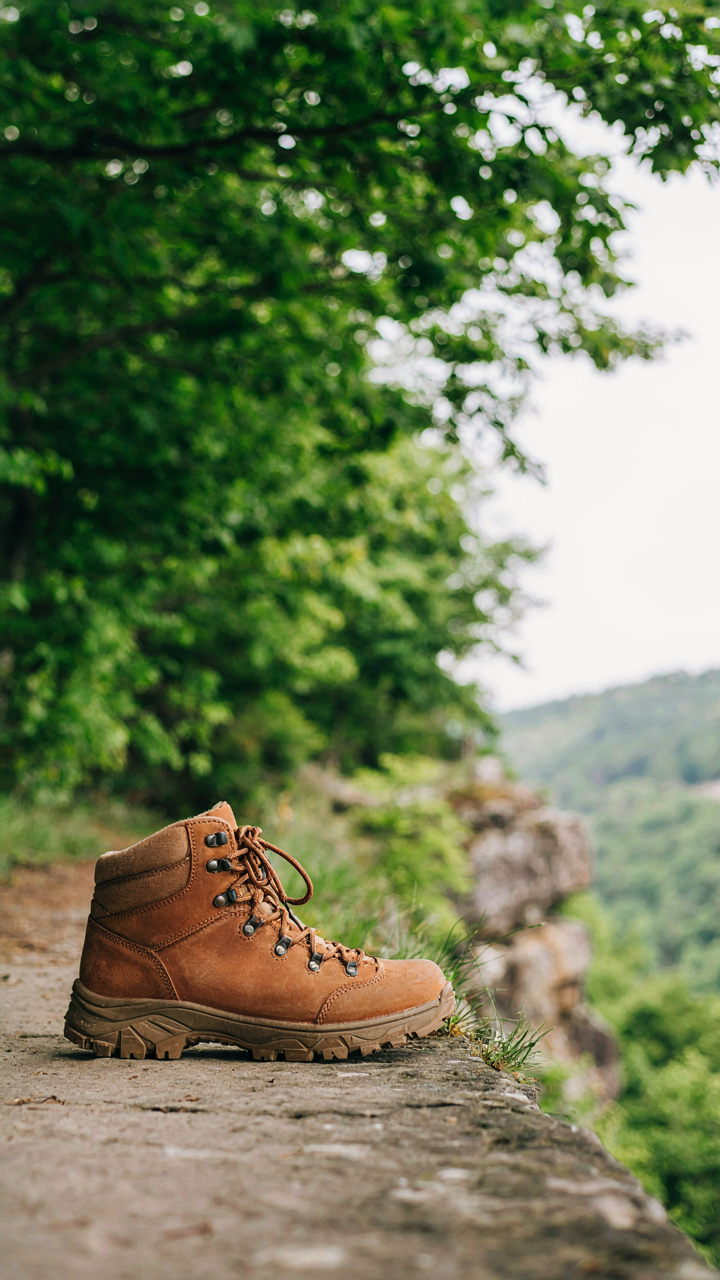
- Proper footwear with grip: Trails use smooth stone worn by thousands of feet annually. Standard sneakers slip. You need hiking shoes with aggressive tread and ankle support to handle the steep, wet sections between villages.
- Water capacity of at least two liters: There are no refill stations on most routes. Dehydration hits faster at elevation in Mediterranean heat. Carry more than you think necessary.
- Early morning starts before 8 AM: Trails become congested by mid-morning, turning navigation into crowd management. Starting early gives you stable footing and clearer sightlines.
- Navigation download, not reliance on signs: Official trail markers exist but fade or mislead. Download offline maps of your route beforehand using apps like Maps.me or AllTrails to avoid dead ends.
- Insect repellent and sun protection: Mediterranean sun reflects off stone and water intensely. Mosquitoes thrive near the coastal vegetation. SPF 50 and DEET-based spray are non-negotiable.
The Via dell’Amore between Riomaggiore and Manarola sits closed most years due to rockfall and erosion. This teaches you something critical: conditions change. Check current trail status with local guides or visitor centers the morning of your hike, not the night before. A trail open yesterday closes today without notice.
The Real Reason Most Hikers Take Wrong Routes
Everyone hikes Cinque Terre the same way because everyone follows everyone else. That’s not strategy—that’s herd behavior masquerading as experience. The crowded routes aren’t crowded because they’re best; they’re crowded because they’re mentioned first in guidebooks written fifteen years ago.
The Via dell’Amore is closed. The Monterosso to Vernazza trail gets hammered by noon. Yet hikers still cluster at trailheads expecting different outcomes. Skip the consensus routes. Instead, hike the less obvious connections: Vernazza to Corniglia via the inland ridge path takes you through olive groves where you encounter locals, not tour groups. The Monterosso to Levanto trail extends beyond the five villages but rewards you with actual solitude and harder topography. These routes aren’t hidden—they’re simply ignored because they require reading a map instead of following a blue dot on your phone.
Cinque Terre Map Guide: Your Tactical Advantage

Train And Ferry Routes That Actually Work
You want a map because you’re afraid of looking lost in front of other tourists. The real mechanism is this: Cinque Terre’s infrastructure runs on two systems that almost never sync perfectly, and knowing which one moves you determines whether you waste four hours or spend them productively. The Trenitia regional train connects all five villages on a coastal line, stopping in Monterosso, Vernazza, Corniglia, Manarola, and Riomaggiore. Trains run roughly every 20-30 minutes during peak season, less frequently in winter, with journey times between villages averaging 5-10 minutes depending on your starting point.
The ferry system operates May through October primarily, connecting Monterosso, Vernazza, and Manarola on a loop route. Ferries move slower than trains but offer coastal views trains miss. Most visitors make one critical error: they assume ferry schedules match train schedules. They don’t. The ferry runs roughly hourly during peak months, and timetables shift seasonally. Bookmark the official Navigazione Golfo dei Poeti website before arrival, not the tourism sites that lag behind. Print both schedules if you’re traveling in shoulder season when departures contract unpredictably.
Offline Maps Keep You Moving When Signal Dies
The common advice tells you to download Google Maps, then acts like that solves the problem. It doesn’t, because the villages themselves have inconsistent street naming and many paths don’t show up as roads on any digital map. Download Maps.me instead, which uses OpenStreetMap data and includes hiking trails, coastal paths, and small alleys Google misses. The offline version works without cell service, which matters because Cinque Terre’s terrain blocks signal constantly, especially near the water or inside village centers where stone buildings create dead zones.
The tactical advantage comes from having three navigation layers: the official hiking trail map (download the PDF from Parco Nazionale Cinque Terre before you leave home), Maps.me offline, and a physical paper map you buy at any train station kiosk for five euros. The paper map redundancy sounds excessive until your phone battery dies at kilometer two of the four-kilometer Vernazza to Corniglia trail with no village in sight. Buy the map. It takes up less space than a notebook and removes the single point of failure that kills a day’s plan.
Cinque Terre Italy Itinerary: The Anti Tourist’s 3 Day Domination

Where To Stay And Move Between Villages
You want the Instagram story without the crowds crushing your experience. The real mechanism is compression: tourists cluster in Vernazza and Monterosso because they lack a spatial strategy. Day one, sleep in Corniglia. It’s the least accessible village by boat, which means fewer day-trippers and cheaper accommodations. You move through the villages deliberately rather than bouncing back to a base hotel each night.
The hiking trails between villages operate on gravity and time. Start highest at Corniglia on day one, hike down to Manarola on day two, then to Riomaggiore on day three. This eliminates backtracking and aligns your energy with the terrain. You finish where the trains run most frequently, giving you flexible exit options. The Via dell’Amore path between Riomaggiore and Manarola often closes for maintenance, so verify its status before planning. Book accommodations two weeks out minimum to secure strategic village placement.
Timing Movements To Avoid The Baseline Crowd
The common advice says visit in shoulder season. That’s incomplete. The actual pattern is hourly, not seasonal. Ferry crowds peak between 11am and 3pm when day-trippers arrive from La Spezia. Hiking trails thin out before 8am and after 5pm. Restaurants serve better food to locals at lunch than dinner because tourists expect the dinner rush and accept lower quality.
Reverse your schedule. Hike the main trails at 6:30am when light is flat but visibility is sharp and you’ll see three people instead of three hundred. Take the ferry during off-peak hours, eat dinner at 7pm, then walk the village at 8:30pm when restaurants close and locals reclaim the piazzas. This isn’t about being a contrarian for status, it’s about experiencing the actual place instead of a human parking lot with water. Set phone alarms for 6am on all three days and treat them as non-negotiable.
What To Do In Cinque Terre: Beyond The Postcard Photo Ops
Eat Where The Tourists Never Walk
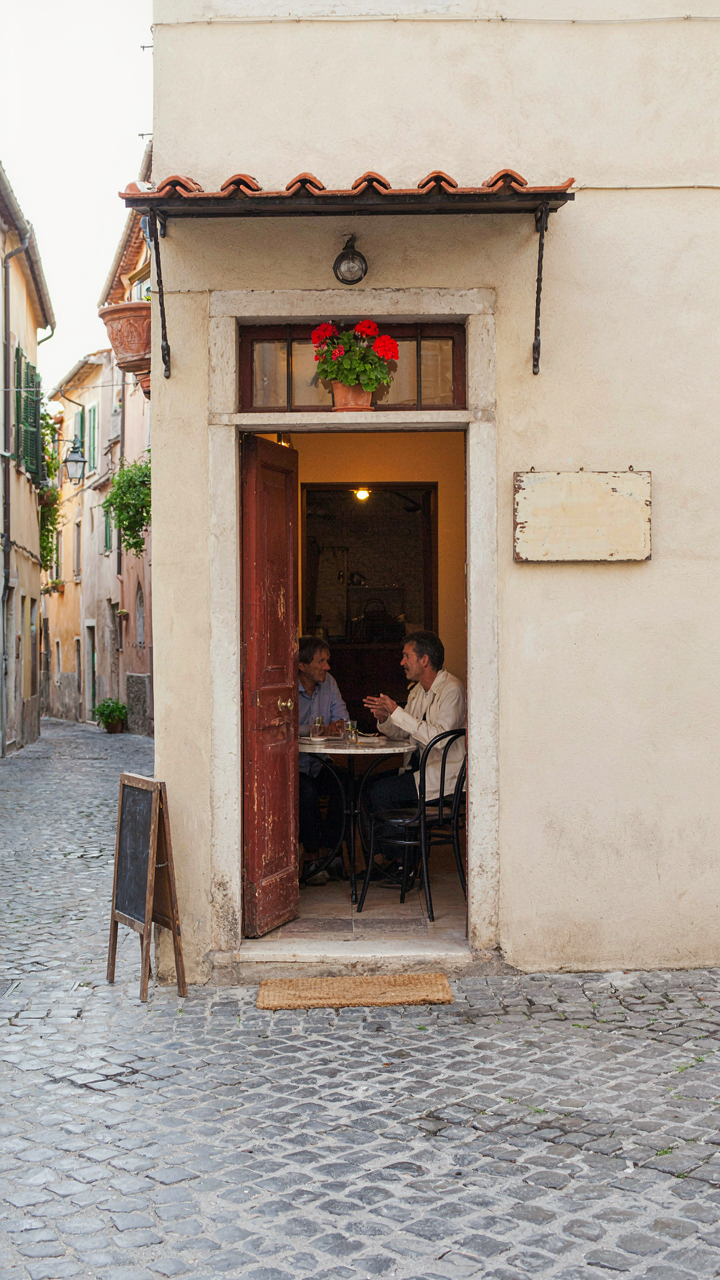
You’re here because you want to tell people you discovered something real, not because you actually care about the food. The mechanism that matters: locals eat where foot traffic doesn’t reach. The five villages have a ruthless economic incentive. Restaurants on main pedestrian paths charge three times the price and serve microwaved seafood to people taking bites between Instagram shots. The actual restaurants operate one street back, sometimes two.
Find them by walking perpendicular to the water. You’ll recognize them because they don’t have English menus outside or staff waving you in. Trofie al pesto, fresh anchovies, local wine poured from bulk bottles, tables full of people speaking Italian. The cost runs half of what you’d pay ten meters toward the harbor. Eat lunch between noon and 1 PM when locals do, not at the tourist dinner hour.
See What Nobody Photographs
The real viewpoints are worthless for social media because they require effort and don’t frame the five villages in one shot. Use the principle of revealed preference from economics: if a viewpoint is famous, its value to you is already competed away. The best sight lines come from trails most visitors never reach because they don’t appear on the main walking path between villages.
Start at the edge of Manarola, past the last house, and climb the terraced hillside heading inland. The view back toward the coast shows the villages compressed against the rock face, the actual scale of the place without the crowd compression that happens at official photo spots. Do this at 7 AM or after 5 PM. You’ll encounter zero other people and you’ll see why someone built a civilization here instead of somewhere easier.
Cinque Terre Travel Inspiration: Reframing Your Expectations

The Plan Always Breaks
You want this section to confirm your Instagram timeline will look flawless. Here’s the mechanism: Cinque Terre operates on Mediterranean timing, not your itinerary. Trains run late. Trails close without notice. Villages flood seasonally. The mechanism isn’t that things go wrong—it’s that your rigidity creates the disappointment, not the place. Flexibility is the only real asset when visiting Cinque Terre Italy.
Most travel guides tell you to “stay flexible” as generic advice. That misses the point. The actual move is treating your loose plan as a hypothesis, not a reservation. You arrive in Vernazza at midday and the boats aren’t running—so you sit, you eat, you talk to locals at the bar. That forced pause becomes the memory, not the photo you missed. The experience compounds when you stop fighting the friction.
Locals Aren’t Performing For You
Connection in Cinque Terre requires understanding that residents aren’t part of the tour package. They live there year-round while tourism cycles through. Most tourists photograph them, ask for directions, then vanish. The lever for genuine interaction isn’t asking better questions—it’s showing up repeatedly in the same spot and becoming recognizable. A bartender remembers you on day four. A shopkeeper saves you a table on day six.
The protocol is simple: pick one village and return to the same restaurant or bar three times minimum. Order the same drink or dish. Ask about their family, their season, what changed since last year. Pay attention to their answers instead of thinking about what to ask next. You’re not collecting experiences—you’re building a micro-relationship. That distinction changes everything about what you get from visiting Cinque Terre Italy.
The Real Obstacle To Cinque Terre’s Magic Isn’t Its Crowds, But Your Lack Of Strategic Intent

Most people visit Cinque Terre the way they scroll Instagram: passively consuming what’s in front of them. You’ll hit the same viewpoints, eat at the same restaurants, take the same photos as ten thousand others that week. The towns don’t fail you. Your plan does. Before you book anything, decide what you actually want: hiking at dawn, eating fresh seafood alone, or photographing sunset without tourists. Open Google Maps right now and block out three specific time windows for three specific activities. Strategy isn’t romantic, but it’s the only thing that transforms a crowded tourist trap into a place that changes you.