
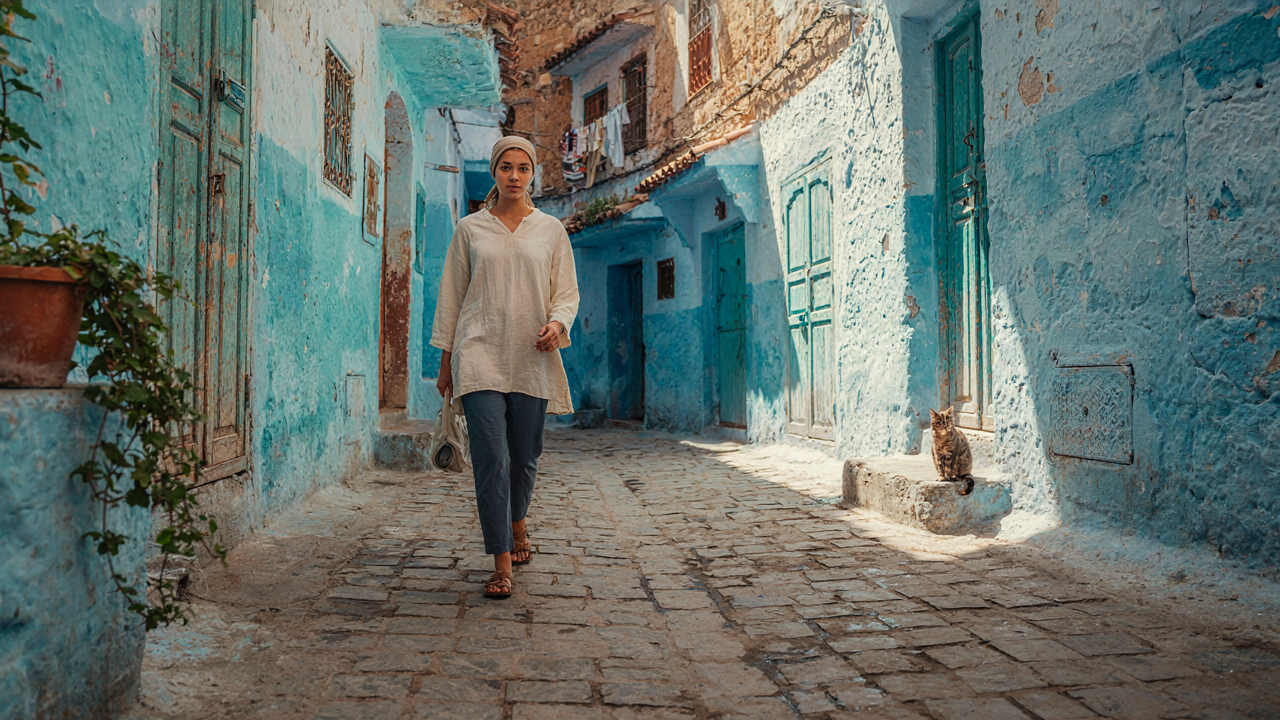
The Instagram Illusion Vs. Chefchaouen’s Actual Pulse
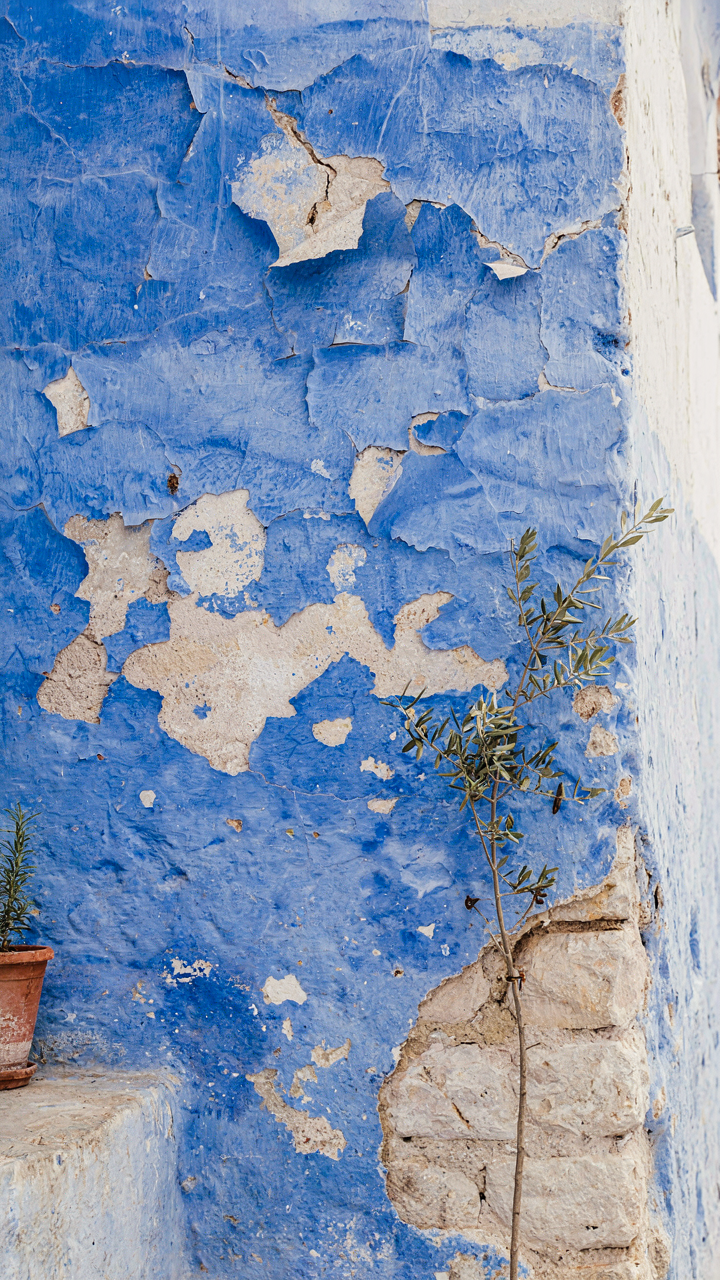
The Blue Paint Isn’t The Story
You’re visiting Chefchaouen Morocco because you want proof you went somewhere real. The blue isn’t a destination—it’s a signal you can broadcast. But signal and substance are different inputs to the same system. The paint matters only as camouflage for what actually shaped this place: trade routes, Spanish occupation, and survival economics. The blue was practical first, aesthetic second. You need to flip that order back.
Chefchaouen’s blue came from indigo and lime wash—materials that reflected heat and killed insects in the medina’s tight quarters. Residents didn’t paint for tourists. They painted because the Rif Mountains trap heat, and the city sits high enough to feel it year-round. The blue persisted because it worked. When you see it now, you’re seeing a solution to a climate problem that still exists. Strip the Instagram angle and you’re standing in the middle of functional engineering, not a theme park.
Beyond The Paint, The Actual Layers

The city’s real narrative runs parallel to the blue, invisible unless you know where to look. Chefchaouen was founded in the 15th century as a fortress against Portuguese coastal invasions. The medina’s layout—narrow streets, dead ends, elevated positions—reflects defensive architecture, not romantic charm. Spanish occupation lasted centuries after that. The city’s Spanish-influenced buildings, fountain systems, and street patterns remain embedded in the urban fabric. None of this appears in photographs.
Walk the medina without stopping for shots and you’ll notice the economic layers: tourist shops stacked against family homes, newer construction materials mixed with original stone, graffiti over whitewash over older paint. These contradictions tell you how the city adapted and what it sacrificed. Visit the local hammams, the active markets outside the medina’s center, and the neighborhoods where Moroccan families actually live. That’s where the mechanism reveals itself—tourism isn’t destroying Chefchaouen, it’s rewriting who gets to stay.

Is Chefchaouen Worth Visiting? Only If You Seek More Than Scenery

The Postcard Trap
You’re worried you’ll waste money on a place that looks better in photos than in reality. That fear is legitimate. Chefchaouen operates on a common mechanism: the contrast between expectation and experience narrows the moment you arrive. The blue-painted medina is real. The narrow streets exist. But the gap between scrolling through Instagram and standing in a crowded plaza at noon determines whether you regret the trip or extract actual value from it.
Most travel advice stops at “it’s beautiful, go see it.” That’s incomplete. The real question is whether you’ll engage with the place or simply collect images. Chefchaouen rewards intention and punishes passivity. The difference between a wasted journey and a meaningful one hinges on what you do between sunrise and the crowds arriving at nine in the morning.
Immersion Versus Performance
The tourism industry has inverted the meaning of cultural immersion. Everyone now performs immersion for an audience of people they’ll never meet. Real immersion in Chefchaouen requires rejecting the prescribed route. Skip the main plaza during peak hours. Avoid the cafes positioned specifically for overhead shots. These spaces exist to generate content, not to connect you with the city’s actual rhythm or history.
The medina was built centuries ago as a refuge for Moroccan Jews and Muslims fleeing Spanish persecution. The blue paint came later, likely a practical choice related to insect control and whitewash durability in Mediterranean climates, not a deliberate aesthetic decision from the start. To understand Chefchaouen, you need to move through residential streets after noon when tourists thin out, eat where locals eat, and ask direct questions about why things are arranged the way they are. That requires time most visitors don’t allocate.
The Unseen Chefchaouen: Things To Do Beyond The Obvious
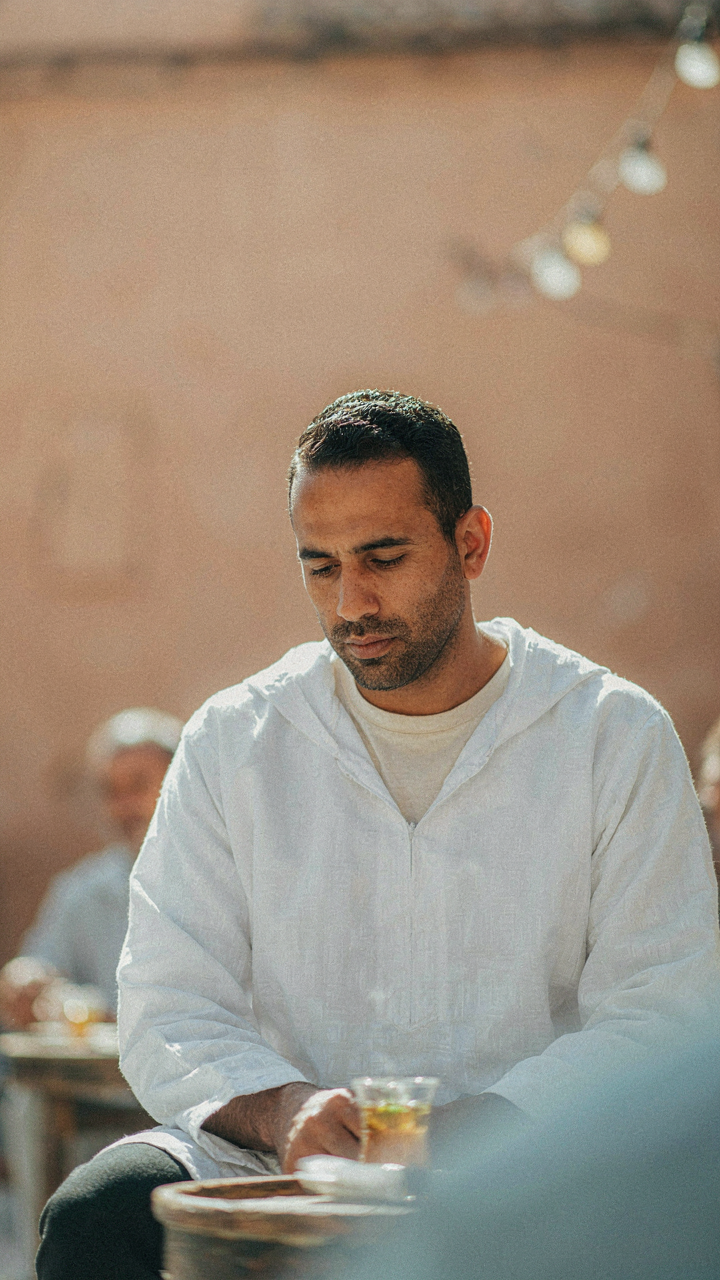
Where Locals Actually Spend Time
You want to feel like you discovered something real, not just visited what everyone else photographs. The mechanism is simple: tourist infrastructure concentrates visitors into visible zones, leaving entire neighborhoods untouched. The medina’s eastern edge, past Ras el-Maa waterfall toward the upper residential quarters, sees almost no guidebook traffic. Here, locals buy vegetables at markets, drink coffee in unmarked cafes, and move through streets with actual purpose instead of posing.
Walk the steep alleys north of Place Outa el-Hammam toward the Spanish Mosque viewpoint. You’ll pass homes with open doors, children playing in courtyards, and small shops selling rope, tools, and spices to people who live there. This zone exists outside the tourist loop because it offers no Instagram angle. The reward isn’t a view or an experience to post, it’s watching a town function without performing.
Daily Rhythms Over Staged Moments
Most travel advice treats Morocco like a museum exhibit, suggesting you observe rituals from outside. That misses the actual mechanism: participation changes what people show you. Instead of watching mint tea preparation in a shop designed for tourists, sit in a hammam’s cooling room after bathing with local men and women. The hammam isn’t an attraction; it’s infrastructure. You access it by showing up at 8 AM with a small bucket and soap, paying two dollars, and moving through the same sequence everyone else does.
Attend Friday prayer at a neighborhood mosque that welcomes visitors, not the famous blue mosque that’s become a photo checkpoint. You’ll stand in rows with thirty people whose lives have nothing to do with tourism. Attend a neighborhood bread oven early morning when families bring dough to bake, or join a family for a home-cooked meal through someone you meet, not a booked experience. The shift from observer to participant is immediate and structural, not emotional.
Morocco Travel: Mastering The Chefchaouen Micro Economy

The Negotiation Mechanics Of Mountain Haggling
You want to feel like you won. That’s the real reason you care about haggling—it’s status wrapped in a transaction. Game theory exposes why: both parties have incomplete information. The vendor doesn’t know your budget or exit strategy. You don’t know their actual cost or profit margin. The one who controls information controls the outcome.
In Chefchaouen’s souks, haggling isn’t confrontational—it’s a signal exchange disguised as conversation. Tourists who approach it like Western negotiation fail immediately. The vendor opens high. You counter low. Each move tests whether you’re informed or naive. The vendor’s actual opening price signals nothing about their floor. Your first counteroffer signals everything about your sophistication. Most travelers skip the first three rounds and accept whatever gets them out of discomfort.
The Layers Behind Local Economic Survival
Mountain towns don’t run on tourism alone—that’s incomplete thinking. Chefchaouen exists in a dual economy: formal sales to outsiders and informal trade among residents. The informal layer moves cash without receipts, serves locals at different prices, and operates on relationship capital built over years. A shop owner’s survival depends more on repeat customers from the surrounding Rif region than on one-time tourist transactions.
This structure changes your leverage completely. If you establish yourself as a repeat customer—staying longer, returning to the same vendors, buying across multiple visits—you gain access to actual pricing. You move from transactional to relational status. The vendor then competes for your loyalty rather than extracting maximum value from your ignorance. Buy tea from the same café owner five days in a row, and by day six, the price normalizes downward. Stop asking for tourist rates and start asking merchants about their families.
The Chefchaouen Map: Navigating Beyond Google Pins
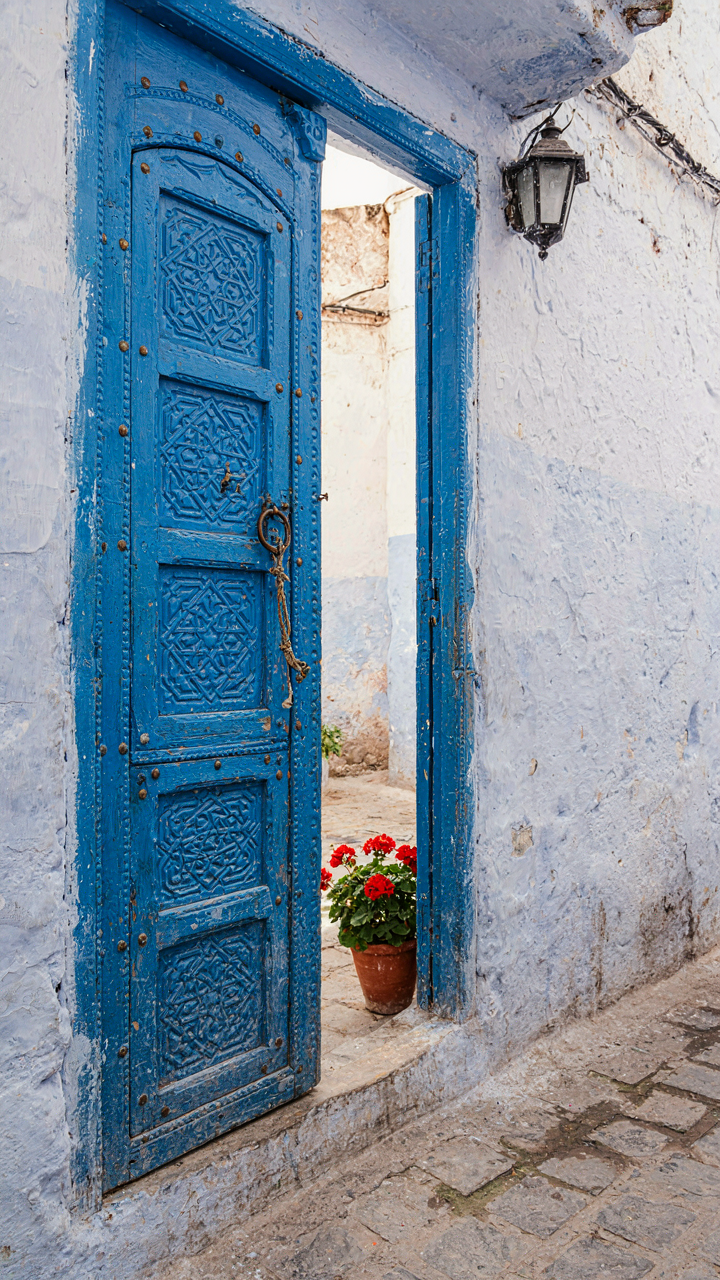
When Your Phone Becomes Your Liability
You want the map because you’re afraid of getting lost, which means you’re afraid of looking incompetent in front of locals or wasting time. That’s the real problem. Here’s the mechanism: Chefchaouen’s medina is deliberately maze-like by design. The narrow streets fold back on themselves. Every corner looks identical in photos but feels different when you’re standing in it. Your phone’s GPS signal bounces off the blue walls and gives you phantom locations fifty meters off. You notice this immediately and panic, which is exactly when you stop observing the actual environment around you.
The city moves on rhythm, not coordinates. Ask a shopkeeper which way the main square lies. You’ll get a gesture, maybe a word. Follow that gesture through three turns and you’ve learned the neighborhood’s logic. You’ve also met someone who will recognize you tomorrow. Google Maps made you a ghost passing through. Local cues made you a visitor who might return.
The Blue Walls Hide The Real Paths
The tourist alleys get foot traffic because they connect photo spots. They’re predictable and crowded. The overlooked routes exist because locals use them to move efficiently, not to perform the experience. You find them by noticing where locals actually walk instead of where Instagram captions tell you to go. Watch the rhythm of foot traffic at intersections. People move faster down certain passages. That’s your signal. Those routes connect the hammams to the markets, the water sources to residential areas. They’re the skeleton of how the city actually functions.
The best viewpoint over the medina isn’t sold as a viewpoint. It’s accessed through someone’s riad or the back of a carpet shop. You find it by asking about the neighborhood itself, not by asking where tourists go. The vendor gives you directions because you asked about their world, not theirs. Walk the perimeter of the medina at the edge where blue fades to white. You see how the city transitions, where the building materials change, where new construction meets old. That knowledge rewires how you read the entire place when you go back inside.
The Day Trip Deception: Why You Need More Than 24 Hours
The Instagram Trap
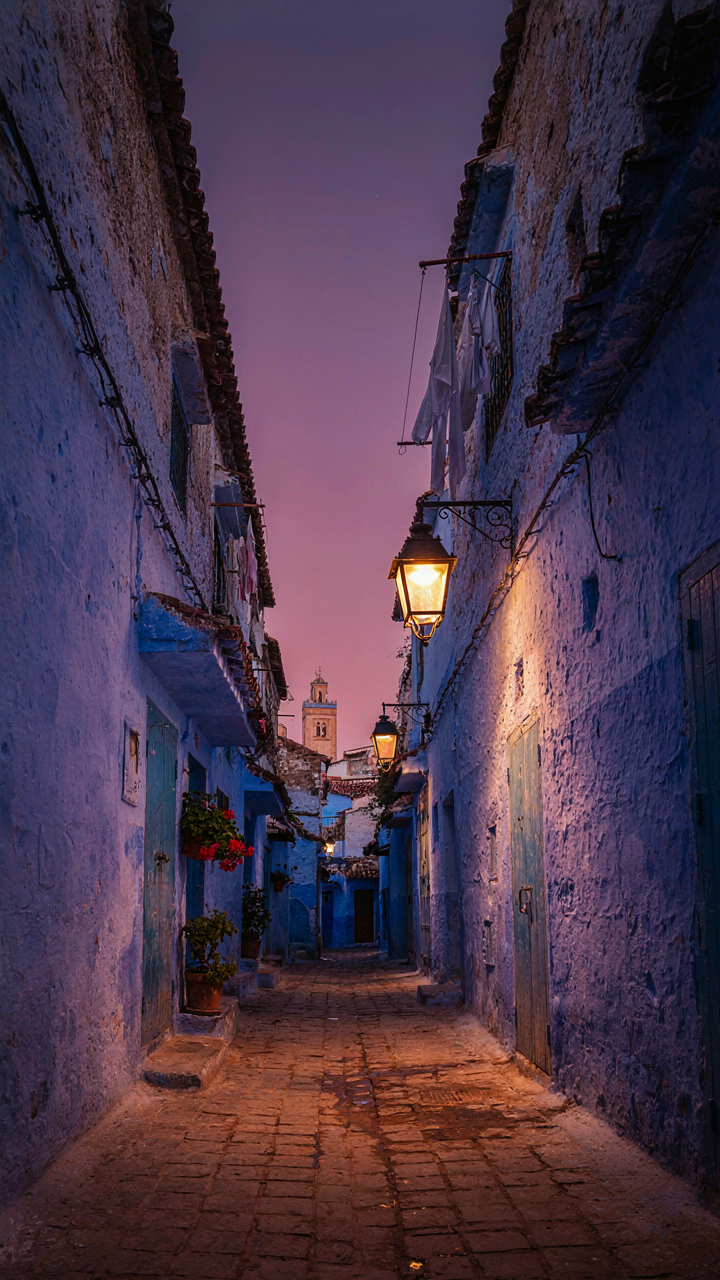
You want proof you were there. That’s the real reason you’re considering a day trip. The mechanism is simple: Chefchaouen’s visual density creates the illusion of completeness. You can photograph the medina’s blue walls in three hours, but you cannot experience the city’s actual rhythm, which operates on a cycle you won’t witness in a single sprint.
Think of it like sampling a stock price at one moment versus reading the full trading day. The city has patterns. The medina floods with tour groups between 10 AM and 3 PM. Locals avoid it then. The souks operate differently at dawn and dusk. You see a different place at each hour, and a day trip locks you into the tourist corridor only.
How The City Actually Moves
The rhythm of Chefchaouen demands presence across multiple time blocks to decode it. You need to see the medina before the buses arrive, when locals move through it for actual commerce. You need to witness the evening return, when the light shifts and foot traffic changes direction entirely. One sunrise and one sunset minimum. A single day captures neither.
The second night matters too. Many visitors miss it because they leave by sunset. The medina at night, lit by lanterns and with fewer bodies moving through it, shows you how residents actually use the space. The cafes fill differently. The acoustic environment changes. You cannot compress this into daylight hours and claim you know Chefchaouen. Stay overnight, then decide if you need a second day.
Chefchaouen Restaurants: Eating Like A Local, Not A Tourist
The Real Moroccan Kitchen Separates Itself
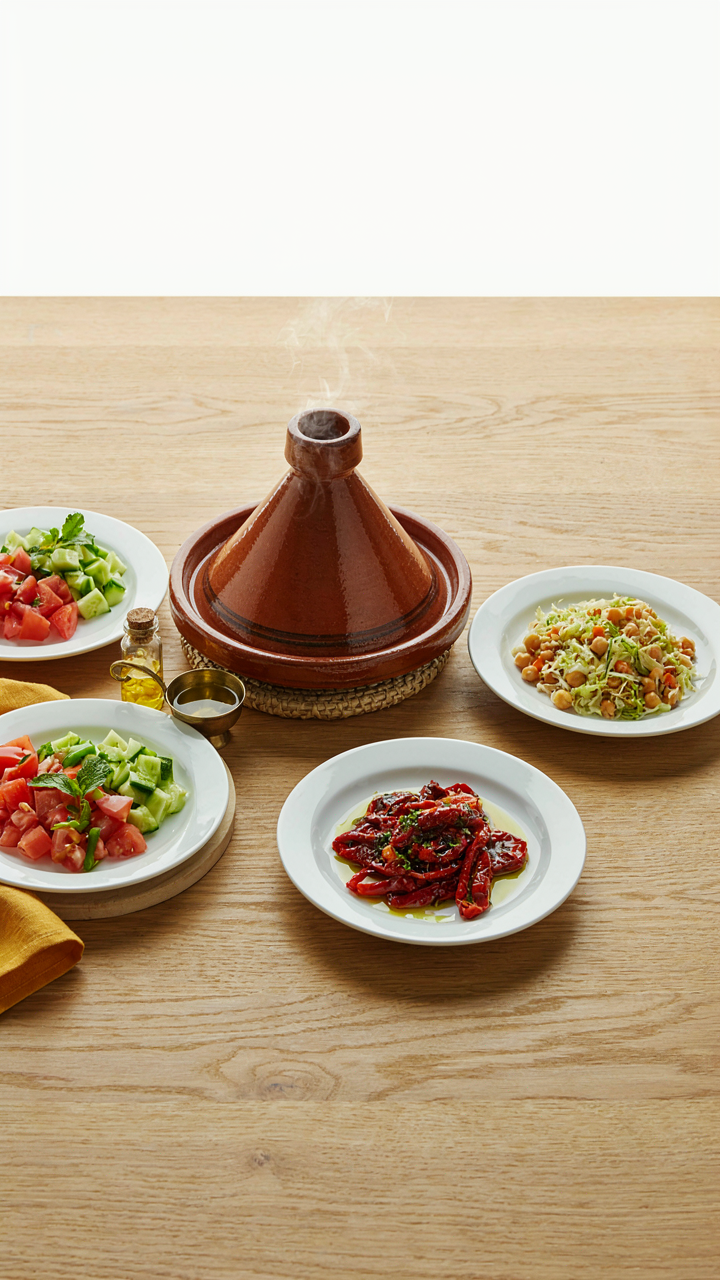
You want the story of eating “authentically” because it signals you’re not the tourist taking selfies in the medina. Here’s the mechanism: authentic Moroccan food in Chefchaouen doesn’t compete on presentation or English menus. It competes on repetition. Locals eat the same establishments daily because the owner’s family cooks the same recipes without variation. Tourist restaurants chase novelty and Instagram angles. Find the difference by checking who’s eating there at lunch, not dinner.
- Tagine joints without signage: Family-run spots identified by locals queuing before noon. No laminated menus. Order what’s cooking that day. Usually under 50 dirhams per bowl.
- Couscous served on Fridays only: Traditional timing matters. Friday is couscous day in Morocco. If a restaurant serves it daily, they’re padding inventory for tourists.
- Places with no wine list: Alcohol sales require licensing. Strict family-operated venues skip the legal complexity entirely. These cook for locals, not revenue optimization.
- Restaurants inside riads with local names: Search for owner names in Arabic script online beforehand. These aren’t themed experiences. They’re homes converted to feed neighborhood customers.
- Spots where the menu changes weekly: Chefs source from the souk daily. What’s available determines what’s cooked. This is anti-tourist behavior. Embrace the friction.
The trap most visitors hit: judging quality by ambiance or decor. A stripped concrete room with mismatched chairs and a single hanging lightbulb is not a downgrade. It’s a signal the owner invests in food, not furniture. Arrive between 12:30 and 1:30 PM or after 7:30 PM when locals eat, not when the kitchen’s running on fumes at peak tourist hours.
Where Street Food Tells You Everything
Chefchaouen’s medina operates on a system of informal vendors who’ve held the same corner for decades. Economics here isn’t about permits or competition. It’s about trust and rotation. The same woman selling msemen at the market entrance every morning at 6 AM has a waiting list of regulars before 6:15. She sells out, then leaves. No buffet. No waste.
The real advantage: street vendors move through inventory so fast that food freshness becomes automatic. You can’t make a bad batch and still move volume. Their margin is pennies per transaction, which means they optimize for turnover, not markup. Search the medina’s edges near the souk entrance and the lower plaza near the mosque. Stand where locals gather, not where tour groups cluster. Watch for lines. Follow them. Order whatever’s being picked most. You don’t need translation. Movement is the only data you need.
The Blue City Myth: Decoding Its True Origins And Impact

Why The Paint Exists, Not Why You Think It Does
You want to feel like you uncovered something real about Chefchaouen, something deeper than what Instagram shows. Here’s the actual mechanism: the blue paint arrived as practical problem-solving, not artistic vision. In the 1930s, Jewish residents painted their homes blue using lime mixed with indigo or copper sulfate. The reason wasn’t aesthetic. Blue repels insects and reflects heat in a region where both drain resources and spread disease. The paint stuck because it worked.
The colonial-era framing of Chefchaouen as “the blue city” came later, after Morocco’s independence. Tourism boards weaponized the visual identity. What began as functional chemistry became marketable folklore. The story shifted from “people solved a hygiene problem” to “an ancient Berber tradition.” Neither claim is entirely false, but the second one sells better. That gap between mechanism and narrative is where your understanding collapses if you’re not paying attention.
The Real Cost Of Looking Pretty
Using economics terminology, Chefchaouen experiences what’s called “tragedy of the commons” in its water and waste infrastructure. The blue paint requires constant maintenance. Residents repaint yearly, consuming water resources that the town’s infrastructure was never designed to support at tourist-volume demand. The indigo and copper compounds leach into soil and groundwater. Nobody advertises this during booking. The aesthetic tourism model extracts an environmental tax that locals pay in perpetuity while visitors spend four hours taking photos.
Social disruption compounds the problem faster than most guides mention. Property values near tourist zones tripled in two decades. Generational families sold to investors who converted homes into riads and guesthouses. The medina now operates as a theater: residents perform Moroccan hospitality for passing crowds, then retreat to the periphery where rents remain survivable. Chefchaouen didn’t become a destination because of its people. It became a destination despite requiring people to leave. If you’re visiting, the transaction is straightforward: exchange money for access to a place that’s already priced out those who built it.
Chefchaouen Travel Destination: Your Personal Immersion Protocol

Become A Student, Not A Tourist
You want the story to tell people back home that you “really connected” with Morocco without the work of actually changing how you move through the city. That won’t happen. The mechanism is simple: immersion requires you to adopt the role of learner rather than consumer, which means vulnerability and genuine curiosity over curated experiences.
Most travel advice tells you to “be respectful” and “learn a few phrases.” That’s decoration. Real integration starts with understanding Chefchaouen’s structure: the medina operates on social reciprocity, not transaction. You enter a shopkeeper’s space. They offer tea. You accept. You listen more than you talk. This isn’t politeness theater. It’s how information and trust actually move in that environment. Stay in a riad for at least three nights, not a hotel. Eat where locals eat, which means the unmarked hole-in-the-wall serving tajine at lunch, not the Instagram-friendly rooftop at sunset.
The Currency Of Attention Over Money
Locals in Chefchaouen have seen thousands of tourists with money and no presence. Your actual leverage is sustained attention. Economics teaches scarcity. Here, your scarcity is time investment and genuine interest, not cash. A shopkeeper remembers the person who returns twice and asks real questions differently than someone who buys once and vanishes.
Sit at the same café two mornings in a row. Order the same coffee. Chat with the owner about their family or the neighborhood history. Ask why the paint color shifted from indigo to cerulean in certain quarters. These questions signal you see Chefchaouen as a place with depth, not a backdrop. Return visits and consistent presence compound into real relationships where people share information, invite you to family meals, and introduce you to others. This is where the actual city reveals itself, not the version packaged for outsiders.
Beyond The Filters: Capturing Chefchaouen’s Raw Beauty
Shoot For Contrast, Not Color
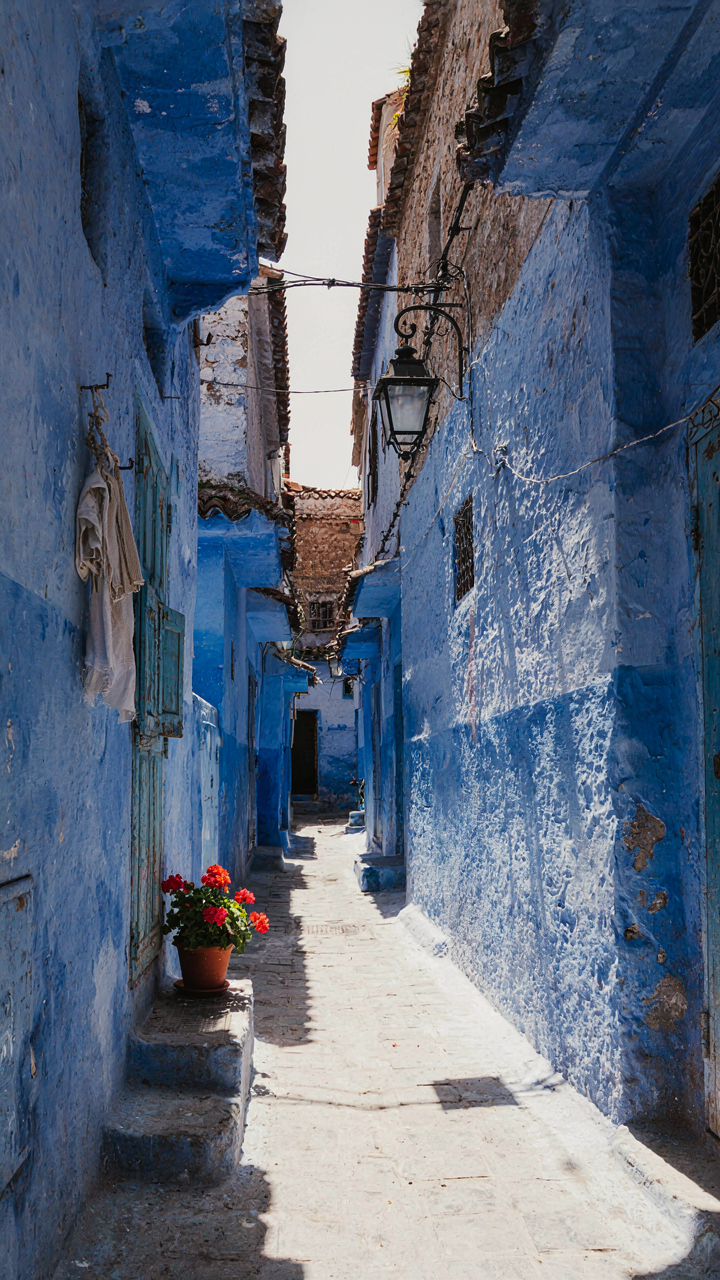
You want proof you were somewhere worth being. That’s the real reason you care about photography here. The mechanism is contrast, not saturation. Chefchaouen’s blue is structural—a lime-based wash applied to walls to reflect heat and repel insects, practical before it became picturesque. Cameras oversaturate it anyway. Shoot in early morning or late afternoon when the blue recedes and the shadows deepen. The real image lives in the gaps between light and dark.
The algorithm rewards flat, bright, oversaturated content. Ignore it. Expose for the shadows in the medina’s narrow streets. Let the blue fall into midtone gray where it sits naturally. Photograph the worn edges of doors, the texture of rendered walls, the actual patina of centuries. These details are invisible in the standard golden-hour shot everyone takes from the same three viewpoints. That’s where truth lives.
Presence Over Performance
Ethical travel photography isn’t about permission slips or guilt. It’s a resource allocation problem from game theory—you either compete for viral moments or compete for access and trust. The medina’s residents see thousands of camera lenses per year pointed at their homes, their children, their private moments. Most tourists photograph people without asking, treating the city as a backdrop for their feed.
The mechanism is simple: ask first, and photograph what people agree to show you. Sit in a café. Spend time. The light improves anyway when you slow down. You’ll capture genuine interaction instead of performance anxiety. The photos become evidence of actual presence, not just travel. Frame residents as subjects with agency, not atmospheric props. This means fewer shots, better shots, and the only photos worth keeping.
The Only Thing Truly Holding You Back From Authentic Travel Isn’t Budget Or Time, But Your Own Curated Expectations

You’ll scroll through a thousand blue-washed photos of Chefchaouen and still miss what makes it real. The difference between visiting Chefchaouen Morocco as a tourist and actually experiencing it lives in one decision: you stop treating it like a checklist. Delete your saved Instagram pins right now. Book a riad, pick one narrow street you’ve never seen online, and walk it without your phone. The place doesn’t become authentic when you find it. It becomes authentic when you stop looking.