
Beyond The Brochure: Deconstructing The Bora Bora Illusion
What Marketing Doesn’t Tell You
You want to know what Bora Bora is really like because you’re afraid it won’t match the photos. That fear is rational. The mechanism is simple: tourism boards use compression. They show you the 2% of the island that photographs like a dream, then price everything as if you’re buying access to that 2%. You’re not.
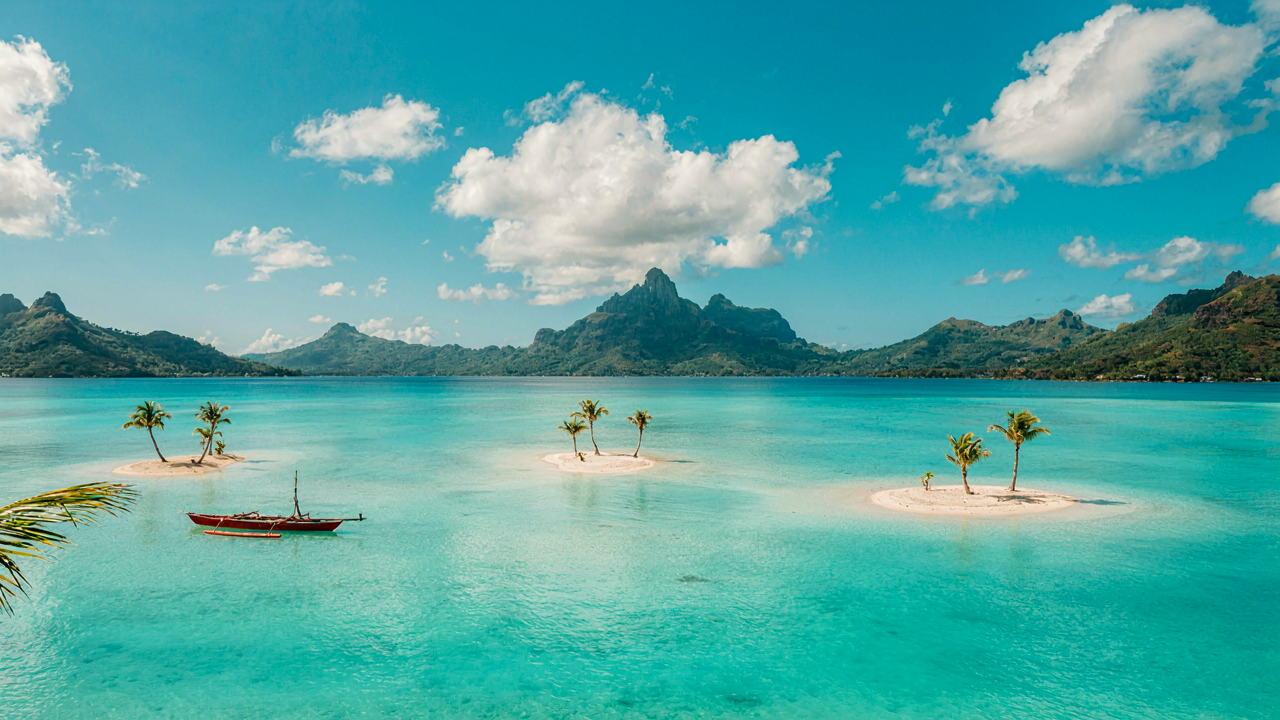
Bora Bora is a small volcanic island in French Polynesia, roughly 29 square kilometers. The lagoon is genuinely turquoise. The resorts on the motu (islets) are expensive and isolated by design. The main island has a functioning town with traffic, noise, and ordinary French colonial infrastructure. Most visitors never see the main island. That’s intentional marketing, not accidental geography.
What You Actually Get When You Visit

The common advice says “prepare for paradise” or “expect your dreams to come true.” This is incomplete. You get two distinct islands wearing the same name. You get a lagoon that’s placid when calm and murky when the wind turns. You get resort infrastructure that costs 40 to 60 percent more than equivalent quality in Bali or Tahiti, with less bang for the money in most categories.
The real mechanism: Bora Bora’s scarcity is artificial but the cost is real. Limited airport capacity and limited resorts create genuine supply constraints. You pay premium prices because the island physically cannot absorb more tourists without collapse. The exclusivity you’re buying is real. The value for money is not. Most visitors spend 4 to 5 days and leave satisfied they checked the box, not convinced they got what they paid for.

The Strategic Traveler’s Bora Bora Island Blueprint
When To Go Matters More Than Where
You want to feel like you made the smart choice, not the expensive one. Here’s the mechanism: Bora Bora operates on two distinct pricing tiers separated by cyclone season, and most travelers pick the wrong one because they follow generic “best time to visit” advice. Peak season runs June through August when prices spike 40 to 60 percent. This is when Europeans flood the island during their summer break. Shoulder season—April, May, September, and October—offers the same weather quality with 30 to 50 percent lower rates on accommodations and tours.
The real trade-off isn’t weather. November through March brings cyclone risk, higher humidity, and afternoon rain bursts, but the island doesn’t shut down. November and early December sit in a narrow window before the worst cyclone probability peaks in January and February. Booking shoulder season means you trade mild rain showers for genuine savings and fewer tourists clogging lagoon tours. Your accommodation deposit hits lower, your overwater bungalow rate drops, and local restaurants actually have tables. Pick April or May if you want reliability with reduced crowds and costs.
Breaking The Luxury Trap
The consensus tells you to splurge on an overwater bungalow because you’re in Bora Bora. This is how resorts engineer your entire budget upward. Overwater bungalows cost 300 to 600 dollars per night minimum. Beach bungalows run 150 to 300 dollars and put you 50 meters from the same turquoise water. The actual experience difference shrinks after day two when novelty fades. You’re still swimming in the same lagoon. Your photographs look identical. The mechanism is status capture, not quality of life improvement.
Authentic experiences in Bora Bora cost almost nothing because they don’t come from resorts. Local fishing trips with Polynesian guides run 80 to 120 dollars for four hours and teach you how the island actually operates. Snorkeling trips organized by independent operators beat resort packages by 40 to 60 percent. Eat at roadside food trucks in Vaitape instead of resort restaurants where a fish plate costs 35 dollars instead of 12. Stay in a mid-range beach bungalow, spend your money on activities that require local knowledge, and you’ll see more authentic Bora Bora than visitors who spent triple the budget.
The Un Instagrammable What To Do In Bora Bora
Where Locals Actually Spend Their Time
You want permission to skip the resort loop without feeling like you’re wasting money. Here’s the real mechanism: Bora Bora’s economy depends on tourism, but locals have carved out spaces where that dependency doesn’t exist. The villages on the main island—Vaitape, Anau, Faanui—operate on a different currency than the lagoon tour circuit. You go there because the social proof disappears, not despite it.
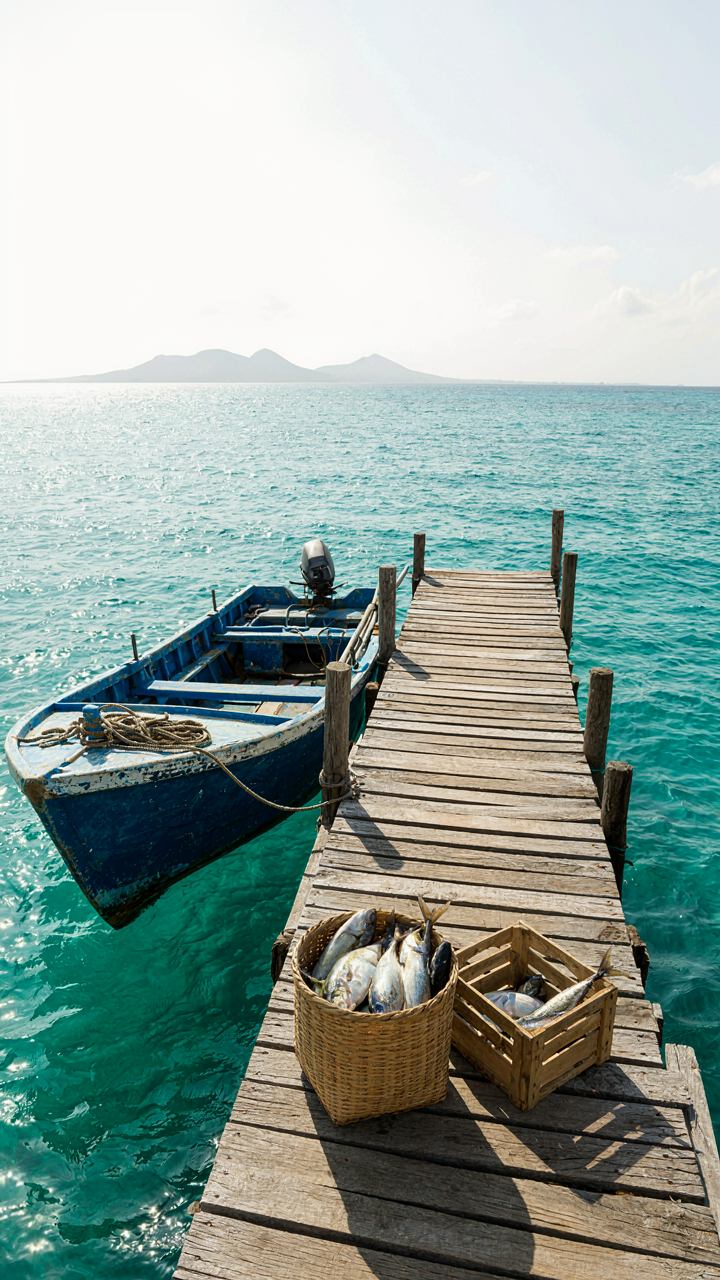
Vaitape is the administrative hub where you’ll find the post office, markets, and the actual rhythm of island life. Walk through the waterfront in early morning when fishing boats unload catch. Visit the Bora Bora Museum to understand Polynesian settlement patterns and French colonial history without the rehearsed tour guide narration. Eat at family-run establishments where the menu changes based on what people caught that day, not what tourists ordered yesterday.
Beyond The Reef Wall
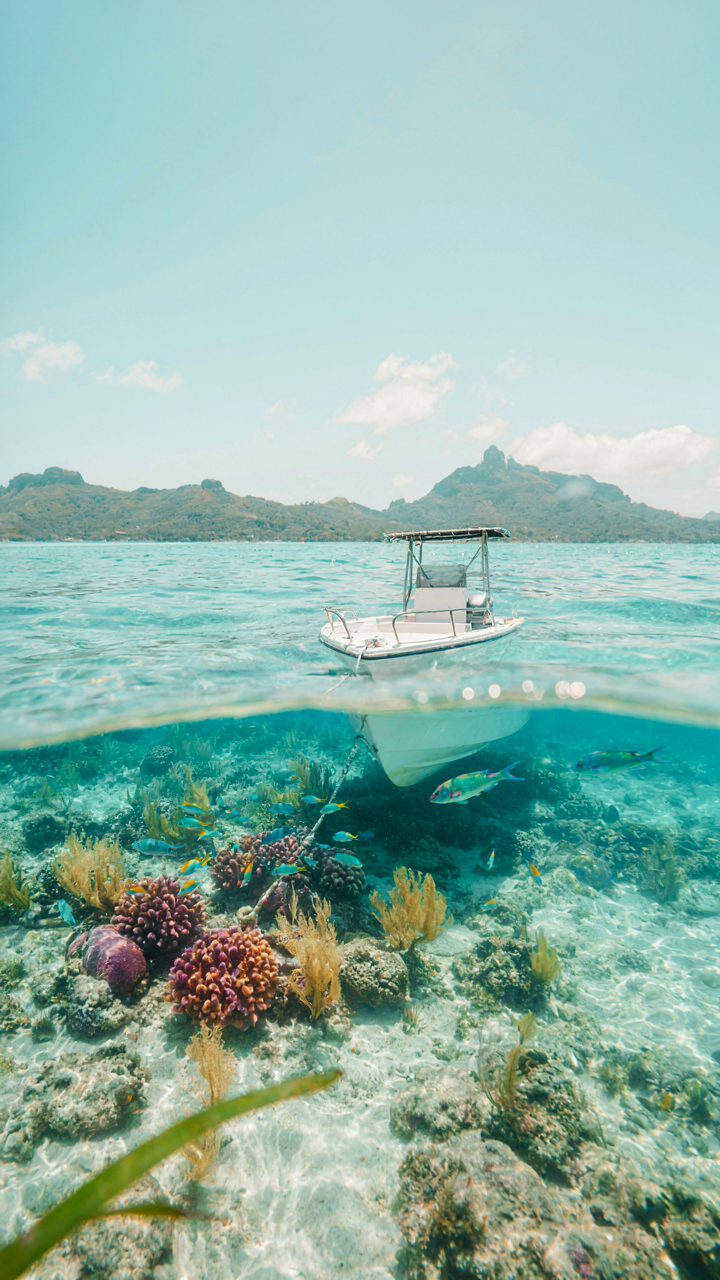
Coral systems operate on a principle from marine biology called succession—ecosystems rebuild after disturbance, but the rebuilt version differs from the original. The famous lagoon represents high-succession reef, heavily trafficked and regenerating in predictable patterns. The unnamed lagoons on Bora Bora’s eastern side and around the motu islands haven’t reached that stage yet. Most visitors never find them because they require local boat knowledge or relationships.
Contract a local guide for a private lagoon expedition rather than joining a group tour operator. The difference isn’t comfort—it’s access to reefs where coral density and fish behavior remain unaltered by daily boat traffic. You’ll spend more money, but the mechanical advantage is immediate: fewer than fifty people visit these spots weekly. Anchor in shallow water, snorkel without a crowd, and document what the lagoon looked like before it became a photo destination.
The Anti Tourist Guide To Bora Bora French Polynesia
Compress Your Timeline Into Strategic Positioning
You want to feel like you discovered something. That’s the real reason you’re reading this. The mechanism is simple: most visitors treat Bora Bora like military strategy treats terrain without reconnaissance. They scatter effort across the island and dilute impact. Focus wins. The lagoon divides into zones. Matira Beach handles crowds. The east side stays quiet. North point offers the clearest water for diving. You pick one zone per day, not three.
The math is brutal. A week gives you fourteen half-days. Most people waste six of them on travel, setup, and indecision. That leaves eight actual windows. Assign two windows to the lagoon, two to the coral gardens, two to the interior ridge hikes, two to restaurants you’ve vetted. No browsing. No improvising at 5 PM. Route planning saves three hours minimum per day. Those hours compound into experiences that matter.
Spend Where It Locks In Scarcity
Everyone gets the pricing wrong about Bora Bora because they treat money as a unit of luxury instead of a unit of access. Economics teaches opportunity cost. Here it’s real. A $400 resort night buys you nothing but a bed near crowds. A $200 guesthouse plus $150 private boat charter buys you alone time at a sandbar at sunset. The second option scales better. You’re not paying for amenity inflation. You’re paying for exclusion.
Water access is the only currency that matters here. Rent a boat or book a guide who owns one. Two hundred dollars moves you past every Instagram location into the spaces tourists photograph from far away. The interior costs nothing. Hire a local for $80 to navigate the ridge trails. Food at roulottes costs half what restaurants charge for the same fish. The mechanism is resource redirection: pull money from room quality and channel it into scarcity and solitude.
Things To Do In Bora Bora: Beyond The Overwater Bungalow
Climbing Mount Otemanu
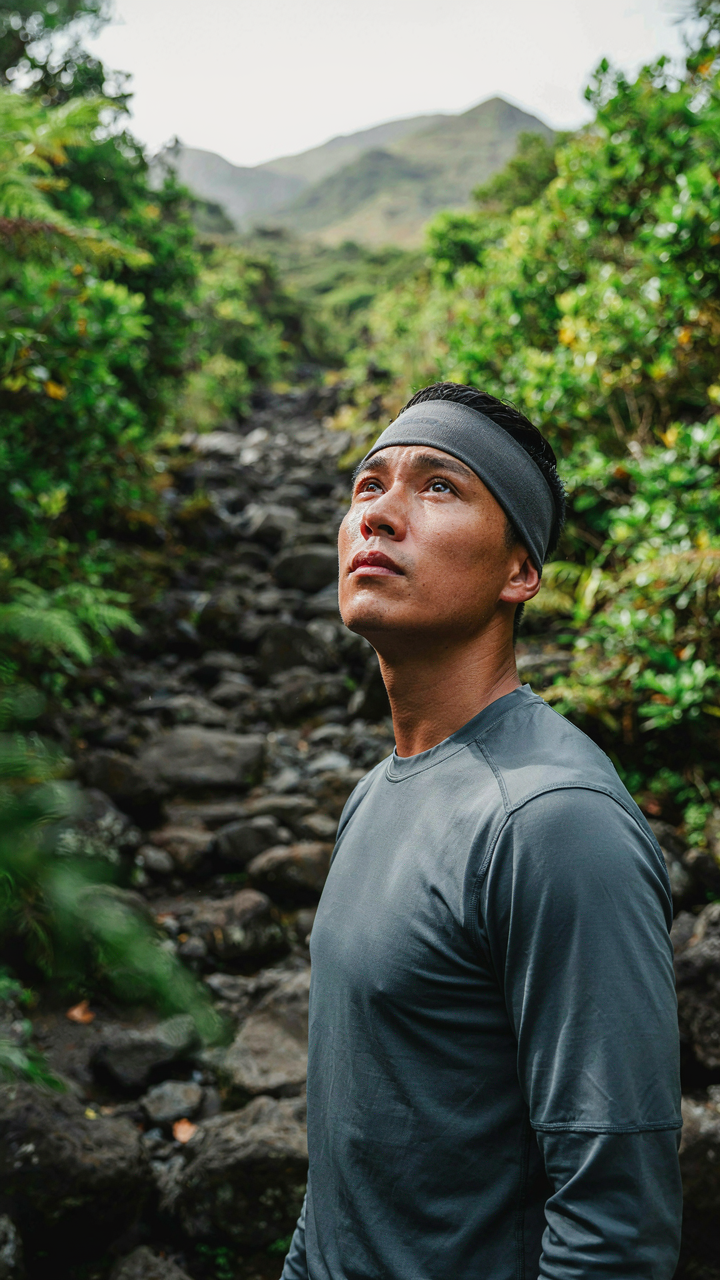
You want proof you went somewhere hard to reach. The mechanism is simple: scarcity creates status, and Mount Otemanu delivers both. The peak stands 2,385 feet above sea level on the island’s interior. Most visitors never attempt it because logistics require hiring a guide and starting before dawn. The rock is volcanic, unstable in sections, and the final ascent involves chains bolted into stone. Weather collapses plans regularly. You commit to a six-hour round trip with real physical demand, not resort theater.
The climb is not a casual hike. You need a licensed guide because the path vanishes, rope sections are mandatory near the summit, and injury far from help is a genuine risk. Book guides through your hotel or arrange directly with companies operating from the main dock in Vaitape. Start between 4 and 5 AM to summit before clouds roll in by midday. Bring water, sturdy boots, and accept that half your days might get canceled by weather.
Visiting Ancient Marae Sites
The marae scattered across Bora Bora are not ruins meant for Instagram. They are functioning sacred sites where Polynesian ancestors conducted rituals for centuries before European contact. Marae Arue on the eastern shore and Marae Anau near Faanui village still hold presence. These structures are simple: flat stone platforms with upright stones marking boundaries and altar spaces. Most tourists skip them entirely, which means you encounter them as archaeological record, not theme park.
Hire a guide who speaks Polynesian history, not resort tourism script. The marae reveal how Bora Bora’s settlement patterns and social hierarchy operated. You learn the island through its actual chronology instead of resort narratives. Access most sites by foot from accessible roads, though a rental vehicle or taxi gives you speed. Spend two to three hours moving between sites rather than rushing to fill a checklist.
The Discerning Palate: Avoiding Generic Bora Bora Vacation Food
Where Real Food Actually Lives
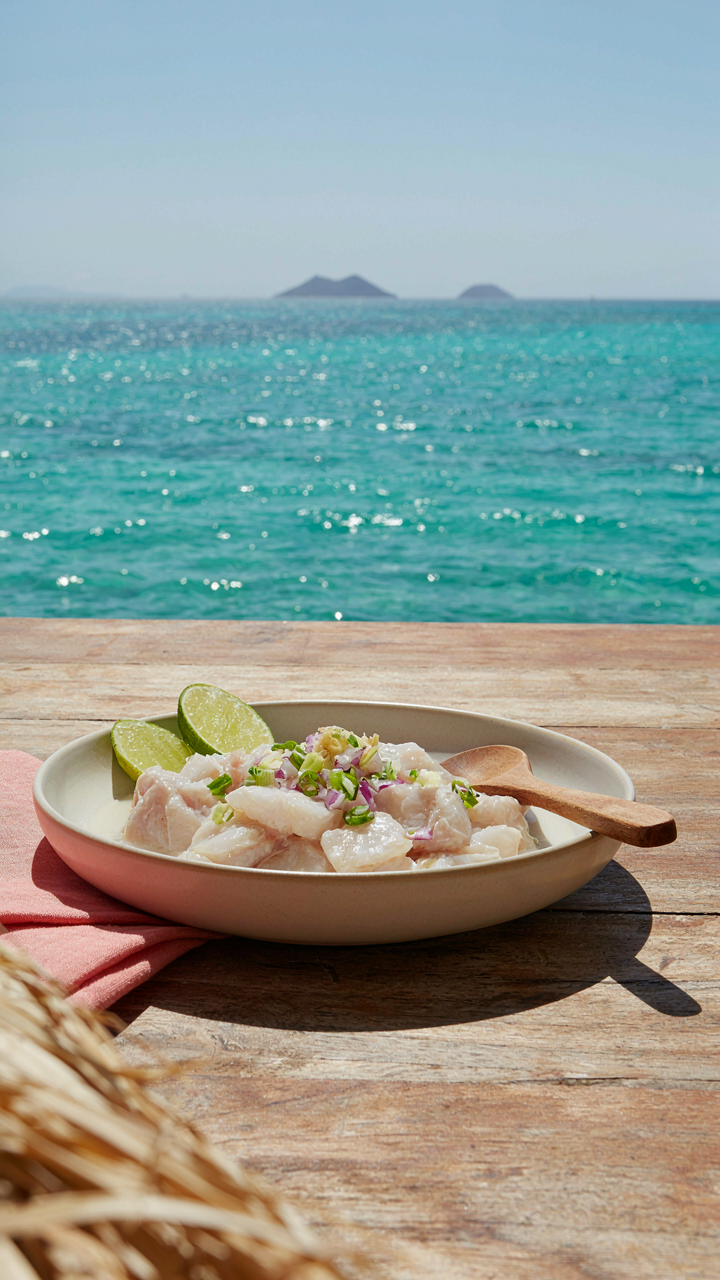
You want to eat like a local because you think it signals you’re not a tourist. The actual mechanism is simpler: resort buffets serve imported frozen protein because fresh local supply chains don’t scale. Polynesian cuisine in Bora Bora centers on what the lagoon and land produce daily. Poisson cru, the national dish, uses raw fish cured in coconut milk and lime. Restaurants built on this supply model—not novelty—serve what matters. Ask your accommodation which establishments buy from local fishermen the same morning they cook.
The difference between “authentic” and actual shows up in the ingredient chain, not the menu description. Bora Bora has no significant fishing fleet tourism. The fish served at your hotel likely arrived frozen from Papeete or further. Independent restaurants on the main island operate on daily catches because their economics demand it. Visit during lunch service when restaurants turn over inventory fastest. Early diners eat yesterday’s stock. Late diners eat what the boat brought that morning.
The Daily Market Protocol
Food economics work like supply and demand in any market: scarcity determines quality and price. Bora Bora’s main market operates heaviest in early morning because that’s when boats unload. Most tourists never see this phase. The market sits near the waterfront in Vaitape. Vendors sell coconuts, breadfruit, taro, and occasionally fresh catch that didn’t move to restaurants. You won’t find exotic items or premium produce here. You’ll find what grows and swims nearby, priced for locals, not marked up for visitors.
Buying from the market and cooking yourself beats any restaurant meal if your accommodation has kitchen access. Bungalows and vacation rentals often include basic equipment. A simple grilled fish with coconut rice tastes better than a plated version marked up 300 percent. Talk to vendors directly about preparation methods. Many sell cleaned fish ready to cook. This removes the translation layer between supply and plate, which is where restaurants skim margins and quality drops.
Capturing The Real Bora Bora: A Visual Strategy For Travel Inspiration For Bora Bora
Angles Beyond The Postcard Shot
You want proof that you went somewhere worth going. That’s the real motive behind chasing the perfect angle. The mechanism is simple: everyone shoots from the resort dock at golden hour because it’s easy and safe. The lagoon’s actual geometry gets ignored.
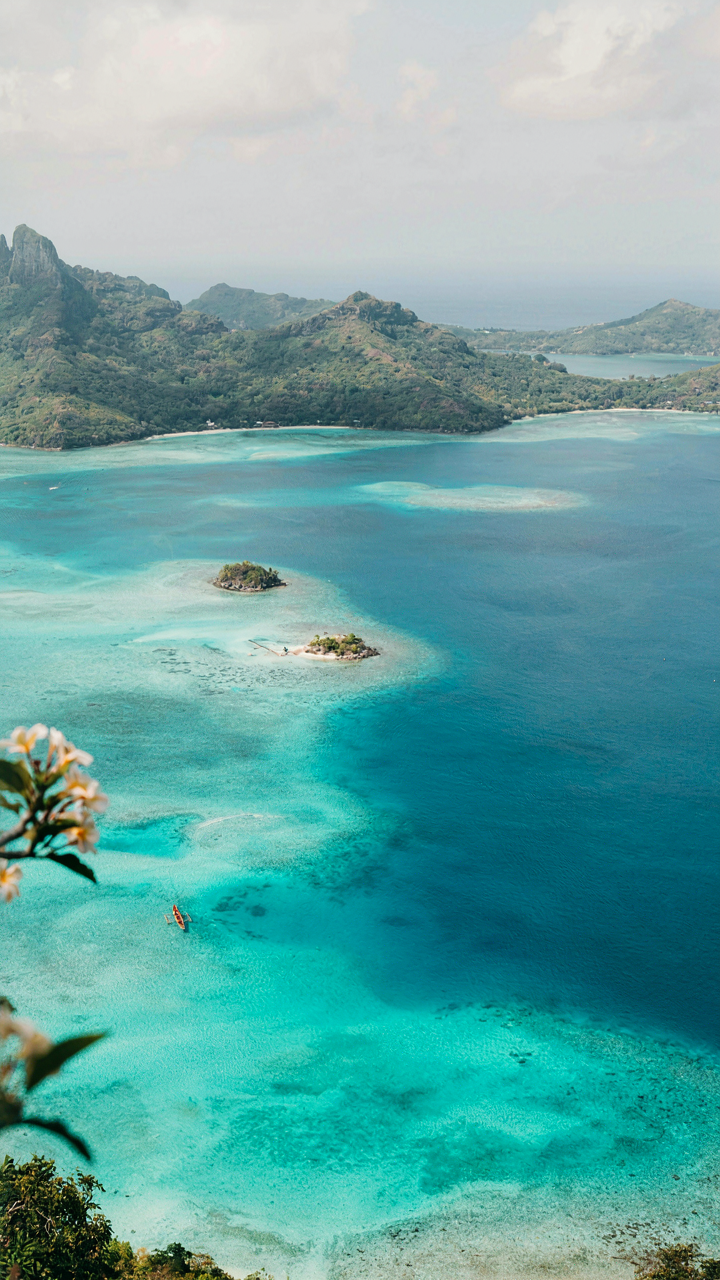
Bora Bora’s lagoon sits inside a barrier reef with two deep passes on the northeast and south. This creates distinct lighting zones and depth variations that don’t read in overhead shots. Shoot from the eastern shore at midday when sunlight cuts through the water column and reveals the reef’s submerged topography. Move inland to the plantation terraces above Vaitape where you capture the lagoon’s true scale against the main island’s volcanic ridges. The contrast between shallow turquoise and deep indigo becomes your subject, not the resort building.
Tools That Earn Their Weight
Bring a camera that handles high contrast and allows manual focus override. Most phones fail in tropical glare because they meter for sky instead of water.
- Polarizing filter for DSLR or mirrorless: Cuts water reflection glare and reveals lagoon depth. Standard on professional tropical work because it solves a physics problem, not an aesthetic one.
- Neutral density filter: Slows shutter speed in midday sun, letting you blur water movement without overexposing. Essential for lagoon surface texture shots between 10am and 2pm.
- Fast prime lens (35mm or 50mm): Forces you into the environment instead of hiding behind zoom. Works in dim resort interiors and catches detail light on reef formations.
- Waterproof drone or compact action camera: Captures the barrier reef’s actual scale and the pass water color shifts. Legally permitted in French Polynesia for non-commercial use in designated zones.
- Backup battery and portable charger: The heat drains power faster than mainland travel. You’ll spend hours shooting, not managing devices.
Rent locally if you’re flying with baggage limits. Bora Bora’s dive shops and tourism operators maintain equipment rental programs that work. Pack a cleaning cloth rated for salt spray and store gear in dry bags when you’re near the water.
Best Time To Visit Bora Bora: Timing Your Escape
When Rain Stops Being Background Noise
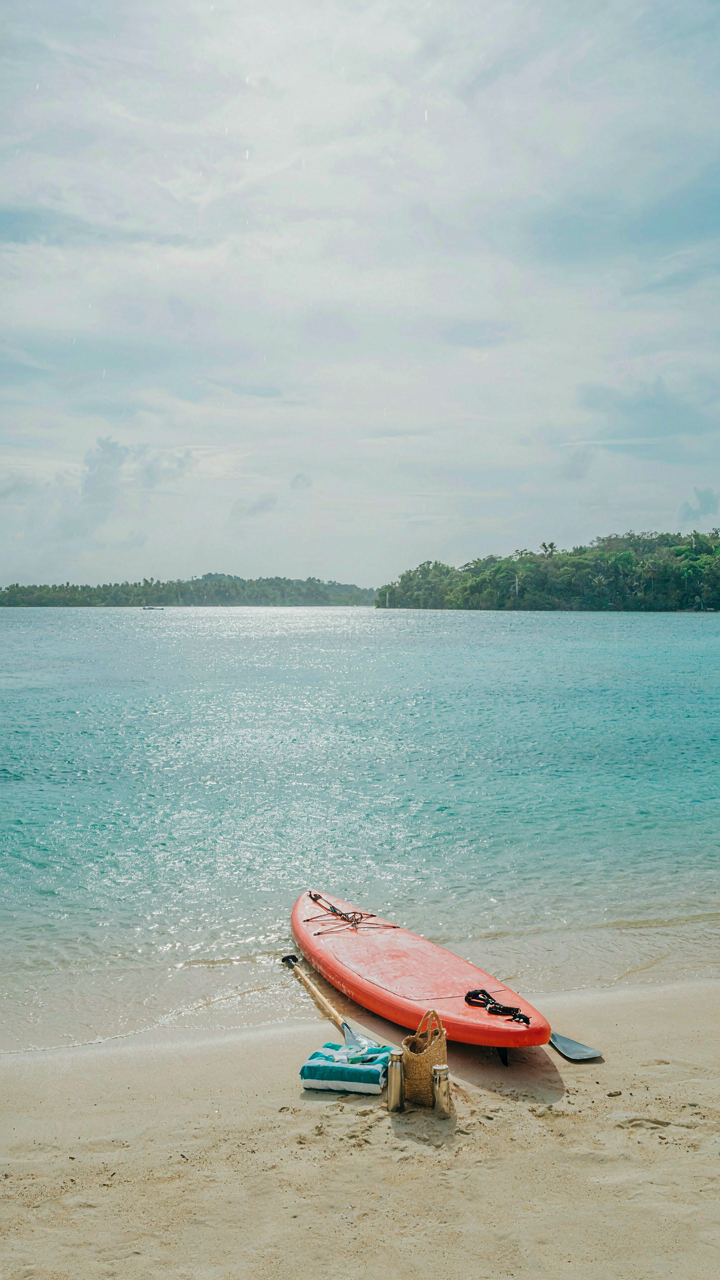
You’re hoping there’s a magic window where you avoid crowds and weather simultaneously, but that trade-off doesn’t exist. Think of Bora Bora’s seasons like supply and demand economics: you can’t optimize both variables at once. Dry season runs November through April with minimal rainfall. Wet season spans May through October and brings higher humidity plus occasional tropical storms. The island sits in the South Pacific, so seasons flip against the Northern Hemisphere calendar.
Dry season crowds peak during Northern winter holidays and school breaks, making January through March expensive and packed. Wet season offers cheaper rates and fewer tourists, but afternoon downpours are routine and humidity climbs above 80 percent. The real mechanic here is simple: choose whether you’re paying for weather stability or paying for solitude. Neither choice erases the tradeoff.
Outsmarting The Tourist Calendar
Everyone knows about peak season, so conventional wisdom says go in shoulder months. That advice is incomplete. Shoulder months like April and November still carry decent crowds because travelers think they’re being clever by avoiding peak weeks. The actual gap occurs mid-May through mid-July when Northern schools are running and most people can’t travel. You sacrifice some weather consistency, but you gain empty beaches and reasonable accommodation prices.
Book your trip in late May or June if you accept occasional rain and want the island to yourself. Plan activities that work in variable weather: snorkeling and lagoon tours happen regardless of drizzle, while hiking gets sketchy only during heavy downpours. Your decision point isn’t the calendar month, it’s your threshold for accepting wet afternoons in exchange for experiencing Bora Bora without competing for every viewpoint and restaurant reservation.
The Real Obstacle To Your Bora Bora Bliss Isn’t The Cost, It’s Your Expectation Of Effortless Perfection
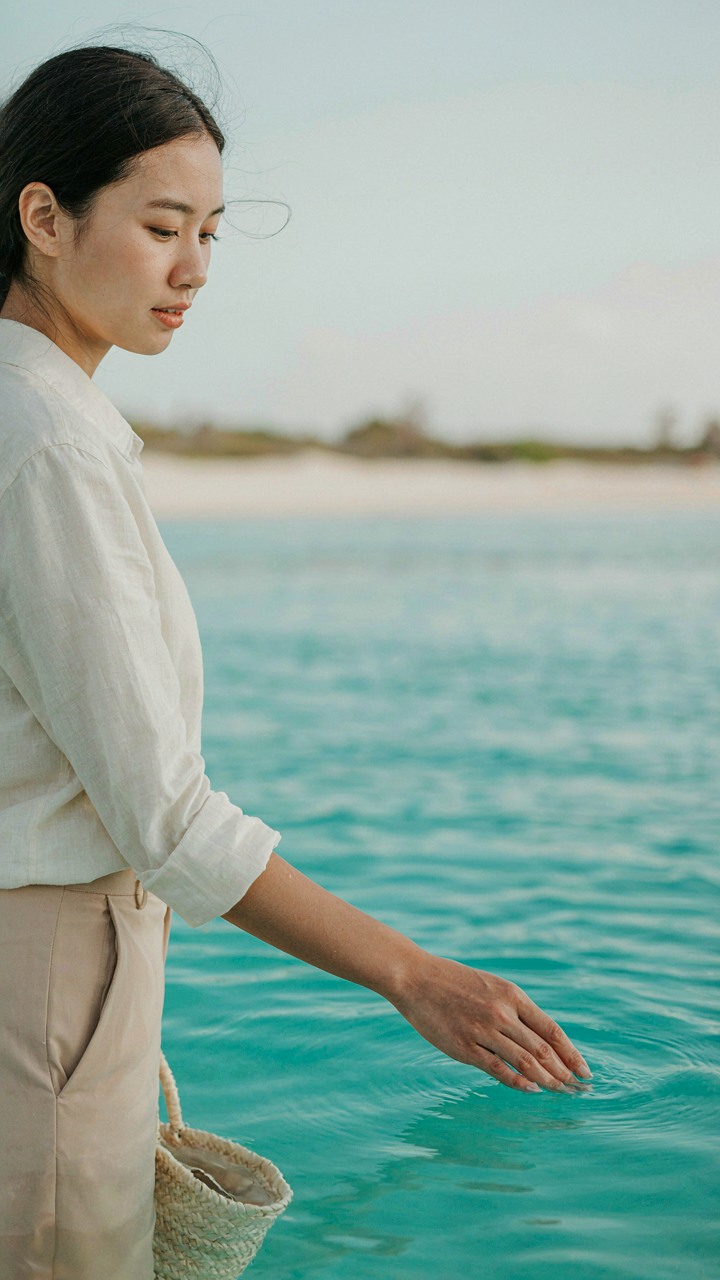
Most people visiting Bora Bora expect the island to perform for them. They want perfect weather, perfect meals, perfect Instagram moments. It won’t happen. The real win is showing up willing to adapt. Stop researching and book your dates this week. The island reveals itself to people who surrender to what it actually is, not what they imagined it should be.