
Beyond The Brochure: What Color Is The Blue Lagoon In Iceland (Really)?

Why The Water Looks Blue When It’s Actually Milky
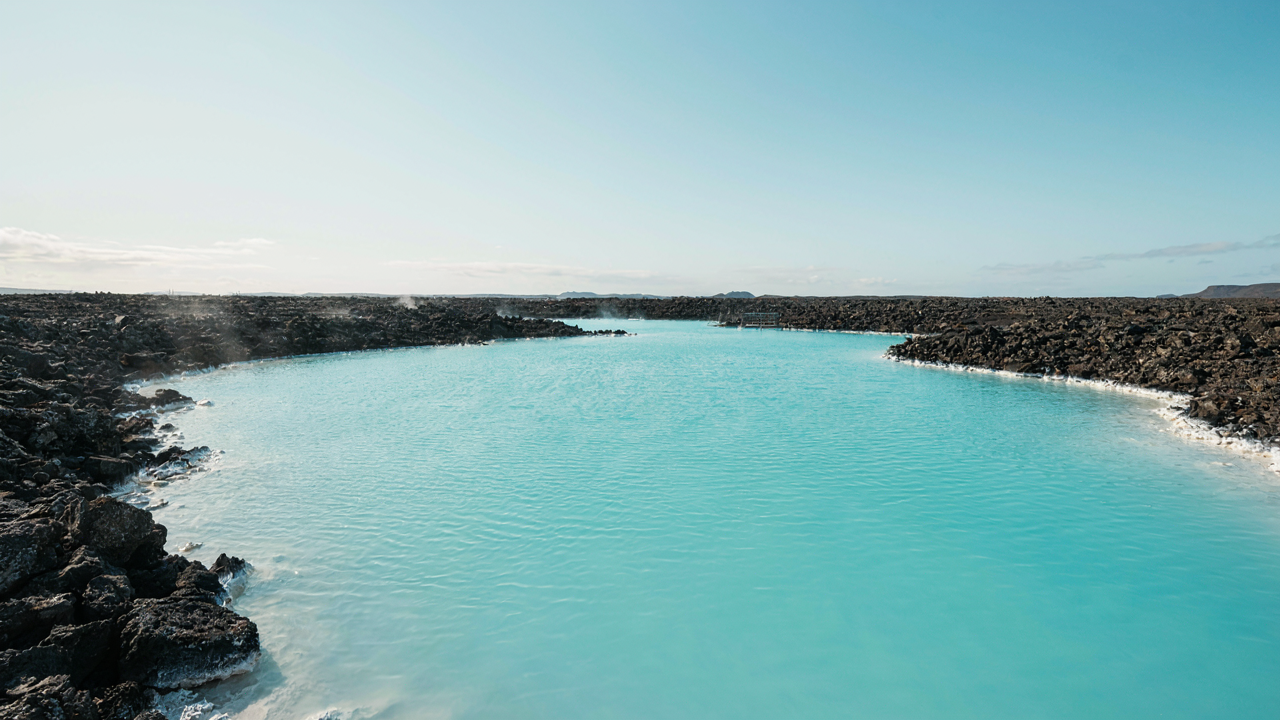
You want the photo to look like the brochure because you’re afraid it won’t and you’ll feel stupid posting it. Here’s the actual mechanism: the water appears blue because of silica mud suspended on the bottom and blue-green algae thriving in the warm water. Light reflects off these particles and gets absorbed by the water itself, which naturally absorbs red wavelengths and bounces back blue. The color isn’t a trick or algae bloom gone wrong. It’s geochemistry.
The Blue Lagoon sits atop geothermal activity that keeps water around 37-39 degrees Celsius year-round. The silica-rich effluent from the nearby power plant created this lagoon in the first place, starting as an industrial byproduct in the 1970s. The suspended minerals scatter light the same way deep ocean water does. No dyes. No filters. Just mineral composition doing the work. The murkier days happen when wind stirs up sediment or when algae concentration drops, not because the lagoon changed. Your phone camera will overexpose the blues slightly, making it look more saturated than reality. Adjust expectations accordingly.
Where The Heat Actually Concentrates

Temperature zones matter in thermodynamics, and the Blue Lagoon has them like a gradient map. The hottest water clusters where geothermal vents feed warm water into the basin, typically on the deeper southern and eastern sections. The shallow areas near the entry points sit 2-5 degrees cooler because surface water loses heat faster. Most visitors stay in the medium-depth zone where temperature sits around 37 degrees, which feels hot but won’t burn skin.
The lagoon doesn’t heat evenly because water physics prevents it. Warm water rises, cool water sinks, but the incoming geothermal flow and wind patterns constantly disrupt equilibrium. Early morning visits mean calmer water stratification and more predictable hot spots. Mid-afternoon brings wind that mixes layers and flattens temperature variance. If you want the hottest experience, enter from the deeper end and drift with the current. The geothermal input happens on the bottom, so depth correlates directly with proximity to the heat source.

The Geothermal Grift: Blue Lagoon Map Iceland Decoded

When Timing Beats Location
You want to know the secret route so you feel like you outsmarted the system. Here’s what actually matters: Blue Lagoon operates on thermal circulation patterns, not magic. The water flows in from geothermal wells and exits through channels. Peak crowd times hit between 11 AM and 3 PM. Early entry (before 9 AM) puts you in the lagoon when circulation is strongest and visitor density lowest. Later evening slots (after 6 PM) work when crowds thin but water temperature drops slightly.
The real move isn’t finding a hidden entrance. It’s booking an off-peak time slot and understanding that the lagoon’s layout forces a specific circulation route through the main platform. Visitors naturally bunch at the center bar and shallow areas. If you enter early, you claim the deeper zones and perimeter before they fill. The facility physically cannot disperse crowds evenly because the design funnels movement toward amenities. Enter outside peak hours and you gain 45 minutes of functional solitude before saturation hits.
Where Your Stuff Actually Goes
People pretend locker logistics don’t matter. They do. Blue Lagoon requires you to secure valuables before entering water. The changing area has numbered lockers near the entry point. Towel service is included but costs extra if you want premium options. Showers are mandatory before entry and available after you exit. The changing rooms have mirrors, blow dryers, and basic grooming supplies included. Cold showers sit between the lobby and lagoon access point.
The sequence matters operationally. Arrive 30 minutes before your slot. Store your belongings in a locker, shower off, then enter. After exiting, shower again to remove mineral residue, then dress. The facility’s throughput assumes this exact flow. Rush any step and you create bottlenecks. The changing rooms hit capacity around 2 PM on standard days. If you book a 1 PM slot, expect eight minutes of locker hunting. Book 8 AM or 7 PM instead, and you walk straight to an available unit.
Blue Lagoon Vs Sky Lagoon: A Brutal Comparison

The Real Trade Off Between Status And Experience
You want to know which one to pick because you’re afraid of choosing wrong and wasting money on the less impressive option. Here’s the mechanism: both pools deliver the same mineral-rich geothermal water at identical temperatures, but they’re engineered for different user profiles. Blue Lagoon operates as a destination resort with infrastructure built around the lagoon. Sky Lagoon, opened in 2021, sits on a clifftop with ocean views and positions itself as the premium alternative.
The difference isn’t the water quality. Both draw from the same geothermal aquifer beneath the Reykjanes Peninsula. Blue Lagoon simply got there first in 1992 and scaled into a full facility with restaurants, spa services, and lounging areas designed for extended stays. Sky Lagoon offers fewer amenities but sells the view and the novelty. If you want a resort experience where you can spend four hours moving between pools and treatments, Blue Lagoon delivers that. If you want a photo moment and a quicker dip, Sky Lagoon is optimized for that workflow.
Which One Actually Costs Less Than You Think
Economics calls this “revealed preference,” and your choice reveals what you actually value, not what marketing tells you to value. Blue Lagoon entry runs approximately 60 to 70 USD depending on season and package tier. Sky Lagoon costs roughly the same or slightly more. The real cost-benefit calculation breaks down on time and addon expenses.
Blue Lagoon’s pricing structure bakes in access to multiple pools, the main lagoon, steam rooms, and saunas, so you’re not hit with hidden charges for basic features. Sky Lagoon charges similarly but the cliff location means fewer nearby food options, so you either eat onsite at premium prices or drive elsewhere. Neither pool justifies a separate trip unless you’re already in Iceland for other reasons. The unspoken truth: most visitors regret the expense regardless of which they choose because they underestimated how quickly the experience plateaus after the first hour. To maximize actual value, book either one during shoulder season when crowds drop and pricing dips by 20 to 30 percent, then budget two hours maximum in the water.
The Pre Book Protocol: Securing Your Blue Lagoon Adventure

When To Book For Real Savings
You’re worried about overpaying because everyone else is, so you default to booking last-minute and hoping. That’s backwards. Blue Lagoon operates on dynamic pricing like airlines. Demand compression works here: book 2-3 months ahead and prices drop 20-30% compared to booking within two weeks.
- May through September: Peak season pricing applies. Book 10-12 weeks early to access baseline rates before surge pricing kicks in.
- October and April: Shoulder season with moderate crowds. Booking 8-10 weeks ahead captures discounts without fighting summer tourists.
- November through March: Lowest absolute prices. Book 4-6 weeks out and pay 40-50% less than summer rates for identical access.
- Weekday visits: Tuesday through Thursday run 10-15% cheaper than weekends year-round regardless of season.
- Last-minute slots: Only book within 48 hours if you accept premium pricing or if you’re flexible on time slots nobody else wants, typically early morning or late afternoon.
The mechanism is straightforward: Blue Lagoon limits daily capacity around 1,500 people. They know exactly how many slots remain each day. Once you’re within 72 hours of a full day, they stop discounting because they will sell out anyway.
What You Actually Get In Each Ticket Tier
Common advice says all packages are the same. They’re not. Blue Lagoon sells four distinct tiers, and the difference isn’t amenities—it’s time flexibility and access patterns. Standard entry gets you water access during your booked slot only. Premium adds a reserved cabana and priority entry before the main crowd hits. Luxury packages include in-water spa treatments, a private lounge, and robes. Retreat packages are guided experiences with curated sequences through specific zones.
The real lever is time control, not comfort upgrades. Premium and Luxury packages let you arrive 15-30 minutes early before Standard guests enter, which means you get photographs without crowds, access to entry points without lines, and first choice of where to position yourself. If you’re visiting during peak season, that early access window is where your actual value lives. Standard works fine in shoulder and off-seasons when crowds stay lower throughout the day.
The Disappointment Dodger: Blue Lagoon Travel Destination Strategy

Beat The Tour Buses Before Dawn
You want to feel like you discovered something. That’s the real reason you’re reading this. The mechanism is simple: Blue Lagoon operates on tour bus schedules, not natural rhythms. Buses arrive in waves between 10 AM and 2 PM. Show up at opening time—8 AM in winter, 7 AM in summer—and you’re swimming alone in mineral water while the parking lot fills behind you. This isn’t about exclusivity theater. It’s about physics. Fewer bodies mean warmer water retention and zero line friction at the changing facilities.
Book your entry ticket online the night before. Arrive 30 minutes early. The facility opens its gates before peak bus arrival. You’ll move through check-in, changing, and into the water before the first tour group pulls into the parking lot. This matters because the lagoon’s temperature drops measurably when cold bodies enter it at scale. Early water is warmer water. Leave before 10 AM and you’ve extracted the actual experience the place sells.
The Three Hour Window After Sunset
Conventional advice says avoid Blue Lagoon entirely. That’s incomplete. The real play is the evening slot after 5 PM, specifically the window between sunset and facility close. Tour operators pull their groups out by 4:30 PM to meet dinner reservations. The lagoon empties in 45 minutes. The water temperature stabilizes again. You’re bathing in near-silence under darkening sky with your party intact.
Book the latest available time slot your travel schedule allows. Bring a headlamp or use your phone’s flashlight for the walk back to changing facilities. The evening sessions run the same price as midday slots but deliver an entirely different experience because you control the crowd variable. Check closing time before booking, as it shifts seasonally. Plan your post-lagoon route to Reykjavik or your accommodation before you arrive so you’re not fumbling logistics at 7 PM when you’re wet and tired.
The Un Scenic Route: Blue Lagoon Iceland Picture Ideas That Work

Position Yourself Away From The Crowd
You want proof that your trip mattered. That’s why you’re here. The real problem is that everyone else had the same idea, which means the best angles get buried under bodies. Military strategists call this “position of advantage”—controlling terrain before the enemy arrives. At Blue Lagoon, this means arriving before 9 AM or after 4 PM when foot traffic drops. The milky blue water photographs identically regardless of crowd size, but your frame doesn’t. Stake the northern edge near the rock outcrops where sightlines open up and selfie sticks can’t reach.
Most guides tell you to “find your perfect spot,” which is useless because every spot fills within minutes of opening. What actually works is timing your visit to off peak hours, then moving laterally away from the main entry point. The lagoon’s geothermal runoff creates natural barriers—zones where tourists cluster and zones where they don’t. Scout the western perimeter where fewer people venture. Your camera position matters more than your subject. Shoot from water level looking back toward the facility rather than mimicking the thousand overhead shots already online.
Golden Hour Kills The Flat Midday Frame
Light isn’t metaphorical in photography—it’s physics applied to pixels. The sun’s angle at midday sits nearly overhead in Iceland during peak season, which flattens depth and washes out color contrast. Golden hour, roughly 7 to 9 AM and 4 to 6 PM depending on season, drops the sun to 6 degrees, creating shadow definition and warming the blue toward turquoise. This is why your 2 PM shots look washed out compared to early morning frames shot on the same phone.
Blue Lagoon’s milky mineral content actually benefits from low angle light—side lighting emphasizes the water’s texture and the surrounding lava field’s geometry. Visit during shoulder seasons like May or September when golden hour windows extend longer. The Icelandic sun barely dips below the horizon in June, which sounds romantic but kills contrast and forces you to work within narrow time windows. Arrive early enough to capture 30 to 45 minutes of usable light before the sun climbs too high. This single shift in timing produces photos that look intentional rather than documented.
The Chemistry Of Deception: Blue Lagoon Iceland Colors Explained

Why The Water Looks That Way
You want to know the water is actually blue because it matters for the photo. Here’s what’s real: the Blue Lagoon gets its color from silica, algae, and minerals suspended in geothermal water, not from depth or reflection tricks. The silica particles scatter light wavelengths. Blue wavelengths survive the scatter better than others, so your eye sees blue. The water itself is actually clear. The minerals create the illusion. This happens because of particle size and concentration, not magic or special geography.
The lagoon sits on a lava field in Grindavík. Geothermal energy heats seawater that percolates through fractured basalt. As it moves through the rock, it picks up silica and minerals. The silica concentration ranges between 1,500 to 2,000 parts per million. That specific density is what makes the blue visible. Without those minerals, you’re looking at regular seawater. The color isn’t permanent either. It shifts based on time of day, cloud cover, and mineral saturation in the water.
Light Does The Heavy Lifting
Physics governs how the Blue Lagoon appears, and scattering is the operative principle. When light enters water with suspended particles, shorter blue wavelengths scatter more efficiently than longer red wavelengths, exactly like Rayleigh scattering in the atmosphere. The depth creates a secondary effect, not the primary one. Deeper sections appear darker blue because light travels further through the particle-dense water before bouncing back to your eye. Shallow edges look milky or pale because light reflects off the bottom fast. The visual difference between shallow and deep sections is a direct output of this mechanism.
Visit in midday when the sun is highest. The angle matters because overhead light travels the shortest path through the water column, maximizing the scattering effect and deepening the perceived color. Dawn and dusk flatten the blue because light hits the water at a shallow angle and exits quickly. Cloudy days mute the color because diffuse light doesn’t travel in a single direction long enough to scatter efficiently. Time your visit to noon for the most vibrant blue. That’s not preference, that’s physics applied to your camera roll.
The Blue Lagoon Vacation Spot: A Systems Theory Approach

How Crowds Engineer Your Experience
You want to know if you’ll actually enjoy this thing, and whether showing up at the “right time” matters. It does, but not because of Instagram mythology. Systems theory calls this a feedback loop, and the Blue Lagoon operates on one: your arrival time triggers crowd density, which triggers water temperature regulation, which triggers your stress level, which triggers when you leave.
The lagoon maintains roughly 37-39°C year-round by cycling geothermal water from the nearby power plant. More bodies in the water means faster heat loss. Staff adjust intake valves in response. Peak summer hours (11am-3pm) create density that forces shorter stays and tighter spacing. Off-peak hours reverse this. The mechanism is mechanical and predictable, not mystical.
Where Small Decisions Cascade
Booking a time slot seems minor. Choosing which section to enter first seems minor. Deciding whether to shower beforehand seems minor. None of these are minor. Each choice creates emergent properties that compound.
Arrive at 8am versus 2pm and you get different water clarity, different crowd psychology, different UV intensity, different staff attention. Enter the calm lagoon section first instead of the active zone, and your nervous system calibrates differently for the rest of your visit. Your entire somatic experience reorganizes from one entry point decision. The real leverage sits in sequencing your micro-choices, not in optimizing a single variable. Shower cold before entering warm water. This primes your parasympathetic response and makes the temperature change register as recovery instead of shock.
Post Dip Protocol: Maximizing Your Blue Lagoon Aesthetic

Hair Care: Mitigating Silica Damage
You’re worried about looking worse after this than before, which is the real concern nobody admits. The Blue Lagoon’s milky blue color comes from silica, a mineral that deposits on hair shafts and builds up over time. This isn’t chlorine damage—it’s accumulation. The silica particles are small enough to coat each strand, creating dryness and brittleness if you don’t interrupt the process immediately after leaving the water.
- Rinse in cold freshwater immediately: The facility provides showers. Use them within five minutes of exiting. Cold water closes the hair cuticle and prevents silica from setting deeper into the shaft structure.
- Use a chelating shampoo once weekly after your visit: Chelating agents bind to mineral deposits and strip them away. Standard shampoo won’t touch silica buildup, so this step is non-negotiable if you visit more than once.
- Apply a deep conditioning mask the same day: Silica causes moisture loss. Condition immediately after shampooing to restore hydration before the mineral damage compounds over the following days.
- Avoid heat styling for 48 hours post-visit: Silica-coated hair is fragile. Heat accelerates protein breakdown in already compromised strands, turning minor damage into visible breakage.
- Pre-treat with coconut oil before your next visit: Oil creates a barrier that reduces silica adhesion to the hair shaft. Apply it 30 minutes before entering the lagoon and rinse thoroughly afterward.
Most people ignore the mineral damage until it’s visible, then blame the lagoon. The mechanism is simple: silica accumulates fastest on damaged or porous hair that already has raised cuticles. Preventive rinsing works because it removes the mineral before it bonds chemically to your hair’s protein structure. Don’t shower later—shower immediately.
Skin Benefits: Actual Vs. Perceived Effects
The narrative around Blue Lagoon skin transformation is mostly marketing. The water contains silica, sulfur, and minerals that do produce real short-term effects—but they’re not what you think. Silica exfoliates dead skin cells mechanically. Sulfur has mild antimicrobial properties and can temporarily reduce acne bacteria. The warmth increases blood flow and opens pores. None of this creates permanent skin improvement.
What actually happens is temporary hydration and redness that reads as “glow” in photos. Your skin looks better for 4 to 6 hours post-visit because blood flow is elevated and surface cells are freshly exfoliated. This fades as your skin returns to baseline. The minerals don’t penetrate deep enough to trigger collagen production or long-term structural change. If you have active acne, the sulfur might reduce inflammation for a day or two, but treating acne requires consistent dermatological intervention, not a one-time soak. Use the experience as a reset, not a skincare solution.
Beyond The Filters: What The Blue Lagoon Actually Offers (If Anything)

The Attention Tax On Experience
You’re worried you’ll waste money on a tourist trap and come away with nothing but regret and overpriced photos. Here’s the mechanism: the Blue Lagoon monetizes scarcity and exclusivity, not the actual experience. It’s pure supply economics. Thousands arrive daily expecting transformation. The facility delivers comfort, warmth, and backdrop. Most people mistake the setting for the substance and leave feeling like they extracted value because they paid for access.
The geothermal water itself is real. The mineral content, the temperature stability, the novelty of bathing outdoors in Iceland’s climate—these are genuine. But they’re not rare. What you’re actually buying is the curated environment and the signal it sends. Recognizing this distinction changes how you approach the visit. You stop hunting for a transcendent moment and start evaluating whether the specific amenities justify the specific cost.
Defining What Matters Before You Go
Your real question isn’t whether the Blue Lagoon is worth visiting. It’s whether visiting serves your actual goal. Psychology calls this values clarification—naming what success looks like before you pursue it. Most visitors never do this. They show up hoping the place will tell them what to feel.
Write down three specific outcomes before booking. Maybe it’s: I want thirty minutes of zero-input relaxation. Or: I want photos that signal I traveled. Or: I want my family in one place, happy, for two hours. Once you name your actual objective, you measure the visit against that standard, not against Instagram or consensus opinion. The Blue Lagoon delivers reliably on comfort and novelty. Whether that matches your definition of value is a decision you make at ground level, not on social media.
The Real Obstacle Isn’t The Blue Lagoon; It’s Your Inability To Define Genuine Value Beyond Curated Experiences
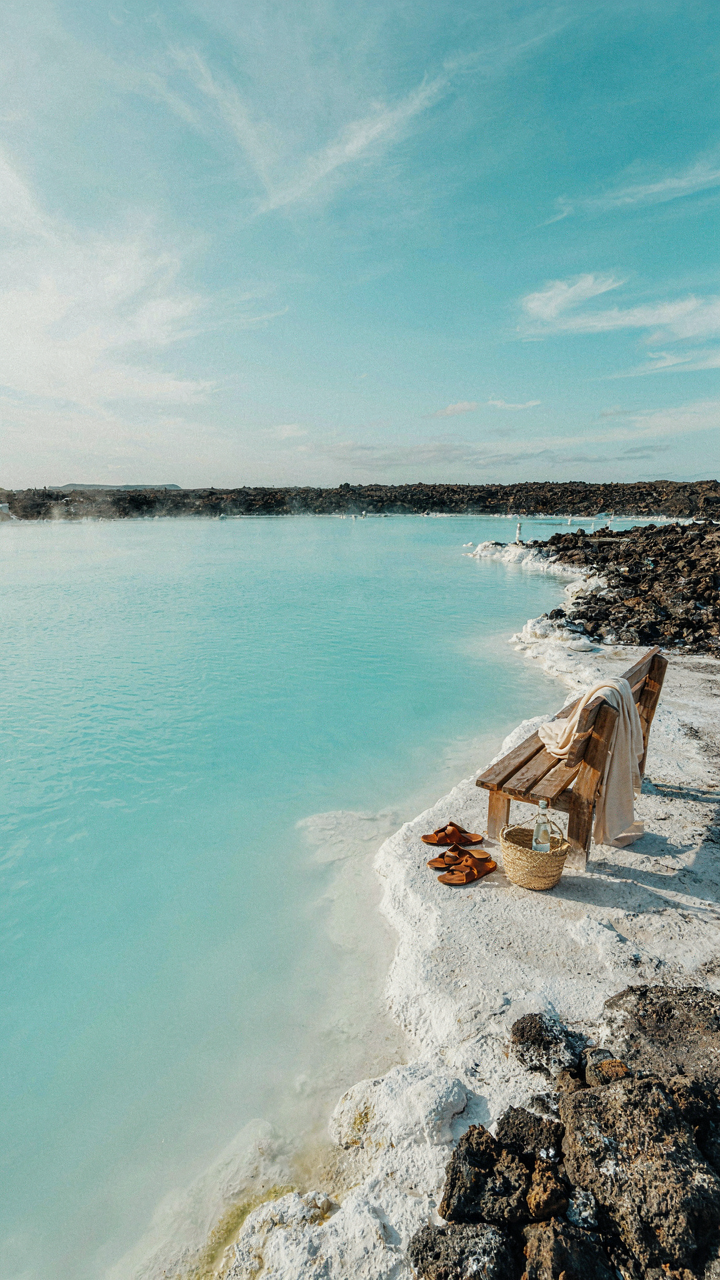
Most people visiting Blue Lagoon Iceland chase the Instagram moment instead of the actual experience. You’ll stand in that geothermal water surrounded by hundreds doing the same thing. The real question isn’t whether the lagoon deserves your money. It’s whether you know what you actually want from travel or if you’re just consuming what the algorithm told you to consume. Stop scrolling other people’s trips. Book your visit, go off-season, skip the crowds, and decide for yourself what matters. The Blue Lagoon doesn’t need your validation; your life does.