
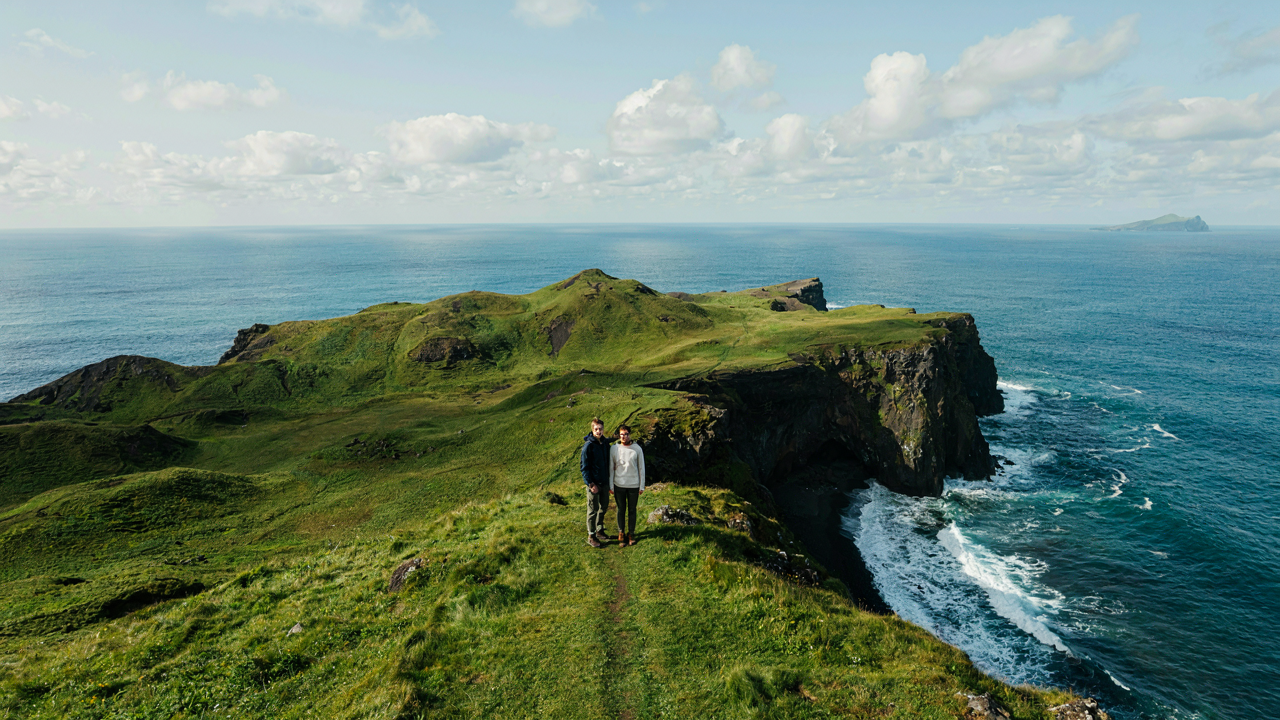
The Azores Myth: Why Your “Scenic” Travel Guide Is Already Lying To You

Postcard Perfection Doesn’t Exist
You want to believe the Azores are untouched paradise because admitting otherwise means your trip won’t fix what’s broken at home. Here’s the mechanism: travel media profits from consensus, not accuracy. Every guide you’ve read cherry-picks the same six viewpoints, the same three islands, the same weather window. The Azores are real, but the narrative around them is manufactured. Tourism boards and influencers compete on aspiration, not truth.
The actual Azores contain weather you can’t control, crowds in summer, and infrastructure that moves slower than you expect. São Miguel and Terceira get saturated July through September. Pico Island’s volcano views depend entirely on cloud cover, which clears maybe three days a week. The “hidden gems” guides promote are already mapped and packed. Visiting the Azores Portugal means accepting that you’re arriving into a place shaped by centuries of isolation and recent tourism pressure, not into a postcard.
What Instagram Filters Hide

The borrowed framework here is signal versus noise from information theory. Every image you’ve seen of the Azores is a curated signal, stripped of context and compressed for emotional impact. The filtered versions remove the fishing boats, the concrete apartment blocks behind the viewpoints, the tour buses, and the actual locals going to work. What remains is a hollow version designed to trigger one specific feeling: that you’re missing out.
The real Azores reveal themselves through friction, not smoothness. The best meals happen in restaurants without websites. The genuinely remote hikes require asking locals for directions because they’re not on the main trail maps. Weather shuts down ferries between islands unexpectedly. You’ll encounter periods of persistent rain and fog that no filter can erase. Travel to the Azores Portugal not for the image you’ll capture, but for the days when capturing anything is impossible and you’re forced to actually exist there.

The Azores Strategy: Mapping Your Asymmetric Advantage
Which Islands Actually Deserve Your Time
You want to feel like you discovered something before everyone else did. The real mechanism here is scarcity economics applied to geography. The Azores archipelago has nine inhabited islands, but most visitors compress their entire trip into two: São Miguel and Terceira. That’s the trap. The other seven islands operate on completely different visitor densities and infrastructure timelines, which means you face radically different trade-offs between experience quality and logistical friction.
São Miguel dominates because it has the only international airport and Ponta Delgada’s infrastructure. Terceira draws history tourists chasing the whaling heritage narrative. The asymmetric advantage lives on the smaller islands: Pico has the volcano and minimal crowds. Faial offers the marina village vibe without the resort infrastructure. São Jorge delivers raw volcanic geology and actual solitude. Your edge is recognizing that “best” and “most crowded” are now the same thing on the two main islands, so your actual decision is whether you value ease or novelty.
Breaking The Tourist Overlay
Everyone says “visit in shoulder season” and leaves it there. That advice ignores what actually happens on the ground. The Azores doesn’t have a traditional tourist infrastructure designed to extract maximum value from high seasons like southern Europe does. Instead, it has operational constraints. Many smaller island ferries run only in summer because winter Atlantic swells make crossings unreliable. Small restaurants and tour operators close in winter not from low demand alone, but because they literally cannot function with limited ferry schedules and supply chain breakdowns.
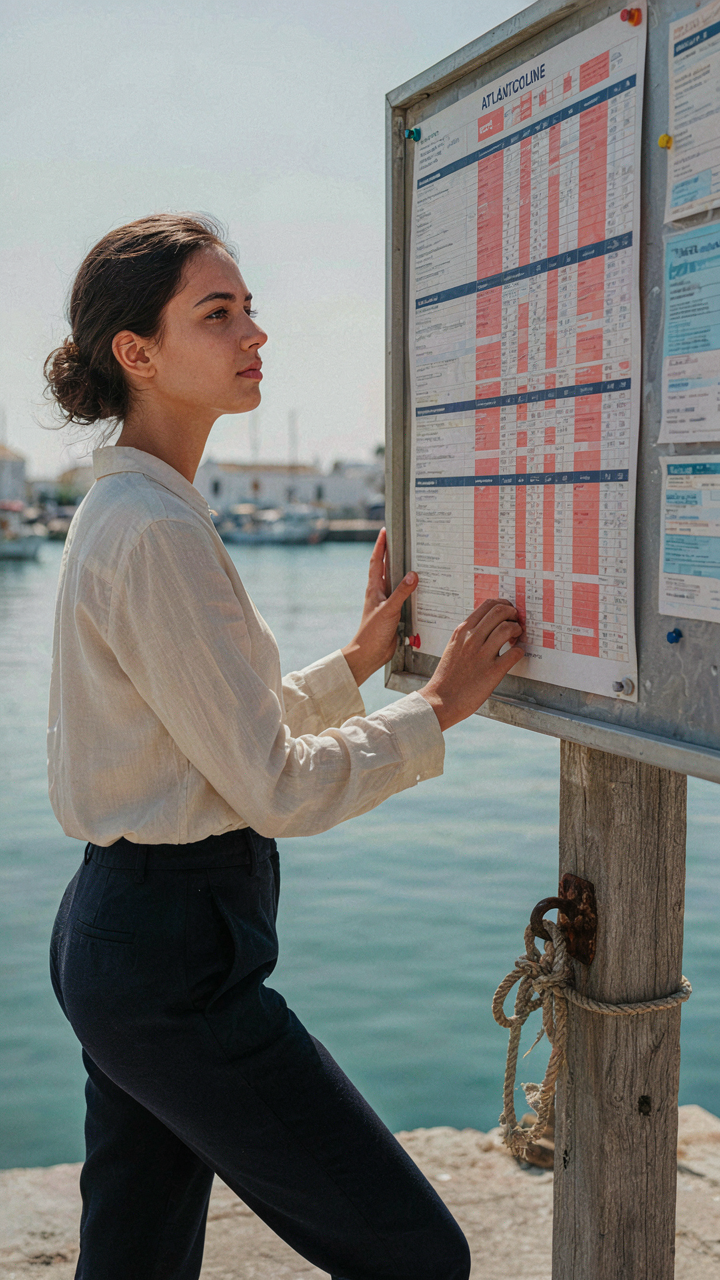
The real trap isn’t crowds anyway. Most visitors never leave the Ponta Delgada waterfront or the Terceira coastal loop, so actual solitude is thirty minutes of effort away on foot. The operational constraint you should navigate is ferry scheduling. Plan your island sequence around the actual ferry calendar, not the tourism calendar. This flips the normal approach: instead of picking islands then checking ferries, you reverse it. Get the current Inter Ilha or Atlânticoline schedules, build your island sequence around guaranteed connections, then plan activities within that skeleton.
The Azores Protocol: Devising Your Expeditionary Itinerary

Scout Before You Commit
You want to feel like you’ve “discovered” something without the risk of wasting time. Military strategy calls this reconnaissance: gathering intelligence on terrain before you move resources into position. The Azores work the same way. Most travelers hit the same three islands—São Miguel, Terceira, Faial—because guidebooks repeat the same names. You need a filter that matches your actual tolerance for isolation, weather volatility, and logistics friction, not what Instagram validates.
Start by separating the archipelago into clusters. São Miguel in the southeast is the infrastructure hub—best flights, most services, volcanic lakes, and thermal springs concentrated in one place. Terceira and Faial sit in the central group with stronger maritime heritage and less tourist saturation. Pico, adjacent to Faial, is a single mountain with minimal development. The western islands—Flores and Corvo—require ferry commitments and reward you with genuine emptiness. Your choice determines everything downstream: accommodation density, restaurant reliability, transit friction, and whether you’re actually traveling or consuming.
Ferry Timing Is The Constraint
Ferries between islands don’t run on a schedule that flatters your itinerary. They operate on seasonal demand, weather windows, and maintenance cycles. The Atlantic doesn’t negotiate. Most travel guides gloss this: they list ferry companies and move on. The real mechanism is this: your movement between islands is gated by a resource you cannot control, so you must build your route around their timetable, not the other way around.
Book your inter-island ferry crossings before you book accommodation on the islands themselves. Ferries run most reliably June through September, with reduced frequency in winter. Crossing times range from 30 minutes between close neighbors like Faial and Pico, to 4 hours for longer stretches like Terceira to São Miguel. Build buffer days into your plan—weather cancels ferries without apology. Plan your island sequence around ferry departure windows, not around when you feel like leaving.
Unlocking The Azores Portugal: Beyond Sao Miguel And Pico

The Real Islands Worth Your Time
You want to feel like you discovered something. That’s the real reason you’re reading this section instead of just booking São Miguel like everyone else. Here’s the mechanism: tourism in the Azores follows a gravity well. Money and infrastructure concentrate on two islands, which means crowds and prices follow. The nine islands operate like a market where supply and demand create artificial scarcity on the popular ones while the smaller islands remain structurally underpriced and undercrowded.
Terceira, Faial, and Flores each solve a different problem the big two don’t. Terceira offers volcanic caving and whaling history without the resort infrastructure that flattens São Miguel’s character. Faial sits between Pico and São Jorge, functioning as a natural hub with slower tourism velocity. Flores sits at the archipelago’s western edge, delivering raw Atlantic coastline most visitors never reach.
- Terceira: Volcanic caves accessible year-round, Angra do Heroismo’s UNESCO-listed harbor, and lower accommodation density than São Miguel or Pico.
- Faial: Strategic position between islands, Caldeira crater rim hike with minimal crowds, working fishing culture still visible in daily operations.
- Flores: Westernmost island with unique flora, dramatic sea cliffs at Poço da Frades, significantly fewer daily tourists despite equal natural value.
- São Jorge: Narrow, volcanic ridge landscape creates distinct hiking routes, smaller population means authentic village structures, less commercial pressure on local businesses.
- Santa Maria: Warmest island with different geology, fewer than 5,000 residents, beaches and local wine production away from main tourist circuits.
Book ferries between these islands instead of flying. The inter-island ferries cost 20-40 euros and take two to four hours, which filters out day-trippers and weekend tourists. You’ll share space with locals, construction workers, and people with actual reasons to cross the water. This changes what you see and who you meet.
The Economics Of Going Smaller
The common advice says island size correlates with things to do. Wrong. Island size correlates with how many tour buses show up daily. Economics explains this: destinations with established tourism infrastructure attract tour operators because they can guarantee occupancy. Smaller islands have lower occupancy potential, so tour operators don’t build infrastructure, which keeps them small. You’re paying for this stasis.
Less-visited islands force you to move differently. You rent a car or walk instead of joining organized groups. You eat where locals eat because there’s no tourist menu. You navigate by asking people instead of following guidebook checkpoints. This isn’t romantic. It’s structural. The island’s low tourism velocity means businesses optimize for locals first, which means you experience the actual place rather than a packaged version of it.
Weather Warfare: Navigating The Azores Portugal Travel Variable

The Microclimate Trap
You’re worried about ruining your trip with bad weather. Here’s the real mechanism: the Azores sits in the Atlantic convergence zone where trade winds collide with mid-latitude systems, creating weather that changes not daily but hourly within single islands. Meteorology calls this mesoscale variability. On São Miguel, you can experience rain on the north coast while the south stays clear. Forecasts fail because they work at regional scale, not neighborhood scale. The islands are small enough that a 2km elevation change or coastal exposure shift rewrites conditions entirely.
Most travelers check a seven-day forecast once and commit to their itinerary. That’s tactical surrender. The real approach: check conditions at your specific location the morning of activity, not the night before. The Azores changes faster than any forecast updates. Wind direction matters more than wind speed. North and northwest winds bring Atlantic moisture that stalls over higher terrain. South-facing valleys and beaches stay dry while north-facing slopes get hammered. Pick your activity based on which side of the island faces away from the current wind, not based on what some app told you three days prior.
Gear For Chaos, Not Calendar
The common advice is pack layers. True but useless. Layers only work if you understand the actual threat pattern in the Azores: you’ll encounter sustained rain in bursts, not gradual temperature swings. A hoodie won’t save you. You need waterproof outerwear that sheds water fast, not cotton that absorbs it. The real selection rule is protection against horizontal rain driven by Atlantic wind, not gentle drizzle.
- Waterproof Shell Jacket: Hardshell material that doesn’t breathe is counterintuitive but correct. Softshell jackets marketed as breathable fail when wind-driven rain hits sideways. You’ll be wet for 20 minutes regardless. Hardshell gets you dry faster when you reach shelter.
- Merino Base Layer: Wool retains warmth when wet, cotton dies. The Azores stays cold enough that moisture against skin triggers chill. Merino dries faster than synthetic alternatives and doesn’t smell after one wear.
- Waterproof Hiking Boots: Trails turn to mud within hours of rain. Canvas sneakers become dangerous. Boots with aggressive tread and sealed seams prevent ankle rolls and keep feet functional when everything else is saturated.
- Lightweight Packable Trousers: Quick-dry nylon beats denim. Rain will soak your legs. You need pants that dry within an hour indoors, not overnight. Pockets should seal to protect phones and maps.
- Waterproof Bag Liner: Even waterproof backpacks fail in sustained rain. Use a dry bag inside your pack for electronics, documents, and dry clothes. This single decision determines whether your phone works for navigation after hour four.
Pack gear for the scenario where you’re caught outside for six hours in wind-driven rain at 12 degrees Celsius, not for a casual stroll. The Azores demands that you assume weather will turn hostile without notice. Bring a backup power bank. Bring a printed map of your route. Check your gear’s actual waterproof rating before departure, not at the trailhead when conditions deteriorate.
Adventure Capital: Investing In Authentic Azores Experiences
Where Real Culture Lives, Not Tourist Photos
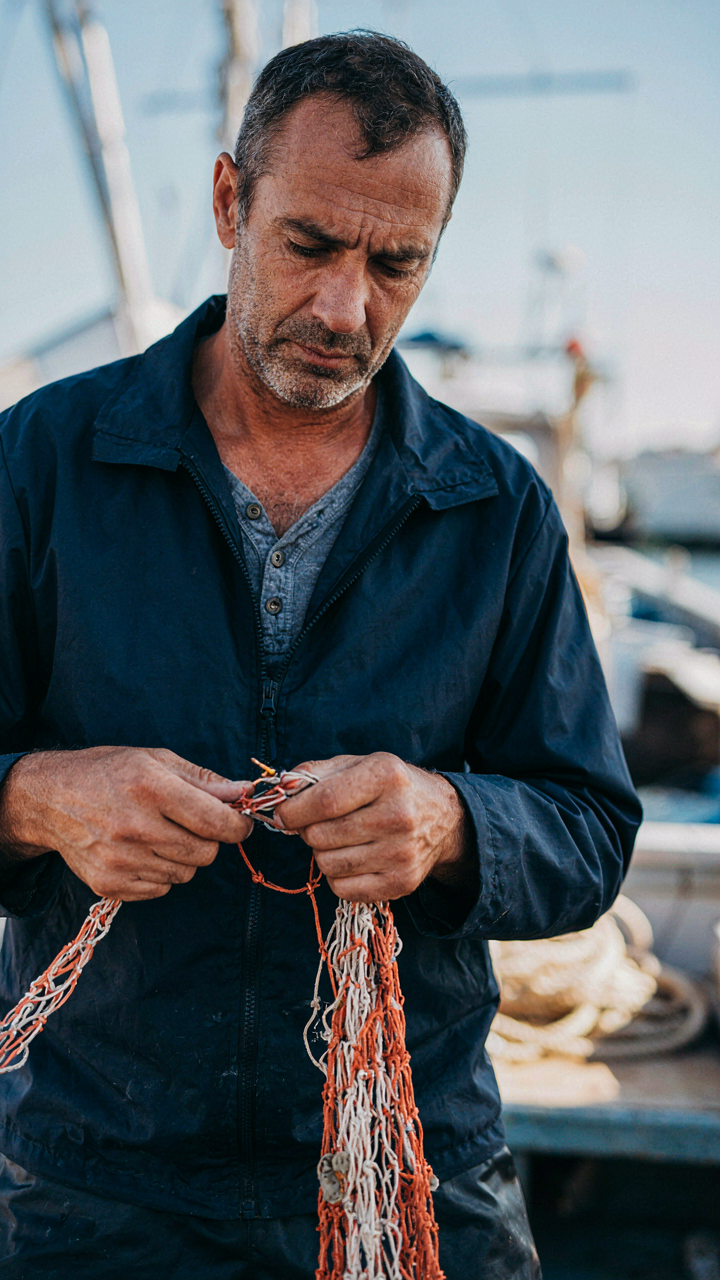
You want proof you’re not like other travelers. That’s the real reason you care about authenticity. Here’s what actually works: the Azores operates on a participation economy, not a consumption one. Most tourists treat culture like a museum—observe, photograph, leave. Locals treat it like a skill. You learn by doing, not watching. The mechanism is reciprocity. When you work alongside someone, you stop being a customer and become a participant. The island economy runs on fishing, agriculture, and small-scale production. Find those operations. Work in them.
The common advice says “hire a local guide.” Wrong frame. A guide performs culture for you. Instead, book time with fishing crews during their actual work, not a tourist version. Contact local cooperatives that process pineapples or make cheese. Spend half a day there. You pay for the time, they teach you the skill. This is how you move from observer to insider. The Azorean dialect, food traditions, and social structure reveal themselves through labor, not narration. Your money funds real work instead of theater.
The Economics Of Not Extracting Value
Sustainable tourism isn’t about feeling good. It’s about directing capital toward people who actually maintain what you came to see. Economics recognizes this as the difference between extractive and regenerative systems. Extractive tourism: you pay a hotel chain in Lisbon, it extracts value from the island, locals see minimal benefit. Regenerative tourism: you pay directly to family businesses, they reinvest in local infrastructure and preservation. The Azores has fragile ecosystems—volcanic terrain, endemic species, specific agricultural practices. Those systems collapse when revenue flows outward instead of cycling inward.
Book accommodations in family-run quintas or homes. Eat at restaurants where the owner sources from their own farm or from neighbors. Buy food from markets, not supermarkets. Buy crafts directly from artisans. This isn’t virtue signaling. It’s capital allocation. When you spend money locally, you preserve the exact conditions that made the Azores worth visiting. The protocol is simple: before booking anything, identify who keeps 80 percent of your payment. If it’s not someone on the island, book elsewhere.
Eating Like A Local: Your Azores Culinary Intelligence Briefing

Why Island Ingredients Cost What They Do
You want to feel like you’re eating authentically without overpaying for the performance. The mechanism is simple: economics determines menu pricing, not romance. The Azores imports most staple goods by boat, which means freight costs inflate everything except what grows here. Fish, dairy, and produce tied to local supply chains stay cheap. Everything else doesn’t.
Understanding this changes how you order. Local tuna, caught daily, costs less than imported beef. Queijo da Ilha—island cheese made from milk from island cows—runs half the price of European imports. You’re not being virtuous by choosing these. You’re being rational about where your money actually goes versus where restaurants mark it up for tourist expectation.
What Restaurant Menus Actually Hide
Most travel advice tells you to seek authentic local spots and avoid tourist traps. This is incomplete guidance that misses the real dynamic. Tourist restaurants and local restaurants often source the same fish market. The difference isn’t ingredients. It’s labor, rent, and whether they’re translating the menu into four languages. Local spots near fishing ports keep prices down because they operate on volume and repeat customers, not margin per plate.
The tactical move: eat near the harbor in Ponta Delgada, Horta, or Praia da Vitória. These towns have working waterfronts where restaurants sit shoulder to shoulder with actual commercial fishing operations. Ask for the catch of the day in Portuguese. If staff hesitates, leave. If they tell you within thirty seconds what it is and how they’re cooking it, order it.
The Post Azores Transformation: How You (and Your Travel) Will Change

What Actually Changes When You Leave
You want this section because you’re afraid the Azores will feel like a parenthesis in your life, and you’ll slip back into your old patterns the moment you land. That’s the real anxiety. The mechanism is simple: travel doesn’t change you. Environment swap does. The Azores forced you into unfamiliar terrain, slower pace, and mandatory presence. Without a protocol to maintain those conditions, your nervous system reverts to its default.
The Azores taught you what low stimulus actually feels like. Fewer notifications. Fewer people. Fewer decisions masquerading as freedom. You didn’t meditate your way to clarity—you removed the noise that prevented it. The mistake most travelers make is treating this as a temporary vacation high instead of data about what your brain actually needs to function. Your job isn’t to “remember how you felt.” Your job is to architect conditions that recreate those parameters at home, even partially.
The Operating System You Borrowed
Think of the Azores as a biological reset. Your cortisol dropped because the island’s rhythm matched your circadian needs, not because of the scenery. Islands operate on slower feedback loops—food takes time to source, weather dictates schedules, digital connectivity is patchy by default. You’re not importing the landscape. You’re importing the constraint structure that forced better decision-making.
Start by identifying the single constraint from the Azores that created the most friction initially but felt most clarifying by day three. For most people, it’s enforced offline time or the inability to optimize every hour. Replicate that constraint weekly. Not as a wellness hobby. As infrastructure. Block your calendar the way the Azores blocked your options. The Azores worked because it removed agency temporarily. You need to voluntarily remove it at home, because nobody else will enforce it for you.
Your Real Obstacle Isn’t Logistics; It’s A Fear Of Genuine, Unscripted Experience That No Guidebook Can Solve
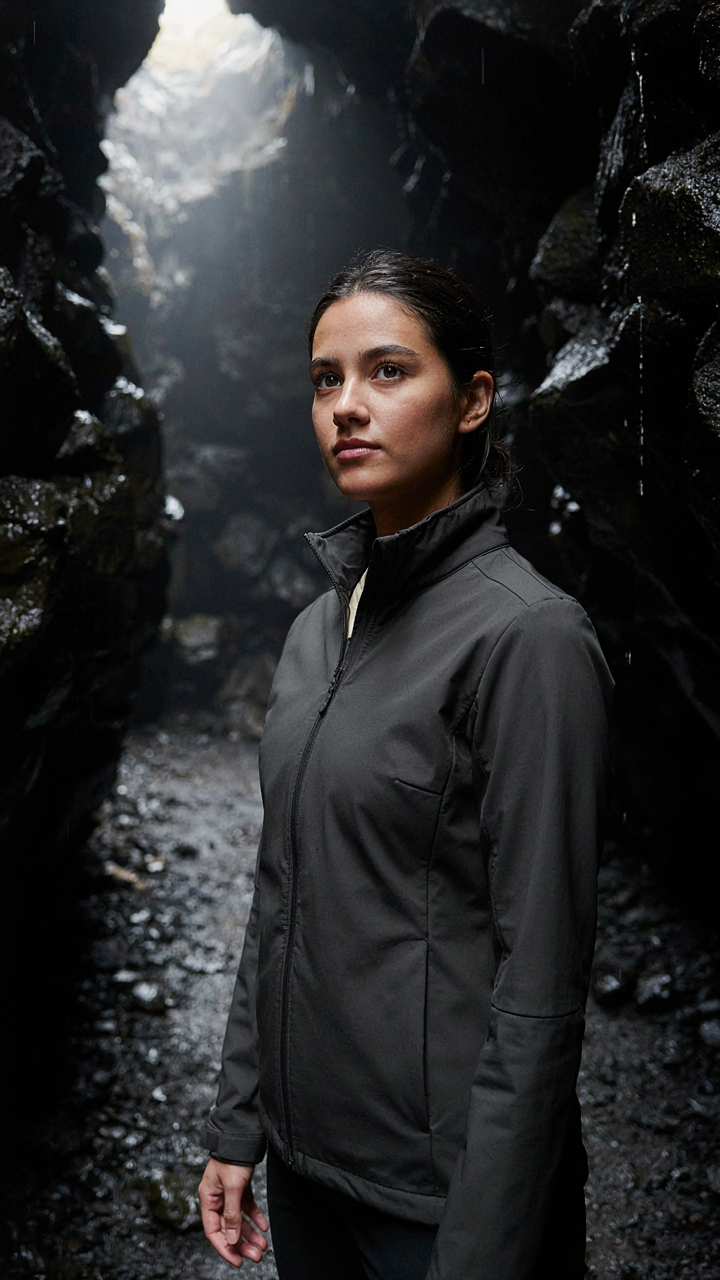
The Azores don’t need you prepared. They need you present. Every traveler visiting azores portugal thinks they need the perfect itinerary, the right gear, the backup plan. What they actually need is permission to get lost in a lava cave and miss lunch. Stop researching. Book a flight for three months from now and tell someone today. The only regret you’ll have is not going sooner.