
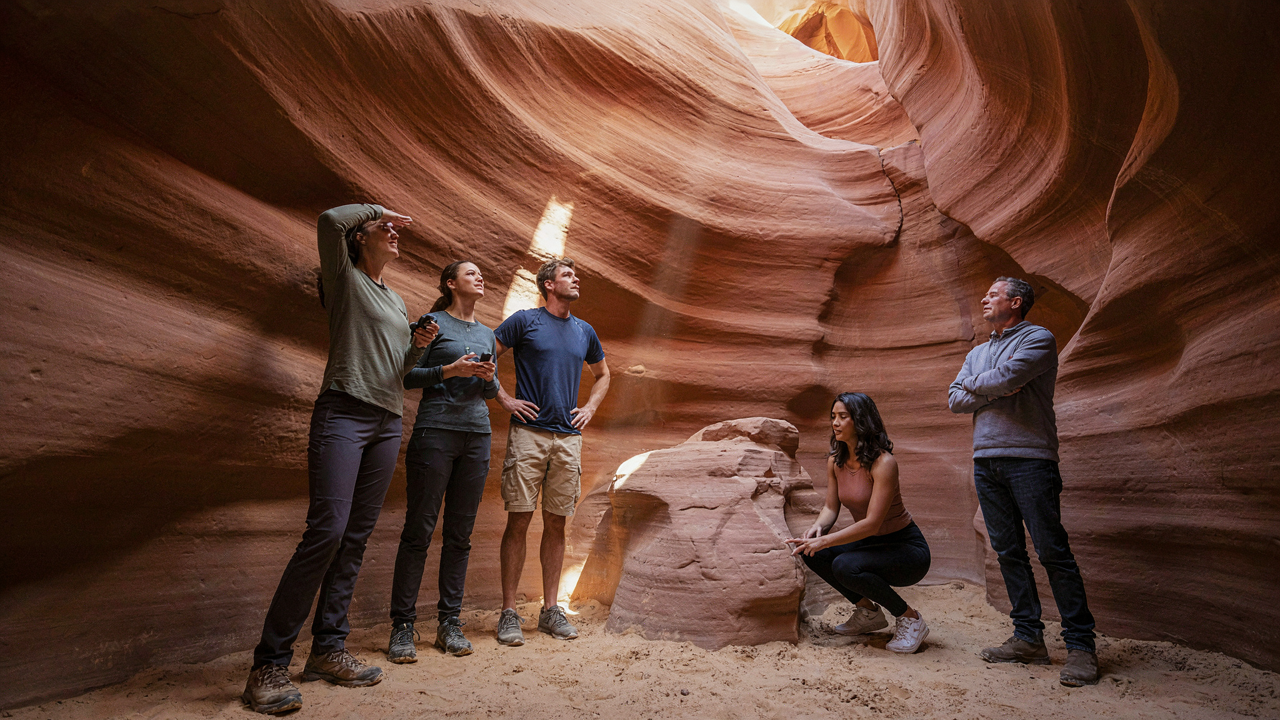
Beyond The Postcard: Antelope Canyon Travel Inspiration
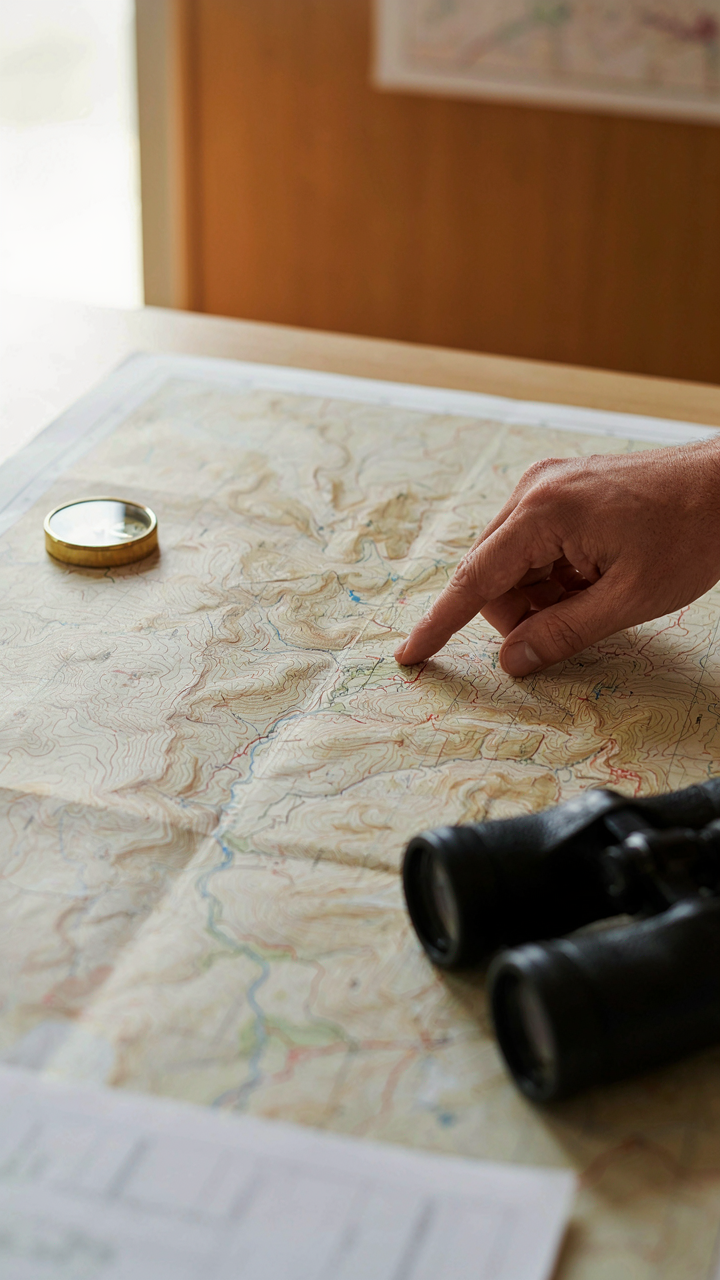
Time Your Visit Like A Tactical Deployment
You’re worried about showing up and getting the same flat, crowded photo everyone else has. Here’s the mechanism: light behaves like military positioning. In strategic terms, you need to control the high ground at a specific moment. Upper Antelope Canyon receives direct overhead sun only between March and October, with peak illumination around midday. Lower Antelope Canyon requires afternoon light to penetrate the narrow slot. Most visitors arrive between 10 AM and 2 PM, which means you’re competing for position in a compressed window.
The actual play is counterintuitive. Skip the conventional wisdom about sunrise photography. Visit Lower Antelope Canyon in late afternoon, roughly 3 to 5 PM, when crowds thin and light hits the slot at a more dynamic angle. Upper Antelope Canyon works best between 11 AM and 1 PM on clear days, but go on a weekday when foot traffic drops significantly. Tour operators have predictable patterns. Book the earliest or latest available slot to own your positioning rather than join the herd.
Create, Don’t Consume

Most people visit Antelope Canyon as passive observers checking a box. That’s not visitation, that’s tourism commodification. The shift happens when you stop asking “what will I see” and start asking “what will I make.” This requires a different operating framework: you’re not documenting a location, you’re directing light and shadow through a lens as a compositional tool. The canyon becomes your studio, not your backdrop.
Bring a tripod and shot list. Pre-visualize specific angles before you arrive. Use the tour time to scout positions rather than take snapshots from where guides direct you. The real work happens through repetition and intentional framing, not luck or following the crowd. Your visit transforms from passive consumption into active production the moment you treat the environment as material you’re working with, not scenery you’re recording.

The Pre Visualization Protocol: What To Wear To Antelope Canyon
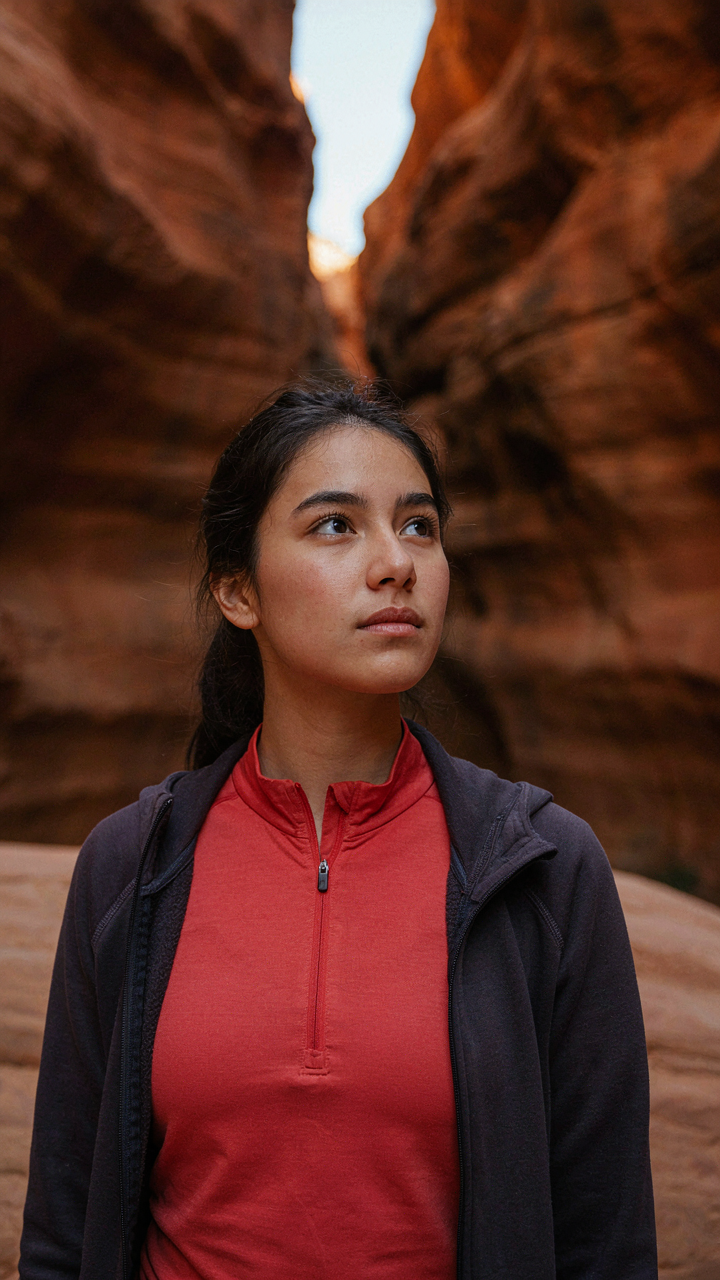
Clothes That Work Instead Of Look Good
You want permission to dress down without feeling like you failed at travel photography. Here’s the mechanism: Antelope Canyon’s slot walls create a microclimate. Temperature swings 20 degrees between sun and shade. Humidity spikes near water sources. Cotton absorbs moisture and loses insulation value when wet. Synthetic blends (polyester, nylon) shed water and regulate temperature. The choice isn’t about aesthetics. It’s about thermal management in an environment where your body has no buffer zone.
Wear a lightweight synthetic base layer and a thin zip-up that packs into itself. Long sleeves protect skin from reflected sandstone abrasion and sun bounce. The canyon floor sits below ground level, which means direct sun hits at angles that standard sunscreen won’t cover. Bring a second shirt. Upper Antelope Canyon tours last 60 to 90 minutes in confined space with zero shade variability. Lower Antelope Canyon involves ladder descents and narrow passages where sweat compounds the problem. Your first layer will absorb moisture. Your backup stays dry for the return walk.
Footwear For Loose And Uneven Ground
Slot canyons operate under geology’s constraint: erosion created smooth floors interspersed with sand pockets and step formations. Common advice says hiking boots. Wrong. Hiking boots trap sand, reduce ground feel, and overheat on rock. You need tight, low-cut trail shoes with aggressive tread and a sticky sole compound. Vibram or equivalent rubber compounds grip wet sandstone. The shoe must fit snug enough that sand doesn’t shift your foot inside the collar during side-to-side movement.
Lower Antelope Canyon requires ladder climbing. Loose boots cause your foot to slip during descent. The terrain combines dry sections with damp sand near water trickling points. Your sole must maintain contact without catching edges. Bring a second pair if you’re visiting both canyons on the same day. Wet shoes breed blisters. Change into dry footwear between locations and your feet stay functional for the full experience instead of compromised by hour two.
Navigating The Funnel: Travel Guide For Antelope Canyon Logistics
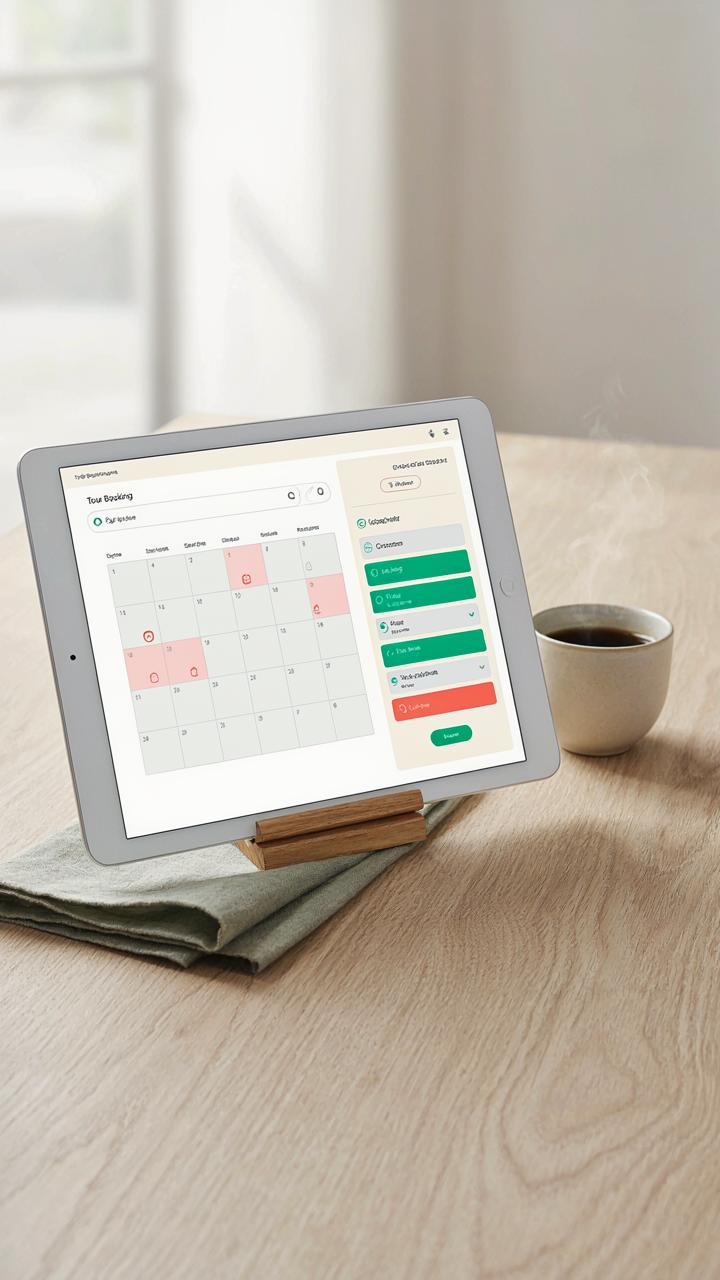
Booking System Mastery For Prime Slots
You care about this section because you’re terrified of showing up and finding nothing available, wasting gas money and a day off work. The real mechanism is scarcity pricing disguised as “tours filling up.” Antelope Canyon (both Upper and Lower) operates on a timed entry system controlled by Navajo Nation tours. Upper Canyon books out weeks ahead during peak season because operators cap groups at 90 people per hour to prevent gridlock in the narrow slot. Lower Canyon uses a similar model but with smaller intervals.
Book directly through the official Navajo-operated tour companies, not third-party resellers. Upper Canyon tour slots release early morning and refill by noon during summer months. Lower Canyon operates year-round but fills faster during March through October. The real advantage isn’t booking early for early arrival slots, it’s booking midweek and off-peak months like November through February when you get better light angles and actual solitude. Prices drop 30-40 percent outside peak season, and you avoid the Instagram crowd bottleneck entirely. Call the tour operators directly instead of using booking platforms, because phone lines give you real-time slot visibility that websites obscure.
Tour Operator Selection: What To Vet
Choosing a tour operator isn’t about reviews or marketing copy, it’s about operational constraint analysis from supply chain management. A tour’s quality depends entirely on group size caps and guide rotation schedules, not guide charisma. The operator controls how many people squeeze into the canyon per hour, which controls your actual experience. Upper Canyon has competing operators (Antelope Canyon Tours, Over the Top Tours, Ken’s Tours) but all operate under Navajo Nation permits that specify maximum capacities. Lower Canyon operates under different concession agreements with separate operators.
- Group size per tour: Smaller caps mean better light access and positioning. Verify the exact number per group, not just “small groups,” which is marketing language.
- Guide experience with photography: Ask how long guides stay in frame positions for camera setup. Poor operators rush through photo spots in under 60 seconds.
- Tour duration and pacing: Longer tours (2-3 hours for Upper, 1.5-2 hours for Lower) indicate time for actual observation versus cattle-herding efficiency.
- Logistics transparency: Call and ask specific questions about parking, check-in procedures, and weather cancellation policy. Operators who dodge specifics cut corners elsewhere.
- Permit verification: Confirm the operator holds current Navajo Nation permits. Unauthorized operators exist and provide inferior access with safety liability.
Vet operators by asking one tactical question: “What’s your maximum group size and how many tours per hour do you run?” Their answer reveals whether they’re optimizing for experience or throughput. Book with whoever caps groups lowest and runs fewest tours per day, even if pricing runs 15-20 percent higher. This is your only controllable variable in an otherwise fixed system. Everything else flows from that single constraint.
The Arizona Canyons Hierarchy: Antelope Vs. The Rest
Why Antelope Canyon Stays Perpetually Booked
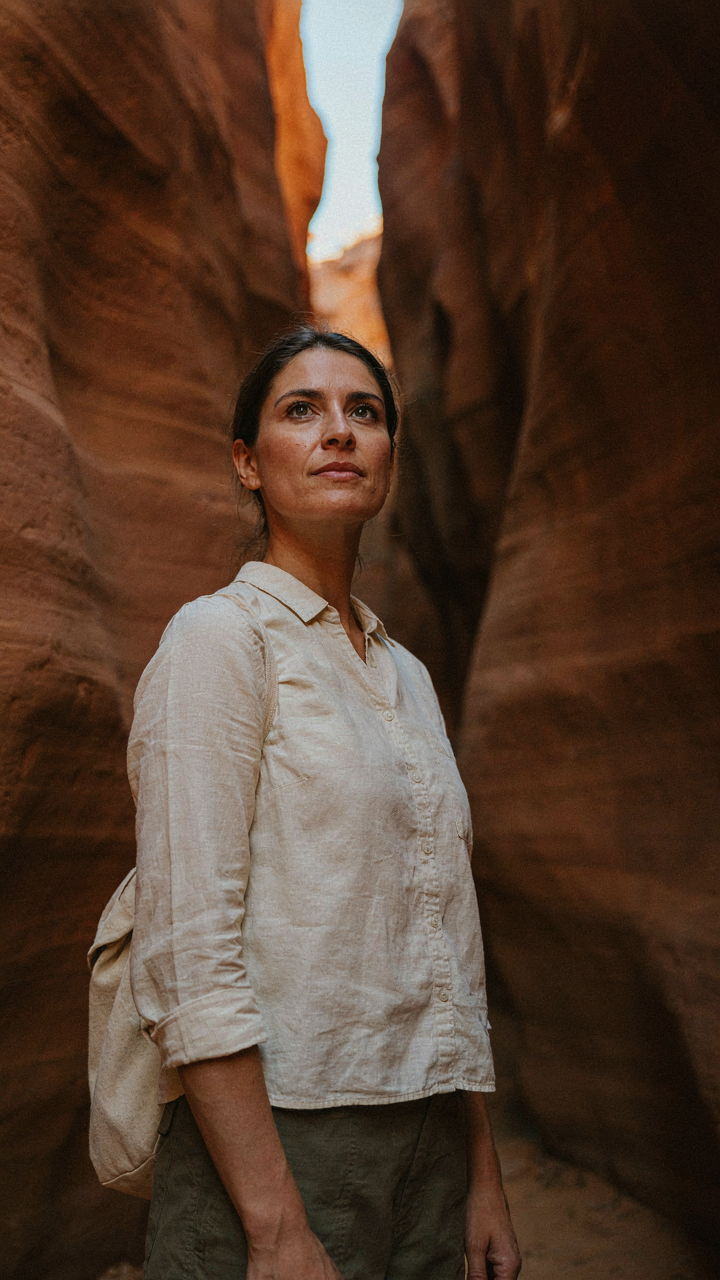
You want to know if Antelope Canyon is actually worth the hype, or if you’re about to waste time in a tourist trap. The real issue isn’t the canyon itself—it’s basic economics: constrained supply meets unlimited demand. The Navajo Nation restricts daily visitor numbers to protect the slot canyon’s structural integrity and sacred status. Lower Antelope Canyon caps at roughly 2,000 visitors daily. Upper Antelope Canyon operates similarly. No other Arizona canyon has enforced these limits, which means Antelope absorbs all the pressure while competitors stay empty.
This bottleneck is structural, not accidental. The canyon’s narrow passages—some only a few feet wide—create actual physical constraints on how many people can move through safely. Tour operators sell out months ahead because supply cannot expand. You cannot build another Antelope Canyon. The geography is finite. Every other canyon in Arizona has looser restrictions because they’re wider, deeper, or less fragile. Demand flows where supply allows it.
The Canyons Nobody Photographs
Most travel guides list Box Canyon, Canyon X, and Rattlesnake Canyon like afterthoughts. They treat them as backups for when Antelope books solid. This is wrong. These are not consolation prizes. They are different experiences that serve different purposes, and they operate with zero crowds because visitors don’t understand their actual advantages.
Slot canyons near Antelope offer narrower passages, less managed experience, and dramatically shorter visitor lines. Canyon X requires self-navigation instead of guided tours, which means you move at your own pace instead of a group’s. Rattlesnake Canyon stays cold longer into summer because sunlight penetrates differently through its shape. Box Canyon floods unpredictably, so visitors avoid it during storm season—but that same feature makes it visually more dramatic outside risk periods. None of these are worse than Antelope. They’re just different mechanics that serve different visitor profiles. Stop treating them as backup options and start choosing based on what experience you actually want.
Beyond The Border: Antelope Canyon Utah Tour Options
Where You Actually Enter From
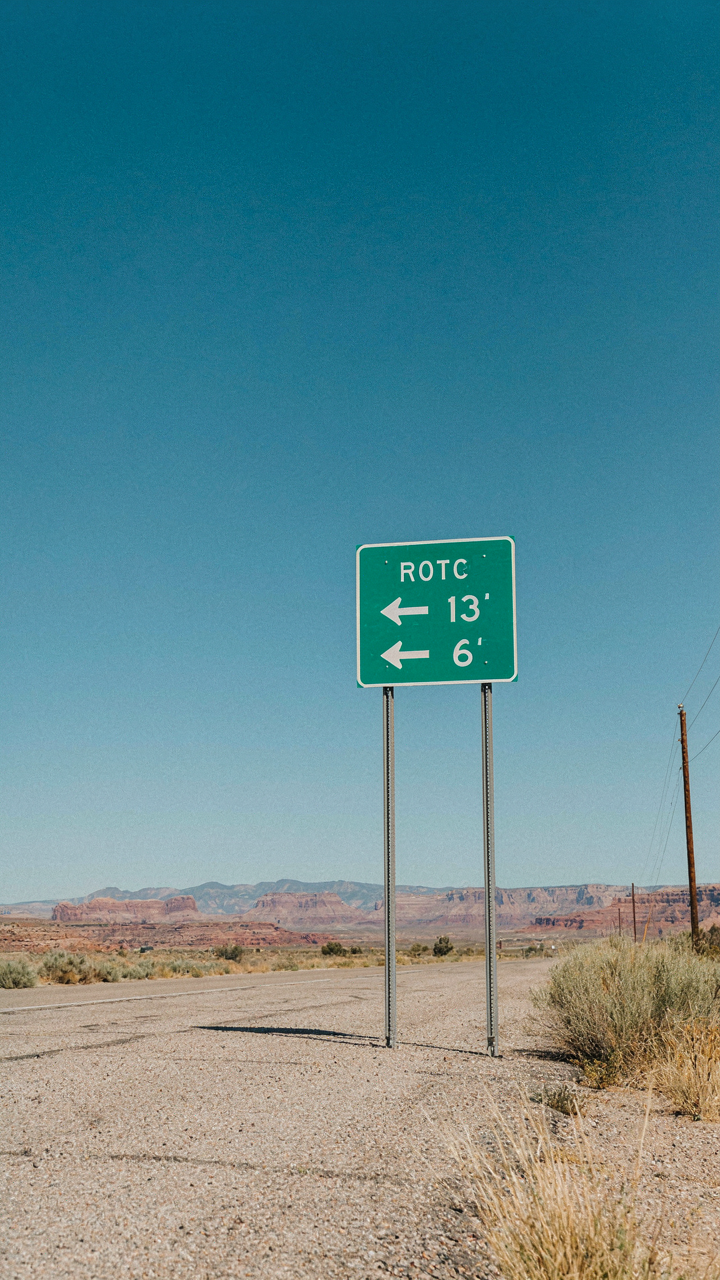
You want to feel like you’re making an optimal choice, but the real mechanism here is simple logistics masquerading as strategy. Page, Arizona sits 30 miles south of Upper Antelope Canyon and 7 miles from Lower Antelope Canyon. Kanab, Utah is 150 miles north of Upper Antelope Canyon. Page is the practical base. Most visitors stay there. Kanab appeals only if you’re routing through Zion or Bryce Canyon on the same trip.
The access point determines your day structure, not your experience quality. Page has tour operators licensed directly on the slot canyons. Kanab operators drive clients south to the same tours. You pay identical tour fees regardless of origin. The difference is drive time: 90 minutes versus 3+ hours from Kanab each direction. Choose Page unless you’re already committed to northern Utah destinations.
Stacking Sites Into One Itinerary
The common advice says visit both Utah and Arizona canyons to maximize your trip. That’s half-correct and wastes half your time. Upper Antelope Canyon and Lower Antelope Canyon are in Arizona, 10 miles apart. Bryce Canyon and Zion sit in Utah, 150+ miles from Antelope. You gain nothing by forcing all four into 3 days except exhaustion and driving.
A real two-state visit clusters by region. Spend 2 days anchored in Page: Upper and Lower Antelope on different mornings. Then drive north to Utah and spend 2 days at Bryce or Zion. This eliminates the false loop that kills your afternoon light and burns fuel. Book tour operators before arrival. Slots at Upper Antelope peak at 9 AM and again at 3 PM. Secure your slot first, then build your driving schedule backward from that time.
The “Opportunity Cost” Lens: Antelope Canyon Tour Tips
Time Versus Value On Tour
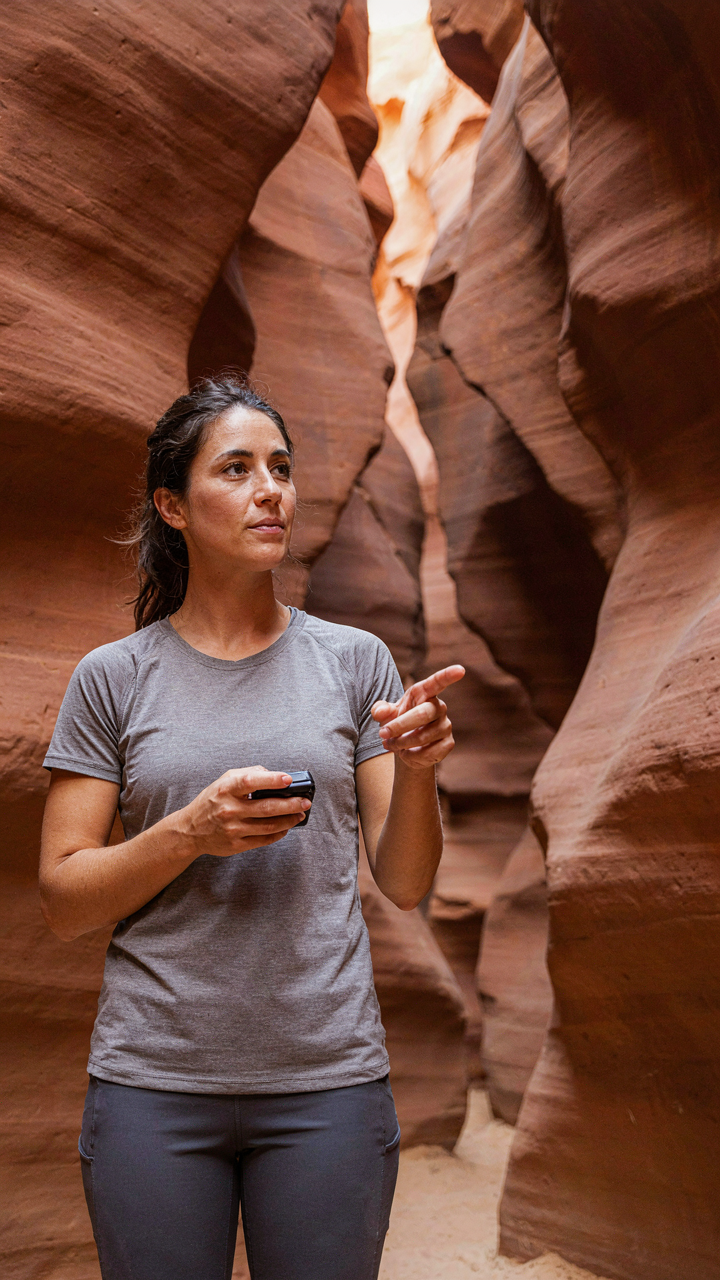
You’re worried you’ll waste money on a tour that doesn’t deliver the experience you imagined. Here’s the real mechanism: economics calls this opportunity cost. Every minute inside Antelope Canyon has a trade-off. You pay for access, but the tour operator controls your pace, your positioning, and your actual sightlines. Most visitors don’t realize the guide’s job isn’t to maximize your experience—it’s to move bodies through safely and on schedule.
Standard advice says “book early for better light.” That’s incomplete. Better light is real, but the actual bottleneck is physical placement inside the narrow slot. Early tours mean fewer people competing for prime spots where light beams hit the canyon floor. The guide determines your vantage point and how long you stand there. Your money buys access to the location, not guaranteed visual impact. This matters because position determines whether you see the famous light rays or shoot the same generic canyon wall everyone else does.
Resource Allocation In Narrow Windows
Military strategy uses the concept of concentration of force—deploying resources where they matter most in a limited timeframe. Apply that to Antelope Canyon. You have roughly 90 minutes inside the canyon. The light window for dramatic beam effects lasts maybe 20 to 30 minutes depending on season and weather.
Don’t split attention between the main canyon floor and side formations. Pick one objective before you enter. Most guides move through Lower Antelope Canyon on a fixed route. If you want beam shots, position yourself early in that sequence and stay locked in. If you want texture and slot formation details, accept that overhead light beams won’t dominate your images. You cannot optimize for both equally. Communicate your priority to the guide beforehand. Tours rarely accommodate this, so you’ve already lost leverage by not stating it upfront.
The Anti Crowd Playbook: Alternative To Antelope Canyon
Slot Canyons With Real Solitude
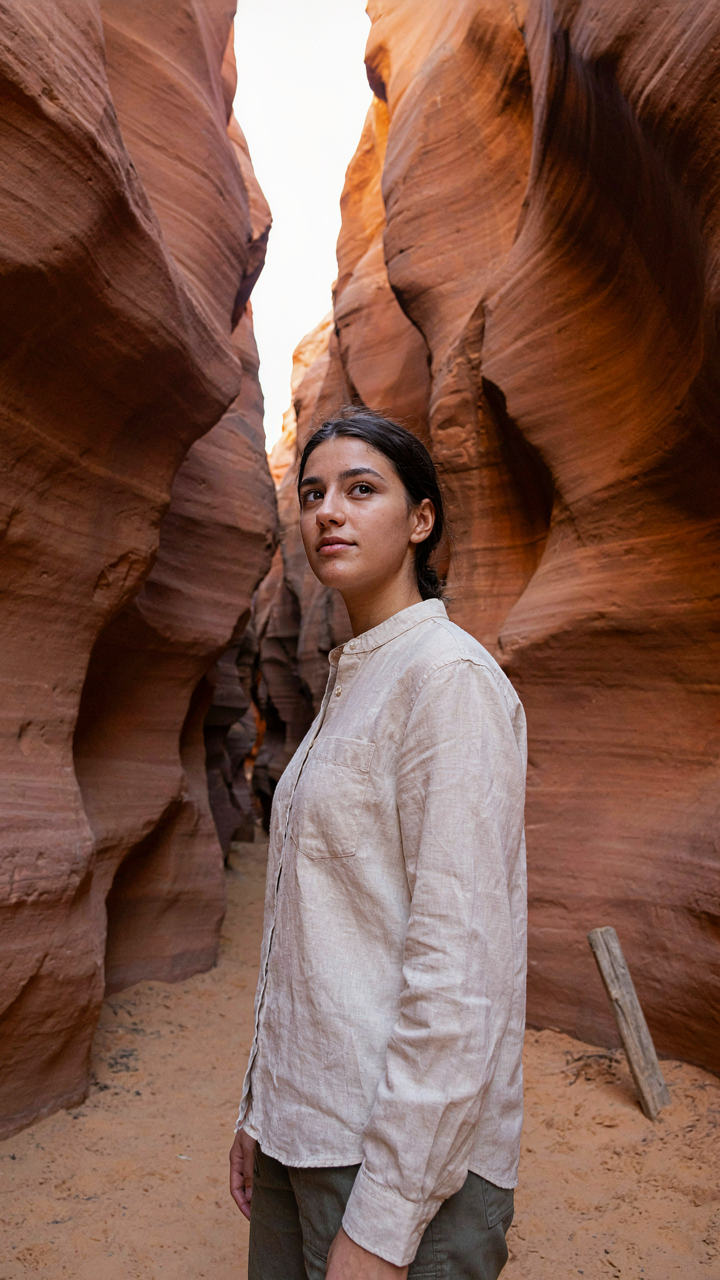
You want the Instagram shot without the Instagram crowd. The mechanism is simple: most visitors optimize for marketing, not experience. They follow the algorithm to the same two slots in the same county because travel blogs copy each other. Canyon Burch and Wire Pass are traffic jams by design—not by geography.
The Navajo Nation has dozens of slot canyons. Lower Antelope Canyon’s bottleneck isn’t inevitable. Canyon X (Upper Antelope Canyon) draws overflow precisely because it’s listed second on every aggregator. Slot canyons operate like supply and demand: concentrate visitors in one location and you’ve solved the scarcity problem for everywhere else. Moki Canyon, near Page, sits ten miles north and receives a fraction of the traffic despite identical geology.
Photographic Locations Nobody’s Hiking To
Every photographer in Arizona chases light beams. This creates a false binary: either you get the shot or you get peace. Both exist separately, not together. Lesser known canyons like Owl Canyon and Helix Canyon produce equally dramatic formations and shadow play without the timing squeeze that kills Antelope Canyon’s 11 AM window.
The real advantage isn’t just fewer people. It’s shooting without permission delays, drone restrictions, or staged moments. Lower Owl Canyon requires a guide but permits technical photography. Helix Canyon operates with minimal regulation. You shoot when light aligns with your position, not when a tour operator schedules the next group. Contact Navajo guides who specialize in off-circuit locations—they know water flow, lighting patterns, and actual accessibility better than any blog post.
Upper Vs. Lower: The Antelope Canyon Algorithm
Why Light Angle Determines Your Shot
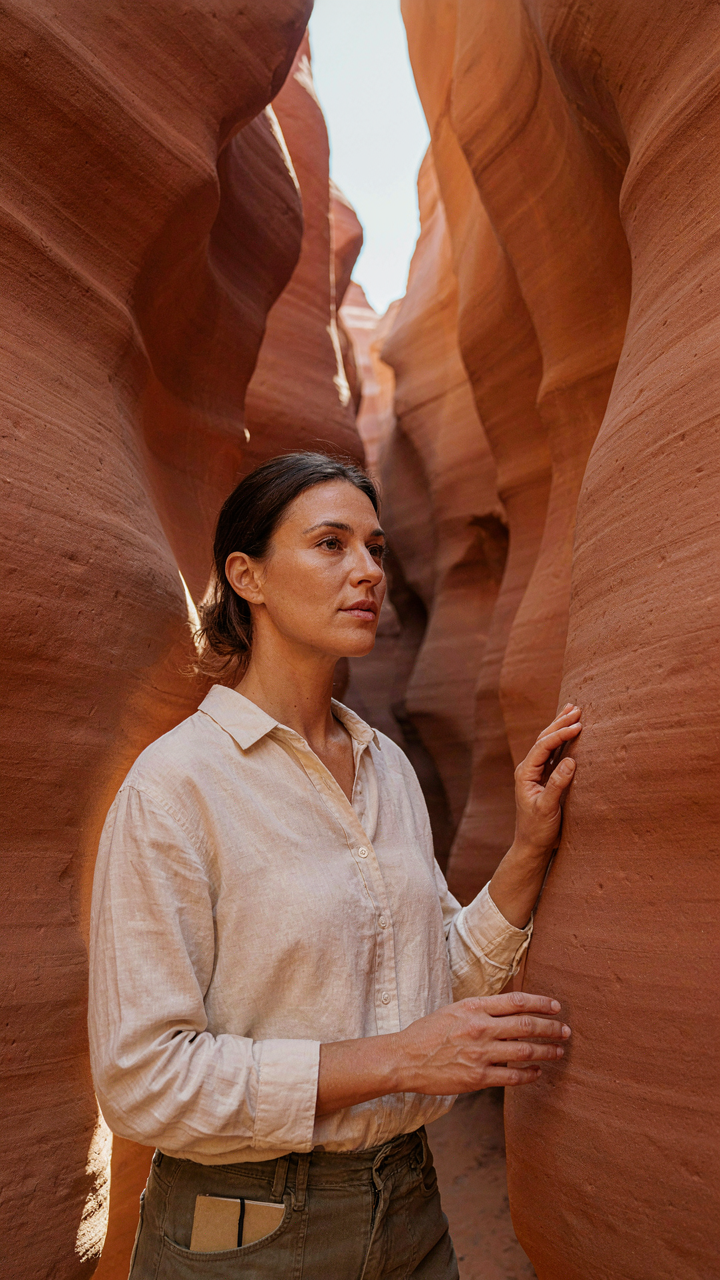
You want to know which canyon gives better photos because the answer feels like it will change your entire trip. It won’t. But the physics does determine what you’ll actually capture. Light behaves like a vector in optics, traveling in straight lines until it hits a surface. Upper Antelope Canyon is a slot canyon carved horizontally into the mesa, which means sunlight enters from above at specific angles throughout the day. Lower Antelope Canyon sits below ground level, accessed by stairs, so light enters differently and bounces off walls in another pattern entirely.
Upper Canyon’s slot creates a natural light funnel. The narrow opening pulls direct sunlight down into the canyon floor, creating dramatic shafts and high contrast. This happens best between late morning and early afternoon when the sun sits high enough to penetrate the slot deeply. Lower Canyon has no direct overhead light source, so illumination comes from reflected light bouncing off the narrow walls. This produces even, diffused lighting but fewer of those dramatic rays that viral Antelope Canyon photos showcase. Both produce good images. Neither is objectively superior. Your preference for either one determines which you should visit, not the other way around.
Moving Through Each Canyon Without Collision
Most travel guides tell you Lower Canyon is crowded and Upper is less crowded. That’s obsolete and incomplete. Both canyons now require timed entry permits and limit daily visitors. The real difference is foot traffic flow inside each canyon, and this changes how you move. Upper Canyon is a single-path slot where you walk in one direction from entrance to exit. The path is roughly sixty meters long with minimal branching. Everyone moves the same route at the same pace, so congestion happens in waves at popular photo spots like the Beam spot and the Sand Dunes area.
Lower Canyon requires descending 121 stairs, then walking through wider sections with multiple alcoves and side passages. Traffic can split across the canyon floor more evenly, reducing the bottleneck feeling. However, Lower Canyon’s narrower passages mean you’ll brush shoulders with others more frequently. The key tactical move: visit Upper Canyon outside peak hours (before 8 AM or after 4 PM) to avoid the wave effect, or visit Lower Canyon mid-morning when most groups are still at Upper. Book your entry time based on your tolerance for proximity to strangers, not on which canyon is supposedly better.
The Unspoken Rules Of Indigenous Land: Antelope Canyon Arizona
What Respect Actually Costs
You want to feel like a good person without changing your behavior. That’s the real tension here. The mechanism is simple: Antelope Canyon sits on Navajo Nation land. The Navajo people own it, manage it, and profit from it through permits and guide fees. Your presence there is conditional, not automatic. Treating the canyon as a photo opportunity while ignoring who controls access is the default move most tourists make.
The Navajo Nation established formal visitation protocols because casual foot traffic degrades the slot canyon and disrespects sacred cultural significance. Hiring a Navajo guide isn’t optional hospitality—it’s the entry price. You pay them directly, not a corporate intermediary. Many visitors don’t know this distinction exists. When you book through an official Navajo-operated tour company, the money flows to the community that maintains the land, not to an outside operator extracting value.
Permits Determine What Actually Happens
Economics calls this “scarcity pricing.” When demand exceeds supply, price rises. Antelope Canyon operates under strict daily visitor limits set by Navajo Nation management, not market forces or tourism boards. These limits protect the canyon from physical degradation and preserve the experience itself. Without permits, the slot would erode faster and become worthless to everyone. The permit system is the only mechanism that keeps the resource viable long-term.
You cannot visit Lower Antelope Canyon without a paid tour guide licensed by the Navajo Nation. Upper Antelope Canyon requires a permit purchased on-site or through authorized vendors. Both require money directed to Navajo Nation operations and individual guides. The preservation system works because enforcement is real—unauthorized visitors get removed and fined. When you follow the permit structure, you’re not being inconvenienced by bureaucracy; you’re participating in the mechanism that keeps the canyon from becoming unusable rubble.
Your Greatest Obstacle Isn’t The Canyon, But Your Unprepared Mind Chasing An Unearned Moment
Most people visit Antelope Canyon expecting the light beams to hit them like a spiritual download. They won’t. You’ll stand there with a thousand other tourists, phone out, chasing a moment that belongs to someone else’s highlight reel. The canyon doesn’t owe you transcendence. It rewards preparation. Study the geology before you go. Understand why the light behaves the way it does. Show up at odd hours when crowds thin. This shift from consumer to observer changes everything. You stop chasing the moment and start earning it. Open your calendar today and block off an early morning slot that doesn’t match typical tour times. The difference between a memory and a photograph is the work you do before the shutter opens.