

Beyond Postcards: The Unfiltered Amalfi Coast
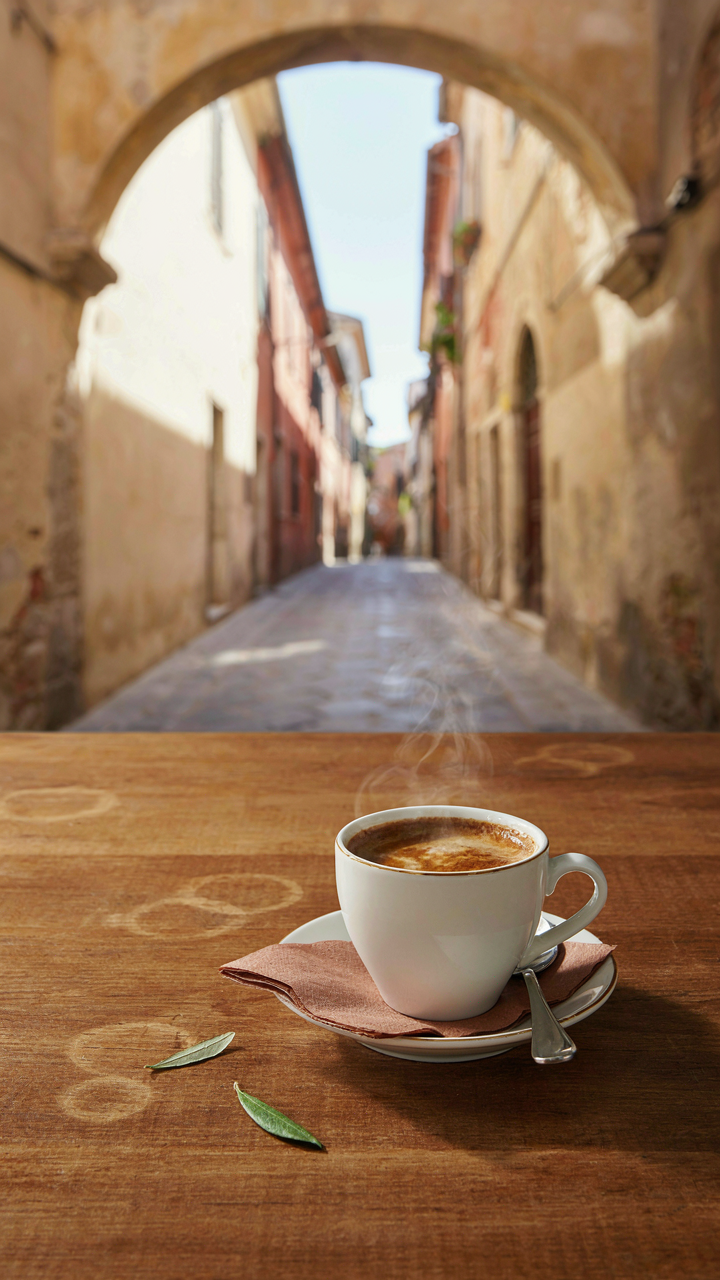
Where The Money Kills The Experience
You want to feel like you discovered something real, not like you paid for a staged version of authenticity. This matters because the Amalfi Coast operates on extraction economics: businesses compete for tourist dollars by making everything photograph-worthy, which means removing friction, locals, and anything that doesn’t convert to Instagram engagement. The mechanism is simple. A restaurant with a terrace overlooking the sea charges 40 euros for pasta that costs 8 euros to produce. The view is real. The markup is the tax on convenience. You pay for the location, the crowd, and the assumption you won’t return.
Positano and Amalfi town are ground zero for this trap. Both places have been optimized for first-time visitors. Streets are narrow by design, crowds pile up, restaurants line the waterfront with identical menus and triple prices, and you eat where you can find space, not where the food matters. The same mechanism works in Ravello: boutique hotels, curated galleries, orchestral concerts in cliffside villas. It’s not fake, but it’s not yours. You’re consuming a product branded as “experience.”
What Locals Actually Do Here

The real pattern is geographic arbitrage within the same town. Locals eat where tourists cannot easily reach them, not because they’re hiding a secret, but because those places exist to serve residents, not to leverage views. This happens in the back streets of Atrani, a village of 900 people wedged between Amalfi and Positano that most visitors never enter. You find it by walking uphill away from the water, away from crowds, into the residential grid where laundry hangs between buildings and an eighty-year-old woman sells homemade pasta from her kitchen window three days a week.
The mechanism here is time cost, not money cost. Locals spend hours in these places. They sit at the same table, order the same wine, know the owner’s family. A visitor moving through in two hours cannot access this. You cannot buy your way in. Instead, slow down in one place. Eat breakfast at the same café twice. Order something you do not recognize. Ask why they made it that way. Return the next morning. This is not a hack. It is the only way the place actually opens.

The Salerno Gateway: Your Strategic Entry Point

Why Salerno Beats Naples For Entry
You want to avoid the chaos tax—that invisible surcharge you pay when you land somewhere crowded and disorganized. Think of entry points like supply lines in military logistics: the shorter and clearer the route, the less friction you face. Salerno is 66 kilometers south of Naples but operates as a completely different infrastructure animal. Smaller airport, fewer crowds, direct rail access to coastal towns, and no need to navigate a chaotic metropolitan center just to reach the actual coast.
Naples airport handles 9 million annual passengers. Salerno handles a fraction of that volume, which means shorter security lines, faster baggage claim, and immediate access to ground transport without the typical airport-to-city gridlock. If you fly into Naples, you’ve added a mandatory 90-minute buffer just to escape the city before you can head south. Salerno puts you on the Amalfi Coast trajectory immediately. The math is brutal: fewer variables equals lower failure risk.
Direct Routes From Salerno To The Coast
Everyone says to take the scenic drive down the coast road. Half that advice comes from Instagram, not actual travel efficiency. The SITA bus runs directly from Salerno to Positano, Amalfi, and Ravello—it’s the circulatory system for this region. Driving yourself introduces navigation complexity, parking scarcity in cliff towns, and the stress of mountain hairpins you can’t undo. The bus moves on fixed routes with drivers who know every curve.
From Salerno’s main train station, buy your SITA ticket at the terminal. Buses depart every 30-40 minutes during peak season. The ride to Positano takes 90 minutes, to Amalfi town 60 minutes. No rental car required, no insurance headache, no wrong turn into a residential dead-end. You board, the driver handles the technical problem, you focus on the actual experience. This single decision—bus over car—eliminates most logistical friction for first-time visitors.
The Inverse Itinerary: Mastering The Amalfi Coast Itinerary

Start Where Others End
You want the Instagram moment without the crowd. That’s the real reason you’re reading this. Here’s the mechanism: the Amalfi Coast operates on a tourism current that flows in one direction. Everyone follows the same path because guidebooks and travel blogs copy each other. The towns that appear first in search results get crushed by foot traffic. Positano, Amalfi town, Ravello—they’re saturated by noon because they’re positioned as the starting point in conventional itineraries.
Reverse the entry vector. Start in Praiano or Furore, work backward toward Positano as your exit, not your beginning. You’ll encounter these towns in their functional state, before the day-trippers arrive. The same restaurants and views exist, but the experience shifts when you move against the current. This isn’t philosophy. It’s crowd dynamics applied to geography.
Peak Season Isn’t The Prize
The common advice says visit during shoulder season for better weather and fewer people. That’s incomplete. Off-peak travel removes the entire demand mechanism that makes the coast work against you. Between November and March, you encounter the Amalfi Coast as it actually operates. The locals move through their towns. Restaurants serve food they want to cook, not menu items designed for tourists. Ferries run on schedule because they’re moving residents, not spectators.
The tactical advantage isn’t romantic. Accommodation costs drop forty to fifty percent. Restaurant wait times disappear. You can rent a car or scooter without fighting for availability. The coastal roads are navigable instead of parking lots. Book your transit in advance because schedules compress in winter, but you move through the landscape with friction instead of against a wall of bodies. The mechanism: scarcity reverses when you abandon the season everyone else targets.
European Cruises: A Trojan Horse For Tourists

Why Cruise Ships Kill What You Actually Came For
You want the story. The proof you were there, the experience nobody else can replicate, the feeling that you earned something real. Cruise ships sell you the opposite. Think in terms of supply chain logistics: a cruise operates on the principle of maximum throughput. The ship moves hundreds of people through a port in six hours, which means you’re not a visitor—you’re inventory being processed. The Amalfi Coast doesn’t work at that speed.
The real cost isn’t time or money. It’s immersion replacement. You see the villages, but you don’t sit in a café where locals actually drink coffee. You taste the food, but it’s plated for a tour schedule. You take the photo, but you never have the conversation that makes the place real. Cruise ports on the coast are designed for volume, not depth. You’re competing with two thousand other passengers for the same experiences, compressed into the same hours, funneled through the same bottlenecks.
Move Around On Your Own Terms
Ferries operate on a different system. CPTPP principles from trade economics apply here too, but inverted: instead of a cruise’s centralized hub model, ferries give you bilateral optionality. You board when you want, exit when you want, stay longer than planned without penalty. SITA buses connect villages along the coast and actually serve residents, not tourists, which means you’re moving through the geography like a person who lives there, not like cargo.
Rent a private driver for the days that matter most. This costs less than you think when split across travelers, and the mechanic is simple: a driver knows where locals eat, when the best light hits each village, which stairs lead to actual viewpoints instead of Instagrammed ones. You control the rhythm. You stop for three hours in Positano if something catches you, or skip it entirely if you prefer Ravello’s terraced structure instead. The ferry gets you between major towns cheaply. The driver gets you the context. Together they beat any cruise itinerary on experience per dollar spent.
Honeymoon Planning: Beyond The Highlight Reel

Pick Towns That Match What You Actually Want
You’re looking at Instagram because you need permission to feel like your trip is real. The actual mechanism is simple: the Amalfi Coast has three distinct vibes, and picking the wrong one means spending a week performing someone else’s fantasy instead of living yours.
Positano trades privacy for aesthetics. The town stacks vertically into the cliff, forcing you into narrow streets and constant visibility. You’ll eat well, see beauty, and lose the ability to sit alone. Ravello sits inland on the plateau, detached from the coast noise, favored by artists and older couples. Amalfi town itself is the working port with actual residents, cheaper restaurants, and fewer tourists after sunset. Match the town to what recharges you, not what photographs well.
Spending Money Like You Have Sense
The consensus advice is garbage: everyone tells you the coast is expensive, then suggests eating at hotel restaurants and taking organized tours. That’s not budget hacking, that’s capitulation.
- Eat where locals work: Skip the beachfront places entirely. Walk two blocks uphill from any tourist zone and you’ll find trattorias charging normal prices for better food. Lunch is cheaper than dinner at the same restaurant, always.
- Stay in Salerno or Sorrento, visit daily: Both towns sit near the coast but cost 40-60 percent less than Positano. The train runs frequently. You gain flexibility and money for actual experiences.
- Buy groceries in Amalfi town market: Cheese, bread, fruit, wine from the co-op cost a fraction of restaurant markups. Picnic on the rocks instead of at a table with a view charge.
- Rent a scooter, not a car: Parking eats cash and sanity. A Vespa or small scooter costs 25-35 euros daily and fits everywhere. Gas for a day runs five euros.
- Visit in shoulder season: May or September cost 30 percent less than June-August. Weather stays clear, water stays warm, crowds thin out enough to actually move through towns.
The real lever is timing and location choice, not finding discounts within the expensive zone. Pick where to be first, then optimize spending inside that choice. Moving your base every two days wastes money on transport and housing fees. Pick one town for three days minimum.
The Scenic Road Trip Fallacy: A Systems Approach
Why Your Route Is Costing You
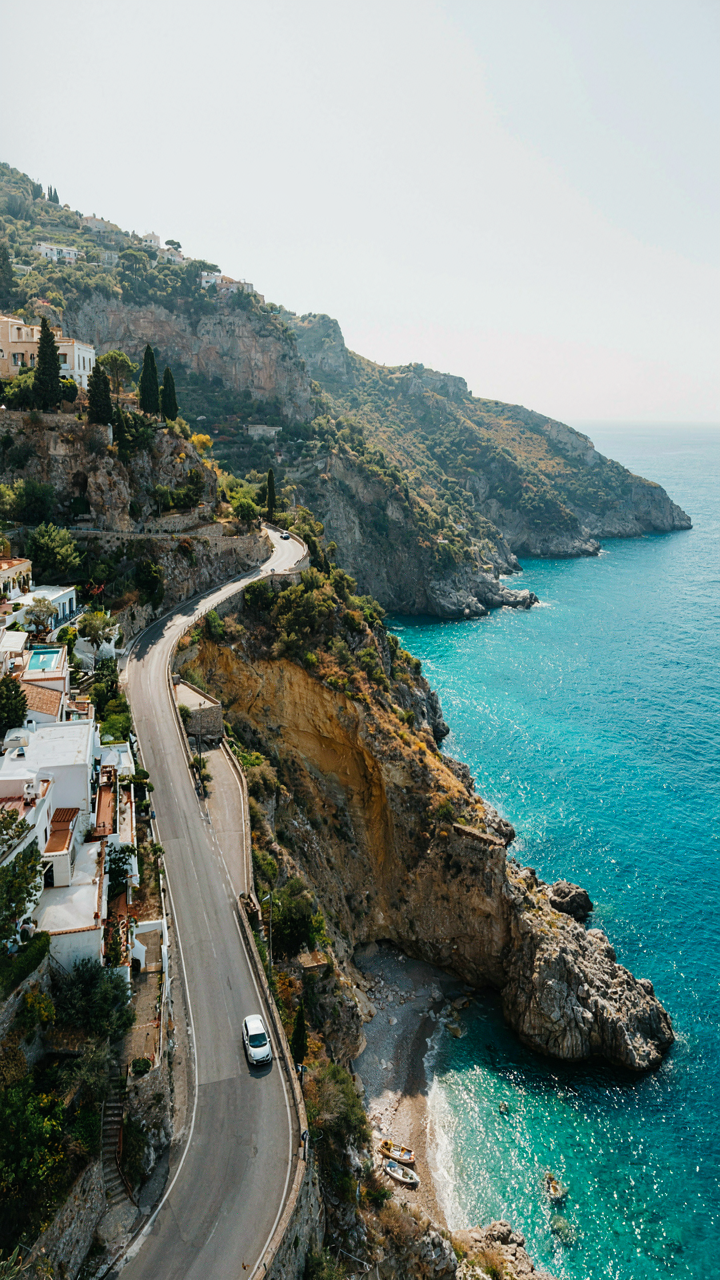
You want the perfect itinerary because you’re terrified of wasting time on a trip you’ve saved months for. The truth is simpler: most people treat the Amalfi Coast like a checklist instead of a constraint optimization problem. In operations research, the traveling salesman problem asks how to visit multiple points with minimal distance. On the coast, your constraint isn’t distance—it’s road capacity and daylight hours. The SS163 road has physical limits. Traffic compounds on weekends. Your route either respects these systems or burns your vacation sitting in gridlock between Positano and Amalfi town.
The common advice tells you to see everything in one loop. That’s incomplete. You can’t maximize both coverage and experience with a single linear path. You need to anchor yourself geographically, then radiate outward from fixed bases rather than chase every village. This eliminates backtracking, cuts transit time by up to 40 percent, and lets you actually absorb what you’re seeing instead of photographing it from a car window.
Anchor Points Over Ambition
The mechanism here is ruthless: fewer stops means more depth at each one. Pick two bases maximum—one in the northern section (Positano or Praiano) and one in the southern section (Salerno or Ravello). From each anchor, you take day trips on foot or short drives, never returning to the same road twice in one day. This eliminates the psychological tax of constant packing and repositioning, which is where most travelers hemorrhage time and energy.
Your transit time should never exceed 45 minutes between anchor points. If it does, you’ve created a third base by accident and fractured your efficiency. The coastal towns seem equidistant on a map, but the road’s serpentine structure makes distance deceptive. Stay put for two to three days per base, then move once. This rhythm lets you experience the actual rhythm of the place instead of existing in a state of perpetual arrival.
Under The Tuscan Sun Syndrome: Escaping Expectations
What Travel Shows Actually Conceal
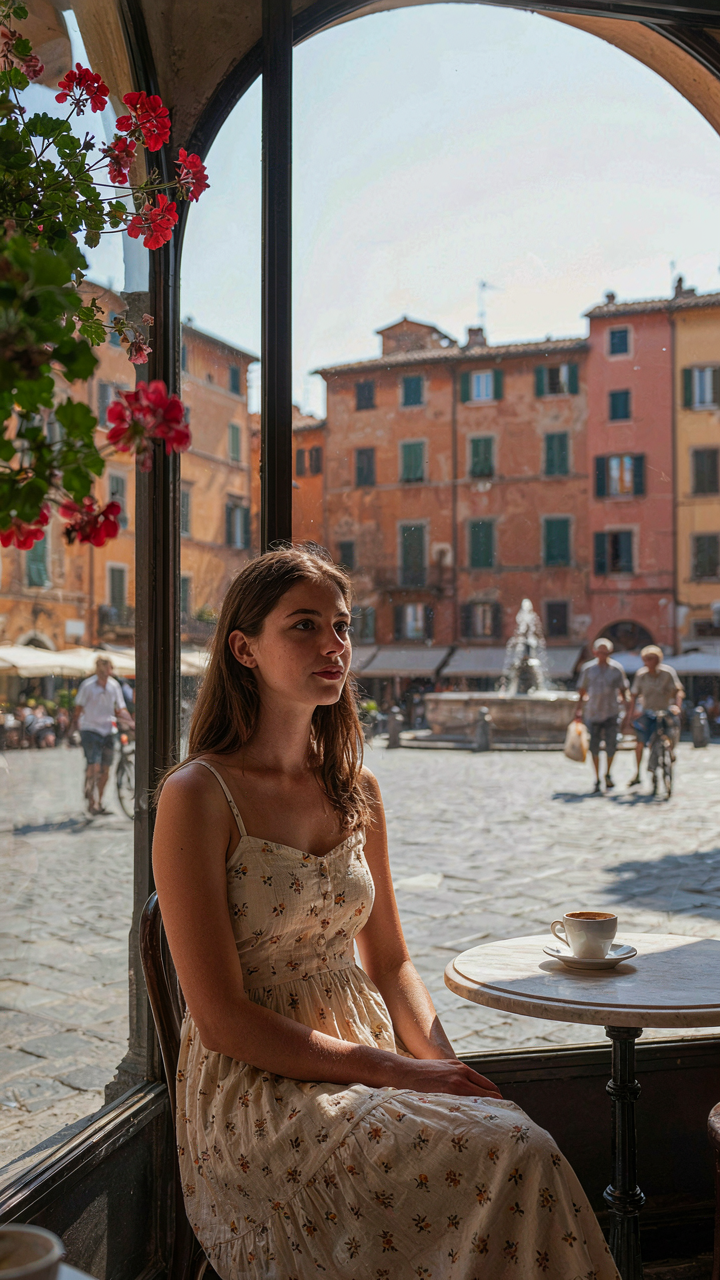
You’re worried you’ll show up and feel like a fraud because the place won’t match the images you’ve absorbed. That fear is rational. Travel media operates on compression and curation, stripping context to sell emotion. Instagram flattens the Amalfi Coast into a two-dimensional performance where every angle is golden hour and every moment is orchestrated.
The mechanism is simple: production selects for visual density. A travel show films the same stretch of coastline fifty times to capture three minutes of footage. Restaurants close for private shoots. Crowds vanish through editing. Weather gets cherry-picked. What you see is not dishonest, but it’s the extreme outlier of actual experience. The reality includes overcast mornings, crowded piazzas, tourists, mediocre meals, and logistical friction that cameras skip entirely.
Build Your Own Itinerary Around Friction, Not Views
Stop treating the Coast as a checklist of photo locations. Authentic experience comes from accepting constraint instead of fighting it. Use the ferry system between towns as your primary navigation method. This forces slower movement and creates unexpected interactions with locals who actually commute this way. You’ll arrive somewhere because transit runs there, not because an influencer recommended it.
Stay in one town for three full days minimum. This removes the tourist activation energy and lets you occupy actual rhythms: morning coffee at the same bar, noticing which restaurants locals use at lunch versus dinner, understanding why certain streets empty at specific hours. The protocol is simple: pick a base, arrive without a detailed plan beyond meals booked three days out, and move only when ferry schedules align. This creates space for the untranslatable parts of travel that photos cannot capture.
Best Honeymoon Destinations: The Amalfi Coast Exception

Why The Amalfi Coast Isn’t Your Instagram Checklist
You want proof that your relationship matters. You want the world to see you chose somewhere exclusive, not the Maldives resort everyone else booked. The real mechanism: the Amalfi Coast forces you into shared friction. The narrow streets, the language barrier, the boats that run on their schedule, not yours. You can’t outsource the experience to convenience. You have to navigate together.
Most honeymoon advice peddles isolation. Private pools. Overwater bungalows. Rooms that seal you from the world. The Amalfi Coast does the opposite. It embeds you in a place with five hundred years of human density. Villages stacked into cliffs. Local families running the same restaurants their grandparents opened. You’re not consuming an experience. You’re temporary residents in someone else’s functional life.
Activities Built For Non Tourists
The Amalfi Coast rejects the typical honeymoon template. No sunset dinners staged for couples. No spa packages labeled “romance.” Instead, you get tasks that require coordination and presence.
- Boat navigation to hidden coves: Rent a Gozzo boat (traditional wooden fishing boat) and find beaches unreachable by car. You navigate, one person controls the boat, neither of you can check out mentally.
- Lemon grove tours in Atrani: Work alongside farmers harvesting lemons in terraced groves. The physical labor and the altitude create natural conversation breaks and genuine fatigue, not resort drowsiness.
- Pasta-making with a local family: Book a private session in someone’s home kitchen in Praiano. You learn the hand techniques for cavatelli or fusilli. It’s a skill you can only get right by failing repeatedly together.
- Hiking the Path of the Gods: The trail from Praiano to Positano takes three hours on switchbacks with thousand-foot drops. You move at the same pace, see the same view simultaneously, experience the same physical challenge.
- Fishing excursion at dawn: Leave at 4am on a working fishing boat from Maiori. You watch commercial fishermen actually fish, not perform fishing. The early hour and the labor eliminate the “honeymoon performance” dynamic entirely.
The separation between visiting amalfi coast italy and performing a honeymoon dissolves when you’re pulling nets at sunrise or kneading dough with callused hands guiding yours. You can’t fake presence when someone’s teaching you a skill their family perfected over generations. This is where the Amalfi Coast wins: it makes romance irrelevant because it makes shared purpose unavoidable.
Italy Vacation: Extracting Maximum Value

Research The Coast Before You Arrive
You want to feel like an insider, not a tourist reading guidebooks in real time. That fear of wasting money or looking lost drives most travel prep, but the real mechanism is this: the Amalfi Coast operates on seasonal rhythms and local patterns that tourists never see because they don’t know to look. Ferries run on specific schedules. Towns empty or flood depending on the month. Restaurants close without warning. Water taxi prices shift. This information exists, but scattered across Italian tourism boards, local Facebook groups, and sites written for residents, not visitors.
Start three months before your trip. Map the coastal towns by function, not by Instagram fame. Positano is shopping and accommodation. Ravello sits inland and hosts music festivals. Salerno operates as the transportation hub. Amalfi town itself handles ferries to Capri. Each serves a role. Then cross-reference what you want to do against seasonal closures, local festivals, and ferry schedules. The SITA bus system that connects these towns runs year-round, but routes change in winter. This single fact changes your entire itinerary structure if you plan wrong.
Capture What Stuck, Then Build The Pattern
Most travelers return home and let the trip dissolve into vague memories and phone photos. Reflection isn’t nostalgia, it’s data collection. Spend one evening within a week of returning and write down three things that actually shifted how you see travel. Not “the pasta was good.” What did you observe about how coastal towns manage tourism? What surprised you about the pace of life? What inefficiency did you notice that American infrastructure handles differently?
The pattern emerges across multiple trips, not one. You return to Amalfi Coast or similar regions and test whether your observations hold. Did the afternoon shutdown at 2 PM happen because of heat or cultural preference? Why do locals eat dinner at 9 PM instead of 7? When you travel again, you stop consuming and start understanding systems. Build a personal travel database: climate patterns, crowd flow, transportation timing, meal schedules, price fluctuations by season. The next trip costs less and delivers more because you’re not rediscovering basics.
The Real Obstacle Isn’t A Lack Of Information, But The Inability To Discern True Value From Manufactured Spectacle

Every Instagram post about the Amalfi Coast sells you the same lie: that visiting means collecting locations. The real move is asking yourself why you’re going before you book the flight. Are you chasing someone else’s experience or building your own? Pull up a map right now. Find one town that isn’t Positano or Amalfi. Research it for ten minutes. That single act separates travelers from tourists. You don’t need more guides. You need the courage to ignore them.