
The Adrenaline Delusion: What You’re Really Chasing

The Rush That Never Arrives
You want to believe via ferrata will fix something broken in your life. The truth is simpler and harder: you’re chasing a feeling that doesn’t exist the way you think it does. Adrenaline isn’t what makes climbing worth doing. Your body floods with adrenaline during traffic jams and bad presentations too. The mechanism you’re actually seeking is control. Via ferrata gives you something most modern life removes: direct feedback between your decision and your survival. Climb smart, you live. Climb sloppy, you pay immediately.
Most beginners expect a Hollywood moment: harness on, hands shaking, heart pounding, pure euphoria. This expectation crashes into reality fast. What actually happens is your nervous system calibrates. The first time you’re 60 feet up, secured by a cable and your own hands, your body treats it seriously. This isn’t false adrenaline. It’s legitimate threat assessment. But the feeling fades within sessions. Your nervous system adapts. You stop shaking. The “rush” becomes clarity instead, which is worth infinitely more but sounds less impressive at dinner.
Social Proof Over Soil Time

Status economics explains this better than psychology does. In status-based climbing, accomplishment lives on Instagram and in sentences you repeat to acquaintances. In skill-based climbing, accomplishment lives in your body knowing what a 5b route demands versus a 5a. One scales through visibility. One scales through specificity. Almost every beginner optimizes for the wrong thing.
You’ve absorbed the narrative that via ferrata is an adrenaline sport. It’s not. It’s a precision sport wrapped in altitude. The adrenaline framing attracts people who want the story more than the competence. They take a guided tour, snap photos at the cable, post it, consider themselves climbers. Real beginners show up repeatedly to learn where their feet belong on unpredictable rock. They fail in private. That’s where the actual skill transfers. The adrenaline seekers and the skill builders want different things. Know which one you are before you spend money on a harness.

Beyond The Hype: True Mountain Preparedness For Via Ferrata Climbing
Gear That Keeps You Alive, Not Instagram Ready
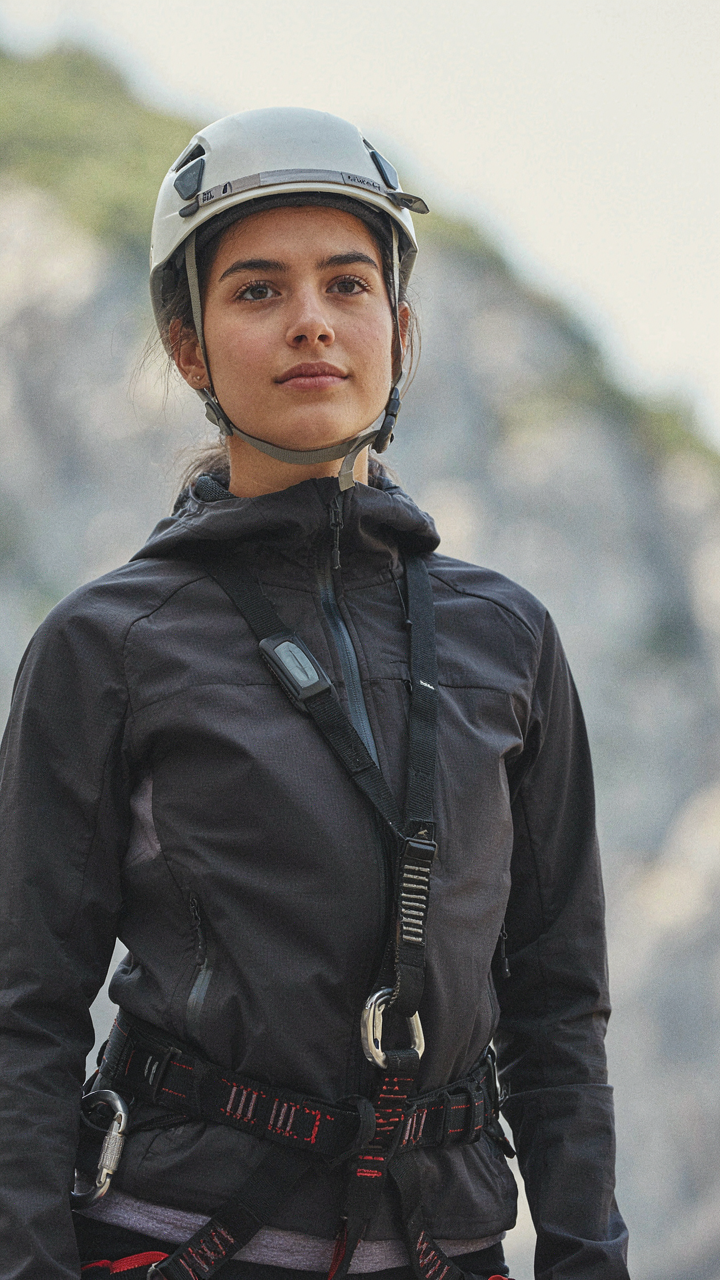
You want to look like you belong on a mountain. That’s the real reason you’re reading this section. The mechanism is simple: bad gear fails under load, and via ferrata exposes you to falls from height where a harness, helmet, and anchor system aren’t optional theater. They’re the difference between walking down and being carried down.
- Via ferrata harness: Sits low on hips, distributes fall force across your pelvis and thighs rather than your abdomen. Purpose-built for lateral and vertical impact, not just weight support like a general climbing harness.
- Climbing helmet: Protects skull from rockfall and impacts during falls or swings. Look for helmets rated EN 12492, which confirms impact absorption under climbing-specific conditions.
- Lanyard with shock absorber: Two carabiners tethered to your harness, attached to the iron cable running the route. The shock absorber deploys during a fall, limiting deceleration force on your body and the cable anchor points.
- Gloves: Protect palms from abrasion on metal rungs, chains, and cables. Heavy-duty leather or climbing-specific gloves prevent blistering that forces route abandonment mid-climb.
- Approach shoes or climbing boots: Sole stiffness and ankle support matter on metal rungs and rocky scrambles. Smooth rubber grips the rungs; stiff soles prevent foot fatigue on narrow steps.
The via ferrata system works because each piece addresses a specific failure mode. Harness fails, you swing uncontrolled. Helmet fails, rockfall or a swing impact ends you. Lanyard fails, you’re in freefall. Gloves fail, your grip degrades and you slip. Shoes fail, your foot placement becomes sloppy and you fall. Each component removes one point of failure. Assemble them correctly, and the system works. Skip one, and you’re betting your life on luck.
Legs Drive Everything Else
Most beginners think via ferrata is an upper body game because you’re holding onto metal and pulling yourself up. That’s backwards. Via ferrata climbing uses your legs to generate 70 percent of upward force, the same ratio as rock climbing. Your arms are there to stabilize and prevent you from swinging into the wall, not to haul your body weight up a thousand feet.
The work happens in your quadriceps, glutes, and calves. These muscles sustain you on narrow rungs, keep tension when you’re fatigued, and let you step your way up instead of muscling every move. Skipping leg conditioning means your quads burn out by hour two, you start relying on your arms, your grip fails, and the route ends. Your conditioning failure isn’t weakness, it’s misplaced training. Step training, loaded carries, and single-leg work build the endurance pattern via ferrata demands. A rung under your foot is only useful if your leg can keep you standing on it.
The Spartan’s Ascent: A Minimalist Approach To Via Ferrata
Fear Is Information, Not Weakness
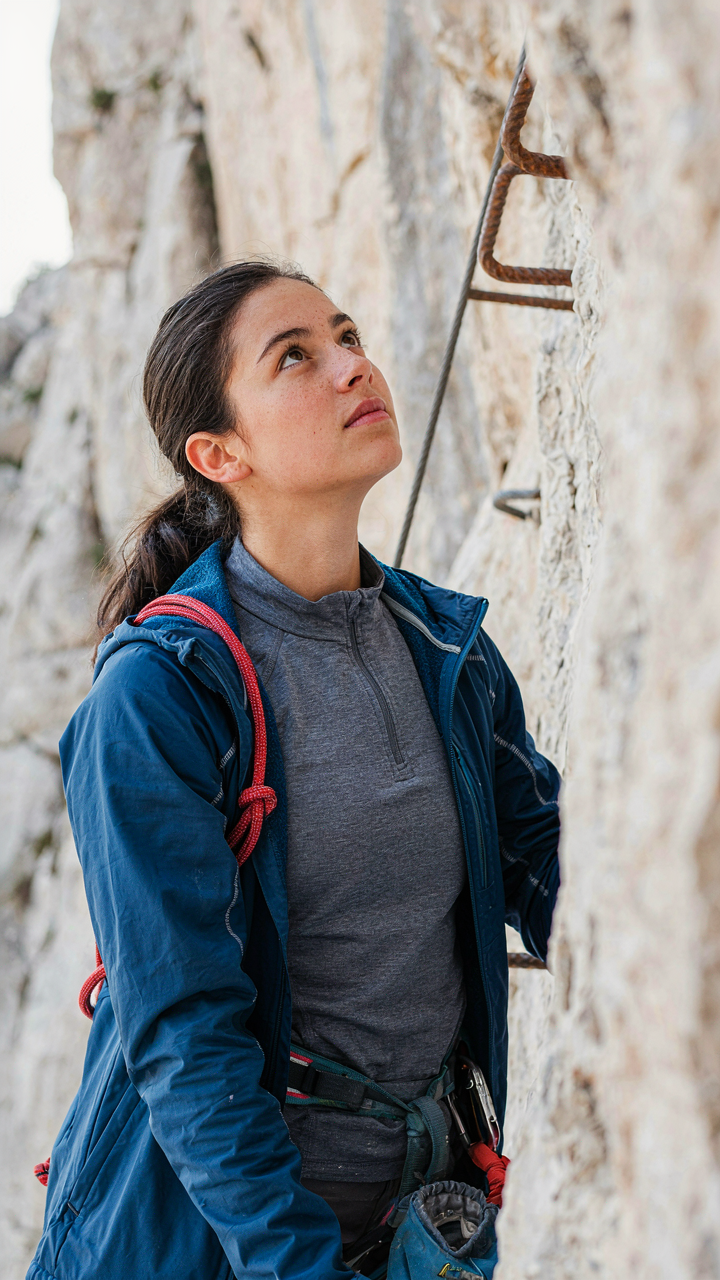
You want permission to be scared and still look competent doing it. Here’s the mechanism: fear signals a gap between your current ability and the demands ahead. That gap is real data, not a character flaw. On via ferrata, the climber who ignores fear dies. The climber who mistakes fear for inability quits unnecessarily. The climber who treats fear as a compass moves deliberately instead of recklessly.
Your nervous system evolved to detect genuine threats. On a via ferrata route, steep exposure and metal rungs create legitimate risk. Fear sharpens your attention to foot placement, rope management, and anchor checks. The climbers who perform best aren’t the fearless ones. They’re the ones who feel the fear, read what it’s telling them, and act anyway. When you reach a section that terrifies you, pause. Identify what specifically triggered the response. Then address that one variable before moving forward.
Calculate Your Margins, Don’t Pretend They Don’t Exist
Risk management isn’t pessimism. It’s arithmetic. You’re working with three variables: route difficulty, your current skill level, and equipment condition. Rate each honestly. A beginner choosing a moderate via ferrata with proper gear and a qualified guide has managed risk. A beginner on an advanced route without a guide has gambled. The difference isn’t attitude. It’s the presence or absence of a safety margin.
Most via ferrata injuries happen during descent, not ascent. Most deaths happen when climbers attempt routes beyond their level or skip gear checks. Neither outcome is inevitable. You calculate risk by choosing routes rated one level below your perceived ability, verifying all anchor points before clipping in, and wearing a helmet regardless of discomfort. Check your harness stitching, carabiners for cracks, and rope for fraying before every session. These steps eliminate the variables you control. That’s how you climb hard without dying.
The Alpinist’s Code: Mastering Safety Tips And Self Reliance

The Gear Inspection That Actually Matters
You want this section to comfort you. To tell you that gear fails rarely and that checking it is mostly theater. It’s not. Equipment fails when people don’t inspect it, and via ferrata climbing borrows its safety model directly from aviation: the preflight checklist is the system that stops catastrophe. You don’t skip steps because you’re tired or confident. You skip nothing.
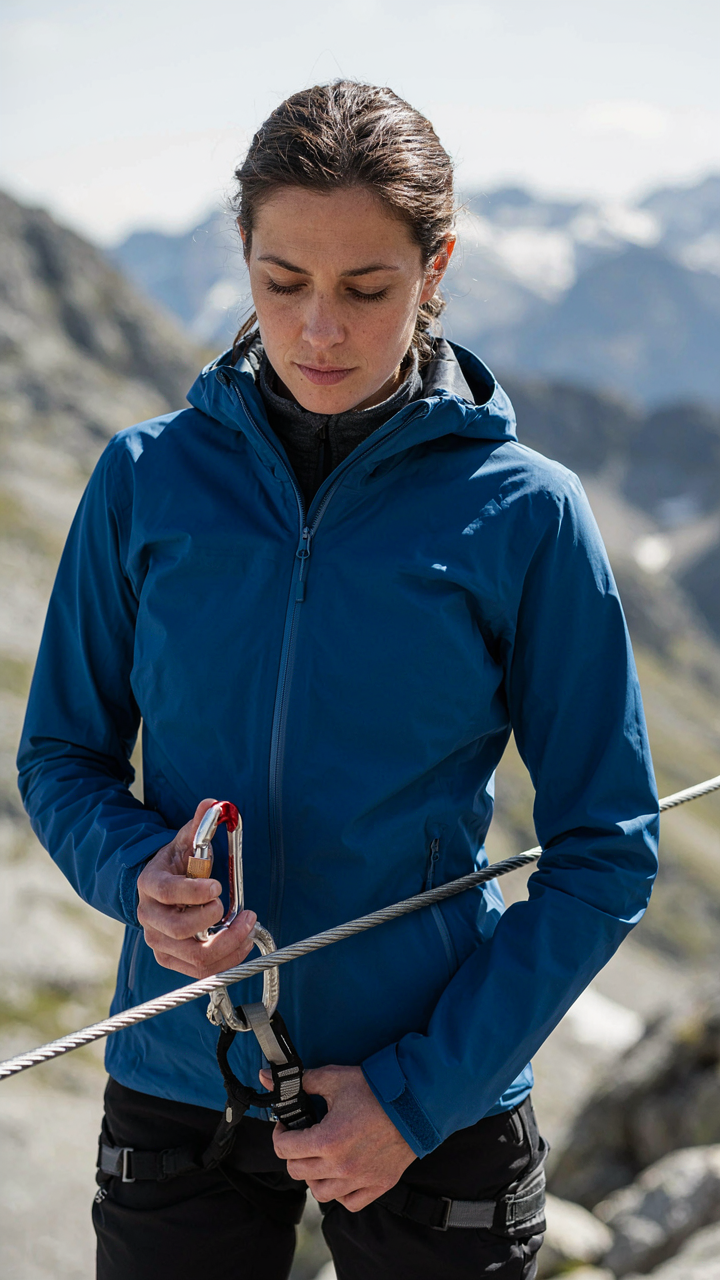
Start at your harness. Check that all stitching is intact, no fraying, no cuts in the webbing. Move to your carabiners: open each one and verify the gate closes with a sharp click and no play. Your via ferrata kit, the lanyard with integrated shock absorbers, gets the same treatment. Pull the entire length through your hands feeling for tears or damage to the shock-absorbing material. A damaged absorber won’t deploy properly during a fall.
When Your Body Refuses To Move Forward
Panic is a neurological state, not a character flaw. It hijacks your prefrontal cortex and dumps adrenaline before your rational mind can intervene. The mechanism is evolutionary: your nervous system classifies via ferrata as a threat and floods your system to fight or flee. Neither response works on a steel ladder bolted to a cliff. You need a protocol that runs on autopilot.
When panic arrives, stop climbing immediately. Plant both feet on the nearest rung. Clip both carabiners into the cable and take your hands off the rock or ladder. The physical act of double-clipping forces your brain to execute a sequence, which interrupts the panic loop. Breathe in through your nose for four counts, hold for four, out through your mouth for four. Repeat five times. Your nervous system will downregulate. Only then do you communicate your status to your partner or guide.
The Via Ferrata Circuit: Best Via Ferrata In Dolomites And Beyond
Choosing Your Battle: Beginner Friendly Routes
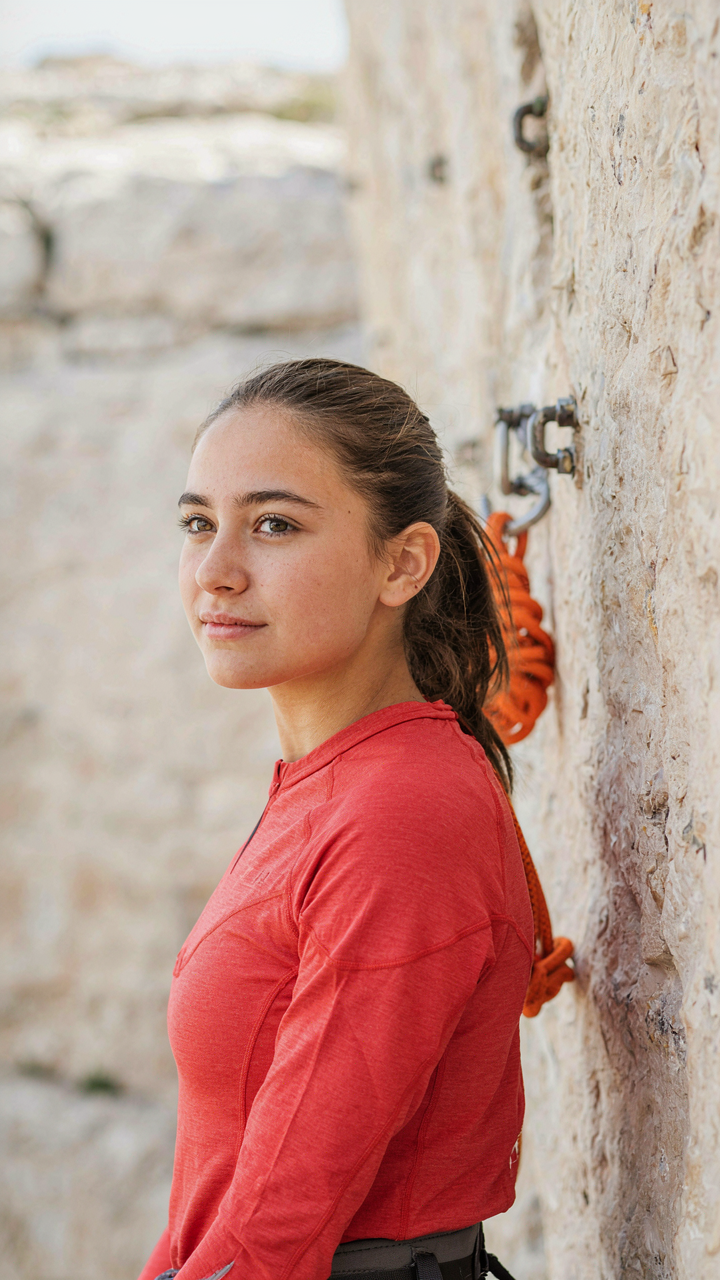
You want to tell people you did via ferrata without admitting you were terrified the whole time. That’s fine. The mechanism that matters is this: route grading systems exist because people die when they ignore them. The Dolomites use a letter scale from A to EX. Beginners need A or A+. These aren’t cosmetic distinctions. An A-rated route has stable iron rungs, minimal exposure, and rock quality that won’t crumble under your hands. A B route doesn’t. Start with established beginner circuits like Tre Cime di Lavaredo’s easier variants or the Passo Ghedina routes. These get traffic, which means maintenance crews fix broken equipment before you arrive.
The difference between “scenic” and “survivable” isn’t obvious until you’re on the wall. Most beginner routes in the Dolomites follow limestone that’s been climbed for decades, so the path is worn smooth and anchors are bomber. Newer routes or less-traveled variants might have better views but older rock, loose sections, or anchors installed by someone who didn’t know what they were doing. Check the route’s first ascent date and recent trip reports before committing. Routes established in the 1990s and later tend to meet modern safety standards. Older ones often don’t, even if they’re technically graded beginner-level.
Italian Mountain Trails: Not All Scenic Is Safe
Scenic doesn’t mean the iron is good. This is where military strategy applies: reconnaissance. You don’t attack a position you haven’t scouted. Before showing up at any via ferrata in Italy, check whether it’s actively maintained. The Dolomites have formal management bodies that inspect popular routes quarterly. Less famous routes in other Italian regions might have nobody checking them for years. A route that looked fine in 2019 photos might have corroded rungs or loose anchor plates by now.
Weather accelerates damage in the Dolomites specifically because of altitude and freeze-thaw cycles. Iron expands and contracts, creating stress points where anchors meet rock. Snow and rain accelerate rust. Routes above 2,000 meters get hit harder and need more frequent maintenance. Stick to established routes with documented maintenance schedules. Ask your guide or the rental shop directly: when was this route last inspected? If they don’t know or hedge, pick something else. The adrenaline rush isn’t worth an anchor that fails mid-route.
The Mountaineer’s Mindset: Venjetind Mountain Climbing Guide Principles
Read The Rock Before You Touch It
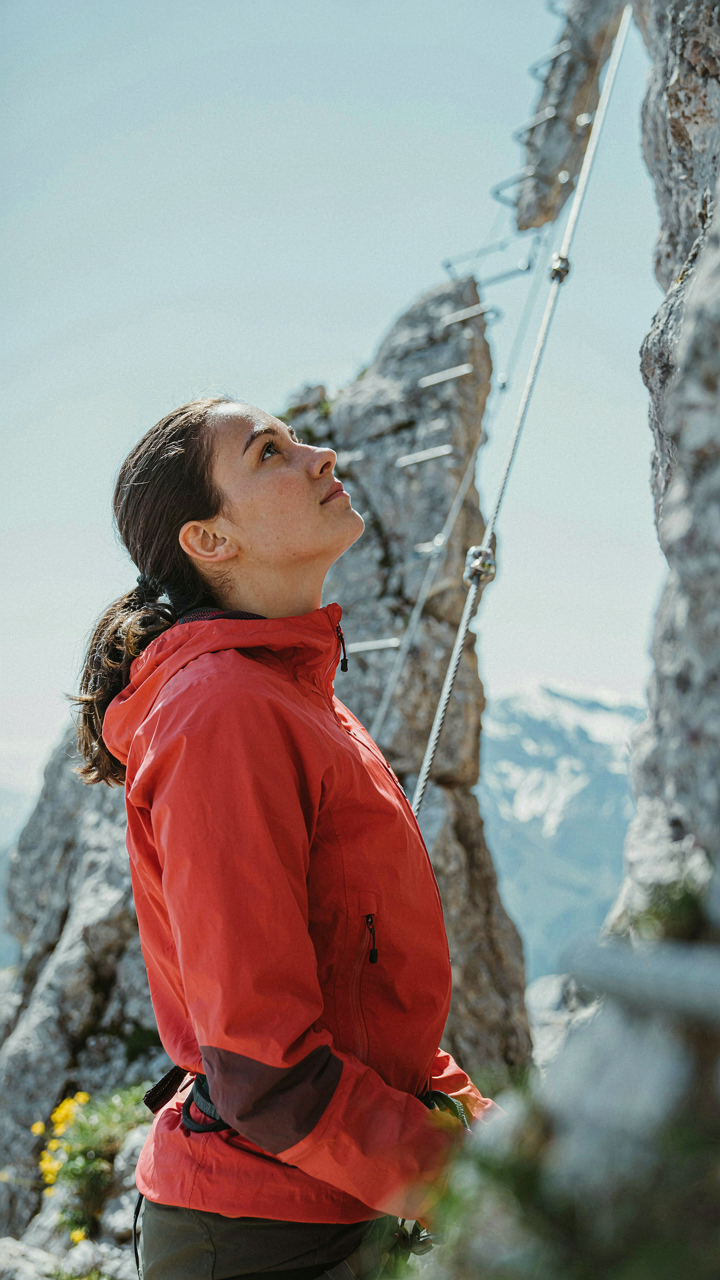
You want to feel confident on the wall. That’s the real reason you’re reading this section. Confidence doesn’t come from hope—it comes from information. Military strategists call this terrain reconnaissance. On via ferrata, it’s studying the route before you clip in.
Walk the base of the route first. Look up at the iron rungs, cables, and rock features. Mark where the steep sections are, where the angle eases, where you’ll need to transition from rung to natural holds. Most beginners skip this step because it feels like wasting time. It saves time. You move faster when your brain already knows what’s coming.
Burn Steady, Not Fast
Energy management isn’t motivation—it’s mechanics. Your muscles have a finite glycogen supply, and via ferrata demands sustained effort over 30 minutes to several hours depending on route length. Pace isn’t about being slow. It’s about maintaining output without depleting reserves mid-route.
Climb at a rhythm you can sustain while talking in short sentences. That’s your sustainable pace. Stop every 30 to 40 feet for two minutes. Shake out your forearms. Breathe deep. Let your heart rate drop. This isn’t rest—it’s active recovery that keeps you moving efficiently for the entire route. Sprinting the first third guarantees exhaustion in the final third, where mistakes become consequences.
Beyond The Cable: Rock Climbing Fundamentals For Via Ferrata Mastery

The Three Contact Points Rule
You want to believe the cable does the work so you can skip the hard part of actual climbing technique. It doesn’t. Via ferrata borrows from rock climbing physics the concept of load distribution: instead of concentrating force on your arms, you spread it across your body. Maintain three points of contact with the rock or cable at all times. This means two hands and one foot, or two feet and one hand. Never move to a fourth point until the third is locked. This is mechanical advantage, not safety theater.
The cable is an anchor system, not a crutch. Your body still climbs. If you pull yourself up using only arm strength and the cable, you burn out in minutes and your shoulders take damage that lingers for weeks. Instead, keep the cable taut with your hands while your legs drive upward. Press your feet into the rock. The cable stabilizes; your legs propel. Get this reversed and you’ll quit halfway through the route wondering why your forearms feel like they’re about to detach.
Weight Over Your Feet
Gravity works downward. Most beginners fight it by pulling with their arms instead of standing on their legs where gravity actually helps. Your legs generate ten times the power of your arms. The mechanism is simple: when your weight centers over your feet, friction and muscle work together. When your weight hangs from your arms, you’re fighting physics and losing.
Position your hips close to the rock. Keep your arms straight or nearly straight when possible. Bend your knees and push through your legs to gain height. This posture looks inefficient until you realize you’re still climbing fifty routes later while arm-pullers are home icing their shoulders. Check your foot placement on every movement before you commit weight to it. One foot planted firmly on solid rock beats two feet scrambling on loose terrain.
The Alpine Axiom: Navigating Via Ferrata Switzerland And Fagaras Mountains Hiking Trail

Weather Is The Variable You Cannot Control
You want the story where you crushed a via ferrata and came back unscathed, the kind of accomplishment that reads well. The mechanism is simpler: weather is a system variable, not a preference. In thermodynamics terms, entropy always increases in closed systems. On a via ferrata, you are the closed system, and weather is the entropy. Swiss Alpine routes and Romania’s Fagaras range shift conditions in minutes, not hours. Afternoon storms materialize from clear skies. Temperature swings fifty degrees between sun and shade.
The real work happens before you touch the rock. Check forecasts three days prior, then again twelve hours before departure. Wind speed above thirty kilometers per hour compromises your grip and balance on metal rungs. Rain transforms limestone and sandstone into slick surfaces where friction disappears. Temperatures below freezing ice the cables and chains overnight. The protocol is non-negotiable: if conditions degrade beyond your current skill level, you descend or don’t start. This isn’t caution. It’s arithmetic.
Leaving The Mountain Unmarked By Your Presence
The common advice says respect the mountain through positive thinking and gratitude. That’s aesthetic nonsense. Respect operates through protocol. Via ferrata routes in Switzerland and the Fagaras experience heavy foot traffic. Each year, more climbers use the same iron rungs, the same rock features. Your job is to ensure your passage leaves the route in identical condition for the next person.
This means specific actions. Don’t chalk holds beyond what the rock already shows. Don’t modify loose rock or remove stones to improve footing. Don’t leave gear behind—tape, carabiners, rope, food wrappers. The Fagaras in particular has fragile alpine vegetation above the tree line that regrows slowly. Step only on established paths during approach and descent. Pack out everything you pack in. The mountain doesn’t care about your intentions. It responds to your choices.
The Unspoken Truth Of Ascent: Why You’re Still Stuck
Your Ego Is The Belay Anchor
You want to believe you’re physically limited so you don’t have to confront that you’re mentally soft. The real impediment to via ferrata progress isn’t strength or fear—it’s your refusal to look incompetent while learning. In psychology, there’s a term called “face threat”: the risk of social judgment that makes people freeze. On the wall, face threat manifests as rushing movements, skipping technique drills, and abandoning routes before mastery because admitting you need practice feels worse than staying stuck.
The mechanism is simple. You move fast to appear confident. Fast movement burns energy, increases error rate, and trains your nervous system to panic under load. Slow, deliberate footwork on the iron pegs and handholds requires you to look amateur for weeks. Your ego won’t permit it. So you plateau. The only antidote is choosing the specific shame of structured beginner practice over the vague shame of stagnation. Book a via ferrata site. Do the same route three times. Move slowly on purpose.
Repetition Beats The Rush
Generic advice says “just get out there and climb more.” That’s incomplete. The issue isn’t volume—it’s that adrenaline addiction trains your body to rely on novelty instead of competence. In sports physiology, this is called “motor learning plateau.” Your nervous system stops adapting when every session feels the same rush. You chase new routes, harder pitches, bigger drops. But you never own the fundamentals.
Sustained effort means returning to the same via ferrata site repeatedly until the moves become automatic. This bores you. Intentionally. Boredom is where real adaptation happens. Your hands learn grip angles without conscious thought. Your feet find micro-edges without looking. Your carabiners clip smoothly because you’ve done it 200 times, not because you’re thinking. Pick one beginner route. Climb it once per week for eight weeks straight. Track your ascent time and movement quality, not your heart rate.
The Mountain Doesn’t Care About Your Rush. It Demands Respect, Preparation, And Unflinching Presence

Stop chasing the high. Via ferrata climbing teaches you that presence beats adrenaline. The rush comes after you’ve done the work: trained your grip, checked your gear twice, studied the route. Your nervous system needs data before it can relax into flow. Book one beginner session this week, not next month. Show up, climb slow, and discover that the real addiction isn’t the fall you didn’t take—it’s the person you become when you refuse to fake it.