
The Minimalist Mindset: Beyond The Ultralight Backpacking Gear List
What Actually Needs To Come
You want validation that buying less gear makes you smarter than people who don’t. Here’s what actually happens: most backpackers mistake removing weight for removing problems. The mechanism is simple. You start by listing everything you own, then you ask one question per item: does this directly solve a real problem on the trail, or am I carrying it because I’m afraid? Fear fills packs faster than anything else. A headlamp you might use. A backup phone charger you probably won’t. A extra layer in case it gets cold when you’re already carrying insulation. The ultralight backpacking gear list isn’t about owning nothing. It’s about owning only what prevents something bad from happening or enables something essential.
The economy of backpacking borrows from scarcity thinking in supply chain management: constraint forces optimization. When your base weight sits at fifteen pounds instead of thirty, every addition demands justification. You stop buying backup versions of things. You stop carrying solutions to hypothetical problems. Ultralight gear lists work because restriction clarifies need. Your sleeping bag, tent, food, water system, and insulation stack must work together without redundancy. That’s the constraint. Most hikers carry three water bottles when one refilled twice works. They carry rain gear and a wind layer when a single hybrid shell handles both. The difference between a bloated pack and an optimized one lives in these stacked solutions, not in buying premium titanium versions of the same mistakes.
Utility Trumps Weight Shaving For Its Own Sake
The gear community has this backward: lighter doesn’t mean better if the item fails when you need it. A three-pound shelter works only if it survives wind and rain. A one-pound stove means nothing if it won’t light above eight thousand feet. Weight obsession without utility produces gear that fails catastrophically on trail. A backpacker who carries a four-pound tent that keeps them dry sleeps better than someone hauling a two-pound tent that leaks. The ultralight backpacking gear list wins when every item earns its place through function, not gram counting. Utility means the thing does its job consistently. A sleeping bag rated for thirty degrees must actually maintain warmth at thirty degrees, not just claim it on the label. Test your gear before the trail, not during it. A failed stove, a torn tent, a dead battery becomes a forced exit. Weight saved means nothing against a rescue call.
The real evaluation happens by asking whether an item prevents failure or enables your primary goal: covering distance and staying safe. Cookware that weighs two ounces but tips easily on uneven ground costs more than the ounce you save. A fuel canister that freezes at night in alpine terrain is heavier as deadweight than choosing one rated for cold temperatures. A pack that distributes weight poorly creates back pain that forces shorter miles, negating whatever grams you cut. Start with function. Does this item handle actual trail conditions you’ll face? Does it perform when conditions worsen? Then evaluate weight as a secondary factor. This reverses the order most ultralight lists present. When you prioritize utility first, you find the lightest options that actually work, not the lightest options that might work if nothing goes wrong.

The Critical 3 Protocol: Shelter, Sleep, And Carry

Where Your Money Actually Goes
You want to know which gear won’t fail you in the field because you’ve already sunk time into training and planning. Here’s the mechanism: in ultralight backpacking, weight distribution follows the Pareto principle from economics. Your pack, tent, and sleep system account for roughly 60 to 70 percent of total pack weight. This means investing in quality here compounds across every mile you walk. Everything else becomes negotiable.
The reason this matters isn’t philosophical. These three systems directly control whether your body recovers at camp or deteriorates. A pack that distributes load poorly causes shoulder and hip damage that compounds over consecutive days. A tent that leaks ruins sleep and forces you to abandon the trip. A sleep system that doesn’t insulate properly drops core temperature and accelerates caloric burn. You can skip the ultralight stove. You cannot skip these three.
Pack, Tent, Sleep System Are Non Negotiable Investments
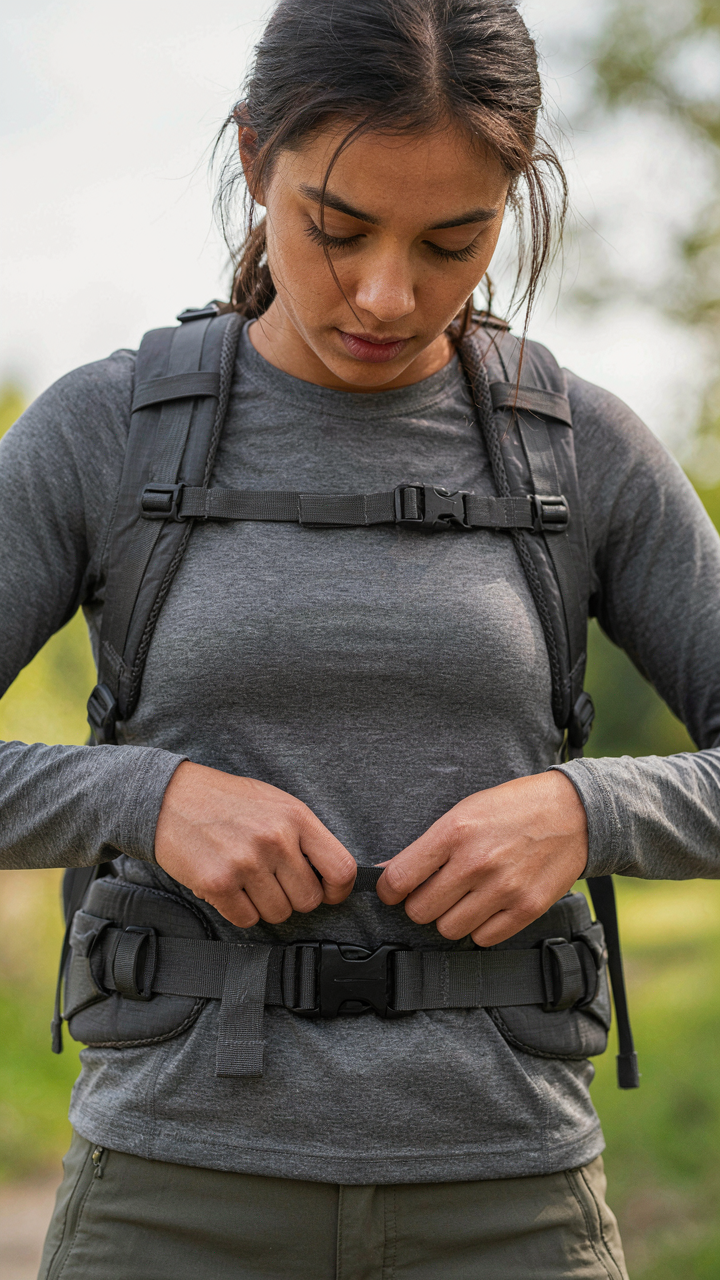
Most ultralight advice tells you to buy lighter and cheaper simultaneously. This is wrong. You’re paying for engineering that reduces volume without sacrificing load capacity or durability. A 40-liter pack from a reputable ultralight manufacturer costs more upfront than a generic 50-liter pack, but it forces you to make intentional gear choices instead of filling dead space with excess. The frame design distributes weight along your spine and hips, not your shoulders. This is the load-carrying architecture that keeps you functional past day five.
Your tent and sleep system follow the same logic. A quality three-season shelter built from ripstop nylon with a bathtub floor costs significantly more than budget options, but it survives repeated pitching, handles condensation properly, and doesn’t develop tears mid-trip. Your sleep system—bag plus pad—must match the climate and your metabolism. Buy once, test in controlled conditions, and commit. The cost compounds backward into saved replacement gear and forward into trips you actually complete.
Materials Matter: Decoding Ultralight Backpacking Gear

Cubic Fiber, Silnylon, Dyneema: What Actually Trades Off
You want to know which material makes you look like you’ve optimized your setup. Here’s what actually matters: fabric choice is a tradeoff between tear resistance, water resistance, and weight using the same physics principle that engineers call tensile strength versus density. Cubic fiber (the marketing name for certain nylon weaves) tears easily but weighs almost nothing and costs less. Silnylon bonds silicone to nylon, giving you water resistance without a separate coating, but adds grams and stiffens in cold. Dyneema fibers are genuinely stronger pound-for-pound but cost three times what nylon does and degrade under UV light faster than materials people rarely discuss.
The mechanism is fiber diameter and weave density. Thinner fibers weigh less. Tighter weaves stop water and tears but require denser material. Your choice depends on whether you prioritize staying dry, keeping gear intact, or shaving ounces. Silnylon wins if you skip a rainfly. Dyneema wins if you’re in brush country and plan a five-year lifespan. Cubic fiber wins if you’re ultralight racing and accept patching your tent quarterly. Pick based on your actual terrain and replacement budget, not on what other people use.
Weight Loss Versus Replacement Cycles
The common advice here is backwards. People say “buy quality gear once.” That only works if the gear lasts. Ultralight materials fail faster by design. A silnylon tent weighs two pounds and lasts eight years. A cubic fiber tent weighs one pound and lasts three years before UV and tear patches turn it into a maintenance project. The math depends on your replacement frequency and tolerance for field repairs. You’re trading durability cycles for immediate weight savings, not buying one permanent solution.
Decide your replacement window first. If you backpack fifty days per year, a three-year lifespan means you’ll replace gear every three to four seasons. Budget that cost into the calculation. If you backpack five days per year, a cubic fiber tent might last a decade. The concrete mechanism: calculate total cost per year divided by annual trail days, then add the weight burden of carrying heavier gear for multiple trips. The lighter material often wins economically if you use your pack regularly enough.
The “Best Backpacking Gear 2025” Fallacy: Future Proofing
The New Model Trap
You want to feel like you’re making a smart choice, so you hunt for the newest gear. The mechanism is simple: manufacturers release updated versions annually to justify retail margins, not because the old version stopped working. A shelter from 2015 still sheds rain. A stove from 2010 still boils water. Ultralight gear rarely improves in function year to year—it improves in marketing.
The gear industry runs on replacement cycles borrowed from consumer electronics, where incremental updates feel like innovation. But backpacking gear isn’t software. A tent doesn’t become obsolete because a new colorway exists. You’re paying for model turnover, not performance gains. The entry-level ultralight pack from five years ago carries load exactly as well as this year’s version.
Design That Outlasts Trends
Timeless ultralight design prioritizes material durability and functional geometry over feature bloat. A simple tarp shelter works in 2025 exactly as it did in 1995. Proven function means the gear handles the conditions you’ll actually face: wind, rain, temperature swings, weight distribution. These variables don’t change.
Pick gear with design pedigree. A Zpacks Arc Blast has remained structurally similar for years because the frame geometry and fabric integration work. A Jetboil stove design hasn’t fundamentally shifted because the heat exchange principle remains constant. When you find a design that solves the problem cleanly, stop looking. The next model will solve the same problem with different colors and a higher price tag.
Multi Use Mastery: The Core Of An Ultralight Backpacking List

One Item, Multiple Functions
You want permission to spend less money and feel smarter than the gear forums. That’s not the mechanism here. Physics calls this leverage: output force divided by input force. In ultralight gear selection, leverage means one object solves two or three problems without compromise. A trekking pole becomes a tent stake and a walking aid. A stuff sack becomes a pillow and a dry bag. This isn’t creative reuse. It’s intentional design that collapses redundancy at the source.
The mistake most people make is treating multi-use as a bonus feature rather than the primary filter. You don’t search for a “multi-tool tent stake” after buying a tent. You start with items already engineered for dual purpose, then build around them. A cuben groundsheet protects from moisture and doubles as a pack liner. Your sleeping pad insulates from ground cold and becomes a sit pad during breaks. The weight savings compound because each additional function eliminates a separate item entirely, not just reduces total count.
Redundancy Is Dead Weight Masquerading As Safety
System optimization in engineering means removing slack without losing function. Most backpackers carry duplicate capabilities they’ll never need simultaneously. A headlamp and a phone flashlight serve identical purposes on the same night. A backup water filter and a chemical treatment option never both deploy. A rain jacket and a fleece create coverage overlap when one well-designed layer handles the range. This isn’t about cutting to the bone. It’s about seeing which capabilities actually interact versus which ones just sound prudent.
The real protocol is specificity before subtraction. Map each system: shelter, water, warmth, navigation, repair. Name the single best tool for each job. Then ask if any tool already handles a secondary need without weight penalty. A repair kit with duct tape, a sewing needle, and tenacious tape covers fabric, seams, and holes. You don’t add a second adhesive because one scenario might demand it. You accept the occasional limitation and eliminate the phantom gear weight that never gets used. Audit your ultralight backpacking gear list by removing one item per trip until something genuinely fails.
The “Must Have Items For Backpacking” Myth: Risk Vs. Reward

What Actually Kills Backpackers
You want this section because you’re afraid of dying on the trail and looking stupid for not bringing the right gear. The real mechanism is simple: most backpackers confuse low-probability disasters with high-probability discomfort, then pack accordingly. Hypothermia, dehydration, and injury cause the vast majority of backcountry deaths. Everything else is noise. You don’t need seventeen items to prevent what kills people. You need five.
The gear industry profits from psychological risk, not actual risk. A satellite communicator won’t save you from twisted ankles. A comprehensive first aid kit won’t prevent dehydration. Yet both get packed religiously. Real risk assessment means knowing your terrain, season, and distance from help before you ever open a gear list. Then you pack for that specific scenario, not for every scenario that exists on Earth.
Weight Penalty For Events That Never Happen
Economics calls this the “risk premium”—you pay extra for protection against rare events. On ultralight backpacking gear lists, this shows as pure weight waste. Carry a bear canister in established camping areas with proven food storage infrastructure, and you’re paying two pounds for zero actual risk reduction. Carry emergency supplies for a multi-day injury in a place with cell coverage and helicopter access, and you’re bankrolling hypothetical scenarios that won’t occur.
The probability calculation is concrete: multiply the chance an event happens by the consequence severity, then subtract the weight cost of prevention. If the event has a 0.5% chance of occurring, the consequence is moderate, and the gear weighs three pounds, don’t carry it. Most backpackers never run the math. They run on fear. The correct move is to list every item on your ultralight backpacking gear list, research its actual failure rate in your specific environment and season, then eliminate anything below a 10% probability threshold.
Seasonal Adaptations: Beyond A Static Ultralight Backpacking Gear List

The Real Cost Of One Fixed Setup
You want one ultralight backpacking gear list because buying multiple setups feels wasteful. The mechanism is that most people conflate “fewer items” with “fewer purchases.” You’re solving the wrong problem. A fixed list works in exactly one season. Use it in another and you’re either carrying dead weight or freezing at night. The financial efficiency you’re chasing actually comes from gear that performs across conditions, not gear that stays static.
The physics principle here is leverage: in mechanics, leverage multiplies force through a fulcrum. In gear design, modularity multiplies usability through interchangeable components. One base layer material won’t regulate temperature from 70 degrees to 30 degrees. Your ultralight backpacking gear list survives seasons not by staying the same, but by changing deliberately around a core that doesn’t change.
Swappable Insulation And Shell Systems
Build around interchangeable insulation layers, not fixed combinations. Spring and fall require different insulation densities than winter. Summer doesn’t require insulation at all. The insulation you remove is weight you don’t carry. Your shell layer stays constant, but the layer underneath changes. This is the only way a baseweight under 15 pounds doesn’t become a liability across temperature ranges.
- Down jackets for winter, synthetic for wet seasons: Down loses all insulation when wet. Synthetic retains 60-80% efficiency when damp. Switch based on forecast humidity, not season alone.
- Fleece mid-layers in modular weights: 100-weight fleece handles shoulder seasons. 200 or 300-weight handles true cold. Combine or substitute depending on base temperature and activity level.
- Removable hood systems on shells: Some ultralight shells have snap-on hoods. Others have permanent designs. Removable hoods save 30-50 grams and let you adjust coverage without swapping entire jackets.
- Layering base layers by weight: Merino wool and synthetic blends come in 100, 150, and 200-gram weights. Lighter weights work solo in summer. Medium and heavy versions build insulation stacks in winter.
- Sleep system modularity: Pair one 20-degree bag with a lightweight quilt insert for winter. Remove the insert in shoulder seasons. Use only the quilt in summer. Same bag, three temperature ratings.
The error most people make is buying a winter ultralight backpacking gear list, then wondering why they overheat in fall. They didn’t account for modular strategy. Build your core in spring, subtract for summer, add for winter. Each swap targets a specific temperature range without replacing the entire system.
Your True Backpacking Gear: Skill Over Gadgets

Navigation, First Aid, Survival Skills Reduce Gear
You want this section to validate your expensive gear purchases. Here’s the mechanism: skill compresses your pack because it replaces equipment. Military logistics calls this force multiplication. In ultralight backpacking, skill multiplication works the same way—one competency eliminates multiple items. Navigation skill kills the backup GPS. First aid knowledge kills redundant supplies. Fire-starting ability kills the lighter backup.
Most backpackers buy their way out of ignorance instead of training their way out. A map and compass weigh ounces but demand practice to trust. Learn to navigate by terrain and sun before you leave civilization. Learn wound closure and blister prevention before you need them. Learn fire building in wet conditions before your emergency depends on it. One hour of deliberate practice replaces two pounds of gear you’ll never use.
Experience Compounds Your Efficiency
Investment language applies here: your time in the field compounds. Each trip teaches you what you actually use versus what you carry from fear. After five trips, your pack stabilizes. After ten, you know your system. Buying expensive gear before ten trips wastes money because you haven’t discovered what fails on your body or terrain.
Start with borrowed or budget gear. Document what breaks, chafes, or stays unused. That data drives real spending decisions. Expensive ultralight gear only works if you know exactly what problem it solves for your specific body and hiking style. Buy one quality piece per season after you’ve run multiple trips with its budget alternative. This prevents the common trap: investing two thousand dollars in a kit before you’ve validated what ultralight actually means for your movement and recovery needs.
Budgeting For True Value: Smart Ultralight Backpacking
Where To Splurge And Where To Compromise
You want the feeling of having made the “right” choice without actually paying attention to what breaks or fails on the trail. Here’s the mechanism: ultralight gear fails along predictable stress points, not randomly. Economics calls this the point of load concentration. Your shelter and sleep system experience the highest per-night failure risk because they’re load-bearing and weather-facing simultaneously.
Splurge on a tent floor, quilt insulation rating, and backpack hip belt. Save on stuff sacks, ditty bags, and water treatment methods. The first category prevents trip-ending failures. The second fails gracefully or gets replaced without cascading problems. A budget quilt won’t keep you warm at night temperature. A budget dry bag still keeps your gear dry.
The Math Of Replacement Versus Durability
Most advice says buy once, cry once. That’s incomplete. Economics has a concept called total cost of ownership. In ultralight backpacking, this means: a $200 tent used thirty times costs $6.67 per night. A $600 tent used one hundred times costs $6 per night. The expensive gear only wins if you actually use it enough.
The real leverage isn’t in buying expensive gear upfront. It’s in using whatever you own frequently enough to justify its cost basis. Buy mid-range ultralight gear, use it every month minimum, and replace components when they fail rather than waiting for perfection. Three years of regular use turns a $400 pack into worthwhile infrastructure. Buy it, break it in, and know which parts actually matter before you upgrade.
Your Real Obstacle Isn’t The Gear; It’s Your Addiction To Comfort And The Illusion Of Preparedness

You don’t need a perfect ultralight backpacking gear list. You need to stop believing that one exists. Every ounce you obsess over removing is an ounce you’re avoiding the real work: getting outside and learning what actually matters to you. Stop researching and start walking. Pick five essential items from what you own, get in the woods for one night, and feel what discomfort actually teaches you. The gear matters far less than your willingness to be slightly uncomfortable. Everything else is just noise disguising fear as preparation.