

Introduction
Travel lets you visit new places and experience different cultures. But it can cost a lot and sometimes make it hard to eat well or stay active. This article gives you simple plans to travel affordably without giving up healthy food and fitness routines.
You will learn how to choose travel options that save money, eat meals that keep you healthy, and include exercises to stay fit on the road. These tips help you enjoy your travel, feel better, and keep your body strong in 2024.
Budget travel methods for 2024


Traveling on a budget often means balancing cost, time, and comfort, and this year offers a variety of options to suit different needs. Buses remain one of the cheapest ways to get around. Tickets can be as low as a fraction of the cost of a budget flight, especially for short to medium distances. But the trade-off is time. Bus rides can take much longer, and comfort levels vary depending on the company and route. Still, they often include perks like onboard Wi-Fi or power outlets, which helps pass the time.

Budget airlines offer quicker journeys, sometimes shaving hours off a trip. Prices can be surprisingly low if you book early or catch flash sales. Yet, these flights might sneak in extra fees, for bags or seat selection, which can add up. Comfort isn’t always great on these planes—seats are often cramped, and delays are not uncommon. But if you value speed over relaxation, these flights could work for you.
Carpooling is gaining popularity as a money-saver and a way to reduce emissions. It works by sharing a ride with others going your way. Websites and apps like BlaBlaCar or local community boards list available trips. You not only split fuel costs but might also connect with interesting people along the way. Of course, safety matters. Check reviews of drivers or passengers, agree on pickup spots clearly, and keep your phone charged. Carpooling isn’t for everyone, but it can make a difference if you’re flexible about timing and company.
Finding affordable lodging options

When it comes to saving money on lodging, you have several solid choices. Hostels are usually the go-to for travelers watching their budgets closely. Prices often range around $15 to $40 per night, depending on the city and season. Booking through websites like Hostelworld or Booking.com is straightforward, and you can filter by location and amenities. Hostels often come with shared dorm rooms, which means less privacy but more chances to meet fellow travelers. Safety in hostels can vary, so look for ones with good reviews emphasizing security features like lockers and 24-hour reception.
Then, there’s Airbnb, which can be surprisingly affordable, especially if you book a private room instead of an entire place. Prices are flexible—some cities offer rooms for under $30 a night, while whole apartments naturally cost more. Booking directly on Airbnb’s platform is easy, and you get to chat with hosts before committing. Airbnb offers more privacy than hostels, but social opportunities depend on the host and setup.
Another, sometimes overlooked option is staying with locals through platforms like Couchsurfing or BeWelcome. This usually doesn’t cost anything besides maybe a small token of thanks. It’s a chance to connect deeply with the local culture, but it also relies heavily on trust and good communication. Always check references and profiles carefully when going this route because safety can be unpredictable.
Each option has its trade-offs. Do you want to save every dollar possible? Or maybe have a bit more space and control over your environment? Balancing cost, comfort, and safety is tricky, but exploring these choices with your destination and personal preferences in mind makes a big difference.
Hostels vs Airbnb for budget travelers
Hostels and Airbnb offer quite different experiences for budget travelers. Hostels tend to be the cheapest, with shared rooms that encourage interaction—if you like meeting strangers and socializing, this feels right. You’ll often find hostels in central locations near public transit, which is a plus for city explorers.
Airbnb, in contrast, usually gives you more privacy. A private room in someone’s home or a small apartment can be very comfortable and quiet. But it might not have the same social vibe unless your host is super friendly or offers shared spaces. Airbnb places can be anywhere, sometimes in residential neighborhoods—this means you might feel a bit more like a local but could also be farther from tourist spots or transit.
In cost terms, both can be affordable, but hostels usually win out if you don’t mind shared bathrooms and rooms. Privacy and location preferences often dictate the choice more than price alone.
Tips for safe home-sharing
Using home-sharing platforms safely means digging a bit before you book. Look beyond just the star rating. Read several recent reviews—do guests mention cleanliness? Safety? Responsiveness? These clues matter. If a listing has few reviews or they feel suspiciously perfect, be cautious.
Check the host’s profile carefully. Verified accounts, multiple positive reviews from a mix of guests, and clear communication all help you feel more secure. Don’t hesitate to ask questions before booking—about the neighborhood, security features, or house rules.
Once you arrive, trust your gut. If something feels off, it’s okay to look for alternatives. It’s better to spend an unexpected night elsewhere than to overlook signs. Ultimately, your comfort matters most during your trip, and with a little research, home-sharing can be both affordable and safe.
Planning healthy meals on the road
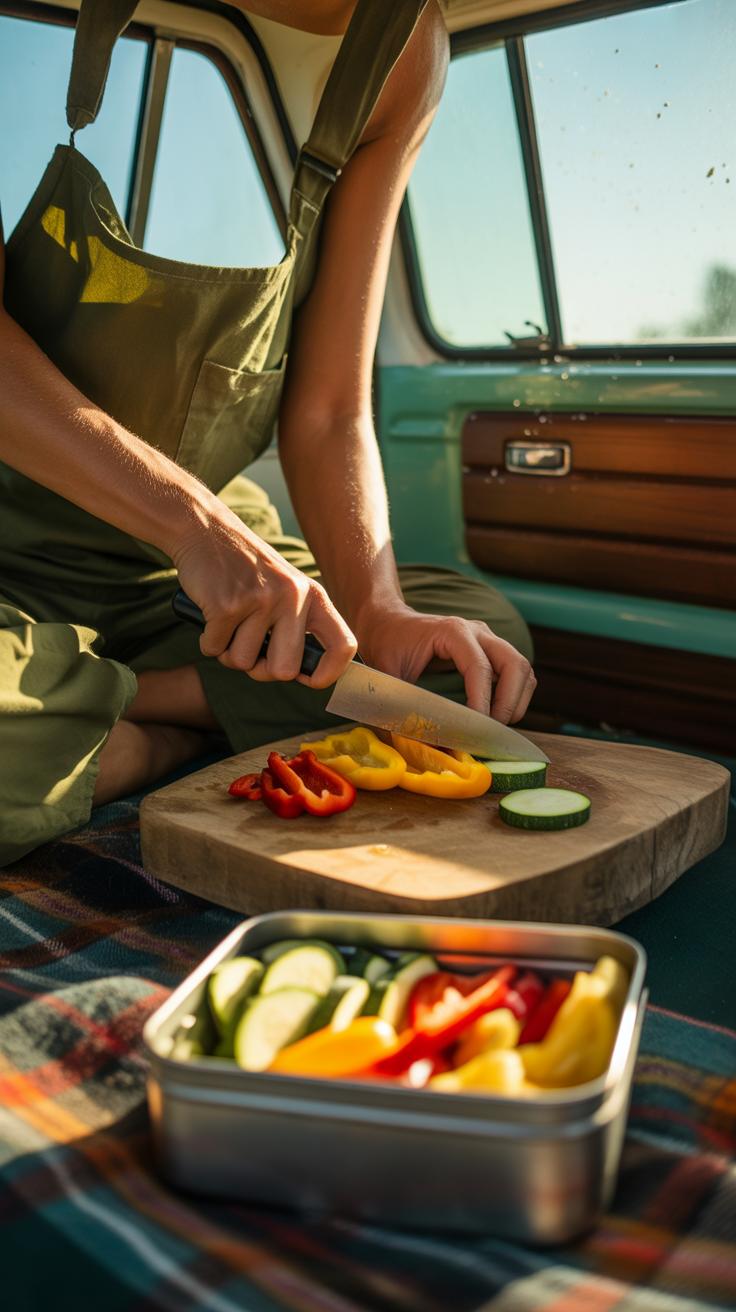
Choosing nutritious food while traveling doesn’t have to be complicated or expensive. Local markets tend to offer fresh produce that’s often cheaper and healthier than what you’d find at fast food spots. Imagine picking up just-ripened fruit or seasonal vegetables for a snack or even assembling a quick meal. It might require a bit more planning, but it’s a small effort for better energy and satisfaction.
Cooking your own meals, when possible, can save money and help you control what you eat. A simple campsite stove or even a small portable burner can make a difference. You’re not limited to whatever’s on the menu or what’s prepackaged. Plus, there’s something satisfying about making your own food after a long day on the move.
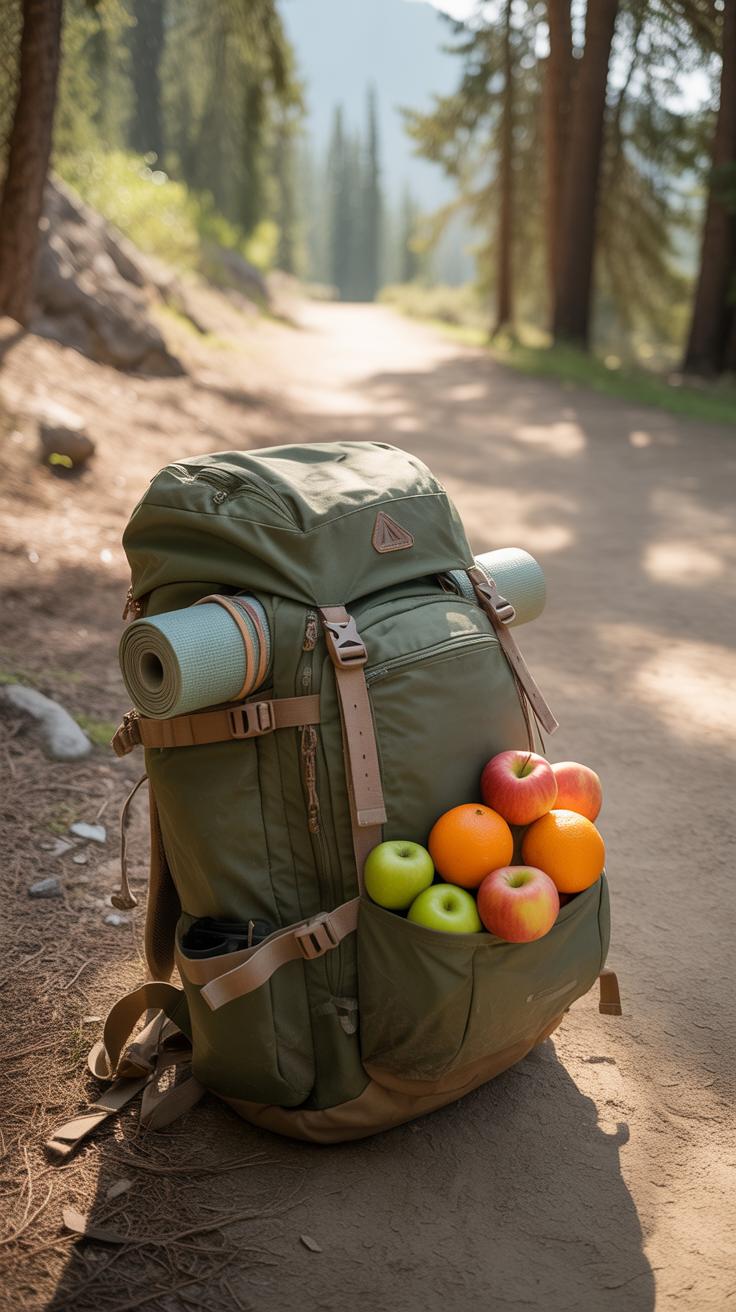
When those busy travel days come, packing easy, portable snacks keeps hunger at bay. Think nuts, dried fruit, whole-grain crackers, or protein bars low in sugar. These snacks are lightweight, non-perishable, and pack just enough energy without causing a crash later. You might hesitate to pack too much, but having something reliable can really change the day.
Incorporating exercise during travel

Fitting exercise into your travel day isn’t always easy, but it can be simpler than you think if you plan a bit ahead. Walking tours are a solid way to combine sightseeing with movement. You get to explore streets, neighborhoods, or parks while burning calories. Sometimes, I’ve found myself wandering through a city I barely knew just because the route looked inviting—and without setting aside extra workout time.
You don’t need fancy equipment or a gym membership. Bodyweight exercises work perfectly in tight spaces like hotel rooms or even airport lounges. Think push-ups, squats, lunges, or jumping jacks. They don’t take long and can be adjusted for any fitness level. I once did a quick circuit in a tiny hotel room when jet lag hit me hard—it felt surprisingly refreshing.
If you want some ideas that don’t demand anything, try this:
- Walking briskly for 30 minutes while following a self-guided tour
- 15 to 20 push-ups and squats rounds during a break
- Planks or wall sits during downtime
- Quick bursts of jumping jacks or high knees to raise your heart rate
You might wonder if such small efforts make a difference, but over several days, it really stacks up. It’s about keeping a routine alive, not breaking records. Isn’t it a bit satisfying to feel your muscles engage while you explore new places? It’s like blending discovery with something good for you.
Create a travel fitness checklist
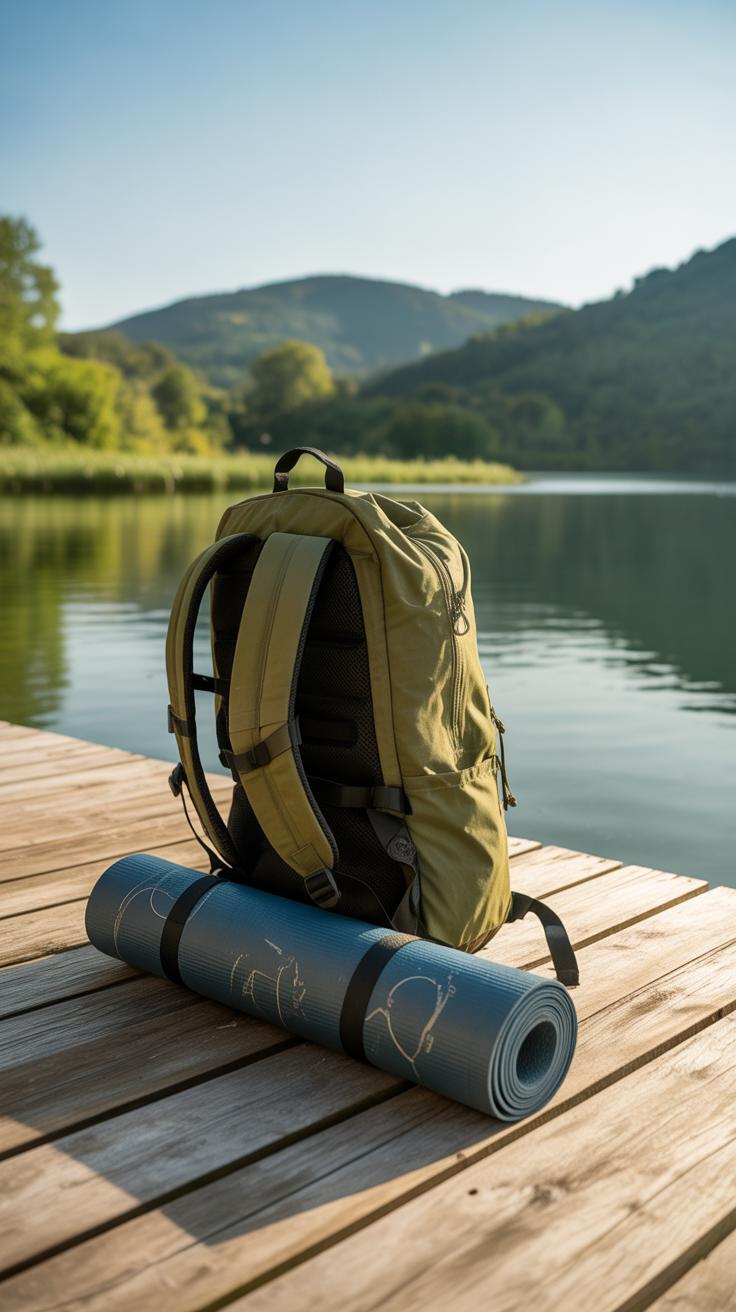
When you’re packing for a trip, it’s easy to forget how important it is to bring fitness clothing that’s both comfortable and versatile. Think about the types of workouts you might do—running, yoga, or just stretching—and pack accordingly. It doesn’t take many pieces: a couple of moisture-wicking shirts, one pair of shorts or leggings, and a light jacket if you expect cooler weather. Maybe toss in a hat or headband to keep sweat away.
Certainly, planning workout times can be tricky. You might be torn between an early jog and a late museum visit. But setting a rough schedule helps. For example, try fitting in a workout right after waking up or before dinner. This way, you don’t feel like skipping just because sightseeing or socializing got in the way. Could a short morning stretch or a quick bodyweight circuit fit between travel and meals? Probably.
Essential fitness gear to pack light
Think minimal but effective. Here’s what often fits the bill without weighing your bag down:
- Resistance bands — small and versatile for strength exercises anywhere.
- Jump rope — if you want a cardio boost, it’s quick and packs tiny.
- Collapsible water bottle — hydration is key, and this won’t bulk your luggage.
- Lightweight running shoes — crucial if you plan to explore a city on foot or run trails.
- Compact yoga mat or towel — for floor exercises and stretching.
Of course, some might skip certain items depending on the destination and planned activities. But the goal is to keep moving without dragging a gym’s worth of gear.
Scheduling workouts during trips
Figuring out when to exercise while traveling often feels like juggling. The secret might lie in combining fitness with sightseeing. Consider a walking tour that doubles as a cardio session or a hike that offers great views and a workout. Often, the best time is early morning before the day feels too crowded or late afternoon when things calm down.
Another idea is to stay flexible. If mornings don’t work, could you squeeze a brisk walk after dinner? Or use hotel stairs for a quick workout? It’s about being realistic with your plans. Sometimes, a 20-minute session is enough. Does it replace a full gym routine? Not always. But it keeps you connected to your habits—and maybe makes your trip feel a bit more balanced.
Healthy eating budget tricks abroad

When you’re traveling abroad and watching your spending, food can quickly become a big expense. Yet, eating well doesn’t mean you need to shell out for every meal in a restaurant or resort. A few simple habits help keep your nutrition balanced while trimming costs.
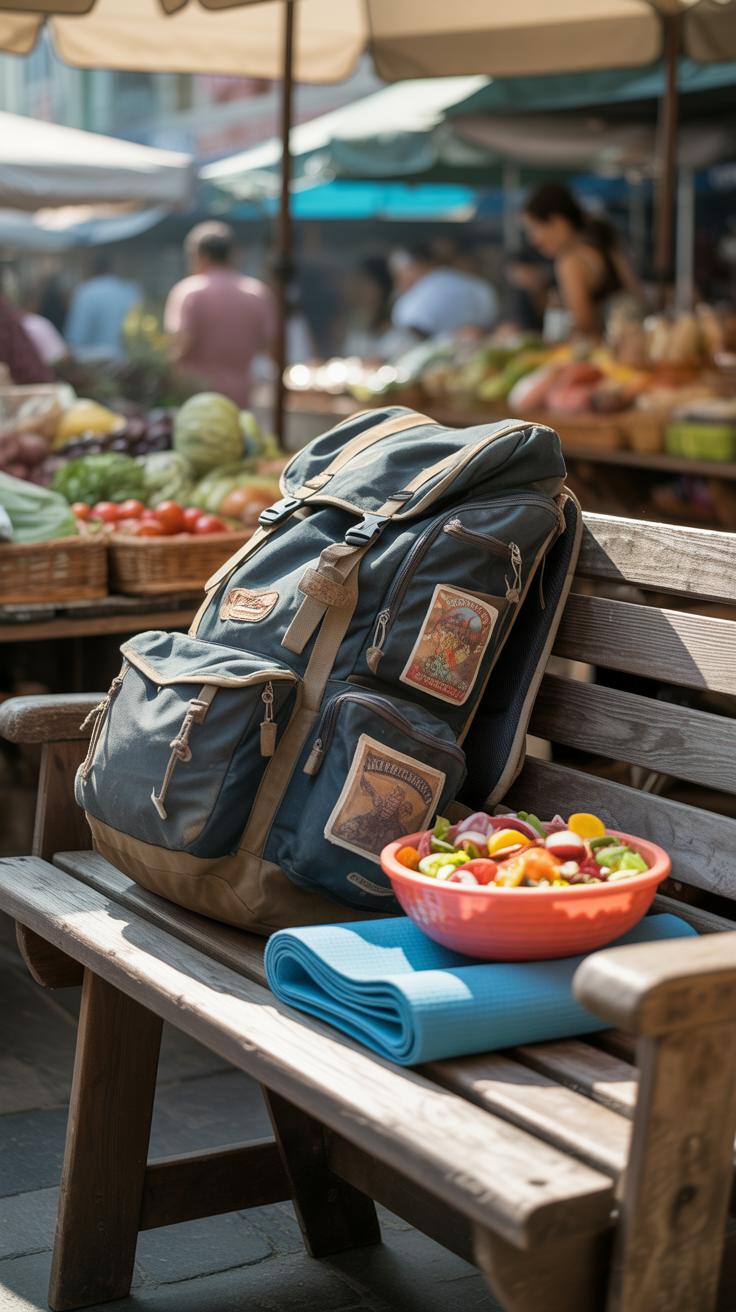
Shopping at local groceries is often the best way to find affordable, fresh ingredients. Look beyond tourist areas—markets or neighborhood stores tend to have better prices and more authentic options. You might find seasonal fruits, vegetables, beans, and grains—usually cheaper and often healthier than packaged snacks. Sometimes labels are in a language you don’t know, but generally, fresh produce requires little interpretation.
If you can access a kitchen, making your own meals can save a surprising amount. Even simple preparations—like mixing canned chickpeas with chopped veggies and a splash of olive oil or preparing overnight oats for breakfast—work well. Using just a few utensils, you can avoid those pricey takeout meals that don’t always fuel you properly. I once stayed in a hostel with a tiny kitchen and realized a small batch of rice and steamed greens kept me energized for days without eating out.
Thinking ahead about your meals and buying things that keep well, like nuts or whole fruits, can stretch your budget. It might feel limiting at first, but with a little patience, you’ll find you can eat simply, nutritiously, and affordably—without missing out on local flavors or sacrificing your health.
Use apps to track health and travel costs

Keeping an eye on your budget while traveling often feels like juggling too many things at once. Luckily, certain apps can lighten the load. For tracking expenses, apps like Trail Wallet and Wallet let you log each purchase quickly, right on the go. They often give you alerts if you’re nearing your daily limit, which is surprisingly helpful to keep surprises at bay.
If hunting for deals is more your style, Hopper or Skyscanner can show flight price trends and hotel rates, helping you decide when to book. These apps don’t just save money but also reduce last-minute stress.
On the health side, I’ve found apps like MyFitnessPal useful—they help track meals even when your diet changes daily due to travel. Meal planning gets easier, especially if you want to avoid fast food. For workouts, apps such as Nike Training Club or 7 Minute Workout offer guided sessions that don’t need pricey equipment or a gym membership.
Of course, apps can’t cover everything—you might still miss a workout or slip on your food choices. But having these tools on your phone means you have a better shot at maintaining your goals without breaking the bank.
Compare travel insurance options 2024
Picking travel insurance might not be the most thrilling part of planning your trip, but it’s definitely something you don’t want to skip. Prices and coverage can vary a lot, so getting a handle on what’s actually covered saves a lot of headaches later on. Some plans focus mostly on medical emergencies abroad, while others protect your entire trip if something goes wrong before you leave.
When thinking about health coverage versus trip cancellation, you need to ask yourself what worries you most. Health protection usually covers emergency hospital visits, sometimes basic medical care, and even evacuation if needed. Trip cancellation insurance, on the other hand, kicks in if you need to cancel or interrupt your trip because of illness, family emergencies, or even unexpected work conflicts.
Not every traveler needs both, but lots of people could benefit from at least basic health coverage. It’s tempting to pick the cheapest option without fully checking the details, but sometimes those plans leave out important risks. On the other hand, more expensive policies don’t always mean better protection for your specific situation.
If you’re traveling on a budget, look for plans that cover essential risks like emergency medical care and some form of trip interruption. Avoid add-ons you likely won’t use—like coverage for expensive gear if you’re not carrying much tech or sports equipment. Some insurers let you customize plans, which is handy if you know exactly what matters most.
One last thing—check the fine print. For example, some policies won’t cover pre-existing conditions or might have high deductibles that surprise you later. It’s a bit of a balancing act between cost, coverage, and peace of mind. What’s your comfort level with risk? That question might be more important than any price tag.
Common travel pitfalls and solutions
Traveling often brings unexpected challenges, like going over budget or slipping into unhealthy habits. Many travelers find it tough to resist impulsive purchases—souvenirs, street snacks, or that tempting tour package. Maybe it’s the excitement or just a break from routine. To keep spending in check, set a clear daily limit before you leave. Carry only that amount in cash, so you can’t overspend without thinking twice. Using apps to track expenses also helps keep things real. It’s strange how much calmer you feel when you see the numbers adding up in real time.
Eating out regularly can lead to unbalanced meals. Greasy or heavy foods can easily weigh you down mid-trip. Instead of defaulting to fast food, try picking dishes with vegetables, lean proteins, or simple grains. Don’t shy away from asking the server for lighter options or smaller portions—you might be surprised how often they accommodate. Also, keep some healthy snacks like nuts or fruit handy, especially when you expect to be on the move. That way, you avoid grabbing whatever’s convenient but less nourishing. It’s those little choices that keep your energy steady, even if you’re eating out a lot.
Examples of affordable healthy trips
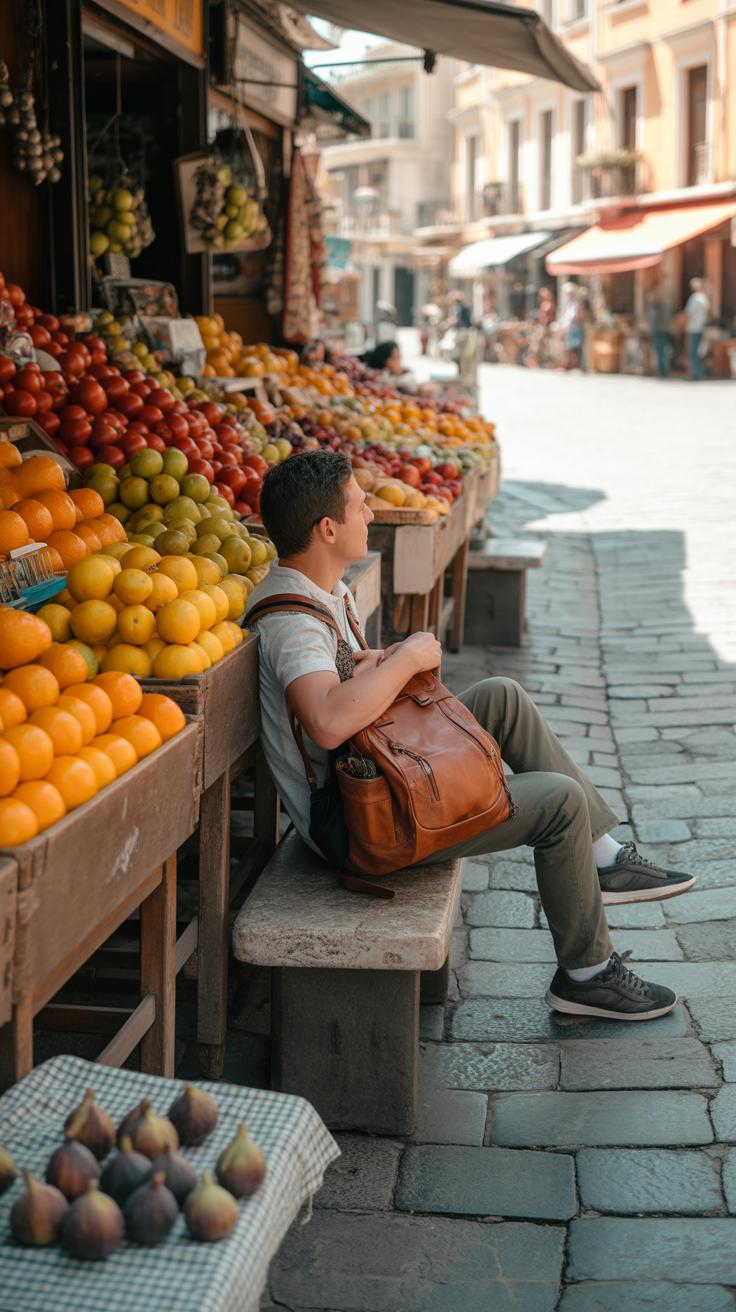
City trips on a budget with good food
Take, for example, a four-day trip to Lisbon. I found a small guesthouse that cost less than many hotels outside the city center. It wasn’t fancy, but clean and comfortable enough to rest after long days of exploring. Every morning began with a short walk to a nearby farmers’ market where fresh fruit, nuts, and local yogurt were available at great prices. Buying directly from the source helped keep the budget low while fueling the day with real food.
During the day, most activities were on foot. Walking tours—some free, some inexpensive—offered a chance to see the city’s hidden corners and stretch the legs. The pace felt natural, not forced. Coming across small cafes serving grilled fish or vegetable stews confirmed that eating well doesn’t mean overspending. You could even carry snacks from markets between outings, avoiding fast food temptations. This kind of trip reminded me that the city’s best health secret might be simply moving around and eating local.
Nature trips combining fitness and fresh food
Imagine spending three days in the foothills near Asheville, North Carolina, staying in a modest cabin. Each morning started with a brisk hike on nearby trails, pushing your limits just enough. The trail mix and homemade granola bars you brought were supplemented by picking wild blueberries and apples along the way—a simple but satisfying natural energy boost.
Back at the cabin, cooking fresh meals was both relaxing and practical. Local farmers’ markets supplied kale, tomatoes, and eggs, turning the little kitchen into a place to experiment. The physical activity combined with wholesome food made you feel genuinely recharged. It might sound basic and maybe even slow compared to big vacation ideas, but these trips prove fitness and food don’t need fancy gyms or restaurants to come together effectively.
Conclusions
Making smart travel choices helps you enjoy new places on a limited budget. Picking where you stay, eat, and how you move during travel supports your health and wallet. Using easy fitness exercises and choosing nutritious foods can keep your energy up and stress down.
Affordable travel with healthy eating and fitness is possible with some planning. These steps can make your trips better and build habits that help your daily life too. Stay active, eat smart, and enjoy your travels in 2024 with confidence.