
Introduction
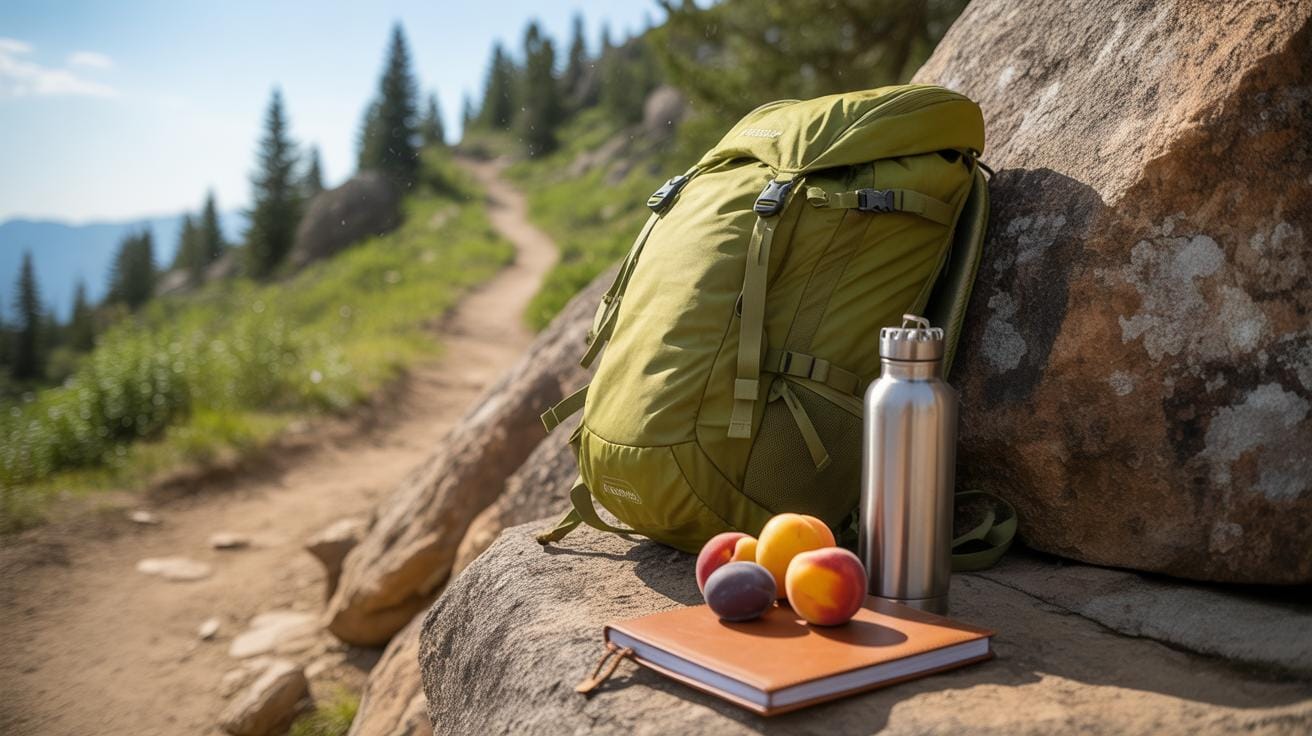
Travel offers a chance to explore new places, experience different cultures, and create lasting memories. Balancing your travel goals with food, fitness, and adventure activities can enhance your trip’s enjoyment and health benefits. This article provides a checklist to help you manage these aspects effectively during your travel.
We cover how to create practical travel goals that include healthy eating, staying active, and embracing adventure activities. Whether you want to sample local foods, keep up with fitness routines, or try new thrills safely, this guide supports your journey with clear strategies and actionable steps.
Assess Your Personal Travel Priorities

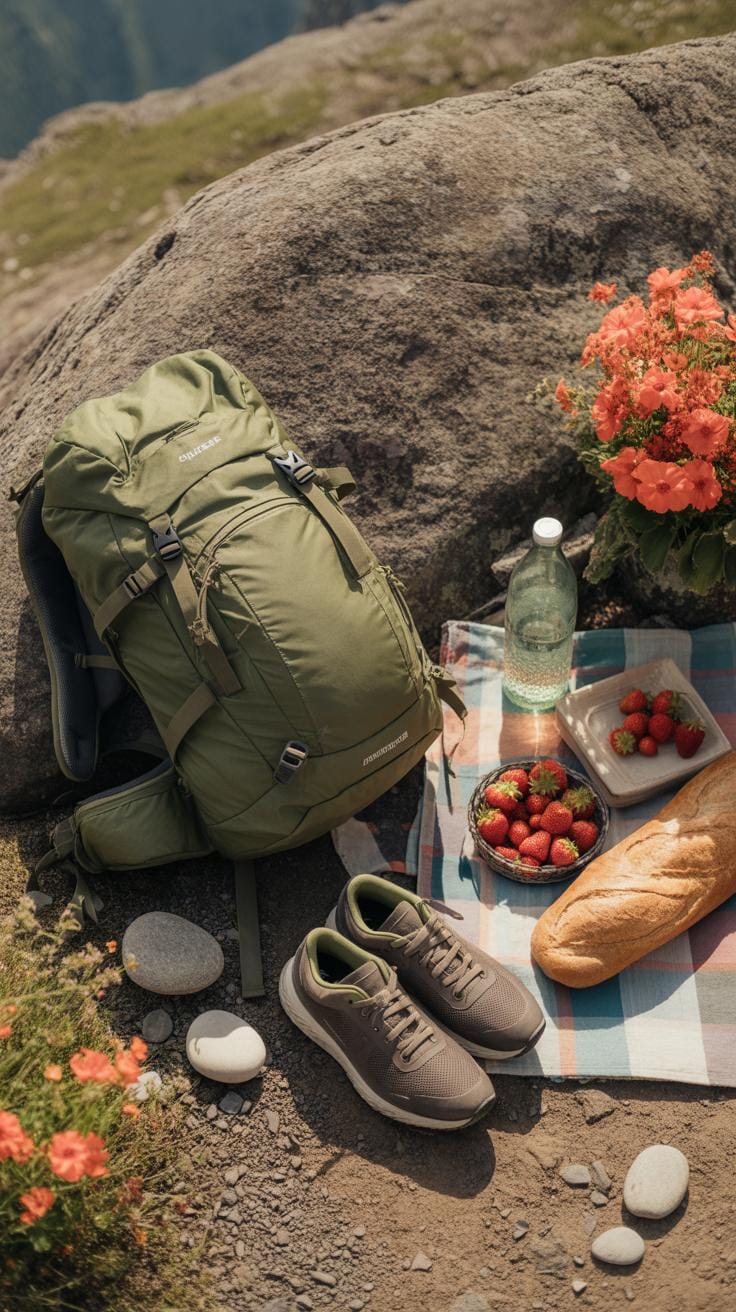
Before setting travel goals, take a moment to really think about what you want—beyond just seeing the sights. What excites you most about the trip? Is it tasting new flavors, keeping up with your workouts, or pushing yourself with adventurous activities? Sometimes what you think you want isn’t quite what matters when you’re on the ground.

Ask yourself questions like these:
- Do I want to plan my day around meals or workouts?
- Am I looking to rest or challenge myself physically?
- Is trying local cuisine the highlight or an occasional treat?
- How much energy do I want to spend on activities versus downtime?
Answering honestly helps clarify what truly counts for you. You might discover that staying active boosts your mood more than a fancy meal, or vice versa. Sometimes, your priority shifts if you’re traveling with others or just your mood at the moment.
How to Identify Your Travel Preferences
Recognizing what matters most in your trip often starts with reflecting on past experiences. Think about trips that felt fulfilling—what stood out? Was it the food, the challenge of a hike, or sticking to a fitness routine? Maybe you noticed you felt more satisfied on days you tried something new, like a street food market or a paddleboarding session.
Consider these ways to hone in on preferences:
- Jot down moments you’ve enjoyed most while traveling.
- Watch your energy—do food stops recharge you, or do physical challenges?
- Check what you naturally plan first when researching destinations.
- Notice if you prioritize comfort or discovery.
Sometimes your routine or even your appetite shifts when you travel, revealing surprising priorities. It’s okay if you can’t pinpoint one thing yet—preferences can be fluid, especially when the setting changes.
Balancing Conflicting Goals
It’s rare that food, fitness, and adventure line up perfectly. Maybe you want to sample rich local dishes but don’t want to feel sluggish for a long hike. Or you crave morning runs but also want to linger over decadent breakfasts.
Balancing these can feel tricky. A strategy is to pick a primary focus—say, adventure—and then slot in fitness or eating plans that support it rather than compete with it. Sometimes skipping a pastry isn’t worth it if it means you’re too tired to enjoy a sunset trek.
Or you might schedule indulgent meals as special treats rather than daily events, maintaining lighter choices in between. On days packed with physical activity, perhaps keep meals simple to avoid discomfort. It’s okay to shift priorities day to day.
The key is listening closely to your body and mood. You might start out prioritizing fitness but find yourself craving rest—and that’s fine too. Balancing travel goals isn’t about perfection but adapting to what feels right as you go.
Create a Food and Fitness Travel Plan
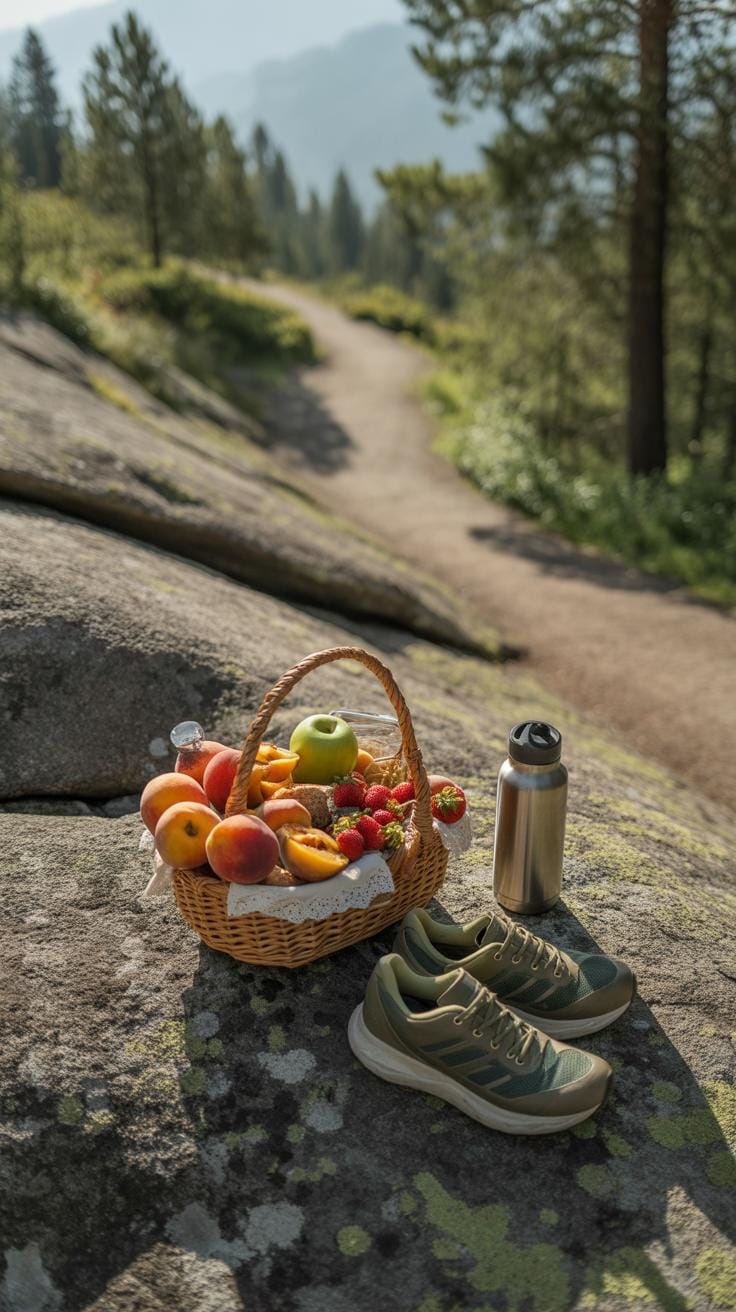
When you’re traveling, it’s easy to let healthy habits slide. Yet, with a little planning, you can balance tasting local dishes and keeping your fitness routine alive. Start by mapping out your meals roughly—think about when and where you’ll eat, and try to include at least one nutritious option daily. Maybe you pick a market visit for fresh fruit or decide on a restaurant known for lighter fare.
Finding healthy options doesn’t mean skipping local flavors. Many places offer grilled, steamed, or vegetable-rich dishes—just ask how meals are prepared. Sometimes, swapping a heavier side for a salad or choosing broth-based soups can work. If you have some snacks with you—nuts, protein bars—that can help bridge gaps without resorting to less wholesome choices.
Scheduling physical activity doesn’t need to be rigid. Walking tours are a fantastic way to explore and move without thinking about exercise. If time allows, a quick hotel room session with bodyweight exercises can keep muscles active. Jumping jacks, lunges, or stretches take only minutes but add up. Outdoor spaces like parks or beaches also make for refreshing workout spots. The key is flexible consistency; even short bursts count.
Identify Suitable Adventure Activities
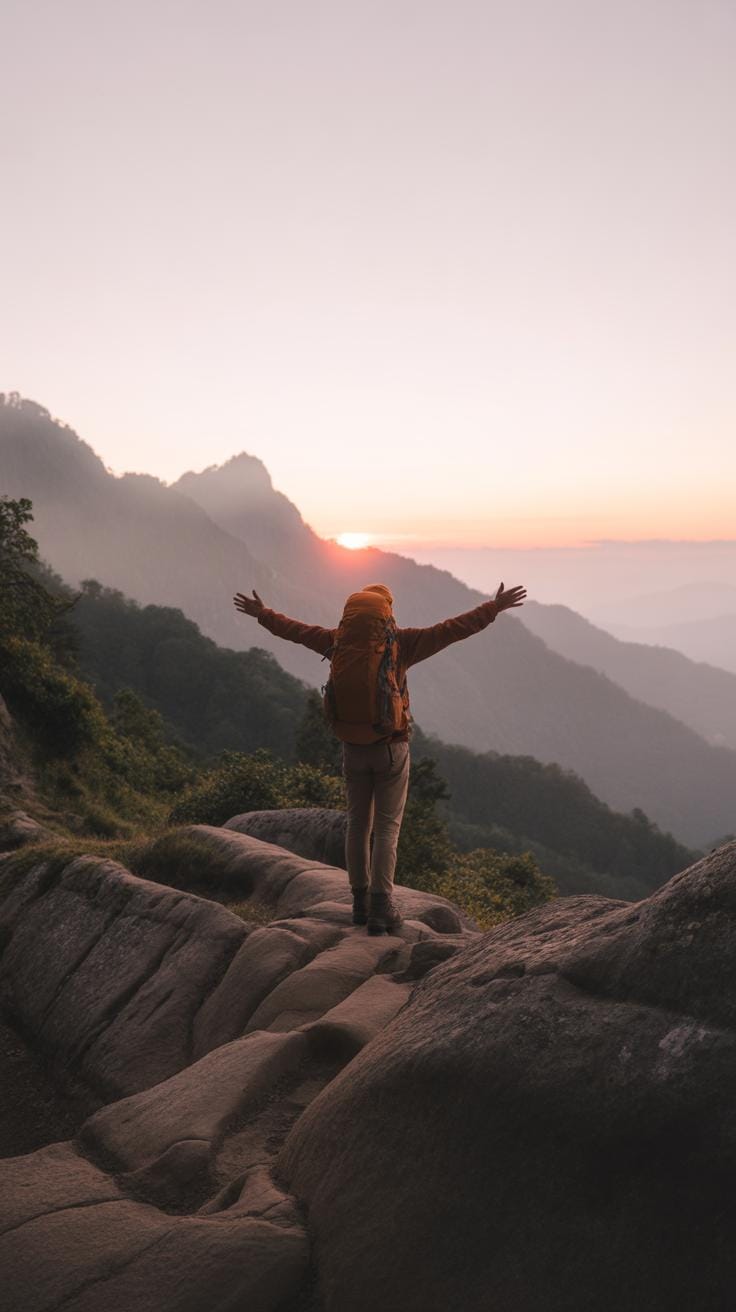
Choosing the right adventure activity often feels like a balancing act. You want something thrilling, but nothing so intense that it leaves you struggling or worse, injured. The key is to match your choices to what you physically and mentally can handle. Think of activities as a spectrum, ranging from mild, like nature walks or snorkeling, to more extreme endeavors such as rock climbing or white-water rafting.
Start by considering your fitness and what sounds enjoyable. Do you like steady movement, or are you drawn to bursts of adrenaline? Maybe hiking with a scenic view fits you better than a high-speed mountain bike trail. Your interests matter here; otherwise, motivation wanes quickly.
Safety plays a huge role, too. For example, even if you’re fit, activities like scuba diving demand certifications and experience. It’s okay to pass on something until you feel ready. Remember, being cautious doesn’t mean missing out, but rather ensuring you can keep doing these activities on your next trip.
Matching Activities to Your Fitness Level
To figure out what suits you, first honestly assess your physical condition. Can you walk briskly for an hour, or are short strolls more your pace? What about balance, strength, and endurance? You don’t need a fitness test, but knowing these basics helps avoid picking adventures that might overwhelm you.
Say you enjoy swimming casually but dislike heavy exertion—snorkeling might be better than freediving. Someone running regularly could try trail running or cycling. The idea is to prevent injury while staying engaged. Maybe you underestimate your stamina, or on the flip side, overestimate it. Testing gently beforehand can save a lot of trouble.
Let’s not forget mental fitness here, either. Some activities can stress you out if heights or confined spaces unsettle you, which could make the experience unpleasant or unsafe.
Safety Tips for Adventure Travel
Before jumping in, research how reputable guides and operators are. Are they certified? Do they provide proper gear that fits? You’ll want to ask these questions upfront. A quick inspection of equipment can reveal a lot about standards; worn-out ropes or malfunctioning helmets are red flags.
Also, consider your health. Do you have any conditions that could be triggered by altitude, dehydration, or sudden exertion? Bringing necessary medications and informing your guides can prevent emergencies. It might feel like over-preparation, but it’s better than risking your well-being.
Lastly, remember that sometimes the best safety plan is knowing when to say no. If the weather isn’t right, or if you feel tired, it’s okay to skip or reschedule. Adventure isn’t a contest—it’s about moments worth remembering without regrets.
Plan Your Travel Schedule Wisely
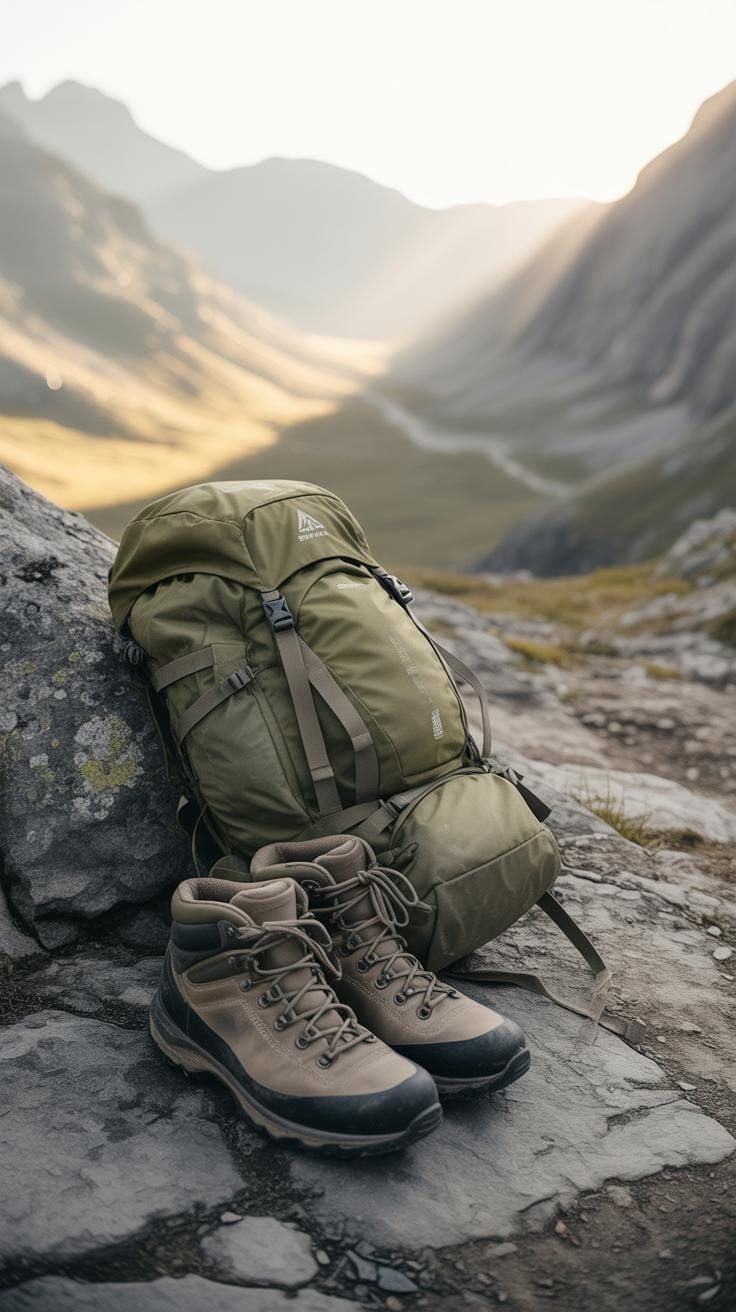
Trying to fit meals, workouts, and adventure into a day can feel like juggling too many balls. The trick is to organize your plans so you don’t end up running from one thing to the next, breathless and frustrated. One way to do this is by blocking time for each activity clearly but loosely, allowing some wiggle room. For example, schedule your workout first thing in the morning when energy tends to be higher, followed by a relaxed meal that isn’t rushed, and then set aside a chunk of afternoon for exploring or adventure.
Another method is to plan the location of activities in a logical sequence. No need to cross the city twice in one day—try grouping places close together. It saves time and energy, making it easier to stay on track without burning out. Sometimes sticking to a strict timetable feels restrictive, but a rough outline can help, especially when traveling in unfamiliar surroundings.
Balancing Activity and Rest
Finding a rhythm between high-energy days and slower ones helps keep your mood and stamina steady. Some days might call for sunrise hikes or intense workouts, while others could be reserved for lounging by a café or light stretching. If you’re constantly pushing without breaks, enthusiasm wanes fast. I’ve noticed that after a full day of sightseeing, a gentle swim or even just lying down with a book can refresh better than trying to cram in another activity.
Listening to how your body feels is key—sometimes you think you should keep moving just because you’re in a new place, but slowing down occasionally might actually let you enjoy more of the trip.
Integrating Flexibility
Leave space in your daily plans for life’s unpredictability. Flights get delayed, a hidden gem might pop up, or maybe you just want to stay longer at a spot because it feels right. Building buffer time isn’t about laziness; it’s about preserving your ability to change course when something worthwhile comes along. This extra margin keeps stress low and satisfaction higher.
I remember one trip where a missed bus led me to stumble upon a local festival I hadn’t even heard of. Had my schedule been packed tight, that detour wouldn’t have been possible. Wondering what unexpected moments you might miss if you cram every minute? It’s a good question to keep in mind when planning.
Track Progress With Simple Metrics
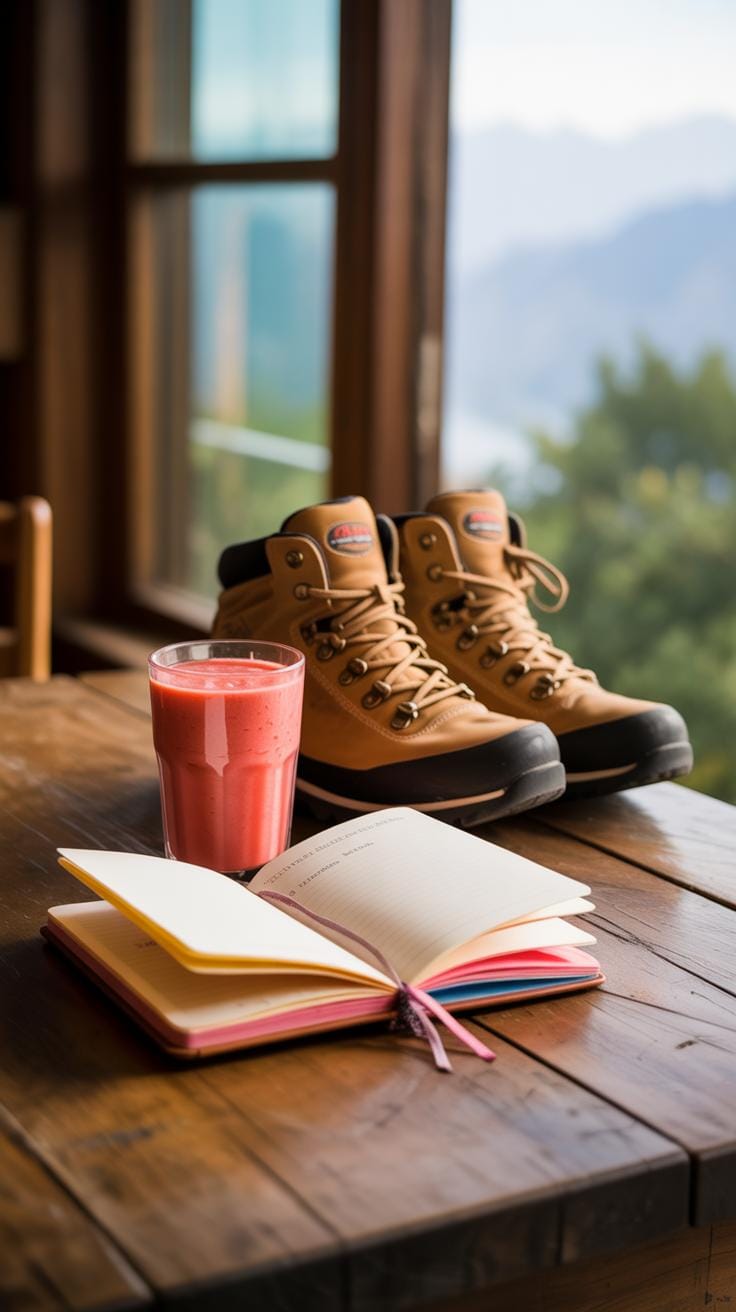
When you’re traveling, keeping an eye on your food, fitness, and adventure doesn’t have to be complicated. Simple measurements can help without turning your trip into a chore. For example, counting meals or snacks that feel nourishing versus indulgent can offer insight over time. It’s not about perfect dieting but noticing patterns. Maybe you find you eat more fresh fruit on some days and more heavy meals on others—that’s something worth noting.
A quick daily log can be surprisingly useful here. Just jotting down what you ate, how much you moved, or which adventures you joined can keep things balanced. You don’t need a detailed calorie count or a full workout diary—just enough to reflect on your choices. It’s less about strict rules and more about awareness. Often, this gentle check-in helps you stay on track without feeling stressed or guilty.
Tracking activities also doesn’t have to be a tech-heavy process. Counting steps on your phone, timing swims or hikes, or simply noting the new experience you tried can motivate you. Seeing progress, even in small increments, often sparks more activity. Sometimes you might overdo it, sometimes lag behind, but tracking makes those fluctuations easier to understand—and adjust.
Overcome Common Travel Challenges
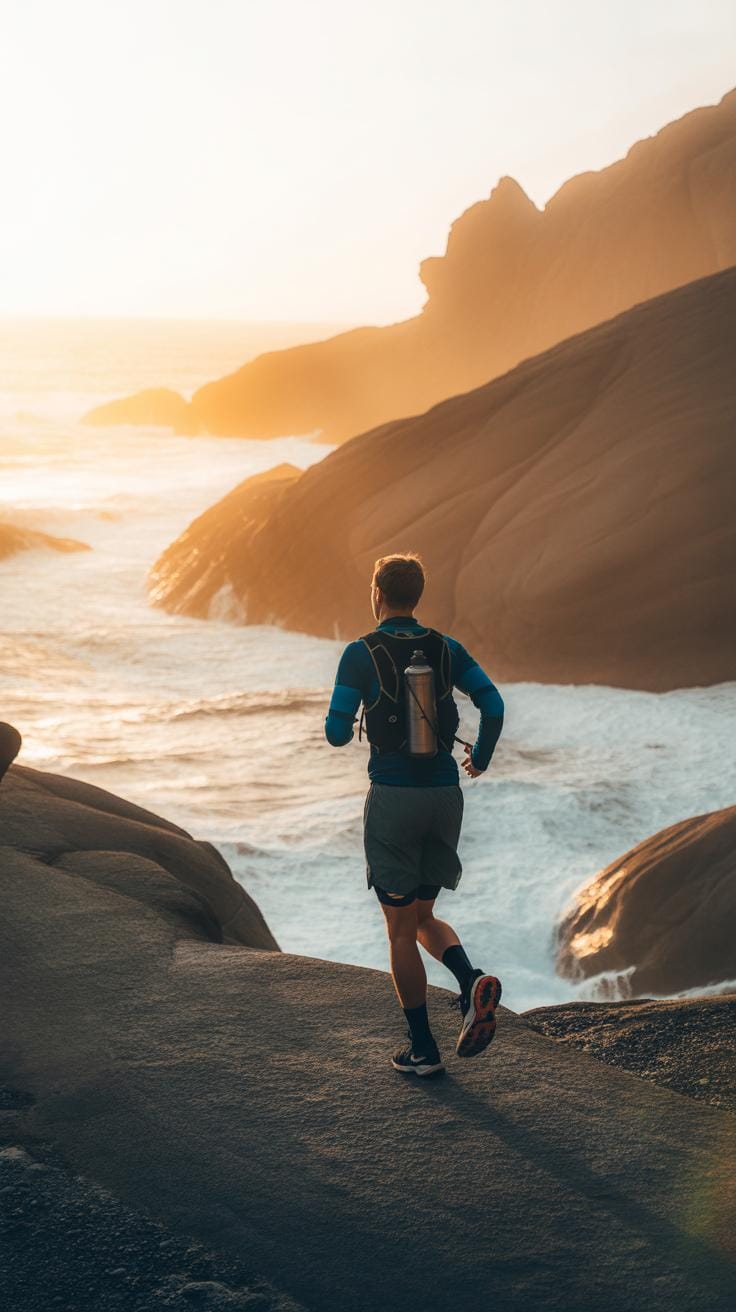
Balancing food, fitness, and adventure during travel isn’t always straightforward. One common hurdle is facing unfamiliar food options. When local cuisine feels strange or limited, it’s tempting to give in to less healthy choices. But you can still find ways to eat well without stress. For example, looking for simple, fresh ingredients—like fruits, nuts, or grilled proteins—can help. Sometimes menus won’t spell out what’s in a dish, so asking locals or staff about ingredients might feel awkward but usually pays off.
Then there’s the struggle to stay active when you’re tired. Long travel days, early mornings, or packed itineraries can drain your motivation. Yet, even short bursts of gentle movement make a difference. Quick stretches or a slow walk around your accommodation can refresh you. Sometimes, accepting that a full workout isn’t possible today is okay. You might feel guilty about skipping a vigorous session but moving a bit—just a bit—can keep momentum alive.
Try setting small, realistic goals. Maybe it’s ten minutes of stretching before sleep or choosing stairs over elevators. These moments may seem trivial but add up. What’s your go-to way to sneak in activity when energy’s low? Recognizing these obstacles and adjusting your expectations might be the trick to maintaining balance—without feeling overwhelmed or falling off track.
Use Technology to Support Goals
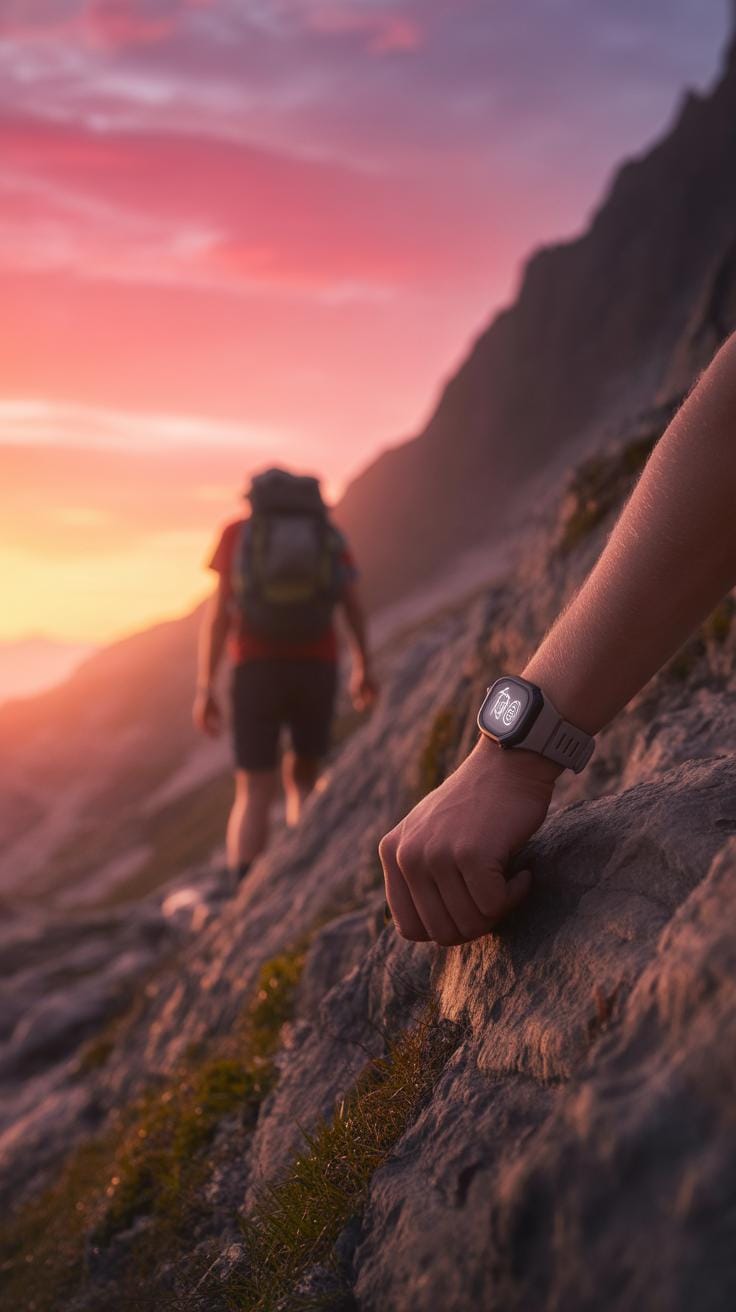
When you’re on the road, tracking your food, fitness, and adventurous exploits can feel tricky. But technology offers some tools that really help—if you spend some time figuring them out first. For instance, apps like MyFitnessPal or Yazio make logging meals easier, even when you’re navigating menus in unfamiliar languages. They often have large international food databases, which is a lifesaver when you want to avoid surprises in calories or nutrients.
For fitness, apps like Strava and Fitbit not only track workouts but also map your activities. If you’re hiking or cycling in a new place, they record your route and stats, giving you more insight into your effort. Sometimes I’ve found myself obsessively checking my pace, which might be a bit much, but it does keep me motivated.
Adventure-focused tools—like the Garmin Fenix watch or the AllTrails app—go beyond standard fitness tracking. They log altitude, distance, and even weather conditions. These features make pushing your limits safer, while also letting you document your experiences accurately.
Still, some days I rely more on simple timers or step counters on my phone. Not every device needs to be complex. But finding the right combo for your travel style can make keeping balanced goals much less stressful, even if it takes a few tries to get there.
Compare Solo Travel to Group Trips
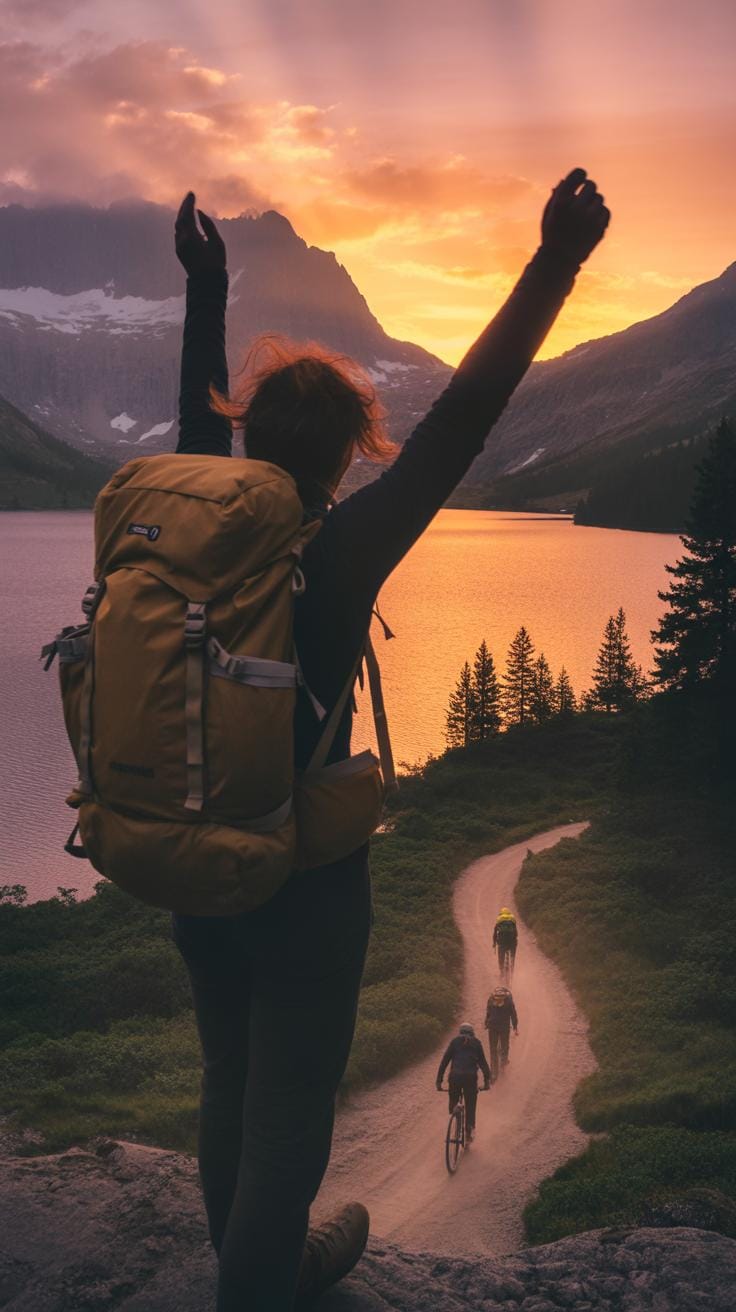
Advantages of Solo Travel for Personal Goals
Traveling alone gives you the freedom to tailor every part of your trip. Want to try that local breakfast spot that looks a bit odd? Go for it. Feel like squeezing in a morning jog along the beach, then a midday hike, then a quiet afternoon reading? That’s your choice—no questions asked. Food, fitness, adventure—they can all follow your own rhythm, your own cravings.
You don’t have to negotiate or pause because someone else wants to rest or eat something different. It’s a kind of travel that lets you focus fully on what matters to you, whether that’s hitting every trail, savoring every meal, or pacing your days with fitness goals in mind. Of course, this means all decisions and responsibility fall on your shoulders, which can be intense but freeing in its own way.
Group Travel Dynamics and Compromises
When traveling with others, the picture changes fast. Group travel involves shared planning, which often means compromise. Maybe one friend wants to try street food, while another prefers familiar dishes. Someone else might want to squeeze in a workout, but the group prefers sightseeing instead.
Balancing these different wants can be tricky. Group decisions can limit following a strict fitness routine or sticking to a diet, but they also open doors to new experiences—you might try things you’d never choose solo. Negotiating plans often requires patience and some give and take. Setting expectations early helps, like agreeing on some solo time or occasional separate activities. It’s a dance of personalities, sometimes rewarding, sometimes frustrating, but always part of the group experience.
Review and Adjust Your Travel Goals

During your trip, it’s easy to get caught up in the excitement and overlook whether your travel goals are actually fitting with your experience. Try pausing now and then to check in with yourself: Are you keeping up with the balance you wanted between food, fitness, and adventure? Sometimes you’ll find your original plans don’t quite match the reality. For example, maybe you intended to hike daily but found local food tours too tempting to skip. That’s okay—these shifts are part of travel. Jot down what felt good and what felt forced.
After returning, take time to review your goals objectively. Which activities energized you? Did certain choices leave you tired or unsatisfied? Look at your notes or photos and ask: where did I feel balanced, and where did I not? This can reveal which parts of your planning genuinely worked and which need a tweak.
Adjusting future plans isn’t just about fixing what didn’t work but also about recognizing new interests or limits you discovered. Maybe a beach walk replaced gym sessions, or you realized you prefer cooking local dishes over dining out every night. Let these insights guide your next destination or daily itinerary. This reflection sharpens your awareness, making your travel goals more realistic—and your trips more rewarding.
Reflection Questions for Travelers
Taking a moment to reflect helps you really understand what traveled well and what didn’t. Here are some questions that might stir useful insights:
- Did I maintain the balance between adventure, fitness, and enjoying the local cuisine?
- Which moments felt fulfilling and why?
- Were there any goals I struggled to meet? What got in the way?
- How did my energy levels respond to my chosen activities?
- Would I change the timing or intensity of certain experiences if I did it again?
- Did I discover new interests or preferences I hadn’t expected?
Answering these can feel uncomfortable, but without that, adapting your goals becomes guesswork.
Setting Future Travel Objectives
Use what you’ve learned to shape your next travel plan but don’t rush it. Start by reviewing which goals felt achievable and which felt out of reach. Maybe you aimed too high or too low on fitness during your last trip. Then, clarify what you want to prioritize next time based on your reflections.
Try these steps:
- List the activities that gave you energy and joy.
- Note those that drained you or felt unnecessary.
- Adjust your goals to focus more on the former and limit the latter.
- Consider practical changes, like shorter hikes or fewer restaurant stops.
- Build in flexibility to allow for spontaneous shifts.
Remember, these goals aren’t set in stone. They’re your tools to help make travel richer, not a checklist to stress over. Your preferences evolve, so give yourself permission to evolve them, too.
Conclusions
Crafting travel goals that balance food, fitness, and adventure improves your overall experience. Planning helps you enjoy local cuisine without compromising your health. Staying active during travel boosts energy and keeps you engaged with your environment.
By integrating adventure activities suited to your interests and abilities, your travels become memorable and fulfilling. Use the checklist and tips in this article to design trips that respect your goals and create positive habits for future travels.