
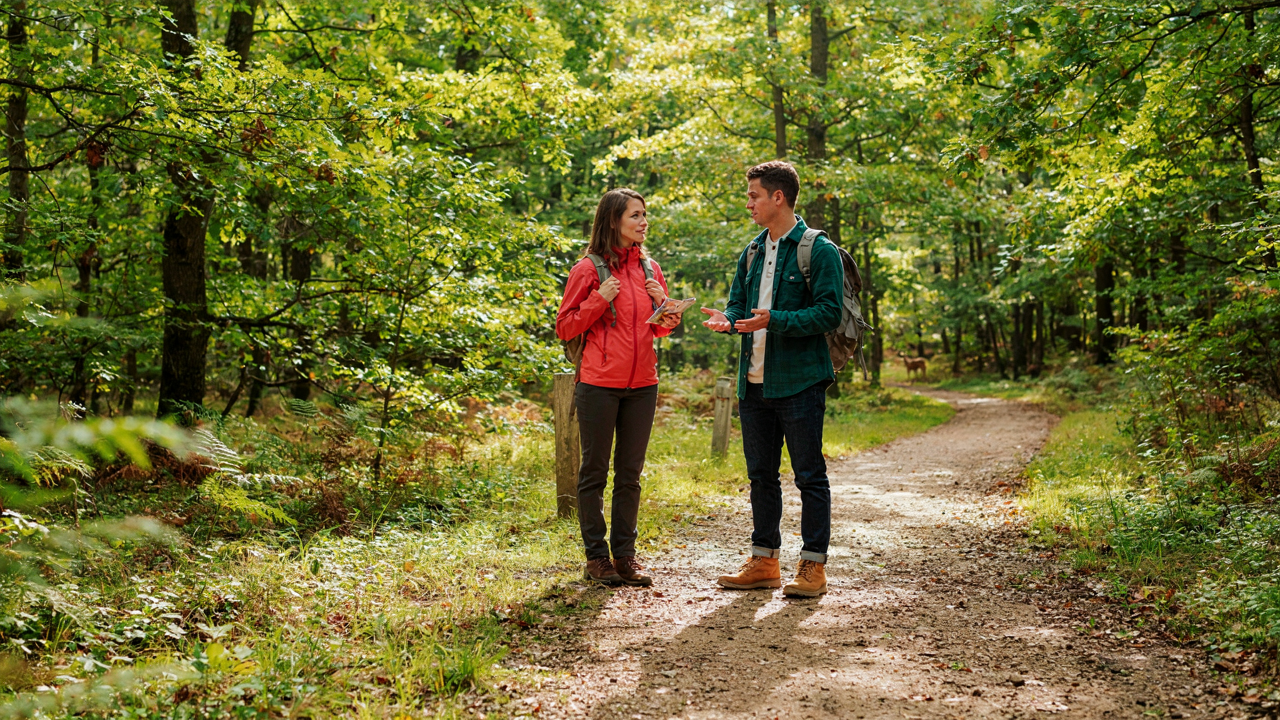
Beyond The Pavement: Why Your Road Skills Are Useless Here

The Road Runner’s Trap
You think your road running base transfers to trails because you want to believe fitness is fitness. It isn’t. Road running teaches your nervous system to predict. Your foot lands on consistent asphalt at consistent angles with consistent feedback. Your brain learns a single repeating pattern and outsources it to autopilot. Trails demolish this assumption every three feet.
The moment you hit uneven ground, your road-trained stride becomes a liability. Your legs are programmed for the same cadence, the same push-off angle, the same landing zone. But the ground refuses to cooperate. Roots don’t follow pavement logic. Rocks don’t align with your GPS watch metrics. You’ll land hard, twist sideways, or catch a toe because your neuromuscular system has no protocol for variation.
Instability Is The Feature

Biomechanics borrowed from stability science teaches us one principle: adaptation requires constraint relaxation. Your road running imposed constraints. Trails remove them. Your ankle stabilizers, hip abductors, and proprioceptive sensors have been dormant. Now they activate or you roll an ankle.
This isn’t dangerous if you respect the demand. Each step on a trail requires real-time micro decisions your body hasn’t made in years. Your foot placement changes. Your stride length changes. Your upper body compensation changes. You’re not running anymore. You’re negotiating terrain on every single foot strike. Start slow enough that your nervous system can catalog these decisions without injury. That means trails feel harder and slower than road running at first, even at identical heart rates. This is correct. You’re building competence, not maintaining fitness.

The Primitive Path Protocol: Rewiring Your Instincts

Your Feet Are Lying To You
You want to feel fast and in control, but your heel-striking road running habit is sabotaging you before you start. Biomechanics borrowed from sprinting shows that forefoot strike acts like load distribution in structural engineering—weight disperses across multiple contact points instead of slamming one shock into your heel. On uneven terrain, this matters because a forefoot landing lets your arch and calf absorb impact naturally and adjust to surface variations instantly. Your heel never feels the ground coming.
Road running teaches you to overstride and land heavy. Trail running demands the opposite: shorter stride, quicker cadence, midfoot or forefoot contact. This isn’t preference—it’s mechanical necessity. Loose rocks, roots, and sudden grade changes punish the heel striker with rolled ankles and lost footing. Your foot needs to probe and adapt, not commit its full weight to one spot. Practice this by running short repeats on grass or dirt at a pace where you naturally shorten your stride and increase your step rate.
The Horizon Owns You
Most trail runners treat their eyes like they’re mounted on a stationary post, scanning only what’s three feet ahead. Military doctrine calls this “sector scanning”—moving your awareness in a controlled pattern rather than reacting to whatever appears. On trail, this means your gaze should live 15 to 20 feet ahead, not on the ground beneath you. Your peripheral vision and proprioception handle the immediate foot placement. Your conscious mind handles what’s coming.
This shift changes everything about your adrenaline response. Instead of surprise encounters with obstacles, you see them early enough to modulate your stride, adjust your line, or brake before you commit. Anticipation kills panic. Start by running familiar trails at moderate effort and forcing yourself to keep your head up. The ground beneath your feet becomes background noise your body already knows how to handle. When you reach new terrain, this habit means you’re already planning three moves ahead.
Beginner Trail Running Plan: The Minimalist Movement

Short Bursts Build Trail Specific Power
You want the adrenaline without the injury. That’s the real reason you’re reading this. The mechanism is simple: trail running demands power you don’t have yet, and power comes from load, not volume. Borrowing from physics, think of force equals mass times acceleration. On trails, you need explosive acceleration across uneven ground, not steady-state endurance. Most beginner advice tells you to run longer. That’s backwards. You need intensity concentrated into short windows.
Sprints and tempo bursts on flat terrain teach your neuromuscular system to fire hard and fast. Two to three sessions per week, 6 to 10 repeats of 30 to 90 seconds at near-maximum effort, with full recovery between each. This builds the fast-twitch muscle fibers that stabilize your ankles on rocks and propel you up sudden inclines. Skip this phase and you’ll spend weeks building endurance that doesn’t translate to trail demands.
Hill Repeats Unlock Explosive Uphill Capacity
Hill repeats are the direct training stimulus for trail power. Find a hill that takes 60 to 90 seconds to ascend hard. Run up it at 85 to 95 percent effort, walk or jog down for complete recovery, repeat for 4 to 6 rounds. Most beginners make this harder than it needs to be: they either go too slow, which kills the training effect, or they don’t recover fully between rounds, which turns it into a sloppy endurance slog. Neither works.
The uphill demands your glutes, quads, and calves stabilize on angles your road running legs have never encountered. You teach these muscles to work together under load and fatigue. After two to three weeks of consistent hill repeats, you’ll notice uneven terrain feels less foreign. The protocol is specific: pick one hill repeat session per week, allow at least 72 hours before your next high-intensity work, and don’t add volume. Quality over volume is not inspirational advice here—it’s the only mechanism that builds usable trail power.
Trail Running Essentials: Gear That Doesn’t Lie

Traction First: Choosing Aggressive Lug Patterns
You want to feel safe on uneven ground, but you’re buying shoes based on how they look or some influencer’s recommendation. The real mechanism is grip: borrowed from tire engineering, your shoe’s lug pattern is the contact patch between your foot and a surface that actively tries to move beneath you. Shallow lugs on road shoes fail on wet rock or loose dirt because they don’t displace material fast enough. Deep, spaced lugs on trail shoes dig into soil and create mechanical advantage.
Aggressive lug patterns mean lugs at least 5-7mm deep with space between them. This matters most on descents and technical terrain where your foot needs to brake without sliding. Shoes marketed as “light” or “minimalist” often cut lugs to reduce weight, which trades safety for speed. Pick based on your terrain type: rocky trails need sharper lugs closer together, while muddy or loose ground needs deeper spacing. Test on wet surfaces before committing to a pair. The shoe doesn’t protect you; the lug pattern does.
Hydration Packs: Strategic Fluid Management, Not Just Water
Everyone talks about drinking enough water, but they miss the actual problem: you’ll bonk on a trail because you managed calories wrong, not because you didn’t hydrate. A hydration pack solves the mechanical problem of carrying fluids without using your hands, but its real job is letting you carry electrolytes, carbs, and water in one system. You can’t drink optimally if you’re fumbling with a water bottle on technical sections.
A 2-liter pack is standard for beginner runs under two hours. Position it so the weight sits at your hips, not your shoulders. Fill it with a mix: water for volume, electrolyte powder for sodium replacement, and simple carbs like diluted sports drink or energy gels in a separate compartment. This keeps your blood sugar stable and reduces the crash that kills most beginners’ second runs. Drink 200-300ml every 15-20 minutes, not when you’re already thirsty. Thirst is lag. By then, you’re dehydrated.
What To Wear Trail Running: The Layering Law Of Nature

Your Core Temperature Is Your Only Real Problem
You think this section is about looking the part. It’s not. You care because overheating kills performance faster than any hill, and underdressing kills your willingness to show up again. Thermodynamics—the study of heat transfer—runs trail running. Your body generates heat during effort. The mechanism is simple: manage that heat before sweat pooling in your shirt becomes the limiting factor. Most beginners wear cotton or one thick layer and wonder why they quit at mile two, drenched and miserable.
Layering isn’t about fashion or comfort. It’s about velocity. A base layer moves moisture away from skin. An insulation layer traps dead air when you stop. An outer shell blocks wind and rain. Each layer has one job. When you nail this, your core stays stable, your effort feels sustainable, and you actually finish the run instead of ditching gear halfway through and looking like a trail of breadcrumbs.
Baselayers Do One Thing Well
Merino wool and synthetic fabrics like polypropylene are not interchangeable with cotton. Cotton absorbs sweat and holds it against your skin, dropping your core temperature and triggering chills mid-run. Merino wool and synthetics pull moisture to the fabric surface where it evaporates, keeping skin dry. This isn’t preference. It’s physics. Most beginners grab cotton because it’s cheaper and available everywhere. That choice burns them within thirty minutes.
Pick either merino wool or synthetic based on budget and sensitivity. Merino costs more but handles temperature swings better and kills odor naturally. Synthetics dry faster and cost less. Both work. Cotton fails every time. Your base layer should fit close without cutting circulation. Loose fabric bunches, creates friction points, and defeats the wicking purpose. Buy one base layer, run in it, then decide if you want merino or synthetic for round two.
The Biofeedback Loop: Your Body As A Sensor Array

Your Nervous System Reads The Ground
You want to feel like you’re moving fast without actually dying. That’s the real reason this matters. Proprioception is the nervous system’s job of knowing where your body exists in space without looking. On trails, this becomes your competitive advantage. Trail running borrowed this term from neurobiology: your body runs a constant feedback loop that detects foot position, ground angle, and stability before your conscious mind catches up. Road runners don’t need this. Trail runners live or die by it.
Most beginner advice says “just focus and be careful.” That’s useless. The mechanism is simple: your proprioceptors fire faster than thought. Mechanoreceptors in your feet, ankles, and calves send signals to your cerebellum constantly. Your brain processes these inputs and adjusts muscle tension automatically. On technical terrain, you’re not thinking about foot placement. Your body is already correcting it. Build this system by running uneven ground regularly, not by overthinking. Start with rocky trails twice weekly for three weeks and proprioception sharpens dramatically.
Understanding Your Engine’s Operating Range
Heart rate zones aren’t motivational categories. They’re mechanical windows into metabolic state. Zone one is aerobic baseline. Zone two is conversational effort. Zone three is uncomfortable but sustainable. Zone four is hard threshold work. Zone five is maximum effort. Beginners mistake trail running for a constant sprint. It’s not. Your engine has distinct operating modes, and misunderstanding them burns you out or leaves performance on the table.
The protocol: establish your max heart rate first by running a hill hard for two minutes. Subtract your resting heart rate from that number. Now zone two lives at roughly 60 to 70 percent of that range. Most trail running for beginners should happen in zones one and two. This feels slow. It builds aerobic capacity and teaches your body to manage effort on variable terrain. Run your long efforts at conversational pace. Run your hard efforts short and infrequent. Recovery runs should feel almost boring.
Planning A Trail Run: The Reconnaissance Imperative
Read The Elevation Profile First
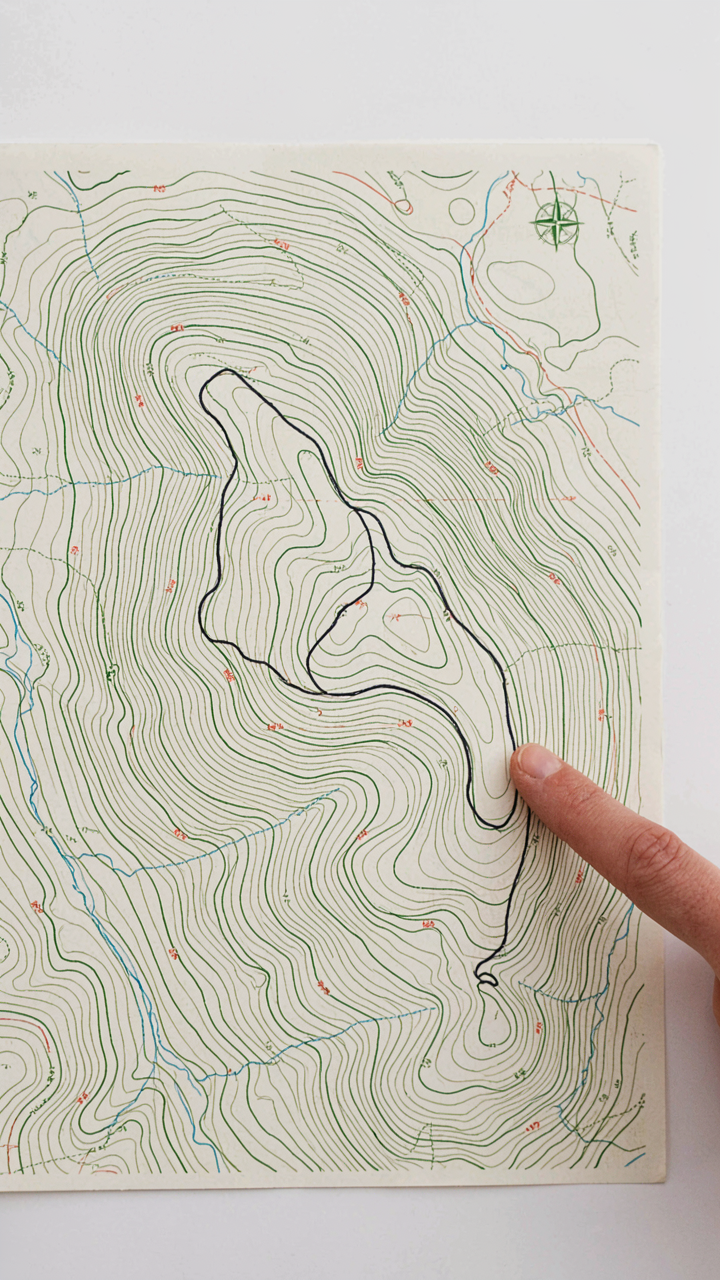
You want to feel prepared without actually doing the work. That’s why most beginners ignore elevation data until they’re halfway up a climb that shouldn’t exist. Topographic maps aren’t decoration. They’re a prediction tool. The gradient is physics. Steeper sections demand more oxygen, burn glycogen faster, and break rhythm. A 200-foot climb over half a mile reads flat on paper but crushes your legs. A 200-foot climb over two miles is sustainable. The difference is the slope angle. Map apps show elevation gain in total numbers, which is useless. You need the profile, the line graph showing where the terrain demands what.
Technical terrain lives in topographic lines that bunch together. When contour lines cluster tight, the ground gets steep or rocky. Spread-out lines mean runnable terrain. Before any run, scan the profile for your breakpoint, the section where you know your fitness ends. Plan to walk it. Don’t pretend you won’t. Walking a steep section preserves your heart rate and your adrenaline for the descent, where beginners actually need both. Download the map offline. Cell service dies in canyons and valleys. No service means no real-time route correction.
Microclimates Kill Plans On Sight
Weather forecasts lie because they measure conditions at sea level or airport elevation, not at the ridge where you run. This is meteorology meeting terrain. A valley floor can be 15 degrees warmer and calmer than the exposed ridge 800 feet above. Wind accelerates through saddles between peaks. Rain falls earlier and stays longer on north-facing slopes. Shadows create cold pockets that surprise you. The forecast says 65 degrees and clear. The ridge says 48 degrees and windy. Both are right. Neither prepared you.
Check the forecast three hours before you run, not the night before. Conditions shift. Look for sudden pressure drops, which signal wind arrival or weather turnover. Know the specific microclimate of your trail. Run it once in dry conditions before you hit it in rain. Rain changes traction and line choice permanently. Ask local runners about weather patterns on your specific route, not general area forecasts. Then trust your own observation during the run itself. If conditions feel wrong, they are. Your adrenaline response is a detection system, not a reason to push through.
Beginner Trail Runner Training Plan: The Adaptive Endurance Model

Strength Work That Transfers To The Trail
You want this section to validate that you’re not wasting time in the gym. Here’s what actually matters: trail running demands what biomechanics calls “stiffness regulation”—the ability to absorb force asymmetrically on uneven ground and stabilize joints mid-stride without thinking. Road running doesn’t teach this. Your legs need eccentric strength, not just concentric power.
Focus on movements that train deceleration and lateral stability. Single-leg deadlifts, reverse sled drags, and lateral bounds force your stabilizer muscles to fire under load on unstable planes. Plyometrics matter less than eccentric loading. Do three sessions weekly, never on consecutive days. One session targets lower body eccentric work, one targets lateral stability, one targets single-leg balance under fatigue. This prevents overuse injury more effectively than generic “core work” ever will.
Rest Days Aren’t Weakness
The common advice says rest is passive recovery. That’s incomplete. Recovery is adaptive stress: your body builds resilience during downtime, not during the run. Beginners treat rest days like punishment and hit every trail hard. They plateau or break.
Your nervous system requires metabolic restoration after trail-specific training. Running on trails recruits stabilizer muscles that road running ignores, meaning central fatigue accumulates faster. Two full rest days weekly is the minimum threshold for beginners. Active recovery on the third low-intensity day works only if heart rate stays conversational. Track how you feel at the start of week three of any plan—if energy drops or legs feel heavy, you’re undercutting recovery. Extend rest by one day and retest. This feedback loop prevents the overtraining trap before it starts.
Trail Running Tips: The Unspoken Rules Of The Wild

Pack Out Everything You Pack In
You want to believe you’re different from the destructive runner who trashes trails, so you ignore the actual mechanism: erosion compounds. You pack out everything because soil degradation doesn’t reverse in a season. Repeated foot traffic on wet ground creates ruts that become gullies. Water channels through them. The trail widens and dies.
- Microtrash: Pack out tape, gel wrappers, and lost nutrition blocks. They break down slower than you think and signal to others that littering is normal.
- Toilet paper and waste: Bury human waste 200 feet from water sources using a trowel. Pack out toilet paper in a sealed bag—it doesn’t decompose quickly in dry climates.
- Rock stacking and trail markers: Don’t build cairns or move rocks. Maintain existing official markers only. You create confusion and damage habitat.
- Shortcutting switchbacks: Stay on trail even when tired. Cutting corners accelerates erosion and widens the trail permanently. One run compounds across hundreds of runners.
- Muddy trail avoidance: Don’t run around mud by going off-trail. You expand the damaged zone. Wet conditions mean accept slower pace or choose another route.
The math is simple: trails exist because other runners respected them. Respect isn’t sentiment. It’s the protocol that keeps the land runnable for the next season and the season after.
Solo Running: Know The Real Risk
Most advice on solo trail running focuses on safety gear and communication plans. That’s incomplete. The real risk isn’t injury—it’s cascade failure. You twist an ankle on mile four of a six-mile loop with poor cell service and no one knows your route. Now you’re stranded for hours in temperature drop. The mechanism is information asymmetry: whoever you tell must know exactly where you go and when you return.
The protocol is rigid: tell one person your exact trailhead, route, and expected return time. Not “I’m going for a run.” Route name and turnaround landmarks. Set a callback time. If you don’t check in within 30 minutes past that window, they call search and rescue with your actual location data, not guesses. Run with a basic GPS watch or phone with offline maps downloaded. Carry water even on short runs. Ankle injuries happen fast on uneven terrain. One mistake becomes dangerous when no one knows your coordinates.
The Real Obstacle Isn’t The Terrain; It’s Your Predictable Approach To An Unpredictable World

You don’t need perfect conditions or the right gear to start. You need to stop waiting for conditions to exist and move toward discomfort instead. Trail running strips away the predictability you’ve built your life around. The adrenaline comes not from the terrain but from your willingness to enter it untrained, unprepared, and alive. Go find a local trail today and run it without overthinking the distance. The person you become on that trail is more real than the one sitting still.