
Introduction
Tokyo is one of the biggest and busiest cities in the world. It attracts millions of visitors every year with its mix of tradition and modern life. When planning a trip to Tokyo, one key aspect to figure out is the cost. Knowing the expenses and how to manage your budget is essential.
This article looks at traveling costs in Tokyo, from transport to food and accommodation. It also offers practical tips to help you save money without missing the best experiences. If you want to enjoy Tokyo and keep your budget in check, this guide will help you make smart choices for your trip.
Estimating Your Total Trip Costs

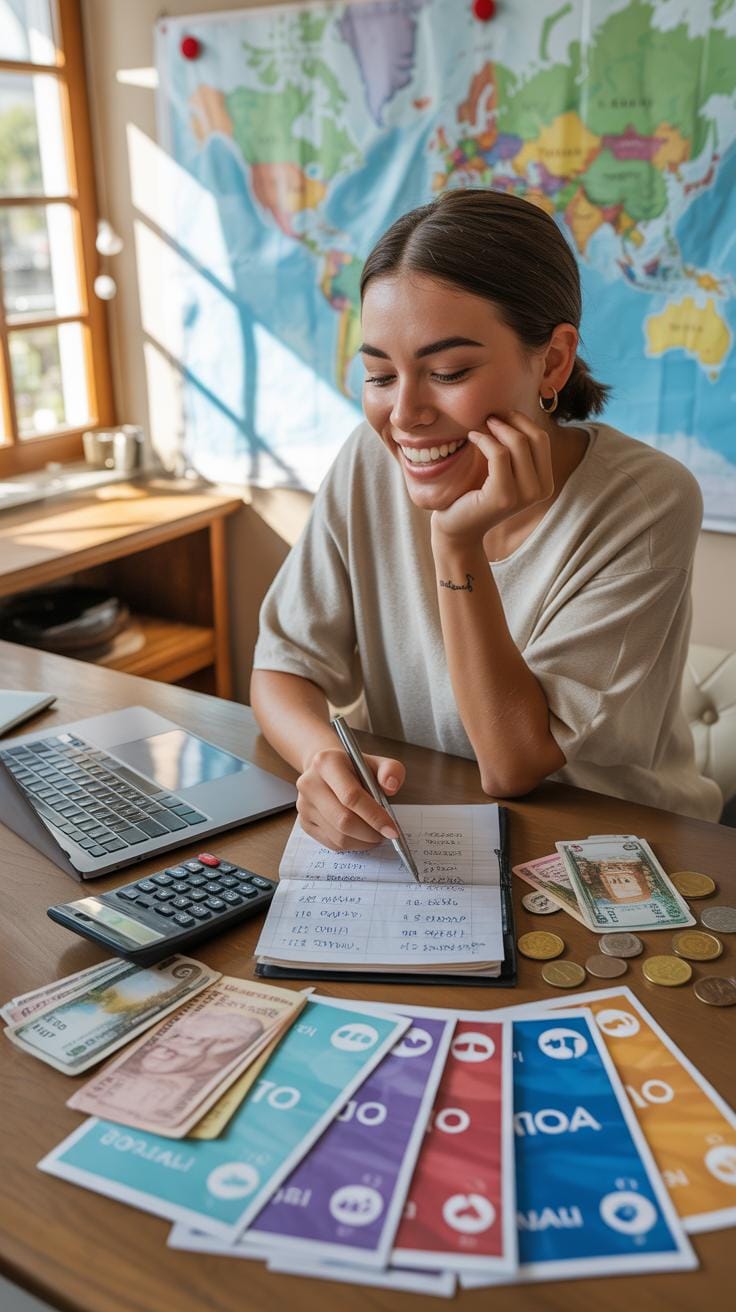
When figuring out your budget for a week in Tokyo, breaking expenses into categories helps a lot. Flights can vary widely depending on where you fly from. For example, round trips from the US or Europe often cost between $600 and $1,200, though deals under $500 pop up occasionally if you’re patient. From nearby Asian countries, fares might hover around $200 to $400.

Accommodation pays off when planned carefully. Hostels start around $20 per night, business hotels are typically $60–$100, and Airbnb options range widely—perhaps $50 to $150 depending on location and comfort. If you want a mix of convenience and savings, business hotels are a solid pick.
Daily meals could average $10–$30 if you mix convenience store snacks, street food, and casual restaurants. Transport costs, including subways and occasional taxis, usually add up to $5–$10 per day. Don’t forget about activity expenses—museum entries, temples, or attractions often charge a few hundred yen each, summing to about $50–$100 over the week.
Put this together, and a 7-day trip might run from $1,200 on a tight budget to $2,500 or more if you lean toward comfort. Still, prices vary depending on choices and timing. Have you thought about how much time you want to spend exploring versus relaxing? That could shift your spending quite a bit.
Flight Prices And Booking Tips
Flights to Tokyo swing broadly by origin. From North America and Europe, it’s common to see tickets between $700 and $1,000 if booked two to three months ahead. Booking earlier can save you a good chunk, but sometimes last-minute deals surface, especially off-peak. For travelers in Asia, flights can be under $300, sometimes as low as $150 during sales.
Maximizing savings means scanning multiple airlines and using flexible dates. I once missed a cheap ticket by a day because I hadn’t checked alternative departure dates. Weekdays often cost less than weekends. Low-cost carriers like Peach Aviation or Jetstar may offer cheaper fares but watch out for added fees.
Choosing Affordable Accommodation
Tokyo’s lodging options are diverse. Budget travelers often pick hostels for the social vibes and low rates — you might pay around $20–$40 per night, though privacy can be limited. Business hotels offer small but functional rooms at $60–$100, often with amenities like free Wi-Fi and convenient locations near train stations.
Airbnb can provide a middle ground; prices vary based on neighborhood and quality but expect roughly $50–$120 per night. Sometimes it’s cheaper than a hotel, especially if you stay longer or book a private room instead of an entire apartment. One tricky bit: deciding if you want to be right downtown or in quieter suburbs, which could affect transport time and cost.
Using Tokyo Transport Without Overspending
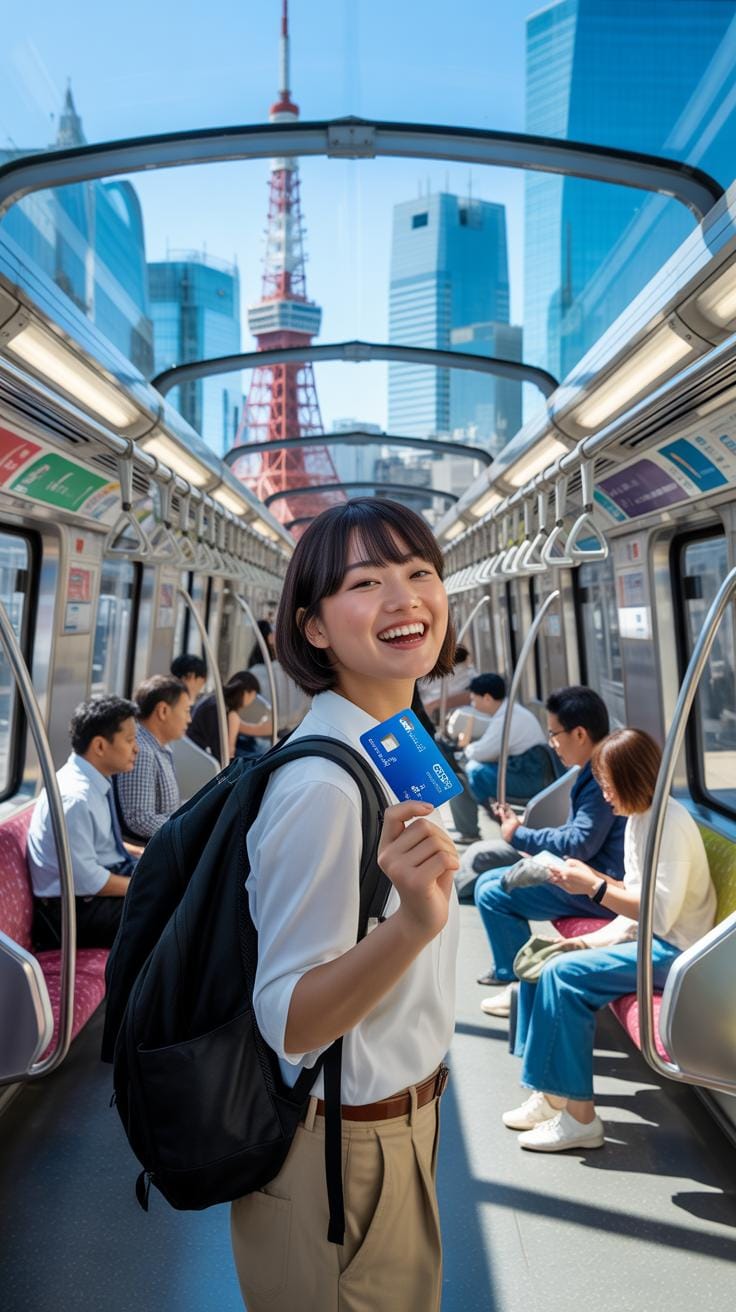
Tokyo’s public transport system is all about trains, subways, and buses. They overlap but serve slightly different roles. The trains—especially the JR lines—are great for longer distances and hopping between districts like Shinjuku and Shibuya. Subways dive deeper into the city, perfect for short hops and connecting smaller neighborhoods. Buses catch the spots trains don’t cover as well, but they’re often slower and less popular with tourists.
Ticket costs usually vary by distance. Short rides might cost around 170 yen, while longer trips can hit 320 yen or more. Yeah, it can add up fast. Single tickets work but getting a prepaid card is smarter. Cards like Suica or Pasmo let you top up once, then tap through gates without fuss. They save a bit on each ride, but mostly they save time and frustration.
For a visitor planning multiple rides, city passes such as the Tokyo Subway Ticket offer unlimited rides on subways for 24, 48, or 72 hours. If you plan to explore widely, this can cut costs noticeably. Still, think about your itinerary carefully—some passes don’t cover JR lines, so mixing cards or passes may be necessary.
How To Use Tokyo Metro Efficiently
Tokyo Metro is complicated and it often felt like a maze when I first arrived. Maps are everywhere; still, it takes time to get the hang of fare zones and multiple lines intersecting. Each trip’s fare depends on start and end stations. The further you go, the more you pay. But those fare calculators on your phone or at stations help a lot.
Using a Suica or Pasmo card can feel like a small relief in all this. They work almost the same, letting you tap in and out without buying paper tickets every time. Reloading is easy at machines. Plus, if you miss a transfer or don’t get off at the right stop, you can often adjust your fare later at ticket offices. It might feel tricky at first, but once you get it, city hopping gets simpler.
One tip: try to avoid rush hours if you can, not only because it’s crowded but because ticket gates can become tricky to move through quickly. Also, didn’t expect but walking between some nearby stations was faster than waiting on transfers through complex lines.
Comparing Transport Card Options
Tourists mainly choose between Suica, Pasmo, and prepaid subway-specific passes like the Tokyo Subway Ticket. Suica and Pasmo work almost identically—both prepaid, accepted on virtually all public transit in Tokyo. Suica comes from JR East, while Pasmo is managed by private railways. Honestly, for most visitors, there’s not much difference.
Tokyo Subway Tickets offer unlimited rides on Tokyo Metro and Toei Subway lines but don’t cover JR trains or buses. They’re great if you focus on the subway network only and want to move freely without fussing over costs for a day or two.
You can buy these passes at airports or major stations. Sometimes, you wonder if it’s better to get the card or just buy single tickets as needed. If your plans include a lot of JR travel or outside Tokyo trips, prepaid cards like Suica or Pasmo might win out. For mainly central Tokyo stays hopping between subway stops, the unlimited subway pass might be more cost-effective. It depends on your route charts and preferences, really.
Eating Well On A Budget In Tokyo
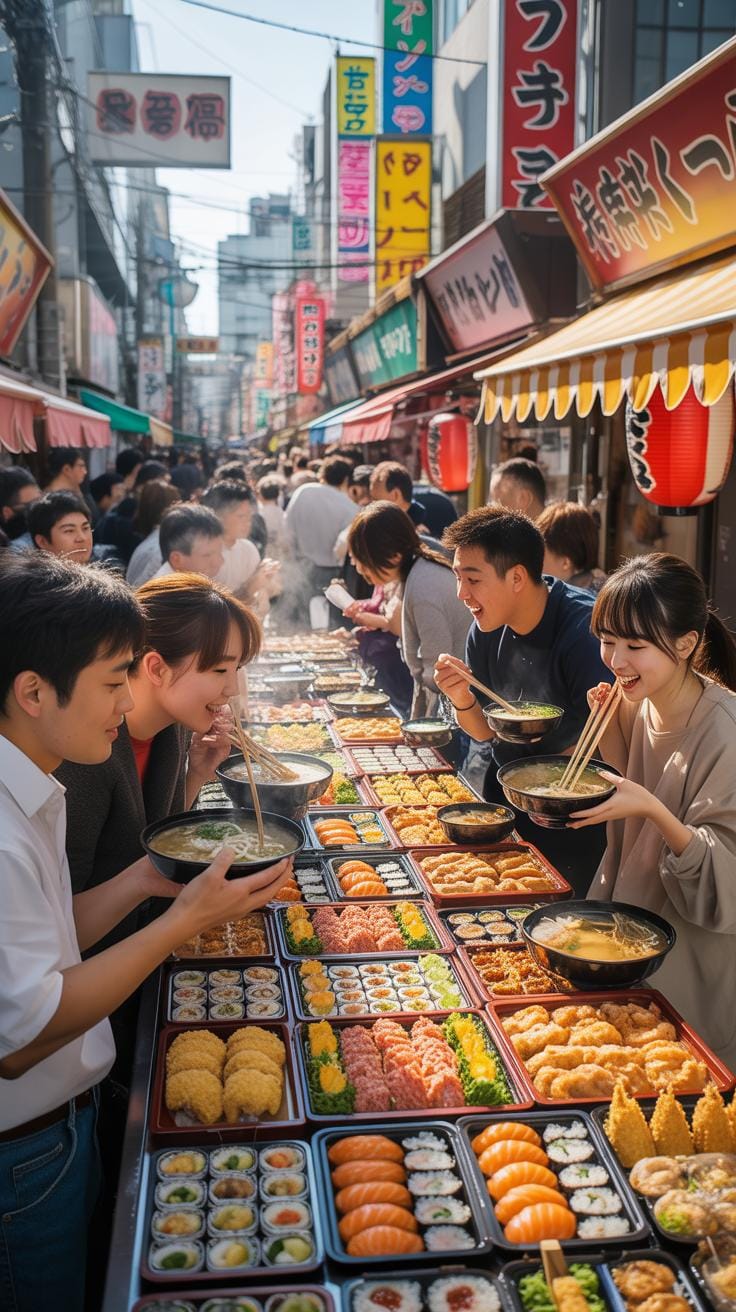
Tokyo’s food scene can feel overwhelming, but eating well without overspending is definitely possible. Convenience stores like 7-Eleven, Lawson, and FamilyMart offer surprisingly good options for quick meals. You could grab a bento box, onigiri (rice balls), or a sandwich for around 300 to 600 yen—perfect for a filling, affordable bite when you’re on the go.
Street food is another solid choice. Places like Ameya-Yokocho near Ueno or Nakamise Street by Senso-ji Temple have stalls selling takoyaki (octopus balls) or taiyaki (fish-shaped cakes filled with sweet bean paste) for about 200 to 500 yen. These give you a taste of local flavors without a hefty price tag.
Casual dining spots like ramen shops or standing sushi bars can also be wallet-friendly. You might find a bowl of ramen for 500 to 900 yen, which often feels more satisfying than a pricey restaurant meal. Keep an eye out for places tucked away in side streets—these tend to be cheaper and less touristy.
When searching for inexpensive meals, look for places where locals eat, or ask nearby shop staff about their favorite cheap eats. Sometimes, menus displayed outside with prices help decide quickly. It’s a bit of trial and error, but you’ll find tasty, affordable meals without trouble.
Best Cheap Eats In Tokyo
Here are a few popular budget-friendly dishes and where to try them:
- Gyudon (beef bowl): Quick, filling, and widely available. Chains like Sukiya or Yoshinoya serve bowls for roughly 400 to 600 yen.
- Tempura: Look for small tempura shops in Asakusa or Tsukiji markets offering sets for around 700 to 1,000 yen.
- Udon and soba noodles: Many casual spots serve noodles for about 400 to 700 yen. Check out standing noodle bars near train stations.
- Okonomiyaki: Japanese savory pancakes. Places in neighborhoods like Shinjuku offer them for about 800 yen a plate.
- Curry rice: A hearty meal costing between 500 and 800 yen, available in specialized curry shops like CoCo Ichibanya.
Some of these dishes are simple yet filling, making them perfect for stretch-your-budget days. Don’t shy away from spots with Japanese menus only—pointing or showing photos usually works well.
Saving Money On Drinks And Snacks
Drinks and snacks can add up fast, but Tokyo helps you keep costs low if you know where to look. Convenience stores often have discount prices on bottled teas, coffees, and even some alcoholic beverages starting around 100 yen.
Vending machines are everywhere in Tokyo and can be surprisingly cheap too—especially for canned coffee or soft drinks priced between 100 and 150 yen. Some machines switch prices based on the time of day. It’s worth checking a few to find the best deals.
If you want to avoid pricey cafes, pick up snacks like rice crackers, fresh fruit, or packs of mochi from supermarkets or local markets. These usually cost between 100 and 300 yen and are easy to carry around.
Lastly, buying water from convenience stores instead of tap water may seem unnecessary, but since tap water flavor varies, a bottle can refresh you well after a day exploring without hurting your budget too much. Overall, juggling between convenience stores and vending machines keeps you hydrated and snacking smartly while in the city.
Free And Low Cost Activities In Tokyo
Visiting Parks And Temples
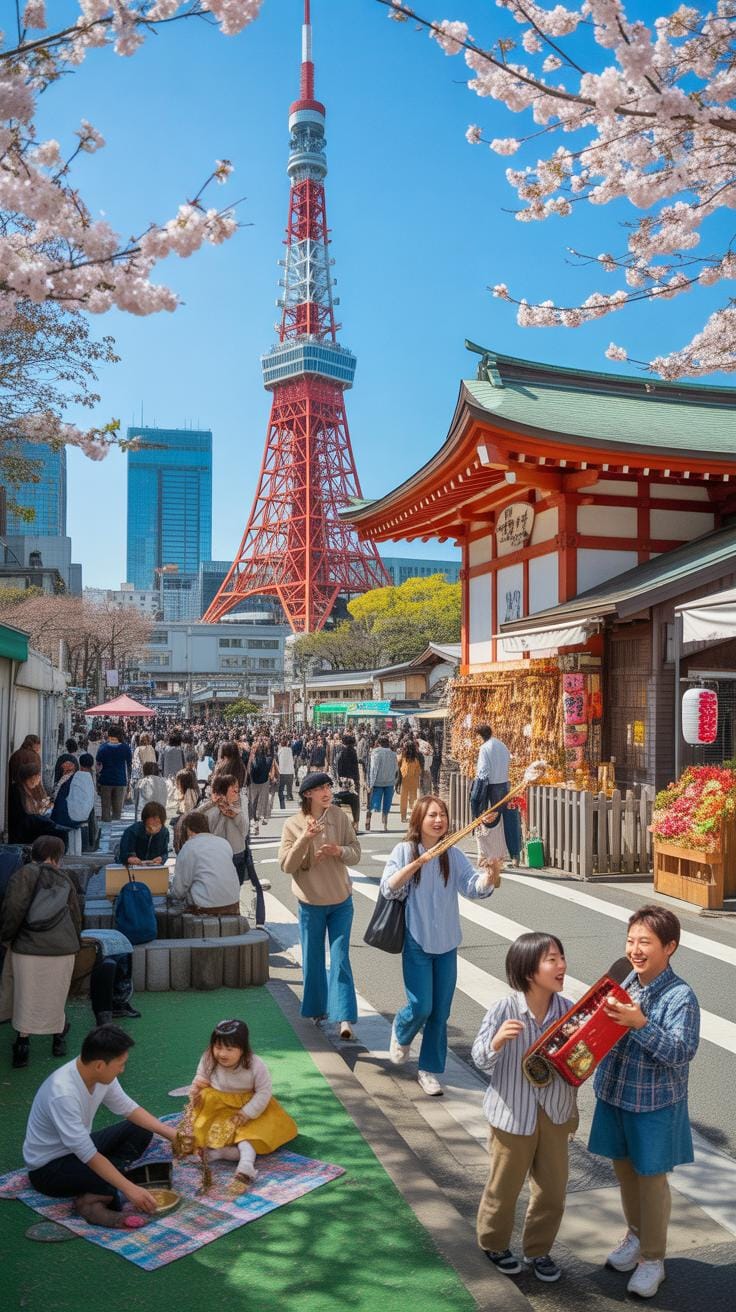
Tokyo offers plenty of green spaces and quiet spots that don’t require any entrance fee. For example, Yoyogi Park is a great place to watch locals practicing yoga or playing music, especially on weekends. Shinjuku Gyoen National Garden sometimes charges, but its outer areas and nearby parks feel just as peaceful without a ticket.
Temples like Senso-ji in Asakusa welcome visitors freely. You can walk around its famous gate and bustling Nakamise street just outside without paying. Meiji Shrine nearby is another spot where you can wander along forested paths and maybe catch a traditional wedding ceremony, all at zero cost.
These places offer calm breaks from Tokyo’s busyness and let you soak in some culture. They don’t feel incomplete without a ticket, which is nice for budget travelers who still want that authentic vibe.
Exploring Neighborhoods And Markets
Wandering through neighborhoods like Harajuku or Shimokitazawa gives you a peek into Tokyo’s quirky side without spending much. It’s mostly window shopping, people watching, and enjoying street performances, which often pop up.
Markets like Ameya-Yokocho in Ueno offer a lively atmosphere. Walking through, you can sample a few affordable snacks or just enjoy the variety of goods on display. Even if you don’t buy anything, the energy there feels unique.
Exploring these areas on foot lets you stumble upon hidden cafés or small galleries tucked away in alleys. Sometimes the best parts of Tokyo aren’t planned — they’re discovered. You might not spend a yen, yet you’ll come away feeling like you genuinely saw the city.
Daily Budget Setup For Tokyo Trips
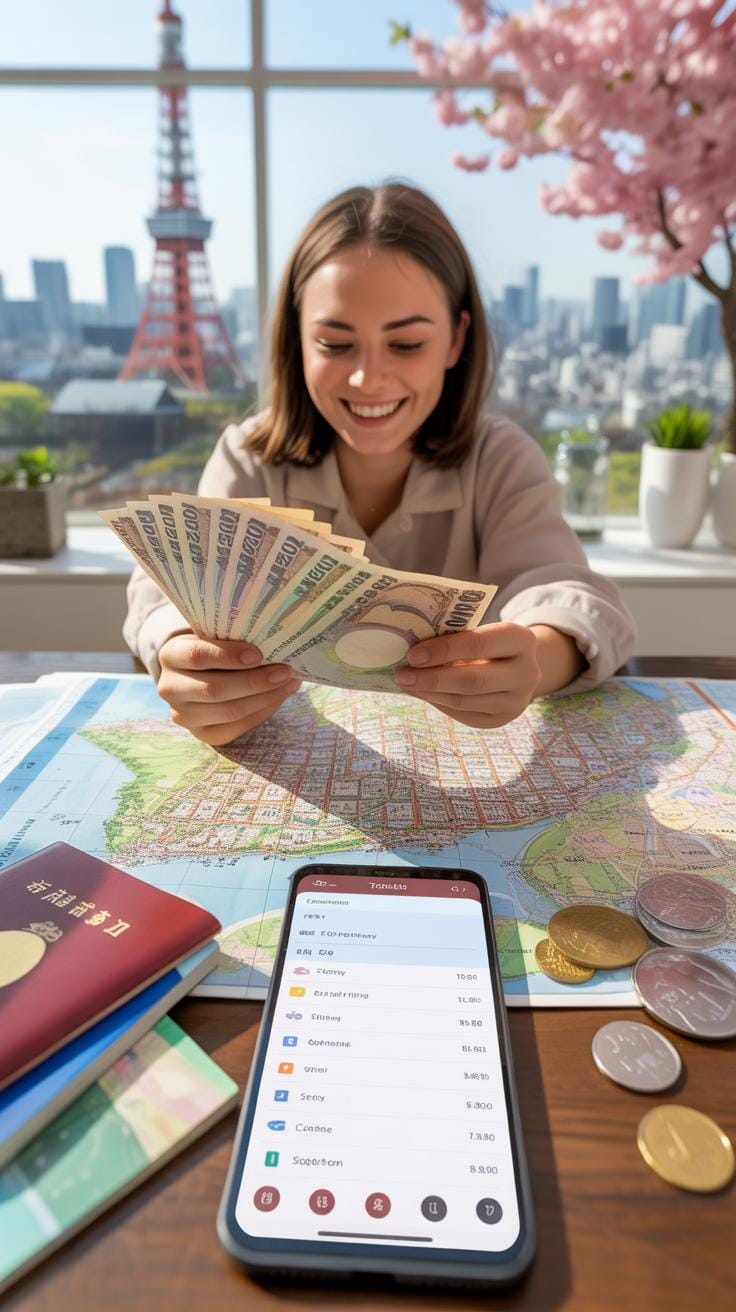
Setting a daily budget for Tokyo can feel a bit tricky because the city offers everything from super affordable eats to splurges that might surprise you. But let’s break it down into four key categories: meals, transport, activities, and shopping. For meals, allocating around 1,500 to 2,500 yen per day is realistic if you mix convenience store meals with occasional restaurant visits. Transport typically costs 1,000 yen or so daily if you’re using subways and buses moderately.
Activities vary widely. A museum ticket might be 600 yen, while a day at an amusement park is pricier—maybe up to 6,000 yen. If you plan a mix, budgeting about 3,000–4,000 yen daily seems fair. Shopping? That’s where things get flexible. Souvenirs or small items can be kept under 1,000 yen per day, but if you’re into fashion or electronics, that number jumps quickly.
Here’s a quick sample daily budget:
- Meals: 2,000 yen
- Transport: 1,000 yen
- Activities: 3,000 yen
- Shopping: 1,000 yen
Total: Roughly 7,000 yen per day, which translates to about 50–60 USD. Of course, your plan might shift if you prioritize certain experiences or dining styles. That’s the advantage of a flexible daily budget—it keeps you aware but not too constrained.
How To Track Your Spending
Keeping track of expenses while exploring Tokyo can actually be easier than you think, if you’re open to a little planning. Many people swear by budgeting apps like Wallet or Spendee, which link to your cards and categorize expenses automatically. But there’s value in jotting down cash purchases too—especially since small vendors or street food often don’t accept cards.
A simple notebook works just fine. Take a minute at the end of each day to log what you spent. It helps keep you honest—and can make you think twice before that extra snack or souvenir. If using apps, try setting daily spending limits with notifications so you don’t get carried away. Also, keeping physical receipts for at least a day allows you to cross-check your records later.
What feels best? I found that combining digital tracking with a small notebook gave me a fuller picture and prevented overspending.
Adjusting Budget For Different Travel Styles
Your budget in Tokyo will look quite different depending on your travel style, which is pretty obvious but worth spelling out. Budget travelers might survive on less than 5,000 yen per day by eating convenience store meals or ramen shops, using a prepaid metro card efficiently, and skipping costly attractions. Hostels or capsule hotels also save big bucks here.
Mid-range visitors often spend 8,000 to 12,000 yen daily, enjoying nicer meals—maybe sushi or izakaya—plus more paid activities like theme parks or guided tours. Staying in business hotels or Airbnbs fits this tier well. Luxury travelers might easily burn 30,000 yen or more daily, dining at high-end restaurants, taking taxis or renting private cars, and splurging on exclusive experiences or designer shopping.
Where can you cut or splurge? Meals and lodging flexibility offer the most room. Public transport in Tokyo is efficient and affordable, so upgrading from metro cards to taxis probably won’t improve your experience enough to justify the cost, unless convenience is a big factor for you. Shopping, though, can break any budget—so keeping an eye on impulse buys helps.
Tokyo Shopping Smart For Visitors
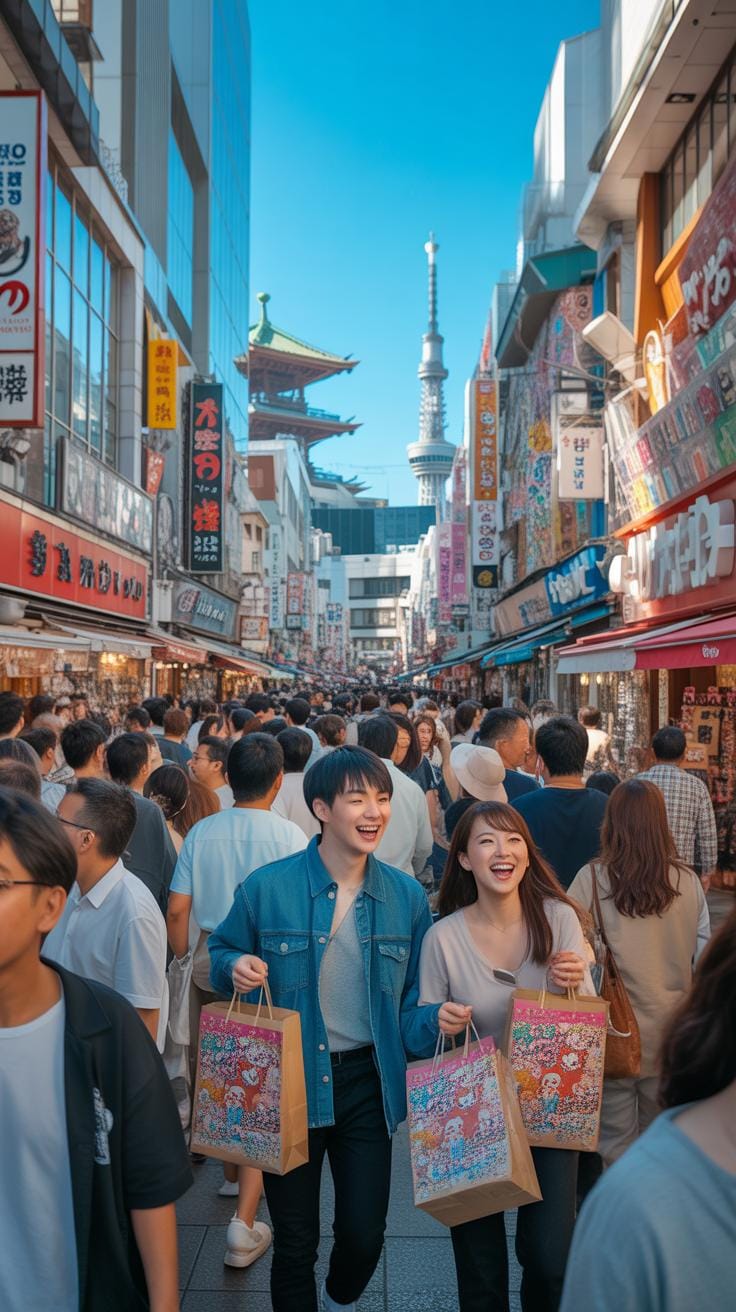
When shopping in Tokyo, it’s easy to get overwhelmed by the number of options—and the temptation to buy at the first souvenir stand you see. But if you want to save money and avoid the typical tourist price hikes, you’ll need to be a bit strategic. The city offers a range of spots where souvenirs, clothes, and electronics can be surprisingly affordable, especially if you’re willing to explore beyond the main tourist streets.
For affordable souvenirs, places like Ameya-Yokocho market near Ueno station are a great bet. Here, vendors often offer colorful snacks, traditional crafts, and quirky trinkets at prices lower than what you’ll find in the big department stores. Another area worth checking out is Asakusa’s Nakamise street—but try to peek into side alleys rather than just the busy main stretches, where prices tend to climb quickly.
If you’re after clothes, consider heading to Shimokitazawa or Koenji. These neighborhoods host numerous thrift shops and small boutiques selling cool, gently used clothes without the designer label fees. Electronics—well, Akihabara is the obvious choice, but don’t rush to buy at the first flashy store. Walk a bit deeper into the alleys to find smaller shops offering better deals or secondhand gadgets in good condition.
How can you tell if a shop is geared towards tourists? One sign is the glaringly high prices marked on obvious souvenirs like keychains and postcards, especially in shops right next to major sights. Also, stores that try to catch your attention aggressively or pressure you to buy immediately usually aren’t worth your time. Instead, look for places where locals shop—it might take a bit of patience, but your wallet will thank you.
So, when you’re out there, keep an eye on variety, compare prices between several shops, and don’t hesitate to ask locals or shop assistants for recommendations. Even if you don’t speak much Japanese, a genuine smile and simple questions often open doors you hadn’t considered. You might leave with more than just souvenirs—maybe even a better understanding of Tokyo’s daily life.
Managing Currency Exchange And Payments
Where To Exchange Money
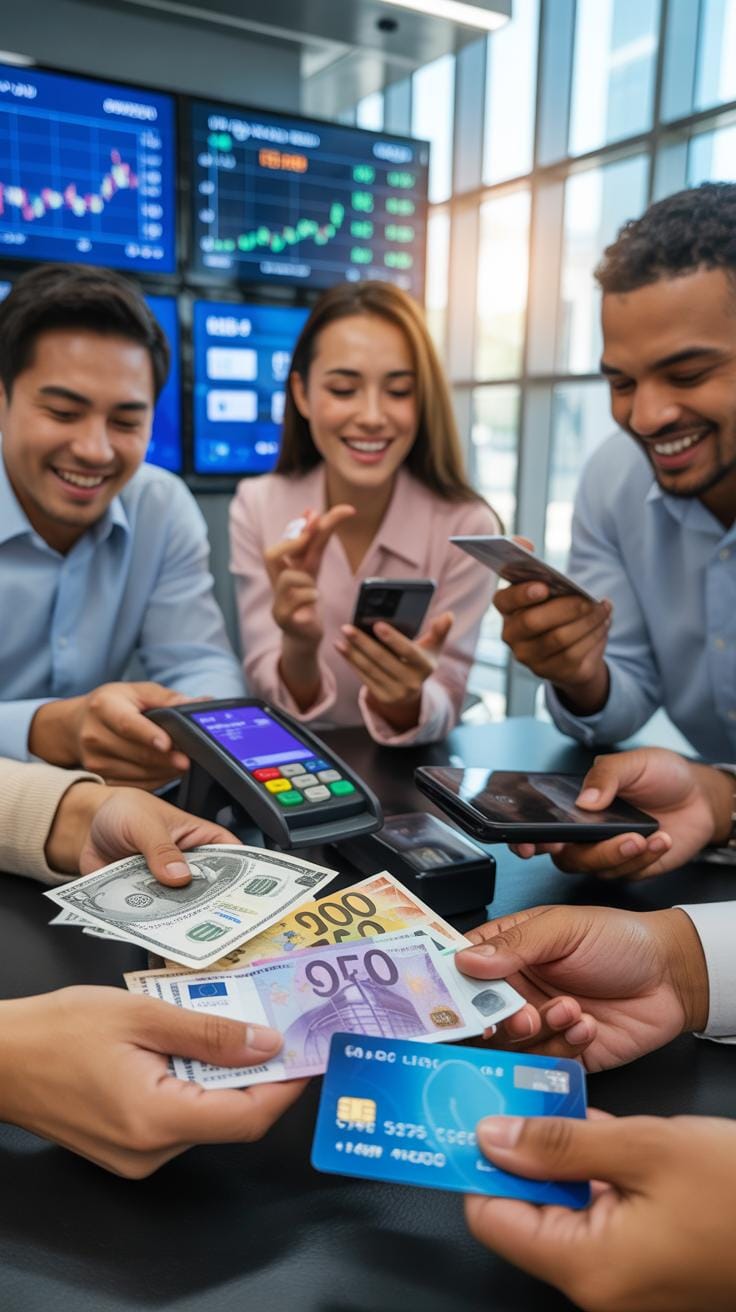
When you arrive in Tokyo, exchanging money can feel a bit confusing. Airports offer convenience but usually at less favorable rates. You might end up with fewer yen for your dollars or euros if you switch cash there. Still, it’s not always a bad idea to exchange a small amount at Narita or Haneda just to cover immediate expenses like transport or snacks.
Banks in Tokyo tend to have better rates during weekdays, yet their hours are limited—often closing by late afternoon. They also might require you to fill out extra paperwork, which can slow down your day. Money exchange centers found in busy districts like Shinjuku or Ginza often provide solid rates and are open longer hours. Some travelers have told me they saved a decent chunk just by comparing a few nearby counters before deciding.
Keep an eye out for places with clear signage and transparent fees. Avoid stand-alone tourist traps where the rates might seem okay but hide high service costs. It’s tempting to exchange all your cash at once, but pacing it out can help you get a better feel for rates as you go.
Using Cards And ATMs In Tokyo
Credit and debit cards work widely in Tokyo, especially in larger stores, restaurants, and hotels, but not everywhere. Smaller shops and local eateries often prefer cash—you’ll find yourself reaching for yen more than once. Visa and Mastercard are generally more accepted than American Express or Discover, so carry at least two types if you can.
ATMs in Tokyo are common but can be tricky. Japan Post Bank ATMs and those at 7-Eleven convenience stores usually accept foreign cards and dispense yen without much fuss. Others, especially in private banks, may refuse your card or charge high fees. Ask your bank if they partner with any Japanese banks to reduce ATM fees.
One thing I noticed is that Japanese ATMs may close operations during nighttime or holidays. Plan ahead or withdraw larger sums once or twice rather than topping up daily, unless you want to risk inconvenience or extra charges.
Also, check your card’s foreign transaction fees before you leave. Sometimes, using cash might save you money, even if it sounds old-fashioned. It’s a balance, really, between convenience and cost.
Tokyo Accommodation Booking Tips
How and When to Book for the Best Rates
Booking your stay in Tokyo can be a bit tricky if you don’t pay attention to timing. The busiest periods include the cherry blossom season in late March to early April, and the New Year holidays. Prices then often spike sharply, so if you’re planning to visit during those times, try to reserve months ahead—sometimes even half a year. On the other hand, late autumn can see fewer crowds and slightly better deals.
Cancellation policies are another thing to watch. Some places offer free cancellation up to a few days before arrival, which is handy if your plans might change. Others lock you in early, so read the fine print closely. Sometimes it’s cheaper to choose a non-refundable option, but that’s a gamble if your dates aren’t fixed.
Best Sites To Find Deals
You’ll find that certain websites consistently have good offers for Tokyo accommodation. Booking.com is popular for its wide range and free cancellation options. Agoda often has lower nightly rates, especially for guesthouses and business hotels. Hotels.com can be useful if you’re collecting rewards nights, but watch out for limited stock in the busy seasons.
For a more local feel or quirky stays, checking Airbnb can pay off. Just be prepared — Tokyo has regulations tightening short-term rentals, so some listings might disappear at the last minute. Apps like Japanican or Jalan are also worth a glance, especially if you want package deals including transport or meals.
Booking Early vs Last Minute Deals
Deciding whether to book early or wait for last-minute deals in Tokyo isn’t simple. Booking early usually guarantees your preferred hotel or neighborhood and locks in a decent price. That said, Tokyo’s accommodation market is huge and dynamic. Sometimes last-minute prices drop if occupancy is unexpectedly low, especially on weekdays or off-peak months.
But relying on last-minute deals can be risky, especially during peak times when choices narrow fast. If you’re visiting for a big event or during cherry blossom season, waiting could leave you without decent options. On the flip side, if your schedule is flexible and you’re adventurous, last-minute can occasionally surprise you with bargains.
Emergency And Safety Budget Planning

When traveling in Tokyo, setting aside extra funds for emergencies isn’t just smart—it’s necessary. You never know when a small hiccup could turn into a bigger expense. Maybe you get sick unexpectedly or face a minor accident. Perhaps your flight changes last minute, or your belongings go missing. These situations can hit your wallet hard if you’re not prepared.
It’s a good idea to save about 10-15% of your total travel budget specifically for unforeseen costs. That way, you won’t panic if you have to visit a clinic or grab a replacement phone charger at a premium price. Think of this money as a safety net—one you hope not to use, but glad to have.
Health Services And Insurance Costs
Tokyo’s healthcare system is generally excellent, but medical services here can be expensive for visitors without insurance. If you don’t have travel insurance, a simple consultation might cost you anywhere from 5,000 to 20,000 yen, excluding tests or medication. Emergency rooms can charge even more.
Many travelers opt for travel insurance with coverage for medical treatment, which usually costs around 500 to 1,500 yen per day depending on your plan. Some cards offer limited coverage, but they might not be enough if you need serious care. You could try local clinics instead of hospitals for minor issues—they tend to be cheaper and quicker.
Handling Lost Items Or Travel Interruptions
Losing your wallet, phone, or passport in Tokyo can really derail your trip. Financially, it means replacing IDs, canceling cards, and extra transport costs to get back on track. Travel disruptions like canceled trains or delayed flights also eat into your budget.
To stay ready, keep a separate stash of emergency cash—both yen and a backup credit card tucked away somewhere safe. Having digital copies of passports and important documents helps a lot too; you can’t always rely on Wi-Fi, but having them on your phone or cloud means easier recovery.
Also, consider apps and services that might help in these situations, like airline rebooking tools or mobile payment hacks. Planning your finances around these “just in case” moments could save you stress and money when things don’t go as planned.
Conclusions
Traveling to Tokyo can be affordable with the right planning. Transportation, food, and accommodation all have options to suit various budgets. By focusing on key expenses and using money-saving tips, you can enjoy your visit without overspending.
Careful budgeting and research before your trip will make a big difference. Tokyo offers much to see and do, and with smart spending, you can make the most of your visit while keeping costs manageable.